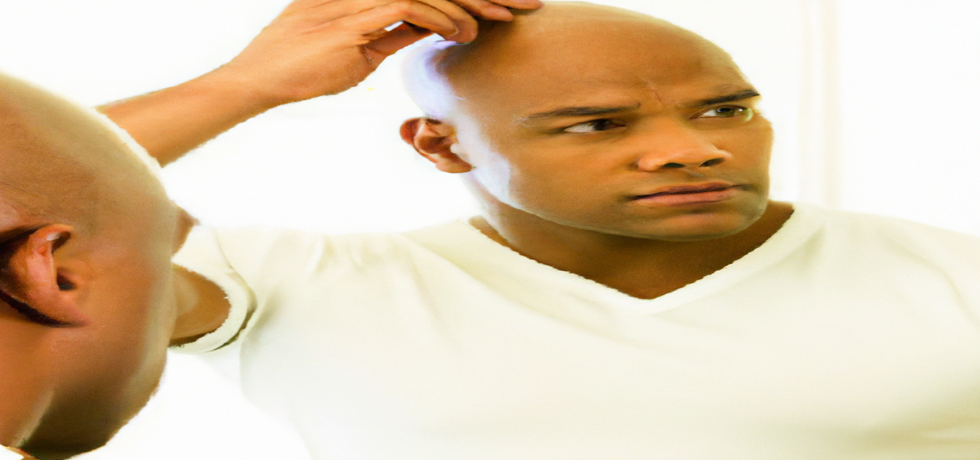
Understanding Male Pattern Baldness: Insights and Solutions
Introduction to Male Pattern Baldness
Male pattern baldness, also known as androgenetic alopecia, is a common condition impacting numerous men around the world. While often considered a natural part of aging, it can significantly affect an individual’s self-esteem and confidence. In this blog, we’ll explore important insights into male pattern baldness, its underlying causes, and practical solutions to help manage this condition effectively.
The Causes of Male Pattern Baldness
Male pattern baldness is primarily influenced by a mix of genetic, hormonal, and environmental factors. Genetics plays a crucial role, as having a family history of hair loss makes one more susceptible. Hormonal changes, particularly related to dihydrotestosterone (DHT), are also significant contributors. DHT is a derivative of testosterone that binds to hair follicles, causing them to shrink and eventually leading to hair loss. Environmental stressors, poor diet, and lifestyle choices, such as smoking, can further accelerate the progression of this condition, highlighting the importance of understanding its multifaceted causes.
Types of Male Pattern Baldness
The progression of male pattern baldness follows a predictable pattern, typically starting with recession at the temples and thinning at the crown. The most common classification system used is the Norwood-Hamilton Scale, which outlines various stages from Type I (minimal hair loss) to Type VII (advanced baldness). Each type represents different patterns and degrees of hair thinning, enabling individuals to understand their condition better and seek appropriate solutions.
Effective Solutions for Male Pattern Baldness
Stemming from the insights surrounding male pattern baldness, several actionable solutions can help individuals manage hair loss. Proper nutrition is key; a balanced diet rich in vitamins and minerals can promote hair health by nourishing hair follicles and supporting their functions. Nutrients such as biotin, vitamins A, D, C, and E, iron, and zinc are especially vital for maintaining healthy hair growth.
In addition, scalp massages can significantly benefit hair health. Regularly massaging the scalp enhances blood circulation, delivering more oxygen and nutrients to the hair follicles. This simple practice can activate dormant hair follicles, supporting new hair growth.
Utilizing natural oils such as rosemary and coconut oil can also help maintain a healthy scalp while stimulating hair growth. DHT-blocking natural oils, like saw palmetto, may further assist in reducing hair loss for some individuals.
Moreover, hair growth serums that feature innovative ingredients like Hairgenyl, Redensyl, and caffeine can promote thicker and healthier hair by targeting hair follicle health. When applying these serums, always take the time to massage the product into the scalp for optimal absorption.
Conclusion and Actionable Advice
Understanding male pattern baldness is essential for managing its effects confidently. By exploring the intricate causes and various types, individuals can better identify suitable solutions. Incorporating proper nutrition, scalp care, and specially formulated hair treatments can significantly improve hair health. While results can vary, the journey to better hair health begins with proactive steps and the right information. For those seeking personalized advice, consulting a dermatologist is highly recommended.
FAQs about Male Pattern Baldness
Q. Can male pattern baldness be reversed naturally?
A. While completely reversing male pattern baldness naturally can be challenging, focusing on proper nutrition, managing stress, and maintaining scalp hygiene can slow hair loss. Natural treatments like scalp massages and essential oils may help, but it is essential to consult a dermatologist for tailored advice.
Q. Why is male pattern baldness more common in men?
A. Male pattern baldness is primarily driven by genetic predisposition and hormonal factors, particularly the effects of DHT. The genetic susceptibility to DHT often inherited from both parents is why it’s more prevalent in men.
Q. Does hypertension affect male pattern baldness?
A. While hypertension isn’t a direct cause of male pattern baldness, chronic stress, which can contribute to hypertension, may exacerbate hair loss. Therefore, managing stress levels can be beneficial for overall hair health.
For professional assistance and expert advice from leading dermatologists like Dr. Hital Patel, experience the benefits of “Understanding Male Pattern Baldness: Insights and Solutions” with Hair & Skin Specialist Dr. Hital Patel at
The Skin Artistry. Our clinics in PDPU Gandhinagar, Vastrapur Ahmedabad, and Hyderabad (Visiting Consultant) offer top-quality care and personalized treatments. Visit us today to learn more about our services and take advantage of our special offers! For more insights, updates, or to collaborate, stay connected with
The Skin Artistry.

