
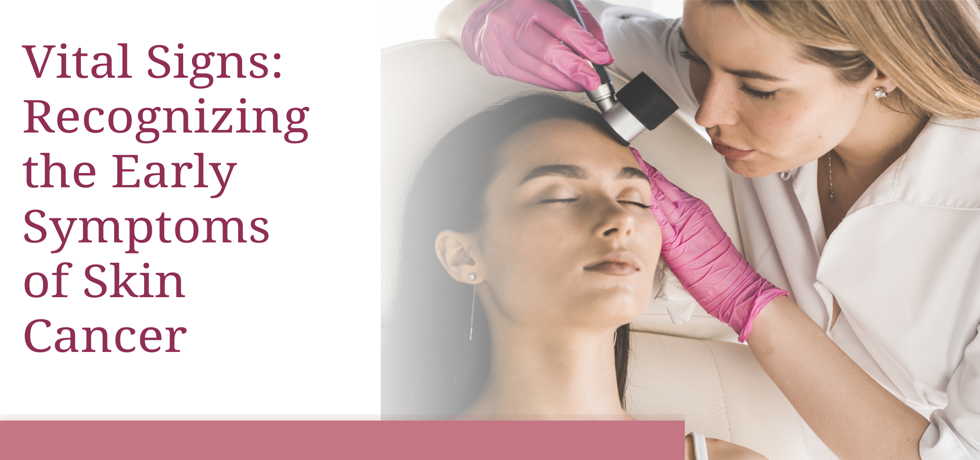
Skin Cancer Awareness: Early Signs and Prevention
Introduction to Skin Cancer Awareness
In recent years, skin cancer awareness has become more crucial than ever as its prevalence continues to rise. Understanding the early signs of skin cancer can significantly improve outcomes through timely detection and treatment. Skin cancer, particularly melanoma, can develop with little warning, making it vital for everyone to be proactive about their skin health. This blog will provide you with essential insights into recognizing early symptoms of skin cancer and preventive measures you can take to safeguard yourself and your loved ones.
Identifying Early Signs of Skin Cancer
Early detection is key when it comes to skin cancer awareness. Some of the first warning signs may include changes in existing moles or the appearance of new ones. It’s essential to monitor your skin regularly for any asymmetrical shapes, irregular borders, varying colors, increased diameter, or changes over timecollectively known as the ABCDE rule. These characteristics can be indicative of potentially dangerous skin lesions. If you notice any suspicious changes, its crucial to consult a dermatologist as soon as possible.
Understanding the ABCDE Rule
The ABCDE rule is a useful method to help individuals recognize abnormal moles or spots that may signal skin cancer. Each letter in this rule stands for a distinct feature:
- Asymmetry: One half of the mole doesn’t match the other.
- Border: Edges are irregular, ragged, or blurred.
- Color: Color is not uniform, with shades of brown, black, and sometimes patches of pink, white, or blue.
- Diameter: The mole is larger than 6mm or about the size of a pencil eraser.
- Evolution: Any change in size, shape, or color should be taken seriously.
This framework is a practical tool for skin cancer awareness and can help guide you during self-examinations.
Preventive Measures Against Skin Cancer
Prevention is just as important as awareness in managing skin health. Simple practices can significantly reduce your risk of developing skin cancer. Regularly applying a broad-spectrum sunscreen with an SPF of at least 30 protects your skin from harmful UV radiation. Additionally, wearing protective clothing, such as long-sleeved shirts and wide-brimmed hats, can help shield your skin, especially during peak hours between 10 a.m. and 4 p.m. Limiting sun exposure and avoiding tanning beds are essential proactive steps in skin cancer prevention.
The Importance of Regular Skin Checks
Along with self-examinations, scheduling regular check-ups with a dermatologist is vital for early diagnosis. For individuals with a family history of skin cancer or other risk factors, these visits should be frequent. During these professional skin exams, your dermatologist will thoroughly assess your skin, allowing for early detection of any irregularities. Educating yourself about your skin type and its needs will empower you to take charge of your skin health effectively.
Conclusion: Taking Action for Your Skin Health
Skin cancer awareness is crucial in our proactive approach to skin health. By recognizing early signs, following the ABCDE rule, and implementing preventive measures, we can combat the rising incidence of skin cancer. Make it a habit to monitor your skin regularly and consult a dermatologist for routine screenings. Taking these small steps today can lead to significant benefits for your skin health tomorrow. Remember, the earlier you detect any changes or issues, the better your chances for successful treatment.
Frequently Asked Questions
1. How often should I perform self-examinations for skin cancer?
It’s recommended to conduct self-examinations monthly to observe any changes in your skin pattern.
2. What should I look for during a self-examination?
Pay attention to moles that exhibit asymmetry, irregular borders, color variation, and any growth or evolution over time.
3. Can anyone develop skin cancer, or is it hereditary?
While some people may be at a higher risk due to their family history, anyone can develop skin cancer. Practicing preventative measures is essential for everyone.
It’s recommended to conduct self-examinations monthly to observe any changes in your skin pattern.
2. What should I look for during a self-examination?
Pay attention to moles that exhibit asymmetry, irregular borders, color variation, and any growth or evolution over time.
3. Can anyone develop skin cancer, or is it hereditary?
While some people may be at a higher risk due to their family history, anyone can develop skin cancer. Practicing preventative measures is essential for everyone.
For professional assistance and expert advice from leading dermatologists like Dr. Hital Patel, experience the benefits of Skin Cancer Awareness: Early Signs and Prevention with Hair & Skin Specialist Dr. Hital Patel at The Skin Artistry. Our clinics in PDPU Gandhinagar, Vastrapur Ahmedabad, and Hyderabad (Visiting Consultant) offer top-quality care and personalized treatments. Visit us today to learn more about our services and take advantage of our special offers! For more insights, updates, or to collaborate, stay connected with The Skin Artistry.
