Unveiling the Connection Between Dandruff and Acne

image

Unveiling the Connection Between Dandruff and Acne

Understanding the Common Skin Concerns

Dandruff and acne are two of the most common skin issues that people face, yet many are unaware of their connection. Both conditions often stem from similar factors, including the activity of sebaceous glands which produce excess oil. The question arises: can dandruff actually lead to breakouts on your face? The answer is yes, and understanding this link can empower you to take proactive steps for maintaining clearer skin.

What is Dandruff?

Dandruff is a scalp condition characterized by the shedding of dead skin cells that clump together to form flakes. These flakes, mixed with the excess oil or sebum secreted by the scalp’s sebaceous glands, can create an itchy and uncomfortable sensation. Fungal growth, particularly from a type of fungus called Malassezia globosa, further exacerbates the condition, leading to increased flaking and irritation. This overproduction of oil not only contributes to dandruff but may also link it to acne, as the same glands that generate oil for the scalp also influence the facial skin.

How Are Dandruff and Acne Related?

The relationship between dandruff and acne can primarily be attributed to the overactivity of sebaceous glands. Excessive oil can cause clogged hair follicles, with resultant breakouts occurring not just on the scalp but also on the face, particularly along the hairline and forehead. Therefore, an oil-rich environment caused by dandruff can lead to acne development on the face and other areas like the shoulders and back as well. Individuals may notice a convergence of these conditions during times of hormonal changes or stress, increasing the challenges in dealing with both.

Identifying Acne Related to Dandruff

If you suspect that your acne is a result of dandruff, look for telltale signs. Breakouts commonly appear along the hairline, are usually smaller in size, and can be accompanied by itching or redness. Unwanted pimples may also manifest on the back, shoulders, and chest. Ensuring you maintain a proper hair care routine is crucial, as managing dandruff can aid in reducing acne occurrences.

Effective Remedies to Combat Dandruff

Managing dandruff can contribute significantly to acne treatment options. Here are some tips to lower sebum production and eliminate dandruff:

  • Maintain proper hair hygiene by washing your hair regularly with appropriate products.
  • Avoid using heavy oils on both your scalp and face.
  • Consider natural remedies such as rice water, curd, or aloe vera for scalp care.
  • Use over-the-counter anti-dandruff shampoos that contain active ingredients like zinc pyrithione or ketoconazole.
  • Be mindful of triggers such as certain hair products, stress, or environmental changes.
  • Avoid applying conditioner directly to the scalp to prevent oily residues.

If you find that these remedies are not providing the relief you need, it may be time to consult a dermatologist for professional guidance.

Conclusion

The relationship between dandruff and acne primarily revolves around increased oil production by sebaceous glands, influencing both conditions. A proper hygiene regimen encompassing scalp care can lay the groundwork for tackling your acne effectively. If you continue to struggle with these conditions, dont hesitate to seek assistance from The Skin Artistry’s expert dermatologists, who can help guide you towards personalized treatment options.

For professional assistance and expert advice from leading dermatologists like Dr. Hital Patel, experience the benefits of title with Hair & Skin Specialist Dr. Hital Patel at [The Skin Artistry](https://theskinartistry.com/). Our clinics in PDPU Gandhinagar, Vastrapur Ahmedabad, and Hyderabad (Visiting Consultant) offer top-quality care and personalized treatments. Visit us today to learn more about our services and take advantage of our special offers! For more insights, updates, or to collaborate, stay connected with [The Skin Artistry](https://theskinartistry.com/).
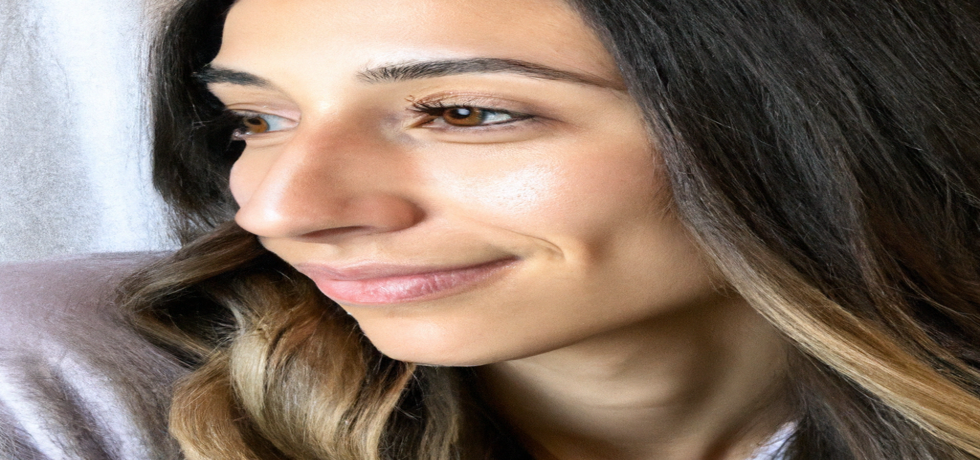

7 Natural Ways to Revitalize Dull Skin

image

7 Natural Ways to Revitalize Dull Skin

Introduction

Dull skin can make you feel less confident and energetic. As we battle against pollution, poor dietary choices, and natural skin aging, it’s common for our skin to lose its luster. The good news is that revitalizing our skin doesn’t always require complex treatments or expensive products—there are plenty of natural ways to restore that youthful glow! Below are seven simple yet effective tips that can help you brighten and rejuvenate your complexion naturally.

Stay Hydrated

One of the simplest ways to revitalize dull skin is to keep your body hydrated. Water is a crucial element for maintaining skin health as it helps flush out toxins and supports skin elasticity. Aim to drink plenty of water and non-caffeinated beverages throughout the day. A well-hydrated body reflects in glowing skin!

Gentle Cleansing

Hot water can strip your skin of its natural oils, contributing to that dreary look. Using lukewarm water is more effective for cleansing without drying out your skin. Consider using a gentle, natural cleanser to avoid further stress on your skin. Your goal should be to maintain the skin’s moisture balance for a fresh and bright appearance.

Exfoliate with Natural Ingredients

Exfoliation scrubs away dead skin cells that form a barrier on the surface of your skin, contributing to a dull complexion. Try using a natural blend of lemon juice and sugar as a scrub, twice a week. This combination not only provides a gentle exfoliation but also brightens the skin, leaving you with a refreshed appearance. Just remember to test it on a small area first to ensure your skin doesn’t react negatively.

Eat a Balanced Diet

You really are what you eat! Consuming a balanced, antioxidant-rich diet filled with fruits and vegetables can significantly improve your skin’s vibrancy. Incorporate zinc-rich foods, such as whole grains and nuts, to support the skin healing process. A well-nourished body means a glowing and revitalized face!

Stay Active

Regular exercise boosts blood circulation, ensuring that oxygen and essential nutrients reach your skin. It also helps to eliminate toxins from your body, which can prevent your skin from looking dull. The endorphins released during exercise not only uplift your mood but also contribute to a naturally glowing complexion!

Prioritize Sleep

Your skin repairs itself while you sleep. Lack of sleep can lead to dullness and dark circles, taking away from that energetic demeanor you seek. Aim for 7-9 hours of restful sleep each night, allowing your skin to restore and rejuvenate itself. A restful night can work wonders for your overall appearance!

Rethink Your Makeup

If you’re using heavy matte makeup, it might be time for a change. Such products can absorb your skin’s natural oils, making your complexion appear lifeless. Consider opting for lighter formulations that add luminosity to your face instead. This subtle switch can breathe new life into your skin!

Conclusion

With these seven natural ways to revitalize dull skin, youre well on your way to achieving a brighter and healthier complexion. Remember, consistency is key! Make these habits part of your daily routine, and watch as your skin transforms into a radiant reflection of your well-being. Start your journey towards vibrant skin today and enjoy every step of the process!

For Professional Assistance

For professional assistance and expert advice from leading dermatologists like Dr. Hital Patel, experience the benefits of revitalizing your dull skin with Hair & Skin Specialist Dr. Hital Patel at The Skin Artistry. Our clinics in PDPU Gandhinagar, Vastrapur Ahmedabad and Hyderabad (Visiting Consultant) offer top-quality care and personalized treatments. Visit us today to learn more about our services and take advantage of our special offers! For more insights, updates, or to collaborate, stay connected with The Skin Artistry.

Effective Strategies to Manage Melasma in Dark Skin

image

Effective Strategies to Manage Melasma in Dark Skin

Understanding Melasma: A Common Concern

Struggling with melasma on dark skin can be frustrating. This common skin condition causes brown patches on your face, particularly on the cheeks, forehead, nose, and upper lip. While melasma can affect anyone, it is often more prevalent in individuals with darker skin tones. Understanding how to manage melasma effectively can help you achieve a clear and even complexion.

Causes of Melasma in Dark Skin

The exact cause of melasma remains unknown, but various factors may contribute to its development in dark skin. Increased melanin production, triggered by hormonal fluctuations from pregnancy or birth control, can play a role. Moreover, inflammation, skin trauma, and certain medications may further exacerbate this condition. With a higher concentration of melanin and active melanocytes in darker skin, individuals are more susceptible to developing melasma and other hyperpigmentation issues.

Top Strategies for Melasma Treatment

Managing melasma in dark skin involves a comprehensive approach. Here are several effective strategies you can implement for melasma treatment:

1. Topical Treatments:
Utilizing topical lightening creams containing ingredients like hydroquinone, tretinoin, azelaic acid, or kojic acid can significantly reduce hyperpigmented areas. It’s vital to use these products under the guidance of a dermatologist to avoid skin irritation.

2. Professional Procedures:
Exploring medical treatments such as chemical peels, microdermabrasion, and microneedling are all promising options to diminish the appearance of melasma in dark skin. Consulting with a dermatologist will help determine which procedure is best suited for you.

3. Laser Treatments:
Laser therapy can effectively target and eliminate excess melanin from the skin. However, its important to seek treatment from an experienced dermatologist familiar with treating darker skin tones, as not all lasers are safe for all skin types.

4. Sun Protection:
Sun exposure is a significant factor that can worsen melasma. Wearing protective clothing, such as wide-brimmed hats, and applying a broad-spectrum sunscreen with an SPF of 30 or higher is crucial in managing this condition.

Consult a Dermatologist

Seeking professional help is invaluable. A dermatologist, especially one experienced in treating melasma in dark skin, can provide personalized advice and create a tailored treatment plan. They can recommend the most effective combination of topical agents, lifestyle modifications, and sun protection tailored to your specific needs.

Conclusion: Achieving Clear and Even Skin

Managing melasma in dark skin tones requires a multifaceted approach. From topical treatments to professional procedures and sun protection, there are several strategies available to help you combat this condition. Remember to consult a dermatologist for the best results tailored to your individual skin needs. With the right care and expertise, achieving a clearer and more even complexion is possible.

FAQs

Q: Can melasma go away on its own?
A: While some individuals may experience a reduction of melasma without treatment, many find that specific strategies and professional treatments provide the best long-term results.

Q: Are there natural remedies for melasma?
A: Some individuals may seek natural remedies, but it is essential to discuss these options with a dermatologist to avoid worsening the condition.

For professional assistance and expert advice from leading dermatologists like Dr. Hital Patel, experience the benefits of Effective Strategies to Manage Melasma in Dark Skin with Hair & Skin Specialist Dr. Hital Patel at The Skin Artistry. Our clinics in PDPU Gandhinagar, Vastrapur Ahmedabad, and Hyderabad (Visiting Consultant) offer top-quality care and personalized treatments. Visit us today to learn more about our services and take advantage of our special offers! For more insights, updates, or to collaborate, stay connected with The Skin Artistry.

Hyperpigmentation Demystified: The Truth About Treating Acne Scars

image

Hyperpigmentation Demystified: The Truth About Treating Acne Scars

Understanding Hyperpigmentation

Acne scars can be a frustrating reminder of an earlier breakout. After the blemishes heal, many people find themselves left with dark spots or discoloration known as hyperpigmentation. This condition arises when the skin produces excess melanin in response to inflammation or injury, commonly seen in those with darker skin tones. Understanding hyperpigmentation is the first step in tackling this aesthetic concern and finding effective hyperpigmentation treatment options.

What Causes Hyperpigmentation After Acne?

Following the healing of acne, your skin might go through a process called post-inflammatory hyperpigmentation. This condition is a result of the skin’s healing response when it generates extra melanin, leading to brown or greyish-brown spots. The degree of hyperpigmentation varies based on skin type, the severity of acne, and individual healing processes.

Effective Hyperpigmentation Treatment Options

There are several hyperpigmentation treatment approaches available that can significantly improve the appearance of acne scars. Ingredients like vitamin C and azelaic acid are often recommended. Vitamin C not only acts as a powerful antioxidant but also helps to lighten pigmentation and improves skin tone by boosting collagen production. On the other hand, azelaic acid provides anti-inflammatory properties, effectively reducing hyperpigmentation and helping to clear acne.

Additionally, retinoids are widely used in topical treatments to promote skin renewal and fade dark spots. Natural remedies, such as aloe vera, are also helpful in soothing the skin and maintaining balanced melanin levels post-acne.

More intensive options include professional treatments such as chemical peels, microdermabrasion, and laser treatments tailored specifically for scar removal. These procedures promote deeper skin renewal and can yield exceptional results in treating hyperpigmentation.

Consulting a Dermatologist

For those seeking the best hyperpigmentation treatment for their skin type, consulting a dermatologist is essential. A dermatologist can assess the specific needs of your skin and recommend tailored treatments that fit your lifestyle and skin condition. This personalized approach ensures that you receive the most effective remedies and enjoy beautiful, radiant skin.

If you’re experiencing severe ongoing issues with acne scars, consider scheduling a consultation with a dermatologist at The Skin Artistry, who can guide you through the available options for hyperpigmentation treatments that truly make a difference.

Final Thoughts

In summary, treating hyperpigmentation after acne scars is certainly achievable with the right knowledge and resources. Utilize over-the-counter creams containing potent ingredients, consider professional treatments, and remember that sun protection is key to prevent dark spots from worsening. By being proactive about your skincare and seeking out expert advice, you can reclaim that beautiful, even-toned skin you deserve.

FAQs

1. Can hyperpigmentation be completely removed?
While it may not completely vanish, effective treatments can significantly reduce its appearance.

2. Is sunscreen necessary for hyperpigmentation treatment?
Yes! Sunscreen is crucial as UV exposure can exacerbate dark spots.

3. How long does it take to see results from hyperpigmentation treatments?
This varies based on the treatment method but typically takes several weeks to months of consistent care.
For professional assistance and expert advice from leading dermatologists like Dr. Hital Patel, experience the benefits of Hyperpigmentation Demystified: The Truth About Treating Acne Scars with Hair & Skin Specialist Dr. Hital Patel at The Skin Artistry. Our clinics in PDPU Gandhinagar, Vastrapur Ahmedabad and Hyderabad (Visiting Consultant) offer top-quality care and personalized treatments. Visit us today to learn more about our services and take advantage of our special offers! For more insights, updates, or to collaborate, stay connected with The Skin Artistry.

Unveiling the Truth: Progesterone’s Impact on Melasma

image

Unveiling the Truth: Progesterone’s Impact on Melasma

Introduction to Melasma and Hormones

Are you experiencing dark patches on your face that seem to linger no matter what you try? If you’ve been taking progesterone-based medications, you might be wondering if they play a role in this skin condition known as melasma. Lets explore the connection between progesterone and melasma, revealing the facts and busting some myths along the way.

Understanding Melasma

Melasma is a common skin disorder that impacts many individuals, especially women, causing hyperpigmented patches primarily on the face. While genetic predisposition is a factor, hormonal changes, particularly involving female sex hormones like progesterone, can trigger or worsen the condition. This leads us to ask, does progesterone cause melasma? As we investigate this interplay, its critical to understand how it relates to melasma treatment.

Progesterone’s Role in Skin Pigmentation

Progesterone is a natural hormone produced by the ovaries and is used in various medical treatments, including hormone replacement therapy and oral contraceptives. It has been noted that this hormone can stimulate melanin production through its interaction with melanocytes, the cells responsible for skin pigment. This interaction can potentially exacerbate melasma, particularly in women undergoing hormonal fluctuations. However, it’s essential to note that not everyone using progesterone will experience melasma, as other factors like sun exposure and genetics also contribute significantly.

Managing Melasma Linked to Progesterone

If you’re concerned about melasma and believe it may be linked to progesterone, consulting a dermatologist is a crucial step towards effective management. They may recommend alterations in your hormonal medications, potentially switching some to ones that have less risk for inducing melasma. In addition, topical treatments such as hydroquinone, chemical peels, and laser therapies can help manage pigmentation. Sun protection is also a key factor in your skincare routine to help prevent further melasma development.

Conclusion: Actionable Steps for Effective Management

In summary, while progesterone can play a role in the development of melasma due to its effects on hormonal balance and skin pigment, it’s only one piece of a much larger puzzle. By understanding your unique skin needs and seeking professional advice, you can develop a comprehensive approach to managing melasma. Make sure to incorporate protective sun routines and consider your options for effective treatments. Dont let melasma dictate your confidence take charge of your skin today!

Frequently Asked Questions

1. Can progesterone-only contraceptives cause melasma?
Yes, hormonal contraceptives containing progesterone might contribute to the worsening of melasma in susceptible individuals, but the extent varies from person to person.
2. Is melasma reversible?
Many people see improved results with consistent treatment, but some factors like genetics can influence the prognosis. A dermatologist can provide personalized advice for the best outcomes.
For professional assistance and expert advice from leading dermatologists like Dr. Hital Patel, experience the benefits of Unveiling the Truth: Progesterone’s Impact on Melasma with Hair & Skin Specialist Dr. Hital Patel at The Skin Artistry. Our clinics in PDPU Gandhinagar, Vastrapur Ahmedabad and Hyderabad (Visiting Consultant) offer top-quality care and personalized treatments. Visit us today to learn more about our services and take advantage of our special offers! For more insights, updates, or to collaborate, stay connected with The Skin Artistry.

Understanding the Link Between Stress and Acne

image

Understanding the Link Between Stress and Acne

Introduction

Stress has become an integral part of our daily lives, impacting various aspects of our health, including our skin. Among the common skin issues affected by stress, acne stands out. Understanding the link between stress and acne is essential for managing skin health effectively. While many people believe that stress directly causes acne, the truth is a bit more complex. Let’s explore how stress influences acne and what we can do about it.

How Stress Influences Acne

The relationship between stress and acne is mostly about exacerbation rather than direct causation. Stress can trigger a hormonal response that increases oil production in the skin, leading to clogged pores and, ultimately, acne. Elevated levels of cortisol, the stress hormone, can slow down the healing process of pimples, making them last longer and appear more severe. Consequently, this can contribute to a frustrating cycle for those dealing with acne. It’s crucial to recognize that while stress may not be the sole reason for acne, it certainly plays a significant role in worsening existing conditions.

Identifying Stress Acne

Stress-related breakouts typically occur in the oiliest areas of the face, commonly referred to as the T-zone, which includes the nose, chin, and forehead. Understanding the appearance of stress acne is also crucial. It often presents as a mix of whiteheads, blackheads, and red bumps, especially during periods of heightened stress. If you notice a sudden influx of these types of blemishes during stressful times, its likely that your stress levels are influencing your skin’s health.

Effective Treatments for Stress Acne

To minimize the impact of stress on your skin, adopting strategies that help manage stress is vital. Here are some approaches to consider:

  • Quality Sleep: Aim for 7-8 hours of restful sleep each night to help your body recover and reduce stress.
  • Mindfulness Practices: Engage in activities like yoga and meditation to promote relaxation and improve emotional health.
  • Regular Exercise: Physical activity is known to boost endorphins, which can lower stress levels and support a healthy skin routine.
  • Healthy Eating: Consuming a balanced diet rich in vitamins and minerals may significantly impact your skin’s resilience against stress-induced acne.

Its also advisable to connect with a dermatologist to develop an effective acne care routine tailored to your skin’s needs. Such professionals can help identify specific triggers and recommend appropriate treatments.

Conclusion

In summary, the interplay between stress and acne is significant, as stress can worsen existing skin conditions through hormonal changes and impaired healing. By managing your stress levels and practicing a proactive skincare routine, you can mitigate its effects on your skin. Consult a dermatologist for personalized advice and treatments aimed at reducing stress-related acne to reclaim your confidence and achieve clearer skin.

For Professional Assistance

For professional assistance and expert advice from leading dermatologists like Dr. Hital Patel, experience the benefits of understanding the link between stress and acne with Hair & Skin Specialist Dr. Hital Patel at The Skin Artistry. Our clinics in PDPU Gandhinagar, Vastrapur Ahmedabad, and Hyderabad (Visiting Consultant) offer top-quality care and personalized treatments. Visit us today to learn more about our services and take advantage of our special offers! For more insights, updates, or to collaborate, stay connected with The Skin Artistry.

Effective Skin Tag Removal Techniques at The Skin Artistry

image

Effective Skin Tag Removal Techniques at The Skin Artistry

Understanding Skin Tags

Skin tags are small, benign growths of skin that typically appear in skin folds, such as around the neck, armpits, and groin area. While they are harmless and dont require medical intervention, many people seek skin tag removal for cosmetic reasons. If you’re considering this procedure, you’ll want to know the effective skin tag removal techniques available at The Skin Artistry.

Why Remove Skin Tags?

The primary motivation behind skin tag removal is often aesthetic. Skin tags can become bothersome, especially if they are in visible areas or if they get caught on clothing or jewelry. At The Skin Artistry, we understand the importance of a clear and confident appearance, which is why we offer a range of techniques tailored to suit every individual.

Effective Skin Tag Removal Techniques

Cryotherapy

Cryotherapy involves freezing the skin tag using liquid nitrogen. This effective skin tag removal technique causes the growth to fall off naturally after a few days, leaving no trace behind. It’s quick and usually requires no downtime.

Electrotherapy

Another method is electrotherapy, where high-frequency current is used to eliminate the skin tag. This technique is precise and minimizes damage to surrounding skin, making it an excellent choice for delicate areas.

Ligation

Ligation involves tying a string around the skin tag to cut off its blood supply. This causes the skin tag to wither and fall away over time. It’s a simple and effective skin tag removal method that is particularly suitable for smaller tags.

Surgical Excision

For larger or more stubborn skin tags, surgical excision may be the best option. This involves cutting out the skin tag with a scalpel, providing immediate results. This technique is often performed under local anesthesia to ensure your comfort.

Post-Procedure Care

After any skin tag removal procedure, it’s crucial to follow proper aftercare instructions. Keeping the area clean and covered will promote healing and reduce the risk of infection. At The Skin Artistry, our experts will guide you through these steps to ensure optimal recovery.

Conclusion

If youre dealing with skin tags that are affecting your self-esteem, consult with the specialists at The Skin Artistry. We provide effective skin tag removal techniques tailored to your needs, ensuring a safe and satisfactory outcome. Don’t let skin tags hold you back from feeling confident in your skin. Book your consultation with us today!
For professional assistance and expert advice from leading dermatologists like Dr. Hital Patel, experience the benefits of effective skin tag removal techniques with Hair & Skin Specialist Dr. Hital Patel at The Skin Artistry. Our clinics in PDPU Gandhinagar, Vastrapur Ahmedabad, and Hyderabad (Visiting Consultant) offer top-quality care and personalized treatments. Visit us today to learn more about our services and take advantage of our special offers! For more insights, updates, or to collaborate, stay connected with The Skin Artistry.

Unveiling the Secrets of Moles: Your Comprehensive Guide

image

Unveiling the Secrets of Moles: Your Comprehensive Guide

An Introduction to Moles

Moles, also known as nevi, are common skin growths that can appear on almost anyone’s skin. Understanding moles is key to maintaining healthy skin, as they vary in color, shape, and size, and can sometimes indicate more serious skin concerns. Whether youre just curious or actively monitoring your skin, this comprehensive guide will help you unveil the secrets of moles and keep your skin health in check.

What Exactly Are Moles?

Moles are clusters of melanocytes, the cells responsible for producing skin pigment. They can be flat or raised, symmetrical or irregular, and come in a variety of hues ranging from pink and tan to dark brown and black. The average adult has anywhere between 10 to 40 moles. Moles often develop due to a combination of genetic predispositions and sun exposure. Understanding the nature of these growths is crucial, as most moles are benign. However, monitoring them is important due to the potential risk of melanoma.

Types of Moles

Moles can be broadly categorized into several types: common moles, atypical moles, congenital moles, and acquired moles. Common moles are typically smooth and uniform, while atypical moles may have irregular shapes and varying colors, thus necessitating further evaluation. Congenital moles are present at birth, whereas acquired moles develop later in life, often during childhood or adolescence.

There are specific characteristics that differentiate the types of moles, which can provide insight into whether they may pose a risk. For example, atypical moles can sometimes evolve into melanoma, a serious form of skin cancer, emphasizing the importance of regular skin checks.

When Should You Consult a Dermatologist?

It is essential to stay vigilant about your skin and any changes in your moles. You should visit a dermatologist if you notice any unusual moles or if existing moles begin to change in color, shape, or size. Signs such as itching, bleeding, or oozing should never be ignored. Regular check-ups can ensure that you catch any potential issues early, making skin health maintenance a priority.

Understanding the Importance of Skin Biopsies

If your dermatologist identifies a mole of concern, they may suggest a skin biopsy to determine the next steps. This procedure can provide critical information regarding whether a mole is benign or malignant. In cases where the mole is found to be malignant, timely removal and further assessment of the surrounding skin and lymph nodes are crucial. A biopsy can help you outline a clear plan for maintaining your skin health in collaboration with experts at The Skin Artistry.

Preventive Measures to Take

Prevention is always better than cure when it comes to skin care. Wearing sunscreen with high SPF, donning protective clothing, and avoiding sun exposure during peak hours can significantly minimize the risk of developing harmful moles or worsening existing ones. Regularly monitoring your skin for new or changing moles can lead to early detection and prevention of more serious skin issues.

Conclusion: Prioritize Your Skin Health

Understanding your skin and its changes is fundamental to your overall health. While most moles are harmless, being aware of their characteristics and maintaining regular consultations with professionals will aid in early detection of any potential issues. Remember to prioritize preventative care and make conscious choices to protect your skin every day. If you notice any changes in your moles, don’t hesitate to reach out to The Skin Artistry for assistance.

FAQs About Moles

1. Can moles change color over time?
Yes, moles can change color due to various factors including sun exposure or hormonal changes. Its essential to monitor any new coloration that appears rapidly.

2. Are all moles cancerous?
No, most moles are benign; however, it is important to watch for any changes that may indicate a risk for melanoma.

3. How do I protect my moles from sun damage?
Using broad-spectrum sunscreen, wearing protective clothing, and avoiding excessive sun exposure can help in protecting moles.

For professional assistance and expert advice from leading dermatologists like Dr. Hital Patel, experience the benefits of Unveiling the Secrets of Moles with Hair & Skin Specialist Dr. Hital Patel at The Skin Artistry. Our clinics in PDPU Gandhinagar, Vastrapur Ahmedabad, and Hyderabad (Visiting Consultant) offer top-quality care and personalized treatments. Visit us today to learn more about our services and take advantage of our special offers! For more insights, updates, or to collaborate, stay connected with The Skin Artistry.

Understanding Severe Acne: Causes And Solutions

image

Understanding Severe Acne: Causes And Solutions

Introduction to Severe Acne

Acne can be more than just a temporary nuisance; it can be a significant emotional burden, especially when it manifests in its severe forms. Severe acne, particularly cystic acne, is an inflammatory skin condition that can leave lasting scars on both your skin and self-esteem. Understanding the causes behind this condition is crucial, as is learning effective solutions to manage and treat it. In this blog post, we’ll delve into the nuances of severe acne, exploring its potential triggers and what treatments can lead to clearer skin.

Common Types of Severe Acne

Severe acne can present in various forms, each requiring different treatment approaches. Nodulocystic acne is characterized by painful, pus-filled bumps that can be difficult to treat. Acne conglobata represents an extreme variant of nodulocystic acne, marked by interconnected cysts that can lead to disfiguring scars. Another severe type is acne fulminans, which usually affects young males, involving systemic symptoms such as fever and joint pain. Understanding these types can assist you in seeking appropriate acne treatment options.

Triggers of Severe Acne

Hormonal changes are one of the leading causes of severe acne. Fluctuations during puberty, menstrual cycles, pregnancy, and stress can increase the production of sebum, significantly contributing to breakouts. Other factors such as certain medications and dietary choices may also aggravate the condition, emphasizing the importance of understanding ones unique triggers to develop effective acne care routines.

Treatment Options for Severe Acne

When it comes to managing severe acne, a combination of treatments is often most effective. Over-the-counter products like benzoyl peroxide are household names in acne care, breaking down clogs and targeting the bacteria responsible for inflammation. For more persistent cases, topical retinoids, available through prescriptions, can help unclog pores and enhance treatment effectiveness. Oral antibiotics may also be recommended by dermatologists for inflammatory control.

In more severe cases, isotretinoin a derivative of vitamin A can provide lasting results and is usually reserved for stubborn cystic acne. However, this potent medication comes with potential side effects, making it imperative to seek a dermatologists advice. Other treatments like photodynamic therapy and steroid injections are also options that dermatologists may consider based on individual needs.

When to Consult a Dermatologist

Consulting a dermatologist is essential if over-the-counter treatments arent working. Persistent and severe acne can indicate underlying health issues, and a dermatologist can diagnose these conditions accurately. If you notice frequent flare-ups or experience systemic symptoms such as fever or joint pain, its crucial to seek medical assistance promptly. A tailored and personalized treatment plan will increase the chances of effectively managing severe acne.

Conclusion: Take Charge of Your Skin Health

Severe acne can pose significant challenges, but with the right knowledge and support, you can navigate this journey towards clear skin. Always prioritize a regular skincare routine tailored to your needs, side-step known triggers, and seek professional help when necessary. With determination and the right treatment solutions, achieving healthier skin is entirely possible.

For professional assistance and expert advice from leading dermatologists like Dr. Hital Patel, experience the benefits of understanding severe acne with Hair & Skin Specialist Dr. Hital Patel at The Skin Artistry. Our clinics in PDPU Gandhinagar, Vastrapur Ahmedabad and Hyderabad (Visiting Consultant) offer top-quality care and personalized treatments. Visit us today to learn more about our services and take advantage of our special offers! For more insights, updates, or to collaborate, stay connected with The Skin Artistry.

Winter Skin Care: 7 Expert Tips for Healthy and Glowing Skin

image

Winter Skin Care: 7 Expert Tips for Healthy and Glowing Skin

Introduction

As winter approaches, it’s important to pay extra attention to your skin. The dry, cold air can cause a multitude of skin concerns, from dryness to irritation. Preparing your skin for the harsh winter months is essential to keep it healthy and glowing. In this blog, we will share seven expert tips that can help you maintain a vibrant complexion throughout the season. Embrace a consistent skincare routine tailored to winter, and you will see a noticeable difference in your skin’s texture and appearance.

Keep Your Skin Hydrated

A common mistake during winter is neglecting hydration. Many individuals tend to drink less water when the temperatures drop. However, low humidity can lead to moisture loss in your body and skin. Drinking plenty of water and incorporating hydrating serums into your skincare routine can ensure that your skin remains plump and youthful-looking. Always remember to hydrate from within!

Exfoliate Regularly

Exfoliation is a crucial step for maintaining healthy skin during winter. It helps to remove dead skin cells and promotes cell regeneration. While there are various exfoliating products available, consulting a dermatologist is a good idea to find the right one for your skin type. A balanced exfoliation routine can prevent your skin from looking dull and accelerate the absorption of moisturizers.

Use a Suitable Cleanser

Choosing the right cleanser is essential during the colder months. Avoid harsh cleansers with alcohol or aggressive fragrances, as these can strip your skin of its natural oils, leading to dryness. Opt for a gentle, pH-balanced cleanser with nourishing ingredients. This will cleanse your skin effectively while keeping it hydrated and happy.

Apply a Natural Moisturizer

Moisturizing is perhaps the most critical aspect of winter skin care. A heavy oil-based moisturizer works best to lock in moisture and prevent water loss from your skin. Apply it immediately after your shower when your skin is still slightly damp. This helps seal in moisture, keeping your skin hydrated throughout the day.

Shorten Shower Time

While long, steamy showers may feel comforting during winter, they can dehydrate your skin. Hot water strips away essential oils and can leave your skin feeling tight and itchy. Keep your showers short and use lukewarm water instead. Doing so will help maintain your skin’s moisture barrier and keep it healthy during winter.

Wear Sunscreen

Many people believe that sunscreen is unnecessary during winter due to weaker sun rays. However, UV rays can still harm your skin, so applying a broad-spectrum sunscreen is vital. Protect your exposed skinsuch as your face, hands, and neckfrom harmful UV rays, even on cloudy winter days. Maintain that sun protection for a healthier complexion all year round!

Wear the Right Winter Clothing

The type of clothing you wear plays a significant role in your skin’s wellbeing during winter. Opt for breathable fabrics that are gentle on your skin. Layer up with gloves and scarves to protect your hands and neck. Avoid materials that can irritate your skin, ensuring you stay warm without compromising your skin’s health.

Conclusion

In conclusion, winter skin care requires extra attention and care to maintain that healthy, glowing look. By staying hydrated, choosing the right products, and protecting your skin from the elements, you can combat dryness and irritation. Implement these easy and effective tips for a winter skincare routine that works for you. Your skin will thank you!
For professional assistance and expert advice from leading dermatologists like Dr. Hital Patel, experience the benefits of Winter Skin Care: 7 Expert Tips for Healthy and Glowing Skin with Hair & Skin Specialist Dr. Hital Patel at The Skin Artistry. Our clinics in PDPU Gandhinagar, Vastrapur Ahmedabad, and Hyderabad (Visiting Consultant) offer top-quality care and personalized treatments. Visit us today to learn more about our services and take advantage of our special offers! For more insights, updates, or to collaborate, stay connected with The Skin Artistry.