Understanding Seborrhoeic Dermatitis: Symptoms and Solutions
Introduction to Seborrhoeic Dermatitis
Are you experiencing persistent dryness, irritation, or redness on your scalp? These signs could point towards seborrhoeic dermatitis, a common skin condition that affects many. This blog delves into the symptoms and solutions for managing this troublesome ailment, empowering you to take control of your skin health.
What Is Seborrhoeic Dermatitis?
Seborrhoeic dermatitis is a chronic inflammatory skin condition that primarily affects oil-rich areas of the body, including the scalp, face, and chest. It manifests as red, scaly patches, which can often be mistaken for regular dandruff. The precise cause remains a mystery; however, underlying factors such as the overproduction of sebum, genetic predisposition, and the presence of a yeast known as Malassezia may contribute considerably to its development.
Identifying Key Symptoms
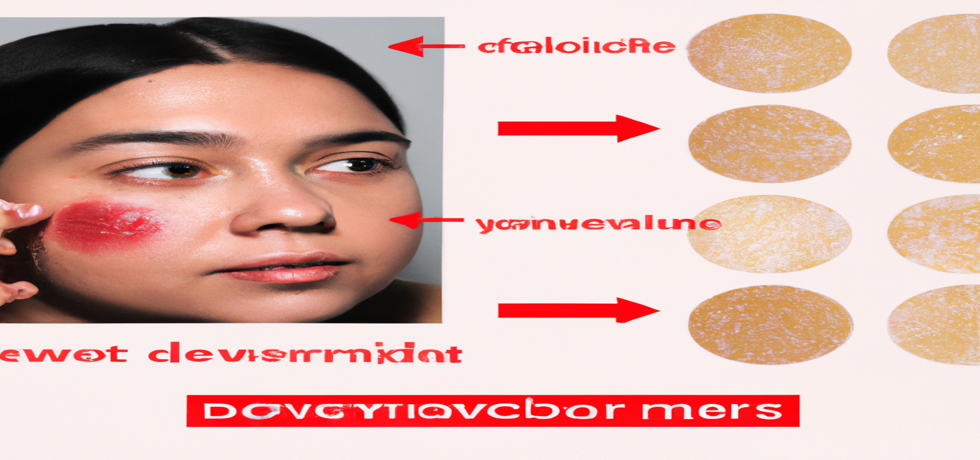
There are several key symptoms to watch for when it comes to seborrhoeic dermatitis. Typically, individuals will notice red, inflamed skin accompanied by scaly patches. These may appear white or yellowish and can often lead to occasional itchiness, causing discomfort. The affected areas may also appear greasy due to the presence of excess oil. If you notice hair thinning or patches of skin that are either lighter or darker than usual, its essential to consult a dermatologist for assessment.
Underlying Causes and Risk Factors
Factors such as environmental conditions, stress levels, and specific medical conditions can trigger or exacerbate seborrhoeic dermatitis. People living in humid climates may experience more severe flare-ups, while emotional stress can also lead to an increase in symptoms. Additionally, underlying medical issues, such as HIV/AIDS or Parkinsons disease, may elevate ones risk of developing this condition. Understanding these factors can guide your self-care routine and treatment approach.
Finding Effective Solutions
Managing seborrhoeic dermatitis typically involves a combination of over-the-counter treatments and professional dermatological care. Medicated shampoos containing ketoconazole or zinc pyrithione are widely recommended to address symptoms effectively. In more severe cases, topical corticosteroids or prescription treatments may be necessary. Regular scalp cleanliness and utilizing suitable products that balance oil levels can significantly assist in alleviating discomfort. Remember, a consistent skincare routine plays a vital role in managing symptoms effectively.
When To Seek Medical Attention
Monitoring the severity of your symptoms is crucial. If your seborrhoeic dermatitis leads to significant discomfort, persists despite treatment, or shows signs of infection, consulting a healthcare professional is advisable. Early intervention can prevent complications and improve your quality of life. Your concerns matter, and a specialist can offer tailored treatment options best suited to your needs.
Conclusion
In summary, seborrhoeic dermatitis is a manageable skin condition characterized by red, inflamed patches and flaky skin. Understanding the symptoms and knowing when to seek treatment are vital in navigating this ailment. With the right approach and guidance from a trusted dermatologist, you can regain confidence in your skin health and effectively manage symptoms.
For professional assistance and expert advice from leading dermatologists like Dr. Hital Patel, experience the benefits of Understanding Seborrhoeic Dermatitis: Symptoms and Solutions with Hair & Skin Specialist Dr. Hital Patel at The Skin Artistry. Our clinics in PDPU Gandhinagar, Vastrapur Ahmedabad and Hyderabad (Visiting Consultant) offer top-quality care and personalized treatments. Visit us today to learn more about our services and take advantage of our special offers! For more insights, updates, or to collaborate, stay connected with The Skin Artistry.
