
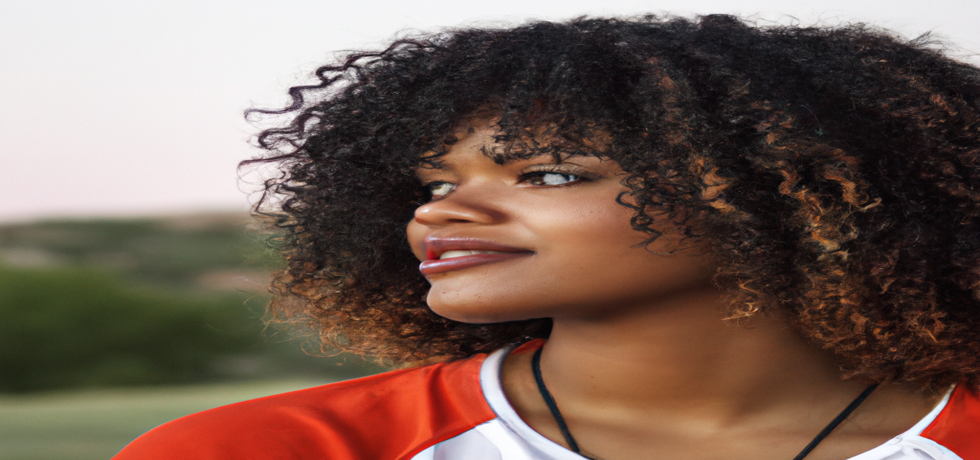
6 Effective Ways to Combat Menopause-Related Hair Loss
Understanding Menopause-Related Hair Loss
Menopause is a natural phase in every woman’s life, yet it can come with challenging symptoms, including hair loss. Many women experience thinning hair during this period, which can lead to feelings of self-consciousness and frustration. Understanding the connection between fluctuating hormones and hair loss is key to finding effective solutions. If youre facing hair loss, youre not alone, and there are effective ways to combat menopause-related hair loss that can help you regain your confidence and restore your hair’s vitality.
The Hormonal Link to Thinning Hair
During menopause, reproductive hormones like estrogen and progesterone decline significantly. These hormones play a vital role in the hair growth cycle, promoting longer and healthier hair. As these levels drop, many women notice their hair growth slows, leading to a gradual thinning effect. While this might feel alarming at first, recognizing this change as a natural part of aging can help you approach hair care with a positive mindset and effective strategies.
Tip 1: Investigate Underlying Issues
Before embarking on a hair care regimen, consult a dermatologist to rule out underlying issues. Sometimes, hair loss can be triggered by stress, medications, or nutritional deficiencies in addition to hormonal changes. With proper diagnosis, you can tailor your approach to prioritizing hair recovery effectively.
Tip 2: Nourish Your Body and Hair
A balanced diet plays a significant role in maintaining healthy hair. Incorporate protein-rich foods, vitamins, and minerals that support hair growth. Supplements rich in ingredients like biotin and omega-3 fatty acids can also aid in strengthening your hair. A hair-healthy diet promotes not only internal growth but provides your hair with the vitality it needs to look its best.
Tip 3: Choose the Right Products
Switch your regular hair care products for those formulated for thinning hair. Look for shampoos and conditioners that contain natural ingredients or botanical extracts known to nourish the scalp and encourage hair growth. Avoid products with harsh chemicals, as they can further damage fine or thinning hair, exacerbating your concerns.
Tip 4: Consider Hair Restoration Treatments
For those experiencing significant hair loss, treatments such as minoxidil or platelet-rich plasma (PRP) therapy might be options to discuss with your dermatologist. These methods can stimulate hair follicles and promote new growth, effectively combating menopause-related hair loss. Always consult a specialist to discuss the right treatment plan tailored for you.
Tip 5: Practice Stress Management
Stress can be detrimental to overall health, including hair health. Engage in healthy stress-relief practices such as yoga, meditation, or recreational activities that you enjoy. Reducing stress can not only help maintain overall well-being but also potentially lessen the impact of hormone fluctuations on your hair.
Tip 6: Update Your Hairstyle
Sometimes, a simple change in hairstyle can make a significant difference in how your hair appears. Shorter haircuts can create the illusion of volume and fullness, while strategic highlights can add depth and dimension, disguising any thinning spots. Consulting with a professional hairstylist can provide you with styles that suit your hair type and make your mane look as vibrant as possible.
Conclusion: Empowering Your Hair Care Journey
Combatting menopause-related hair loss is not just about managing the symptoms; its also about restoring confidence and celebrating the beauty of change. By following these effective strategies, you can actively support your hair health during this transitional phase. Remember, its crucial to approach this journey with patience and positivity. Seek support from professionals who understand your needs and can guide you towards the best solutions.
FAQ
Q: Will hair loss during menopause last forever?
A: For many, hair loss during menopause is temporary and can be managed with the right approach. As hormone levels stabilize over time, hair may begin to regain its fullness.
A: For many, hair loss during menopause is temporary and can be managed with the right approach. As hormone levels stabilize over time, hair may begin to regain its fullness.
Q: When should I consult a dermatologist about my hair loss?
A: If you notice sudden or substantial hair loss, or if you’re unsure about the causes, it’s advisable to consult a dermatologist for personalized advice and treatment options.
For professional assistance and expert advice from leading dermatologists like Dr. Hital Patel, experience the benefits of combating menopause-related hair loss with Hair & Skin Specialist Dr. Hital Patel at The Skin Artistry. Our clinics in PDPU Gandhinagar, Vastrapur Ahmedabad and Hyderabad (Visiting Consultant) offer top-quality care and personalized treatments. Visit us today to learn more about our services and take advantage of our special offers! For more insights, updates, or to collaborate, stay connected with The Skin Artistry.