
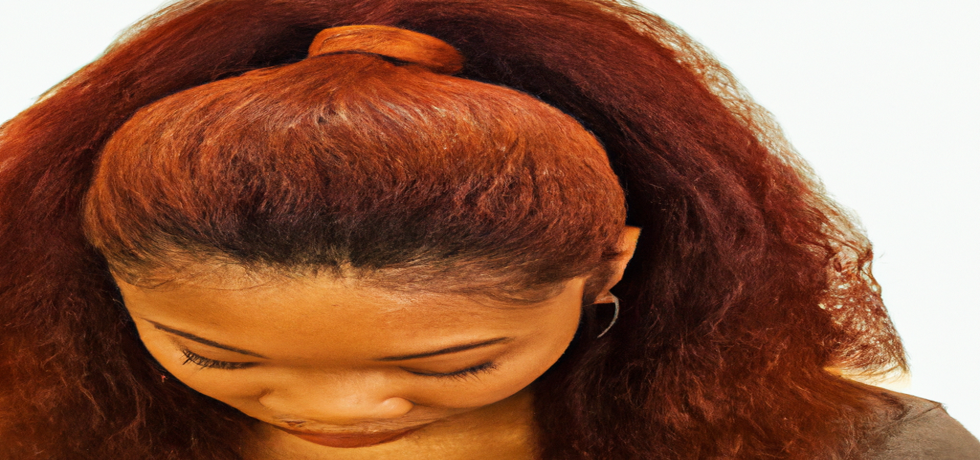
7 Effective Tips to Differentiate and Treat Dandruff vs Dry Scalp
Understanding Dandruff and Dry Scalp
What is Dry Scalp?
Dry scalp occurs when the skin on your scalp loses its natural moisture. This condition can lead to flaking, itching, and discomfort. Various factors, such as weather changes, hair products, and not enough hydration, can result in this lack of moisture. To treat dry scalp effectively, adjusting your hair care routine is essential.
What is Dandruff?
On the other hand, dandruff is a more chronic condition associated with the excessive growth of Malassezia fungi on the scalp. It often leads to larger white or yellow flakes, accompanied by significant itching. Addressing dandruff typically requires targeted antifungal treatments to help manage symptoms and effects.
Effective Tips to Differentiate and Treat
1. Examine Flake Characteristics
The first step in differentiation is checking the flakes. Dandruff flakes are usually larger and oily, while dry scalp flakes are smaller and may look crusty. Pay attention to the size and texture for accurate identification!
2. Analyze Scalp Appearance
While dandruff typically presents an oily scalp appearance with redness, dry scalp appears less oily, not exhibiting significant redness. A closer look can unravel the truth behind your scalp condition.
3. Adjust Your Hair Care Products
Switching to gentle, sulfate-free shampoos is beneficial for both conditions. For dry scalp, products containing moisturizing ingredients like Aloe Vera are particularly effective. Dandruff may require specific anti-dandruff shampoos to target fungal growth.
4. Monitor Washing Frequency
Overwashing can exacerbate a dry scalp. Consider washing your hair 2-3 times a week with lukewarm water to retain moisture. For dandruff, employing an anti-dandruff shampoo twice a week can help manage symptoms without excessive washing.
5. Incorporate a Healthy Diet
Maintaining a balanced diet rich in omega-3 fatty acids and essential vitamins can support scalp health. Omega-3s help retain moisture, while vitamins like D3 enhance immunity against dandruff.
6. Use Natural Remedies
Essential oils like tea tree oil are wonderful natural treatments for both conditions. Their antifungal and moisturizing properties can significantly contribute to scalp health. Apply diluted tea tree oil regularly for best results.
7. Manage Stress Levels
Stress is a known trigger for both dandruff and dry scalp. Incorporating relaxation techniques such as yoga and meditation not only enhances your overall well-being but also contributes to healthier skin and scalp.
Conclusion
Differentiating and effectively treating dandruff vs dry scalp requires understanding their unique characteristics. With the right care, adjustments in your hair routine, and attentiveness to scalp health, you can reclaim a flake-free, comfortable scalp. Embrace moisture, and consider these tips to ensure your scalp looks its best!
FAQs
Q: How can I tell if I have dandruff or a dry scalp?
A: Observing the size of the flakes and the overall scalp condition can help. Dandruff presents larger, oily flakes, while dry scalp has smaller, crusty flakes.
Q: Can dietary changes help dandruff?
A: Yes! Incorporating omega-3 fatty acids and vitamins can improve scalp health and manage dandruff.
For professional assistance and expert advice from leading dermatologists like Dr. Hital Patel, experience the benefits of 7 Effective Tips to Differentiate and Treat Dandruff vs Dry Scalp with Hair & Skin Specialist Dr. Hital Patel at The Skin Artistry. Our clinics in PDPU Gandhinagar, Vastrapur Ahmedabad, and Hyderabad (Visiting Consultant) offer top-quality care and personalized treatments. Visit us today to learn more about our services and take advantage of our special offers! For more insights, updates, or to collaborate, stay connected with The Skin Artistry.