
Unveiling the Secrets of Pityrosporum Folliculitis
Understanding Pityrosporum Folliculitis
If you’ve ever struggled with persistent acne that just doesn’t seem to respond to traditional treatments, you might be dealing with a lesser-known culprit: Pityrosporum folliculitis. This common type of acne is often overlooked and requires a specific approach for effective treatment. In this blog, we will dive deep into the world of Pityrosporum folliculitis, revealing its symptoms, causes, and the best ways to treat it.
What Causes Pityrosporum Folliculitis?
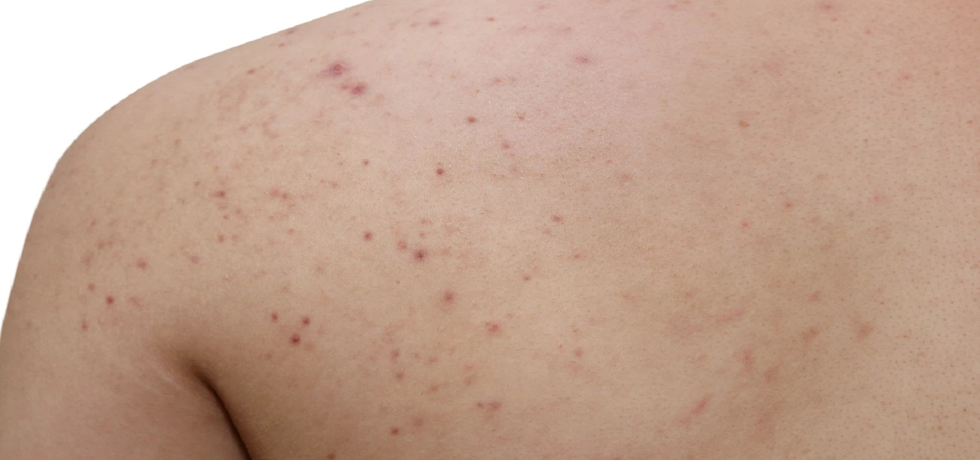
At the core of Pityrosporum folliculitis lies a skin yeast known as Pityrosporum, or Malassezia. While this yeast naturally resides on our skin, it can sometimes overgrow, leading to an outbreak of acne-like lesions. These lesions manifest as bright red pimples that may be tender and itchy, predominantly affecting areas like the upper chest, back, and face. Understanding the root cause is essential for crafting an effective acne care routine that targets this specific type of folliculitis.
Identifying the Symptoms
The symptoms of Pityrosporum folliculitis are often mistaken for standard acne. However, those suffering from this condition typically notice tiny clogged pores and itchy red bumps. Additionally, it predominantly affects teenagers to middle-aged adults. If you find that your acne products aren’t producing the desired results, it might be time to consider Pityrosporum folliculitis as a possible diagnosis.
Effective Treatment Strategies
Treating Pityrosporum folliculitis effectively requires targeted skincare options. Over-the-counter acne treatments might not work as this type of acne is yeast-driven. Products specifically designed to combat yeast overgrowth, along with those that help unclog pores and address C. acnes bacteria, can play a crucial role in managing symptoms. The Skin Artistry has developed a comprehensive skincare treatment kit to address these concerns, enhancing both your skin’s health and appearance while preventing infections and scarring.
Maintaining Long-Term Skin Health
Prevention is better than cure, and this adage rings particularly true for Pityrosporum folliculitis. Incorporating gentle exfoliation methods into your skincare routine can help prevent yeast buildup. Using products that are gentle on the skin while still effective will aid in maintaining a clear complexion. Always consult with a dermatologist if symptoms persist, as they can provide tailored advice and help keep your skin glowing.
Conclusion and Action Steps
If you’re battling with pesky, untreatable acne, dont lose hope! Understanding the secrets of Pityrosporum folliculitis and adopting the right strategies can significantly improve your skin health. Explore skincare options that specifically target this form of folliculitis, and don’t hesitate to reach out to a professional for personalized care. Keep your skincare routine light, gentle, and yeast-friendly to achieve the best results with your skin.
FAQs
1. Can Pityrosporum folliculitis be mistaken for regular acne?
Yes, it can often be confused with standard acne lesions, but the treatments do differ significantly.
Yes, it can often be confused with standard acne lesions, but the treatments do differ significantly.
2. Is Pityrosporum folliculitis treatable?
Absolutely! With the right skincare regime and lifestyle changes, Pityrosporum folliculitis can be effectively managed.
For professional assistance and expert advice from leading dermatologists like Dr. Hital Patel, experience the benefits of treating Pityrosporum folliculitis with Hair & Skin Specialist Dr. Hital Patel at The Skin Artistry. Our clinics in PDPU Gandhinagar, Vastrapur Ahmedabad and Hyderabad (Visiting Consultant) offer top-quality care and personalized treatments. Visit us today to learn more about our services and take advantage of our special offers! For more insights, updates, or to collaborate, stay connected with The Skin Artistry.
