
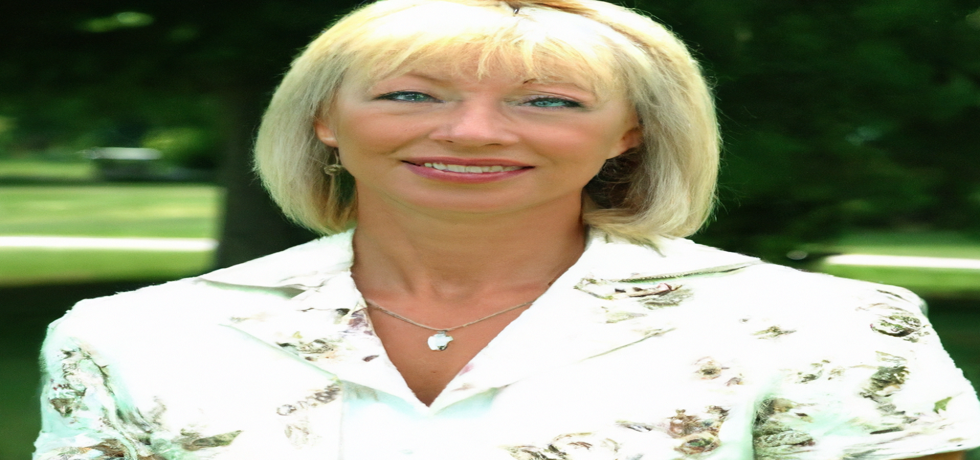
Understanding the Faces of Rosacea
A Guide to Recognizing and Managing this Common Skin Condition
If you often find your cheeks looking flushed without explanation, you may be among the millions suffering from the skin condition known as rosacea. Understanding the faces of rosacea is crucial for effective management and treatment. This common disorder can affect anybody, though it predominantly strikes middle-aged and menopausal women. With various types presenting unique symptoms, being informed about the different forms of rosacea can equip you to seek appropriate care from specialists like those at The Skin Artistry.
Eye Involvement: Recognizing Ocular Rosacea
Ocular rosacea is a subtype that primarily affects the eyes, causing symptoms such as persistent redness, dryness, and stinging sensations. Along with swollen eyelids and painful styes, individuals may experience light sensitivity and blurred vision. The intriguing part is that ocular symptoms could appear before the facial manifestations. Due to this, it’s imperative to maintain good eyelid hygiene and consult a dermatologist for tailored advice and possible treatments available at The Skin Artistry.
Bumps and Pimples: Understanding Papulopustular Rosacea
Another common aspect of rosacea is the appearance of papulopustular rosacea, which often manifests as red bumps or pustules across the face. Generally focused on the cheeks and nose, these acne-like eruptions can fluctuate in severity and duration. Through our experience at The Skin Artistry, we emphasize regular skin care routines that can help manage these flare-ups, possibly combining with doctor-prescribed treatments, including oral antibiotics.
Facial Rosacea: The Persistent Redness
Erythematotelangiectatic rosacea, better known as facial rosacea, presents as chronic facial redness, akin to a constant blush. Various triggersranging from high temperature and stress to exercisecan exacerbate this condition. While rosacea doesnt have a cure, understanding your triggers and maintaining a gentle skin care routine can significantly help alleviate symptom severity. Cleanse your face with mild products and consider following up with a soothing moisturizer and sunscreen to protect your sensitive skin.
Enlarged Nose: Identifying Phymatous Rosacea
Phymatous rosacea, or rhinophyma, primarily alters the skin’s texture on the nose, causing it to thicken and swell. While more common in men, women can also experience this shift, leading to a visible change in appearance. Conversations with your dermatologist at The Skin Artistry can be very beneficial if you suspect you are experiencing symptoms of this subtype, where treatments like laser therapy may be recommended.
Actionable Tips and Conclusions
If you find yourself experiencing symptoms associated with rosacea, seeking professional guidance can significantly enhance your quality of life. Keeping a journal to track your symptoms and possible triggers can be a proactive way to manage rosacea. Remember to utilize gentle cleansing products, avoid known irritants, and daily apply sunscreen to protect and soothe your complexion.
Taking the first step towards understanding your skin can lead to effective treatment pathways. For professional assistance and expert advice from leading dermatologists like Dr. Hital Patel, experience the benefits of understanding the faces of rosacea with Hair & Skin Specialist Dr. Hital Patel at [The Skin Artistry](https://theskinartistry.com/). Our clinics in PDPU Gandhinagar, Vastrapur Ahmedabad and Hyderabad (Visiting Consultant) offer top-quality care and personalized treatments. Visit us today to learn more about our services and take advantage of our special offers! For more insights, updates, or to collaborate, stay connected with [The Skin Artistry](https://theskinartistry.com/).
