
Understanding and Managing Acne Rosacea
Introduction to Acne Rosacea
If you’ve ever experienced redness on your face, small bumps, or uncomfortable sensations, you might be dealing with a condition called acne rosacea. This chronic skin disease primarily affects the facial area and is particularly common among fair-skinned individuals. Understanding and managing acne rosacea is crucial for those who encounter its cycle of flare-ups. Lets delve deeper into this condition to equip you with essential knowledge and tips for effective management.
Recognizing the Symptoms
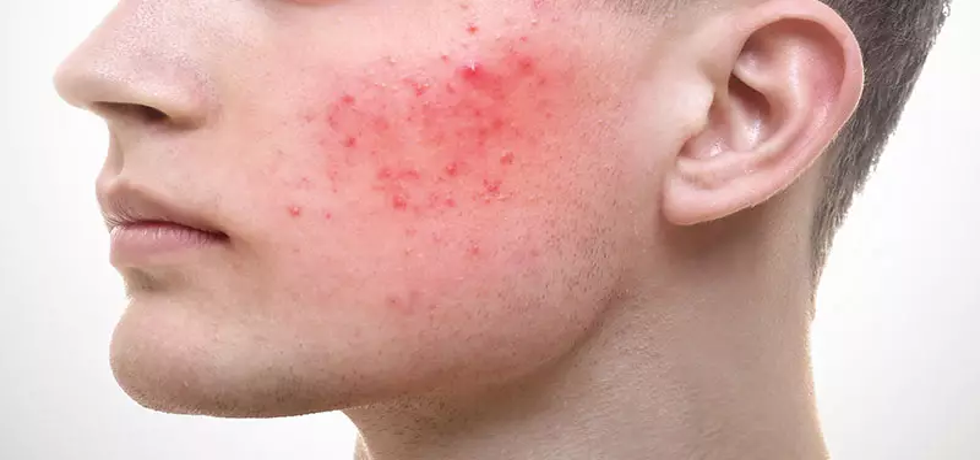
Acne rosacea manifests in various ways, which can differ depending on the subtype. Symptoms often include facial redness that comes and goes, red or swollen bumps resembling acne, and in some instances, eye irritation. Individuals may also note a change in skin texture, particularly with possible thickening of the skin on the nose over time. Recognizing these symptoms allows for early detection and better management of this condition.
Identifying the Subtypes of Rosacea
There are four distinct subtypes of rosacea, each presenting unique symptoms. The erythematotelangiectatic subtype is characterized by facial redness and visible blood vessels, while the papulopustular subtype often causes breakouts similar to acne and is more prevalent in middle-aged women. Phymatous rosacea leads to thickened skin on the nose, and ocular rosacea focuses on eye-related symptoms. Understanding these subtypes is vital for tailoring an effective acne rosacea treatment plan.
Trigger Factors of Acne Rosacea
While the exact cause of acne rosacea remains unclear, various triggering factors can lead to flare-ups. Common culprits include exposure to sunlight, extreme temperatures, hot drinks, spicy foods, and emotional stress. By identifying and avoiding these triggers, individuals can effectively manage their symptoms and reduce the frequency of flare-ups.
Prevention Tips for Managing Acne Rosacea
Prevention is key in managing acne rosacea. Although it’s not possible to entirely prevent rosacea, minimizing exposure to known triggers can significantly reduce flare-ups. Using a gentle sunscreen, keeping a moisturizer handy, and selecting non-irritating skincare products are essential steps. Individuals should also avoid harsh scrubbing and powerful medications that can aggravate the skin. By being proactive, you can maintain smoother, calmer skin despite this persistent condition.
Effective Treatment Options
Although there’s no definitive cure for acne rosacea, various treatment modalities exist to alleviate symptoms. Topical medications such as azelaic acid and certain topical antibiotics may help reduce inflammation and redness. Oral antibiotics like doxycycline can also be beneficial, particularly in cases of ocular rosacea. Combining medication with lifestyle modifications often yields the best results in the long term. At The Skin Artistry, dermatologists can guide treatment tailored to your specific needs.
Conclusion: Taking Control of Your Skin
Managing acne rosacea requires a comprehensive understanding of the condition, recognition of symptoms, avoidance of triggers, and appropriate treatment. By being proactive and working closely with a dermatologist, individuals can successfully manage this skin condition and enjoy better complexion and confidence. Remember, every persons skin is unique, so personalized treatment is key to achieving enhanced skin health.
For professional assistance and expert advice from leading dermatologists like Dr. Hital Patel, experience the benefits of understanding and managing acne rosacea with Hair & Skin Specialist Dr. Hital Patel at The Skin Artistry. Our clinics in PDPU Gandhinagar, Vastrapur Ahmedabad, and Hyderabad (Visiting Consultant) offer top-quality care and personalized treatments. Visit us today to learn more about our services and take advantage of our special offers! For more insights, updates, or to collaborate, stay connected with The Skin Artistry.
