
Skin Cancer Screening Essentials for Every Individual
Understanding the Importance of Skin Cancer Screening
Skin cancer is one of the most common types of cancer globally, and it is crucial for every individual to prioritize their health by understanding the essentials of skin cancer screening. Regular screenings can help detect skin cancer early when it is most treatable. At The Skin Artistry, we aim to educate you on how you can take proactive measures in safeguarding your skin health.
What is Skin Cancer Screening?
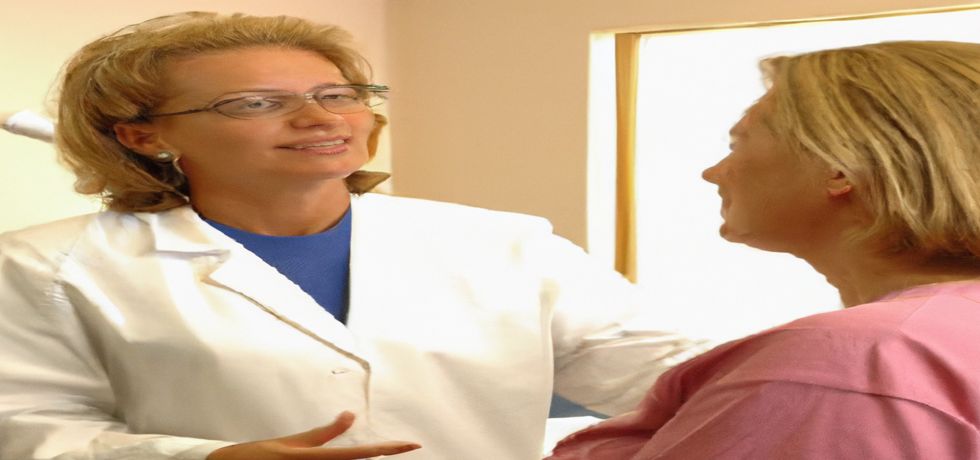
Skin cancer screening involves visual examinations of the skin to identify unusual moles or growths that may indicate skin cancer. These examinations can be done by a qualified professional, often a dermatologist, who is well-trained to spot potential issues. Everyone, regardless of their skin type or history, should consider regular screenings as part of their skincare routine.
Who Should Get Screened?
While anyone can develop skin cancer, certain factors can increase your risk, including having a family history of skin cancer, a history of sunburns, or excessive sun exposure. Therefore, individuals with fair skin, light-colored eyes, or numerous moles should be particularly vigilant and incorporate skin cancer screenings into their health regimen. Regular visits to The Skin Artistry can be a great way to stay on top of your skin health.
How Often Should You Get Screened?
The frequency of skin cancer screenings can vary based on individual risk factors. Generally, it is recommended that adults undergo a comprehensive skin examination at least once a year. However, if you have high-risk factors, more frequent check-ups may be necessary. Discuss your personal history with a dermatologist at The Skin Artistry to formulate a suitable screening schedule.
What to Expect During a Screening?
During a skin cancer screening, your dermatologist will examine your entire body for any suspicious moles or skin changes. They may use a dermatoscope, a special tool that provides a magnified and illuminated view of the skin. If they find anything concerning, they may recommend further testing or a biopsy to assess whether the cells are cancerous.
Taking Action for Your Skin Health
Ensuring that you are proactive about your skin health can lead to early detection and effective management of any issues. Alongside regular screenings, protecting your skin from the sun by wearing sunscreen and seeking shade is vital for prevention. Adopt good skincare habits, and remember to monitor your skin for any changes.
Conclusion
Skin cancer screening is a crucial aspect of every individual’s health care routine. By staying informed and proactive, you can help reduce your risk of skin cancer. Make it a habit to schedule your skin cancer screenings and consult with professionals at The Skin Artistry.
FAQ
How long does a skin cancer screening take?
Usually, a skin cancer screening takes about 15-30 minutes, depending on your skin and history.
Usually, a skin cancer screening takes about 15-30 minutes, depending on your skin and history.
Is skin cancer screening painful?
No, the screening is generally painless. It is a visual examination, and if further procedures are required, your dermatologist will discuss them with you.
For professional assistance and expert advice from leading dermatologists like Dr. Hital Patel, experience the benefits of skin cancer screening essentials with Hair & Skin Specialist Dr. Hital Patel at The Skin Artistry. Our clinics in PDPU Gandhinagar, Vastrapur Ahmedabad, and Hyderabad offer top-quality care and personalized treatments. Visit us today to learn more about our services and take advantage of our special offers! For more insights, updates, or to collaborate, stay connected with The Skin Artistry.
