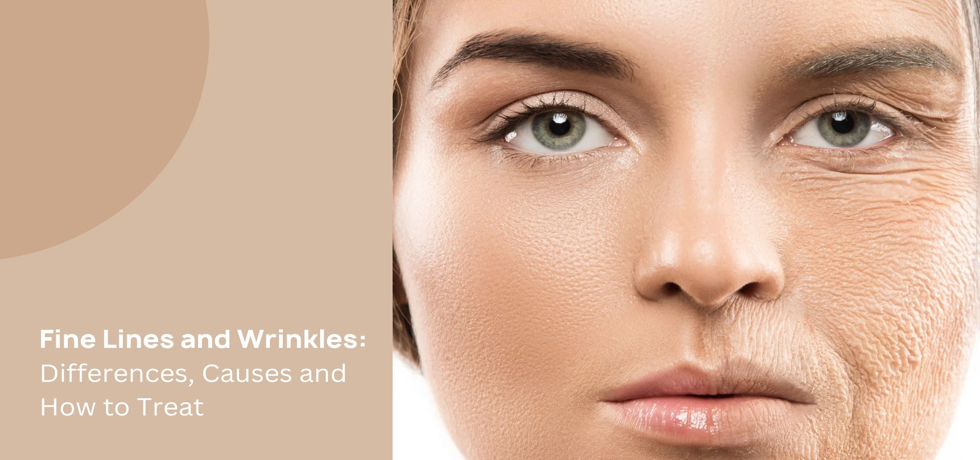
Understanding and Combatting Fine Lines and Wrinkles

image

Understanding and Combatting Fine Lines and Wrinkles

Introduction to Fine Lines and Wrinkles

As we journey through life, our skin tells our story, layering memories with each smile, frown, and glance. Unfortunately, this also means that signs of aging, such as fine lines and wrinkles, can begin to appear, especially as we age or neglect our skin. Understanding and combatting these issues is essential for anyone wishing to maintain their youthful appearance. Fine lines are typically the first to show upshallow creases that form around our eyes and mouth. As time moves forward, these can deepen into wrinkles, more pronounced and visible lines that signal a loss of elasticity in the skin.

The Causes of Fine Lines and Wrinkles

Several factors contribute to the formation of fine lines and wrinkles. Age is perhaps the most straightforward cause. As we grow older, our bodies produce less collagen and elastin, two essential proteins that keep our skin firm and elastic. Sun exposure is another significant factor often underestimated; UV rays can harm our skin by breaking down these proteins faster than natural aging would. Lifestyle choices like smoking and poor nutrition also play their roles, weakening the skin and accelerating the aging process. Additionally, genetics and repetitive facial expressions can lead to the early appearance of these imperfections.

Effective Treatments for Fine Lines and Wrinkles

Combatting fine lines and wrinkles requires a proactive approach. First and foremost, hydration is key; using a quality moisturizer can significantly reduce their appearance. Incorporating products with ingredients like retinoids and hyaluronic acid can further enhance your skincare routine. Moreover, skincare products rich in antioxidants, such as vitamin C, not only protect the skin but also promote collagen production. For those looking for quick results, professional treatments such as injectables like Botox or dermal fillers can help smooth out deeper lines. Laser treatments and chemical peels have also emerged as popular options, offering rejuvenation by removing dead skin layers and stimulating new growth.

Preventative Measures to Maintain Youthful Skin

While treating fine lines and wrinkles is important, prevention is always better than cure. Building a daily skincare regimen can greatly aid in maintaining skin texture. This includes using broad-spectrum sunscreen to protect your skin from UV damage, irrespective of the weather conditions. Drinking adequate water hydrates the skin from within, while a diet rich in fruits, vegetables, and healthy fats boosts skin health. Avoiding smoking and managing stress effectively also contribute to a more youthful complexion.

Conclusion: Your Journey to Youthful Skin

Understanding and combatting fine lines and wrinkles is not just about preserving beauty; its about embracing healthy skin and making informed choices. Whether you decide to turn to topical treatments or professional services, remember that maintaining a consistent skincare routine is vital to achieving the best results. As you navigate through your skincare journey, consider consulting a dermatologist for tailored advice that suits your specific needs. Always remember that with the right care, you can preserve the vibrancy of your skin for years to come.

Frequently Asked Questions (FAQs)

1. What is the main difference between fine lines and wrinkles?
Fine lines are smaller, shallower lines that typically appear first, whereas wrinkles are deeper creases associated with aging.
2. Can lifestyle changes help in reducing fine lines and wrinkles?
Absolutely! A balanced diet, hydration, and sun protection can significantly boost skin health and minimize signs of aging.
3. How often should I use anti-aging products?
It’s best to use them consistently, generally as part of your nightly skincare routine, but consult your dermatologist for personalized advice.
For professional assistance and expert advice from leading dermatologists like Dr. Hital Patel, experience the benefits of Understanding and Combatting Fine Lines and Wrinkles with Hair & Skin Specialist Dr. Hital Patel at The Skin Artistry. Our clinics in PDPU Gandhinagar, Vastrapur Ahmedabad, and Hyderabad (Visiting Consultant) offer top-quality care and personalized treatments. Visit us today to learn more about our services and take advantage of our special offers! For more insights, updates, or to collaborate, stay connected with The Skin Artistry.


Revitalize Your Skin: The Ultimate Guide to Laser Treatment for Acne Scars

image

Revitalize Your Skin: The Ultimate Guide to Laser Treatment for Acne Scars

Understanding Acne Scars

Acne is more than just a skin concern; it can lead to emotional distress and a diminished sense of self-esteem. Even after the acne clears, many individuals are left with acne scars that disrupt the skin’s texture and appearance. This leaves many searching for effective acne treatment options that not only improve skin aesthetics but also boost confidence. Fortunately, advancements in dermatology have led to effective solutions, particularly in laser treatments.

What Causes Acne Scarring?

Acne scars are a direct result of skin damage during the healing process of inflamed acne. When the skin heals, it produces collagena vital protein that keeps the skin structure intact. In cases where healing is incomplete, excess collagen forms, leading to scar formation. This emphasizes the importance of understanding various acne solutions, especially how laser treatments align with repairing and revitalizing scarred skin.

The Mechanism of Laser Treatment

Laser treatment for acne scars entails targeting the scarred area using concentrated high-intensity light. Different types of lasers are employed depending on the acne scarring type. For instance, ablative lasers can penetrate deeply to effectively treat scars residing in the dermal layer, promoting new cell growth and enhancing collagen production. Additionally, microneedling RF technology incorporates radio frequency to heal deeper layers, providing comprehensive results. Understanding these treatments can lead you to make more informed decisions about your skin care routine.

Myths and Misconceptions

As the popularity of laser treatment grows, so do the myths surrounding it. One common misconception is that lasers are harmful to the skin. In truth, when used correctly and under the supervision of an experienced dermatologist, they are not only safe but beneficial in reducing acne scars. Furthermore, many fear that laser therapy may cause burns; however, advanced laser technology ensures targeted treatment with minimal discomfort. Its vital to differentiate fact from fiction when considering potential eczema treatment options.

Safety Precautions for Laser Treatment

Safety is paramount when pursuing laser treatment for acne scars. Clearing medical evaluation prior to treatment is essential, ensuring that the right procedures are applied. Avoiding sun exposure and refraining from harsh skin treatments in the days leading up to the appointment can greatly enhance the efficacy of your treatment. This precautionary phase is crucial to achieve optimal results from your acne scar treatment.

Who Makes a Good Candidate?

Not everyone is a prime candidate for laser treatment. Those with lighter skin tones and mild to moderate scarring generally experience the most effective results. If you have a tan or sunburn, its vital to wait before seeking laser therapy, as this can lead to complications such as skin discoloration. Understanding your skin type and condition can greatly influence the outcomes of your revitalization journey.

Concluding Thoughts

Laser treatment serves as one of the quintessential methods for revitalizing your skin and addressing the distressing effects of acne scars. While it’s a promising solution, maintaining realistic expectations and prioritizing safety measures can maximize its effectiveness. If you’re considering this treatment, seek professional guidance tailored to your skins unique needs.
For professional assistance and expert advice from leading dermatologists like Dr. Hital Patel, experience the benefits of Revitalize Your Skin: The Ultimate Guide to Laser Treatment for Acne Scars with Hair & Skin Specialist Dr. Hital Patel at The Skin Artistry. Our clinics in PDPU Gandhinagar, Vastrapur Ahmedabad, and Hyderabad (Visiting Consultant) offer top-quality care and personalized treatments. Visit us today to learn more about our services and take advantage of our special offers! For more insights, updates, or to collaborate, stay connected with The Skin Artistry.

Unveiling the Power of Clear Skin: A Deep Dive into Advanced Exfoliating Serum

image

Unveiling the Power of Clear Skin: A Deep Dive into Advanced Exfoliating Serum

Introduction to Clear Skin

Achieving clear, radiant skin is a dream for many, and the quest for effective solutions can often feel overwhelming. The good news is that an advanced exfoliating serum can unlock the secrets to beautiful skin! Designed specifically for those struggling with blemishes, uneven texture, and visible pores, these serums can help rejuvenate your complexion. Let’s dive deeper and explore how exfoliating serums can transform your skincare routine and bring you a step closer to your ideal skin.

How Advanced Exfoliating Serums Work

An advanced exfoliating serum is developed to tackle various skin concerns, making it a powerful ally in your skincare arsenal. Using a combination of active ingredients like salicylic and glycolic acids, this serum gently sloughs away dead skin cells, revealing a smoother texture and clearer skin underneath. The benefits of this type of deep-cleansing formula are numerous, as it helps to reduce excess oil, minimize blackheads, and prevent the formation of new blemishes.

By maintaining a regular application of such serums, you’re not just treating existing imperfections but also nurturing your skin’s overall health. The increase in cell turnover leads to a more radiant complexion over time, setting you on a path towards skin that glows with vitality.

Key Clinical Results

Numerous studies and user testimonials highlight the effectiveness of advanced exfoliating serums. For instance, users reported substantial reductions in breakouts and noticeable improvements in skin texture after just a few weeks of diligent use. Clinical studies have shown that a well-formulated exfoliating serum can significantly diminish excess sebum, minimize the appearance of pores, and reduce post-acne marks. These remarkable results underscore the importance of incorporating such products into your daily skincare routine for maximum effectiveness.

Incorporating Exfoliating Serum Into Your Routine

To achieve beautiful, clear skin, its essential to use the advanced exfoliating serum correctly. Here’s a simple step-by-step guide on how to incorporate this powerful serum into your skincare regimen:

  • Step 1: Start with a gentle cleanser that effectively removes dirt and excess oil. A cleanser that contains salicylic acid can work wonders in preparing your skin for the next steps.
  • Step 2: Apply 3-4 drops of the exfoliating serum to clean, dry skin. Begin with a once-daily application, gradually increasing to twice daily as your skin adjusts.
  • Step 3: Follow up with a suitable moisturizer to lock in hydration and continue the improvement of your complexion.
  • Step 4: Dont forget sunscreen during the day! Protecting your newly glowing skin from harmful UV rays is vital when using exfoliating treatments.

Actionable Advice

If you’re on a journey towards achieving clear skin, consider adding an advanced exfoliating serum to your skincare routine. Experiment with formulas that suit your skin type, and remember to be patientgreat skin takes time! Pair your serum with a balanced diet, proper hydration, and a consistent skincare routine for the best results.

Frequently Asked Questions

Q: How often should I use an exfoliating serum?
A: Start with once daily and increase to twice daily based on your skins tolerance. Remember to follow with sunscreen during the day!

Q: Can I use an exfoliating serum if I have sensitive skin?
A: Yes, but choose a serum designed for sensitive skin and patch test it beforehand to ensure compatibility.

For professional assistance and expert advice from leading dermatologists like Dr. Hital Patel, experience the benefits of clear skin with Hair & Skin Specialist Dr. Hital Patel at The Skin Artistry. Our clinics in PDPU Gandhinagar, Vastrapur Ahmedabad and Hyderabad (Visiting Consultant) offer top-quality care and personalized treatments. Visit us today to learn more about our services and take advantage of our special offers! For more insights, updates, or to collaborate, stay connected with The Skin Artistry.

Top Tips for Tattooed Skin Care

image

Top Tips for Tattooed Skin Care

Your Guide to Maintaining Healthy, Vibrant Tattoos

Tattoos can be a beautiful expression of art and personality, and taking proper care of tattooed skin is essential to preserve that artistry. With more individuals investing in tattoos, it’s crucial to learn how to maintain your tattoo’s vibrancy and keep your skin healthy. Here at The Skin Artistry, weve gathered expert insights on the best practices for tattoo care that every tattoo enthusiast should know.

Hydration is Key

To keep your tattoo looking its best, it’s important to prevent dryness in tattooed skin. When your skin feels parched, consider applying a gentle, water-based lotion or cream specifically made for maintaining skin hydration. Be cautious, as petroleum-based products can lead to fading of the ink. A well-hydrated tattoo will appear more vibrant and appealing.

Sun Protection Matters

Protect your tattoo from harmful UV rays, which can significantly fade your tattoo over time. Always apply a broad-spectrum, water-resistant sunscreen with an SPF of 30 or more before stepping out into the sun. For optimal results, apply the sunscreen at least 15 minutes before sun exposure and reapply every two hours. It’s also wise to stay away from tanning beds and sunlamps as they not only cause fading but can also increase the risk of skin cancer.

Watch for Skin Reactions

While tattoos can be beautiful, they can also lead to unexpected skin reactions. If you notice any redness, swelling, or discomfort in the skin around your tattoo, its time to consult a board-certified dermatologist. Sometimes, these reactions can occur immediately after getting a tattoo, or even years later. Changes in your tattooed skin could indicate a skin disease, so it’s best to seek professional advice to understand whats happening.

Be Informed Before Getting a New Tattoo

If you are considering a new tattoo, think about placing it on skin that is free from moles. Tattoos can obscure the early signs of skin cancer, making it harder to detect issues as they arise. Early detection of skin cancer, including melanoma, significantly improves treatment outcomes.

Considering Tattoo Removal

If you’ve had a change of heart about your tattoo, don’t resort to online tattoo removal kits. Many of these products arent regulated and could potentially cause permanent skin injuries. Instead, speak with a dermatologist at The Skin Artistry for professional care and options on safe tattoo removal methods.

Final Thoughts on Tattooed Skin Care

Keeping your tattooed skin looking vibrant and healthy involves a few simple yet effective care routines. Always stay hydrated, protect your tattoos from the sun, and don’t hesitate to seek professional advice if you notice any changes in your skin. By following these tips, your tattoos can remain striking for years to come.

For professional assistance and expert advice from leading dermatologists like Dr. Hital Patel, experience the benefits of Top Tips for Tattooed Skin Care with Hair & Skin Specialist Dr. Hital Patel at The Skin Artistry. Our clinics in PDPU Gandhinagar, Vastrapur Ahmedabad, and Hyderabad (Visiting Consultant) offer top-quality care and personalized treatments. Visit us today to learn more about our services and take advantage of our special offers! For more insights, updates, or to collaborate, stay connected with The Skin Artistry.
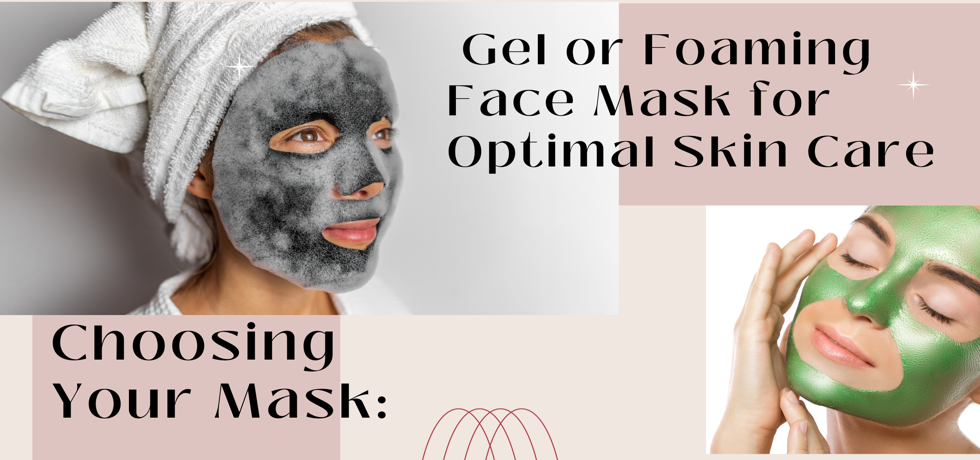
Unveiling the Wonders of Self-Regenerating Skin Regimens

image

Unveiling the Wonders of Self-Regenerating Skin Regimens

Discovering the Power of Your Skin

In our quest for beautifully radiant and healthy skin, self-regenerating skin regimens are making waves. These skin care routines are designed to harness the body’s natural healing capabilities, promoting rejuvenation and renewal. In India, where pollution and sun exposure are common, an effective skin care routine can make a significant difference in maintaining your skin’s vitality. Lets explore the wonders of self-regenerating skin regimens, and how they can empower your skin to shine.

What are Self-Regenerating Skin Regimens?

Self-regenerating skin regimens are innovative approaches to skin care that encourage the skins own repair mechanisms. These methods often include using natural ingredients, antioxidants, and hydration techniques to boost collagen production and skin cell turnover. By focusing on self-renewal, we can achieve long-lasting results rather than temporary fixes. Incorporating these practices into your daily life may seem like a task; however, their reward is a complexion that looks fresh and feels rejuvenated.

The Role of Natural Ingredients

An essential component of self-regenerating skin regimens is the use of natural ingredients. Ingredients such as aloe vera, honey, and turmeric possess healing properties that promote skin regeneration. For instance, aloe vera is renowned for its soothing and hydrating characteristics, making it an excellent choice for calming irritated skin. By enhancing skin’s elasticity and supporting moisture retention, these components create a powerful ally against environmental stressors.

Importance of Hydration

Hydration plays a pivotal role in self-regenerating skin regimens. Keeping the skin well-hydrated supports the skin barrier, which in turn reduces the appearance of fine lines and maintains a youthful glow. Drinking adequate water and using hydrating serums or moisturizers can help enhance your skins natural rebuilding process. A well-hydrated skin is not only resilient but also plays a key role in fighting signs of premature aging.

Consistency is Key

Achieving remarkable results with self-regenerating skin regimens requires consistency. Developing a skincare routine that you can commit to is vital for promoting ongoing skin renewal. This can include daily cleansing, exfoliating weekly, applying serums with potent ingredients, and ensuring adequate sun protection. Stick with your regimen, and be patient; over time, you will see your efforts pay off with improved skin texture and tone.

What to Remember

While self-regenerating skin regimens are incredibly effective, it is essential to personalize your approach based on your skin type. For individuals with sensitive skin, opting for gentle, non-irritating products is crucial. Remember to consult with a dermatology expert to tailor a skincare plan that aligns with your unique skin needs. Regular visits to a dermatologist can greatly enhance your skincare journey.

Frequently Asked Questions

What are the best ingredients for self-regenerating regimens?
Natural ingredients like aloe vera, honey, and turmeric are renowned for their skin-healing capabilities and can substantially enhance skin regeneration.
How often should I follow a self-regenerating skin regimen?
To see optimal results, consistency is critical. Follow your routine daily while introducing products gradually to avoid overwhelming your skin.

Conclusion

Embracing self-regenerating skin regimens can lead to transformative results for your skin’s appearance and health. By integrating natural ingredients, focusing on hydration, and being consistent, you give your skin an empowering chance to thrive. As always, if you seek personalized strategies to enhance your skin care routine, do not hesitate to reach out to our firm, The Skin Artistry.
For professional assistance and expert advice from leading dermatologists like Dr. Hital Patel, experience the benefits of self-regenerating skin regimens with Hair & Skin Specialist Dr. Hital Patel at The Skin Artistry. Our clinics in PDPU Gandhinagar, Vastrapur Ahmedabad, and Hyderabad offer top-quality care and personalized treatments. Visit us today to learn more about our services and take advantage of our special offers! For more insights, updates, or to collaborate, stay connected with The Skin Artistry.

Effective Ways to Clear Hyperpigmentation for Radiant Skin

image

Effective Ways to Clear Hyperpigmentation for Radiant Skin

Understanding Hyperpigmentation

Hyperpigmentation is a common skin condition characterized by dark patches that can develop on various parts of the body, particularly the face. It occurs when the skin produces excess melanin, often due to factors such as sun exposure, acne scars, or hormonal changes. Managing hyperpigmentation is essential for achieving even skin tone and radiant skin. In this blog, we will explore effective ways to clear hyperpigmentation and restore your skin’s natural glow.

Importance of Sun Protection

One of the most effective ways to clear hyperpigmentation is through diligent sun protection. The sun’s harmful UV rays can exacerbate dark spots, making them more prominent. To combat this, apply a broad-spectrum sunscreen with at least SPF 30 daily. Remember to reapply every two hours, especially if you’re outdoors for extended periods. Protective clothing like wide-brimmed hats and sunglasses can also shield your skin from direct sunlight, further helping to prevent hyperpigmentation.

Incorporate Brightening Products in Your Skincare Routine

Skin brightening solutions are crucial for those aiming to remove dark spots effectively. Look for products containing Vitamin C, which helps fade hyperpigmentation and even out skin tone. Additionally, serums with Vitamin A can boost cell turnover, promoting the growth of new skin cells while minimizing the appearance of dark patches. Hydration is also key; consider incorporating a moisturizer with hyaluronic acid to keep your skin well-hydrated and plump, as hydrated skin can better heal itself.

Regular Exfoliation

Exfoliating regularly helps promote cell turnover, removing dead skin cells and allowing brighter skin to surface. This process is essential when dealing with hyperpigmentation treatment, as it accelerates the fading of dark spots over time. Choose gentle exfoliants that suit your skin type. Over-exfoliating can irritate the skin and worsen pigmentation, so moderation is key.

Seek Professional Treatments

If at-home treatments are not delivering the desired results, consulting a dermatologist can provide personalized recommendations. Dermatologic treatments such as chemical peels or laser therapy specifically address hyperpigmentation effectively. These treatments can target deeper layers of the skin and help diminish stubborn dark spots much faster than topical remedies alone, offering a more immediate solution to your skin concerns.

Conclusion

Achieving radiant skin free from hyperpigmentation is possible by incorporating sun protection, effective skincare products, and regular exfoliation into your daily routine. Consistency is essential when it comes to seeing results, as hyperpigmentation fades over time with the right care. If you find that over-the-counter products fail to help, dont hesitate to seek professional advice tailored to your skin type. Embrace these steps, and take charge of your skin’s health to enjoy a beautifully clear complexion that boosts your confidence daily.

For professional assistance and expert advice from leading dermatologists like Dr. Hital Patel, experience the benefits of Effective Ways to Clear Hyperpigmentation for Radiant Skin with Hair & Skin Specialist Dr. Hital Patel at The Skin Artistry. Our clinics in PDPU Gandhinagar, Vastrapur Ahmedabad, and Hyderabad (Visiting Consultant) offer top-quality care and personalized treatments. Visit us today to learn more about our services and take advantage of our special offers! For more insights, updates, or to collaborate, stay connected with The Skin Artistry.

Skin Care Showdown: Body Oil vs Lotion

image

Skin Care Showdown: Body Oil vs Lotion

Introduction

Do you find yourself confused when choosing between body oil and lotion for your skin care needs? You’re not alone! Both of these popular products serve the same primary purpose of moisturizing and nourishing your skin, but they do it in different ways. Understanding the differences can help you make an informed choice for healthy, hydrated skin year-round. In this blog post, we will explore the characteristics of body oil and lotion, their benefits, and tips for selecting the right one for your skin type.

Understanding Body Oil

Body oil is predominantly composed of natural oils, such as almond or coconut oil, which create a protective barrier on the skin’s surface. This barrier helps prevent transepidermal water loss, effectively keeping your skin hydrated and soft. If you’re struggling with dry skin, incorporating body oil into your skin care routine can be a beneficial step. Not only does it hydrate, but it also helps treat conditions like stretch marks and scars, making it a versatile choice for achieving smooth skin.

Dive into Body Lotion

In contrast, body lotion is a combination of water, oils, and emulsifiers designed to hydrate and soothe the skin. This lightweight formula is often enriched with humectants that draw moisture from the environment into the skin. If you are looking for an everyday moisturizer that can be used any time of the day, body lotion may be better suited to your needs. It effectively combats dryness and helps maintain your skin’s elasticity, making it a popular choice for quick hydration on the go.

Comparing Their Components

The key difference in formulation is that while body oil consists exclusively of oils, body lotions contain a blend of ingredients tailored for hydration. For instance, body lotions often feature emollients and occlusives to lock in moisture effectively. Understanding these ingredients can allow you to select the most beneficial product for your skin care regimen. Both body oil and lotion can serve an essential role in your routine, but your skin’s unique needs will dictate which product is best.

Choosing Based on Skin Types

Selecting the right product can significantly impact your skin’s health. Body oil is recommended for individuals with dry skin or those living in colder climates, where additional moisture is necessary. On the other hand, body lotions are ideal for all skin types, including normal and oily skin. Whether your skin requires deep hydration or a lightweight touch, knowing your skin type will guide your decision-making process. Always consider the ingredients, as some individuals may have sensitivities to specific oils or chemicals.

Conclusion: Find Your Perfect Match!

In the showdown between body oil and lotion, it’s clear that both have unique advantages tailored to different skin care needs. Body oil shines in its ability to deeply nourish and create a protective barrier, while body lotions offer a convenient and lightweight moisture solution for everyday use. At the end of the day, the best choice for you will depend on your individual skin type and specific hydration needs. For optimal results, consider alternating between the two or applying them at different times to suit your lifestyle. Listen to your skin, make an informed choice, and enjoy the journey to hydrated, glowing skin!

For professional assistance and expert advice from leading dermatologists like Dr. Hital Patel, experience the benefits of Skin Care Showdown: Body Oil vs Lotion with Hair & Skin Specialist Dr. Hital Patel at The Skin Artistry. Our clinics in PDPU Gandhinagar, Vastrapur Ahmedabad and Hyderabad (Visiting Consultant) offer top-quality care and personalized treatments. Visit us today to learn more about our services and take advantage of our special offers! For more insights, updates, or to collaborate, stay connected with The Skin Artistry.

Mastering Monsoon Oily Skin Care: Your Ultimate Guide

image

Mastering Monsoon Oily Skin Care: Your Ultimate Guide

Understanding Your Skins Needs During Monsoon

As rains drench the earth, many of us enjoy the refreshing drop in temperature. However, for those with oily skin, the monsoon can bring along a host of challenges. Increased humidity and moisture levels can make your skin feel greasier than usual, leading to breakouts, clogged pores, and that discomforting oily sheen. If you’re aiming to master monsoon oily skin care, you have landed in the right place! In this guide, we will explore effective tips and home remedies to help you maintain your skin’s health and radiance during this season.

How Does Monsoon Affect Oily Skin?

When the monsoon hits, the humidity levels soar, directly impacting the oiliness of your skin. The sebaceous glands respond to the moisture in the air by ramping up sebum production, making oily skin feel even more pronounced. This excess oil can create an environment for bacteria to thrive, resulting in acne and other skin issues. Rather than relying solely on chemical-laden products, incorporating natural oily skin care tips can make a significant difference in how your skin feels and looks throughout the monsoon.

Best Practices for Oily Skin Care in the Monsoon

To combat oily skin during the rainy season, there are several strategies that one can adopt. Here are some golden tips for mastering monsoon oily skin care:

1. Gentle Exfoliation: Regular exfoliation is key to controlling excess oil. Aim to gently exfoliate your face at least once a week. This helps in removing dead skin cells, dirt, and bacteria. You can create a natural scrub using ingredients like coffee or sugar mixed with honey. Be gentle to avoid irritating your skin.

2. Face Packs: Using homemade face packs can nourish and hydrate your skin while also tackling oiliness. A great mix to try includes aloe vera gel and turmeric. Simply apply it to your face for about 20 minutes before rinsing. This not only helps in controlling shininess but also adds a subtle glow.

3. Sunscreen Application: Even with cloudy skies, the suns UV rays can still harm your skin. Use a lightweight, non-comedogenic sunscreen daily to protect against skin damage. Remember, incorporating sunscreen is a vital aspect of any oily skin care routine, regardless of the season.

4. Hydrating Moisturizers: Contrary to popular belief, oily skin also needs hydration. Opt for a gel-based moisturizer that won’t clog pores. Proper moisturization balances your skin and prevents it from becoming overly greasy.

5. Stay Hydrated: Drinking plenty of water during this humid season can help rinse out toxins and keep your skin plump. Hydration from within plays a crucial role in maintaining healthy skin balance.

Keep Stress at Bay

Stress can aggravate oily skin conditions. Incorporate relaxation techniques like yoga and meditation into your daily routine. A calm mind often reflects through healthy and glowing skin.

Summary

Knowing how to treat oily skin effectively during the monsoon doesn’t have to be overwhelming. With the right practices and natural solutions at your fingertips, you can navigate through this season with confidence. Remember to stay consistent with your routine and listen to your skins needs. By mastering monsoon oily skin care, you’ll not only manage greasiness effectively but also boost your overall skin health.

Frequently Asked Questions

Is turmeric effective for oily skin in the monsoon?
Absolutely! Turmeric is known for its antibacterial properties which can help soothe inflammation and control oiliness.

How often should I exfoliate during the monsoon?
Once a week is usually enough for oily skin, but listen to your skinif it feels congested, you might increase it slightly.

For professional assistance and expert advice from leading dermatologists like Dr. Hital Patel, experience the benefits of mastering monsoon oily skin care with Hair & Skin Specialist Dr. Hital Patel at The Skin Artistry. Our clinics in PDPU Gandhinagar, Vastrapur Ahmedabad and Hyderabad (Visiting Consultant) offer top-quality care and personalized treatments. Visit us today to learn more about our services and take advantage of our special offers! For more insights, updates, or to collaborate, stay connected with The Skin Artistry.

Revamp Your Skin With Cutting-Edge Carbon Facials

image

Revamp Your Skin With Cutting-Edge Carbon Facials

Unlock the Secret to Radiant Skin

In the quest for clear, glowing skin, innovative treatment options constantly emerge that promise remarkable results. One such advanced treatment gaining popularity is the carbon facial. This cutting-edge procedure offers an effective solution to various skin concerns, allowing you to rejuvenate your skin while tackling issues such as dullness, acne, and enlarged pores. If you’re considering a transformation for your skin, read on to explore the ins and outs of carbon facials.

What is a Carbon Facial?

A carbon facial is a modern skincare treatment that utilizes a carbon-based mask combined with laser technology. The process begins with the application of a layer of liquid charcoal on the skin, which deeply penetrates the pores and absorbs impurities. Then, a laser is used to target the carbon particles, leading to exfoliation and skin rejuvenation. This combination not only removes dead skin cells but also minimizes the appearance of fine lines, reduces oiliness, and promotes a clearer complexion.

Benefits of Carbon Facials

The benefits of carbon facials are extensive. First and foremost, they provide immediate results, leaving your skin looking brighter and feeling smoother. Additionally, the treatment is known to help in reducing acne and controlling excessive oil production, making it an excellent choice for those with oily or acne-prone skin. Beyond just cleansing, carbon facials can also aid in minimizing the appearance of pores and improving overall skin texture. For individuals seeking a non-invasive anti-aging solution, this treatment can enhance skin elasticity and promote a youthful glow.

Who Can Benefit from Carbon Facials?

Carbon facials are suitable for nearly everyone, regardless of skin type. However, those who suffer from oily skin, enlarged pores, or have experienced acne may see significant improvement after a few sessions. Its essential to consult with a professional dermatologist to determine if this treatment aligns with your unique skin needs. Their expertise can guide you in incorporating carbon facials as a part of your skincare regimen for optimal results.

Aftercare and Maintenance

After receiving a carbon facial, your skin may feel sensitive, so its crucial to follow proper aftercare. Always wear sunscreen to protect your skin from UV damage, and avoid harsh products for a few days. Hydration is key, so incorporate hydrating serums or moisturizers into your routine. Regular sessions can amplify the benefits of carbon facials, making it a vital part of your skincare journey. Consistency will ensure your skin remains radiant and youthful.

Conclusion

If you’re eager to revamp your skin with cutting-edge treatments, carbon facials could be your answer. Not only do they promise immediate rejuvenation, but they also promote long-lasting skin health. Always consult with a trusted dermatologist to personalize your skincare approach and discuss how carbon facials can work for you. Your journey towards revitalized skin starts with the first stepembracing an advanced carbon facial today!

For professional assistance and expert advice from leading dermatologists like Dr. Hital Patel, experience the benefits of revamping your skin with Hair & Skin Specialist Dr. Hital Patel at The Skin Artistry. Our clinics in PDPU Gandhinagar, Vastrapur Ahmedabad, and Hyderabad (Visiting Consultant) offer top-quality care and personalized treatments. Visit us today to learn more about our services and take advantage of our special offers! For more insights, updates, or to collaborate, stay connected with The Skin Artistry.

Gel vs. Foam Face Masks: Tailoring Skincare to Your Needs

image

Gel vs. Foam Face Masks: Tailoring Skincare to Your Needs

Introduction

Choosing the right face mask can elevate your skincare routine and nurture your skin’s unique needs. Among the vast array of options, gel and foam face masks stand out for their distinctive formulations and benefits. Understanding the differences in these masks can help you tailor your skincare approach, ensuring your skin receives the optimal treatment it deserves. In this blog, well explore gel and foam face masks and help you decide which type is best suited for your needs.

Understanding Gel Face Masks

Gel face masks have become synonymous with hydration and soothing properties. These masks often feature a base of aloe vera or water that deeply moisturizes and calms the skin. If you suffer from dryness or sensitivity, incorporating a gel mask into your skincare routine can significantly enhance your hydration levels.

The key benefits of gel face masks include deep hydration, soothing effects, and skin conditioning through humectants such as hyaluronic acid. They are particularly effective for those with dry or sensitive skin, making them a popular choice for a rejuvenating skincare ritual. With their lightweight texture, gel masks can be enjoyed without overwhelming oily or combination skin types, providing a refreshing and revitalizing touch.

Exploring Foam Face Masks

On the other hand, foam face masks are specially formulated to deep clean, detoxify, and refine the skin. When applied, these masks transform into a bubbly texture that penetrates deep into the pores, lifting impurities, excess oil, and debris away. Ideal for individuals with oily or acne-prone skin, foam masks help balance oil production and prevent breakouts while delivering a unique sensation that refreshes and invigorates the skin.

The effectiveness of foam face masks lies in their ability to provide thorough cleansing while also occasionally incorporating hydrating ingredients. With benefits such as exfoliation and skin renewal, foam face masks can significantly enhance your skincare routine, leaving your skin feeling clean, refreshed, and ready for the next steps in your regimen.

Comparing Benefits and Suitability

When deciding between gel and foam face masks, its essential to consider your skin type and specific concerns. Gel masks are perfect for those who need hydration, especially those with dry or dehydrated skin. They not only replenish moisture but also soothe irritation, making them incredibly versatile.

Alternatively, foam face masks shine when it comes to cleansing and oil control. They are designed for individuals struggling with oily skin, opening up pores and removing excess sebum, thus contributing to a clearer complexion. The bubbling action of foam masks can bring about great results for people dealing with enlarged pores and uneven skin texture.

The outstanding feature of both masks is that they can complement each other beautifully in a comprehensive skincare routine. You may use gel masks to hydrate and nourish your skin on certain days and integrate foam masks to maintain clarity and freshness on others.

Tailoring Your Skincare Routine

To achieve optimal skincare results, consider your individual needs when selecting between gel and foam masks. If your primary concern is hydration, lean towards gel formulations enriched with nourishing extracts. Conversely, if you find yourself dealing with excess oil or breakouts, foam masks with strong cleansing properties will serve you better.

Understanding your skin type is crucial for enhancing your skincare regime. For instance, women with dry or normal skin may prefer gel masks for regular use, while individuals with oily skin types might maximize the advantages of foam masks 2-3 times a week. Always remember to perform patch tests whenever introducing new products into your regimen to prevent any adverse reactions.

Conclusion: Make the Right Choice for Radiant Skin

In conclusion, both gel and foam face masks possess unique properties tailored to different skin needs. Whether you choose a soothing gel mask for deep hydration or a cleansing foam mask for revitalization, the most important factor is to understand your skin’s requirements.

Always remember that consistency and the right choice of products are pivotal in nurturing your skin towards health and radiance. Tailor your mask selection according to your skincare goals, and embrace the journey to achieving your ideal complexion.

FAQs

1. How often should I use gel and foam masks?
The frequency depends on your skin type. Gel masks are usually safe for regular use, while foam masks can be applied 2-3 times a week based on your needs.

2. Can I use both types of masks in my routine?
Absolutely! Many people find success alternating between gel and foam masks to address different skin concerns.

For professional assistance and expert advice from leading dermatologists like Dr. Hital Patel, experience the benefits of Gel vs. Foam Face Masks: Tailoring Skincare to Your Needs with Hair & Skin Specialist Dr. Hital Patel at The Skin Artistry. Our clinics in PDPU Gandhinagar, Vastrapur Ahmedabad, and Hyderabad (Visiting Consultant) offer top-quality care and personalized treatments. Visit us today to learn more about our services and take advantage of our special offers! For more insights, updates, or to collaborate, stay connected with The Skin Artistry.