
Revitalize Your Skin: 5 Simple Steps for a Healthy Glow

image

Revitalize Your Skin: 5 Simple Steps for a Healthy Glow

Your Path to Enhanced Radiance

Your skin, being the largest organ of your body, plays a vital role in your overall health and appearance. Environmental factors, stress, and even the products we use can take a toll, leading to a dull complexion and tired skin. However, with the right approach, you can rejuvenate your skin and achieve that luminous glow youve always wanted. Here are five simple steps to revitalize your skin and promote a healthy appearance.

Step 1: Embrace a Simplified Skincare Routine

Keeping your skincare routine simple is essential for achieving healthy skin. Overly complicated regimens with multiple products can cause irritation and stress to your skin. By focusing on basic essentials like a hydrating cleanser, nourishing moisturizer, and sunscreen, you can reduce inflammation and provide your skin with the care it needs. Simplifying your skincare can lay the foundation for revitalization, giving your skin space to breathe and recover.

Step 2: Gentle Cleansing is Key

Cleansing is a fundamental part of any skincare routine, particularly for those looking to revitalize their skin. Harsh soaps often strip the skin of its natural oils, leaving it dry and sensitive. Opt for a gentle, hydrating cleanser that effectively removes impurities without damaging the skin barrier. Cleanse your face twice daily with lukewarm water, as hot water can aggravate skin issues. When drying your face, gently pat it with a towel instead of rubbing to maintain moisture.

Step 3: Hydrate and Soothe Your Skin

Proper hydration is vital for revitalizing stressed skin. When your skin feels irritated, it often means the skin barrier is not functioning optimally. Keep your skin hydrated by drinking plenty of water and incorporating hydrating serums or moisturizers suitable for your skin type. Applying moisturizer on slightly damp skin enhances absorption, making it more effective in locking in moisture. Consider using products enriched with soothing ingredients to calm inflammation and restore balance.

Step 4: Protect Your Skin Barrier

The skin barrier safeguards against environmental damage while retaining moisture. A compromised barrier can lead to increased sensitivity and irritation. Protect and support your skin barrier by using products specifically formulated for this purpose. Avoid over-exfoliating, as it can further damage the barrier and cause redness. Regular use of sunscreen with a high SPF is crucial to defend against harmful UV rays and additional stressors.

Step 5: Nourish from Within

Remember, revitalizing your skin is not just about external products. Maintaining a healthy diet rich in fruits and vegetables and staying hydrated are crucial for a vibrant complexion. Consuming nutrient-dense foods supports your skins health from the inside out, contributing significantly to a radiant glow.

In Conclusion

By simplifying your skincare routine, using gentle cleansing products, hydrating effectively, protecting the skin barrier, and nourishing your body, you can revitalize your skin and restore its health and glow. Embrace these steps with consistency and patience to witness remarkable changes. Remember, your skin deserves the best care, so treat it gently!

Frequently Asked Questions

Q: How soon can I expect to see results after following these steps?

A: While individual experiences may vary, you can generally expect to see improvements in your skin’s condition after consistently following these measures for about 4 to 6 weeks.

Q: Can I exfoliate while trying to revitalize my skin?

A: Its advisable to limit exfoliation if your skin is irritated. Once your skin has calmed down, you can gradually reintroduce gentle exfoliation into your routine.

Q: What does healthy skin look like?

A: Healthy skin is characterized by a balanced complexion, minimal blemishes, and a natural glow. It should feel smooth, hydrated, and resilient to external stressors.

For professional assistance and expert advice from leading dermatologists like Dr. Hital Patel, experience the benefits of revitalizing your skin with Hair & Skin Specialist Dr. Hital Patel at The Skin Artistry. Our clinics in PDPU Gandhinagar, Vastrapur Ahmedabad and Hyderabad (Visiting Consultant) offer top-quality care and personalized treatments. Visit us today to learn more about our services and take advantage of our special offers! For more insights, updates, or to collaborate, stay connected with The Skin Artistry.
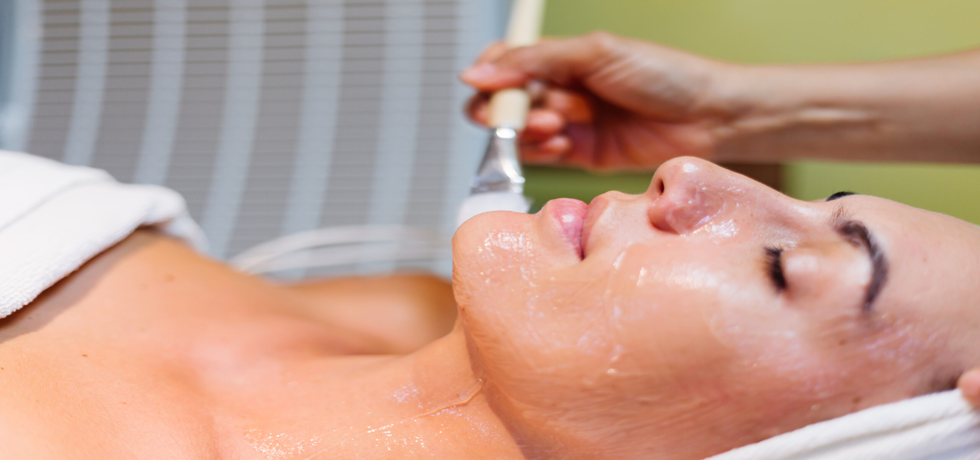

Chemical Peel Showdown: Home vs. Clinic

image

Chemical Peel Showdown: Home vs. Clinic

The Benefits of Chemical Peels

When it comes to skincare, chemical peels have gained immense popularity for their ability to rejuvenate the skin. They help address concerns like acne scars, uneven skin tone, and pigmentation issues. With options available for both at-home and in-clinic treatments, the question arises: which is the best choice for your skin? Lets dive into this showdown of chemical peelshome vs. clinic.

Chemical Peels at Home: The DIY Approach

At-home chemical peels are a great option for individuals dealing with mild skin concerns like minor discoloration and surface blemishes. Common ingredients found in at-home peels include alpha hydroxy acids (AHAs), beta hydroxy acids (BHAs), and vitamin C, which are known for their skin-brightening properties. Reading the product label is crucial because the concentration of these active ingredients mattershigher concentrations are not suited to every skin type.

You can perform these peels safely at home. Generally, they should be left on the skin for about 10 to 15 minutes to avoid over-exfoliation. However, if you have sensitive skin, consulting with a dermatologist before proceeding with at-home treatments is advisable to prevent any adverse effects.

Pros & Cons of Home Chemical Peels

Getting a chemical peel at home offers convenience, but its essential to consider both its benefits and drawbacks.

  • Pros: Effortless to use for mild skin issues and cost-effective as you wont need frequent trips to a clinic.
  • Cons: Risks of skin irritation or burns due to unsuitable concentrations, which might lead to further complications like hyperpigmentation.

In-Clinic Chemical Peels: Professional Touch

For a more targeted approach, in-clinic chemical peels are highly recommended. A certified dermatologist can assess your skin type and concerns, customizing the peel to suit your skin’s unique needs. The mix of mechanical and chemical exfoliation in a clinic setting often leads to more effective results without compromising skin safety.

A qualified dermatologist will use professional-grade products specifically formulated to penetrate deeper layers of the skin while minimizing potential side effects, ensuring you receive optimal results tailored to your skin’s requirements.

Pros & Cons of Clinic Chemical Peels

Opting for a chemical peel at a clinic does have its advantages and disadvantages to weigh:

  • Pros: Expert guidance, higher potency of active ingredients optimized for your skin, and greater efficacy.
  • Cons: Potentially more visits required and can be pricier than at-home products.

The Conclusion

Whether you choose a chemical peel at home or in a clinic, it ultimately depends on your skin concerns and comfort level. However, it is highly advisable to begin with a professional consultation at The Skin Artistry. This will help you understand your skin better and determine the suitable number of sessions for achieving the best results from your chemical peel experience.

For professional assistance and expert advice from leading dermatologists like Dr. Hital Patel, experience the benefits of Chemical Peel Showdown: Home vs. Clinic with Hair & Skin Specialist Dr. Hital Patel at The Skin Artistry. Our clinics in PDPU Gandhinagar, Vastrapur Ahmedabad, and Hyderabad (Visiting Consultant) offer top-quality care and personalized treatments. Visit us today to learn more about our services and take advantage of our special offers! For more insights, updates, or to collaborate, stay connected with The Skin Artistry.

Understanding Atopic Dermatitis: Symptoms, Causes, and Treatment

image

Understanding Atopic Dermatitis: Symptoms, Causes, and Treatment

Introduction to Atopic Dermatitis

Atopic dermatitis (commonly known as eczema) can be a challenging condition to live with. It impacts not only the skin but can also affect your overall quality of life. This chronic skin condition can often be triggered by various factors, ranging from food sensitivities to environmental irritants. Understanding atopic dermatitis is essential for managing symptoms effectively and improving skin health.

What is Atopic Dermatitis?

Atopic dermatitis is a type of skin rash characterized by dryness, redness, and itching. While it can occur in individuals of any age, it often begins in childhood. In India, the rising incidence of atopic dermatitis is a public health concern, making awareness and proper treatment crucial. Symptoms typically include itchy patches on the skin, which can become even more aggravated if scratched.

Recognizing the Symptoms

The symptoms of atopic dermatitis can vary greatly among individuals. Some common signs include persistent itchiness, dry, scaly skin, and red or brownish patches. Areas that are often affected include the arms, behind the knees, and the face. If you notice small bumps that may leak fluid and crust over when scratched, it could be another indication of this eczema type. If these symptoms resonate with you, its essential to discuss them with a qualified dermatologist, as they can help provide personalized eczema treatment options.

What Causes Atopic Dermatitis?

Atopic dermatitis is a condition that often runs in families, indicating a genetic predisposition. The skin barrier in individuals with atopic dermatitis tends to be weakened due to a deficiency in certain proteins, which makes the skin more vulnerable to irritants and allergens. Environmental factors, including pollen, dust mites, and even certain fabrics, can also trigger flare-ups. Understanding these causes can help in identifying potential triggers and help you develop a tailored skincare routine for atopic dermatitis.

Effective Treatment Options

Managing atopic dermatitis often requires a multifaceted approach. Treatment can include the application of moisturizing creams or ointments designed for sensitive skin. These soothing products help maintain skin hydration and reduce itchiness. Furthermore, it is crucial to establish a gentle skincare routine that incorporates hypoallergenic cleansers and moisturizers. Regular consultations with dermatologists at clinics like The Skin Artistry can assist you in selecting the most suitable products catered to your skin’s unique needs.

Skincare Tips for Atopic Dermatitis

For individuals living with atopic dermatitis, adhering to a consistent skincare routine is vital. Here are some tips to help manage your condition effectively:

  • Bathe with lukewarm water instead of hot to avoid dryness.
  • Use gentle, fragrance-free cleansers to minimize irritation.
  • Apply a rich moisturizer within three minutes of bathing to lock in moisture.
  • Wear breathable clothing to avoid irritation from fabrics.

Conclusion: How to Live Well with Atopic Dermatitis

While atopic dermatitis can be a persistent challenge, understanding the symptoms, causes, and treatment options available can significantly improve your skin health and comfort. Regularly consulting with dermatology professionals is key to customizing a care plan that works best for you. Empower yourself with knowledge and the right skincare routine to manage your condition effectively, and don’t hesitate to reach out for help when you need it.

FAQs about Atopic Dermatitis

Is atopic dermatitis contagious?
No, atopic dermatitis is not contagious. It is a chronic skin condition more related to genetics and environmental factors.

Can I outgrow atopic dermatitis?
Many children eventually outgrow atopic dermatitis, but some individuals may continue experiencing symptoms into adulthood.

Should I see a dermatologist for atopic dermatitis?
Yes! Consulting a dermatologist can provide you with the specialized care needed to control flare-ups and maintain healthy skin.

For professional assistance and expert advice from leading dermatologists like Dr. Hital Patel, experience the benefits of Understanding Atopic Dermatitis: Symptoms, Causes, and Treatment with Hair & Skin Specialist Dr. Hital Patel at The Skin Artistry. Our clinics in PDPU Gandhinagar, Vastrapur Ahmedabad, and Hyderabad (Visiting Consultant) offer top-quality care and personalized treatments. Visit us today to learn more about our services and take advantage of our special offers! For more insights, updates, or to collaborate, stay connected with The Skin Artistry.

6 Common Misconceptions About Retinol Unveiled

image

6 Common Misconceptions About Retinol Unveiled

Understanding Retinol: Unraveling the Mysteries

If youve ever explored the world of skincare, youve likely encountered retinola powerful ingredient known for its numerous skin benefits. Despite its popularity, many individuals still harbor misconceptions about how to properly incorporate retinol into their skincare routine. In this blog, well unveil six common myths about retinol to help you better understand its true value in achieving glowing, youthful skin.

Myth 1: Retinol Causes Severe Skin Irritation

One of the most prevalent myths is that retinol is synonymous with extreme peeling and irritation. While its true that some initial flaking can occur as your skin adjusts, starting with a lower concentration can significantly limit these side effects. Progressing gradually can lead to fantastic results without discomfort.

Myth 2: Retinol is Just for Aging Skin

Many believe that retinol is solely designed for mature skin types or those wishing to reduce fine lines. In fact, retinol’s benefits extend to all skin types, including acne-prone skin, as it regulates cell turnover and helps keep pores clear. Its versatility makes it an essential component of any skincare routine.

Myth 3: You Can Apply Multiple Retinol Products at Once

Combining various retinol products might seem like a smart way to maximize benefits, but in reality, this can lead to irritation. One effective application of retinol per day is typically sufficient to reap its rewards without overwhelming your skin.

Myth 4: Retinol Can Be Used Safely in All Conditions

While retinol is a fantastic ingredient, it’s crucial to consider other skincare products simultaneously. For instance, using retinol alongside vitamin C can lead to irritation due to their differing pH levels. Its best to use them at different times of the day to avoid potential skin damage.

Myth 5: Retinol Increases Sun Sensitivity

A common misconception is that retinol itself makes your skin more susceptible to sun damage. While it’s true that SPF protection is always essential, using retinol does not in itself damage the skin. The main reason for evening application is to prevent light from rendering it inactive rather than inherently causing sensitivity.

Myth 6: Retinol Is Only Effective After Several Months

Though retinol may take time to show visible results, starting its use early in your skincare routine ensures you maintain healthy, youthful skin over the long term. Regular use promotes collagen production and cell turnover, helping to keep your skin looking fresh and vibrant.

Conclusion: Embrace the Power of Retinol

Understanding these common misconceptions about retinol is the first step towards making the most of its benefits. Incorporating retinol into your skincare routine can offer remarkable anti-aging and acne-fighting properties. Start slow, stay consistent, and always protect your skin with sunscreen.

For professional assistance and expert advice from leading dermatologists like Dr. Hital Patel, experience the benefits of retinol with Hair & Skin Specialist Dr. Hital Patel at The Skin Artistry. Our clinics in PDPU Gandhinagar, Vastrapur Ahmedabad and Hyderabad (Visiting Consultant) offer top-quality care and personalized treatments. Visit us today to learn more about our services and take advantage of our special offers! For more insights, updates, or to collaborate, stay connected with The Skin Artistry.

Hair Wash Guide: Finding Your Ideal Routine

image

Hair Wash Guide: Finding Your Ideal Routine

Discovering the Right Hair Wash Frequency for Your Hair Type

Are you often confused about how frequently you should wash your hair? You’re not alone! The journey to finding your ideal hair wash routine can be overwhelming. Factors like your scalp type, hair texture, and daily activities all play a role in determining the perfect schedule for you. Lets explore how to tailor your hair washing practices for optimal hair health.

Understanding Your Scalp Type

Knowing your scalp type is paramount in establishing a hair wash guide. Oily scalps may require more frequent washes to remove excess sebum, which can lead to buildup and hair loss over time. On the other hand, those with dry or sensitive scalps may want to extend the intervals between washes. A little experimentation can lend to finding the ideal routine that best suits your needs.

Identifying Your Hair Type

The texture of your hair also influences how often you should wash it. Fine and straight hair tends to get greasy quickly, and may need a wash every other day. In contrast, thick and curly hair retains natural oils better and might only require a wash once a week. Personalizing your hair care routine based on your hair type ensures healthier and more manageable locks.

Lifestyle Factors

Your daily activities can impact how often you should wash your hair. If you regularly engage in activities that lead to sweat and buildup, such as exercise, consider washing your hair more frequently to maintain a healthy scalp. Additionally, environmental factors like excessive dust or pollution can clutter your scalp, warranting a wash.

Signs Your Hair Needs a Wash

So, how do you know when its time to wash your hair? If you notice that your hair is feeling greasy, looks dull, or has an itchy scalp, it’s probably time for a cleanse. By paying attention to these signs, you can better adhere to your unique hair wash guide, preventing potential scalp issues.

Can You Wash Your Hair Every Day?

Washing your hair daily can be tempting, especially if your scalp feels oily. However, doing so may strip your hair of its natural moisture and lead to dryness or irritation over time. If you have oily hair, try using a mild shampoo to mitigate this issue or implement other strategies such as dry shampoos on non-wash days.

Key Takeaways for Your Hair Wash Routine

Establishing the right hair wash guide requires understanding your scalp type, hair texture, lifestyle, and recognizing when your hair truly needs a wash.

In summary, find a routine that balances cleansing without over-drying your hair. For more specialized advice, consider consulting with hair experts at The Skin Artistry. Personal care and understanding of your unique hair needs can lead to healthier, shinier hair over time!

FAQs

How often should I wash my hair if its oily?

If you have an oily scalp, aim for washing every day or every other day with a gentle shampoo to maintain cleanliness without over-drying.

Is it bad to wash curly hair frequently?

Washing curly hair less frequently is generally advisable due to its tendency to be drier. Aim for a wash every 4-7 days, depending on your scalp’s condition.

Can lifestyle choices affect how often I should wash my hair?

Absolutely! Regular exercise, exposure to pollution, and even the weather can necessitate more frequent washes to keep your hair and scalp healthy.

For professional assistance and expert advice from leading dermatologists like Dr. Hital Patel, experience the benefits of Hair Wash Guide: Finding Your Ideal Routine with Hair & Skin Specialist Dr. Hital Patel at The Skin Artistry. Our clinics in PDPU Gandhinagar, Vastrapur Ahmedabad and Hyderabad (Visiting Consultant) offer top-quality care and personalized treatments. Visit us today to learn more about our services and take advantage of our special offers! For more insights, updates, or to collaborate, stay connected with The Skin Artistry.

Understanding and Treating Ashy Skin: A Comprehensive Guide

image

Understanding and Treating Ashy Skin: A Comprehensive Guide

Introduction

If you’ve ever noticed patches of dry, flaky skin that resemble ashes, you might be experiencing ashy skin. This common condition, scientifically known as asteatosis or xerosis, typically affects individuals unable to retain moisture in their skin. While ashy skin is not harmful, it can lead to discomfort such as itching or burning. In this guide, we’ll delve into the causes, symptoms, and effective skincare routine for oily skin that can help treat and prevent ashy skin, specifically addressing the needs of our Indian audience.

Common Symptoms of Ashy Skin

The symptoms of ashy skin may vary depending on several factors such as age, environment, and skin tone. Some prevalent signs include:

  • Lifeless Appearance: The skin may appear chalky white or ashy grey.
  • Dryness: A rough texture that can be uncomfortable to touch.
  • Itching: Varying degrees of itchiness and irritation in particularly dry areas.
  • Fine Lines: The development of wrinkles, especially on elbows and knees.
  • Redness: Scaly and itchy patches may emerge in some cases.

Recognizing these symptoms can help you identify ashy skin early and start the necessary treatments.

Causes of Ashy Skin

Several factors contribute to the development of ashy skin:

  • Accumulation of dead skin cells due to a lack of exfoliation.
  • Using inappropriate skincare products that may not cater to your skin type.
  • Seasonal changes in climate that affect skin moisture levels.
  • Genetic factors can play a significant role in skin hydration.
  • Prolonged exposure to water, which can strip natural oils from the skin.
  • Certain medical conditions like eczema may cause ashy skin.

Effective Treatments for Ashy Skin

Treating ashy skin involves a multi-faceted approach that focuses on restoring hydration and improving skin texture. Here are some effective skincare and eczema treatment methods that can be beneficial:

1. Moisturize Regularly

One of the simplest and most effective treatments for ashy skin is to moisturize adequately. Opt for creams rich in emollients, and ensure to apply them after bathing and before stepping out in any weather.

2. Exfoliate Properly

Incorporating gentle exfoliation into your skincare routine can help remove dead skin cells and reveal healthier skin beneath. However, its important to avoid over-exfoliating to prevent irritation.

3. Use Gentle Cleansers

Consider using mild, fragrance-free cleansers to wash your face and body. This will help maintain your skins natural moisture while effectively cleaning it.

4. Limit Hot Showers

Long exposure to hot water can deplete the skin’s natural oils. Stick to lukewarm water when showering and limit your bathing time for optimal skin health.

5. Protect Your Skin from the Sun

Always wear a broad-spectrum sunscreen with appropriate SPF to guard against sun damage, which can contribute to dryness and lead to ashy skin.

6. Stay Hydrated

Hydration is crucial; drinking plenty of water daily helps keep your skin moisturized from the inside out.

7. Employ a Humidifier

During dry seasons, using a humidifier can help restore moisture in the air and alleviate dryness in your skin.

Final Thoughts

Understanding and treating ashy skin is an essential part of maintaining healthy skin. Implementing a proper skincare routine inclusive of moisturizing, exfoliating, and protecting against environmental irritants is vital for relief. If you find that your ashy skin persists despite these measures, it may be time to consult a skincare professional for tailored advice and treatment plans.

For professional assistance and expert advice from leading dermatologists like Dr. Hital Patel, experience the benefits of understanding and treating ashy skin with Hair & Skin Specialist Dr. Hital Patel at The Skin Artistry. Our clinics in PDPU Gandhinagar, Vastrapur Ahmedabad, and Hyderabad (Visiting Consultant) offer top-quality care and personalized treatments. Visit us today to learn more about our services and take advantage of our special offers! For more insights, updates, or to collaborate, stay connected with The Skin Artistry.

Navigating Spring Allergies vs. Coronavirus Symptoms

image

Navigating Spring Allergies vs. Coronavirus Symptoms

Understanding the Confusion of Symptoms

With the arrival of spring, many of us eagerly anticipate the blooming flowers, chirping birds, and warm sunshine. However, for allergy sufferers, this season can also spell confusion as they navigate the symptoms of spring allergies versus those of the Coronavirus. This blog aims to clear the fog, helping you recognize which affliction might be troubling you this season.

Recognizing Key Symptoms

Differentiating between seasonal allergies and Coronavirus symptoms is crucial for maintaining your health and peace of mind. One of the easiest ways to do this is by checking for fever. In the case of allergies, you will not exhibit any fever, as they are known to trigger other symptoms such as itching in the eyes, nose, and ears. This classic sign of an allergic response often signifies that environmental allergens are at play, rather than a viral infection.

Mucus Matters

Another distinction lies in the nature of mucus produced during these conditions. Allergies typically lead to a runny nose with thin, clear mucus as a reaction to pollen, while Coronavirus infection might present with a dry cough that features little to no mucus. If you’re finding that your symptoms worsen predominantly when outdoors, this strongly suggests they are allergy-related. However, dont ignore indoor allergens such as pet dander and dust mites, particularly since many of us are spending more time at home during these uncertain times.

The Role of Medications

If you find relief from over-the-counter antihistamines, it indicates that allergies are likely the cause of your discomfort. These medications work wonders for those suffering from seasonal allergies, relieving symptoms effectively, whereas they will not alleviate symptoms of a viral illness like the Coronavirus.

Taking Action

So, what can you do to alleviate the stress this spring? Start by being mindful of your symptoms and their triggers. Aim to keep your windows shut during peak pollen times to minimize exposure, and consistently wash your hands to prevent transmitting any viruses or allergens into your eyes or nose. If symptoms persist or worsen, dont hesitate to reach out to healthcare professionals for support.

Seeking Assistance at The Skin Artistry

During this unprecedented time filled with uncertainty, we at The Skin Artistry are here to provide supportive care and advice. Our skilled dermatologists can help you evaluate your symptoms in the context of spring allergies versus potential viral infections. Never hesitate to reach out, as were here to answer all your questions and help make your spring a little bit brighter and a lot healthier!

For professional assistance and expert advice from leading dermatologists like Dr. Hital Patel, experience the benefits of navigating your concerns with Hair & Skin Specialist Dr. Hital Patel at The Skin Artistry. Our clinics in PDPU Gandhinagar, Vastrapur Ahmedabad, and Hyderabad (Visiting Consultant) offer top-quality care and personalized treatments. Visit us today to learn more about our services and take advantage of our special offers! For more insights, updates, or to collaborate, stay connected with The Skin Artistry.

Enhance Your Features: The Art of Contouring with The Skin Artistry

image

Enhance Your Features: The Art of Contouring with The Skin Artistry

Introduction to Contouring

Contouring is one of the most talked-about makeup techniques that has taken the beauty world by storm. With the right techniques, you can enhance your features, creating the illusion of sculpted cheekbones, a slimmer nose, and a defined jawline. At The Skin Artistry, we believe that contouring should be accessible to everyone! Whether you are a makeup novice or a seasoned artist, mastering this art can truly elevate your daily look and boost your confidence. Let’s dive into the key steps to contouring that will help you achieve your best self!

The Fundamentals of Contouring

To give your complexion that beautifully sculpted look, start by choosing a contour shade that is two shades darker than your natural skin tone. This darker hue will help create shadows on your face, giving the perception of depth. Applying a highlighter, which is lighter than your skin tone, brings forward and brightens the high points of your face. When intelligently combined, these two contrasting colors can transform your facial structure.

Key Areas to Contour

Chiseled Cheeks: To achieve sculpted cheeks, apply your contour shade directly beneath your cheekbones. You can easily locate the hollow area by making a fish face. Highlight the top of your cheekbones for that radiant glow that contrasts beautifully.

A Defined Jawline: Create a sharper jawline by applying your contour shade along the jawline, blending it downward towards the neck. A highlighter in the center of the chin will enhance this defined look.

A Slimmer Nose: For those who desire a more elongated nose, apply a contour shade along either side of the nose while placing the highlighter down the center. This simple technique can dramatically alter the appearance of your facial features.

Blending is Crucial

One of the most vital steps in contouring is blending. Ensure that you blend well between the contour and highlight shades, creating a seamless transition that gives a natural look. The Skin Artistry recommends using tools like makeup sponges or brushes for an even distribution of product. Remember, a little goes a long way!

Setting Your Contour for Longevity

Once youve created the perfect contour, the next step is to set it to last throughout the day. Opt for setting powder to lock in your look. Be sure to apply it lightly over the contoured areas. Alternatively, setting mist can be a great option to maintain a fresh appearance without the heavy feel of powders. This can also be used to revive your makeup during the day without the hassle of reapplication.

Why Choose The Skin Artistry?

At The Skin Artistry, we pride ourselves on providing effective and dermatologist-recommended products that cater to all skin types. The techniques and products we discuss are non-comedogenic and allergy-tested, ensuring they are safe even for sensitive skin types prevalent among many individuals in India. Contouring can be accommodating to all skin tones, enabling everyone to enhance their features with confidence.

Conclusion & Actionable Tips

In conclusion, contouring is an empowering art that allows you to play with your natural beauty and enhance your features. Start practicing these techniques at home, and dont hesitate to reach out to trusted skincare professionals for any guidance. Keep in mind: practice makes perfect, and with time, you will master the art of contouring flawlessly!
For professional assistance and expert advice from leading dermatologists like Dr. Hital Patel, experience the benefits of “Enhance Your Features: The Art of Contouring” with Hair & Skin Specialist Dr. Hital Patel at The Skin Artistry. Our clinics in PDPU Gandhinagar, Vastrapur Ahmedabad and Hyderabad (Visiting Consultant) offer top-quality care and personalized treatments. Visit us today to learn more about our services and take advantage of our special offers! For more insights, updates, or to collaborate, stay connected with The Skin Artistry.

Unveiling the Truth: The Science of Skin Hydration

image

Unveiling the Truth: The Science of Skin Hydration

Understanding Skin Hydration

Have you ever wondered why skin hydration is such a hot topic in the beauty and dermatological world? Many of us strive for healthy, glowing skin, but the science behind skin hydration is often misunderstood. At The Skin Artistry, were here to unveil the truth about skin hydration and provide insights into how you can maintain optimal moisture levels for a youthful appearance.

The Importance of Hydration for Your Skin

Hydration is crucial for the skin’s overall health. It’s more than just drinking plenty of water; it’s about how well your skin can retain that moisture. When your skin is hydrated, it appears plump, firm, and radiant. Conversely, dehydrated skin can lead to dryness, flakiness, and the development of fine lines. Incorporating a solid skincare routine that includes moisturizers can significantly enhance your skin hydration.

How Water Impacts Your Skin Health

Water plays a pivotal role in maintaining skin elasticity. When the skin’s cells are adequately hydrated, they can better support collagen production, which is vital for keeping skin firm and preventing premature aging. While drinking water is essential, it’s equally important to use hydrating products containing ingredients like hyaluronic acid, known for its ability to attract and retain moisture. This science of skin hydration illustrates that external hydration is equally as critical as internal hydration.

External Factors Affecting Skin Hydration

Many external factors influence skin hydration. Environmental conditions such as extreme weather, low humidity, and excessive sun exposure can deplete moisture levels in the skin. Using appropriate skincare products, such as nourishing moisturizers and sunscreens, can create a barrier that mitigates these effects. It’s essential to recognize the significance of applying moisturizers after cleansing to lock in moisture and keep the skin barrier intact.

Individual Variability in Skin Hydration

Each person’s skin is unique, leading to varying degrees of hydration. Factors such as genetics, age, and lifestyle choices significantly impact how well someone maintains skin hydration. Some may notice immediate improvements in their skin’s hydration with increased water intake, while others may require a more targeted skincare routine. Observing how your skin reacts and adjusting accordingly is essential for achieving optimal hydration.

Conclusion: Achieving Balanced Skin Hydration

Maintaining healthy skin hydration requires a balanced approach that combines proper water intake with suitable external skincare products. Regularly use a moisturizer tailored to your skin type and consider hydrating serums that can enhance moisture retention. To promote skin health, make sure to protect it from environmental stressors and hydrate internally by drinking enough water throughout the day.

In summary, the science of skin hydration encompasses both internal and external methodologies, working together to keep your skin vibrant and youthful. Remember that achieving optimum skin hydration is a personalized journey, and seeking professional advice tailored to your needs is a wise step.

For professional assistance and expert advice from leading dermatologists like Dr. Hital Patel, experience the benefits of skin hydration with Hair & Skin Specialist Dr. Hital Patel at The Skin Artistry. Our clinics in PDPU Gandhinagar, Vastrapur Ahmedabad and Hyderabad (Visiting Consultant) offer top-quality care and personalized treatments. Visit us today to learn more about our services and take advantage of our special offers! For more insights, updates, or to collaborate, stay connected with The Skin Artistry.

5 Essential Beauty Items for Your Purse

image

5 Essential Beauty Items for Your Purse

Your On-the-Go Beauty Necessities

With our busy schedules and fast-paced lives, its essential to have everything we need at our fingertips, especially when it comes to beauty essentials. A well-equipped purse can be the difference between feeling put together and chaotic during your daily rush. Here are five essential beauty items that will ensure your skincare routine stays intact even when youre on the go.

1. Gentle Cleansing Gel

Keeping your skin clean is fundamental, making a gentle cleansing gel an essential item for your purse. This soap-free formulation effectively removes dirt and impurities, ensuring your skin remains fresh and rejuvenated, no matter where you are. Perfect for a quick cleanse after a long day, youll appreciate having this product handy to maintain your glowing complexion.

2. Alcohol-Free Toner

An alcohol-free toner is another vital beauty item. This soothing product helps minimize the appearance of pores while refreshing your skin throughout the day. Look for a toner enriched with natural ingredients like cucumber and witch hazel extracts, which can promote even-toned and luminous skin. Its a quick solution to revitalize your look in mere minutes.

3. Effective Makeup Remover

A good makeup remover is a must-have for anyone who wears makeup. This essential item helps to dissolve and remove stubborn makeup, allowing your skin to breathe and preventing clogged pores. Opt for a formula that is gentle yet effective, ensuring that your skin is always radiating health and vibrancy, even after a long day.

4. Everyday Cleansing Wipes

When youre on the go, everyday cleansing wipes come in handy for a quick refresh. These wipes can remove makeup and impurities with ease, leaving your skin cleaner and feeling revitalized. Theyre practical and lightweight, making them a top pick for your beauty arsenal. Keep them in your purse for a refreshing pick-me-up anytime, anywhere.

5. Daily Sunscreen

Lastly, protecting your skin from harmful UV rays should be part of your everyday beauty routine. A daily sunscreen with adequate SPF is essential, as it not only hydrates but also safeguards your skin from sun damage. Carry this essential item in your purse, and make sure to reapply throughout the day, especially if you are spending time outdoors.

Conclusion

Having these five essential beauty items in your purse can make a significant difference in your skincare routine while on the go. Remember that consistency is key to achieving great skin! So, make sure to keep these items handy, and give your skin the care it deserves.

For professional assistance and expert advice from leading dermatologists like Dr. Hital Patel, experience the benefits of 5 Essential Beauty Items for Your Purse with Hair & Skin Specialist Dr. Hital Patel at The Skin Artistry. Our clinics in PDPU Gandhinagar, Vastrapur Ahmedabad and Hyderabad (Visiting Consultant) offer top-quality care and personalized treatments. Visit us today to learn more about our services and take advantage of our special offers! For more insights, updates, or to collaborate, stay connected with The Skin Artistry.