Your Guide to Laser Skin Tightening: Reveal Smooth Skin
Monsoon can be a delightful season, filled with pleasant scents and lush greenery, but it brings along a host of challenges for your hair. If you’re worried about hair fall during this rainy season, you’re not alone. The humidity and rain can wreak havoc on your locks, leading to issues like dandruff, itchy scalp, and excessive hair loss. Fear not! With the right monsoon hair care tips, you can maintain strong and healthy hair even in the wettest months. Let’s explore some essential strategies to prevent hair fall and keep your hair looking fabulous!
One of the simplest yet most effective tips for monsoon hair care is to ensure your hair stays dry. Wet hair is more susceptible to breakage, so always towel-dry your hair after a wash. Avoid stepping outdoors with damp hair, as this can increase the chances of damage. Additionally, refrain from combing your hair when its wet; this can lead to unnecessary hair loss.
Contrary to the belief that you should skip shampoo during the monsoons, its essential to wash your hair regularly to remove dirt and sweat. Opt for a gentle, natural shampoo that wont strip your hair of moisture. Regular shampooing helps to keep your scalp clean and free from dandruff, thereby preventing hair fall. Remember, a healthy scalp is key to healthy hair!
Conditioning is vital for maintaining healthy hair during the monsoons. A good conditioner acts as a shield against moisture loss and environmental damage. It makes your hair more manageable and reduces frizz, which is particularly beneficial in the humid atmosphere. Make conditioning a part of your monsoon hair care routine for optimal results.
Drinking plenty of water is one of the most fundamental and often overlooked strategies in preventing hair fall. Staying hydrated helps flush out toxins from your body and supports overall skin and hair health. Aim for at least two liters of water per day to keep your hair in prime condition this rainy season.
Oiling your hair is an age-old remedy that deeply nourishes and hydrates your hair. Use natural oils such as coconut or olive oil to provide essential nutrients to your hair and scalp. This not only helps prevent dandruff but also strengthens your hair, making it less prone to breakage during the humid months.
Monsoon hair demands gentle care. Resist the temptation to use heated styling tools and harsh chemical products, as these can lead to hair brittleness and increased hair loss. Instead, choose natural styling alternatives, and allow your hair to air dry whenever possible.
A balanced diet plays a crucial role in maintaining hair health. Incorporate protein-rich foods such as eggs, dairy, and leafy greens into your meals. These nutrients nourish your hair from within, promoting strength and reducing hair fall. Avoid excessive junk food and caffeinated beverages, as these can lead to dehydration and negatively impact the health of your hair.
Its important to give your hair some freedom during the monsoon. Constantly tying your hair in a bun or ponytail can put stress on your hair follicles, leading to hair fall. Try to wear your hair down and loose when possible, allowing it to breathe and maintain its natural luster.
Natural products like aloe vera can be incredibly beneficial for hair health. Applying aloe vera gel to your scalp once or twice a month helps soothe itchiness, reduce dandruff, and strengthen hair roots. This natural remedy is a great addition to your monsoon hair care regime.
With these monsoon hair care tips, you can prevent hair fall and maintain the health of your locks during the rainy season. Remember to keep your hair dry, maintain a regular washing and conditioning routine, and balance your diet with nourishing foods. Healthy habits combined with gentle care can lead to beautiful hair even in the toughest weather conditions.
For professional assistance and expert advice from leading dermatologists like Dr. Hital Patel, experience the benefits of Monsoon Hair Care with Hair & Skin Specialist Dr. Hital Patel at The Skin Artistry. Our clinics in PDPU Gandhinagar, Vastrapur Ahmedabad, and Hyderabad (Visiting Consultant) offer top-quality care and personalized treatments. Visit us today to learn more about our services and take advantage of our special offers! For more insights, updates, or to collaborate, stay connected with The Skin Artistry.

Being a new parent can be both an exciting journey and a daunting challenge. Every moment is filled with joy, but it also comes with a learning curve. To help you nurture your newborn effectively, we’ve compiled essential parenting tips that will guide you through the early stages of your child’s life. By understanding how to care for your baby, you’ll create a loving and safe environment that supports their growth and well-being.
Establishing a routine is one of the key do’s in parenting your newborn. A predictable routine will help your baby feel secure and aid in their development. It fosters an environment where the newborn can thrive, ensuring they know when to expect meals, sleep, and playtime. Regularly responding to your babys cuesbe it their cries or body movementsis also paramount. Recognizing and addressing their needs promptly fosters trust and connection.
Engaging in regular skin-to-skin contact can greatly benefit both you and your baby. This practice not only promotes bonding but also helps regulate your newborn’s body temperature, which is crucial for their health. Prioritizing safe sleep practices is a must. Your baby should always sleep on their back in a crib free from soft bedding to reduce the risk of suffocation and Sudden Infant Death Syndrome (SIDS).
Hygiene can’t be overlooked either. Washing your hands before handling your baby, especially after diaper changes, ensures their safety. Taking care of yourself is equally essential, as a healthy parent can better care for their baby. Ensure you get enough rest, eat well, and lean on your support system when needed.
While its important to know what to do, its equally essential to understand what to avoid. Do not shake your newborn, regardless of how overwhelmed you may feel. Shaking can lead to severe brain injuries. Avoid leaving your baby unattended on elevated surfaces and ensure that you do not expose them to secondhand smoke, which poses serious health risks.
Another critical don’t is overdressing your baby. Because they can’t regulate their body temperature like adults, overdressing can lead to overheating. Watch for signs of illness or discomfort; if your baby appears unwell, a prompt visit to a healthcare professional is advisable. Lastly, always ensure your baby is in a properly installed car seat when traveling to ensure safety.
Taking care of yourself increases your ability to nurture your newborn. Engage in self-care by doing things that bring you joy and relaxation, whether its exercise, reading, or simply taking a quiet moment for yourself. Embrace a balanced diet filled with nourishing foods that fuel your body and help you cope with the demands of parenting.
Regular physical activity and managing stress through techniques like yoga or meditation can improve your mood and overall health. Seek social support by connecting with other parents for shared experiences and advice. Dont forget to attend your own health check-ups; a healthy parent truly makes for a happy baby!
In summary, nurturing your newborn involves a blend of understanding both the essential do’s and don’ts of parenting. Every child is unique, and adapting these principles to your specific situation will create a loving and secure environment for your little one. Continue to learn and grow with your newborn, and remember that it’s perfectly okay to ask for help when needed.
What are common challenges that new parents face?
New parents often experience sleep deprivation, feeding challenges, and general adjustment issues. Each parents journey is unique, and its essential to seek guidance when needed.
How can I ensure my own well-being while caring for my newborn?
Prioritize self-care, maintain a nutritious diet, get enough rest, and build a support network to help you through challenging times.
Where can I find resources for new parents?
Numerous resources, such as parenting classes, support groups, and informational websites, can provide valuable assistance to new parents.
For professional assistance and expert advice from leading dermatologists like Dr. Hital Patel, experience the benefits of nurturing your newborn with Hair & Skin Specialist Dr. Hital Patel at The Skin Artistry. Our clinics in PDPU Gandhinagar, Vastrapur Ahmedabad, and Hyderabad (Visiting Consultant) offer top-quality care and personalized treatments. Visit us today to learn more about our services and take advantage of our special offers! For more insights, updates, or to collaborate, stay connected with The Skin Artistry.

2. How often should I clean my makeup brushes?
Aim to clean your brushes at least once a week to avoid buildup that can lead to acne and infections. Daily sanitization can further enhance cleanliness.
Should I always use sunscreen, even if it’s cloudy?
Yes, sunscreen is crucial every day, regardless of the weather. UV rays can penetrate clouds, so protecting your skin is a must!
2. How long does balayage usually last?
Balayage typically lasts 8-12 weeks depending on your hair growth and maintenance. Regular touch-ups help retain vibrancy.
For professional assistance and expert advice from leading dermatologists like Dr. Hital Patel, experience the benefits of Elevate Your Look: Top 10 Balayage Hair Colour Shades with Hair & Skin Specialist Dr. Hital Patel at The Skin Artistry. Our clinics in PDPU Gandhinagar, Vastrapur Ahmedabad and Hyderabad (Visiting Consultant) offer top-quality care and personalized treatments. Visit us today to learn more about our services and take advantage of our special offers! For more insights, updates, or to collaborate, stay connected with The Skin Artistry.

Turmeric, often dubbed the “golden spice,” has long been revered in Indian culture for its numerous health benefits. This powerful herb contains curcumin, which has anti-inflammatory and antioxidant properties. When applied as a face pack or mixed with yogurt or milk, turmeric can help in reducing blemishes and giving your skin a more even tone. Incorporating turmeric into your skincare routine can contribute significantly to achieving that flawless complexion you desire.
Aloe vera is a staple in many households, and for good reason! This succulent plant is packed with vitamins and minerals essential for skin health. Its soothing and hydrating properties make it perfect for those with sensitive or dry skin. The gel extracted from aloe vera leaves can be applied directly to the face as a moisturizer. Regular use not only hydrates the skin but also helps alleviate sunburn and reduce inflammation, promoting a smoother complexion.
Using rose water as a natural toner can work wonders for your complexion. It balances the skins pH levels, reduces excess oil, and soothes irritated skin. Simply splash some rose water onto your face or use it as a setting spray for your makeup. Its natural properties help to tighten pores, leaving your skin refreshed and radiant. With regular application, rose water can be a great ally in your quest for a flawless complexion.
Gram flour, or besan, is another popular ingredient in Indian household beauty remedies. It acts as a gentle scrub, helping to remove dead skin cells and impurities. Mix gram flour with curd and a splash of lemon juice for an effective exfoliating mask. This not only helps in achieving a brighter complexion but also aids in controlling excess oil, making it a perfect addition for oily skin types.
Its essential to remember that while these herbal remedies for a flawless complexion can be very effective, consistency is key. Invest time in your skincare routine and try to incorporate these natural ingredients gradually. Ultimately, the journey to healthy, glowing skin is not just about the external remedies you apply but also about maintaining a balanced diet and staying hydrated.
As you explore these herbal remedies, pay attention to how your skin reacts and adapt your routine accordingly. Remember to patch test any new ingredient to avoid surprises. Maintaining a regular skincare routine will lead to lasting results, so start today with nature’s best! For professional assistance and expert advice from leading dermatologists like Dr. Hital Patel, experience the benefits of herbal remedies for a flawless complexion with Hair & Skin Specialist Dr. Hital Patel at [The Skin Artistry](https://theskinartistry.com/). Our clinics in PDPU Gandhinagar, Vastrapur Ahmedabad, and Hyderabad offer top-quality care and personalized treatments. Visit us today to learn more about our services and take advantage of our special offers! For more insights, updates, or to collaborate, stay connected with [The Skin Artistry](https://theskinartistry.com/).
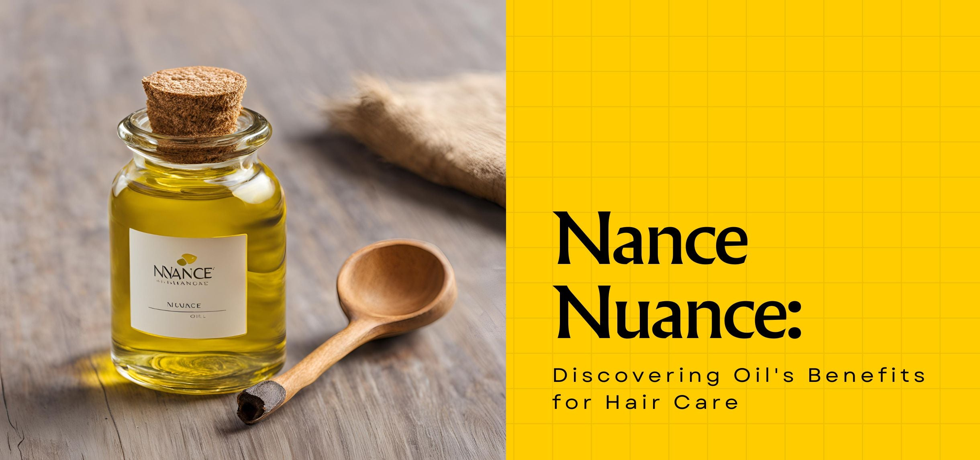
Q: How often should I use nance oil?
For best results, using nance oil once or twice a week as part of your routine is advisable, adjusting according to your individual needs.
Q2. How long do these treatments take to show results?
A2. Results can vary; however, many individuals start seeing improvements within a few sessions, with optimal outcomes often taking multiple treatments.
Q3. Is there a risk of skin lightening treatments?
A3. While most treatments are safe when performed by qualified professionals, there can be risks involved, so its essential to follow aftercare guidelines and seek expert advice.
### For professional assistance and expert advice from leading dermatologists like Dr. Hital Patel, experience the benefits of Unlock Your Skin’s Radiance: The Ultimate Lightening Treatment Guide with Hair & Skin Specialist Dr. Hital Patel at The Skin Artistry. Our clinics in PDPU Gandhinagar, Vastrapur Ahmedabad, and Hyderabad (Visiting Consultant) offer top-quality care and personalized treatments. Visit us today to learn more about our services and take advantage of our special offers! For more insights, updates, or to collaborate, stay connected with The Skin Artistry.

Fungal infections are not just an athlete’s concern; they are common skin conditions that can affect anyone, regardless of lifestyle or profession. Despite their prevalence, misunderstandings and myths about fungal infections abound. It is crucial to challenge these misconceptions to promote better skin health. If youre keen on expanding your knowledge and debunking some of the most pervasive myths, read on!
This is a widespread misunderstanding. While it’s true that the environment of locker rooms and sweaty socks makes athletes more susceptible, anyone can develop this condition. Athlete’s foot thrives in moist and warm conditions, such as shoes and damp surfaces. Therefore, individuals who frequently visit public swimming pools or share communal showers can also risk fungal infections.
On the contrary, sweating can significantly increase the chances of developing a fungal infection. The warmer and more humid the environment, the more conducive it becomes for fungi to grow. If your feet are prone to sweating, you’re likely to invite problems. Changing your socks regularly and keeping your feet dry can outsmart infections.
A common myth is that ringworm, a type of fungal infection, is caused by worms. This is simply not true! Ringworm is caused by fungi, and understanding this fact is essential. The term can be misleading; the appearance of the rash may resemble a ring, thus the name. It’s important to understand that ringworm is contagious and can spread easily among individuals, so seeking advice from a qualified dermatologist is crucial if you suspect youre infected.
Fungal infections are often viewed with stigma, but there’s absolutely nothing to be ashamed of. In fact, studies indicate that a significant proportion of adults may experience athletes foot or other fungal conditions at some point in their lives. Public places like pools and gyms are common areas for transmission, making it essential to recognize that these conditions are widely encountered. Accepting this reality can help you take the necessary steps to seek treatment and improve your skin health!
If you find yourself facing any signs of fungal infections, don’t shy away from consulting a dermatologist. Treatment is not only effective but essential for long-term skin health. Proper hygiene, regular changes of socks, and using antifungal powders can all contribute to combating fungal infections. Knowledge is your best defense against embarrassment or discomfort related to these common skin issues.
Understanding the realities of fungal infections can empower you to manage your skin health more effectively. Don’t let myths lead to misunderstandings; instead, reach out for professional advice and take proactive steps to protect your skin.
For professional assistance and expert advice from leading dermatologists like Dr. Hital Patel, experience the benefits of title with Hair & Skin Specialist Dr. Hital Patel at The Skin Artistry. Our clinics in PDPU Gandhinagar, Vastrapur Ahmedabad, and Hyderabad (Visiting Consultant) offer top-quality care and personalized treatments. Visit us today to learn more about our services and take advantage of our special offers! For more insights, updates, or to collaborate, stay connected with The Skin Artistry.

Click one of our representatives below to chat on WhatsApp or send us an email to skinconsultation@gmail.com