
Understanding and Managing Food Allergy Symptoms

image

Understanding and Managing Food Allergy Symptoms

Introduction to Food Allergies

Food allergies can be incredibly daunting, turning a typical meal into a potential health crisis. For many, foods like peanuts and shellfish can trigger severe allergic reactions, while others may experience milder symptoms. Understanding and managing food allergy symptoms is essential for ensuring safety and preventing life-threatening situations. Learning how to recognize these symptoms can lead to quicker responses and appropriate treatment from dermatologists and allergists.

Recognizing Common Symptoms

Food allergy symptoms typically manifest in various ways, including skin reactions such as hives or eczema. Histamine is released when your body encounters an allergen, leading to symptoms that include itching, swelling, and redness. These reactions can affect not just the skin, but also your mouth, throat, and digestive system. It’s vital to be aware of these symptoms to take prompt action. If any of these symptoms arise after consuming a food, seek medical advice immediately.

Understanding Digestive Symptoms

Many individuals experience abdominal discomfort, cramps, or even diarrhea when they consume allergenic foods. The connection between digestive symptoms and food allergies is well-established, as the immune response can lead to gastrointestinal distress. It’s important to differentiate these symptoms from regular food intolerances, which can help your dermatologist or allergist determine the most appropriate course of action.

Severe Reactions and Anaphylaxis

In severe cases, food allergies can lead to anaphylaxisa life-threatening reaction characterized by difficulty breathing, swelling of the throat, and a dramatic drop in blood pressure. Recognizing these symptoms and seeking emergency medical care is crucial. Individuals with known food allergies should always carry an epinephrine auto-injector and have an action plan in place for when unexpected reactions occur.

Managing Food Allergies with Professional Guidance

The importance of consulting an expert cannot be overstated when it comes to understanding and managing food allergy symptoms. Dermatologists and allergists play a crucial role in identifying allergies through testing and recommending elimination diets. Participating in immunotherapy can also be beneficial, as this treatment helps your body gradually build a tolerance to specific allergens over time.

Actionable Advice for Readers

If you suspect you might have a food allergy, it’s essential to seek professional evaluation. Keep a detailed food diary documenting everything you eat and any symptoms that arise. This information will be invaluable to your healthcare provider. Knowing your allergies can provide you with a sense of control and security in social settings. Always be prepared with medication and communicate your allergies to friends, family, and restaurants.

Frequently Asked Questions

Can food allergies develop later in life? Yes, food allergies can develop at any age, so it is essential to remain vigilant.

What should I do if I experience an allergic reaction? Seek medical attention immediately, especially if you experience severe symptoms such as difficulty breathing or swelling.

For professional assistance and expert advice from leading dermatologists like Dr. Hital Patel, experience the benefits of Understanding and Managing Food Allergy Symptoms with Hair & Skin Specialist Dr. Hital Patel at The Skin Artistry. Our clinics in PDPU Gandhinagar, Vastrapur Ahmedabad, and Hyderabad (Visiting Consultant) offer top-quality care and personalized treatments. Visit us today to learn more about our services and take advantage of our special offers! For more insights, updates, or to collaborate, stay connected with The Skin Artistry.
Unlock the Radiance: DIY Hair Serums and Masks

image

Unlock the Radiance: DIY Hair Serums and Masks

Embrace Natural Solutions for Beautiful Hair

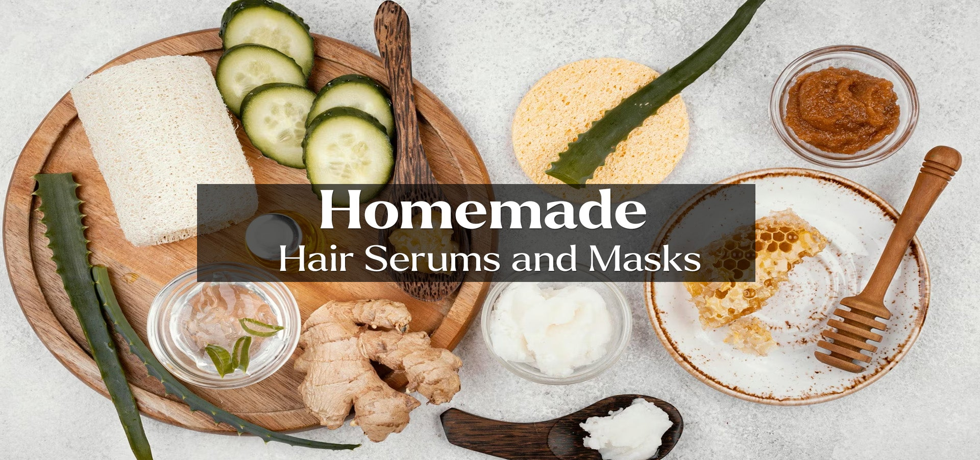
In our fast-paced world, where pollution and everyday stress take a toll on our hair, many are searching for effective solutions to maintain vibrant and healthy locks. Did you know that the key to unlocking your hair’s radiance may lie within your own kitchen? DIY hair serums and masks are not only easy to make, but they also provide an incredible way to nourish, strengthen, and revitalize your hair without the harsh chemicals found in commercial products.

This blog will delve into the incredible benefits of homemade hair treatments, share simple recipes, and guide you on how to achieve models of beautiful hair with ease. Whether you’re dealing with dryness, frizz, or breakage, these DIY treatments are specifically designed to cater to the diverse needs of your hair.

The Many Benefits of Homemade Hair Serums and Masks

Achieving lustrous hair through homemade treatments provides many unique advantages. Let’s explore these benefits further.

Chemical-Free and Natural: One of the most appealing aspects of homemade hair serums and masks is that they are free from harmful chemicals. Instead of loading up on commercial products with artificial additives, you can use natural, nourishing ingredients that promote overall hair health without stripping your hair of its essential oils.

Cost-Effective: Save money while pampering your hair! Homemade remedies can be created with ingredients found right at home, helping you avoid the high costs associated with premium brand hair care products.

Customizable Formulas: Every hair type has different needs. Whether you have curly, straight, oily, or dry hair, you can easily tailor your DIY hair serums and masks to address your specific concerns.

Essential Ingredients You Need

Before you start blending your DIY hair treatments, let’s take a look at some crucial ingredients that will help restore your hair’s luster:

Coconut Oil: This powerhouse ingredient penetrates deep into the hair shaft, providing hydration and reducing protein loss. The result? Soft, manageable locks.

Aloe Vera: Renowned for its soothing properties, aloe vera promotes hair growth and nourishes the scalp, making it an essential component of your hair treatment arsenal.

Honey: As a natural humectant, honey helps retain moisture, making it perfect for anyone with dry, damaged hair.

DIY Hair Serum and Mask Recipes

Let’s get underway with some simple, effective recipes for hair serums and masks that you can whip up in no time!

Nourishing Coconut Oil Serum

Ingredients: 2 tablespoons of coconut oil, 1 tablespoon of sweet almond oil, 5-6 drops of lavender essential oil.
Mix all ingredients in a small glass bottle, then apply to damp hair for added moisture.

Hydrating Aloe Vera and Coconut Oil Mask

Ingredients: 2 tablespoons of aloe vera gel, 1 tablespoon of coconut oil, 1 teaspoon of honey.
Combine ingredients for a powerful treatment to combat dryness.

Achieving Radiance with Consistency

Consistency is crucial in any hair care regimen. By incorporating these homemade serums and masks into your routine regularly, you will notice remarkable improvements in not just the appearance but also the health of your hair.

Remember, beauty starts from the roots; a healthy scalp contributes immensely to radiant hair. By using natural ingredients, you’re not only caring for your locks but also being kind to the environment by reducing waste from commercial products.

Conclusion: Unlocking Your Hair’s Potential

DIY hair serums and masks are an invaluable part of cultivating beautiful, healthy hair. With customizable recipes tailored to your specific needs, you’ll find it easy to embrace natural solutions for maintaining lustrous locks.

So why wait? Start your journey towards gorgeous hair today by embracing the simplicity and efficacy of homemade treatments! Invest the time to pamper your hair, and thank yourself later for the confidence boost youll experience as your tresses become truly radiant.

For professional assistance and expert advice from leading dermatologists like Dr. Hital Patel, experience the benefits of DIY Hair Serums and Masks with Hair & Skin Specialist Dr. Hital Patel at The Skin Artistry. Our clinics in PDPU Gandhinagar, Vastrapur Ahmedabad, and Hyderabad (Visiting Consultant) offer top-quality care and personalized treatments. Visit us today to learn more about our services and take advantage of our special offers! For more insights, updates, or to collaborate, stay connected with The Skin Artistry.

Unlock Your Hair’s Potential: A Guide to Understanding and Caring for Your Unique Hair Type

image

Unlock Your Hair’s Potential: A Guide to Understanding and Caring for Your Unique Hair Type

Introduction

Have you ever felt frustrated trying to tame your hair, only to find that your products aren’t working as expected? Understanding your unique hair type is the key to unlocking its potential! When you know your hair type, you can tailor your hair care routine to suit its specific needs, making it easier to maintain healthy, beautiful, and voluminous locks. In this guide, we will explore various hair types and provide practical advice on how to care for and style your hair based on its unique characteristics.

What Does Hair Type Mean?

Hair type refers to the curl pattern and texture of your hair, which are determined by the shape of your hair follicles. According to experts, identifying your hair type is crucial to select suitable products that cater to your specific needs. There are four primary hair types: straight, wavy, curly, and coily. Each type may further have subcategories depending on the tightness or volume of the curls. Understanding these distinctions is vital for effective hair care and maintenance.

Determining Your Hair Type

To find out your hair type, observe your hair’s natural pattern. If your hair lays flat from roots to tips with no curls, you likely have straight hair. Wavy hair has a slight curl pattern but isnt fully curled. Curly hair exhibits an S shape and remains curly despite attempts to straighten it. Coily hair follows a distinctive zigzag pattern and often appears rough and coarse. Identifying these characteristics will help you understand how to treat your hair effectively, especially when it comes to moisture and styling.

Caring for Straight Hair

Straight hair can often feel oily or flat. To enhance volume, consider using lightweight shampoos and conditioners. Avoid heavy creams or serums, and instead, opt for dry shampoos and texture sprays to add body. For styling, chin-length blunt cuts or layered cuts can create the illusion of added volume. Incorporating a proper moisturizing routine is essential to avoid excessive oil accumulation and maintain healthy hair.

Caring for Wavy Hair

If you have wavy hair, your routine should focus on defining those lovely waves. Use gels rather than oils or creams to keep waves intact without weighing them down. A good idea is to dye strands in your S pattern using techniques like balayage to highlight your waves. Protect your hair from frizz by using a diffuser when blow-drying, ensuring you maintain your natural texture while keeping the hair manageable.

Caring for Curly Hair

Curly hair can often be frizzy and prone to tangles, so moisture is your best friend. Avoid harsh brushing and consider using a leave-in conditioner designed for curl retention. Incorporating ingredients such as aloe vera and shea butter can nourish your curls, keeping them hydrated and bouncy. Stylistically, loose ponytails or protective styles work well for maintaining curl definition while minimizing breakage.

Caring for Coily Hair

Coily hair requires extra care to maintain moisture and prevent breakage. Use rich moisturizers like butters or creams and apply leave-in conditioners while your hair is damp. Since coily hair is often delicate, avoid tight hairstyles that can create tension and lead to breakage. Regularly scheduled deep conditioning treatments can greatly benefit the health and appearance of coily locks.

Conclusion

Understanding your hair type is the first step to unlocking its full potential. With the right care, each unique hair type can shine beautifully. Focus on a customized hair care routine that fits your hair’s specific needs, and remember that maintaining moisture is often a common requirement across different types. Consulting with a hair expert can provide additional valuable insights for your unique hair journey.

FAQs

Can my hair type change over time?

Yes, various factors such as age, health changes, and environmental influences can alter your hair’s texture or curl pattern.

How often should I wash my hair based on my hair type?

It varies: straight hair may need washing more frequently, while curly or coily hair might benefit from fewer washes due to its natural oils.

For professional assistance and expert advice from leading dermatologists like Dr. Hital Patel, experience the benefits of title with Hair & Skin Specialist Dr. Hital Patel at The Skin Artistry. Our clinics in PDPU Gandhinagar, Vastrapur Ahmedabad and Hyderabad (Visiting Consultant) offer top-quality care and personalized treatments. Visit us today to learn more about our services and take advantage of our special offers! For more insights, updates, or to collaborate, stay connected with The Skin Artistry.

Discovering the Benefits of Combination Skincare

image

Discovering the Benefits of Combination Skincare

The Perfect Balance for Healthy Skin

Skincare can often feel overwhelming, especially with the myriad of products that promise flawless skin. One approach that has gained popularity among beauty enthusiasts and skincare experts alike is combination skincare. For those of us with skin that exhibits both oily and dry characteristics, this technique might just be the key to unlocking a more balanced and healthier complexion. Lets dive into what combination skincare is, and why its worth your attention!

What is Combination Skincare?

Combination skincare refers to a regimen that uses different products strategically tailored to address the specific needs of various skin types you may have on different areas of your face. For instance, while your T-zone may be oily, the areas around your cheeks might be dry. Using targeted treatments allows you to customize your skincare routine, optimizing hydration and oil control where necessary.

The Benefits of Combination Skincare

One of the main benefits of adopting a combination skincare approach is its adaptability. Instead of a one-size-fits-all treatment, combination skincare can help you effectively manage issues like breakouts in oily areas while still providing moisture to parched patches. This technique allows each area of your face to thrive, rather than suffering from a mismatch of hydration or treatment.

Choosing the Right Products

The key to successful combination skincare is selecting the right products. Look for lightweight, oil-free formulations for oil-prone zones to avoid clogged pores and breakouts. In contrast, opt for richer creams or serums in drier areas to ensure they stay hydrated. Combining these products not only enhances your skin’s overall appearance but also ensures you’re not sacrificing care for certain areas for the sake of others.

Focusing on Active Ingredients

An essential aspect of combination skincare is understanding the active ingredients in your products. Ingredients like hyaluronic acid are excellent for moisture, while salicylic acid can help manage oiliness and prevent breakouts. When formulated correctly, these ingredients can work synergistically to promote clear, balanced skin. Consulting a knowledgeable expert can help identify which active ingredients will best benefit your unique skin profile.

Taking Your Skin Type into Account

Not every product will work for every skin type, which is why understanding your skin’s needs is crucial. Combination skincare encourages a tailored approach, allowing you to experiment and find the perfect balance. Additionally, our firm at The Skin Artistry can help you personalize this routine based on your skin’s unique conditions and concerns.

Conclusion: Achieving Healthy Skin

As you explore the benefits of combination skincare, remember that patience and consistency are vital. It may take some time to find the right combination of products, but the results can be truly transformative. If you are uncertain about your skincare regimen or need expert guidance, consider getting in touch with our firm The Skin Artistry. Our team is here to help you craft a routine that works specifically for you, ensuring your skin reaps the benefits it deserves.

For professional assistance and expert advice from leading dermatologists like Dr. Hital Patel, experience the benefits of discovering the benefits of combination skincare with Hair & Skin Specialist Dr. Hital Patel at The Skin Artistry. Our clinics in PDPU Gandhinagar, Vastrapur Ahmedabad and Hyderabad offer top-quality care and personalized treatments. Visit us today to learn more about our services and take advantage of our special offers! For more insights, updates, or to collaborate, stay connected with The Skin Artistry.

Unlocking the Glow: Genetics vs. Lifestyle

image

Unlocking the Glow: Genetics vs. Lifestyle

Understanding the Source of Our Radiance

Have you ever noticed that some people seem to have an effortless glow about them? The question arises: is it down to genetics or is it shaped by lifestyle choices? To uncover the secret to glowing skin, let’s delve into both aspectsour inherited traits from parents and the lifestyle habits we adopt.

The Role of Genetics

Genetics indeed plays a significant part in determining our skin’s characteristics. From skin type such as normal, oily, or dry to the capacity for maintaining a youthful appearance, our genes have a role in this equation. Interestingly, studies indicate that darker skin types tend to age slower than those with fairer skin due to differing levels of melanin. While our genetic blueprint sets certain limitations, understanding its influence helps us appreciate our unique skin.

Lifestyle Factors Matter

While genetics establish a foundation for our skin, lifestyle habits predominantly shape the final outcome. For instance, our dietary choices greatly affect our skin’s health. Consuming a balanced diet rich in fruits and vegetables can prevent deficiencies and reduce inflammation, leading to a vibrant complexion. Conversely, a diet high in fats and sugars may contribute to a dull appearance.

Hydration is Key

Adequate hydration is another essential factor in the pursuit of glowing skin. Drinking at least 1.5 litres of water daily keeps our skin hydrated and plump. Moreover, appropriate moisture application after cleansing not only retains hydration but also fortifies the skin barrier.

Sun Protection and Skin Health

Though genetics can influence the skin’s aging process, the sun is the prime culprit behind premature wrinkles. Using a broad-spectrum sunscreen daily and avoiding excessive sun exposure can significantly shield your skin from harmful UV rays.

Physical Activity and Rest

Regular exercise and adequate sleep contribute to healthy-looking skin as they facilitate oxygenation and the elimination of toxins. Engaging in daily physical activities like a 30-minute walk, along with aiming for at least 7 hours of sleep, fosters skin rejuvenation and a glow that radiates from within.

Crafting a Skincare Routine

Establishing a consistent skincare routine is vital. Cleansing your face twice daily and using good, hydrating moisturizers can enhance your skin’s appearance. The combination of preventative care and the right products can reveal a healthy glow over time.

Conclusion: Finding Balance for Radiance

To conclude, glowing skin is a harmonious blend of genetic inheritance and lifestyle choices. Embrace your unique genetic heritage, but don’t neglect the power of a healthy lifestyle. By maintaining balanced nutrition, staying hydrated, protecting your skin from the sun, engaging in regular physical activity, and creating a dedicated skincare routine, achieving that radiant glow is within reach!

For professional assistance and expert advice from leading dermatologists like Dr. Hital Patel, experience the benefits of unlocking the glow with Hair & Skin Specialist Dr. Hital Patel at The Skin Artistry. Our clinics in PDPU Gandhinagar, Vastrapur Ahmedabad and Hyderabad (Visiting Consultant) offer top-quality care and personalized treatments. Visit us today to learn more about our services and take advantage of our special offers! For more insights, updates, or to collaborate, stay connected with The Skin Artistry.

The DNA Advantage for Youthful Skin

image

The DNA Advantage for Youthful Skin

Understanding the Role of DNA in Skin Health

When it comes to achieving youthful and radiant skin, have you ever thought about the influence of your DNA? Our genetic makeup plays a significant role in everything from our skin type to how we age. Understanding the DNA advantage for youthful skin can help us make informed choices to enhance our skin health.

What is the DNA Advantage?

The DNA advantage refers to the benefits that come from understanding and utilizing our genetic information in skincare. By recognizing our unique genetic predispositions, we can tailor our skincare routines to better address our personal skin concerns, reduce the signs of aging, and promote overall skin vitality. For instance, if you know you have a family history of skin issues, you can take proactive measures that help manage these concerns.

Personalized Skincare Regimens

One of the key aspects of leveraging the DNA advantage is the formulation of personalized skincare regimens. Customizing your products based on your genetic makeup can enhance effectiveness. Some may benefit from using products rich in antioxidants, while others may need formulations that focus on hydration or anti-inflammatory properties. Consulting professionals at The Skin Artistry can provide insights into selecting the right products for your DNA-driven skincare routine.

Preventative Measures and Early Interventions

With the understanding of our genetic factors, we can also adopt preventative measures to delay skin aging. Knowing your skin type and its weaknesses allows you to intervene early with treatments that can help maintain youthfulness, such as sun protection and moisturization specific to your skin’s requirements. Remember, the sooner you start caring for your skin, the better your results will be in the long run.

Genetic Testing for Better Results

Recent advances in genetic testing have made it easier to understand your skin’s needs. These tests assess your genetic predispositions to certain skin conditions, enabling you to make informed decisions regarding your skincare. At The Skin Artistry, we are committed to helping you navigate these genetic insights, allowing you to adopt a tailored approach to achieve youthful skin.

Actionable Advice for Beautiful Skin

To maximize the DNA advantage for your youthful skin, consider these actionable tips:
1. Consult with a dermatologist to understand your skin’s genetic profile.
2. Create a customized skincare regimen based on professional advice.
3. Incorporate antioxidants and moisturizing agents into your routine.
4. Protect your skin from sun damage, regardless of your skin type.
5. Stay hydrated and maintain a balanced diet, as this greatly impacts skin health.

FAQs About DNA and Skin Health

Can everyone benefit from knowing their DNA for skincare?
Yes! Understanding your skin’s unique genetic factors can help everyone make better choices for their skin health.

What’s the first step for someone interested in using DNA to improve their skin?
Start by scheduling a consultation with a dermatologist to assess your skin’s unique needs based on your genetic makeup.

For professional assistance and expert advice from leading dermatologists like Dr. Hital Patel, experience the benefits of the DNA advantage for youthful skin with Hair & Skin Specialist Dr. Hital Patel at The Skin Artistry. Our clinics in PDPU Gandhinagar, Vastrapur Ahmedabad, and Hyderabad offer top-quality care and personalized treatments. Visit us today to learn more about our services and take advantage of our special offers! For more insights, updates, or to collaborate, stay connected with The Skin Artistry.

Unveiling Solutions for Allergic Skin Issues

image

Unveiling Solutions for Allergic Skin Issues

Introduction to Allergic Skin Issues

Allergic skin issues can be a frustrating challenge for many individuals. These conditions, which can manifest as itching, redness, or rashes, often result from an overactive immune response to external triggers, known as allergens. Common allergens can include the pollen in the air, pet dander, or certain foods. Understanding how to identify and manage these allergy-related skin conditions is essential for finding relief and regaining confidence in your skin’s health.

Understanding Eczema: Causes and Management

Eczema, a common allergic skin condition, usually presents as dry, itchy patches that may appear red and flaky. These patches can develop on various parts of the body like elbows or knees and are frequently triggered by allergens or irritants. By avoiding identified triggers and utilizing hypoallergenic moisturizers, individuals managing eczema can find significant relief. An effective eczema treatment may also include the use of topical corticosteroids prescribed by dermatologists to reduce inflammation and itching.

What Are Hives and Their Triggers?

Hives, or urticaria, are raised, itchy welts appearing on the skin, often in response to allergens. Picture waking up with uncomfortable, swollen bumps on your skin that seem to multiply. Common triggers include food, medications, or insect stings. If hives persist, it’s crucial to consult with an allergist to identify precise triggers through tests and receive appropriate hives treatment options. Antihistamines, both over-the-counter and prescription, can be effective in relieving hives and mitigating reaction severity.

Taking Control with Allergic Contact Dermatitis

Allergic contact dermatitis arises when the skin reacts to substances such as latex, nickel, or certain fragrances. This may result in texture changes, like redness and blistering. Consultation with an allergist can lead to patch testing for pinpointing triggers. Once the allergens are identified, a comprehensive skin care routine focused on allergen avoidance can significantly alleviate the condition. Over-the-counter creams and topical treatments can help soothe irritated skin and restore its barrier function.

Insect Allergies and Their Management

Insect bites or stings can sometimes trigger severe allergic reactions, ranging from mild swelling to difficulty breathing. For those who experience such reactions, consulting an allergist is essential. A detailed allergy assessment can help determine a tailored management plan. Allergy shots, also known as immunotherapy, may build tolerance and reduce reaction severity over time, enabling individuals to enjoy outdoor activities with less fear.

Conclusion: Empower Yourself Against Allergic Skin Conditions

Living with allergic skin issues does not have to keep you from enjoying life. By understanding the triggers and effective allergic skin condition treatment approaches, you can take steps towards better skin health. Don’t hesitate to consult with our experts at The Skin Artistry, where our experienced team is dedicated to helping you find relief and embrace your vibrant skin. Whether you’re coping with symptoms of eczema or hives, the right guidance and treatments can empower you to manage your allergic skin issues effectively.

For professional assistance and expert advice from leading dermatologists like Dr. Hital Patel, experience the benefits of Unveiling Solutions for Allergic Skin Issues with Hair & Skin Specialist Dr. Hital Patel at The Skin Artistry. Our clinics in PDPU Gandhinagar, Vastrapur Ahmedabad and Hyderabad (Visiting Consultant) offer top-quality care and personalized treatments. Visit us today to learn more about our services and take advantage of our special offers! For more insights, updates, or to collaborate, stay connected with The Skin Artistry.

Glowing Without the Grease: Non-Greasy Sunscreens to Love

image

Glowing Without the Grease: Non-Greasy Sunscreens to Love

The Importance of Sunscreen in Your Skincare Routine

With the Indian sun shining brightly almost year-round, sunscreen has transitioned from a mere skincare accessory to an essential. While many understand the significance of applying sunscreen daily, the challenge often lies in finding the right formulation that offers protection without leaving you feeling greasy. In today’s topic, we will explore the world of non-greasy sunscreens that will not only protect your skin but also help you achieve that coveted glow.

Understanding Non-Greasy Sunscreens

Non-greasy sunscreens are specifically formulated to provide a light feel and quick absorption, leaving no residue on the skin. These products are not only ideal for those with oily skin but are also perfect for anyone who enjoys outdoor activities yet wishes to avoid that shininess on their face. Whether you’re looking for a daily sunscreen or something to wear under makeup, these options are great for maintaining a fresh and radiant appearance.

The Benefits of Choosing Non-Greasy Formulations

Many people shy away from sunscreen due to the heaviness of traditional creams. Non-greasy sunscreens are often formulated with lighter oils or gel-based textures that hydrate without clogging pores. This means less risk of breakouts and irritation, making them perfect for the often humid climate in various Indian cities. Moreover, opting for a non-greasy sunscreen can enhance your skin care routine, allowing you to enjoy a protective layer without compromising your skins natural appearance.

Top Recommendations for Non-Greasy Sunscreens

When looking for the right non-greasy sunscreen, consider options that provide broad-spectrum protection. Look for labels that indicate “oil-free” or “matte finish,” and those containing ingredients such as zinc oxide or titanium dioxide that work efficiently without leaving a greasy aftermath. Some popular choices among our Indian clientele include gels with added hydration from aloe vera or hyaluronic acid for that extra boost in moisture without the excess oil.

Your Action Plan for Glowing Skin

To ensure you reap the maximum benefits from non-greasy sunscreens, apply it liberally 15-30 minutes before heading out. Don’t forget to reapply every two hours, especially if you’re sweating or swimming. Incorporating this simple step into your skincare routine can elevate your skins health, protecting you from potential sun damage while maintaining that radiant, glowing look that so many desire.

Frequently Asked Questions

Can non-greasy sunscreens be used on sensitive skin?

Absolutely! Many non-greasy formulations are suitable for sensitive skin, with soothing ingredients included to prevent irritation.

How do I choose the right SPF?

Always go for broad-spectrum sunscreens with at least SPF 30 for adequate protection against both UVA and UVB rays.

For professional assistance and expert advice from leading dermatologists like Dr. Hital Patel, experience the benefits of glowing without the grease with Hair & Skin Specialist Dr. Hital Patel at [The Skin Artistry](https://theskinartistry.com/). Our clinics in PDPU Gandhinagar, Vastrapur Ahmedabad and Hyderabad offer top-quality care and personalized treatments. Visit us today to learn more about our services and take advantage of our special offers! For more insights, updates, or to collaborate, stay connected with [The Skin Artistry](https://theskinartistry.com/)

Unlocking the Secrets of Sweat and Hyperhidrosis

image

Unlocking the Secrets of Sweat and Hyperhidrosis

Understanding Sweat: Natures Cooling Mechanism

Sweat, also known as perspiration, is a vital part of our body’s way to keep cool. When our body temperature rises, whether due to a sunny day, physical activity, or even emotions, it’s our sweat that helps regulate our internal heat. This process, scientifically known as thermoregulation, involves two main types of sweat glands: endocrine and apocrine glands. The endocrine glands, which are predominantly located on areas like the palms, soles of the feet, and forehead, are responsible for most of your body’s sweat production, helping maintain a comfortable body temperature. The apocrine glands, larger in size and located in areas such as the underarms and groin, activate after puberty and can sometimes lead to body odor.

It’s important to understand that sweat is composed mainly of water, but it also contains small amounts of other substances like salts, urea, and ammonia. When sweat evaporates off the skin, it provides a cooling effect, like nature’s very own air conditioning system. However, in some individuals, this natural process can go awry, leading to a condition known as hyperhidrosis.

What is Hyperhidrosis?

Hyperhidrosis is characterized by excessive sweating beyond what the body needs to cool down. While sweating is a regular response, people with hyperhidrosis may sweat even when their body does not require it, which can be uncomfortable and socially challenging. Individuals experiencing this may find themselves changing clothes multiple times a day, avoiding social situations due to embarrassment, or suffering from skin infections due to prolonged moisture on the skin.

There are various types of hyperhidrosis, categorized as either primary (affecting specific areas like palms or underarms) or secondary (triggered by underlying medical conditions). Primary focal hyperhidrosis, in particular, is common and can be effectively discussed with healthcare professionals. Seeking assistance from dermatologists at The Skin Artistry can significantly aid in managing these symptoms.

The Importance of Sweat for Your Health

Although hyperhidrosis can present challenges, it’s important to recognize the essential functions sweat plays in our health. Aside from cooling, sweating helps detoxify the body by expelling heavy metals and cleansing the skin from bacteria and dead skin cells. Even activities like sauna sessions promote sweating, contributing positively to skin health. Sweat’s natural processes assist in fighting bacteria and viruses, underscoring its importance in maintaining hygiene and overall wellness.

For those who feel their sweating is excessive, reaching out to healthcare experts can help tailor solutions. Over-the-counter antiperspirants, for instance, contain active ingredients that can mitigate sweating in localized areas, while more severe cases may benefit from Botox injections or prescription medications.

When to See a Dermatologist

If you’re struggling with hyperhidrosis that impacts daily life, it’s crucial not to suffer in silence. Consulting with dermatologists at The Skin Artistry can provide the expertise needed to determine the most effective treatment pathway for you. With various options available, from specialized antiperspirants to more advanced remedies, theres hope for everyone affected by excessive sweat production.

Remember, understanding hyperhidrosis is the first step towards living comfortably. Don’t hesitate to explore treatment options and start a conversation with healthcare professionals about your concerns.

Conclusion: Take Action and Embrace Comfort

Embracing the natural process of sweating is vital, but if hyperhidrosis disrupts your life, it’s essential to seek solutions. Explore simple lifestyle changes, like opting for breathable fabrics, and reach out for professional guidance at The Skin Artistry. Staying hydrated and maintaining a skincare routine can also help manage discomfort.

For professional assistance and expert advice from leading dermatologists like Dr. Hital Patel, experience the benefits of unlocking the secrets of sweat and hyperhidrosis with Hair & Skin Specialist Dr. Hital Patel at The Skin Artistry. Our clinics in PDPU Gandhinagar, Vastrapur Ahmedabad and Hyderabad (Visiting Consultant) offer top-quality care and personalized treatments. Visit us today to learn more about our services and take advantage of our special offers! For more insights, updates, or to collaborate, stay connected with The Skin Artistry.
Navigating Menstrual Hair Loss: The Ultimate Guide

image

Navigating Menstrual Hair Loss: The Ultimate Guide

Understanding Hair Loss During Menstruation

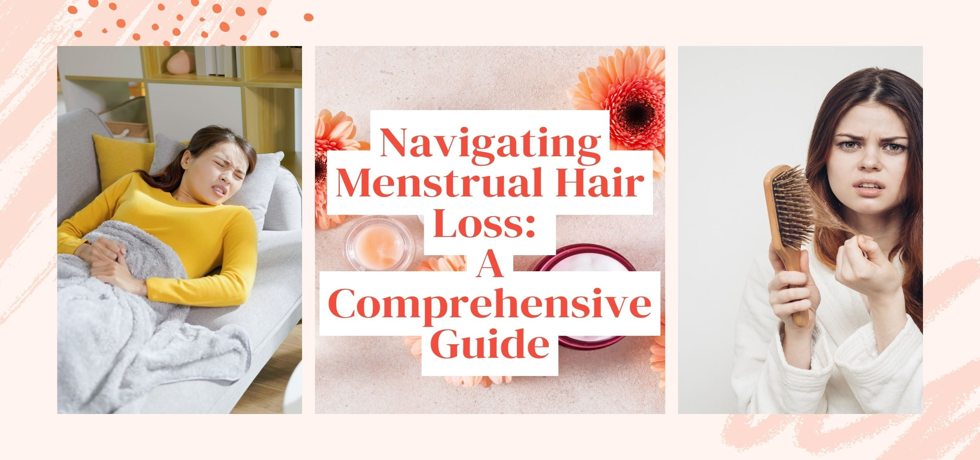
Menstrual hair loss can be a distressing experience for many women, yet it’s a condition that can often be managed effectively with the right knowledge and strategies. This ultimate guide is designed to provide insights into menstrual hair loss, explore its causes, and offer actionable advice to help you navigate this common issue. By understanding the factors at play, you can take control of your hair health and find effective solutions.

The Role of Hormones

Hormonal fluctuations during the menstrual cycle have a significant impact on hair health. Estrogen, progesterone, and androgens play essential roles in the hair growth cycle, and imbalances can lead to hair loss. During menstruation, estrogen levels drop, which may contribute to increased shedding and thinning.

Identifying Signs of Menstrual Hair Loss

Recognizing the early signs of hair loss is crucial. Look for indicators such as increased hair shedding, thinning areas, changes in hair texture, and sensitivity of the scalp. While some degree of hair loss is normal, significant changes that persist beyond your menstrual cycle warrant a consultation with a dermatologist or hair specialist.

Healthy Lifestyle Practices

Adopting healthy lifestyle practices is integral to managing menstrual hair loss. A well-balanced diet rich in essential nutrients, such as vitamins, minerals, and proteins, supports hair growth and overall health. Foods high in omega-3 fatty acids and antioxidants can enhance scalp health, combat inflammation, and promote stronger hair.

Effective Stress Management Techniques

Stress can exacerbate hair loss, making it vital to incorporate stress management techniques into your daily routine. Practices like yoga, mindfulness meditation, and deep breathing exercises can significantly reduce the stress impact on hair health, supporting a more balanced routine during your menstrual cycle.

Scalp Care and Natural Remedies

Maintaining a healthy scalp is key to nurturing your hair. Gentle hair care products, along with natural remedies such as essential oil massages and herbal treatments, can stimulate hair follicles and enhance hair growth. Employ essential oils like rosemary and peppermint, known for their scalp benefits, to improve circulation and promote healthy hair.

When to Seek Professional Help

If you experience severe hair loss or other concerning symptoms during your menstrual cycle, its essential to consult a healthcare provider or dermatologist. They can offer specialized advice tailored to your individual needs and may recommend hormone treatments or assessments to determine any underlying issues contributing to menstrual hair loss.

Conclusion: Your Path to Healthy Hair

Navigating menstrual hair loss is a journey that involves understanding your body and employing effective strategies. By focusing on healthy lifestyle choices, stress management, and appropriate hair care routines, you can mitigate the impact of hormonal changes on your hair. Remember, awareness and proactive measures can empower you towards healthier hair.

FAQ

How common is menstrual hair loss?

It’s not uncommon for women to experience hair loss related to hormonal fluctuations during their menstrual cycle.

Can dietary changes affect hair growth during menstruation?

Yes, a nutritious diet can positively impact hair health and combat the effects of hormonal changes. A balanced intake of vitamins and minerals supports strong hair growth.

What are effective natural treatments for hair health?

Natural treatments can include essential oil massages and regular use of hydrating conditioners to maintain scalp health and reduce hair loss.

For professional assistance and expert advice from leading dermatologists like Dr. Hital Patel, experience the benefits of navigating menstrual hair loss with Hair & Skin Specialist Dr. Hital Patel at The Skin Artistry. Our clinics in PDPU Gandhinagar, Vastrapur Ahmedabad and Hyderabad (Visiting Consultant) offer top-quality care and personalized treatments. Visit us today to learn more about our services and take advantage of our special offers! For more insights, updates, or to collaborate, stay connected with The Skin Artistry.