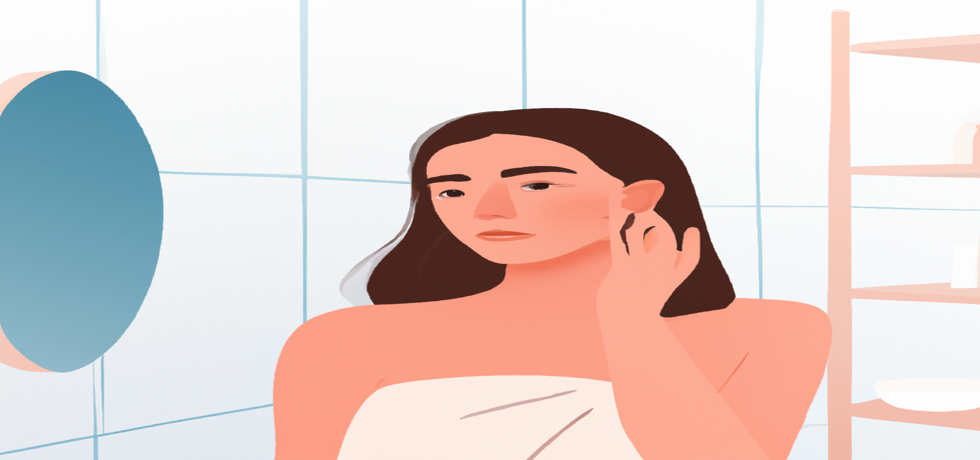
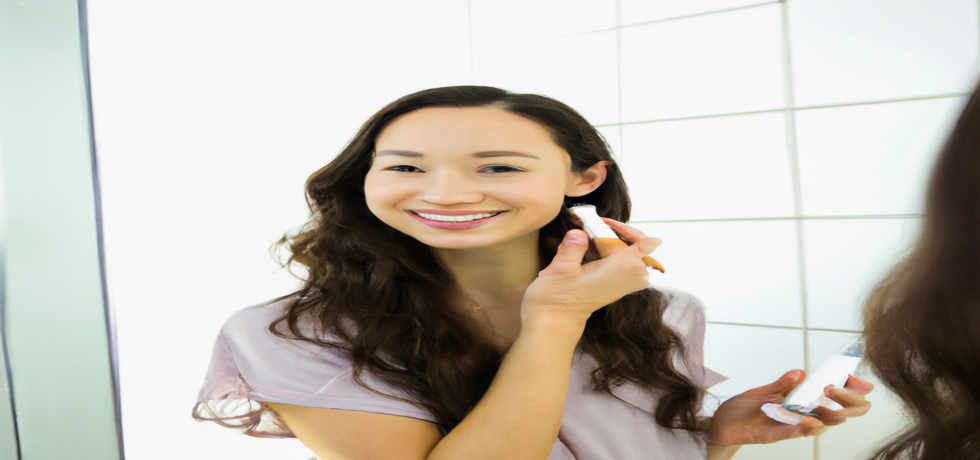
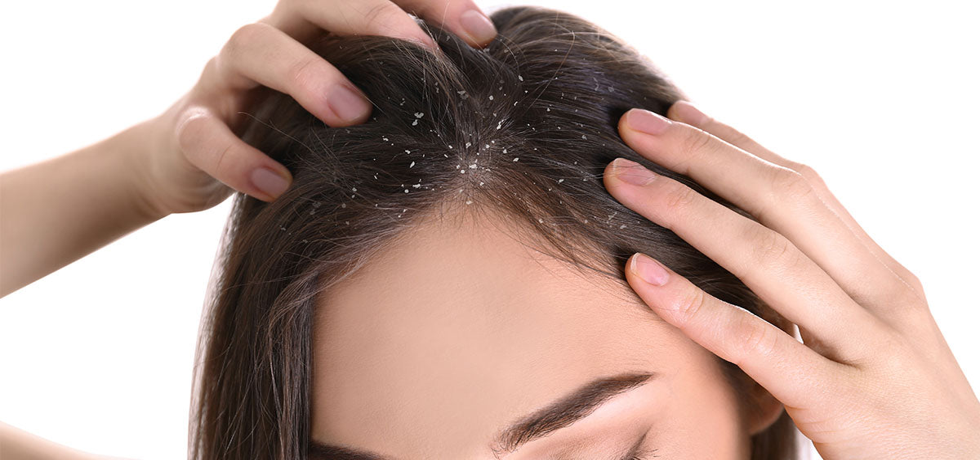
Tattoo rash can manifest as an alarming skin reaction that may occur right after getting inked or even years later. If your tattooed area appears red, swollen, or oozing fluid, it’s crucial to pay attention. Understanding tattoo rash is key to effective treatment and prevention. Let’s dive into what causes this condition, how to treat it, and ways to avoid it in the future.
What Causes Tattoo Rash?
There are various reasons behind a tattoo rash, and one of the primary culprits is an allergic reaction to the tattoo ink. Many inks contain metal-based pigments, and individuals can develop sensitivities, especially to red inks. In some cases, infections may also result if hygiene protocols are not followed rigorously during the tattooing process. Contaminated equipment or improper aftercare can introduce bacteria that lead to conditions like Staphylococcus infection, which often appears as acne-like bumps around the tattooed area.
In addition to allergies and infections, some individuals may experience photo-sensitivity, where sun exposure can trigger rashes. This may particularly affect those with tattoos colored with certain inks. Furthermore, existing skin conditions like psoriasis or eczema could flare up due to the stress of tattooing. Its important to consult a professional like a dermatologist if skin issues persist after getting a tattoo.
How to Identify Tattoo Rash?
Identifying whether you have a tattoo rash involves recognizing specific symptoms. A mild rash often appears as slight redness and swelling, but if it persists or is accompanied by severe symptoms such as blisters, pus, or intense itching, it could indicate a significant issue. Sometimes symptoms can escalate to shortness of breath or stomach pains, in which case its essential to seek immediate medical attention.
How to Treat Tattoo Rash?
Treatment options for tattoo rash depend on the underlying cause. Mild cases may benefit from cold compresses and unscented moisturizers to soothe irritated skin. Over-the-counter steroid creams can help alleviate inflammation associated with allergic reactions. For those suffering from infections, prescribed antibiotics or antivirals may be necessary. Remember to always consult with a healthcare professional before starting any treatment regimen.
Regularly applying a broad-spectrum sunscreen can also protect your tattoo from photo-sensitivity reactions. It’s essential to keep the affected area clean and well-moisturized to promote healing.
Tips for Preventing Tattoo Rash
Preventing tattoo rash can be streamlined with a few simple practices. First and foremost, choose a reputable studio that employs qualified artists who practice strict hygiene. Ensure that all equipment used is sterilized properly. After getting tattooed, follow the aftercare instructions provided diligently, which may include cleansing the tattoo with mild soap and applying ointments as directed.
Additionally, be cautious about sun exposure for the first few weeks after getting your tattoo. Wear loose-fitting clothing over the tattooed area to allow it to breathe and to prevent friction, which can aggravate the skin.
How Long Does Tattoo Rash Last?
Generally, a mild tattoo rash should subside within a week or two. However, if symptoms persist longer than that, it may be time to consult a dermatologist. Scabbing and swelling during the healing process are normal but should gradually improve.
Good aftercare and attention to any changes in your skin can significantly minimize the risk of complications and ensure your tattoo remains a source of pride rather than concern.
Conclusion
In summary, while getting a tattoo can be an exciting experience, being aware of the risks of tattoo rash is crucial. Understanding the causes, effective treatment options, and preventive measures can help you protect your skin and your cherished body art. If you experience severe or persistent symptoms, dont hesitate to reach out to a dermatologist for professional assistance.
For professional assistance and expert advice from leading dermatologists like Dr. Hital Patel, experience the benefits of understanding tattoo rash with Hair & Skin Specialist Dr. Hital Patel at The Skin Artistry. Our clinics in PDPU Gandhinagar, Vastrapur Ahmedabad, and Hyderabad (Visiting Consultant) offer top-quality care and personalized treatments. Visit us today to learn more about our services and take advantage of our special offers! For more insights, updates, or to collaborate, stay connected with The Skin Artistry.
Getting a tattoo can be an exciting personal expression of art and identity. However, before you dive into the world of ink and needles, its crucial to comprehend the various risks associated with the tattooing process. Understanding the risks of getting a tattoo can empower you to make informed decisions and ensure a safer experience. In this blog, well explore health risks, the importance of choosing a reputable tattoo studio, and essential aftercare tips to keep your skin safe.
The Health Risks Involved
One of the most significant risks of getting a tattoo is the potential for infections. Since tattooing involves breaking the skin barrier, it opens up pathways for bacteria and viruses, which can lead to infections. Instances of more serious diseases, like hepatitis B, can result from using unsterile equipment or visiting poorly regulated tattoo parlors. As regulations can vary widely in different areas, its vital to ensure that the tattoo studio you choose follows proper health and safety standards to minimize these risks.
Ink Safety Considerations
In addition to the risk of infections, people should also be aware of the ingredients used in tattoo ink. While the FDA does not frequently regulate ink manufacturing processes, certain inks can contain allergens or harmful substances, potentially leading to allergic reactions. Although rare, these reactions can manifest in the form of painful rashes, leading to infections or permanent scarring. Its essential to inquire about the safety of the ink used in your chosen studio; make sure they can guarantee that their products are free from harmful agents.
Personal Healing Variation
Every individual’s skin responds differently to tattoos, a factor worth considering when contemplating an ink venture. Some people might develop granulomas, which are small, raised bumps, as their immune system reacts to the ink. Others may face the formation of keloids, which are thick, raised areas of scar tissue. Understanding how your own skin may react can help you prepare for potential complications, so seek advice from experts at The Skin Artistry before committing to a design.
The Reality of Tattoo Regret
Lastly, while tattoos can be a bold form of expression, the reality of tattoo regret is prevalent. Many people underestimate how they might feel about their tattoo in the future. While removal options exist, factors like color, design, and skin type can significantly impact the success of the procedure. Therefore, think about the long-term implications before inking a design on your skin for life. Consulting with tattoo removal specialists at The Skin Artistry can offer guidance and clarity about these options.
Conclusion and Advice
While tattoos can carry significant meaning, its essential to recognize and understand the health and personal risks involved. Ensuring a safe experience begins with choosing a reputable tattoo studio that follows hygienic practices, using safe ink products, and being mindful of your skins reaction. If youre contemplating a tattoo or have questions about skincare, dont hesitate to reach out for expert guidance. This diligence will not only protect your skin but also make your tattoo experience truly enjoyable.
FAQ
Q: Can I develop allergies to tattoo ink later?
Yes, its possible to develop allergies to tattoo ink years after receiving a tattoo. Keep this in mind when choosing your ink and consult with dermatologists if you have concerns.
Q: How can I ensure tattoo removal is effective?
The effectiveness of tattoo removal largely depends on the type of ink, its depth, and your skin type. Always seek professional advice from experts like those at The Skin Artistry for the best outcomes.
For professional assistance and expert advice from leading dermatologists like Dr. Hital Patel, experience the benefits of understanding the risks of getting a tattoo with Hair & Skin Specialist Dr. Hital Patel at The Skin Artistry. Our clinics in PDPU Gandhinagar, Vastrapur Ahmedabad, and Hyderabad (Visiting Consultant) offer top-quality care and personalized treatments. Visit us today to learn more about our services and take advantage of our special offers! For more insights, updates, or to collaborate, stay connected with The Skin Artistry.
The Ultimate Guide to Using Invisible Spot Patches
Introduction to Invisible Spot Patches
Have you ever woken up to find an uninvited blemish on your skin? While it can be distressing, the good news is that invisible spot patches are here to save the day! These handy little patches are gaining popularity as effective skincare solutions for blemishes. In this guide, we will explore how to use them effectively and why they should be a staple in your skincare routine, especially for those combating frequent breakouts.
What Are Invisible Spot Patches?
Invisible spot patches are hydrocolloid dressings that not only cover blemishes but also aid in healing. These patches create a microclimate for the affected area, absorbing excess moisture and pus while protecting the skin from external irritants. They are discreet, making them perfect for daytime use or any occasion when you’d prefer to keep your skincare routine under wraps.
Benefits of Using Invisible Spot Patches
The key benefits of these patches are their ability to reduce inflammation and promote quicker healing for acne and other breakouts. They can help prevent you from picking at your skin and thus reduce the risk of scarring. Additionally, their hypoallergenic and non-irritating properties make them suitable for all skin types, including sensitive skin, making them a versatile addition to your skincare arsenal.
How to Use Invisible Spot Patches Effectively
To get the maximum benefit from invisible spot patches, start with clean, dry skin. After cleansing your face, gently apply the patch directly to the blemish and press down for a few seconds to ensure it adheres properly. Leave the patch on for a recommended duration, usually around 6-8 hours or overnight if possible. You will notice that the patch turns opaque as it absorbs impurities, indicating that it is doing its job. Remember, consistency is key; using these patches regularly can help you maintain clearer skin.
Choosing the Right Invisible Spot Patches
With numerous options available on the market, it is essential to choose the right patches. Look for those that are made with high-quality materials and have been dermatologically tested. Some patches also come infused with healing ingredients like salicylic acid and tea tree oil, which can enhance their effectiveness in treating blemishes. Always make sure that the patches are suitable for your skin type to avoid any adverse reactions.
Conclusion and Expert Advice
In summary, invisible spot patches are a simple yet effective skincare solution for quick relief from blemishes. They not only help reduce inflammation but also promote healing, preventing further breakouts. For those in India looking for reliable treatments and skincare products, consider consulting with The Skin Artistry. Our knowledgeable team can provide personalized skincare solutions tailored to your skin’s needs.
For professional assistance and expert advice from leading dermatologists like Dr. Hital Patel, experience the benefits of using invisible spot patches with Hair & Skin Specialist Dr. Hital Patel at The Skin Artistry. Our clinics in PDPU Gandhinagar, Vastrapur Ahmedabad, and Hyderabad offer top-quality care and personalized treatments. Visit us today to learn more about our services and take advantage of our special offers! For more insights, updates, or to collaborate, stay connected with The Skin Artistry.
Unveiling Smooth Skin: Your Guide to Banishing Bumps
Introduction
Have you ever looked at your arms or thighs and noticed small, bumpy textures that don’t seem to go away? If so, you might be among many who experience a common skin condition known as keratosis pilaris. While these bumps can be frustrating, the good news is that achieving smooth skin is possible with the right care and approaches. In this guide, we will explore effective strategies for banishing bumps and restoring your skin’s natural texture.
Understanding Keratosis Pilaris
Keratosis pilaris is caused by a buildup of keratin, a protein that protects the skin from harmful substances. When this protein collects around hair follicles, it leads to those small, white bumps. These bumps typically appear on the backs of your arms, legs, and thighs, and while they might be itchy, they are generally harmless. Understanding this condition is the first step towards effective keratosis pilaris treatment and smooth skin.
Effective Exfoliation Techniques
Exfoliation is essential for managing keratosis pilaris and achieving a smoother texture. By regularly using body scrubs or exfoliating products, you can help remove the accumulated skin cells. Consider integrating a quality exfoliating body wash and lotion into your skincare routine, preferably ones that contain glycolic acid, as they penetrate deep into the skin and promote renewal. This step not only helps to reduce bumps but also creates a softer skin texture.
Spot Treatments for Persistent Areas
For those particularly stubborn bumps, targeted treatments can be beneficial. Look for formulations that incorporate urea and alpha hydroxy acids. These ingredients are known to enhance cell turnover, smoothing out rough patches significantly. Adding hyaluronic acid can also ensure that your skin remains hydrated, subsequently aiding in banishing bumps and promoting smooth skin.
The Importance of Moisturization
Moisturizing plays a crucial role in maintaining healthy skin and preventing keratosis pilaris from returning. It’s important to choose a rich body lotion that is packed with hydration and essential nutrients. This will not only soften rough textures but also minimize moisture loss, making a significant difference in your battle against skin bumps. Target the areas prone to roughness and commit to replenishing moisture after exfoliating for optimal results.
Final Thoughts and Actionable Tips
Keratosis pilaris can be annoying, but with consistent care and the right products, achieving smooth skin is within reach. Remember to exfoliate regularly, moisturize diligently, and consider spot treatments for any stubborn areas. If you’re unsure about which products to choose or how to integrate them effectively into your routine, don’t hesitate to reach out to a professional. For expert advice on skincare and condition management, consult the dermatologists at The Skin Artistry. They can guide you with personalized solutions tailored to your skin’s needs.
FAQ
Q: Is keratosis pilaris contagious?
A: No, keratosis pilaris is not contagious. Its a common skin condition affecting many people.
Q: Can keratosis pilaris be cured?
A: While theres no cure for keratosis pilaris, consistent skincare can manage its appearance and minimize its impact.
For professional assistance and expert advice from leading dermatologists like Dr. Hital Patel, experience the benefits of unveiling smooth skin with Hair & Skin Specialist Dr. Hital Patel at The Skin Artistry. Our clinics in PDPU Gandhinagar, Vastrapur Ahmedabad, and Hyderabad (Visiting Consultant) offer top-quality care and personalized treatments. Visit us today to learn more about our services and take advantage of our special offers! For more insights, updates, or to collaborate, stay connected with The Skin Artistry.
The Fountain of Youth: PRP Facial Therapy Unveiled
Introduction to PRP Facial Therapy
In our quest for youthful, radiant skin, many treatments promise a miraculous transformation. One such innovative procedure gaining traction is PRP facial therapy. Often referred to as the “Fountain of Youth,” this treatment harnesses the body’s own healing powers, providing a natural solution for rejuvenating skin. Today, let’s unveil what makes PRP facial therapy a standout option for those seeking effective anti-aging solutions.
What is PRP Facial Therapy?
PRP, or Platelet-Rich Plasma, is derived from your own blood. The process involves drawing a small amount of blood, which is then spun in a centrifuge to separate the platelets from red and white blood cells. The concentrated plasma, rich in growth factors, is then injected into the facial areas that require rejuvenation. This natural treatment stimulates collagen production and promotes skin healing, making it an effective option for skin tightening treatments and overall rejuvenation.
Benefits of PRP Facial Therapy
The advantages of PRP facial therapy abound. As an anti-aging solution, it can significantly reduce fine lines and wrinkles, enhance skin texture, and improve elasticity. Additionally, this treatment can aid in minimizing acne scars and other skin imperfections. Given that the PRP facial utilizes your bodys own resources, there is a significantly lower risk of adverse reactions, making it suitable for all skin types. For anyone looking to incorporate effective skin care into their routine, this therapy promises visible results.
Who Can Benefit from PRP Therapy?
PRP facial therapy is ideal for individuals seeking natural rejuvenation without the invasiveness of surgical options. Whether you are just starting to notice signs of aging or want to enhance your youthful appearance, this treatment can cater to all age groups. In India, where skin health is often influenced by climate and lifestyle, this therapy offers a localized solution that aligns with our unique skin concerns.
Consultation with Experts
While PRP facial therapy is a remarkable option, its essential to seek professional guidance before undergoing any treatment. Consulting experts is key to achieving the best results, ensuring that the procedure aligns with your skin type and goals. Our firm, The Skin Artistry, provides comprehensive consultations where you can explore the benefits of PRP therapy and receive personalized advice tailored to your needs.
Conclusion: A Step Towards Youthful Skin
Embracing innovations like PRP facial therapy is a step toward not just achieving youthful skin, but also understanding how to care for it effectively. The journey to radiant skin is ongoing, and integrating such treatments can enhance your overall skincare regimen. To experience the rejuvenating benefits of PRP therapy, connect with our experts at The Skin Artistry. Remember, youthful skin is not just a dream; with the right approach, it can be your reality.
For professional assistance and expert advice from leading dermatologists like Dr. Hital Patel, experience the benefits of PRP Facial Therapy with Hair & Skin Specialist Dr. Hital Patel at The Skin Artistry. Our clinics in PDPU Gandhinagar, Vastrapur Ahmedabad, and Hyderabad offer top-quality care and personalized treatments. Visit us today to learn more about our services and take advantage of our special offers! For more insights, updates, or to collaborate, stay connected with The Skin Artistry.
Unveiling Skin Secrets: Managing and Understanding Calluses
Understanding Calluses: What Are They?
Calluses are thickened areas of skin that develop as a response to frequent pressure or friction. They form as protective barriers, often on the hands and feet, where repetitive activities such as typing, running, or lifting occur. Although calluses are generally harmless, they can become uncomfortable and may require callus treatment. Recognizing the characteristics of calluses is essential for understanding how to manage them effectively.
Common Causes of Callus Formation
The formation of calluses is driven by consistent pressure or friction on the skin. Various activities can contribute, such as regular manual work, wearing poorly fitting shoes, or engaging in sports. Age-related changes and certain medical conditions can also play a role. Being aware of these causes can help in taking preventive measures against excessive callus development.
Determining Locations for Calluses
Most commonly, calluses appear on the soles of the feet, palms of the hands, and areas of frequent rubbing such as the fingers and toes. Additionally, they can develop on knees and elbows when subjected to hard surfaces or prolonged pressure. Understanding these common locations helps in identifying early signs of discomfort and prompts timely callus treatment.
Identifying Calluses: Signs and Symptoms
Recognizing a callus is relatively straightforward as they often present as thickened, dry, yellowish skin areas. In some instances, calluses may cause pain or tenderness, especially under pressure. If you notice symptoms such as skin cracking, flaking, or significant discomfort, it’s essential to consider treatment options and potentially consult a healthcare professional.
Calluses vs. Corns: Understanding the Differences
While calluses are broader and less painful, corns are smaller but can be more uncomfortable and are typically more localized. Understanding these differences is key to effectively treating each condition. Both can be treated similarly, but the approach may differ based on the severity and individual symptoms.
Self-Care and Home Remedies for Callus Management
For effective callus treatment, self-care is crucial. Start by soaking affected areas in warm water to soften the skin. Utilizing a pumice stone gently can help remove excess skin. Keeping the affected areas moisturized with a good cream or lotion is also vital in managing the condition. In addition, it is essential to wear properly fitted shoes that provide adequate support to prevent future calluses from developing.
When to Seek Professional Help
While many calluses can be managed at home, there are scenarios where seeking professional assistance is advisable. If you have underlying health conditions like diabetes, experience persistent pain, or notice signs of infection such as bleeding or oozing, consulting a healthcare professional is necessary. They can provide a tailored treatment approach for your specific needs.
Actionable Advice for Maintaining Healthy Skin
To reduce the likelihood of callus formation, it’s important to practice good foot hygiene regularly. Stay mindful of the types of shoes you wear, ensuring they are comfortable and properly fitted. Implementing protective cushioning and using moisturizing creams are effective steps in preventing callused skin. If you ever feel unsure about managing calluses or experience bothersome symptoms, do not hesitate to reach out for professional guidance.
Frequently Asked Questions
1. Are calluses harmful?
Generally, calluses are not harmful but may cause discomfort if left unaddressed.
2. Can I treat calluses at home?
Yes, with self-care and proper techniques, many calluses can be treated at home. However, seek professional help for severe cases.
For professional assistance and expert advice from leading dermatologists like Dr. Hital Patel, experience the benefits of managing and understanding calluses with Hair & Skin Specialist Dr. Hital Patel at The Skin Artistry. Our clinics in PDPU Gandhinagar, Vastrapur Ahmedabad, and Hyderabad (Visiting Consultant) offer top-quality care and personalized treatments. Visit us today to learn more about our services and take advantage of our special offers! For more insights, updates, or to collaborate, stay connected with The Skin Artistry.
Effective Monsoon Skin Care Tips for Oily Skin by The Skin Artistry
Introduction
Monsoon brings with it a refreshing change but also presents unique challenges, especially for those with oily skin. The increased humidity can lead to excess oil production, breakouts, and a less-than-radiant complexion. This blog provides effective tips to help you maintain a healthy skincare routine for oily skin during the rainy season. With insights from The Skin Artistry, you can keep your skin looking fresh and balanced throughout the monsoon months!
Understanding Oily Skin
Before exploring monsoon skincare strategies, its essential to understand what causes oily skin. Primarily, oily skin results from overproduction of sebum, the skin’s natural oil that can lead to acne and a shiny appearance. Factors such as genetics, hormonal fluctuations, diet and lifestyle choices, as well as weather conditions can significantly contribute to oily skin, especially during the humid monsoon season.
Cleanse Regularly
A consistent cleansing routine is extremely crucial for managing oily skin. During the monsoon, aim to cleanse your face twice daily to remove excess oil and impurities. It is recommended to use a gentle face wash designed for oily skin. Such cleansers effectively eliminate dirt and oil while maintaining the skin’s essential moisture, preventing breakouts and promoting a healthy glow.
Hydration with Lightweight Moisturizers
Contrary to popular belief, even oily skin requires hydration. Skipping moisturizer can lead to increased oil production as your skin tries to compensate for lack of moisture. Opt for lightweight, non-comedogenic moisturizers that help maintain moisture balance without clogging pores. This approach is essential, particularly during a rainy season when humidity levels are high.
Dab Away Excess Oil
To control the shine that comes with oily skin during monsoon, consider using mattifying products. Primers or setting powders can help keep your skin fresh and shine-free throughout the day. Additionally, carry blotting papers or tissue to quickly absorb excess oil whenever necessary, ensuring your complexion stays balanced.
Stay Hydrated Inside and Out
Drinking ample water is essential for the overall health of your skin. Aim for at least eight glasses a day. Proper hydration helps in regulating oil production while maintaining skin elasticity. Incorporating water-rich fruits and vegetables into your diet, and being mindful of your caffeine and alcohol intake, will also contribute significantly to healthy, hydrated skin during the rainy season.
Adopt a Balanced Diet
A diet rich in fruits, vegetables, and lean proteins can play a significant role in managing oily skin. Steering clear of processed, oily, and sugary foods can help mitigate breakouts. Including omega-3 fatty acids from sources like fish and nuts can support skin health, aiding in overall oil regulation and providing that sought-after glow.
Skin Care Routine for Oily Skin in Monsoon
Keeping a simple yet effective skincare routine is vital in managing oily skin during the monsoon:
Morning: Cleanse your face with a mild face wash meant for oily skin, follow with a lightweight moisturizer, and finish with sunscreen, even on cloudy days.
Night: Cleanse again to remove accumulated dirt and oils, then apply your moisturizer to keep the skin hydrated overnight.
Conclusion
Taking care of oily skin during the monsoon doesn’t need to be overwhelming. By integrating these effective monsoon skincare tips into your routine, you can achieve healthier, fresher skin all season long. Remember to be gentle with your skin, maintain a balanced diet, and stay hydrated. For professional assistance and expert advice from leading dermatologists like Dr. Hital Patel, experience the benefits of effective monsoon skin care with Hair & Skin Specialist Dr. Hital Patel at The Skin Artistry. Our clinics in PDPU Gandhinagar, Vastrapur Ahmedabad, and Hyderabad (Visiting Consultant) offer top-quality care and personalized treatments. Visit us today to learn more about our services and take advantage of our special offers! For more insights, updates, or to collaborate, stay connected with The Skin Artistry.
Mastering Highlighting & Contouring: A Complete Guide
The Art of Highlighting and Contouring
Are you looking to enhance your features and create a beautifully sculpted appearance? Highlighting and contouring has become one of the most sought-after makeup techniques, making it easier than ever to achieve that desired radiance. Whether you’re attending a special event or just want to elevate your everyday makeup routine, mastering highlighting and contouring can help you bring out your best features effortlessly. In this guide, we will delve into the essentials of this makeup trend and explore everything you need to know for a flawless application.
Understanding the Basics
Highlighting and contouring revolve around using light and dark shades to create depth and dimension on your face. The aim is to emphasize certain areas and detract from others, providing a more sculpted look. To begin, youll need a highlightertypically a shade lighter than your natural skin toneand a contouring product, which should ideally be two shades darker. Choosing the right products is crucial as it influences your end result. While you can find various types of formulations, creams are often favored for their blendability, especially for beginners.
Selecting the Right Tools
When it comes to achieving that seamless look, the right tools can make all the difference. Synthetic brushes are recommended for cream products, as they do a great job holding the product without absorbing it too much, which can lead to waste. For applying your highlighter, a flat brush works well to create precise application areas like under the eyes and across the bridge of the nose. For contouring, you might prefer a slightly fluffier brush to blend effortlessly along the cheekbones and jawline.
Step-by-Step Application
Start by applying your highlighter in areas where light naturally hits your face: under the eyes, down the center of the nose, and across the forehead. A triangular shape under the eyes and a little on the chin can brighten your complexion. Next, use your contouring product to create shadowsalong the hairline, below your cheekbones, and along your jawline. Its helpful to visualize a line from your ear to the corner of your mouth for your contour application. Blending is essential in this process; use soft circular motions for highlighters and back-and-forth motions for contouring, ensuring the colors marry well together.
Finishing Touches and Setting Your Look
Once you’ve achieved your desired highlight and contour, it’s time to add the finishing touches. A little eye makeup and some blush can accentuate your highlighter even further. To set your masterpiece, consider using a setting spray designed to lock in your look and keep your skin hydrated. Choosing a spray with essential oils can nourish your skin while ensuring your makeup stays intact throughout the day.
Wrapping Up: Tips for Success
Practice makes perfect when it comes to highlighting and contouring. Don’t be discouraged if it doesn’t come out right the first time! Take your time and experiment with different products and techniques to discover what works best for your unique features. By mastering this art form, you’ll not only enhance your appearance but also gain confidence in your makeup application abilities.
Do you have questions or need further guidance on highlighting and contouring techniques? Feel free to share in the comments section!
FAQ: Common Questions Answered
1. Can I use powder products for highlighting and contouring?
While cream products are great for beginners, powders can also be used effectively if you prefer a matte finish.
2. How can I find my ideal shades for highlighting and contouring?
Testing from a selection in store or consulting with a makeup expert can help you find shades that complement your skin tone beautifully.
For professional assistance and expert advice from leading dermatologists like Dr. Hital Patel, experience the benefits of mastering highlighting and contouring with Hair & Skin Specialist Dr. Hital Patel at The Skin Artistry. Our clinics in PDPU Gandhinagar, Vastrapur Ahmedabad, and Hyderabad (Visiting Consultant) offer top-quality care and personalized treatments. Visit us today to learn more about our services and take advantage of our special offers! For more insights, updates, or to collaborate, stay connected with The Skin Artistry.
As winter sets in, many of us notice an increased amount of dandruff on our scalps. The dry air and drop in humidity can exacerbate the condition, leading to itchy and flaky skin on the scalp. For those struggling with a dandruff-prone scalp during the colder months, dont worry; we have some effective home remedies to help you achieve a healthy, dandruff-free winter scalp. This guide will delve into simple yet effective solutions that can be found right in your kitchen, so you can take control of your scalp health without relying on harsh chemicals.
Why Dandruff Is Common in Winter?
The main reason why dandruff occurs during winter is that the cold weather strips moisture from our skin and scalp. When the environment is dry, the skin is also more prone to irritations, leading to increased flakes and the need for effective dandruff treatment. Additionally, spending prolonged hours indoors can further aggravate the dryness, necessitating home remedies for dandruff control. Understanding why dandruff occurs in winter can empower you to make informed choices to protect your scalp.
Home Remedies to Beat Dandruff
There are several natural solutions that you can easily apply to your winter hair care regimen. Here are some noteworthy remedies:
Tea Tree Oil
This essential oil is known for its antimicrobial and anti-inflammatory properties. Adding tea tree oil to your favorite hair oil before applying it to the scalp can significantly reduce dandruff symptoms. Be sure to dilute it with a carrier oil like coconut oil if you have sensitive skin.
Egg Mask
Packed with biotin, egg yolks can promote scalp health. Whisk two egg yolks and gently massage them onto your scalp. Leave it for about 30 minutes before rinsing with a mild shampoo. This simple home remedy is effective in treating dandruff during winter months.
Coconut Oil
Known for its moisturizing properties, coconut oil combats dry scalp effectively. Applying warm coconut oil overnight and washing it out in the morning can noticeably enhance scalp hydration. This is one of the best solutions for those seeking to clear dandruff using natural remedies.
Papaya and Honey Mask
The enzyme-rich papaya controls excess oils on the scalp while honey provides moisture. Blend some papaya with honey and apply for about 15 minutes to enjoy its benefits. This combination not only helps fight dandruff but also nourishes hair.
Aloe Vera
This soothing plant has antifungal properties that can assist in getting rid of dandruff. Mix fresh aloe vera pulp with a few drops of tea tree oil, apply it to your scalp, and let it sit for 15 minutes before washing it off. Regular use can lead to significant improvement in scalp condition.
Tips for Maintaining a Dandruff-Free Scalp
In addition to home remedies, implementing the following practices can help maintain a healthier scalp this winter:
Stay Hydrated: Drink plenty of water to keep your scalp hydrated. Its essential to consume enough fluids during colder months.
Avoid Heat Styling: Limit the use of blow dryers and heat styling tools, which can lead to dryness and exacerbate dandruff.
Brush Regularly: Brushing your hair stimulates circulation, helping to distribute natural oils that keep your scalp moisturized.
Use Moisturizing Hair Products: Choose shampoos and conditioners formulated for dry scalp to support hydration.
Frequently Asked Questions
How Can I Control Dandruff in Winter?
Regularly oil your scalp, avoid excessive heat styling, and maintain a balanced diet to keep dandruff at bay.
Why Does Dandruff Occur Specifically in Winter?
The winter air can dry out both skin and scalp. Indoor heating also creates a warm, dry environment, leading to flakiness.
Final Thoughts
Winter doesnt have to mean dealing with dandruff. By utilizing these home remedies and cultivating healthy hair habits, you can achieve a dandruff-free scalp. Remember, consistency is key. If you find that home remedies aren’t alleviating your symptoms, consider seeking professional advice for your scalp concerns.
For professional assistance and expert advice from leading dermatologists like Dr. Hital Patel, experience the benefits of Top Home Remedies for Dandruff-Free Winter Scalp with Hair & Skin Specialist Dr. Hital Patel at The Skin Artistry. Our clinics in PDPU Gandhinagar, Vastrapur Ahmedabad, and Hyderabad (Visiting Consultant) offer top-quality care and personalized treatments. Visit us today to learn more about our services and take advantage of our special offers! For more insights, updates, or to collaborate, stay connected with The Skin Artistry.
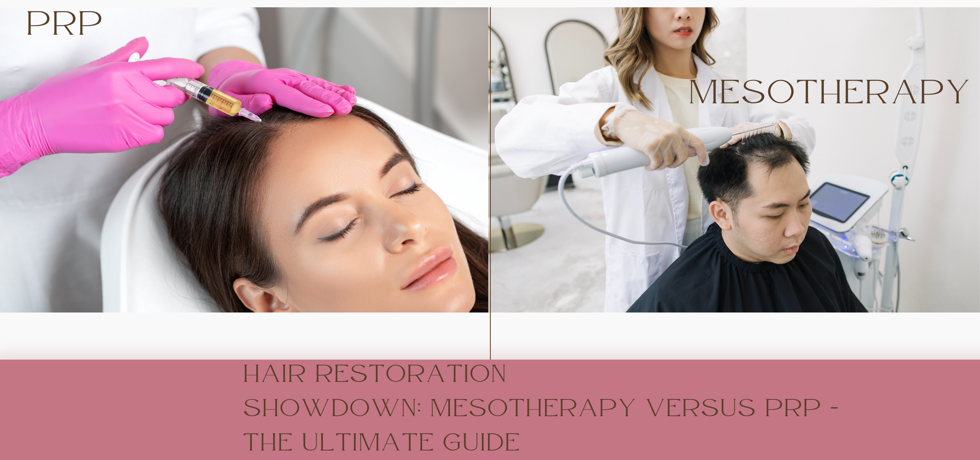
Hair Revival: Mesotherapy vs PRP – The Ultimate Guide
Understanding Hair Revival Options
Are you dealing with hair loss and searching for effective solutions? You’re not alone. Many individuals look for effective ways to revive their hair and restore their confidence. In this guide, well dive into two popular treatments: Mesotherapy and Platelet-Rich Plasma (PRP). We’ll explore how these methods work, their benefits, and factors to consider, empowering you to make a well-informed decision for your hair revival journey.
Unraveling Mesotherapy: How it Works
Mesotherapy is a minimally invasive technique that involves injecting a custom blend of vitamins, minerals, and amino acids directly into the scalp. This process helps to nourish the hair follicles and boosts microcirculation, promoting healthy hair growth. Mesotherapy provides essential nutrients to the scalp, stimulating dormant follicles, improving blood flow, and reducing inflammation. For effective hair revival, its essential to consult with a qualified practitioner to determine the best formulation tailored for your unique needs.
PRP Therapy: The Natural Approach
Platelet-Rich Plasma (PRP) therapy harnesses the power of your body’s healing properties. By drawing a small amount of your blood and processing it to isolate growth factors and platelets, this treatment can stimulate hair follicles when injected back into the scalp. The growth factors present in PRP promote cell regeneration, activate hair follicles, and enhance overall scalp health, making it a natural ally in hair revival. Just like Mesotherapy, its important to consult a dermatologist who can guide you through this process.
Pros and Cons of Each Treatment
When considering hair revival options, understanding the pros and cons of both Mesotherapy and PRP is crucial. Mesotherapy offers highly customizable formulations tailored to individual needs. However, it often requires multiple sessions to witness significant results, and its scientific backing remains limited. On the other hand, PRP therapy is natural and has a stronger foundation in research but may also necessitate several sessions and might not guarantee uniform results for everyone.
Making an Informed Decision
When choosing between these two techniques, consider your hair loss condition, health status, and treatment expectations. Both Mesotherapy and PRP therapy can be effective in spurting hair revival; however, the right choice varies for each individual. Engaging a specialist for a thorough assessment can lead to the most suitable treatment pathway.
Actionable Advice for a Successful Hair Revival Journey
Ultimately, the journey towards healthy hair involves more than just treatment options. Prioritize a nutritious diet, stay hydrated, and incorporate a suitable hair care regimen for optimal results. Regular check-ups will help track progress and adapt treatment plans as necessary.
Frequently Asked Questions
1. How many sessions of Mesotherapy or PRP do I need?
The number of sessions can vary based on individual response and severity of hair loss, but multiple sessions are often recommended for optimal results.
2. Are there any side effects associated with these treatments?
Both treatments typically have mild side effects, such as temporary redness or swelling at the injection site, but are considered safe when performed by qualified professionals.
For professional assistance and expert advice from leading dermatologists like Dr. Hital Patel, experience the benefits of Hair Revival: Mesotherapy vs PRP with Hair & Skin Specialist Dr. Hital Patel at The Skin Artistry. Our clinics in PDPU Gandhinagar, Vastrapur Ahmedabad and Hyderabad (Visiting Consultant) offer top-quality care and personalized treatments. Visit us today to learn more about our services and take advantage of our special offers! For more insights, updates, or to collaborate, stay connected with The Skin Artistry.
×
Hello!
Click one of our representatives below to chat on WhatsApp or send us an email to skinconsultation@gmail.com