Skincare Revolution: Enhancing Facial Collagen
A healthy scalp and resilient hair start with proper nourishment. Just as vitamins and nutrients are vital for overall health, they play an essential role in luscious hair growth. Your hair is largely made up of protein, specifically keratin, and certain vitamins are necessary for keratin production. Nutrients such as B vitamins, Vitamin D, and antioxidants are key players in keeping your hair strong while minimizing breakage.
Vitamins A, C, D, and E are known for their benefits in promoting hair strength. Vitamin A contributes to sebum production, moisturizing your scalp effectively, while Vitamin C enhances iron absorption, which is crucial for oxygen delivery to hair follicles. Sticking to a diet rich in these vital nutrients can lead to improved hair condition, but in some cases, supplementation becomes necessary.
B vitamins, especially biotin, are widely recognized for their role in hair growth. Biotin deficiency is commonly linked to hair loss, making it imperative to include this vitamin in your daily routine. Other B vitamins such as B6 and B12 not only promote the production of red blood cells but also facilitate nutrient transportation to the scalp and follicles, ensuring your hair remains nourished and vibrant. Incorporating a B-vitamin complex can provide the additional support your hair needs.
While vitamins play a significant role, minerals such as zinc, selenium, and iron are equally important for hair health. Zinc helps with cell reproduction and tissue growth, while iron is critical for healthy blood circulation. Ensuring you have adequate levels of these minerals can bolster your hair growth efforts.
To achieve robust and vibrant hair, it’s essential to adopt a multifaceted approach. Focus on a balanced diet rich in fruits, vegetables, whole grains, and proteins. When possible, incorporate vitamin-rich supplements to complement any dietary gaps. Regularly massaging your scalp can also improve blood flow, aiding in better nutrient delivery to your hair follicles.
If you’re experiencing hair thinning or loss, take a step back and evaluate your nutrition. Consider introducing vitamin-rich foods and supplements to your routine. Engage in healthy lifestyle choices, like reducing stress and staying hydrated, to create a conducive environment for hair growth. Always consult with a professional before starting any new supplements, ensuring they align with your individual health needs.
Q: Can I get all the necessary vitamins from my diet?
A: Depending on your diet, you may achieve adequate vitamin intake; however, supplements can help fill in gaps.
Q: How long will it take to see results?
A: Results vary, but consistent use over several months can lead to noticeable improvements in hair quality and thickness.
For professional assistance and expert advice from leading dermatologists like Dr. Hital Patel, experience the benefits of Vitamin Boost for Stronger Hair with Hair & Skin Specialist Dr. Hital Patel at The Skin Artistry. Our clinics in PDPU Gandhinagar, Vastrapur Ahmedabad and Hyderabad (Visiting Consultant) offer top-quality care and personalized treatments. Visit us today to learn more about our services and take advantage of our special offers! For more insights, updates, or to collaborate, stay connected with The Skin Artistry.
How can I participate in clinical trials?
You can express interest through dermatology clinics like The Skin Artistry where studies may be ongoing. It’s essential to consult with your dermatologist for guidance.
Why is research important for dermatology?
Research helps identify novel treatments, enhances our understanding of skin diseases, and ensures that patients receive evidence-based care.
How often should I exfoliate dry skin?
Exfoliation should be done 1-2 times a week, using gentle products to prevent over-exfoliation that can lead to irritation.
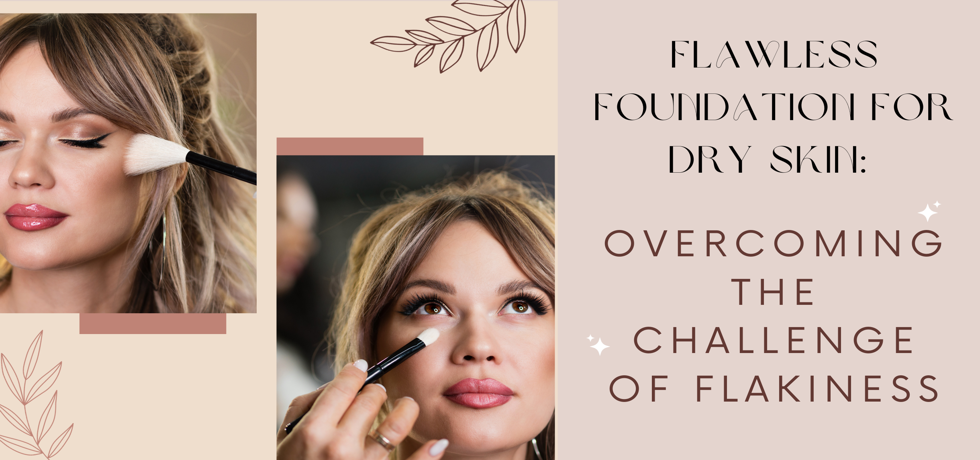
Is cream blush better than powder for dry skin?
Yes, cream blush typically blends better into dry skin, providing a natural and hydrating finish compared to powder formulas.
Another popular technique is to soak your feet in warm, soapy water. This helps soften the corn, making it easier to gently file down. After soaking, use a pumice stone or foot file to carefully thin out the corn. While both of these methods can help with corn removal, they should be done cautiously to prevent irritation.
For professional assistance and expert advice from leading dermatologists like Dr. Hital Patel, experience the benefits of corn removal techniques with Hair & Skin Specialist Dr. Hital Patel at [The Skin Artistry](https://theskinartistry.com/). Our clinics in PDPU Gandhinagar, Vastrapur Ahmedabad, and Hyderabad offer top-quality care and personalized treatments. Visit us today to learn more about our services and take advantage of our special offers! For more insights, updates, or to collaborate, stay connected with [The Skin Artistry](https://theskinartistry.com/).
Indoor tanning is often perceived as a quick solution for achieving a sun-kissed glow, but the reality is quite different. Many individuals believe that using tanning beds is safer than sun exposure, but research consistently debunks this myth. In this blog post, we’ll explore 10 surprising truths about indoor tanning that will make you reconsider your tanning habits and protect your skin.
Contrary to popular belief, tanning beds are not a safer option than basking in the sun. Studies have shown that indoor tanning can increase the risk of developing skin cancers, including squamous cell carcinoma and basal cell carcinoma. Its crucial to weigh the risk of skin cancer against the temporary aesthetic benefits of a tan.
Those who use tanning beds before the age of 20 significantly increase their chances of developing melanoma, one of the deadliest forms of skin cancer. Its alarming that the risk surges by nearly half with each use! Hence, its essential to educate young individuals about these dangerous trends.
Whether from the sun or a tanning bed, tanning accelerates skin damage. Wrinkles, age spots, and skin laxity are often seen earlier in individuals who engage in indoor tanning. Once these signs of aging set in, there is no reversing them, making prevention vital for skin health.
Many believe that a base tan can ward off sunburns; however, this idea is an absolute myth. A base tan offers minimal protection, and tanning or burning, indoors or outdoors, leads to cumulative DNA damage in the skin, heightening skin cancer risks.
There’s a common misconception about tanning beds being a source of ample vitamin D. However, the bulbs used in tanning beds primarily emit UVA light, while the body needs UVB light to produce vitamin D effectively. To ensure sufficient vitamin D intake, its best to rely on dietary sources instead.
Tanning can also lead to psychological dependencies, where individuals may find it challenging to cut back on their tanning sessions. Some people experience withdrawal-like symptoms without their regular tanning.
Another surprising truth about indoor tanning is that it can make stretch marks more noticeable. If you’re looking to minimize their appearance, consider safe alternatives like self-tanning products to achieve a healthy glow without exacerbating existing skin issues.
A troubling discovery has been made regarding the information provided by tanning salons. Many misinform customers about the security and benefits of indoor tanning. Statistics show that a significant percentage of tanning salon staff downplay the risks associated with tanning, presenting a false sense of safety.
For those who love the sun-kissed look, self-tanners offer a safe alternative without the harmful consequences of tanning beds. When applied correctly, self-tanners can provide a natural, bronzed look without the risk of early aging and skin cancer.
Ultimately, quitting indoor tanning not only reduces the risk of skin cancer but significantly contributes to overall skin health. Research indicates that protecting your skin from tanning can lead to longer-term benefits, including a healthier appearance and a decreased likelihood of developing skin conditions in the future.
It is never too late to start protecting your skin. Recognizing the risks associated with indoor tanning and making informed choices can significantly impact your long-term skin health. If you’re seeking guidance on skincare and safe tanning alternatives, The Skin Artistry is here to help you navigate through your skincare journey.
For professional assistance and expert advice from leading dermatologists like Dr. Hital Patel, experience the benefits of indoor tanning knowledge with Hair & Skin Specialist Dr. Hital Patel at The Skin Artistry. Our clinics in PDPU Gandhinagar, Vastrapur Ahmedabad, and Hyderabad (Visiting Consultant) offer top-quality care and personalized treatments. Visit us today to learn more about our services and take advantage of our special offers! For more insights, updates, or to collaborate, stay connected with The Skin Artistry.
Embracing a sun-kissed glow is an aspiration for many, especially as warm, sunny days beckon us outdoors. However, mastering the art of sun protection is essential to maintaining a radiant and healthy complexion while preventing skin damage. Understanding the importance of flawless sun protection goes beyond just applying sunscreen; it involves integrating sun safety into your daily routine and acknowledging the science behind UV rays and skin health.
Even with a busy lifestyle, integrating sun protection into your routine is vital. Sunscreens are formulated to provide a layer of defense against harmful UV rays. Utilizing broad-spectrum sunscreen not only protects against sunburn but also reduces the risk of long-term skin issues such as premature aging and skin cancer. Your goal should be to opt for a sunscreen with a minimum SPF of 30 and reapply it every two hours, especially when outdoors.
Different skin types and preferences call for different sunscreen formulations. Whether you have oily, dry, or sensitive skin, there are suitable products available. For oily skin, consider lightweight gel-based formulations that wont clog pores. If your skin is dry, opt for cream-based options that provide moisture alongside sun protection. Additionally, tinted sunscreens can help provide an even skin tone while reducing the visibility of any white cast associated with mineral-based sunscreens.
Diving into the science can enhance your understanding of how sun protection works. Physical sunscreens contain active mineral ingredients like zinc oxide and titanium dioxide, providing effective broad-spectrum protection. These ingredients reflect UV rays away from the skin. Conversely, chemical sunscreens absorb UV radiation and convert it into heat, preventing it from penetrating the skin. Knowing which formulation works best for you can significantly impact how you achieve that flawless sun-kissed glow.
Practicing sun safety extends beyond applying sunscreen regularly. Dress in protective clothing, such as wide-brimmed hats and sunglasses with UV protection, to shield your skin from harsh rays. Seeking shade during the peak hours of sun exposure, particularly between 10 AM and 4 PM, is also crucial. These additional precautions work hand in hand with sunscreen to offer comprehensive protection for your skin.
Hydration plays a pivotal role in maintaining healthy skin. Drinking plenty of water helps keep your skin hydrated and contributes to its natural glow. Additionally, consuming antioxidant-rich foods can combat free radical damage caused by UV rays. Incorporating foods like berries, nuts, and green leafy vegetables into your diet can support your skins health from within.
Mastering the sun-kissed glow calls for a commitment to flawless sun protection. By selecting the right sunscreen, adopting protective measures, and maintaining proper hydration, you can enjoy the beauty of the sun while keeping your skin healthy. Make sun protection a non-negotiable part of your daily routine and educate those around you on the significance of caring for their skin.
For professional assistance and expert advice from leading dermatologists like Dr. Hital Patel, experience the benefits of mastering the sun-kissed glow with Hair & Skin Specialist Dr. Hital Patel at The Skin Artistry. Our clinics in PDPU Gandhinagar, Vastrapur Ahmedabad, and Hyderabad (Visiting Consultant) offer top-quality care and personalized treatments. Visit us today to learn more about our services and take advantage of our special offers! For more insights, updates, or to collaborate, stay connected with The Skin Artistry.

How often should I get ultrasound treatments?
The frequency of treatments can vary based on individual skin conditions and goals, but generally, sessions are suggested every few months for optimal results.
Click one of our representatives below to chat on WhatsApp or send us an email to skinconsultation@gmail.com