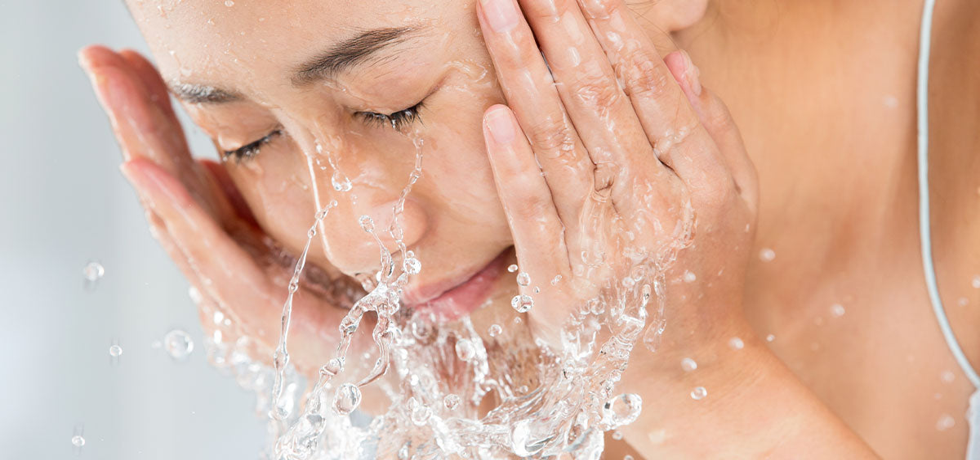
Unveiling the Secrets of Sulphate-Free Face Cleansers
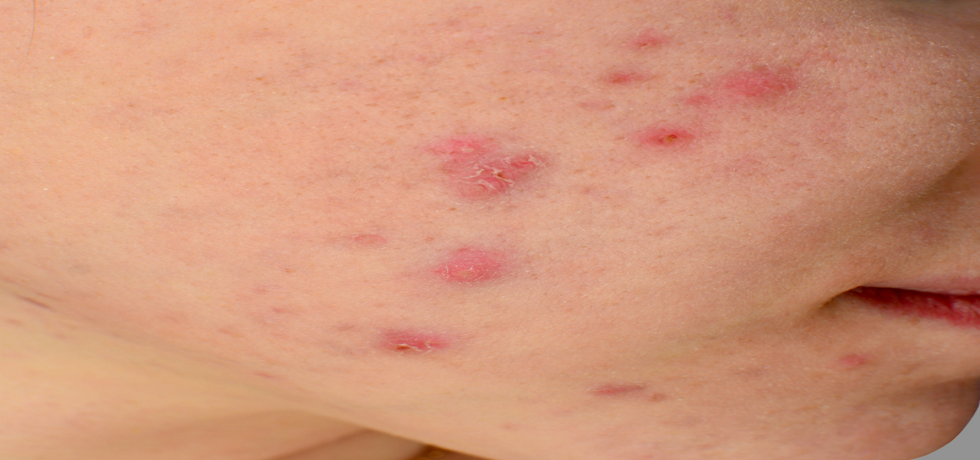
Chemical Peels: These treatments are designed to reduce the appearance of pigmentation caused by acne scars. Our dermatologists use various strengths of chemical peels, including glycolic and salicylic options, to effectively treat scars and promote smoother skin texture.
Microneedling: This technique involves using a dermaroller or Dermapen to create micro-injuries in the skin, stimulating collagen production. This not only improves the appearance of current scars but also helps prevent new ones from forming.
Laser Treatments: Laser scar removal is a cutting-edge technique that targets and breaks down the scar tissue, allowing for healthier skin to surface. Our clinic utilizes the latest laser technology to provide effective results for both old and new acne scars.
Microneedling Radiofrequency: A popular treatment combining microneedling and radiofrequency waves, this method enhances collagen remodeling and provides long-lasting relief for acne scars. It’s a great choice for individuals looking for a more extensive solution.
Call us today or visit our website to learn more about our services and book your consultation.
Q: Is acne scar treatment painful?
A: While some treatments may cause mild discomfort, our specialists prioritize your comfort and often use numbing agents to alleviate any potential pain.
Cradle cap is a common skin condition affecting many infants in their first few months of life. It appears as greasy, yellowish scales or crusts on a babys scalp but can also spread to other areas such as the face, ears, and the diaper region. While this condition may seem alarming, it is generally harmless and non-contagious, resolving itself over time. This blog explores gentle solutions for cradle cap, providing effective remedies for infants that prioritize their comfort and well-being.
The exact cause of cradle cap, or infantile seborrheic dermatitis, is not fully understood. However, it is believed that factors such as excess oil production from the scalp, hormonal influences, and possible yeast overgrowth contribute to its development. It is crucial to note that poor hygiene does not cause cradle cap, and it is a common occurrence among many infants. Understanding the causes helps parents reassure themselves that with gentle care, the condition can quickly improve.
Treating cradle cap doesn’t need to involve harsh methods. Instead, parents can employ gentle and effective remedies that can aid in the management of the condition. Begin with regular shampooing using a mild, fragrance-free shampoo, which can help break down the oily flakes. Gentle massaging while shampooing can also provide comfort to your infant while alleviating the buildup on the scalp.
For added relief, consider applying natural oils like coconut oil or olive oil. A small amount of these oils can soften the scales when left on the scalp for a few minutes. Afterward, use a soft baby brush to lightly remove the softened debristhis is a crucial step in your cradle cap treatment routine.
Another simple method involves warm compresses. Softening the scales with a warm, damp washcloth before shampooing can make it easier to gently remove flakes, promoting scalp health and comfort.
While cradle cap usually resolves independently, there are times when consultation with a pediatrician becomes necessary. If the condition appears to worsen, spreads, or shows signs of infection, seeking professional assistance is crucial. A pediatrician will be able to rule out other skin conditions and offer specialized treatments tailored to your baby’s delicate needs.
Remember, patience is vital; most cases of cradle cap will significantly improve by the time your child reaches their first birthday.
Infants deserve gentle care, especially when dealing with cradle cap. By implementing these gentle solutions and effective remedies, you can provide relief while promoting long-term scalp health. Regular care combined with patience can lead to satisfactory results in alleviating cradle cap.
For professional assistance and expert advice from leading dermatologists like Dr. Hital Patel, experience the benefits of gentle solutions for cradle cap with Hair & Skin Specialist Dr. Hital Patel at The Skin Artistry. Our clinics in PDPU Gandhinagar, Vastrapur Ahmedabad, and Hyderabad (Visiting Consultant) offer top-quality care and personalized treatments. Visit us today to learn more about our services and take advantage of our special offers! For more insights, updates, or to collaborate, stay connected with The Skin Artistry.
2. Is it safe to use sunscreen on children?
Yes, broad spectrum sunscreen is safe for children. Look for formulations specifically designed for children with gentle ingredients.
3. How much sunscreen should I apply?
A general rule of thumb is to use one ounce (a shot glass full) for complete coverage of your body.
Split ends can be a frustrating hair concern for many of us. They occur when the protective cuticle of the hair becomes damaged, leading to fraying and splitting at the ends. Understanding what causes split ends is essential to tackle them effectively. Factors such as over-washing, excessive heat styling, and exposure to environmental elements can contribute to this condition. Moreover, your hair type, health, and overall hair care practices can significantly influence the severity of split ends.
Identifying split ends is straightforward. A good way to tell if you have split ends is to look for hair strands that appear frayed or brittle, rather than smooth and healthy. Pinch the end of a strand of hair between your fingers and slide down to see if it splits apart. If you find multiple strands showing signs of damage, it’s time to consider treatments to repair and prevent split ends.
There are several effective ways to treat split ends and restore your hairs health. First and foremost, trimming your hair regularly is one of the best methods to eliminate damaged ends and prevent further splitting. Additionally, using nourishing hair masks can provide deep hydration and improve the overall quality of your hair. Look for hair serums or oils that provide moisture and protection against heat damagethese are crucial allies in your quest to repair and prevent split ends.
To maintain healthy hair and keep split ends at bay, adjusting your hair care routine is vital. One tip is to reduce washing your hair to only two or three times a week. Frequent washing strips your hair of its natural oils, which leads to increased dryness and susceptibility to split ends. If your hair feels greasy after a few days, your scalp may need time to adjust and balance itself. Give it a few weeks to retrain your oil production cycle for healthier hair.
Furthermore, always use a heat protectant spray when styling your hair. Limit the use of heat-styling tools, and try to incorporate air-drying into your routine when possible. Opt for wide-tooth combs and gentle hair ties to prevent unnecessary pulling and breakage. The right approach can make all the difference in preventing split ends and ensuring your hair looks its best.
In conclusion, dealing with split ends can be easily managed with a few changes in your hair care routine. Regular trims, reducing washing frequency, and using nourishing products can notably improve your hairs health. By being mindful of your hairs needs and implementing preventative measures, you can enjoy gorgeous, split-end-free hair. Remember, healthy hair is beautiful hair, and taking care of it is a crucial investment in your overall look!
For professional assistance and expert advice from leading dermatologists like Dr. Hital Patel, experience the benefits of Repair and Prevent Split Ends: A Comprehensive Guide with Hair & Skin Specialist Dr. Hital Patel at The Skin Artistry. Our clinics in PDPU Gandhinagar, Vastrapur Ahmedabad and Hyderabad (Visiting Consultant) offer top-quality care and personalized treatments. Visit us today to learn more about our services and take advantage of our special offers! For more insights, updates, or to collaborate, stay connected with The Skin Artistry.
The core of Zen drips lies in their remarkable benefits. These drip infusions are designed to help improve hydration levels, enhance skin health, and boost overall wellness. Using essential vitamins and minerals, Zen drips support the body in various ways, including revitalization and detoxification. By nourishing the body from within, these treatments can lead to a noticeable difference in skin clarity and vitality.
The process of receiving a Zen drip is simple and comfortable. A healthcare professional or a qualified expert at The Skin Artistry administers the fluids intravenously, ensuring a gentle and efficient delivery method. Zen drips typically include components such as Vitamin C, B-complex vitamins, and hydration solutions. The unique formulation is tailored to meet individual needs, allowing for a personalized approach to wellness that caters specifically to each client’s goals.
What sets Zen drips apart from other wellness treatments is the emphasis on creating a serene atmosphere during the process. At The Skin Artistry, we believe in providing a holistic experience. Our cozy treatment rooms are designed to promote relaxation with calming sounds, gentle lighting, and a soothing ambiance. This not only enhances the physical benefits but also nurtures the mental aspect of wellness, providing a moment of respite from everyday stress.
Zen drips can be beneficial for various individuals, especially for those seeking relief from fatigue, stress, or skin concerns. If you navigate a busy lifestyle or find it challenging to maintain hydration, Zen drips could be an effective solution. However, it is always essential to consult with a specialist, like those at The Skin Artistry, to tailor offerings that best suit your health needs.
If you are ready to engage in a serene experience and explore the benefits of Zen drips, we encourage you to contact The Skin Artistry. Our trained professionals can guide you through the options and help you choose the right infusion for your unique needs. Remember, taking a moment for yourself amidst the chaos can dramatically influence your overall wellness.
For professional assistance and expert advice from leading dermatologists like Dr. Hital Patel, experience the benefits of Serenity Found in Zen Drips with Hair & Skin Specialist Dr. Hital Patel at The Skin Artistry. Our clinics in PDPU Gandhinagar, Vastrapur Ahmedabad, and Hyderabad offer top-quality care and personalized treatments. Visit us today to learn more about our services and take advantage of our special offers! For more insights, updates, or to collaborate, stay connected with The Skin Artistry.
The beauty industry is buzzing with talk about sulfate-free shampoo, but how deep does the truth really go? If you’ve ever searched for the perfect shampoo, you may have stumbled upon this term. Today, we’re going to peel back the layers to understand exactly what sulfate-free shampoo means and why it might be the right choice for your hair. Whether you’re dealing with specific hair concerns or simply wanting to improve your hair care routine, this article has everything you need to know.
Sulfates, such as sodium lauryl sulfate (SLS) and sodium laureth sulfate (SLES), are cleansing agents often found in shampoos. They’re known for their ability to create a rich lather while effectively removing dirt and oil. However, these compounds can be quite harsh, stripping away natural oils and moisture from your hair and scalp. This can lead to dryness, irritation, or even exacerbate hair conditions for some individuals. For love of your hair, understanding sulfate-free shampoo becomes paramount, especially if your hair is color-treated or prone to damage.
Switching to sulfate-free shampoo can come with a plethora of benefits. Firstly, it is gentle on the hair and helps to retain moisture, maintaining the natural shine and softness of your locks. This is particularly beneficial for people with colored or chemically-treated hair, as sulfate-free shampoo will not strip the color as quickly as its sulfate-laden counterparts. Furthermore, it significantly reduces scalp irritation, making it a safer choice for those with sensitive skin.
Individuals with dry, frizzy hair or those who regularly dye their hair should consider a sulfate-free option. Furthermore, if you have skin conditions like eczema, rosacea, or contact dermatitis, switching to a sulfate-free shampoo may help prevent flare-ups and maintain healthier skin. Remember, its always wise to consult with a healthcare provider or dermatologist if youre considering a significant change in your hair care routine.
One common misconception is that sulfate-free shampoos do not lather well. While its true they might not create the same level of foam as sulfate-infused options, the ability to cleanse effectively is not defined by the lather. Sulfate-free formulas utilize alternative surfactants that gently cleanse without harshness, thus promoting scalp health while still providing that fresh, clean feel.
When searching for a sulfate-free shampoo, its vital to read labels and avoid any ingredients such as SLS or SLES. Look for ingredients that are natural, like plant-derived surfactants, which are typically gentler and just as effective in cleaning. Paying attention to your hair typewhether its straight, curly, or coilycan also guide you toward the best option for your needs.
In summary, sulfate-free shampoo can be a game-changer for maintaining your hairs health. If you’re experiencing dryness, irritation, or simply want to nourish your color-treated locks, making the switch can lead to better hair days. Remember to evaluate your unique hair needs and consult with experts if necessary. Your hair deserves the best, so take the plunge into a sulfate-free world and treasure the difference!
1. Can I use sulfate-free shampoo daily?
Yes, sulfate-free shampoos are typically gentle enough for daily use without stripping your hair’s natural moisture.
2. Is sulfate-free shampoo effective for oily hair?
Absolutely! Sulfate-free options can remove excess oil while still being gentle on your hair and scalp.
For professional assistance and expert advice from leading dermatologists like Dr. Hital Patel, experience the benefits of Unveiling the Truth About Sulfate-Free Shampoo with Hair & Skin Specialist Dr. Hital Patel at The Skin Artistry. Our clinics in PDPU Gandhinagar, Vastrapur Ahmedabad and Hyderabad (Visiting Consultant) offer top-quality care and personalized treatments. Visit us today to learn more about our services and take advantage of our special offers! For more insights, updates, or to collaborate, stay connected with The Skin Artistry.
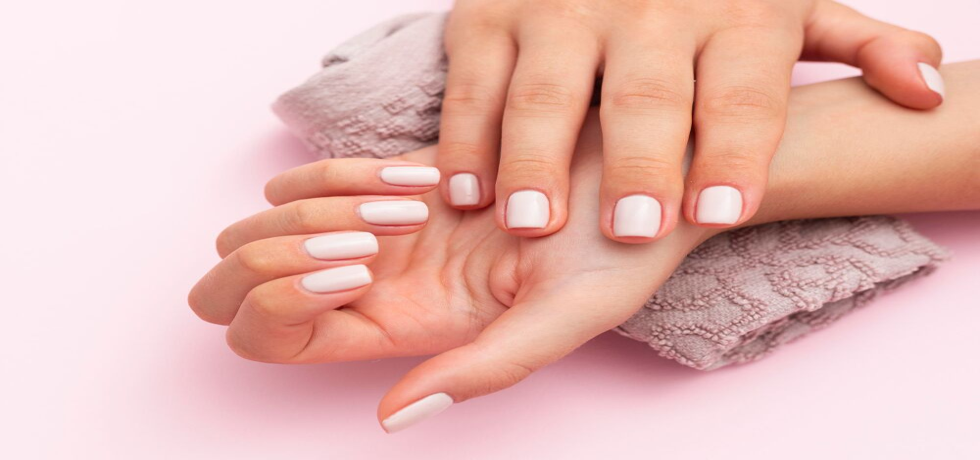
Acrylic nails are a popular choice for those wanting durable, long-lasting manicures. Made from a unique combination of powder and liquid, acrylic nails are applied over your natural nails to create a strong extension. One of the key benefits of acrylic nails is their practicalitythese nails are resilient and less likely to break compared to natural nails. The application process involves various steps, including shaping, drying, and applying a top coat, which gives a polished, glamorous appearance. Maintaining acrylic nails requires regular touch-ups, but many feel the bold look and longevity are worth the upkeep.
Gel extensions offer another glamorous option for those looking to enhance their nails. Unlike acrylics, gel nails are made using a gel-based polish adhered directly to your natural nails or applied as layering extensions. One of the biggest advantages of gel nails is their glossy finish that stays shiny for weeks, providing a sophisticated look. The application process includes using a UV light to cure each coat, making gel nails less prone to chips compared to regular polish. For the modern individual on the go, gel nails often require minimal upkeep and are a flexible choice when it comes to daily routines.
When weighing acrylic vs gel nails, consider a few vital factors: longevity, durability, appearance, and the removal process. Acrylic nails typically last about a week, whereas gel nails can shine without chipping for up to two weeks. In terms of durability, gel nails tend to be stronger and are suitable for daily activities. While acrylic nails have a sturdier appearance, gel nails offer a more natural, shiny finish. Removal processes differ as wellwhile acrylics can be soaked off, gel nails require filing for removal, which is essential to maintain the health of your natural nails.
At The Skin Artistry, we believe both gel and acrylic nails have their unique charm, and the choice ultimately depends on your preferences. If you’re looking for a long-lasting, luxurious look that requires less frequent visits, gel extensions might be your best bet. However, if you prefer versatility in shape and style with a bold look, acrylic nails could be the go-to solution. Our experts can provide personalized consultations to ensure you find the perfect fit for your nail aesthetics.
Now that you have the essential insights regarding acrylic vs gel nails, dont hesitate to consult with professionals to make the best choice for your nail health and style. Whether you opt for the sturdy allure of acrylics or the glossy sophistication of gel extensions, remember to prioritize the health of your natural nails with proper aftercare and removal.
Can I remove acrylic or gel nails at home?
It is possible to remove acrylic nails at home, but involving a professional can prevent any potential damage. Gel nails, on the other hand, should ideally be filed off by experts.
Are acrylic or gel nails healthier for my natural nails?
Both options can be safe with proper application and removal. Its important to follow a regular maintenance routine suggested by professionals.
For professional assistance and expert advice from leading dermatologists like Dr. Hital Patel, experience the benefits of nail enhancements with Hair & Skin Specialist Dr. Hital Patel at The Skin Artistry. Our clinics in PDPU Gandhinagar, Vastrapur Ahmedabad, and Hyderabad (Visiting Consultant) offer top-quality care and personalized treatments. Visit us today to learn more about our services and take advantage of our special offers! For more insights, updates, or to collaborate, stay connected with The Skin Artistry.
Q: How many sessions will I need?
A: It is generally recommended to undergo the treatment once a month for the first three to four months, followed by maintenance sessions every three to six months.
Q: Are there any side effects?
A: Some mild side effects may include discomfort, swelling, and headaches. However, these typically resolve within a few days.
Click one of our representatives below to chat on WhatsApp or send us an email to skinconsultation@gmail.com