Skin Survival Guide: Essential Holiday Care for Festive Celebrations
Introduction: Embrace the Festivities with Confidence
The holiday season is all about celebrations filled with joy, laughter, and special moments with loved ones. However, amidst the festive cheer, it’s crucial to remember that your skin needs love and care too. To help you navigate through the party rush without worrying about unexpected skin issues, we present to you a skin survival guide brimming with essential holiday care tips. By incorporating these skin care essentials, youll be glowing and ready to enjoy every moment of the festivities!
Hydrate Your Lips for Mistletoe Moments
Dry, chapped lips can spoil any holiday look and are particularly noticeable when sharing festive kisses. To keep your lips soft and supple, carry a healing lip balm that provides moisture and relief from dryness. Stay ready under the mistletoe with this essential product that will enhance your smile and maintain your confidence throughout the celebrations.
Refresh Your Skin with a Facial Mist
The excitement of holiday parties often involves cocktails and delectable treats, but the indulgence can lead to dehydrated skin. To combat this, an organic facial mist can be a game-changer. A quick spritz can revitalize and hydrate your skin, giving it that much-desired dewy finish. Dont shy away from refreshing your complexion any time it starts to feel tight or dry, ensuring that you maintain a radiant glow all night long.
Nourish Your Hands & Cuticles
As you greet friends and spread festive cheer, the last thing you want is for dry hands and rough cuticles to distract from your celebrations. A rich hand cream is essential to keep your hands feeling soft and looking polished. Applying it regularly will not only enhance your skin’s texture but also provide that light, fresh scent that complements the joyous atmosphere.
Quick Touch-Up Makeup Solutions
Makeup mishaps can happen, especially during busy holiday gatherings. Having convenient makeup remover swabs with you is one of the smartest moves you can make. This handy tool allows you to quickly touch up any makeup errors, ensuring you look your best, no matter how many parties you attend. With these in your pocket, you’ll be prepared for any beauty blunders that come your way.
Conclusion: Your Skin is Ready for the Holidays!
The holiday season should be a time for joy and celebration, not stress over skin emergencies. By incorporating these essential skincare practices into your festive routine, youre not only protecting your skin but also facilitating a more confident and vibrant you. Remember to keep your holiday skin care essentials close, and don’t hesitate to pamper yourself a little as you dance through the festivities.
Frequently Asked Questions
1. How often should I apply lip balm during the holiday parties?
It’s best to reapply your lip balm every few hours or whenever you feel your lips starting to dry out. 2. Can I use facial mist over makeup?
Absolutely! A facial mist can enhance your makeup’s glow and refresh your skin throughout the night. 3. What should I do if my hands feel dry?
Regularly use your hand cream, especially after washing your hands or coming into contact with cold air.
For professional assistance and expert advice from leading dermatologists like Dr. Hital Patel, experience the benefits of Skin Survival Guide: Essential Holiday Care for Festive Celebrations with Hair & Skin Specialist Dr. Hital Patel at The Skin Artistry. Our clinics in PDPU Gandhinagar, Vastrapur Ahmedabad, and Hyderabad (Visiting Consultant) offer top-quality care and personalized treatments. Visit us today to learn more about our services and take advantage of our special offers! For more insights, updates, or to collaborate, stay connected with The Skin Artistry.

Stretch marks, those delicate lines that often appear on the skin, are a common concern for many individuals. These marks may occur due to various reasons, including rapid weight gain, pregnancy, hormonal changes, and even growth spurts during adolescence. Regardless of their origin, stretch marks can affect our confidence and self-image. Fortunately, there are natural solutions for fading stretch marks that you can easily implement at home. Lets delve deeper into understanding these marks and explore effective remedies to reduce their appearance using affordable ingredients.
What Causes Stretch Marks?
Stretch marks form when the skin undergoes rapid stretching, causing the connective fibers to tear. This usually occurs in the dermisthe middle layer of the skin. The result is those familiar streaks that might be red or purple initially but can fade to a lighter color over time. Although genetics plays a role, factors such as pregnancy, puberty, or significant fluctuations in weight can lead to the development of stretch marks. Understanding these causes can help in seeking effective natural solutions for fading stretch marks.
Home Remedies for Natural Solutions for Fading Stretch Marks
Luckily, there are simple and natural remedies that can be prepared at home to help in fading those pesky marks:
Aloe Vera Gel
Aloe vera is renowned for its healing properties and is incredibly effective in soothing the skin. Applying fresh aloe vera gel to the affected areas can help repair the damaged skin and promote healing. Regular use can gradually fade the color of stretch marks, making them less noticeable.
Coconut Oil and Sugar Scrub
Combining coconut oil and sugar creates a natural scrub that can aid in exfoliation. Coconut oil hydrates the skin, while sugar helps to remove dead skin cells, revealing healthier skin underneath. Gently massaging this scrub on stretch marks can significantly improve their appearance over time.
Potato Juice
One underrated remedy involves potato juice. Rich in catecholase, a natural skin-lightening agent, potato juice can help reduce the visibility of stretch marks. Simply grate a potato, extract the juice, apply it to the stretch marks, and leave it for 20-30 minutes before rinsing.
Olive Oil
Olive oil is another versatile solution, packed with vitamins and antioxidants essential for skin health. Regularly massaging virgin olive oil into the skin can help nourish and improve the elasticity of the skin, aiding in minimizing the appearance of stretch marks.
Conclusion: Embrace Your Skin’s Journey
While it may not be possible to completely eliminate stretch marks, using natural solutions for fading stretch marks can significantly reduce their visibility. Be patient with your skin as these remedies take time to show results. Consistency is key, so make these natural remedies a part of your skincare routine. Remember, your skin tells a story, and embracing it can lead to a healthier mindset. For any persistent concerns or tailored advice, dont hesitate to consult professionals.
Frequently Asked Questions (FAQs)
Can stretch marks completely disappear?
While fully removing stretch marks is challenging, their color can fade significantly with time and natural treatments.
How long does it take to see results from home remedies?
Results vary depending on the individual and the regularity of application. Consistent use can often lead to visible improvements within a few weeks.
For professional assistance and expert advice from leading dermatologists like Dr. Hital Patel, experience the benefits of Natural Solutions for Fading Stretch Marks with Hair & Skin Specialist Dr. Hital Patel at The Skin Artistry. Our clinics in PDPU Gandhinagar, Vastrapur Ahmedabad, and Hyderabad (Visiting Consultant) offer top-quality care and personalized treatments. Visit us today to learn more about our services and take advantage of our special offers! For more insights, updates, or to collaborate, stay connected with The Skin Artistry.

Dark circles are a common concern for many, often leading to feelings of fatigue and appearing older than we truly are. While a good nights sleep and proper skincare can help, there might be more underlying causes contributing to those stubborn dark circles. Surprisingly, allergies are one of the key culprits behind this issue, alongside factors like stress and lack of sleep. Allowing the light to shine on these hidden adversaries can serve as a pathway to clearer and healthier skin.
Pollen Puffiness: The Seasonal Intruder
Every spring, the delightful bloom of flowers also brings irritants into our lives. For many, pollen becomes a troublesome allergen, triggering symptoms such as congestion, itchy eyes, and sneezing. When these symptoms persist, your body may respond with inflammation and a pooling of blood beneath the eyes, forming those unwanted dark circles. This phenomenon, known as allergic rhinitis, can also result from exposure to pet dander or household dust. Being proactive and managing allergy symptoms can significantly reduce the impact on your skins appearance.
The Mold Menace
Mold thrives in damp areas of our homes, like the bathroom or kitchen, and can stir up more than just a sneeze. For those sensitive to allergens, mold spores can lead to nasal congestion and irritation, aggravating dark circles. Similar to pollen, mold-induced congestion can limit blood flow to the skin around your eyes, contributing to puffiness and darkness. Keeping your living spaces clean and mold-free will not only benefit your health but also help alleviate these unsightly under-eye shadows.
Harsh Skincare Products
While concealers and other makeup products are often used to mask dark circles, they may unknowingly be exacerbating the problem. Ingredients such as alcohol and synthetic fillers can irritate your skin, especially around the delicate eye area. This irritation may result in redness, swelling, and ultimately contribute to the appearance of dark circles. If you suspect that your skincare routine might be introducing irritation, consider switching to gentle, hypoallergenic products designed for sensitive skin.
Food and Medication Allergies
Your food choices may also hold the key to understanding your dark circles. Allergies to certain foods, such as nuts and dairy, can trigger immune responses that manifest as inflammation and swelling around the eyes. This reaction not only affects your skin’s appearance but may also leave you feeling tired and uncomfortable. If you suspect food allergies could be contributing to your dark circles, consulting with a healthcare professional could provide the clarity you need.
Actionable Advice for Clear Skin
To combat dark circles effectively, its essential to identify and manage potential allergens in your environment and skincare routine. Consider the following tips:
Monitor pollen counts during allergy seasons and stay indoors when levels are high.
Keep your home mold-free with proper ventilation and regular cleaning.
Choose gentle skincare products that are free of harsh chemicals.
If you suspect food sensitivities, keep a food diary and consult with a professional.
Ensure you stay well-hydrated and maintain a balanced diet rich in vitamins that support skin health.
Conclusion
Dark circles can be frustrating and disheartening, but understanding the potential causes can empower you to take control. Allergies play a significant role in their development, and by managing allergens effectively, you can work towards brighter, healthier skin. Remember that making small changes in your daily routine can yield visible results over time.
For professional assistance and expert advice from leading dermatologists like Dr. Hital Patel, experience the benefits of addressing dark circles with Hair & Skin Specialist Dr. Hital Patel at The Skin Artistry. Our clinics in PDPU Gandhinagar, Vastrapur Ahmedabad, and Hyderabad (Visiting Consultant) offer top-quality care and personalized treatments. Visit us today to learn more about our services and take advantage of our special offers! For more insights, updates, or to collaborate, stay connected with The Skin Artistry.

Waxing vs. Laser Hair Removal: The Ultimate Comparison
Introduction
For many, hair removal is a part of their personal grooming routine, and with so many options available, each person has their preferred method. From traditional techniques like shaving and waxing to more modern solutions such as laser hair removal, the choices can be overwhelming. Today, we will dive into the ultimate comparison between waxing and laser hair removal, exploring their methods, benefits, and drawbacks to help you decide which one suits your needs best.
Understanding Waxing
Waxing is a widely used method for hair removal that can produce smooth skin for weeks at a time. This process involves applying warm wax to the skin, placing a strip of fabric over it, and then quickly pulling it off in the opposite direction of hair growth. While many people enjoy the quick results and ease of use, especially when performed at home or by a professional, waxing requires maintenance as hair regrows after a few weeks. This method is effective on all types of hair and skin, delivering a satisfying finish but can be painful, particularly in sensitive areas.
Diving into Laser Hair Removal
In contrast to waxing, laser hair removal uses advanced technology involving a high-powered laser that targets hair follicles beneath the skin. This method is generally considered more suitable for those seeking a long-lasting solution, as sessions can lead to permanent hair reduction over time. Laser hair removal treatments can be tailored to individual skin and hair types, providing a more personalized approach. However, this method requires multiple sessions for optimal results and may be less effective on lighter hair colors.
Benefits of Each Method
Waxing offers immediate results, with smooth skin that can last several weeks. It’s an affordable option with minimal equipment needed, making it popular for at-home beauty enthusiasts. On the other hand, laser hair removal provides more sustainable results, allowing individuals to enjoy hair-free weeks or even months. Additionally, those with sensitive skin may find laser treatments less irritating over time. The speed of each session is another advantage, especially for larger areas of treatment.
Drawbacks You Should Know
Despite its benefits, waxing is not without its drawbacks. Many individuals report discomfort, as hairs are pulled from the follicles. Also, hair must reach a specific length for waxing to be effective, leading to periods of regrowth that some may find inconvenient. Laser hair removal, while ultimately more effective for long-term care, can come with higher costs and may not be suitable for everyone. Results often vary based on individual hair and skin types, and some may require more sessions than anticipated.
Making the Right Choice for You
Choosing between waxing and laser hair removal depends largely on your hair removal goals. If you’re looking for a quick, easy treatment option, waxing can deliver satisfying results. However, for those seeking a longer-term solution with less frequent maintenance, investing in laser hair removal might be worthwhile. Consider your skin type, hair concern, and personal comfort with pain when making your decision.
FAQs about Hair Removal
Is laser hair removal safe for all skin types?
Laser hair removal is effective on various skin types but works best for individuals with darker hair and lighter skin. Consultation with a professional is advisable to assess individual suitability.
How often do I need to wax?
Waxing typically requires a visit every 4-6 weeks, depending on your hair growth rate and personal preference.
How many laser sessions are needed for optimal results?
Most individuals will require multiple sessions, spaced about a month apart, to achieve desired results.
Conclusion
In the battle of waxing vs. laser hair removal, the ultimate winner depends on your unique needs and lifestyle. Whether you prefer the immediate results of waxing or the long-term benefits of laser, remember that personal comfort and skin type play a crucial role in your decision. For professional assistance and expert advice from leading dermatologists like Dr. Hital Patel, experience the benefits of waxing vs. laser hair removal with Hair & Skin Specialist Dr. Hital Patel at The Skin Artistry. Our clinics in PDPU Gandhinagar, Vastrapur Ahmedabad, and Hyderabad (Visiting Consultant) offer top-quality care and personalized treatments. Visit us today to learn more about our services and take advantage of our special offers! For more insights, updates, or to collaborate, stay connected with The Skin Artistry.
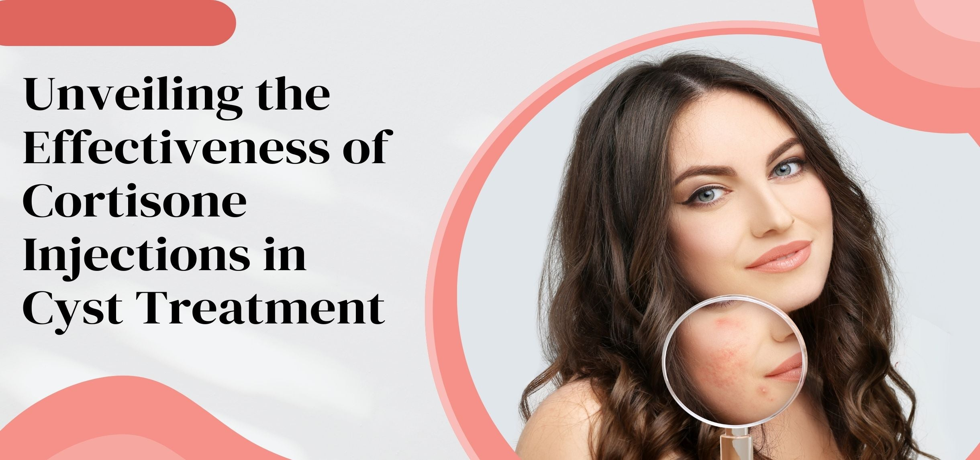
Cysts are common skin conditions that can occur anywhere on the body and can be quite concerning for many individuals. These sac-like structures can contain fluids, gases, or semi-solid materials. While most cysts are benign and painless, some can cause discomfort, pain, or even cosmetic concerns. Understanding the type of cyst you have is crucial to navigating effective cyst treatment options that will best suit your needs. Consulting with a healthcare provider is the first step towards proper identification and treatment.
Types of Cysts and Their Treatments
The type of cyst will significantly influence the treatment options available. For instance, sebaceous cysts, which are filled with oil, might require drainage or removal if they become inflamed. On the other hand, ganglion cysts that develop near joints often require monitoring or aspiration. It’s essential to work with your dermatologist to determine the appropriate method of treatment for your specific type of cyst.
Role of Corticosteroid Injections
Corticosteroid injections can serve as an effective treatment for certain types of cysts, especially those that are painful or inflamed. These injections help reduce inflammation and discomfort, providing relief quickly. For cystic acne, for example, cortisone injections can diminish swelling and promote healing, making them a favored option for dermatologists. It is important to consult with specialists to see if this treatment aligns with your condition.
Exploring Surgical Options
In some cases, surgical removal may be the most effective cyst treatment option. Surgical procedures can permanently eliminate the cyst and prevent recurrence. This is especially true for larger or recurring cysts that do not respond to other treatments. Your dermatologist can provide guidance on whether surgery is necessary based on the cysts size and location.
Alternative Treatment Modalities
For those who prefer non-invasive approaches, there are alternative treatments available. Options such as warm compresses can help alleviate discomfort, while topical treatments may be effective for mild cystic acne. Always remember to discuss these methods with a healthcare professional before trying them to ensure their suitability for your unique situation.
Importance of Professional Consultation
Self-diagnosing and treating cysts can lead to complications. It is vital to consult with a specialist at The Skin Artistry who can assess your cyst and recommend the best treatment option tailored to your needs. The expertise provided by dermatologists can help in effectively managing your skin health and addressing any concerns you may have.
Actionable Tips for Managing Cysts
If you suspect you have a cyst or are looking for cyst treatment options, here are some actionable tips:
Seek consultation with a qualified dermatologist to confirm the type of cyst.
Discuss a personalized treatment plan that includes all available options.
Adhere to prescribed treatments and follow up regularly with your healthcare provider.
Maintain a healthy skincare regimen, especially if you experience cystic acne.
Conclusion: Finding the Right Path Forward
Navigating effective cyst treatment options can be challenging, but with the right information and professional guidance, it becomes manageable. Understanding the types of cysts, exploring various treatment methods, and working closely with dermatologists like those at The Skin Artistry will aid you in finding a path that works best for you.
FAQs on Cyst Treatments
Q: Are all cysts dangerous?
A: Most cysts are benign and do not pose a significant health threat, but it’s always advisable to consult with a dermatologist for evaluation and advice.
Q: Do cyst treatments have side effects?
A: Like any medical treatment, cyst treatments can have side effects. Discuss these with your healthcare provider to understand the risks involved.
For professional assistance and expert advice from leading dermatologists like Dr. Hital Patel, experience the benefits of navigating effective cyst treatment options with Hair & Skin Specialist Dr. Hital Patel at The Skin Artistry. Our clinics in PDPU Gandhinagar, Vastrapur Ahmedabad, and Hyderabad (Visiting Consultant) offer top-quality care and personalized treatments. Visit us today to learn more about our services and take advantage of our special offers! For more insights, updates, or to collaborate, stay connected with The Skin Artistry.

When it comes to stepping onto the red carpet, the spotlight is often on your skin. Achieving flawless skin requires more than just a good foundationit calls for a dedicated skincare routine, lifestyle changes, and possibly some professional treatments. With the right approach tailored to Indian skin types, you can shine like a star. At The Skin Artistry, were here to help you navigate your way to radiant skin thats ready for any occasion.
Understanding Your Skin Type
The first step towards flawless skin is understanding your skin type. Whether you have dry, oily, combination, or sensitive skin, recognizing its unique needs is essential. For instance, if you struggle with oily skin, you might want to focus on balancing excess oil while keeping your skin hydrated. A tailored skincare routine is your best friend as you work towards those red carpet-ready looks.
Skincare Routine Essentials
A regular skincare routine that includes cleansing, exfoliating, and moisturizing is vital for maintaining healthy skin. Using high-quality products suited for your skin type reinforces your skin health. Look for serums and creams that are designed to target skin issues like hyperpigmentation or uneven texture. Additionally, consider incorporating some professional treatments such as chemical peels or microdermabrasion available at The Skin Artistry, which can significantly improve your skin’s quality ahead of big events.
Nutrition and Hydration
What you put into your body is just as important as what you put on it. A nutritious diet rich in fruits, vegetables, and healthy fats can improve your skin’s appearance from within. Don’t forget hydration! Drinking plenty of water helps to maintain skin elasticity and can reduce the appearance of fine lines. Emphasizing omega-3 and antioxidant-rich foods can go a long way in ensuring your skin remains supple and youthful-looking.
Regular Visits to the Dermatologist
For those aiming for truly flawless skin, regular check-ups with a dermatologist can make all the difference. A specialist can provide personalized treatment options tailored to specific needs, whether that involves addressing acne, pigmentation issues, or simply exploring skin rejuvenation methods. The expertise of dermatologists at The Skin Artistry ensures that every skin concern is met with precision.
Final Touches Before the Big Day
As your big event approaches, pampering your skin becomes crucial. Treatments like hydrafacials can give you that dewy glow needed for the red carpet. Additionally, use lightweight makeup products to enhance your natural beauty without masking it. Remember, flawless skin starts with a healthy base.
Conclusion
Achieving flawless skin for the red carpet isn’t just about makeup; it’s about a holistic approach that includes consistent skincare, healthy habits, and professional guidance. Start planning your routine today, and dont hesitate to seek professional help whenever necessary.
For professional assistance and expert advice from leading dermatologists like Dr. Hital Patel, experience the benefits of achieving flawless skin with Hair & Skin Specialist Dr. Hital Patel at The Skin Artistry. Our clinics in PDPU Gandhinagar, Vastrapur Ahmedabad, and Hyderabad offer top-quality care and personalized treatments. Visit us today to learn more about our services and take advantage of our special offers! For more insights, updates, or to collaborate, stay connected with The Skin Artistry.

Revamp Your Fall Hair Care Routine for Healthy Locks
Embrace the Season with a Revamped Hair Care Routine
As the leaves change colors and the air turns crisp, its time to transition your hair care routine for the fall season. With changes in climate, your hair can experience dryness and damage if not properly cared for. In this blog post, well explore simple yet effective strategies to revamp your fall hair care routine for healthy locks that shine. Lets ensure your hair stays nourished and vibrant throughout the changing season!
Start Fresh with a Scalp Treatment
After a summer of fun in the sun and exposure to chlorine, your hair may need a fresh start. Incorporating a botanical scalp treatment into your routine can work wonders. These treatments remove debris, balance oil levels, and improve scalp circulation, which contributes to healthier, revitalized hair. A clear and healthy scalp is essential for effective hair growth and overall health.
Boost Hydration to Combat Dryness
Autumn often brings dry, colder climates which can leave both your skin and hair feeling parched. To enhance moisture levels in your hair, consider adding a nourishing mask to your routine. Look for a treatment designed to hydrate and repair damaged strands. Regular use will help you maintain softness and manageability, ensuring your hair stays luscious even in the dried air of fall.
Protecting Your Color: A Must
Fall is also a popular time for hair color changes, whether youre trying a bold new hue or simply refreshing your current shade. Protecting your color from fading due to dryness is crucial. Search for a color radiance-enhancing spray that provides hydration and adds vibrancy. Such products help maintain the brilliance of your hair color while keeping your locks feeling healthy and shiny.
Use Hair Oils for Styling and Treatment
Hair oils are often misunderstood; people worry they will leave their hair looking greasy. However, the right hair oil can be a game-changer! Choosing an oil that absorbs quickly can provide both styling control and treatment benefits. Whether you apply it post-styling or as a pre-shampoo treatment, youll find that oils can help combat frizz and enhance shine, making them perfect for those dry autumn days.
Conclusion: Take Action for Healthy Hair
This fall, make a commitment to reshape your hair care routine. Emphasize hydration, protection, and nourishment to ensure your locks are healthy and vibrant as the seasons change. Consider trying new products or simple techniques at home to give your hair the love and care it deserves.
For professional assistance and expert advice from leading dermatologists like Dr. Hital Patel, experience the benefits of a revamped hair care routine with Hair & Skin Specialist Dr. Hital Patel at The Skin Artistry. Our clinics in PDPU Gandhinagar, Vastrapur Ahmedabad, and Hyderabad (Visiting Consultant) offer top-quality care and personalized treatments. Visit us today to learn more about our services and take advantage of our special offers! For more insights, updates, or to collaborate, stay connected with The Skin Artistry.
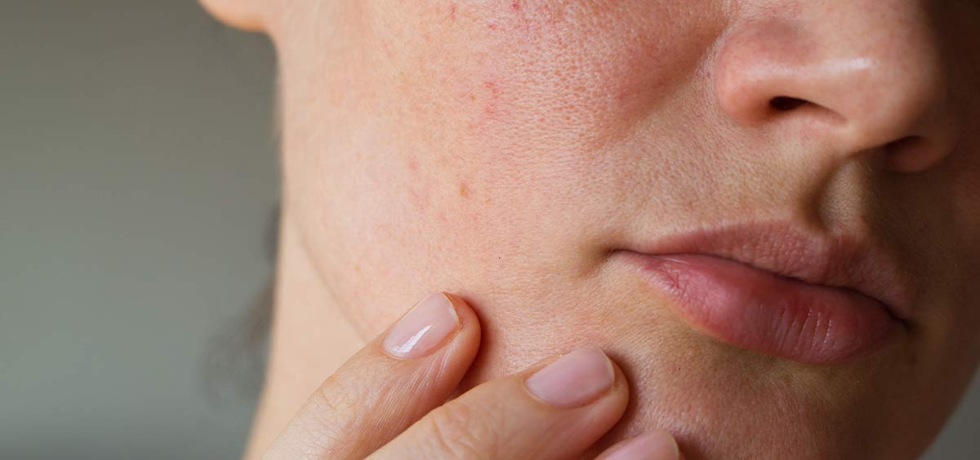
Sensitive skin can be a challenging condition to navigate, especially if you love experimenting with various skincare products. If you’re one of those individuals who experiences irritation or adverse reactions after trying new products, you may have sensitive skin. You may find that your skin reacts with redness, burning sensations, or even swelling when exposed to certain ingredients. The first step in addressing these issues is identifying your skin type and committing to a proper sensitive skincare routine.
Creating the Perfect Skincare Routine for Sensitive Skin
Caring for sensitive skin requires a gentle touch and tailored products. Heres a simplified skincare routine that can serve as a foundation for your sensitive skin care:
1. Cleansing: Start with a mild, non-irritating cleanser twice a day to unclog dirt-filled pores without stripping your skin of its natural moisture. Using a sulfate-free cleanser minimizes the risk of inflammation, making it an ideal choice for sensitive skin.
2. Toning: Incorporate a gentle toner that includes soothing ingredients such as chamomile or green tea. This step helps restore moisture and prepares your skin for further hydration.
3. Moisturizing: It is vital to lock in moisture using a non-comedogenic moisturizer that calms and hydrates your sensitive skin. Look for options that are rich in natural moisturizing factors, which will enhance your skins barrier function.
4. Exfoliating: Though sensitive skin requires caution, incorporating a mild exfoliant once a week can help remove dead skin cells, revealing fresh and vibrant skin underneath. A gentle scrub featuring natural ingredients will do wonders without causing irritation.
Ingredients to Avoid
When you’re following a sensitive skincare routine, its equally important to know what to avoid. Many products contain harsh chemicals and fragrances that can exacerbate sensitivity. Steer clear of alcohol-based products as they may lead to dryness and irritation. Opt for fragrance-free formulations, and avoid scrubs with rough particles that can cause microtears in your skin.
Expert Tips for Sensitive Skin Care
Managing sensitive skin takes patience and knowledge. Opt for products designed for sensitive skin and always perform a patch test before introducing something new into your routine. For even better results, adhere to a nutritious diet that supports skin health, and stay hydrated! If you continue to struggle with your skin condition, consult with a dermatologist who specializes in sensitive skin care for personalized advice tailored to your unique needs.
Frequently Asked Questions (FAQs)
1. What are the signs of sensitive skin?
Typical signs of sensitive skin include redness, burning sensations, and increased reactivity to various products or environmental factors.
2. How can I protect my sensitive skin during seasonal changes?
Use a thick moisturizer and consider applying sunscreen even on cloudy days to prevent negative reactions to temperature changes.
3. Can diet impact my sensitive skin?
Absolutely! A balanced diet rich in vitamins can contribute to improved skin health, alongside your sensitive skin care routine.
Sensitive skin requires extra love and attention, and creating the right skincare routine is essential for achieving a healthy, radiant complexion. With this guide, we hope to empower you to embrace your skin’s natural beauty while navigating the sensitive skin landscape.
For professional assistance and expert advice from leading dermatologists like Dr. Hital Patel, experience the benefits of Unveiling The Ultimate Sensitive Skin Care Guide with Hair & Skin Specialist Dr. Hital Patel at The Skin Artistry. Our clinics in PDPU Gandhinagar, Vastrapur Ahmedabad, and Hyderabad (Visiting Consultant) offer top-quality care and personalized treatments. Visit us today to learn more about our services and take advantage of our special offers! For more insights, updates, or to collaborate, stay connected with The Skin Artistry.

Understanding and Treating Acne: A Dermatologist’s Guide
Your Path to Clear Skin
Acne is a common skin condition that can affect individuals of all ages, causing not just physical but also emotional distress. Many struggle with persistent breakouts despite trying various over-the-counter products. However, understanding and treating acne effectively is possible with the right approach, often guided by a board-certified dermatologist. Lets explore how dermatologists diagnose and treat acne to help you achieve the clear skin you deserve.
What to Expect During an Acne Diagnosis
A dermatologist will begin your journey by diagnosing the type of acne you have. This is essential because different types of acne may require different treatments. During the consultation, the dermatologist will closely examine your skin to identify the various breakouts, determining any underlying factors causing your acne. Understanding this aspect is crucial as effective acne treatment options often begin with an accurate diagnosis.
Personalized Treatment Plans for Acne
At “The Skin Artistry”, we believe that everyones skin is unique, and thus, there is no one-size-fits-all solution for acne treatment. A personalized treatment plan may consist of several methods, including topical treatments, oral medications, and even medical procedures like chemical peels or light therapy. By working closely with your dermatologist, youll be equipped with the best tools to manage your acne effectively.
Topical Treatments: Your First Line of Defense
Topical medications are often the first line of defense against acne. These can include retinoids, benzoyl peroxide, and salicylic acid that target the underlying causes of acne. Proper application and adherence to your treatment plan are key, as it typically takes several weeks to start seeing improvements. Your dermatologist will provide you with usage tips to maximize the benefits of these products and minimize potential side effects.
Oral Medications: For Moderate to Severe Cases
If youre dealing with moderate to severe acne, your dermatologist may recommend oral medications. These can include antibiotics and hormonal treatments that address the root causes of acne more effectively. For specific cases, even isotretinoin may be prescribed as a last resort for stubborn nodular acne. Its crucial to discuss any potential side effects and monitor your treatment closely.
The Role of Medical Procedures in Acne Treatment
In certain cases, your dermatologist may suggest medical procedures to enhance your acne treatment regimen. Procedures like corticosteroid injections can reduce inflammation in severe breakouts, while chemical peels or laser treatments can help improve skin texture and clarity. Treatment plans may change over time, so regular check-ins with your dermatologist are important.
Maintaining Healthy Skin Post-Treatment
Once you have a handle on your acne condition, it’s important to maintain your results. This involves sticking to a skincare routine that cleanses and moisturizes your skin without clogging pores. Sunscreen is essential, especially when using acne treatments that can increase your skin’s sensitivity to UV rays. Healthy lifestyle choices, such as a balanced diet and sufficient hydration, can also contribute to clearer skin.
Conclusion: Take Action for Clear Skin
Clear skin is within your reach, but it takes commitment and the right guidance. If you find yourself frustrated with your acne, schedule a consultation with a dermatologist. With the expertise available at “The Skin Artistry,” you can develop a comprehensive treatment plan tailored to your unique skin needs. Dont just wait for your acne to clear; take proactive steps towards healthy, radiant skin.
FAQs
How long does it take to see results from acne treatment?
Results can vary, but it typically takes 6 to 8 weeks to see noticeable improvements post-treatment.
Can diet affect acne?
Yes, some dietary choices can contribute to acne severity, making a balanced diet essential for skin health.
For professional assistance and expert advice from leading dermatologists like Dr. Hital Patel, experience the benefits of understanding and treating acne with Hair & Skin Specialist Dr. Hital Patel at The Skin Artistry. Our clinics in PDPU Gandhinagar, Vastrapur Ahmedabad, and Hyderabad (Visiting Consultant) offer top-quality care and personalized treatments. Visit us today to learn more about our services and take advantage of our special offers! For more insights, updates, or to collaborate, stay connected with The Skin Artistry.
Have you been battling breakouts that just won’t budge, no matter how diligently you follow your skincare routine? If so, you might be dealing with fungal acne, a condition that is often misunderstood. Familiarizing yourself with fungal acne will equip you to recognize and combat this pesky skin issue before it takes hold. In this blog, we will explore what fungal acne really is, how to identify it, the common causes, effective treatments, and practical dos and donts to help you maintain healthy skin.
What Exactly Is Fungal Acne?
Fungal acne, known scientifically as Malassezia folliculitis, occurs due to an overgrowth of yeast in the hair follicles. Unlike traditional acne, which primarily involves bacteria, fungal acne is triggered by the proliferation of a yeast that thrives on the body’s natural oils and sweat. Symptoms often include itchy, inflamed bumps that can resemble regular acne but are often clustered on the back, shoulders, or chest.
Identifying Fungal Acne
Distinguishing fungal acne from regular acne is crucial. While both can cause similar breakouts, fungal acne often itches and appears in clusters. The bumps may contain pus and may be red and irritated. Furthermore, treating fungal acne with typical acne solutions can actually aggravate the condition antibiotic creams meant for bacterial acne can worsen things, making it essential to understand the right course of action.
Common Triggers for Fungal Acne
Several factors contribute to the onset of fungal acne, primarily related to excessive sweat and humidity. Living in a hot climate or engaging in heavy workouts without promptly showering afterward can lead to the proliferation of yeast. Additionally, wearing tight clothing that traps moisture can also promote fungal growth. Another surprising trigger can be the use of antibiotics; while they clear bacterial infections, they may inadvertently alter the balance of skin flora favoring yeast overgrowth.
Effective Treatments for Fungal Acne
If you suspect you have fungal acne, consulting a dermatologist is a vital step. Treatment typically involves medicated antifungal creams or oral medications that specifically target yeast. Over-the-counter antifungal shampoos can also be effective. These treatments help to combat the underlying yeast proliferation and reduce breakouts. Additionally, incorporating certain home remedies like yogurt, honey, or tea tree oil may offer some relief these ingredients can help control yeast production and soothe inflamed skin.
How Long Does Treatment Take?
With appropriate treatments, fungal acne can show improvement fairly quickly often within weeks. However, its important to note that fungal acne can recur if the underlying causes are not addressed, such as ensuring your skin remains clean and dry and avoiding known triggers.
The Do’s and Don’ts
While it may not be possible to prevent fungal acne entirely, following simple guidelines can help minimize the risk:
Do: Keep your skin dry and clean, especially after workouts. Use an antifungal body wash weekly.
Don’t: Wear tight clothing that traps moisture, and avoid re-wearing sweaty clothes without washing.
Do: Opt for products containing salicylic or glycolic acids to help manage oil levels.
Don’t: Use skincare products with fatty acids, which can fuel fungal growth.
Concluding Notes
Understanding fungal acne is the key to effective management. If you notice any unusual breakouts on your neck, back, or shoulders, consider consulting a dermatologist to ensure you get the right treatment tailored to your needs. At The Skin Artistry, we prioritize helping you maintain healthy, clear skin through education and personalized care.
For professional assistance and expert advice from leading dermatologists like Dr. Hital Patel, experience the benefits of Unveiling the Truth About Fungal Acne with Hair & Skin Specialist Dr. Hital Patel at The Skin Artistry. Our clinics in PDPU Gandhinagar, Vastrapur Ahmedabad, and Hyderabad (Visiting Consultant) offer top-quality care and personalized treatments. Visit us today to learn more about our services and take advantage of our special offers! For more insights, updates, or to collaborate, stay connected with The Skin Artistry.
×
Hello!
Click one of our representatives below to chat on WhatsApp or send us an email to skinconsultation@gmail.com