
Understanding Different Types of Skin Hyperpigmentation

image

Understanding Different Types of Skin Hyperpigmentation

A Deep Dive into Hyperpigmentation

Hyperpigmentation is a common skin condition that manifests as dark patches on the skin, leaving many individuals wondering about the exact causes and available treatments. While a few sun-kissed freckles might be charming, a more pronounced change in skin color demands understanding and attention. At The Skin Artistry, we are dedicated to helping you explore the various types of hyperpigmentation, their causes, and effective hyperpigmentation treatments available.

Sun Spots: The Result of UV Exposure

Exposure to the sun can lead to sun spots, also known as age spots or liver spots. These are brownish discolorations that vary in size, typically increasing as we age. Spending prolonged periods under the sun without proper protection accelerates their development. Regularly applying broad-spectrum sunscreen can greatly aid in preventing further darkening and the emergence of new spots, while certain hyperpigmentation treatments can help fade existing sun spots over time.

Moles and Freckles: Watch for Changes

Moles and freckles are forms of benign hyperpigmentation. Freckles usually appear as flat spots and are most common in fair-skinned individuals, while moles can be flat or raised and appear across all skin types. Even though most moles are harmless, some can develop into skin cancer, so it’s crucial to monitor them for any changes in shape, color, or size. If you notice any unusual behavior with your moles, consult a dermatologist at The Skin Artistry.

Post-Acne Hyperpigmentation: The Leather of Healing

Many people experience post-acne hyperpigmentation, which occurs when the skin discolors following the healing of acne. These darkened spots are often a form of post-inflammatory hyperpigmentation. They tend to fade on their own within a few months, but for those wanting faster results, topical treatments such as serums containing vitamin C or retinoids can assist in fading these marks more quickly.

Melasma: Hormonal Influences

Melasma is a unique form of hyperpigmentation predominantly affecting women, especially those who are pregnant or on hormonal medication. It presents as dark brown patches on the face, usually symmetrically located on the forehead, cheeks, nose, or upper lip. Treatments for melasma include topical creams and procedures such as chemical peels or laser therapies, which can help reduce its appearance. For a specialized approach, consult with experts at The Skin Artistry.

Fungal Infections and Hyperpigmentation

Fungal infections like tinea corporis can also lead to hyperpigmentation. This is often seen after the skin has healed but leaves behind dark patches. These hyperpigmented areas can linger for quite some time, sometimes taking weeks or months to fade. The primary step is to treat the underlying infection, usually with prescribed antifungal creams.

Conclusion: Your Path to Clearer Skin

Understanding the different types of hyperpigmentation is essential for effective treatment and prevention. Whether it’s sun spots, post-acne marks, or melasma, various treatment options are available to regain your skin’s natural glow. Remember, consistently using sunscreen and maintaining a proper skincare routine can significantly impact your skin’s health. For personalized solutions to your hyperpigmentation concerns, reach out to us at The Skin Artistry.

For professional assistance and expert advice from leading dermatologists like Dr. Hital Patel, experience the benefits of understanding different types of skin hyperpigmentation with Hair & Skin Specialist Dr. Hital Patel at The Skin Artistry. Our clinics in PDPU Gandhinagar, Vastrapur Ahmedabad, and Hyderabad (Visiting Consultant) offer top-quality care and personalized treatments. Visit us today to learn more about our services and take advantage of our special offers! For more insights, updates, or to collaborate, stay connected with The Skin Artistry.


Dermatologist-Tested Skincare Saviors

image

Dermatologist-Tested Skincare Saviors

Unlock the Secrets to Radiant Skin

When navigating the world of skincare, it can be overwhelming with countless products claiming to be the best. However, turning to dermatologist-tested skincare saviors not only simplifies your routine but also ensures you are using effective solutions. These products have undergone rigorous testing to meet the highest standards for safety and efficacy, making them ideal for Indian skin types and climates.

The Importance of Dermatologist-Approved Products

Choosing skincare approved by dermatologists provides a level of reassurance that the products are formulated with skin health in mind. Many common concerns, such as acne, hyperpigmentation, or dryness, can be effectively addressed with the right dermatologist-tested skincare saviors. These products contain active ingredients that not only treat existing issues but also prevent future problems, ensuring your skin remains healthy and glowing.

Must-Have Ingredients to Look For

When selecting your skincare, look out for ingredients that dermatologists recommend. For instance, salicylic acid is known for its ability to combat acne, while hyaluronic acid can deeply hydrate the skin. Additionally, formulations containing niacinamide can help with skin texture and pigmentation. The beauty of dermatologist-tested skincare saviors lies in their use of scientific ingredients that work harmoniously with your skin.

Personalized Skincare for Your Unique Needs

Everyone’s skin is unique, and what works for one person may not work for another. This is where The Skin Artistry can help you personalize your skincare routine. By consulting with an expert, you can receive tailored advice on which dermatologist-tested products would be best suited for your skin type, whether youre battling oily, dry, or combination skin. A personalized approach ensures you maximize the benefits of skincare.

Creating a Simple Yet Effective Skincare Routine

An effective skincare routine doesn’t need to be complicated. Start with a gentle cleanser, followed by a toner rich in antioxidants. Incorporate serum steps featuring treatments for specific concerns – such as acne or aging – followed by a moisturizer, and always finish with sunscreen during the day. By including dermatologist-tested skincare saviors across different stages, you will easily maintain a healthy, radiant complexion.

Final Thoughts and Actionable Steps

To ensure the best results, invest time in understanding your skin needs. Reach out to a professional for recommendations on dermatologist-tested options that cater specifically to your skin type and condition. Remember that consistency is key. Maintaining a regular routine using effective products can transform your skin over time.

For professional assistance and expert advice from leading dermatologists like Dr. Hital Patel, experience the benefits of dermatologist-tested skincare saviors with Hair & Skin Specialist Dr. Hital Patel at The Skin Artistry. Our clinics in PDPU Gandhinagar, Vastrapur Ahmedabad, and Hyderabad offer top-quality care and personalized treatments. Visit us today to learn more about our services and take advantage of our special offers! For more insights, updates, or to collaborate, stay connected with The Skin Artistry.

Revive Mom&#8217 s Radiance with This Dermatologist&#8217s Secret Trick

image

Revive Mom’s Radiance with This Dermatologist’s Secret Trick

Introduction

Every mother deserves to feel cherished and radiant, especially on special occasions like Mother’s Day. As a dermatologist with years of experience, I’m eager to share a simple yet effective trick that can help revive mom’s radiance effortlessly. This method is not just about looking good; its about boosting confidence and making her glow from the inside out!

Understanding the Causes of Dull Skin

As we age, our skin undergoes various changes that can lead to a more lackluster appearance. Factors such as stress, lack of sleep, and environmental aggressors contribute to dullness and a decrease in natural brilliance. Understandably, every busy mom may notice this change as the years pass, making the need for effective, simple solutions more pressing than ever.

Dermatologist’s Secret Trick: The Ultimate Skin Care Duo

To revive mom’s radiance, I propose a gentle yet powerful skin care routine that hydrates and rejuvenates dull skin without the need for invasive treatments. This method combines two potent products that, when used together, significantly enhance skin brightness. The first is a multi-action serum that maintains optimal hydration and plumps dull skin, while the second is an antioxidant skin therapy that replenishes essential nutrients and calms irritation.

How It Works: A Brief Breakdown

The secret lies in the science behind these products. The multi-action serum employs advanced skin care technology that includes multiple molecular weights of hyaluronic acid, which works at different skin levels to lock in moisture. This prevents dryness while giving the skin a dewy glow. Pairing this with antioxidant therapy soothes inflammation and revitalizes the skin’s surface. Together, they create an effective treatment for restoring lost luster.

Personalizing Mom’s Experience

Tailoring this routine to your mom’s skin type is essential. Whether she has dry, oily, or combination skin, both products can be adjusted to enhance effectiveness. Consulting with a dermatologist can also provide her with an individualized plan to maximize results and keep her skin healthy in the long term.

Actionable Advice for a Memorable Mothers Day

This Mothers Day, gift her the experience of rejuvenated skin with this dermatologist-approved secret. Create a pampering kit featuring the multi-action serum and antioxidant therapy, and perhaps even enjoy a spa day together. Show her how much you appreciate her with a gesture that not only brings brightness to her complexion but also fills her heart with joy.

Frequently Asked Questions

What are the best products for dull skin?
Look for hydrating serums and antioxidant therapies that target moisture retention and skin soothing properties as a great start.

How often should I use these products?
Use them daily for optimal results, applying the serum followed by the antioxidant therapy for a full skin revival experience.

Conclusion

By combining these easy-to-use products into mom’s skincare routine, you can help her achieve that sought-after radiant glow. Show her the respect and love she deserves, not just on Mother’s Day, but every day of the year!

For professional assistance and expert advice from leading dermatologists like Dr. Hital Patel, experience the benefits of Reviving Mom’s Radiance with Hair & Skin Specialist Dr. Hital Patel at The Skin Artistry. Our clinics in PDPU Gandhinagar, Vastrapur Ahmedabad, and Hyderabad (Visiting Consultant) offer top-quality care and personalized treatments. Visit us today to learn more about our services and take advantage of our special offers! For more insights, updates, or to collaborate, stay connected with The Skin Artistry.

Revitalizing Hair Loss Solutions at The Skin Artistry

image

Revitalizing Hair Loss Solutions at The Skin Artistry

Understanding Hair Loss

Hair loss can be a daunting challenge for many individuals, impacting not just their appearance but also their self-esteem. At The Skin Artistry, we understand that both men and women experience hair loss differently, and our approach to treating this concern focuses on rejuvenation and restoration. With advances in technology and science, there are many revitalizing hair loss solutions available that cater specifically to your individual needs.

Assessing Hair Loss: The First Step

Before embarking on any hair loss treatment journey, a thorough assessment is crucial. At The Skin Artistry, our specialists commence with a detailed medical history and physical examination to evaluate your condition. Techniques such as hair analysis tests, scalp biopsies, and photographic assessments allow us to identify the specific causes of your hair loss while ensuring that we tailor solutions that suit your lifestyle and hair type.

Innovative Treatment Options

The world of hair loss treatment has evolved significantly, and our offerings at The Skin Artistry utilize the latest advancements. From medical options such as Finasteride and Minoxidil, which can effectively halt or even reverse hair loss, to non-invasive solutions like Low-Intensity Laser Therapy (LHT) that promote hair growth by stimulating metabolism in hair follicles, we’ve got you covered. These treatments are particularly effective for both men and women seeking revitalizing hair loss solutions that have proven results.

Microneedling and Mesotherapy: A Modern Approach

Microneedling and mesotherapy have gained popularity for their effectiveness in enhancing hair growth. At The Skin Artistry, we use microneedles to create micro-injuries to the scalp, promoting self-repair and increasing blood circulation to the follicles. Combined with mesotherapy, which delivers vital nutrients and growth factors directly to the scalp, these techniques offer a revolutionary way to combat hair thinning and enhance the overall health of your hair.

PRP Therapy: Harnessing Your Body’s Natural Potentials

Platelet-Rich Plasma (PRP) therapy is another highly effective option employed at The Skin Artistry. By extracting and concentrating growth factors from your own blood and injecting them into the scalp, this treatment triggers healing and stimulates hair follicles, fostering new growth. While PRP is not a complete solution for advanced cases of hair loss, it is incredibly useful for revitalizing hair and can dramatically improve density and health.

Surgical Solutions for Severe Hair Loss

For those with significant hair loss, surgical options like Follicular Unit Transplantation (FUT) and Follicular Unit Extraction (FUE) may be necessary. These procedures involve harvesting hair follicles from a donor area and implanting them into thinning or bald areas. Our expert team at The Skin Artistry is skilled in performing these surgeries, ensuring minimal scarring and a natural look, thus restoring not just hair but also confidence.

Conclusion: Take the First Step Towards Revitalization

If you’re struggling with hair loss and looking for solutions that can revitalize your look, The Skin Artistry is here to assist you. We offer comprehensive assessments and tailored strategies to meet your specific needs. Don’t let hair loss define you; take action today, and let our skilled professionals help you regain not just your hair, but also your confidence.
For professional assistance and expert advice from leading dermatologists like Dr. Hital Patel, experience the benefits of revitalizing hair loss solutions with Hair & Skin Specialist Dr. Hital Patel at The Skin Artistry. Our clinics in PDPU Gandhinagar, Vastrapur Ahmedabad and Hyderabad (Visiting Consultant) offer top-quality care and personalized treatments. Visit us today to learn more about our services and take advantage of our special offers! For more insights, updates, or to collaborate, stay connected with The Skin Artistry.
Enhancing Your Facial Hair: The Art of Beard Transplants

image

Enhancing Your Facial Hair: The Art of Beard Transplants

Introduction to Beard Transplants

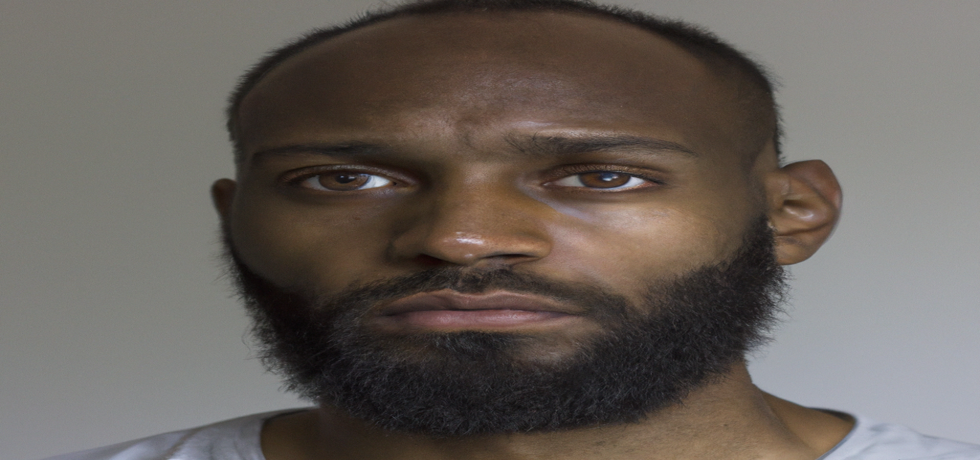
In today’s world, where facial hair has become a significant aspect of men’s grooming and personal style, many individuals struggle with patchy or insufficient beards. Thanks to advances in dermatological procedures, beard transplants have surged in popularity, providing a solution for those who want to enhance their facial hair. The art of beard transplants not only allows for a fuller appearance but also represents a confidence boost for many men. Lets delve into the ins and outs of this transformative procedure, exploring both its benefits and considerations.

How Beard Transplants Work

Beard transplantation involves extracting hair follicles from a donor area, typically the scalp or the back of the neck, and strategically implanting them into desired areas on the face, such as the cheeks, chin, and neck. This meticulous process is known as Follicular Unit Extraction (FUE) and ensures minimal scarring, resulting in a more natural appearance compared to older hair plug techniques. Realism is key, and the majority of patients report satisfaction with their beard transplant results.

Advantages of Beard Transplants

One of the major perks of beard transplants is the natural-looking results they yield. Thanks to advanced techniques, a well-performed transplant can mimic how your beard would naturally grow. Furthermore, this treatment is relatively quick, allowing patients to resume their daily activities soon after. Patients can see the benefits of their beard transplant as early as three to six months post-procedure, showcasing a fuller beard without the wait.

Potential Drawbacks

While the allure of a fuller beard is undeniable, it’s essential to consider the potential downsides. Scarring at the donor site, although usually minimal, can sometimes be more visible depending on hair type and treatment technique. Infections can occur if proper hygiene is not maintained during recovery. Moreover, finding a skilled surgeon is vital; otherwise, one risks the problem of overharvesting, which can lead to noticeable scarring in the donor area. This is why thorough research is crucial when considering a beard transplant.

Alternatives to Beard Transplants

For those hesitant about surgical options, various alternatives exist to enhance facial hair. Products like MINOXIDIL can stimulate hair growth and are particularly popular among men looking to fill in their beard patches. Topical applications can complement treatments, offering additional support in achieving that sought-after beard look. However, always consult with a professional to ensure youre choosing the safest and most effective products for your needs.

Conclusion and Actionable Tips

Enhancing facial hair through the art of beard transplants can be a transformative journey for many. However, its essential to weigh the pros and cons carefully. If youre considering this option, opt for a consultation with a qualified dermatologist to discuss your options and what specifically might work best for your unique hair growth pattern. Remember, self-esteem is critical in this decision, and ensuring you feel confident and satisfied with your appearance is the primary goal.

FAQs

Q: How long does the beard transplant procedure take?
A: Most beard transplants can be completed in a single session lasting between two to twelve hours, depending on the number of grafts being transplanted.

Q: Is the recovery process painful?
A: Most patients report minimal discomfort during the healing process, with quick recovery times that allow them to return to normal activities shortly after treatment.

For professional assistance and expert advice from leading dermatologists like Dr. Hital Patel, experience the benefits of enhancing your facial hair with Hair & Skin Specialist Dr. Hital Patel at The Skin Artistry. Our clinics in PDPU Gandhinagar, Vastrapur Ahmedabad and Hyderabad (Visiting Consultant) offer top-quality care and personalized treatments. Visit us today to learn more about our services and take advantage of our special offers! For more insights, updates, or to collaborate, stay connected with The Skin Artistry.
Sun Safety After Hair Transplant: A Complete Guide

image

Sun Safety After Hair Transplant: A Complete Guide

Your Guide to Protecting Your New Hair

After undergoing a hair transplant, one of the most crucial aspects to consider is sun safety. Many people looking for a long-term hair loss solution embark on this journey, but understanding how to properly care for your newly transplanted hair is essential. This guide will help you navigate the dos and donts of sun exposure after a hair transplant, ensuring that your healing process goes smoothly and your results are maximized.

Why Sun Safety Matters Post-Transplant

The skin on your scalp is especially vulnerable after a hair transplant. Newly implanted hair follicles require a delicate environment to root themselves securely. Sun exposure can lead to damage, prolonging the healing process and potentially resulting in hair transplant failure. Thus, embracing appropriate sun safety measures is not just advisable; it’s essential for the overall success of your procedure.

Understanding How Sun Damage Occurs

After a transplant, your scalp has fresh incisions that need time to heal. Direct sunlight, particularly its ultraviolet (UV) rays, can harm these sensitive areas, leading to complications such as excess scarring. The cells in your skin responsible for pigmentation, known as chromatophores, take time to regain full function after the procedure. This means that your transplanted skin is at a heightened risk for damage if exposed to the sun prematurely.

How Long Should You Avoid the Sun?

Experts recommend protecting your scalp from the sun for at least four months after your hair transplant. This doesnt mean you have to stay indoors, but you should take precautionary measures. Wearing a wide-brimmed hat or using scarves can provide necessary coverage. Avoid using gels or styling products that could irritate the healing skin; instead, focus on allowing your scalp to breathe and heal properly.

Best Practices for Sun Protection

When venturing outside, it’s vital to cover your scalp adequately and avoid sweating. Excessive perspiration can interfere with the healing of the surgical site and could even increase the risk of infection. Opt for light, breathable fabrics that prevent sweating while ensuring your transplant area is shielded.

Actionable Tips for Post-Transplant Care

To maximize the success of your hair transplant, follow these actionable tips:
– Use sunscreen with a high SPF on exposed areas when outdoors, but be cautious around the transplanted area.
– Consider using an umbrella or seeking shade to reduce direct sunlight exposure.
– Maintain a regular follow-up schedule with your dermatologist to ensure proper healing and address any concerns.

At The Skin Artistry, we prioritize your health and the longevity of your transplant results. With our experienced team guiding you on post-operative care, youll be on your way to enjoying your new hair while ensuring optimal protection from harmful UV rays.

Conclusion

Taking care of your scalp after a hair transplant is paramount. By prioritizing sun safety and following these guidelines, you can contribute greatly to the success of your new hair. Remember, its not just about the procedure; its about the care that follows.

For professional assistance and expert advice from leading dermatologists like Dr. Hital Patel, experience the benefits of sun safety after hair transplant with Hair & Skin Specialist Dr. Hital Patel at The Skin Artistry. Our clinics in PDPU Gandhinagar, Vastrapur Ahmedabad, and Hyderabad (Visiting Consultant) offer top-quality care and personalized treatments. Visit us today to learn more about our services and take advantage of our special offers! For more insights, updates, or to collaborate, stay connected with The Skin Artistry.
Ultimate Guide to Healthy Hair Care in Monsoon

image

Ultimate Guide to Healthy Hair Care in Monsoon

Your Essential Guide to Nurturing Your Locks

The monsoon season is a time of joy as it brings much-needed relief from heat, but it also presents unique challenges for your hair. High humidity levels and dampness can lead to a host of hair problems, making it crucial to adopt effective hair care routines. In this ultimate guide, well explore how to maintain healthy hair during the monsoon season, addressing common concerns like hair fall and scalp infections, while offering practical tips you can easily implement in your daily routine.

Understanding Monsoon Hair Issues

During the monsoon, the increased humidity can make your hair greasy and sticky, leading to issues like dandruff and an itchy scalp. The excessive moisture encourages the growth of fungi and bacteria, which can worsen hair loss and scalp infections. It is essential to recognize these challenges and take proactive steps to protect your hair from the damaging effects of the monsoon climate.

Regular Washing and Conditioning

To combat scalp infections and prevent hair fall during the monsoon, it is important to wash your hair regularly with a mild shampoo. This helps remove dirt and excess oil without stripping the hair of its natural moisture. Conditioning your hair after every wash creates a protective barrier, reducing damage from humidity and rain. Selecting the right products that cater to your hair type can significantly boost the effectiveness of your hair care routine.

Combing and Styling Wisely

Your combing technique also matters during monsoon season. Wet hair is more fragile, so its advisable to use a wide-toothed comb instead of a hairbrush to minimize breakage. Avoid tight hairstyles that can cause stress on the hair shaft. Its also wise to limit the use of styling tools, as they can contribute to dryness and further aggravate hair loss during this humid period.

Protecting Your Hair Naturally

Protecting your hair from the rain is vital. Use scarves or hats when going out, as these can absorb moisture and prevent your hair from becoming drenched. You can also consider applying natural oils or serums to create a protective layer, which can help keep your hair hydrated and shielded from external elements.

Nutrition for Healthy Hair

A balanced diet plays a significant role in maintaining healthy hair. Incorporating protein-rich foods and plenty of water can strengthen hair strands and prevent excessive hair fall. Foods like eggs, spinach, and nuts are excellent for nourishing your hair. Consuming a variety of fresh fruits and vegetables will ensure your body gets the vitamins and minerals it needs to promote optimal hair health.

Adjusting Your Sleep Patterns

Don’t underestimate the power of a good night’s sleep. Adequate rest is crucial for overall health, including hair growth. Make sure to maintain regular sleep schedules to reduce stress levels, which can also contribute to hair loss. Integrating relaxation techniques into your nightly routine can enhance your sleep quality and keep your hair looking its best.

Conclusion: Take Action for Healthy Hair

The monsoon may bring challenges, but with careful attention and proactive measures, you can keep your hair healthy and vibrant. Remember, prevention is keyincorporating regular washes, proper nutrition, and protective measures will help minimize hair fall and scalp infections. If you’re experiencing persistent hair issues, reaching out to a professional can provide further insights tailored to your specific needs.

For professional assistance and expert advice from leading dermatologists like Dr. Hital Patel, experience the benefits of the ultimate guide to healthy hair care in monsoon with Hair & Skin Specialist Dr. Hital Patel at The Skin Artistry. Our clinics in PDPU Gandhinagar, Vastrapur Ahmedabad, and Hyderabad (Visiting Consultant) offer top-quality care and personalized treatments. Visit us today to learn more about our services and take advantage of our special offers! For more insights, updates, or to collaborate, stay connected with The Skin Artistry.

Understanding Alopecia Barbae: Insights and Solutions

image

Understanding Alopecia Barbae: Insights and Solutions

What is Alopecia Barbae?

Alopecia barbae is a form of alopecia areata, which is an autoimmune condition that leads to hair loss. Unlike other forms of hair loss, this specific condition targets the beard area, resulting in patchy hair loss. Typically, it presents as small circular bald spots along the jawline, but it can also affect other areas of the face and scalp. Understanding this condition is crucial, as the psychological and physical implications can be significant.

Causes of Alopecia Barbae

While the exact cause of alopecia barbae remains unknown, it is widely believed to be linked to genetic predisposition and immune system malfunction. Autoimmune diseases can stem from various sources, including infections or significant stress. Additionally, those with a family history of autoimmune conditions such as lupus, psoriasis, or type 1 diabetes may be more susceptible to alopecia barbae. Recognizing these risk factors can help in early diagnosis and management of this hair loss issue.

Symptoms to Look Out For

The hallmark symptom of alopecia barbae is the sudden emergence of quarter-sized bald patches, often leading to overlapping areas of hair loss. Initially, one may experience irritation, itchiness, or a rough texture on the skin around these patches. As the condition persists, the affected skin can show signs of redness or inflammation. Understanding these symptoms is vital for timely consultation with a dermatologist.

Diagnosis Methods

Diagnosing alopecia barbae typically involves a thorough examination by a dermatologist who will assess the characteristics of hair loss. Microscopic analysis of hair samples may be conducted, accompanied by blood tests to check for potential infections or other autoimmune disorders. This comprehensive approach ensures an accurate diagnosis, which is crucial for developing the right treatment plan.

Treatment Options for Alopecia Barbae

While there is no one-size-fits-all solution for treating alopecia barbae, various methods can effectively manage symptoms. Treatments often aim to suppress the immune system’s attack on hair follicles and encourage regrowth. Medications prescribed by dermatologists may be necessary, particularly if underlying infections are present. In addition to professional treatment, many find success with natural remedies, such as garlic gel, biotin supplements, and essential oils like rosemary and lavender.

Living with Alopecia Barbae

The emotional toll of living with alopecia barbae can be challenging. Its important to recognize and accept the feelings that arise from the condition. Joining support groups and connecting with people who share similar experiences can offer valuable emotional relief and encouragement. Creating a positive mindset and seeking professional help when necessary can go a long way toward coping with this autoimmune condition.

Actionable Advice for Managing Alopecia Barbae

If you are experiencing hair loss due to alopecia barbae, it is essential to consult a dermatologist to determine the best course of action based on your specific situation. Experimenting with various treatmentsranging from medical to DIY remediescan be beneficial. Maintaining a healthy diet and lifestyle can also support overall well-being and may positively affect hair health.

Frequently Asked Questions

Is alopecia barbae permanent?
Alopecia barbae can vary in its duration; some individuals may experience regrowth, while others may see prolonged hair loss.
Can stress trigger alopecia barbae?
Yes, significant stress can act as a trigger for autoimmune conditions, including alopecia barbae.
For professional assistance and expert advice from leading dermatologists like Dr. Hital Patel, experience the benefits of understanding alopecia barbae with Hair & Skin Specialist Dr. Hital Patel at The Skin Artistry. Our clinics in PDPU Gandhinagar, Vastrapur Ahmedabad, and Hyderabad (Visiting Consultant) offer top-quality care and personalized treatments. Visit us today to learn more about our services and take advantage of our special offers! For more insights, updates, or to collaborate, stay connected with The Skin Artistry.
Celebrate Maha Shivratri with Haircare Tips

image

Celebrate Maha Shivratri with Haircare Tips

Introduction to Haircare on a Spiritual Day

Maha Shivratri is not just a time for spiritual reflection but also a wonderful opportunity to pamper oneself, particularly when it comes to haircare. As we honor Lord Shiva’s energy, its the perfect moment to rejuvenate our hair. Let’s explore some fantastic haircare tips that not only celebrate this auspicious day but also promote healthy and beautiful hair.

The Importance of Healthy Hair

Healthy hair is often seen as a sign of vitality and well-being. On this Shivratri, prioritize your haircare routine by incorporating natural treatments. Using herbal oils and natural masks can significantly improve hair texture and strength. Taking time for our hair can transform not just our appearance but also our confidence.

Nourishing Oils for Your Hair

One of the best ways to ensure your hair is in top shape is through the use of nourishing oils. Oils such as coconut, almond, and olive are excellent for hydrating and enriching hair strands. You can massage warm oil onto your scalp to stimulate blood flow, which is essential for hair growth. This simple ritual can bring emotional and physical benefits, making it an ideal practice to adopt during this auspicious time.

Homemade Hair Masks

Another enriching practice to incorporate is using homemade hair masks. Ingredients like yogurt, honey, and aloe vera are not only available in most Indian households but also serve as natural remedies for various hair concerns. These masks help combat dryness and conditions like dandruff, making them perfect for an effective haircare routine. Applying these masks regularly can weave a layer of nourishment, ensuring your hair looks and feels healthy.

Protect Your Hair

As you engage in Shivratri celebrations, it is also essential to protect your hair from environmental stressors. Whether you’re participating in outdoor gatherings or getting involved in festivities, covering your hair with a scarf or hat can shield it from dust and pollutants. This simple action can prevent damage and maintain its shine, making a noticeable difference.

Conclusion: Embrace a Holistic Haircare Routine

As we celebrate Maha Shivratri, let this be an opportunity to embrace not just spiritual practices but also holistic haircare routines. Spend time nourishing your hair and incorporating natural remedies to enhance your well-being. Remember, a little attention to haircare can go a long way in boosting your confidence and overall appearance during the celebrations.

FAQ

What are some effective natural ingredients for hair masks?
Natural ingredients such as yogurt, honey, aloe vera, and even avocados can be excellent bases for homemade hair masks. They provide moisture, strengthen hair, and can address various hair issues.

How can I keep my hair protected during festivals?
The best way to protect your hair during festivals is to cover it with a scarf or hat. Additionally, a leave-in conditioner can help shield it from dehydration and environmental damage.

For professional assistance and expert advice from leading dermatologists like Dr. Hital Patel, experience the benefits of celebrating Maha Shivratri with Haircare Tips with Hair & Skin Specialist Dr. Hital Patel at The Skin Artistry. Our clinics in PDPU Gandhinagar, Vastrapur Ahmedabad and Hyderabad (Visiting Consultant) offer top-quality care and personalized treatments. Visit us today to learn more about our services and take advantage of our special offers! For more insights, updates, or to collaborate, stay connected with The Skin Artistry.

Understanding Baldness and Hair Restoration Options

image

Understanding Baldness and Hair Restoration Options

Introduction to Baldness

Baldness is a common concern that affects many individuals, especially men, as they age. It can have a significant impact on self-esteem and body image. Understanding the various hair restoration options available can help individuals make informed decisions about addressing their hair loss. In this blog post, we will explore the causes of baldness and the available hair restoration treatments to aid in regrowing hair and restoring confidence.

Understanding the Causes of Baldness

Baldness typically occurs due to genetic factors, hormonal changes, and aging. The most prevalent type is male pattern baldness, which is characterized by a receding hairline and thinning crown. While many associate baldness primarily with age, it can also affect younger people. Hormones, particularly dihydrotestosterone (DHT), play a crucial role in the hair loss process. Recognizing these underlying causes enables individuals to choose suitable hair restoration options that effectively target their specific concerns.

Non-Surgical Hair Restoration Techniques

For those looking to tackle hair loss without surgery, several non-surgical treatments are available. Medications such as minoxidil and finasteride have been shown to slow hair loss and promote regrowth in some individuals. Additionally, laser therapy is gaining popularity as a way to stimulate hair follicles and enhance hair growth. Men and women struggling with hair loss may also consider using wigs and hairpieces as an instant solution to regain their confidence. These alternatives can serve as effective means to navigate through the challenges of baldness before considering surgical options.

Surgical Solutions: Hair Transplant Surgery

Hair transplant surgery is a more permanent solution for individuals with significant hair loss, particularly in cases of male pattern baldness. The process involves extracting donor hair follicles, usually from the back or sides of the scalp, and transplanting them into the thinning or bald areas. There are two primary techniques used in hair transplant surgery: Follicular Unit Extraction (FUE) and Follicular Unit Transaction (FUT). Each method has distinct benefits and may be suitable for different patients, depending on their age, level of baldness, and donor hair availability.

Myths vs. Facts About Hair Transplant Surgery

There are many misconceptions surrounding hair transplantation that can lead to fear and hesitation. For instance, a common myth is that hair transplants entirely cure baldness; however, while they can provide a fuller appearance in treated areas, they do not prevent future hair loss elsewhere. Another misconception is that older individuals cannot undergo hair transplants; in reality, candidate age frequently does not disqualify one from receiving this procedure, provided they are healthy and have sufficient donor hair. Understanding these myths allows individuals to make better-informed decisions regarding their hair restoration journey.

Aftercare and Expectations from Hair Restoration Procedures

Post-treatment care is essential for maximizing results following hair restoration. After a hair transplant, patients can often resume gentle hair washing just one day post-surgery, which ensures proper hair follicle healing. It’s important to note that hair growth will occur gradually; patients should not expect immediate results. Consistent follow-up with healthcare providers and adherence to aftercare instructions is crucial for achieving optimal outcomes.

Conclusion and Next Steps

Baldness is a common issue that can affect self-image and confidence. By understanding the various baldness causes and exploring hair restoration optionsboth surgical and non-surgicalindividuals can take proactive measures to address their hair loss. It is always advisable to consult professionals to assess your unique situation and learn which options will work best for you.

FAQs About Hair Restoration

1. How long does it take for transplanted hair to grow?
It usually takes several months before transplanted hair begins to grow, with noticeable results typically seen around the fifth month and optimal results by the one-and-a-half-year mark.

2. Is hair restoration surgery painful?
Most patients report minimal discomfort, as local anesthesia is administered prior to the procedure. Aftercare plays a crucial role in managing any potential discomfort.

3. Can women undergo hair transplant procedures?
Yes, women can also benefit from hair transplant procedures, depending on their level of hair loss and health assessments.

For professional assistance and expert advice from leading dermatologists like Dr. Hital Patel, experience the benefits of understanding baldness and hair restoration options with Hair & Skin Specialist Dr. Hital Patel at The Skin Artistry. Our clinics in PDPU Gandhinagar, Vastrapur Ahmedabad, and Hyderabad (Visiting Consultant) offer top-quality care and personalized treatments. Visit us today to learn more about our services and take advantage of our special offers! For more insights, updates, or to collaborate, stay connected with The Skin Artistry.