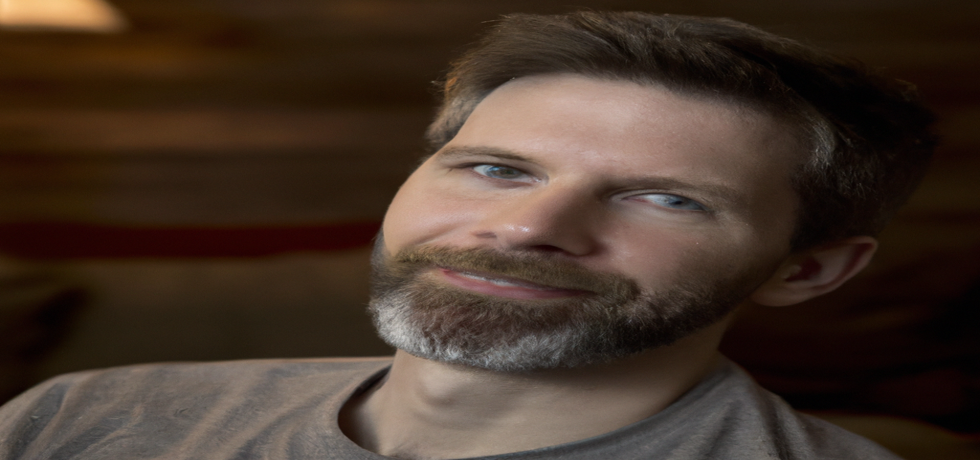
The Ultimate Guide to Perfecting Your Beard Transplant

image

The Ultimate Guide to Perfecting Your Beard Transplant

Understanding Beard Transplantation

A beard is more than just facial hair; it often represents masculinity and style. For many men, lacking a full or perfectly shaped beard can affect their confidence. Luckily, advancements in dermatology have led to the increasing popularity of beard transplants, offering a solution to those looking to enhance their facial hair. This guide will walk you through the essential steps and methods to perfect your beard transplant journey.

The Procedure: How Does a Beard Transplant Work?

Beard transplants involve transferring hair follicles from donor sites on the bodyusually the scalpto fill in patchy or sparse areas of facial hair. The most common methods include Follicular Unit Extraction (FUE) and Follicular Unit Transplantation (FUT). The FUE technique is particularly favored as it results in minimal scarring and shorter recovery time. Understanding the intricacies of the procedure is crucial for anyone considering this option, especially in ensuring long-lasting results.

Who is a Good Candidate for Beard Transplant Procedures?

Not every man will be suitable for a beard transplant. Candidates must ideally have realistic expectations about the results and be in good health. Those with patchy beards, scars, or areas of beard loss from injuries will likely benefit most from such procedures. Consulting with professionals at The Skin Artistry ensures that you receive a personalized assessment based on your unique needs.

Pre-Transplant Care: Steps to Prepare

Preparation is key to achieving the best possible outcome from your beard transplant. It’s advisable to avoid medications like blood thinners and anti-inflammatories for at least a week before your procedure. Additionally, a healthy skincare routine leading up to the transplant can help improve the condition of your skin, providing a better foundation for the new hair growth. Remember, optimal conditions play a vital role in a successful beard hair transplant.

Post-Transplant Care: What to Expect

After the procedure, patients may notice small crusts around the transplanted follicles. Initial healing typically takes a few days, and it’s important to follow all post-operative guidelines provided by your dermatologist. For instance, avoiding sun exposure and refrain from strenuous activities during this period can help ensure effective healing. Many patients see new hair growth within a few months, with full results generally visible after about a year.

The Benefits of Beard Transplants

The advantages of darkening and enhancing your beard through transplant procedures are numerous. Not only does it improve ones appearance, but it also contributes to increased self-esteem and personal satisfaction. Additionally, many men report feeling more confident in social and professional settings with a fuller beard, reflecting their personality and style.

Consult Professionals for the Best Outcomes

Choosing the right clinic for your beard transplant can significantly impact the results. At The Skin Artistry, experienced dermatologists offer tailored treatment plans designed to meet the specific needs of each patient. With cutting-edge technology and techniques, you can achieve a beard that not only complements your facial structure but also aligns with your personal style.

Conclusion

A bear transplant can be a transformative procedure, helping men achieve the look they desire. If you’re considering a beard transplant, make sure to consult with professionals to guide you through the process. Remember to embrace the journey towards your best-looking beard with all the right preparations and care.

FAQs

1. How long does a beard transplant take?
The procedure typically takes between 3-5 hours, depending on the number of grafts needed.

2. Is a beard transplant painful?
Most patients report minimal discomfort during the procedure, especially when performed by skilled dermatologists.

For professional assistance and expert advice from leading dermatologists like Dr. Hital Patel, experience the benefits of the ultimate guide to perfecting your beard transplant with Hair & Skin Specialist Dr. Hital Patel at The Skin Artistry. Our clinics in PDPU Gandhinagar, Vastrapur Ahmedabad, and Hyderabad (Visiting Consultant) offer top-quality care and personalized treatments. Visit us today to learn more about our services and take advantage of our special offers! For more insights, updates, or to collaborate, stay connected with The Skin Artistry.

Celebrate Ugadi with Wellness at Home

image

Celebrate Ugadi with Wellness at Home

Introduction to Ugadi Celebrations

Ugadi marks a new beginning as it welcomes the Hindu new year, particularly celebrated in southern India. This festive occasion is not only about vibrant festivities and delicious food but also an opportunity to focus on your wellness. As everyone stays home to celebrate, it’s the perfect time to indulge in self-care routines that nourish both your skin and hair. This blog explores ways to celebrate Ugadi with wellness at home, ensuring you feel rejuvenated and radiate happiness during this auspicious time.

Revitalizing Skincare Routine for Festivities

A good skincare routine is essential, especially during festive seasons. You can begin with a gentle cleanse to remove impurities followed by an exfoliation that sloughs off dead skin cells, promoting a fresh glow. Incorporating natural ingredients like turmeric and aloe vera can significantly enhance your skins brightness and hydration levels. Remember, the key is to maintain a consistent skincare routine that not only prepares your skin for celebrations but also keeps it healthy.

Nourishing Your Hair for a Festive Look

Your hair deserves special attention during Ugadi as well. Utilizing natural hair masks made of yogurt and honey can deeply nourish your hair, keeping it healthy and vibrant. Regular oiling, especially with coconut or almond oil, stimulates hair growth and can prevent any damage. Embracing these hair care techniques will ensure that you not only look great but also feel confident while celebrating with family and friends.

Mindful Wellness Practices

Celebrating Ugadi can also be about nurturing your mental and emotional health. Engage in mindful practices such as yoga or meditation that help to reduce stress and increase your overall well-being. These practices, when combined with the spirit of gratitude that Ugadi embodies, can lead to a sense of inner peace and harmony. Prioritizing your wellness during this festive time enhances your connections with loved ones, making celebrations more meaningful.

Final Thoughts on Celebrating Ugadi with Wellness

As you usher in the new year this Ugadi, consider incorporating these self-care practices into your celebrations. By focusing on skincare and haircare, along with mental wellness, you can truly enjoy a vibrant and healthy start to the year. Remember, taking the time for self-care is not just a luxury, but an essential aspect of a balanced life.
For professional assistance and expert advice from leading dermatologists like Dr. Hital Patel, experience the benefits of celebrating Ugadi with Hair & Skin Specialist Dr. Hital Patel at The Skin Artistry. Our clinics in PDPU Gandhinagar, Vastrapur Ahmedabad and Hyderabad (Visiting Consultant) offer top-quality care and personalized treatments. Visit us today to learn more about our services and take advantage of our special offers! For more insights, updates, or to collaborate, stay connected with The Skin Artistry.

Understanding the Timeline of Hair Grafts Post-Transplant

image

Understanding the Timeline of Hair Grafts Post-Transplant

Introduction to Hair Transplantation

Hair transplantation is a popular solution for those experiencing hair loss. It involves transferring hair follicles from a donor site to an area of thinning or balding on the scalp. Once the procedure is conducted, understanding the timeline of hair grafts is crucial for ensuring successful results. Here, well take a closer look at how long it takes for these grafts to settle after a hair transplant and what to expect during the recovery process.

The Initial Days Post-Transplant

The healing process for transplanted hair grafts usually takes around 8-10 days. It is important to note that for the first two weeks, care should be taken not to disturb the grafts. During the first few days, any bandages applied can be removed, but it is crucial to avoid touching the grafts. Your hair can be washed gently without the use of your hands, using clean water to help maintain the health of the scalp and transplanted follicles.

Two Weeks After Hair Transplant

After about two weeks, you can begin to wash your hair regularly and return to your daily routine. If there are any non-dissolvable stitches, they will typically be removed during this time. It is natural for some of the transplanted grafts to shed as the new hair begins to grow, a process that usually starts about five months post-transplant. This shedding can make individuals anxious, but it is a normal part of the hair growth cycle.

Long-Term Expectations

Most patients begin to see new hair growth around six months after the surgery. The final results of the hair transplant can take up to 12-18 months for full results to be visiblecomplete hair growth can take time and requires patience. Understanding this timeline is essential for managing expectations when undergoing hair transplantation.

Factors Affecting Graft Survival

The success of a hair transplant depends on several factors that influence the survival of hair grafts. Health issues, the technique used, and the care given post-surgery all affect outcomes. Donor scalp quality, physical trauma to grafts, and environmental factors can impact how well the grafts settle and grow. Following post-procedure advice from your healthcare provider at The Skin Artistry is critical in ensuring the success of your hair grafts.

Aftercare Tips for Optimal Results

Good aftercare can significantly affect your hair transplant results. Avoid brushing or combing the new grafts for about three weeks. Steer clear of hats or tight clothing that might irritate the transplanted area. Gentle hair washing can be resumed after a few days, but it is best to use mild shampoos as recommended by your doctor. Understanding these aftercare guidelines will promote better healing and survival of the grafts.

Conclusion: Consult with Experts

Understanding the timeline of hair grafts post-transplant is essential for anyone considering hair restoration. This knowledge helps set realistic expectations and encourages effective aftercare for optimal results. If you have questions or concerns regarding your hair transplant journey, do not hesitate to consult with our team at The Skin Artistry. Our experienced professionals can provide personalized guidance based on your unique situation.

FAQs

1. Will I lose hair grafts after a hair transplant?
It is common for the transplanted grafts to shed temporarily. This is a normal part of the growth cycle, and new hair will eventually grow back.

2. What should I do if I notice unusual symptoms during recovery?
If you experience any bleeding, infection, or severe itching, it is essential to consult your doctor immediately for advice and potential treatment.

For professional assistance and expert advice from leading dermatologists like Dr. Hital Patel, experience the benefits of Understanding the Timeline of Hair Grafts Post-Transplant with Hair & Skin Specialist Dr. Hital Patel at The Skin Artistry. Our clinics in PDPU Gandhinagar, Vastrapur Ahmedabad and Hyderabad (Visiting Consultant) offer top-quality care and personalized treatments. Visit us today to learn more about our services and take advantage of our special offers! For more insights, updates, or to collaborate, stay connected with The Skin Artistry.
How Long Does It Take for Transplanted Hair to Grow?

image

How Long Does It Take for Transplanted Hair to Grow?

Understanding the Hair Growth Process After Transplant

Are you considering a hair transplant and wondering how long it will take for transplanted hair to grow? You’re not alone! Many individuals experience anxiety about the timeline of hair restoration after the procedure. While some may hope for instant results, the truth is that hair growth is a gradual process. In this article, well explore the stages of hair growth, what to expect post-transplant, and how you can ensure optimal results.

The Science Behind Hair Transplantation

Hair transplant techniques, such as Follicular Unit Extraction (FUE) and Follicular Unit Transplantation (FUT), involve moving healthy hair follicles from one part of the scalp to the thinning or balding areas. Understanding how these methods work can alleviate concerns regarding the length of time it will take to see results after your hair transplant. When done by skilled professionals at The Skin Artistry, these techniques can provide natural-looking and permanent hair restoration.

Post-Transplant Timeline

Immediately after a hair transplant, its normal to be a bit anxious about the waiting period before you see any noticeable changes. During the first two weeks, you may experience hair shedding, which is a normal part of the recovery process. Remember, hair loss during this phase is generally a good sign, as it allows new, stronger hair to grow in its place.

Following this initial stage, hair follicles begin to regenerate. Typically, most patients start to notice new hair growth around 3 to 4 months after the procedure. This period is critical as it marks the transition from shedding to regrowth. The final results of the transplant, including the fullness and texture of hair, generally become apparent within 12 months. For those keen on a full and thick head of hair, patience is key!

What Affects The Growth Rate?

Several factors can influence the growth rate of transplanted hair. Firstly, the technique chosen, whether FUE or FUT, can impact recovery time and hair growth. Secondly, your individual healing process plays a crucial role. Factors such as overall health, genetics, and aftercare significantly affect the timeline of hair restoration.

To ensure optimal results post-transplant, it might be beneficial to follow a proper aftercare routine suggested by experienced professionals at The Skin Artistry. This may include avoiding strenuous activities, using prescribed medications, and following a suitable hair care regimen.

Conclusion and Expert Advice

Knowing how long it takes for transplanted hair to grow can bring reassurance during your hair restoration journey. From the initial shedding to new hair development, understanding each phase can make the wait feel more manageable. If you’re considering a hair transplant, consult with professionals who can help provide personalized insights tailored to your needs.

For professional assistance and expert advice from leading dermatologists like Dr. Hital Patel, experience the benefits of hair transplant with Hair & Skin Specialist Dr. Hital Patel at The Skin Artistry. Our clinics in PDPU Gandhinagar, Vastrapur Ahmedabad, and Hyderabad (Visiting Consultant) offer top-quality care and personalized treatments. Visit us today to learn more about our services and take advantage of our special offers! For more insights, updates, or to collaborate, stay connected with The Skin Artistry.

Essential Tips for Post-Hair Transplant Care

image

Essential Tips for Post-Hair Transplant Care

A Smooth Journey to Your New Hair

After undergoing a hair transplant, many individuals feel a surge of excitement and hope for their new hair. However, to ensure the longevity and effectiveness of this life-changing procedure, it’s crucial to follow essential post-hair transplant care tips. This blog will introduce you to the key practices that will help you achieve optimal results after your hair transplant procedure.

Elevate Your Head While Sleeping

One of the simplest yet most effective post-hair transplant care tips is to keep your head elevated at a 45-degree angle while sleeping for the first week. This helps reduce swelling around the surgical site, promoting quicker healing. Instead of sleeping flat, consider using extra pillows or even a recliner to maintain this elevated position. This will also help prevent any unnecessary pressure on your new hair follicles.

Gentle Hair Washing

For the first 48 hours after your hair transplant, it’s imperative to avoid washing your hair. On the third day, resume washing, but be gentle. Use a mild shampoo diluted in a cup instead of applying it directly to your scalp. This helps protect your healing hair follicles while keeping them clean. Remember, scratching or rubbing the scalp is a big no-no during this sensitive period.

Steer Clear of Hair Products

While it might be tempting to flaunt your new hair with styling products, experts recommend avoiding them for at least four weeks post-surgery. The chemicals in these products can hinder the recovery of your transplanted hair follicles, making it essential to allow them the time and care they need to thrive.

Stay Hydrated

Hydration is vital for recovery after a hair transplant. Drinking plenty of water will not only keep you feeling good but will also aid in your overall recovery process. Aim to increase your water intake, as staying hydrated supports blood circulation and nutrient delivery to your scalp, helping with the health of your new hair.

Keep Your Scalp Protected

For the first two weeks following your procedure, avoid direct sunlight on your scalp, particularly during peak hours. A protective hat or scarf can be helpful when going outdoors. Additionally, refrain from applying ice directly to the scalp, as it can disturb the healing process of your new hair.

Avoid Stressful Activities

Heavy exercise, excessive straining, and tasks that cause sweating should be avoided for at least a week post-transplant. This includes activities like weightlifting, swimming, and vigorous cardio. Keeping your lifestyle light during this period can minimize risks to your newly transplanted hair follicles.

Refrain from Alcohol and Smoking

It’s advisable to avoid consumption of alcohol and tobacco for at least a month after your hair transplant. Alcohol dehydrates your body and can worsen inflammation, while smoking can reduce blood circulation, which is detrimental to the health of your new hair.

Choose Nutritious Foods

A healthy diet plays a significant role in post-hair transplant care. Avoid processed foods and sugary drinks as they offer little nutritional value. Instead, focus on a balanced diet rich in protein, vitamins, and minerals. Foods containing calcium, iron, and biotin support hair growth and overall health, leading to more favorable hair transplant results.

Conclusion: Care for Your New Hair with Confidence

Taking care of your newly transplanted hair is essential to ensure successful and long-lasting results. By following these essential tips for post-hair transplant care, you give your hair the best chance to grow healthily and beautifully. Remember, patience and proper care are key to enjoying your new look!

For professional assistance and expert advice from leading dermatologists like Dr. Hital Patel, experience the benefits of Essential Tips for Post-Hair Transplant Care with Hair & Skin Specialist Dr. Hital Patel at The Skin Artistry. Our clinics in PDPU Gandhinagar, Vastrapur Ahmedabad, and Hyderabad (Visiting Consultant) offer top-quality care and personalized treatments. Visit us today to learn more about our services and take advantage of our special offers! For more insights, updates, or to collaborate, stay connected with The Skin Artistry.
Unveiling the Secrets of FUE Hair Transplant Success

image

Unveiling the Secrets of FUE Hair Transplant Success

Understanding the FUE Technique

For many, dealing with hair loss can be an emotional roller coaster, especially at a young age. The frustrations can lead individuals to explore various hair loss treatmentswhile some may try home remedies or over-the-counter products, most dont yield the desired results. Luckily, surgical solutions like FUE hair transplant offer hope for those seeking a permanent resolution to hair thinning and baldness. At The Skin Artistry, we understand the sensitivity surrounding hair loss and strive to provide personalized care to every patient.

FUE, or Follicular Unit Extraction, stands as an innovative approach to hair restoration. This method involves carefully extracting individual hair follicles from a donor site and transplanting them into areas experiencing thinning or loss. Unlike previous hair restoration techniques, this minimally invasive procedure offers more natural-looking outcomes with fewer complications.

The Success Rate of FUE Hair Transplant

One of the key aspects patients inquire about is the success rate of FUE hair transplant. A successful procedure is often characterized by natural-looking results, which is paramount for individuals wanting to maintain their appearance. The skills of the surgeon can greatly influence this success. At The Skin Artistry, we prioritize patient comfort and strive to achieve outcomes that look impressively natural, making it nearly impossible for others to recognize that work has been done.

Remarkably, the success rate for FUE procedures tends to exceed 90%. This high rate stems not only from the technique itself but also from the holistic approach we adopt, considering factors like the overall health of the patient and the experience of our skilled surgeons. The process involves minimal recovery time, allowing patients to resume their normal activities within as little as 48 hours post-surgery.

Factors Influencing FUE Success

Various factors can influence the outcome of the hair transplant. To begin with, the patient’s overall health plays a vital role. Those with underlying health conditions may have lower success rates. Additionally, the extent of hair loss also matters; individuals with advanced loss may require a combination of techniques for optimal results.

Another significant element is surgical expertise. Engaging with a surgeon who has ample experience in FUE ensures that the hair follicles are extracted and implanted meticulously, reducing the risk of over-harvesting or unnatural placement. At The Skin Artistry, our dedicated team specializes in this field, ensuring every patient is treated with the utmost care and professional insight.

Post-operative Care for Optimal Growth

Post-operative care is equally critical for hair transplant success. Following specific guidelines from the surgeon can enhance healing and promote healthy regrowth. While minor discomfort and scabbing at the extraction sites are normal, these symptoms typically resolve within a few days. Patients may start to notice new hair growth within three months, with significant results becoming visible in 6 to 12 months. Its essential to remain patient during this process, as hair regrowth varies from one individual to another.

Conclusion: Take the First Step Towards a Fuller Life

In summary, the secret to a successful FUE hair transplant lies in selecting the right clinic, understanding the procedure, and committing to post-operative care. The Skin Artistry is here to assist your journey to hair restoration with a personalized approach tailored to your unique needs. Together, we can unveil the secrets of effective FUE and help you reclaim your confidence and youthful hairstyle.

For professional assistance and expert advice from leading dermatologists like Dr. Hital Patel, experience the benefits of uncovering the secrets of FUE hair transplant success with Hair & Skin Specialist Dr. Hital Patel at The Skin Artistry. Our clinics in PDPU Gandhinagar, Vastrapur Ahmedabad, and Hyderabad (Visiting Consultant) offer top-quality care and personalized treatments. Visit us today to learn more about our services and take advantage of our special offers! For more insights, updates, or to collaborate, stay connected with The Skin Artistry.
Best Age for Hair Transplant: A Comprehensive Guide

image

Best Age for Hair Transplant: A Comprehensive Guide

Introduction to Hair Transplants

Are you struggling with hair loss and considering a hair transplant? You’re not alone! Many individuals across various age groups are seeking solutions for hair loss that can affect self-esteem and appearance. Understanding the best age for a hair transplant can provide insights that lead to optimal results. Factors such as hair loss pattern, donor hair quality, and overall health play an essential role in determining the effectiveness of hair restoration procedures.

The Right Age for a Hair Transplant

Generally, the best age for a hair transplant is considered to be between 25 and 75 years. While early 20s may seem like an ideal time to address hair loss, patients in this age group may experience progressive hair loss that can lead to an unnatural appearance post-transplant. The initial hair transplant can sometimes be done to add density but may require further interventions in the future. Hence, individuals aged around 40 or older are often more suitable candidates for procedures, as their hair loss pattern is usually more established.

Understanding Hair Loss Patterns

Different hair loss patterns indicate varied reasons behind the condition. Men typically experience male-pattern baldness characterized by a receding hairline and thinning crown. In contrast, women usually face female-pattern hair loss, which starts as a subtle thinning at the crown of the head. Each situation requires distinct considerations, making understanding the underlying issues critical before proceeding with hair transplantation. Therefore, consulting with a professional is necessary to ensure that all factors, including lifestyle and medical history, are taken into account.

The Hair Transplant Procedures

There are two primary methods of hair transplantation: Follicular Unit Extraction (FUE) and Follicular Unit Transplantation (FUT). FUE involves extracting individual hair follicles and implanting them into the bald areas, whereas FUT involves removing a strip of scalp and grafting units onto the thinning areas. Each procedure takes several hours and requires careful planning based on the patient’s unique needs. Regardless of the methodology, the quality of donor hair is crucial, especially as age progresses and hair becomes thinner and weaker.

Why Early Age Isnt the Best Time for Hair Transplant

If you’re in your early twenties and dealing with hair loss, you might be eager to explore hair transplant options. However, it’s advisable to wait until your hair loss stabilizes, which usually happens closer to the age of 30 or beyond. This delay allows for a more calculated approach that ensures long-term satisfaction with results. Younger patients may use alternative solutions, such as topical medications or lifestyle changes, to manage hair loss effectively without the need for surgical intervention.

Conclusion: Seeking Guidance from Experts

Ultimately, the best age for a hair transplant can vary among individuals. Each case should be assessed by a professional who can provide insights tailored to your specific hair loss pattern, quality of donor hair, and overall health. Waiting until youre around 30 40 years old may yield the most satisfactory and lasting results. Be proactive in understanding all available options and choose the best path for your hair restoration journey!

FAQs

Q: Can anyone get a hair transplant?
A: Not everyone is a suitable candidate. Medical history, current health conditions, and hair loss patterns are crucial factors assessed by professionals.

Q: How long does hair transplant surgery take?
A: Typically, the procedure can take anywhere between 4 to 8 hours depending on the extent of the transplant and the chosen technique.

For professional assistance and expert advice from leading dermatologists like Dr. Hital Patel, experience the benefits of the Best Age for Hair Transplant: A Comprehensive Guide with Hair & Skin Specialist Dr. Hital Patel at The Skin Artistry. Our clinics in PDPU Gandhinagar, Vastrapur Ahmedabad and Hyderabad (Visiting Consultant) offer top-quality care and personalized treatments. Visit us today to learn more about our services and take advantage of our special offers! For more insights, updates, or to collaborate, stay connected with The Skin Artistry.
Understanding the Permanence of Hair Transplant Solutions

image

Understanding the Permanence of Hair Transplant Solutions

Introduction: Embracing the Journey to Fuller Hair

Hair loss can be a challenging experience that affects your self-esteem and confidence. Many people consider various solutions, with hair transplant surgery being one of the most sought-after methods for achieving a fuller head of hair. Understanding the permanence of hair transplant solutions is essential for anyone contemplating this transformative procedure. In this blog, we will explore how hair transplants work, the techniques involved, and what you can realistically expect post-surgery. Let’s dive into the world of hair restoration together!

The Mechanics of Hair Transplantation

At its core, hair transplant surgery involves relocating hair follicles from one area of your scalp, typically the back or sides, to the bald or thinning parts. This process is particularly effective for both male and female pattern baldness. By understanding how hair follicles function and thrive in their new locations, individuals can appreciate how hair transplant solutions might be a permanent remedy for baldness.

Two Main Techniques: FUE and FUT

There are two primary techniques used in hair transplantation: Follicular Unit Extraction (FUE) and Follicular Unit Transplantation (FUT). In FUE, individual follicular units are extracted using a fine punch, whereas FUT involves removing a strip of skin and dividing it into units for transplantation. Both methods aim to achieve long-lasting results, yet the effectiveness can vary based on the quality of the donor hair and the expertise of the surgeon.

The Concept of Permanence in Hair Transplants

Understanding the permanence of hair transplant solutions is crucial. The transplanted hair follicles are typically genetically resistant to the effects of DHT (dihydrotestosterone)a hormone that is a significant factor in pattern baldness. This genetic predisposition means that once transplanted, these hairs tend to remain and grow naturally in the new location over time, making hair transplants a viable long-term solution for addressing hair loss.

The Role of Post-Operative Care

A successful hair transplant is not solely dependent on the surgical procedure itself but also heavily relies on the patients adherence to post-operative instructions. Proper aftercare can significantly influence the effectiveness of your hair transplant. Therefore, following your surgeon’s recommendations helps ensure the best long-term results for your hair restoration journey.

Frequently Asked Questions

Is hair transplant surgery painful?
Most patients experience minimal discomfort due to local anesthesia, making the procedure relatively painless.

Can I expect immediate results after the surgery?
While some hair may initially appear after the procedure, it can take several months for the final results to show as hair grows in naturally.

Conclusion: Take the Leap Towards Restoration

Hair transplant surgery can provide a permanent solution for your hair loss, helping you regain confidence and a youthful appearance. However, it’s crucial to have realistic expectations and consult with qualified specialists at The Skin Artistry to determine the best approach tailored to your unique needs. Our expertise and dedication to patient support will guide you through the entire process. Dont hesitate to take the leap towards restoring your hair and enhancing your self-esteem!
For professional assistance and expert advice from leading dermatologists like Dr. Hital Patel, experience the benefits of Understanding the Permanence of Hair Transplant Solutions with Hair & Skin Specialist Dr. Hital Patel at The Skin Artistry. Our clinics in PDPU Gandhinagar, Vastrapur Ahmedabad and Hyderabad (Visiting Consultant) offer top-quality care and personalized treatments. Visit us today to learn more about our services and take advantage of our special offers! For more insights, updates, or to collaborate, stay connected with The Skin Artistry.

Understanding Hair Transplant Procedures

image

Understanding Hair Transplant Procedures

An Insight Into Hair Restoration Solutions

Are you struggling with hair loss and looking for a permanent solution? A hair transplant might be the answer you’ve been seeking! With hair restoration procedures becoming more popular than ever, understanding the various methods can help you make an informed decision.

What is a Hair Transplant?

A hair transplant is essentially a surgical procedure that involves transferring hair follicles from one part of the body (known as the donor area) to the areas with thinning or no hair (the recipient area). Most of the time, the donor hair comes from the back of the scalp, where hair tends to be denser. The procedure is designed to provide a lasting solution for individuals facing permanent hair loss due to conditions such as androgenic alopecia or alopecia areata.

Who Can Consider a Hair Transplant?

This precious procedure can benefit anyone experiencing persistent hair loss. Conditions that may lead someone to consider a hair transplant include autoimmune issues like alopecia areata, hormonal imbalances, and even trauma from burns or injuries. However, it’s essential to consult with a professional to see if you’re a suitable candidate. Generally, candidates should have a sufficient amount of donor hair to ensure the transplant’s effectiveness.

Different Hair Transplant Procedures

Various methods exist for performing hair transplants, including grafting, scalp reduction, flap surgery, and tissue expansion. Grafting is the most widely utilized technique, where tiny pieces of hair follicles are removed and transplanted into the thinning areas.

Grafting

In grafting, a punch device extracts small patches of skin containing hair follicles, which are then carefully implanted into the bald spots. Multiple sessions may be needed depending on the extent of hair loss and the individual’s specific needs.

Scalp Reduction

Scalp reduction is another technique where the surgeon removes a bald area from the scalp and pulls nearby hair-bearing skin over the bald section. This technique is most effective for patients with bald spots at the crown or top of the head.

Flap Surgery

For larger bald areas, flap surgery can be a viable option. This complex procedure involves cutting a section of hair-bearing skin and repositioning it to cover the bald area. It’s performed in stages and typically requires general anesthesia.

Tissue Expansion

Lastly, tissue expansion is particularly useful for individuals who have suffered severe hair loss due to accidents or burns. In this approach, a tissue expander is placed under the scalp, gradually stretching the skin to allow for skin grafting during subsequent sessions.

Potential Risks and Side Effects

While hair transplants can significantly improve one’s appearance and confidence, they do come with some potential risks. Post-surgery side effects may include scabs, swelling, itching, or temporary loss of feeling in the scalp. Its essential to discuss these aspects with your dermatologist or surgeon.

The Benefits of Hair Restoration

Choosing to undergo a hair transplant procedure can lead to a fuller head of hair, greatly boosting self-esteem and confidence. Unlike temporary solutions such as wigs or topical products, hair restoration offers a more permanent answer to hair loss.

What to Expect During Recovery

Recovery from a hair transplant is crucial for ensuring successful results. Most procedures are outpatient, allowing you to return home the same day. Full results from the transplant can typically be seen within a year as the newly transplanted hair begins to grow. Regular follow-ups are essential for tracking progress and addressing any concerns.

Conclusively, if you are interested in achieving a natural look and a fuller head of hair, it’s worth considering hair transplant procedures. Always consult with a qualified professional who specializes in hair restoration to ensure the best possible outcome.

For professional assistance and expert advice from leading dermatologists like Dr. Hital Patel, experience the benefits of understanding hair transplant procedures with Hair & Skin Specialist Dr. Hital Patel at The Skin Artistry. Our clinics in PDPU Gandhinagar, Vastrapur Ahmedabad, and Hyderabad (Visiting Consultant) offer top-quality care and personalized treatments. Visit us today to learn more about our services and take advantage of our special offers! For more insights, updates, or to collaborate, stay connected with The Skin Artistry.

Unlock the Secrets to Healthy Hair Growth

image

Unlock the Secrets to Healthy Hair Growth

Introduction: Understanding Healthy Hair Growth

Are you tired of dealing with thin, lifeless hair? You’re not alone! Many people strive for healthy hair growth but often don’t know the secrets to achieving it. Hair growth is influenced by various factors, including genetics, diet, and hair care practices. In this blog, we will uncover the three essential stages of hair growth and provide actionable tips to ensure your locks reach their full potential. After all, beautiful, healthy hair can be yours with the right knowledge and care!

The Three Stages of Hair Growth

Understanding the hair growth cycle is crucial for effective hair care. The process comprises three distinct stages: anagen, catagen, and telogen. Lets take a closer look at each stage.

Anagen Phase: The Active Growth Phase

During the anagen phase, hair is actively growing, which can last for 2-7 years. This phase is vital for healthy hair growth as it is characterized by rapid cell division within the hair follicle. Genetic factors significantly influence the duration of this phase. To make the most of this stage, consider maintaining a balanced diet rich in proteins and vitamins, which support hair development and overall scalp health.

Catagen Phase: The Transition Period

Following anagen is the catagen phase, a relatively short period lasting about 2-3 weeks. Here, hair follicles start to shrink and prepare for the resting phase. While hair stops growing, new strands begin forming beneath the surface. This transitional phase is essential for renewing hair follicles, making it crucial to avoid stress and maintain good overall health for optimal hair growth.

Telogen Phase: The Resting Phase

The final stage is the telogen phase, which lasts for about 3-4 months. During this phase, hair follicles remain dormant while new hair is being formed. On average, 50 to 100 strands shed daily during this stage. Its imperative to practice gentle hair care and avoid harsh treatments that may disrupt this delicate cycle. The health of your scalp will greatly influence how your hair flourishes during this resting phase and beyond.

Healthy Hair Growth Tips

To promote healthy hair growth, here are a few actionable tips you can incorporate into your daily routine:

1. Maintain a Balanced Diet

Consuming a diet that includes essential vitamins and minerals such as vitamins A and E, biotin, iron, and omega-3 fatty acids can significantly contribute to hair health and strength. Foods like nuts, fish, fruits, and leafy greens can work wonders for revitalizing your hair.

2. Practice Gentle Hair Care

Using mild shampoos and conditioners and minimizing the use of heat styling tools helps maintain the integrity of your hair. When brushing, opt for wide-toothed combs to reduce breakage and promote healthy hair growth.

3. Manage Stress Effectively

Chronic stress can adversely affect your hair growth cycle. Incorporate stress-relieving techniques such as exercise, yoga, or meditation into your lifestyle to foster healthy hair.

4. Consult Professionals for Guidance

If you’re experiencing excessive hair loss or noticeable thinning, its wise to consult a dermatologist or a trichologist. Getting expert advice can help identify underlying issues affecting your hair.

By following these tips and understanding the stages involved in healthy hair growth, you’ll be well on your way to achieving the beautiful locks youve always desired. Consistency is the key, and remember, patience is essential in this journey!

Conclusion: Your Path to Healthier Hair

Healthy hair growth is achievable through understanding the growth cycle, proper care, and a balanced diet. Incorporating these strategies into your routine can unlock the secret to luscious locks. Don’t hesitate to make these changes today for noticeable results tomorrow!

FAQ

Q: How often should I wash my hair for healthy growth?

A: Washing your hair 2-3 times a week is generally sufficient, depending on your hair type and scalp condition. Overwashing can strip natural oils, leading to dryness.

Q: What should I do if I notice excessive hair shedding?

A: If you’re experiencing excessive hair shedding, seek professional advice. A dermatologist can help assess your scalp health and recommend appropriate treatments tailored to your needs.

For professional assistance and expert advice from leading dermatologists like Dr. Hital Patel, experience the benefits of unlocking secrets to healthy hair growth with Hair & Skin Specialist Dr. Hital Patel at The Skin Artistry. Our clinics in PDPU Gandhinagar, Vastrapur Ahmedabad, and Hyderabad (Visiting Consultant) offer top-quality care and personalized treatments. Visit us today to learn more about our services and take advantage of our special offers! For more insights, updates, or to collaborate, stay connected with The Skin Artistry.