
Sweat-Free Summer: Hair Transplant Care Essentials

image

Sweat-Free Summer: Hair Transplant Care Essentials

Introduction: Embracing Your New Hair

Summer can be a double-edged sword for individuals considering a hair transplant. On one hand, the sunny season provides a break from work and ample time to recuperate, while conversely, summer heat and sweat can be daunting for those who have recently undergone a hair transplant. This blog is designed to help you navigate your post-surgery hair care during the summer months, allowing you to enjoy a sweat-free season while ensuring the longevity of your results. Let’s dive into the essentials of hair transplant care!

The Importance of Post-Hair Transplant Care

After a hair transplant, practicing proper post-surgery care is crucial for maintaining the health of your new hair. Hair loss can be influenced by various factors including hormonal changes and genetics, but your care routine can significantly impact the success of your surgery. Ensure you follow your surgeon’s advice closely for the best possible outcome, especially in maintaining a sweat-free environment for your scalp in the hot summer months.

How Sweat Affects Your Hair Transplant

Sweat can act as an enemy post-hair transplant by preventing necessary airflow to the scalp, affecting the survival of grafts and possibly hindering the growth of new hair. In addition, perspiration can introduce lactic acid that adversely affects the hair and may contribute to hair loss. It’s vital to minimize sweat through moderate physical activities and be cautious about the environmental conditions you expose yourself to.

Practical Tips for a Sweat-Free Summer

To ensure a sweat-free summer, consider the following strategies:

  • Avoid strenuous workouts like HIIT or aerobics for at least two weeks post-transplant.
  • Stay away from saunas or steam baths that can lead to excess perspiration.
  • If possible, limit outdoor activities during peak heat hours; use an umbrella for shade when outside.
  • Rest in a comfortable position to avoid pressing your scalp against anything during recovery.

Following these tips can help protect your scalp and enhance the success of your treatment, keeping you on the path to achieving your desired results.

Routine Care to Protect Your Hair

Another essential component of hair transplant care is establishing a gentle hair care routine. During the recovery phase, you should:

  • Do not wash your head vigorously; this could loosen grafts.
  • Ensure you stay hydrated, as hydration is critical for the delicate scalp and overall health.
  • Consult your surgeon about suitable hair products; opt for gentle shampoos and avoid styling products that could irritate the scalp.

It’s important to follow these steps to bolster your bodys healing process and keep your hair thriving even in the summer heat.

Final Thoughts

Although summer and sweating can pose challenges to your hair transplant, it doesnt mean you have to avoid the season altogether. With proper care and precautionary measures, you can enjoy your summer while protecting your investment in new hair. Remember to keep your scalp healthy, avoid excess sweating, and consult your hair specialist for personalized advice.

FAQ

Can I sweat after my hair transplant?
Its best to minimize sweating after your hair transplant to ensure graft survival and reduce the risk of complications. Consult with your doctor regarding physical activities.

How long should I wait to resume intense workouts?
Generally, you should avoid intense workouts for at least two weeks post-transplant. After this period, gentle exercises can be reintroduced according to your doctors guidance.

For professional assistance and expert advice from leading dermatologists like Dr. Hital Patel, experience the benefits of sweat-free summer hair transplant care with Hair & Skin Specialist Dr. Hital Patel at The Skin Artistry. Our clinics in PDPU Gandhinagar, Vastrapur Ahmedabad, and Hyderabad (Visiting Consultant) offer top-quality care and personalized treatments. Visit us today to learn more about our services and take advantage of our special offers! For more insights, updates, or to collaborate, stay connected with The Skin Artistry.

Celebrating Republic Day with HairSure

image

Celebrating Republic Day with HairSure

Embracing Harmony in Health and Beauty

Republic Day in India is a momentous occasion, celebrating our nations history and spirit of unity. This day also offers us an opportunity to reflect on self-care and the vitality that comes with feeling good about ourselves. At The Skin Artistry, we believe that every celebration is a chance to embrace healthy habits, including your hair care. As we celebrate our Republic Day, lets dive into ways to enhance our confidence and proudly show off our hair!

Nurturing Your Hair: The Importance of Hair Care

Taking care of your locks is not just about aesthetics; it’s pivotal for overall health. Regular hair treatments can help promote growth, prevent hair loss, and maintain scalp health. Consider incorporating hair regeneration therapies that have been shown to strengthen follicles and reduce thinningideal for those wanting to maintain luscious locks. At The Skin Artistry, we offer tailored solutions to help you achieve your hair goals, ensuring you look your best this Republic Day.

Natural Solutions for Healthy Strands

As part of celebrating our unique beauty, exploring natural remedies can play a significant role in achieving optimal hair health. From using organic oils to plant-based treatments, natural ingredients can be powerful allies in fighting common hair issues. You can create effective home treatments with ingredients like coconut oil and aloe vera to nourish your hair, which contribute to a soothing and rejuvenating experience, allowing you to feel refreshed on this national holiday.

Expert Guidance at The Skin Artistry

Sometimes, the best step to take is to consult with professionals who understand the complexities of hair health. Our experienced dermatologists at The Skin Artistry can guide you through personalized hair care routines. With the approaching festivities, its important to seek expert advice for any underlying conditions that may affect your self-esteembe it thinning hair or scalp issues.

Conclusion: Celebrate with Confidence

As we honor our nation this Republic Day, let this be a reminder to prioritize self-care. Make the most of our offerings at The Skin Artistry by engaging in hair treatments that enhance not just appearance, but confidence too. Remember, a confident you corresponds to a celebratory spirit that can inspire others!

FAQs

How often should I treat my hair?

Treat your hair at least bi-weekly to maintain optimal health, adjusting based on your specific needs.

Can I use natural oils for scalp massage?

Absolutely! Natural oils like argan, olive, and coconut can significantly improve scalp and hair health when massaged regularly.

For professional assistance and expert advice from leading dermatologists like Dr. Hital Patel, experience the benefits of celebrating Republic Day with Hair & Skin Specialist Dr. Hital Patel at [The Skin Artistry](https://theskinartistry.com/). Our clinics in PDPU Gandhinagar, Vastrapur Ahmedabad and Hyderabad (Visiting Consultant) offer top-quality care and personalized treatments. Visit us today to learn more about our services and take advantage of our special offers! For more insights, updates, or to collaborate, stay connected with [The Skin Artistry](https://theskinartistry.com/).

Hair Transplant Aftercare: The Ultimate Guide to Oiling and Hair Care

image

Hair Transplant Aftercare: The Ultimate Guide to Oiling and Hair Care

The Importance of Aftercare

Post-hair transplant care plays a vital role in ensuring the success of your hair transplant. Many individuals have questions about maintaining their newly transplanted hair, particularly regarding oiling and overall hair care. Understanding the nuances of hair transplant aftercare can make a significant difference in achieving the desired results. This guide will provide essential tips and recommendations for oiling your hair and caring for it optimally after a hair transplant.

When is the Right Time to Start Oiling?

After undergoing a hair transplant, you might be eager to start using oil. However, it’s essential to allow your scalp some time to heal. Generally, waiting for a couple of weeks post-surgery is recommended. During this initial healing phase, your doctor may suggest specific shampoos or treatments to aid recovery. If you experience dryness or itching, introducing natural oils can help soothe your scalp. Coconut oil, almond oil, and olive oil are excellent choices that can promote scalp health and alleviate discomfort.

The Benefits of Using Natural Oils

It’s crucial to use only natural oils after a hair transplant. Chemical-based products may cause irritation or adverse reactions on your sensitive scalp. Natural oils, free from harsh chemicals, can help nourish your scalp and stimulate hair growth. Essential oils like rosemary and sage are particularly beneficial as they are known to support hair follicle health. When applying oil, use gentle circular motions to massage the scalp, encouraging blood circulation and promoting healing.

Hair Care Tips for Optimal Results

Carefully following a post-hair transplant hair care routine is essential for achieving better results. Make sure to listen to the instructions provided by your surgeon, including recommendations on hair washing and product use. Maintaining a balanced diet rich in vitamins and proteins is also vital as it supports the health of your newly transplanted hair follicles. Avoidance of strenuous physical activity and protecting your scalp from sun exposure during the initial healing period contributes positively to your hair growth journey.

The Role of Follow-Up Visits

Regular follow-up appointments are essential in hair transplant aftercare. These visits allow your surgeon to monitor your recovery, address any concerns, and provide tailored recommendations to enhance your results. Ensuring open communication with your healthcare provider can greatly improve your experience and achieve optimal hair restoration outcomes. Remember to actively engage with your surgeon’s guidelines to maximize the potential of your hair transplant.

Conclusion: Commit to Your Aftercare

Post-hair transplant care may seem daunting, but it is an essential part of your hair restoration journey. Opting for natural oils, adhering to your surgeon’s instructions, and maintaining a nutritious diet are key elements of successful aftercare. Be patient and disciplined, as it will take time for your new hair to fully grow and flourish. If you have further questions or need personalized advice, consider reaching out to professionals who specialize in hair restoration.

FAQs About Hair Transplant Aftercare

1. Can I use hair products immediately after my hair transplant?
It’s best to wait at least a couple of weeks before applying any hair products to ensure your scalp heals properly.

2. What types of oils should I avoid?
Avoid chemical-based oils and products with alcohol, as these can irritate your sensitive scalp and affect hair growth.

3. How often should I massage my scalp with oil?
You can gently massage your scalp with natural oils 2-3 times a week, ensuring you dont overdo it during the first few weeks post-surgery.

For professional assistance and expert advice from leading dermatologists like Dr. Hital Patel, experience the benefits of Hair Transplant Aftercare with Hair & Skin Specialist Dr. Hital Patel at The Skin Artistry. Our clinics in PDPU Gandhinagar, Vastrapur Ahmedabad, and Hyderabad (Visiting Consultant) offer top-quality care and personalized treatments. Visit us today to learn more about our services and take advantage of our special offers! For more insights, updates, or to collaborate, stay connected with The Skin Artistry.
Celebrating Sibling Love: Happy Raksha Bandhan

image

Celebrating Sibling Love: Happy Raksha Bandhan

The Essence of Raksha Bandhan

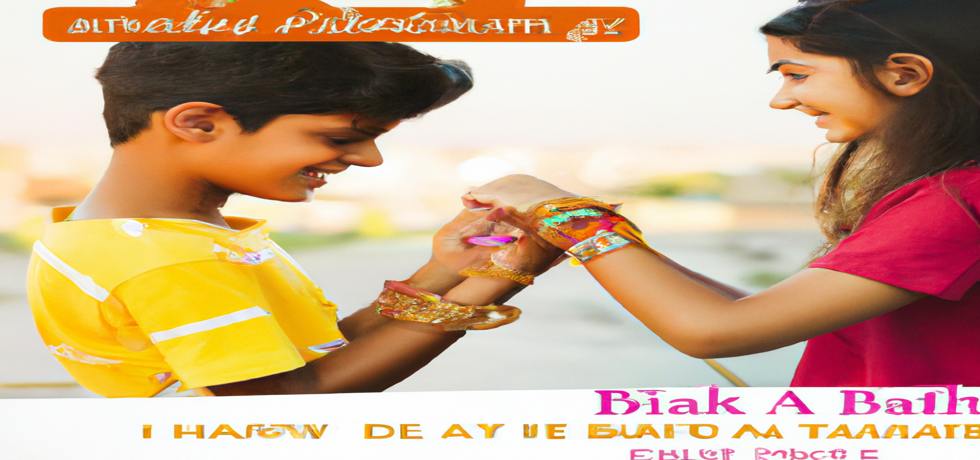
Raksha Bandhan, or simply Rakhi, is a cherished festival that celebrates the timeless bond between siblings in India. Its not just about tying a thread on your brothers wrist; it symbolizes the promise of love, protection, and lifelong support. This festival brings families together, igniting feelings of warmth and togetherness that resonate deeply within the Indian culture.

The Unique Traditions of Raksha Bandhan

Each region in India has its own unique flavors of celebrating Raksha Bandhan. From the rituals involving sweets to the exchange of gifts, the core remains the same: celebrating sibling love. The essence of this festival goes beyond material exchanges, as it strengthens emotional ties. For those who live far away, marking the day with a phone call or virtual celebration can be just as meaningful. So, plan a heartfelt message or a lovely video call to show your affection, no matter the distance!

Importance of Sibling Relationships

Sibling relationships are pivotal in shaping our personalities and emotional depth. They are our first friends and sometimes our toughest critics. Celebrating Raksha Bandhan offers a fantastic opportunity to reconnect and rekindle those bonds. It allows us to reminisce about childhood memories while fostering a deeper understanding of each other as we grow older. Remember, these emotional connections are crucial for a nurturing family dynamic; nurturing them also translates to better mental health for everyone involved.

Celebrate with Meaningful Gestures

This Raksha Bandhan, consider expressing your love through unique gestures. Instead of just exchanging gifts, write heartfelt letters or plan an activity that you both enjoy. Maybe it’s a cooking session, a game night, or a creative DIY project. These shared experiences can forge stronger bonds, making the celebration unforgettable. In a world driven by quick exchanges, lets take time to invest in meaningful moments with our siblings.

Taking Care of Each Other

Just as we celebrate sibling love, it is essential to look out for each other’s well-being, including skin health. Raksha Bandhan is a perfect reminder that caring extends beyond physical gifts. Taking the time to share tips on skin care or suggesting a joint visit to a dermatologist could be a bonding activity in itself. Maintaining healthy skin through regular care routines not only reflects self-love but also showcases mutual respect within sibling relationships. Consider gifting your sibling a consultation at The Skin Artistry to enhance their skin health and overall well-being.

Conclusion: The True Spirit of Raksha Bandhan

As we gear up to celebrate Raksha Bandhan, let’s embrace the true spirit of the festival by expressing our love and appreciation for our siblings. Whether its through heartfelt conversations, thoughtful gestures, or meaningful experiences, make this Rakhi special. And remember, its never too late to seek professional advice for skin and hair health from specialists who care.

For professional assistance and expert advice from leading dermatologists like Dr. Hital Patel, experience the benefits of celebrating sibling love with Hair & Skin Specialist Dr. Hital Patel at The Skin Artistry. Our clinics in PDPU Gandhinagar, Vastrapur Ahmedabad and Hyderabad (Visiting Consultant) offer top-quality care and personalized treatments. Visit us today to learn more about our services and take advantage of our special offers! For more insights, updates, or to collaborate, stay connected with The Skin Artistry.
Revolutionizing Hair Restoration Techniques

image

Revolutionizing Hair Restoration Techniques

An Overview of Innovations in Hair Loss Treatment

In todays fast-paced world, hair loss has become a common concern, prompting a surge in demand for effective hair restoration techniques. Men and women alike are seeking solutions that not only promise results but also fit seamlessly into their busy lifestyles. With various advancements in the field of dermatology, the landscape of hair restoration has significantly evolved, offering innovative and less invasive methods to restore lost hair.

The Rise of Minimally Invasive Procedures

Many people are turning to minimally invasive hair restoration techniques that offer shorter recovery times and better results. Follicular Unit Extraction (FUE) is a prime example, where individual hair follicles are extracted and transplanted. Unlike traditional methods, this approach leaves no linear scar, making it particularly appealing to younger patients who may want to keep their styling options open.

Platelet-Rich Plasma (PRP) Therapy

Another exciting advance in hair restoration is the use of Platelet-Rich Plasma (PRP) injections. This innovative technique enhances hair growth by utilizing the patient’s own blood to stimulate hair follicles. By increasing blood supply and delivering growth factors directly to the scalp, PRP therapy promotes healthier hair growth and can significantly improve the thickness of existing hair. Its a natural approach that complements surgical procedures perfectly, providing a comprehensive hair restoration solution.

Neograft Automated Hair Restoration

The Neograft system adds another layer of sophistication to the hair restoration process. This advanced technology simplifies the FUE technique by automating hair follicle extraction and implantation. This means less time on the operating table and a more seamless experience for patients. The precision of Neograft ensures a natural appearance, enhancing clients satisfaction with their hair restoration journey.

Direct Hair Transplant (DHT)

Direct Hair Transplant (DHT) represents the latest evolution of hair restoration techniques, involving the use of a specialized pen-like instrument to extract and implant hair follicles directly. This method minimizes trauma to the scalp and allows for faster healing times, ensuring patients can enjoy their new hair faster than ever before.

Maintaining New Hair: Aftercare for Success

Once youve undergone hair restoration, proper aftercare is crucial. Avoiding vigorous exercise, direct sunlight, and self-medication during recovery are essential steps. Your dermatologist will provide personalized aftercare instructions tailored to your individual needs, ensuring longevity and health for your restored hair.

Conclusion: Empowering You Through Hair Restoration

The revolution in hair restoration techniques has made it easier than ever to address hair loss effectively. With options ranging from the advanced Neograft system to natural PRP therapy, individuals can find treatments tailored to their unique needs and lifestyles. At The Skin Artistry, we specialize in providing these cutting-edge hair restoration techniques to help you regain your confidence.

For professional assistance and expert advice from leading dermatologists like Dr. Hital Patel, experience the benefits of Revolutionizing Hair Restoration Techniques with Hair & Skin Specialist Dr. Hital Patel at The Skin Artistry. Our clinics in PDPU Gandhinagar, Vastrapur Ahmedabad, and Hyderabad (Visiting Consultant) offer top-quality care and personalized treatments. Visit us today to learn more about our services and take advantage of our special offers! For more insights, updates, or to collaborate, stay connected with The Skin Artistry.
Celebrating Rama Navami with The Skin Artistry

image

Celebrating Rama Navami with The Skin Artistry

A Joyful Celebration of Tradition and Skin Health

As we embrace the vibrant festival of Rama Navami, it’s the perfect time to reflect on our roots, celebrate our traditions, and consider how to take care of our skin during these festive days. At The Skin Artistry, we believe that every celebration deserves to be coupled with the right skincare and self-care regimen. So lets dive in to explore how you can enjoy this auspicious occasion while keeping your skin glowing and healthy!

Honor Your Skin as You Celebrate

Festivals often mean late nights, delicious foods, and various celebrations that can take a toll on your skin. Engaging in a good skincare routine will help counteract these effects. Consider using gentle cleansers that won’t strip your skin of its natural oils. Hydrating your skin with nourishing creams will also keep it plump and radiant.

Nourishing Your Skin from Within

Healthy skin comes from what we consume. During Rama Navami, indulge in delicious, wholesome meals that include fruits, vegetables, and other nutrient-rich foods. Nutritional choices play a critical role in skin health, and staying hydrated can make a world of difference. Incorporate natural ingredients like turmeric and saffron in your meals, which are not only festive but also beneficial for achieving that sought-after glow.

Effective Remedies for Festive Skin Concerns

With the joy of celebrating comes some common skin concerns such as breakouts or dehydration. The Skin Artistry offers various treatments that promote festive glow. Exploring solutions like facials and hydrating skin treatments can be a wonderful way to prepare for any celebrations you have lined up. Remember, maintaining skin health during this festive period is essential; after all, you want to look as radiant as the festivities feel!

Connect with Tradition While Caring for Your Skin

Dont shy away from traditional skincare practices that can be beneficial. For centuries, natural remedies have been celebrated for their effectiveness. Using herbal pastes or oils might just add that extra touch to your skincare routine. Embrace these methods while participating in rituals your skin will thank you for it!

Final Thoughts

As you participate in prayer, feasting, and festivities, don’t forget to prioritize your skin. A little mindfulness about your skincare can lead to a radiant glow during Rama Navami. Embrace a balanced routine, stay hydrated, and consider seeking expert advice from our professionals at The Skin Artistry if you have specific skin concerns.

For professional assistance and expert advice from leading dermatologists like Dr. Hital Patel, experience the benefits of celebrating Rama Navami with Hair & Skin Specialist Dr. Hital Patel at The Skin Artistry. Our clinics in PDPU Gandhinagar, Vastrapur Ahmedabad, and Hyderabad (Visiting Consultant) offer top-quality care and personalized treatments. Visit us today to learn more about our services and take advantage of our special offers! For more insights, updates, or to collaborate, stay connected with The Skin Artistry.

Ultimate Guide to Beard Transplant Aftercare

image

Ultimate Guide to Beard Transplant Aftercare

Understanding Beard Transplantation

A beard transplant can be a life-changing decision for those seeking a fuller and more aesthetically pleasing facial hair appearance. However, achieving the desired results depends heavily on the aftercare following the procedure. Proper beard transplant aftercare is vital to ensure optimal healing, prevent complications, and achieve the best possible growth outcome. This ultimate guide will walk you through essential aftercare tips to help you maintain the health of your new beard.

Keep the Area Clean

One of the most critical aspects of beard transplant aftercare involves keeping the transplanted area clean. Use a gentle cleanser recommended by your surgeon to wash the grafts gently. Avoid scratching or touching the area, as this can lead to loss of the grafts and possible infection. Maintaining cleanliness helps promote a healthy environment for hair growth.

Avoid Direct Sun Exposure

The skin around the beard area will be sensitive and vulnerable post-transplant. Therefore, its crucial to avoid direct sun exposure for the first few weeks. If you must go outside, wear a hat or apply a high-SPF sunscreen to protect the area from harmful UV rays, which can hinder the healing process and affect your beard transplant outcome.

Groom with Caution

After your beard transplant, its essential to be gentle when grooming. Avoid shaving the transplanted area for at least ten days to avoid disturbing the grafts. Once it is safe to shave again, do so gently without applying excessive pressure. Proper grooming is part of effective beard transplant aftercare to ensure the results are maintained as the hair begins to grow.

Stay Hydrated and Nourished

Staying hydrated is vital for the overall recovery process following your beard transplant. Drinking plenty of water aids in faster healing and supports healthy hair growth. Additionally, consuming a balanced diet rich in vitamins and minerals, particularly protein and biotin, is essential for the health of your beard. Incorporate foods such as lean meats, nuts, fruits, and vegetables into your meals to nourish your body and hair folicles.

Follow Your Surgeons Instructions

Your surgeon is your best resource for post-procedure care. Always follow their specific recommendations regarding medications, creams, and other aspects of beard transplant aftercare. They understand your unique situation and can provide personalized guidance to ensure successful growth and healing.

Stay Away from Stressful Activities

Physical activities that result in excessive sweating can impede the healing process, so its best to avoid strenuous workouts or heavy lifting for a few weeks after your procedure. Relaxation can facilitate recovery, allowing better results from your beard transpant.

Attend Follow-Up Appointments

Regular follow-up appointments with your surgeon are crucial for monitoring your healing progress. These visits will allow you to ask questions, express concerns, and receive tailored recommendations for successful beard transplant aftercare. Keeping your healthcare professional updated on your recovery is a vital aspect of ensuring your transplants effectiveness.

Conclusion

In summary, following the right aftercare protocols post-beard transplant significantly influences the success of your results. Focus on cleanliness, hydration, nutrition, and adhering to your surgeons instructions. By treating your beard transplant with care, you can expect to enjoy a vibrant and full beard that boosts your confidence and enhances your appearance. Dont hesitate to reach out to your healthcare provider for any questions or additional advice.

Frequently Asked Questions

Q: How long should I avoid sun exposure after a beard transplant?
A: Its best to avoid direct sun exposure for at least the first few weeks following the transplant to protect the sensitive area and ensure proper healing.

Q: What type of foods should I focus on for recovery?
A: A balanced diet rich in protein, vitamins, and minerals is recommended for faster recovery and healthy hair growth. Foods such as lean meats, fruits, and vegetables are excellent choices.

For professional assistance and expert advice from leading dermatologists like Dr. Hital Patel, experience the benefits of Ultimate Guide to Beard Transplant Aftercare with Hair & Skin Specialist Dr. Hital Patel at The Skin Artistry. Our clinics in PDPU Gandhinagar, Vastrapur Ahmedabad, and Hyderabad (Visiting Consultant) offer top-quality care and personalized treatments. Visit us today to learn more about our services and take advantage of our special offers! For more insights, updates, or to collaborate, stay connected with The Skin Artistry.

The Ultimate Guide to Preventing Hair Loss in Men

image

The Ultimate Guide to Preventing Hair Loss in Men

Understanding Hair Loss in Men

Hair loss is a common concern for men, often leading to self-consciousness and emotional distress. While shedding a certain number of hairs daily is a natural part of the hair growth cycle, understanding how to effectively manage and prevent hair loss is crucial. This guide provides actionable insights and tips on preventing hair loss in men and maintaining healthy locks. Let’s dive into the factors contributing to hair loss and the best practices for prevention.

Genetics: The Key Factor in Hair Loss

One of the primary causes of hair loss in men is genetics, often known as male pattern baldness. This hereditary condition can lead to progressive thinning of hair and receding hairlines. Understanding that genetics play a significant role can help demystify the hair loss process. While theres no magic cure to change your genetic predisposition, many preventive measures can mitigate its effects and prolong hair fullness.

Healthy Lifestyle Choices

Certain lifestyle choices can significantly impact hair health. A balanced diet rich in vitamins and minerals is essential for promoting strong and healthy hair. Nutrients like protein, omega-3 fatty acids, vitamins A, C, D, E, and minerals such as zinc and iron are crucial for hair growth. Incorporating foods like fish, nuts, leafy greens, and fruits can provide the essential nutrients your body and hair need.

Stress Management

Stress is another contributor to hair loss, often leading to conditions like telogen effluvium, where hair follicles are pushed into a resting phase. To prevent hair loss, it is vital to find effective stress management techniques. Activities such as yoga, meditation, and regular exercise can help reduce stress levels and prevent its adverse impact on hair health.

Proper Hair Care Routine

Adopting a proper hair care routine plays a significant role in preventing hair loss. Gentle washing with suitable shampoo and conditioner for your hair type is essential. Avoiding harsh chemical treatments and excessive heat styling can also protect hair integrity. When towel drying, be gentle to minimize friction and breakage. Instead of vigorous rubbing, opt for patting or air drying as methods to reduce hair loss.

Investigating Dihydrotestosterone (DHT)

Dihydrotestosterone (DHT) is a hormone linked to male pattern baldness. It binds to hair follicles, leading to their shrinkage and eventually hair loss. To combat this, some men opt for DHT blockers, which may help slow down hair loss progression and promote hair fullness. Consulting with a dermatologist can provide insights into the latest treatments that address DHTs impact on hair.

Seeking Professional Help

Early intervention is key. If you notice significant hair thinning or loss, seeking advice from a professional is advisable. A dermatologist can help identify underlying causes, recommend appropriate treatments, like hair regrowth solutions or nutritional supplements, and provide a tailored hair care regimen suited to your needs. Remember, proactive measures can dramatically impact your hair health over time.

Conclusion: Take Charge of Your Hair Health

Preventing hair loss in men involves a multi-faceted approach encompassing genetics, lifestyle, and proper care. By adopting healthier habits, managing stress, and seeking professional assistance, you can maintain your hairs health and vitality. Dont hesitate to reach out for help; your hair deserves it!

FAQs about Hair Loss

1. Does hair loss only happen to older men?
While many men experience hair loss as they age, it can begin at any age, particularly in those with genetic predispositions.

2. Are there specific hairstyles that can cause hair loss?
Yes, tight hairstyles that pull on hair (such as ponytails or braids) can lead to traction alopecia, a condition that causes hair loss.

3. Can diet really affect hair growth?
Absolutely! A balanced diet rich in essential nutrients directly influences hair health.

For professional assistance and expert advice from leading dermatologists like Dr. Hital Patel, experience the benefits of The Ultimate Guide to Preventing Hair Loss in Men with Hair & Skin Specialist Dr. Hital Patel at The Skin Artistry. Our clinics in PDPU Gandhinagar, Vastrapur Ahmedabad and Hyderabad (Visiting Consultant) offer top-quality care and personalized treatments. Visit us today to learn more about our services and take advantage of our special offers! For more insights, updates, or to collaborate, stay connected with The Skin Artistry.

Understanding Hair Grafts: A Comprehensive Guide

image

Understanding Hair Grafts: A Comprehensive Guide

Introduction to Hair Grafts

Understanding hair grafts is essential for anyone considering hair restoration procedures. Hair grafts are critical in facilitating effective hair transplants, and knowing how they work can significantly aid your decision-making process. This comprehensive guide will delve into the different types of hair grafts, their significance in hair restoration, and what you can expect during the process.

What is a Hair Graft?

A hair graft refers to a small unit of tissue containing hair follicles that are transplanted from a donor area to a balding area on the scalp. This innovative technique aims to restore hair growth where it is thinning or has disappeared. The effectiveness of hair grafts relies heavily on the quality and characteristics of both the donor and recipient hair, making each case unique.

Types of Hair Grafts

There are primarily two methods of obtaining hair grafts: Follicular Unit Transplantation (FUT) and Follicular Unit Extraction (FUE). FUT involves removing a strip of tissue from the donor area, which is later divided into individual grafts. In contrast, FUE allows for individual follicular units to be extracted directly, offering the advantage of shorter recovery time. Both methods effectively restore hair and depend on the extent of hair loss experienced by the individual.

Factors Influencing the Number of Grafts Needed

The required number of hair grafts can vary based on several key factors. These include the area of baldness, the individual’s hair loss pattern, and desired hair density. The Norwood scale is often employed to categorize the stages of male pattern baldness, where men at higher stages may need more grafts to achieve satisfactory coverage. A personalized assessment by an experienced surgeon will help you understand the specific number of grafts needed for your unique situation.

Expected Results from Hair Grafts

After a hair transplant using hair grafts, it typically takes several months to see significant results. The transplanted hairs will initially shed before new growth begins; this process is completely normal. Most patients can expect to achieve natural-looking hair density after approximately six to twelve months. Understanding this timeline can help in setting realistic expectations for your hair restoration journey.

Conclusion and Actionable Advice

If youre considering a hair transplant, a consultation with a qualified hair transplant surgeon is crucial. They will assess your hair loss pattern and potential donor areas to create a personalized treatment plan tailored to your needs. Remember to keep realistic expectations in mind as the process unfolds. Hair grafts can be transformative, restoring not just your hair but also your confidence.

FAQs about Hair Grafts

Q: How long do the results from hair grafts last?
A: With proper care and maintenance, the results from hair grafts can be long-lasting and natural looking.

Q: Are there any side effects associated with hair grafts?
A: As with any surgical procedure, there may be some temporary side effects such as swelling or itching at the donor site, but these usually resolve quickly.

For professional assistance and expert advice from leading dermatologists like Dr. Hital Patel, experience the benefits of understanding hair grafts with Hair & Skin Specialist Dr. Hital Patel at The Skin Artistry. Our clinics in PDPU Gandhinagar, Vastrapur Ahmedabad and Hyderabad (Visiting Consultant) offer top-quality care and personalized treatments. Visit us today to learn more about our services and take advantage of our special offers! For more insights, updates, or to collaborate, stay connected with The Skin Artistry.
Ultimate Guide to Post-FUE Hair Transplant Care

image

Ultimate Guide to Post-FUE Hair Transplant Care

Introduction: Importance of Post-Transplant Care

Congratulations on your recent FUE hair transplant! The journey toward regaining your lush locks has begun, but optimal healing requires dedicated care. Understanding the key post-operative precautions and lifestyle changes is essential to ensure the success of your hair transplant procedure. Follow this ultimate guide to ensure that you provide the best environment for your hair to grow back beautifully and healthily.

Protecting the Transplanted Area

The first step towards successful hair growth is protecting the transplanted area. For at least a few weeks after your FUE hair transplant, avoid touching the grafts with your hands. Also, stay away from tight hats or helmets that may rub against the scalp. If you need to wear a hat, opt for a loose-fitting one. Elevating your head while sleeping can significantly minimize swelling and prevent any contact with the grafts. Wash the area gently with a mild shampoo and avoid prolonged exposure to direct sunlight to protect the transplanted follicles.

Refraining from Strenuous Activities

After your FUE hair transplant, it is crucial to avoid vigorous physical activities for around 7-10 days. Light exercises like walking may be resumed gradually, but it’s advisable to consult with your surgeon before integrating high-intensity workouts back into your routine. Activities generating excessive sweat can adversely affect your grafts, thus, try to keep cool. Also, abstain from contact sports for at least a month and avoid swimming for at least two weeks.

Moderating Sun Exposure

Protecting the scalp from sun exposure is vital after your hair transplant. For the first 2-3 weeks, its best to stay out of direct sunlight. When outdoors, wear a loose-fitting hat or use an umbrella for shade. High-SPF sunscreen can add an extra layer of protection, and protective clothing can further shield your scalp from harmful UV rays. Keeping well-hydrated will also help maintain the overall health of your scalp during the healing process.

Maintaining a Balanced Diet and Hydration

Your nutrient intake plays a significant role in post-FUE hair transplant recovery. Incorporate omega-3 fatty acids, healthy oils, fruits, nuts, and green tea into your diet. Sufficient hydration is equally important for optimal healing, so remember to drink plenty of water. It is wise to limit processed foods, sugars, and alcohol, as well as avoid smoking during the healing period to facilitate healthy hair growth.

Following Post-Operative Care Instructions

Adhere strictly to your surgeons post-operative care instructions, which may include taking prescribed antibiotics and pain relievers. Avoid direct water pressure on the scalp; instead, use a cup to rinse the area gently. Ensure that you attend all follow-up appointments to monitor the healing process and address any potential issues promptly. Remember, hair growth takes time, and patience is key to enjoying a head full of hair that looks natural and vibrant.

Conclusion: Ensuring Optimal Results

Post-FUE hair transplant care is crucial for protecting the integrity of your grafts and ensuring successful hair regrowth. By following these guidelines, you can create the perfect environment for your new hair to flourish. Always consult your surgeon for personalized advice based on your condition. Enjoy the journey toward a fuller head of hair and the confidence that comes with it.

FAQs

Q: How long should I avoid direct sunlight?
A: It’s essential to avoid direct sunlight for the first 2-3 weeks post-surgery to ensure optimal healing of the grafts.

Q: When can I resume normal physical activities?
A: You should avoid vigorous exercises for at least 7-10 days, and consult your surgeon before reintroducing high-intensity workouts.

For professional assistance and expert advice from leading dermatologists like Dr. Hital Patel, experience the benefits of Ultimate Guide to Post-FUE Hair Transplant Care with Hair & Skin Specialist Dr. Hital Patel at The Skin Artistry. Our clinics in PDPU Gandhinagar, Vastrapur Ahmedabad and Hyderabad (Visiting Consultant) offer top-quality care and personalized treatments. Visit us today to learn more about our services and take advantage of our special offers! For more insights, updates, or to collaborate, stay connected with The Skin Artistry.