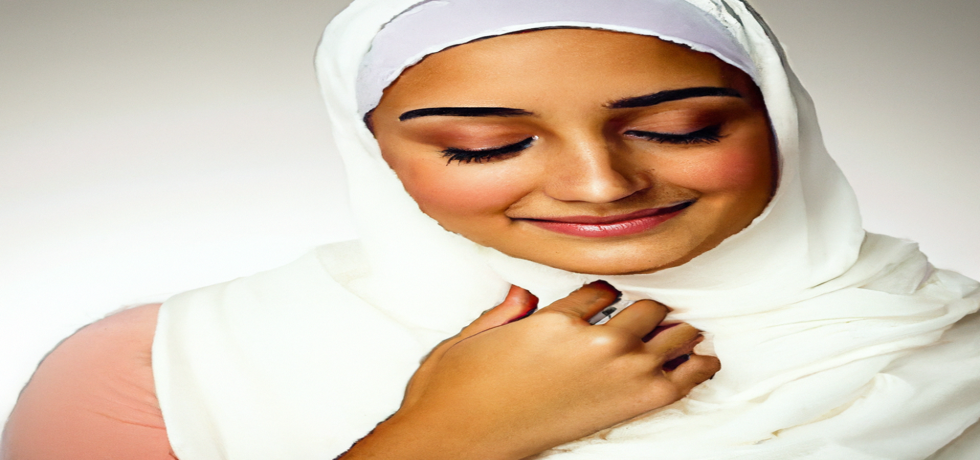
Celebrate a Healthy Ramadan with HairSure

image

Celebrate a Healthy Ramadan with HairSure

Introduction: Embrace the Spirit of Ramadan

Ramadan is a holy month cherished by millions, serving as a time for reflection, self-discipline, and community. However, during this period, some may notice changes in their skin and hair health due to dietary adjustments and altered routines. At The Skin Artistry, we believe in celebrating a healthy Ramadan by ensuring your skin and hair are well cared for. Let’s explore how making mindful choices can keep your hair and skin radiant throughout this special month.

Nourish Your Body for Healthy Hair and Skin

The transition from regular meals to the suhoor and iftar can impact your body, particularly your hair and skin. Focus on maintaining a balanced diet rich in vitamins and minerals. Incorporate foods high in omega-3 fatty acids, like fish and nuts, along with fresh fruits and vegetables that provide antioxidants. This balanced approach helps support healthy hydration levels, crucial for preventing dry skin and promoting vibrant hair throughout Ramadan.

Hydration is Key

Hydration can often be overlooked during Ramadan, especially as fasting hours extend. Aim to drink plenty of water between iftar and suhoor to keep your skin plump and your hair nourished. Dehydration can lead to dry skin and increased hair fall; hence, its essential to drink at least 8 glasses of water within non-fasting hours. Infuse your water with cucumber or mint for added flavor and benefits.

Mindful Skincare Routine

Your skincare routine should be adapted during Ramadan to account for changes in your environment and dietary habits. Use gentle cleansing products to remove impurities, especially after iftar when you may experience oily skin due to fried foods. Incorporate hydrating serums and moisturizers that work well for your skin type. Consistency is key; adhering to a daily routine will ensure that you maintain healthy skin throughout the month.

Stress Management and Relaxation

Ramadan can be a busy time filled with family gatherings and community events, but dont forget to take care of your mental health. Stress can adversely affect both skin and hair health, leading to conditions such as eczema or hair loss. Practice relaxation techniques like meditation or yoga, and ensure you get adequate rest to help keep your skin glowing and your hair healthy.

Incorporate Hair Care Rituals

With fasting, your hair might start to feel dry. Hence, it’s important to dedicate some time to hair care rituals. Use nourishing hair oils to combat dryness and perform regular scalp massages to stimulate blood circulation. This practice enhances hair growth and helps to maintain the health of your hair roots.

Conclusion: Step into Ramadan with Radiant Skin and Hair

This Ramadan, let us embrace the joy of healthy living. By staying hydrated, nourishing your body, and establishing a mindful skincare and hair care routine, you can celebrate the month with your best foot forward. Don’t hesitate to reach out for expert advice tailored to your unique needs during this special time.

FAQs

Q: Can I continue my regular skincare routine during Ramadan?
A: Yes, but its advisable to adapt your routine according to changes in your skin’s needs during fasting. Focus on hydration and gentle cleansing.

Q: How often should I hydrate?
A: Aim for at least 8 glasses of water between iftar and suhoor to keep your skin and hair well hydrated.

For professional assistance and expert advice from leading dermatologists like Dr. Hital Patel, experience the benefits of celebrating a healthy Ramadan with Hair & Skin Specialist Dr. Hital Patel at The Skin Artistry. Our clinics in PDPU Gandhinagar, Vastrapur Ahmedabad, and Hyderabad (Visiting Consultant) offer top-quality care and personalized treatments. Visit us today to learn more about our services and take advantage of our special offers! For more insights, updates, or to collaborate, stay connected with The Skin Artistry.
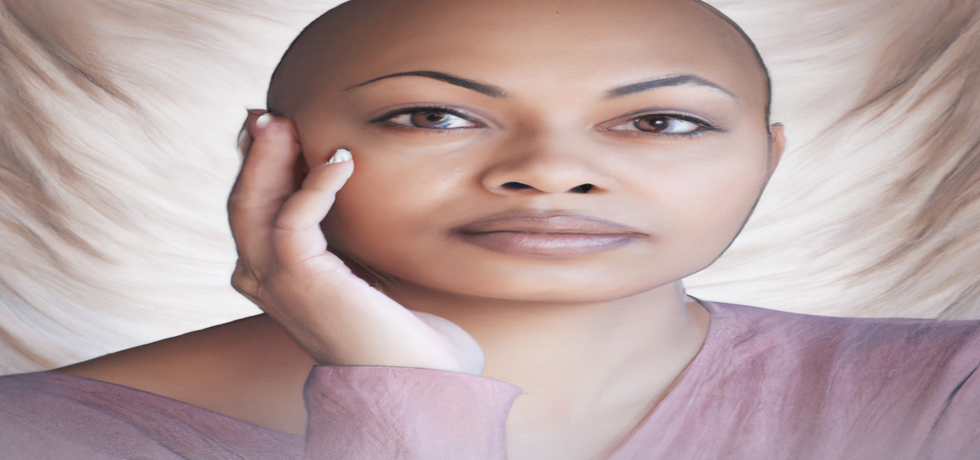

Hair Loss Care for Chemotherapy Patients: Strategies and Solutions

image

Hair Loss Care for Chemotherapy Patients: Strategies and Solutions

Understanding Hair Loss During Chemotherapy

For many cancer patients, chemotherapy is a life-saving treatment, but it often comes with the unwelcome side effect of hair loss. Understanding how chemotherapy affects hair and knowing how to care for your hair during this challenging time can significantly ease the emotional burden. Fortunately, there are practical strategies and solutions to manage hair loss that can make this journey a bit easier.

Why Chemotherapy Causes Hair Loss

The primary purpose of chemotherapy drugs is to target rapidly dividing cancer cells. Unfortunately, these powerful medications can also impact other rapidly dividing cells in the body, such as those in hair follicles. This is why hair loss can occur not just on the scalp but from all over the body, including eyelashes and eyebrows. While hair loss is a common experience, it is often temporary. Generally, hair begins to regrow within a few months after completing treatment, although it may have a different texture or color initially.

Strategies to Manage Hair Loss

There are various strategies for hair loss care that patients can consider. Before chemotherapy, patients should give their hair gentle treatment to prevent unnecessary damage. Avoid harsh treatments like bleaching or perming, which can weaken your hair. Opting for a shorter hairstyle before treatment can help patients adjust to hair loss when it occurs. Additionally, investing in wigs, scarves, or head coverings prior to starting treatment can alleviate some anxiety.

Caring for Your Hair During Treatment

During the chemotherapy process, hair care becomes crucial. Patients should treat their remaining hair with diligence and care. Using a soft brush and mild shampoos can help maintain scalp health. If the scalp becomes irritable, some choose to shave their heads to minimize discomfort. Moreover, protecting the scalp from harsh weather conditions is essentialthis can be achieved with head coverings or sunscreen to shield from sun exposure or cold air.

Options for Post-Chemotherapy Hair Management

After completing chemotherapy, new hair growth can be anticipated. Its important to treat this new hair gently, avoiding the use of styling products or bleach until the hair regains strength. Patients should remain patient, as hair texture may differ from what they had before treatment. Those considering a hair transplant should wait until healthy hair regrows after the chemotherapy drugs are out of their system, as healthy donor hair is necessary for a successful procedure.

Support and Resources

If you or a loved one is undergoing chemotherapy and struggling with hair loss, know that support is available. Its essential to communicate openly with healthcare providers regarding what to expect and how to cope. Organizations and clinics help in providing resources on effective hair loss care for chemotherapy patients.

Conclusion

Hair loss can be a distressing aspect of chemotherapy, but with the right strategies and mindset, patients can navigate this phase with confidence. Adjusting hair care routines before, during, and after treatment can foster a sense of control amid uncertainty. Remember that you’re not alone in this journey, and seeking support can make a meaningful difference.
For professional assistance and expert advice from leading dermatologists like Dr. Hital Patel, experience the benefits of Hair Loss Care for Chemotherapy Patients: Strategies and Solutions with Hair & Skin Specialist Dr. Hital Patel at The Skin Artistry. Our clinics in PDPU Gandhinagar, Vastrapur Ahmedabad, and Hyderabad (Visiting Consultant) offer top-quality care and personalized treatments. Visit us today to learn more about our services and take advantage of our special offers! For more insights, updates, or to collaborate, stay connected with The Skin Artistry.

Preventing Monsoon Hair and Scalp Woes

image

Preventing Monsoon Hair and Scalp Woes

Introduction

Monsoon is a delightful time of the year, bringing with it the freshness of rain and a refreshing drop in temperature. However, the season also ushers in a host of challenges for our hair and scalp. Increased humidity can make our hair greasy and prone to dandruff, while the scalp becomes susceptible to infections. In this blog post, we will explore how to effectively prevent monsoon hair and scalp woes, ensuring you enjoy the season without worrying about your locks!

Understanding Dandruff During Monsoon

Dandruff is a common condition that leads to the flaking of the scalp’s skin, often exacerbated by high humidity. The culprit behind dandruff is a fungus called Malassezia, which thrives in moist conditions. To combat dandruff, its essential to use a mild anti-dandruff shampoo regularly. Frequent hair washing is vital in the monsoon, as it helps to keep your scalp clean and free from excess oils that can lead to flaking.

Prevention of Scalp Infections

Aside from dandruff, monsoon can also cause various scalp infections. Fungal infections thrive in warm and humid conditions, leading to ailments like ringworm or scalp psoriasis. To prevent these, maintain good hygiene by regularly washing your hair and keeping your scalp dry. After coming home in the rain, ensure you dry your hair with a clean towel to minimize infection risks. By being proactive, you can maintain a healthy scalp.

Managing Hair Loss

Monsoon-induced hair loss can sheathe your confidence. It often occurs due to humidity causing excess oil production, as well as infections that weaken hair follicles. To prevent hair loss, apply natural oils to nourish your scalp and hair, and avoid harsh hair treatments during this season. Regularly combing your hair will also prevent tangles and breakage, keeping your locks healthy and shiny throughout the rainy season.

Simple Tips to Protect Your Hair

To maintain healthy hair during monsoons, consider the following tips:

  • Use a gentle anti-dandruff shampoo to avoid irritating your scalp.
  • Keep the scalp dry after washing your hair; damp conditions are breeding grounds for fungal growth.
  • Cover your hair with a scarf or umbrella to prevent exposure to excessive rain.
  • Avoid heavy styling products that can lead to build-up and dandruff.
  • Nourish your hair regularly with conditioner and hair masks made from natural ingredients.

Conclusion

Caring for your hair and scalp during monsoons requires consistent attention, but the results are rewarding. By understanding the causes of dandruff, managing scalp infections, and implementing preventive measures for hair loss, you can enjoy the monsoon season worry-free. Remember that self-care is crucial, and don’t hesitate to reach out for professional assistance if needed.
For professional assistance and expert advice from leading dermatologists like Dr. Hital Patel, experience the benefits of Preventing Monsoon Hair and Scalp Woes with Hair & Skin Specialist Dr. Hital Patel at The Skin Artistry. Our clinics in PDPU Gandhinagar, Vastrapur Ahmedabad and Hyderabad (Visiting Consultant) offer top-quality care and personalized treatments. Visit us today to learn more about our services and take advantage of our special offers! For more insights, updates, or to collaborate, stay connected with The Skin Artistry.

Nutritional Guide for Hair Transplant Recovery

image

Nutritional Guide for Hair Transplant Recovery

The Importance of Nutrition in Hair Transplant Recovery

Recovering from a hair transplant is a significant journey, and proper nutrition plays a vital role in achieving the best results. A well-balanced diet is essential to ensuring optimal healing, promoting hair growth, and enhancing overall health. Its crucial to understand what foods can nourish your body and support your hair restoration efforts post-surgery. This guide will walk you through the nutritional essentials for effective hair transplant recovery while addressing common concerns related to diet during this phase.

Foods to Include in Your Diet

After a hair transplant, its fundamental to consume nutritious foods, as these can significantly impact healing and hair regrowth. Protein is a superstar nutrient required for tissue repair and hair follicle recovery. Foods like lean meats, eggs, and dairy provide the building blocks for hair growth, as they are packed with essential amino acids. Incorporating healthy fats from sources such as avocados and nuts can also keep the scalp hydrated and promote optimal healing conditions.

Hydration: Key to Recovery

Staying hydrated is imperative during the recovery phase. Water is essential for maintaining blood circulation and transporting nutrients needed for healthy hair growth. Aim for at least 8-10 glasses of water daily. Herbal teas and fresh fruit juices can also contribute to your hydration needs while providing additional vitamins and minerals beneficial for your scalps healing.

Vitamins and Minerals for Hair Growth

Post-transplant recovery is the ideal time to introduce vitamins and minerals that specifically aid in hair regeneration. Vitamin C, found in citrus fruits and berries, can help in collagen production, which strengthens hair structures. Additionally, iron and zinc are pivotal in preventing hair loss and improving follicle health. Leafy greens and legumes can be excellent sources of these vital micronutrients, ensuring your scalp receives the care it needs during the healing process. Consuming a balanced diet rich in these nutrients can promote a flourishing environment for hair regrowth.

Foods to Avoid

Certain foods, to protect healing and avoid inflammation, need to be limited or avoided altogether post-surgery. Processed foods, high sugar items, and excessive caffeine can negatively affect your recovery. Furthermore, steering clear of alcohol for at least a week is recommended, as it may interfere with blood circulation and prolong recovery. Smoking should also be avoided during this critical period, enhancing the chances of successful hair growth.

Follow Your Doctor’s Guidance

Specific dietary advice from your healthcare provider should always be prioritized. They may suggest particular vitamin supplements or specialized dietary plans best for your individual recovery process. Consulting a nutritionist for tailored advice can help maximize the results you achieve from your hair transplant surgery, ensuring your diet supports both healing and hair growth.

Conclusion

In conclusion, your choices in nutrition significantly contribute to the success of your hair transplant recovery. A wholesome, balanced diet rich in protein, vitamins, and minerals will greatly enhance your healing prospects and promote healthy hair regrowth. Remember to stay hydrated, avoid harmful substances, and always adhere to your doctors recommendations for optimal results. Nourish your body well, and your hair will flourish!

Frequently Asked Questions

1. How long should I follow a specific diet after my hair transplant?
It’s advisable to maintain a nutritious diet for at least several weeks post-surgery but consulting your healthcare provider for personalized guidance is crucial.

2. Are there specific foods that can speed up hair regrowth?
Foods rich in protein, iron, zinc, and vitamins can significantly contribute to faster regrowth. Including a variety of these in your meals is beneficial.

For professional assistance and expert advice from leading dermatologists like Dr. Hital Patel, experience the benefits of Nutritional Guide for Hair Transplant Recovery with Hair & Skin Specialist Dr. Hital Patel at The Skin Artistry. Our clinics in PDPU Gandhinagar, Vastrapur Ahmedabad and Hyderabad (Visiting Consultant) offer top-quality care and personalized treatments. Visit us today to learn more about our services and take advantage of our special offers! For more insights, updates, or to collaborate, stay connected with The Skin Artistry.

Key Considerations for Choosing a Hair Restoration Specialist

image

Key Considerations for Choosing a Hair Restoration Specialist

Understanding Your Options

When it comes to hair restoration, making the right choice of specialist is crucial. Whether you are battling hair loss or looking to improve the density of your hair, choosing an experienced hair restoration specialist can significantly influence the outcome of your treatment. It is essential to keep in mind several key considerations to ensure that you receive the best care possible.

Research and Credentials

Start by researching the qualifications and credentials of potential hair restoration specialists. Look for certified experts who specialize in hair loss treatments and have a substantial amount of experience in the field. Ensure that they are well-versed in the latest techniques, including Follicular Unit Extraction (FUE) and Follicular Unit Transplantation (FUT) methods. A qualified specialist will have a good understanding of various hair loss situations and will be able to offer tailored solutions based on your specific needs.

Experience and Expertise

It’s imperative to choose a hair restoration specialist who has extensive experience in performing the specific treatments you are considering. Look for an expert who has handled numerous cases and provides a portfolio of before-and-after pictures from previous clients. This will give you a visual representation of their skills and the outcomes you could expect. Remember, an experienced specialist is more likely to achieve natural-looking results.

Consultation Process

Before making your final decision, schedule a consultation with your chosen specialist. During this time, discuss your specific concerns about hair loss and your desired outcomes. Pay attention to how the expert listens to you, responds to your questions, and explains the various hair restoration techniques. Comfort and communication are vital components of a successful patient-doctor relationship, so choose someone who makes you feel at ease and confident in their capabilities.

Technology and Techniques

The technology used in hair restoration significantly impacts the results. Inquire about the tools and techniques employed by the specialist. Modern advancements in hair restoration techniques can enhance the quality and naturalness of outcomes. Be sure to choose a specialist who stays updated with the latest innovations in the field, ensuring you receive the best available treatment options for hair revitalization.

Aftercare and Follow-Up

One essential factor often overlooked is post-treatment care. Ask the specialist about their aftercare services and follow-up protocols. Ensure that the specialist provides thorough instructions for aftercare and is available for any questions or concerns you may have during your recovery. Quality aftercare can greatly influence the success of your hair restoration procedure and your overall satisfaction.

Accessibility and Comfort

Lastly, consider the accessibility of the clinic where the specialist operates. Choose a location that is convenient for you, especially for follow-up appointments. Additionally, assess the clinic’s environment to ensure it is welcoming and professional. Your comfort and accessibility play a critical role in the overall experience of hair restoration.

Conclusion

Making an informed decision about a hair restoration specialist involves careful consideration of several essential factors. Researching credentials, assessing experience, and understanding the technology used ensures you receive quality care that meets your expectations. Remember to prioritize communication, aftercare, and comfort as key components of your choice. With the right specialist by your side, you can embark on a successful journey towards healthier, fuller hair.

FAQs

1. What credentials should I look for in a hair restoration specialist?
Look for board certification, specialization in hair restoration, and extensive experience in handling various hair loss treatments.
2. How important is the consultation before the treatment?
The consultation is crucial as it allows you to discuss your concerns, understand the procedures, and establish a rapport with the specialist.
3. Why is aftercare important after hair restoration?
Proper aftercare can greatly influence the success of the treatment and help ensure you achieve the desired results.
For professional assistance and expert advice from leading dermatologists like Dr. Hital Patel, experience the benefits of Key Considerations for Choosing a Hair Restoration Specialist with Hair & Skin Specialist Dr. Hital Patel at The Skin Artistry. Our clinics in PDPU Gandhinagar, Vastrapur Ahmedabad and Hyderabad (Visiting Consultant) offer top-quality care and personalized treatments. Visit us today to learn more about our services and take advantage of our special offers! For more insights, updates, or to collaborate, stay connected with The Skin Artistry.

Why Choosing The Right Destination for Hair Transplant Matters

image

Why Choosing The Right Destination for Hair Transplant Matters

Introduction

When considering a hair transplant, many individuals overlook the importance of selecting the right destination. While the allure of affordable procedures might be tempting, making a hasty choice can lead to unsatisfactory results. This blog will explore why choosing the right destination for hair transplant is crucial for achieving successful outcomes and maintaining your well-being.

The Importance of Researching Your Destination

Before finalizing a location for your hair transplant, thorough research is essential. Ignoring the reputation of clinics can lead to choosing unreliable providers, which may compromise the quality of care. Reading reviews and testimonials from previous clients not only helps gauge patient satisfaction levels but also uncovers any potential red flags. Remember, a hair transplant is a significant decision, and in-depth research can make all the difference in your results.

Understanding Qualifications and Experience

The qualifications and experience of the surgeon performing the hair transplant procedure matter greatly. Not verifying their credentials can place you at risk for complications and unsatisfactory results. Look for experienced surgeons who have performed multiple successful procedures, as their expertise significantly impacts graft survival rates. Trust is vital during such a life-altering process, and choosing a qualified practitioner helps build that confidence.

Post-Operative Care: The Key to Recovery

Another crucial factor to consider when selecting a destination is the availability of follow-up care. After a hair transplant, regular check-ups are necessary to monitor recovery, address any concerns, and ensure optimal healing. If your destination is far from home, this could complicate your ability to attend follow-up appointments. Therefore, proximity and support systems should play a role in your decision-making process.

Avoiding Language and Cultural Barriers

When considering a hair transplant abroad, you may encounter language and cultural differences that can hinder your experience. Poor communication can lead to misunderstandings regarding procedures, expectations, and post-operative care. Opting for a location where you can communicate easily with medical staff can lead to a smoother experience and more satisfying outcomes.

Prioritizing Safety and Hygiene Standards

Safety should always be a priority when selecting a destination for a hair transplant. Research the clinic’s hygiene standards, sterilization protocols, and infection control measures. Poor hygiene can lead to severe complications, making it essential to ensure that your chosen clinic adheres to the highest standards of care. Prioritize your health and choose a clinic that values both safety and results.

Conclusion: Make an Informed Choice

In conclusion, the choice of destination for your hair transplant is just as important as the procedure itself. Engage in thorough research, validate surgeon qualifications, consider post-operative care, and ensure clear communication. Taking these steps will contribute to a healthier and more effective recovery process. Your hair restoration journey deserves careful consideration to help you achieve the best results possible.

Frequently Asked Questions

1. How long does the recovery process take after a hair transplant?
Recovery can vary but generally takes a few weeks for initial healing. However, visible results may take several months.

2. Should I be concerned about the cost of a hair transplant?
While its important to consider costs, prioritize quality care over affordability when making your decision.

3. Is it safe to travel for a hair transplant?
Yes, as long as you do your research to ensure that the clinic and surgeons meet high standards of quality and care.

For professional assistance and expert advice from leading dermatologists like Dr. Hital Patel, experience the benefits of Why Choosing The Right Destination for Hair Transplant Matters with Hair & Skin Specialist Dr. Hital Patel at The Skin Artistry. Our clinics in PDPU Gandhinagar, Vastrapur Ahmedabad, and Hyderabad (Visiting Consultant) offer top-quality care and personalized treatments. Visit us today to learn more about our services and take advantage of our special offers! For more insights, updates, or to collaborate, stay connected with The Skin Artistry.

Celebrate the Festive Season with Joy

image

Celebrate the Festive Season with Joy

The Importance of Celebrating the Festive Season

The festive season is a time of joy, celebration, and togetherness. It doesn’t just bring families together; it also allows individuals to reflect on their lives, embrace positivity, and strengthen the bonds of love and friendship. As we celebrate the festive season, it’s important to cherish our connections with loved ones and take care of ourselves. This is especially important for our skin, as stress and environmental changes can take a toll on our appearance, making skincare a priority during this joyous period.

Skincare Tips for the Festive Season

With all the festivities happening around us, it’s easy to forget about our skin. A thorough skincare routine can work wonders in preparing your skin for countless family gatherings and events. Ensuring your skin is hydrated and healthy can help reduce the signs of stress and increase your confidence. Regular cleansing, moisturizing, and applying sun protection are essential steps not to overlook. At The Skin Artistry, we understand that the festive season can bring unique challenges like pollution and party makeup. Therefore, incorporating a skincare routine specifically tailored for this time can keep your skin glowing and cheerful.

Embrace Sustainable Choices

The festive season also opens the door to embracing sustainable choices. Opting for products that are eco-friendly and ethically sourced not only enhances our skincare routine but also benefits our planet. While celebrating with loved ones, sharing your commitment to sustainability can be a wonderful way to spread joy. By choosing natural or organic skincare options from The Skin Artistry, you not only care for your skin but also promote a healthier environment.

Self-Care Practices During Festivities

The hustle and bustle of the festive season can lead to stress and fatigue. Prioritizing self-care is crucial. Simple practices like indulging in a relaxing face mask or treating yourself to a spa day can rejuvenate you. Remember, your skin reflects how you feel, so nurturing your mental health is just as important as your skincare routine. Consult professionals at The Skin Artistry for personalized treatments to help enhance your festive glow.

The Bottom Line: Joyful Celebrations

As we celebrate the festive season, let’s stay committed to taking care of ourselves and each other. Make time for gatherings with family and friends, cherish every moment, and remember the importance of self-love and skin health. By embracing skincare and sustainable practices, we can elevate our festive spirit while maintaining healthy skin.

FAQ: How Can I Keep My Skin Healthy During the Festive Season?

It’s important to maintain a consistent skincare routine, hydration, and ample rest. Make sure to cleanse your skin after wearing makeup, stay hydrated, and select products suited for your skin type. Consulting a dermatologist from The Skin Artistry for tailored advice is always a great idea.

For professional assistance and expert advice from leading dermatologists like Dr. Hital Patel, experience the benefits of Celebrate the Festive Season with Joy with Hair & Skin Specialist Dr. Hital Patel at The Skin Artistry. Our clinics in PDPU Gandhinagar, Vastrapur Ahmedabad and Hyderabad (Visiting Consultant) offer top-quality care and personalized treatments. Visit us today to learn more about our services and take advantage of our special offers! For more insights, updates, or to collaborate, stay connected with The Skin Artistry.
Top 5 Myths About Precautions After Hair Transplant

image

Top 5 Myths About Precautions After Hair Transplant

Understanding Hair Transplant Misconceptions

Having a hair transplant is a life-changing decision for many individuals experiencing hair loss. However, numerous myths surround the precautions to take post-transplant, leading to unnecessary anxiety and confusion. It’s essential to clarify these misconceptions to ensure a smooth recovery and successful hair restoration process. Lets explore the top five myths surrounding post-hair transplant precautions.

Myth 1: You Cant Wash Your Hair for a Month After a Hair Transplant

One of the most persistent myths is that patients should avoid washing their hair for an entire month after undergoing a hair transplant. In reality, gentle washing is not only permitted but strongly recommended just a few days post-surgery. This practice helps keep the scalp clean and fosters proper healing.
Surgeons typically advise washing hair 2-3 days after the procedure to remove any residual blood or scabs. Remember to use lukewarm water and a soft shampoo, applying it gently to avoid disturbing the grafts.

Myth 2: Sun Exposure Will Permanently Damage Your Grafts

Another common misconception is the belief that exposure to sunlight will cause irreversible damage to transplanted hair. While it is true that the scalp is particularly sensitive immediately post-surgery, proper care can minimize any potential risks. Avoid direct sunlight during the initial healing phase, and once your scalp has had time to recover, use sunscreen or wear a hat to protect your newly transplanted area.

Myth 3: Alcohol and Smoking Are Strictly Forbidden

Some believe that abstaining from alcohol and smoking is mandatory for a long time after a hair transplant. While it’s crucial to refrain from these habits temporarily to promote optimal healing, moderate consumption can be incorporated later without significant adverse effects on your hair transplant results. Consulting your surgeon for personalized recommendations can ensure the best possible outcome.

Myth 4: Hair Transplants Are One-Time Procedures

Many think that one hair transplant is all they need to restore their hair completely. While transplanted hair follicles can be permanent, natural hair loss may still progress, requiring additional sessions to maintain density and appearance over time. Regular follow-ups with your surgeon can help you monitor hair progression and decide when further treatments are necessary.

Myth 5: Hair Transplants Can Use Hair from Anyone

Finally, theres a misconception that hair from other individuals can be used in hair transplants. This is misleading; hair transplants utilize the patients hair to ensure the best compatibility and minimize rejection risks. Using one’s own hair guarantees natural integration and a pleasing appearance.

Conclusion

Understanding and dispelling these myths about hair transplant precautions is vital for those considering this procedure. By following the guidance of qualified professionals, such as the dermatologists at The Skin Artistry, patients can ensure that they are taking the right steps toward their hair restoration goals. If you have further questions or are contemplating a hair transplant, dont hesitate to seek advice from a trusted expert.

FAQ

Q: When can I wash my hair after a hair transplant?
A: You can usually wash your hair gently 2-3 days after the procedure, per your surgeon’s advice.

Q: Is sun exposure dangerous for my hair grafts?
A: Protect your scalp from direct sun in the initial weeks, after which gradual exposure is safe with proper precautions.

For professional assistance and expert advice from leading dermatologists like Dr. Hital Patel, experience the benefits of top 5 myths about precautions after hair transplant with Hair & Skin Specialist Dr. Hital Patel at [The Skin Artistry](https://theskinartistry.com/). Our clinics in PDPU Gandhinagar, Vastrapur Ahmedabad and Hyderabad (Visiting Consultant) offer top-quality care and personalized treatments. Visit us today to learn more about our services and take advantage of our special offers! For more insights, updates, or to collaborate, stay connected with [The Skin Artistry](https://theskinartistry.com/)

Understanding the Aftermath of Hair Transplantation

image

Understanding the Aftermath of Hair Transplantation

The Journey Towards Hair Restoration

Hair transplantation is a revolutionary procedure designed to combat hair loss and restore confidence in both men and women. While it offers promising results, it’s crucial to understand the aftermath of hair transplantation, as it comes with its own set of challenges and considerations. Being informed about the process and potential side effects is essential for achieving optimal results from your hair restoration journey.

Bleeding and Pain Management

After undergoing a hair transplant procedure, some patients may experience mild bleeding. Although rare, it can occur due to pressure on the scalp. In such instances, the situation is usually managed by applying tumescent fluid during the surgery. Additionally, while pain levels vary between individuals, slight discomfort can be expected. Over-the-counter pain relief can help alleviate this temporary side effect.

Swelling and Recovery Time

Swelling is another common issue faced after hair transplantation. Patients often see slight swelling in the forehead and around the eyes, particularly if the transplantation targeted the frontal region. Such swelling typically lasts for just a few days and can be managed using anti-edema medications. Being prepared for this can ease anxiety and help you manage your recovery effectively.

The Reality of Hair Thinning

An interesting phenomenon many face is hair thinning. Shedding of transplanted hair within two weeks is normal, as the hair follicles are under stress. However, there’s no need to panicthese hairs typically regrow thicker after a few months. Understanding this aspect of hair restoration can help set realistic expectations about recovery and final results.

Shock Loss and Its Implications

Shock loss is another potential side effect, especially notable in individuals undergoing hair transplant procedures. Existing hair may shed due to stress from the procedure. Nevertheless, rest assured that with time, these follicles often bounce back. Educating yourself about shock loss can help you better navigate the recovery journey post-transplantation.

Addressing Itching and Cysts

Mild itching can be experienced during the healing phase. To mitigate this discomfort, regular washing with a gentle shampoo is recommended. Another complication that might arise is the formation of small cysts around the transplanted grafts, which can occur if grafts are buried during the process. These cysts can usually be treated with topical antibiotics.

Potential Infections and Hiccups

Although rare, infections can occur if sterile practices are not observed during the hair transplant process. Its essential to follow post-procedural guidelines closely. Interestingly, some patients report experiencing hiccups following their surgery, which although uncommon, can be uncomfortable. Consulting with your healthcare provider can ease this concern.

About The Skin Artistry

At The Skin Artistry, we recognize that the aftermath of hair transplantation is critical for the overall success of the procedure. Our team of expert dermatologists will guide you every step of the way, ensuring your recovery journey is as smooth and informed as possible.

Conclusion: Embrace Your Journey

Understanding the aftermath of hair transplantation helps set realistic expectations on your road to recovery. Be patient, adhere to your doctors guidelines, and dont hesitate to reach out for professional advice. Embracing the process will lead you to the gratifying results you seek.

For professional assistance and expert advice from leading dermatologists, experience the benefits of understanding the aftermath of hair transplantation with Hair & Skin Specialist Dr. Hital Patel at The Skin Artistry. Our clinics in PDPU Gandhinagar, Vastrapur Ahmedabad, and Hyderabad (Visiting Consultant) offer top-quality care and personalized treatments. Visit us today to learn more about our services and take advantage of our special offers! For more insights, updates, or to collaborate, stay connected with The Skin Artistry.
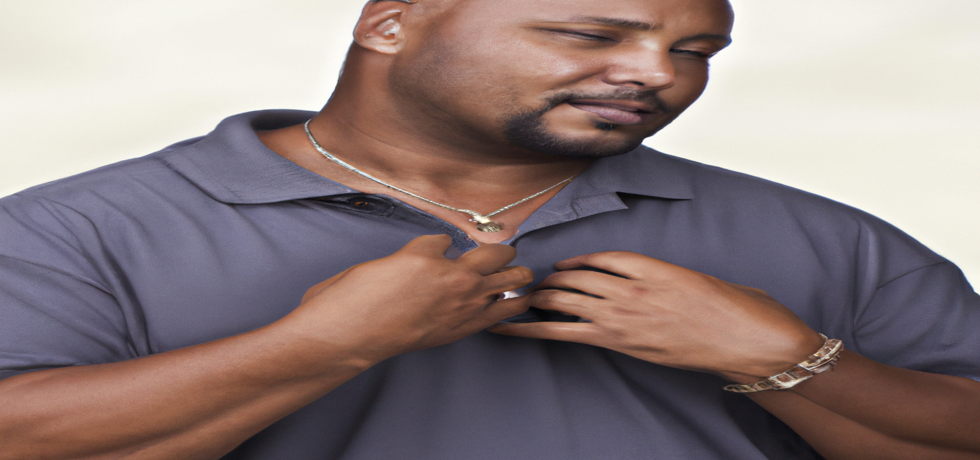
Unlocking Solutions for Alopecia Areata

image

Unlocking Solutions for Alopecia Areata

Understanding Alopecia Areata

Alopecia Areata can be a distressing condition characterized by hair loss, often leaving those affected wondering about their options. Although it poses several challenges, the good news is that there are effective treatments available to help manage this unpredictable condition. Today, were focusing on unlocking solutions for Alopecia Areata that you might find beneficial.

What Causes Alopecia Areata?

Alopecia Areata occurs when the immune system mistakenly attacks hair follicles, leading to hair loss in patches. This condition can be triggered by a variety of factors, including stress, genetic predisposition, and even certain environmental factors. The unpredictability of the condition often leaves those affected seeking various solutions, as a permanent cure remains elusive.

Alopecia Areata Treatments: Exploring the Options

While there is no one-size-fits-all solution, several treatments have been developed to help manage hair loss associated with Alopecia Areata. Corticosteroids represent one of the most common forms of treatment, often involving injections directly into the bald patches. This method can stimulate hair regrowth within a few weeks, although results can vary.

Intralesional Corticosteroid Injections

One popular treatment is intralesional corticosteroid injections, where steroids are delivered directly to the affected area. While these injections can encourage new hair growth, they do not completely prevent hair loss from occurring again. It’s important to consider both the benefits and potential side effects before starting this treatment, as temporary skin depressions may occur.

Using Anthralin Cream

Anthralin cream is another common option for treating Alopecia Areata. This thick, dark cream is applied to bald patches and left for a short duration before washing it off. The cream may promote new hair growth typically within two to three months. However, consistent application may lead to discolored skin, highlighting the need for caution and guidance from a dermatologist.

Innovative Solutions: Mesotherapy

For those seeking a non-invasive method, mesotherapy has gained popularity. This procedure involves administering active substances like vitamins and medications just under the skin’s surface using micro-injections. Mesotherapy aims to prevent hair loss, activate new hair growth, and improve the quality of existing hair, making it an appealing option for those affected by Alopecia Areata.

Importance of Professional Guidance

While there are numerous treatments available for Alopecia Areata, it is essential to consult with experienced professionals for effective management. At The Skin Artistry, our dermatologists are well-equipped to guide you through the best solutions for your hair loss challenges, ensuring personalized and comprehensive care.

Conclusion: Taking Charge of Your Treatment

Though Alopecia Areata can be unpredictable, understanding your treatment options is crucial in managing the condition. Whether you choose corticosteroids, anthralin cream, or advanced procedures like mesotherapy, professional advice is key to finding the right approach for you. Stay empowered and informed on your journey to healthier hair, and dont hesitate to reach out for professional help.

FAQ

Q: Can Alopecia Areata be cured?
A: Currently, there is no complete cure for Alopecia Areata, but various treatments can help manage the condition and promote hair regrowth.

Q: How long does it take for treatments to show results?
A: Responses to treatment vary; some treatments may take a few weeks to show results, while others may take several months. Patience and consistency with the regimen are crucial for success.

For professional assistance and expert advice from leading dermatologists like Dr. Hital Patel, experience the benefits of unlocking solutions for Alopecia Areata with Hair & Skin Specialist Dr. Hital Patel at The Skin Artistry. Our clinics in PDPU Gandhinagar, Vastrapur Ahmedabad and Hyderabad (Visiting Consultant) offer top-quality care and personalized treatments. Visit us today to learn more about our services and take advantage of our special offers! For more insights, updates, or to collaborate, stay connected with The Skin Artistry.