
Understanding the Cost of Hair Transplant: A Comprehensive Guide

image

Understanding the Cost of Hair Transplant: A Comprehensive Guide

Introduction

Thinking about restoring your hairline? You’ve probably come across various articles discussing hair transplant costs. But how do you navigate these financial waters? Hair transplants are a significant decision that requires careful planning and understanding of the factors affecting the price. This comprehensive guide from The Skin Artistry aims to equip you with the knowledge you need to make an informed choice.

Factors Influencing Hair Transplant Cost

Every hair transplant is unique and the cost can vary based on multiple factors. The main variables include the extent of hair loss, the method of transplantation chosen, and the number of grafts required. Understanding the specific needs of your situation will help you gauge the potential cost better. From follicular unit extraction (FUE) methods to strip harvesting techniques, the way hair is collected and implanted directly impacts cost and outcome.

Understanding Different Hair Transplant Techniques

Hair transplantation can be performed using different techniques, each with its own cost implications. The strip method generally retains affordability, but may leave a linear scar, while follicular unit extraction preserves the scalp’s appearance post-surgery. The more advanced ARTAS robotic method offers precision but may come with higher pricing. Knowing which method aligns with your hair restoration goals is crucial for cost assessment.

Identifying All Costs Involved

When looking into hair transplant costs, it’s essential to distinguish between the base price and the total cost. Hidden charges can quickly escalate your financial commitment. Factors to consider include surgeon fees, facility costs, anesthesia charges, and post-operative care. At The Skin Artistry, we provide a transparent, all-inclusive pricing structure, ensuring you know precisely what to expect without any surprise expenses.

Choosing a Trusted Provider

Selecting the right clinic is just as important as understanding costs. Trust is vital when it comes to hair transplants. Research testimonials and before-and-after photos to validate the provider’s credibility. At The Skin Artistry, our commitment is to offer affordable yet top-quality treatments tailored to your individual needs. We prioritize patient education, ensuring you feel comfortable and informed about your procedure.

Setting Realistic Expectations

Hair restoration is not an overnight solution. Its vital to manage your expectations about hair regrowth timelines. If a clinic promises miraculous results in record time, it might be wise to seek another opinion. Realistic expectations ensure a satisfying journey toward achieving your desired hairline while understanding that patience is key.

Conclusion

Understanding the cost of hair transplant procedures can empower you to make informed decisions about your hair restoration journey. While costs may seem steep initially, consider the long-term benefits they bringespecially the boost in self-confidence. Consulting with professionals like those at The Skin Artistry ensures you receive informed and personalized care, allowing you to take a confident step toward your hair restoration goal.

FAQs

1. What factors affect hair transplant costs?
– The primary influencing factors include the extent of hair loss, the chosen transplantation method, and the number of grafts required.

2. Are there any hidden costs associated with hair transplants?
– Yes, there may be additional fees related to surgeon services, facility use, anesthesia, and post-operative care, which is why its essential to ask for an all-inclusive price.

3. How can I choose a reliable hair transplant provider?
– Look for clinics with positive testimonials, before-and-after galleries, and comprehensive consultations to ensure you make an informed choice.

For professional assistance and expert advice from leading dermatologists like Dr. Hital Patel, experience the benefits of Understanding the Cost of Hair Transplant: A Comprehensive Guide with Hair & Skin Specialist Dr. Hital Patel at The Skin Artistry. Our clinics in PDPU Gandhinagar, Vastrapur Ahmedabad, and Hyderabad (Visiting Consultant) offer top-quality care and personalized treatments. Visit us today to learn more about our services and take advantage of our special offers! For more insights, updates, or to collaborate, stay connected with The Skin Artistry.
Hair Transplant Recovery: A Comprehensive Day-by-Day Guide

image

Hair Transplant Recovery: A Comprehensive Day-by-Day Guide

Introduction

After undergoing a hair transplant, the recovery phase is essential for ensuring that the newly implanted follicles take root successfully. This comprehensive day-by-day guide will help you navigate through the crucial first days of your hair transplant recovery process, allowing you to optimize your healing and enhance the results of your treatment.

Day 1: Post-Surgery Care Basics

On the first day following your hair transplant, rest is crucial. This period establishes a solid foundation for healing and allows your body to focus on recovery. Avoid any physically demanding tasks that could lead to swelling or irritation of the transplanted area. Ensure that you follow the specific instructions given by your surgeon for your hair transplant recovery.

Day 2: Gentle Washing

On day two, you can start to gently wash your recipient area as per your surgeon’s guidance. This is vital to remove any residual blood or dried materials without disrupting the delicate hair grafts. Keeping your scalp clean will help prevent any potential infections during recovery.

Days 3-7: Nurturing Your New Hair

During this critical week of hair transplant recovery, your focus should be on nurturing the newly transplanted grafts. Its important to adhere to the post-operative care instructions provided by your surgeon. Gently wash your hair and be careful not to touch or scratch the transplanted area. Protect your scalp from direct sunlight to help the hair follicles adjust and thrive.

Days 7-10: Monitoring Progress

By this phase, you should notice a reduction in swelling and scabbing around the recipient area. Its important to stay cautious during this time; refrain from engaging in activities that could interfere with the healing process. Make sure not to damage the grafts as they establish their new home on your scalp.

Days 8-14: Gradually Resuming Activities

At this stage of your hair transplant recovery, you can slowly increase physical activity levels while still taking care to avoid any strain on the transplanted area. Continue following your surgeon’s directives about hair care, and steer clear of swimming, submerging your head, and avoiding hot tubs or saunas during this period to allow for proper healing.

Beyond 14 Days: Normalization

As you move past the first two weeks, you can gradually reintroduce your normal hair care routine. Begin to style your hair as usual but take care to brush or comb gently around the transplanted region. Additionally, protect your scalp from extended sun exposure by wearing a hat or applying sunscreen when necessary.

Actionable Advice for Your Journey

Remember, this guide serves as a general framework for your hair transplant recovery. Personalized guidance from your surgeon is essential, as individual experiences may vary. Ensure that you communicate with your hair transplant surgeon for tailored advice regarding your recovery and any concerns that may arise during the process. Maintaining a balanced diet rich in proteins, vitamins, and minerals will also further support your healing journey.

Conclusion

Following a hair transplant can be a transformative experience; proper recovery care is vital to achieve optimal results. By adhering to the daily guidelines laid out in this blog, you can foster a successful transition to a fuller head of hair. Stay proactive, and consult your healthcare provider to ensure the best outcomes after your hair transplant procedure.

FAQs

Q: How long does it take for hair to start growing after a transplant?
A: Typically, new hair growth will begin around 3-4 months post-surgery, but full results may take up to a year.

Q: What’s the best way to maintain scalp health after surgery?
A: Following personal care suggestions from your doctor, along with a nutritious diet, will help maintain your scalp’s health.

For professional assistance and expert advice from leading dermatologists like Dr. Hital Patel, experience the benefits of Hair Transplant Recovery: A Comprehensive Day-by-Day Guide with Hair & Skin Specialist Dr. Hital Patel at The Skin Artistry. Our clinics in PDPU Gandhinagar, Vastrapur Ahmedabad, and Hyderabad (Visiting Consultant) offer top-quality care and personalized treatments. Visit us today to learn more about our services and take advantage of our special offers! For more insights, updates, or to collaborate, stay connected with The Skin Artistry.
Monsoon Hair Care: Essential Tips for Travelers

image

Monsoon Hair Care: Essential Tips for Travelers

Introduction: Embrace the Monsoon without Hair Woes

The arrival of the monsoon season can be both refreshing and troublesome, especially for travelers. While the pitter-patter of rain can be soothing, it also brings challenges that can affect our hair health. Increased humidity, damp conditions, and contaminants from natural elements can lead to hair problems, including hair fall and damage. To help you maintain beautiful locks while safely venturing out during the rainy season, we’ve compiled essential monsoon hair care tips that every traveler should follow.

Regular Hair Wash: Keeping Hair Clean and Healthy

One of the fundamental aspects of care during the monsoon is to regularly wash your hair. When outside, raindrops can carry dirt and other pollutants that settle on the scalp. Washing your hair frequently with a mild shampoo not only cleanses away impurities but also rejuvenates hair follicles, combating issues related to hair loss.

Protect Your Hair from Rain

When traveling in the monsoon, it’s essential to protect your hair. Wearing a scarf or carrying an umbrella can shield your tresses from getting soaked, thus preventing excessive moisture that leads to frizz and damage. These simple precautions can go a long way in maintaining your hair’s natural beauty.

Choose Loose Hairstyles

Tight hairstyles may seem practical, but they can strain hair follicles and contribute to hair breakage, particularly during the rainy season. Instead, opt for loose hairstyles that minimize stress on your strands while allowing for airflow, which helps maintain healthy hair during the damp season.

Nutrition Matters: Incorporate Hair-Friendly Foods

A balanced diet rich in hair-friendly nutrients can make a significant difference in your hair’s resilience. Include protein sources like eggs, and incorporate omega-rich foods like nuts and spinach. These foods promote hair health and counteract the effects of monsoon-related hair loss, ensuring you look your best, rain or shine.

Hydrate Wisely

Staying hydrated is crucial, especially in the humid monsoon climate. Carry a water bottle while traveling to replenish your hydration levels. Proper hydration not only keeps your body healthy but also helps maintain the moisture balance of your hair.

Aloe Vera Moisturization

Applying aloe vera gel on your hair and scalp before shampooing can provide a moisture boost, protecting your hair from the acidic rainwater. Aloe vera acts as a natural conditioner, promoting healthy hair shine and vitality, and is an excellent remedy during the monsoon season.

Conclusion: Take Action for Gorgeous Hair This Monsoon

Taking proper care of your hair during the monsoon season can make a world of difference. By following these simple yet effective monsoon hair care tips, you can prevent common issues such as hair fall, maintain moisture, and keep your hair looking fabulous while you travel. Remember, the right combination of care, protection, and nutrition will ensure that your hair remains healthy and vibrant even in the rainiest of times.

FAQ Section

Q: How often should I wash my hair during monsoon?
A: Aim for regular washes, ideally every 2-3 days, particularly after exposure to rain or humidity.

Q: Can diet affect hair health in the monsoon?
A: Yes! A nutritious diet rich in proteins and vitamins supports hair health and mitigates seasonal hair loss.

For professional assistance and expert advice from leading dermatologists like Dr. Hital Patel, experience the benefits of Monsoon Hair Care: Essential Tips for Travelers with Hair & Skin Specialist Dr. Hital Patel at The Skin Artistry. Our clinics in PDPU Gandhinagar, Vastrapur Ahmedabad and Hyderabad (Visiting Consultant) offer top-quality care and personalized treatments. Visit us today to learn more about our services and take advantage of our special offers! For more insights, updates, or to collaborate, stay connected with The Skin Artistry.

Hair Transplant Recovery: A Comprehensive Guide for 4-Month Progress

image

Hair Transplant Recovery: A Comprehensive Guide for 4-Month Progress

Understanding Hair Transplant Recovery

Hair transplant recovery is more than just waiting for your hair to grow back; it’s a journey towards regaining your confidence and self-esteem after experiencing hair loss. Within the first four months post-surgery, various changes occur that can lead to a renewed sense of hope. Lets dive into what you can expect as your hair transplant progresses during this crucial phase of recovery.

Hair Growth: Signs of Progress

At four months after your hair transplant, you should start seeing signs of initial hair growth in the transplanted areas. This is particularly exciting as the newly transplanted hair follicles begin to sprout fine, thin, colorless hairs commonly referred to as vellus hairs. While these may not be robust yet, they are great indicators that your hair restoration journey is on track. Remember that hair growth is gradual, so its important to manage your expectations during this time.

Dealing with Redness and Swelling

Most of the redness and swelling you may have experienced immediately after the procedure should have subsided by now. Your scalp should start to look more like its normal self, though in some cases, mild irritation can still linger. Its totally normal; just be patient as your scalp continues to heal. Keeping the scalp clean and following your post-operative care can significantly aid in a smoother recovery.

Understanding Shock Loss Recovery

Many individuals go through a phase known as “shock loss” shortly after the hair transplant, where some existing hair may temporarily shed. By the four-month mark, you should start seeing those areas regrow hair along with the new transplants. This can be an emotionally challenging phase, but rest assured, this shedding is part of the natural hair cycle and will lead to a fuller head of hair in time.

Improvement in Hair Density

While your hair may not fully attain its final density yet, you will likely notice an increase in hair thickness and overall density compared to the phase before your transplant. This increase is promising and will continue to develop in the months to come. Your commitment to follow-up care can maximize these positive outcomes.

Caring for Your Scalp

After four months, any scabbing or crusting from the transplant should have disappeared. However, it’s normal for mild itching to occur as part of the healing process. Be gentle with your scalp; avoid scratching or applying too much pressure, as this can interfere with hair growth. Proper hygienic practices and moisturizing can keep your scalp in optimal condition.

Post-Operative Care: The Key to Success

Adhering to the post-operative care plan designed by your surgeon is crucial during this stage. Regular use of medications, if prescribed, can help facilitate both healing and hair growth. Check-ups with your surgeon will keep you on track and help you address any lingering questions about your recovery.

Patience is Your Ally

As exciting as hair growth can be, remember that this is a gradual process. Significant changes often take months, and hair may take up to a year or more to reach its final look. Being patient and maintaining realistic expectations can greatly enhance your satisfaction with the results.

Conclusion: Embrace Your Journey

The road to recovery post-hair transplant is an empowering journey. By paying close attention to your hair care regimen and staying in tune with your bodys healing process, youre opening up the doors to enhanced confidence and a rejuvenated appearance. For professional assistance and expert advice from leading dermatologists like Dr. Hital Patel, experience the benefits of Hair Transplant Recovery: A Comprehensive Guide for 4-Month Progress with Hair & Skin Specialist Dr. Hital Patel at The Skin Artistry. Our clinics in PDPU Gandhinagar, Vastrapur Ahmedabad and Hyderabad (Visiting Consultant) offer top-quality care and personalized treatments. Visit us today to learn more about our services and take advantage of our special offers! For more insights, updates, or to collaborate, stay connected with The Skin Artistry.

Celebrate the New Year with Joy – The Skin Artistry

image

Celebrate the New Year with Joy – The Skin Artistry

Welcoming a New Beginning

As we step into a brand new year, it’s the perfect time to embrace joy and new beginnings. Celebrating the New Year is not just about fireworks and gatherings, but also about promising ourselves to take better care of our skin and hair. At The Skin Artistry, we believe that a fresh start is also an opportunity for rejuvenating not just our spirits, but our skin too.

New Year, New You: Refresh Your Skincare Routine

Every New Year, we often set resolutions focused on our health and well-being. This year, why not include your skincare in that list? A personalized skincare routine can help address your unique skin needs. The idea is to start with a thorough assessment of your skin concernsbe it dryness, acne, or signs of aging. Incorporating effective products like moisturizers, sunscreens, and serums can lead to visible improvements and promote confidence in your skin.

Treat Yourself to Professional Care

Investing in professional treatments at The Skin Artistry can accelerate your journey towards radiant skin. Whether you’re looking for anti-aging solutions, hyperpigmentation treatments, or skin rejuvenation therapies, our trained dermatologists are equipped to guide you through a series of treatments tailored to your skin’s specific requirements. Remember, seeking expert advice is key to achieving lasting results.

Kick-start Healthy Hair Habits

Just like your skin, your hair deserves some extra attention as you welcome the New Year. This is a fantastic time to evaluate your hair care routine. Consider incorporating products that promote hair health and vitality. At The Skin Artistry, we emphasize the importance of scalp health and suitable treatments that can make your hair luxurious and strong. When one looks good, one feels good!

Concluding with Self-Care

As you celebrate this New Year, don’t forget to take some time for self-care. Small, consistent changes in your skincare and haircare routines can yield great results. This year, commit to nourishing both your inner self and your outer appearance. Remember that joy can radiate through you when you feel good in your skin and hair.

For professional assistance and expert advice from leading dermatologists like Dr. Hital Patel, experience the benefits of celebrating the New Year with joy with Hair & Skin Specialist Dr. Hital Patel at The Skin Artistry. Our clinics in PDPU Gandhinagar, Vastrapur Ahmedabad, and Hyderabad (Visiting Consultant) offer top-quality care and personalized treatments. Visit us today to learn more about our services and take advantage of our special offers! For more insights, updates, or to collaborate, stay connected with The Skin Artistry.
Winter Hair Care: Tips to Prevent Hair Loss

image

Winter Hair Care: Tips to Prevent Hair Loss

Introduction

As winter approaches, many of us notice changes in our hair. The drop in temperature and humidity can lead to increased hair loss, leaving you feeling frustrated and worried. Understanding the reasons for winter hair loss and how to care for your hair during this season is essential. This blog offers valuable tips on effective winter hair care to prevent hair loss and maintain healthy locks.

Understanding Winter Hair Loss

Winter hair loss often stems from dry air that strips the hair of its natural oils. Indoor heating systems add to this dryness, causing the hair shaft and scalp to become dehydrated. Such environmental factors can result in brittle hair, leading to breakage. Pair that with the use of hot water during showers, and you may further compromise your hair’s health. Understanding these causes is the first step in adopting effective hair care practices.

Moisturize Your Scalp Regularly

One of the most crucial winter hair care tips is to keep your scalp moisturized. Opt for a high-quality, hydrating shampoo and conditioner designed to provide moisture. Consider incorporating leave-in conditioners or natural hair oils to enhance hydration and combat dryness. This way, you not only nourish your scalp but also support healthy hair growth, minimizing hair loss.

Avoid Hot Water Showers

While hot showers can be comforting during chilly winter days, they can be damaging to your hair. Hot water may strip essential oils from your scalp, resulting in dryness and an increased likelihood of hair loss. To protect your hair, switch to lukewarm water while washing. This simple adjustment can help maintain your hair’s moisture levels and prevent breakage.

Limit Heat Styling

During winter, it’s tempting to utilize heat styling tools to achieve your desired look. However, frequent heat styling can further exacerbate hair damage and loss. Minimize the use of these tools, or set them to lower temperatures to protect your hair. Instead, explore natural styling methods to keep your hair looking fabulous without the added stress of heat exposure.

Protect Your Hair from Cold Weather

Don’t underestimate the impact of cold weather on your hair! Wearing a hat or scarf is a great way to protect your hair from cold, dry winds that can strip moisture. While hats can sometimes create friction that leads to breakage, choose ones that are gentle on your hair. Opt for looser styles that won’t cause unnecessary tension, helping to prevent hair loss.

Stay Hydrated and Maintain a Balanced Diet

Hydration plays a vital role in hair health. Ensure you drink plenty of water to keep your hair and scalp hydrated from within. Additionally, maintain a balanced diet rich in vitamins and minerals essential for hair growth, such as biotin, iron, zinc, and omega-3 fatty acids. Including foods like salmon, nuts, eggs, and leafy greens can help support your hair’s vitality and reduce winter-related hair loss.

Consult Professionals for Persistent Hair Loss

If you’re noticing excessive hair loss despite your best efforts, consider seeking the expertise of professionals. A dermatologist can identify underlying issues, such as nutrient deficiencies or hormonal imbalances, which may contribute to your winter hair loss. Personalized advice and treatment options can make a significant difference in achieving healthy hair.

Conclusion

Winter hair care is essential for preventing hair loss and maintaining healthy locks throughout the season. By incorporating these tips into your routine, including moisturizing, avoiding hot water, and practicing gentle hair care, you can safeguard your hair against winter’s harsh effects. Remember, investing time and effort in your hair care routine can lead to beautiful and robust hair, regardless of the season.

Frequently Asked Questions

1. How can I tell if my hair loss is seasonal?
If you notice increased shedding during the winter months, it may be seasonal. However, persistent hair loss should prompt a consultation with a healthcare professional.
2. Are there specific foods that promote hair health?
Yes! Foods rich in omega-3 fatty acids, protein, and essential vitamins are excellent for hair health. Consider including salmon, nuts, and leafy greens in your diet.
3. What should I do if my hair becomes brittle in winter?
If your hair feels brittle, focus on hydration and moisture retention through the right hair products and limit heat styling to combat damage.
For professional assistance and expert advice from leading dermatologists like Dr. Hital Patel, experience the benefits of Winter Hair Care: Tips to Prevent Hair Loss with Hair & Skin Specialist Dr. Hital Patel at The Skin Artistry. Our clinics in PDPU Gandhinagar, Vastrapur Ahmedabad, and Hyderabad (Visiting Consultant) offer top-quality care and personalized treatments. Visit us today to learn more about our services and take advantage of our special offers! For more insights, updates, or to collaborate, stay connected with The Skin Artistry.
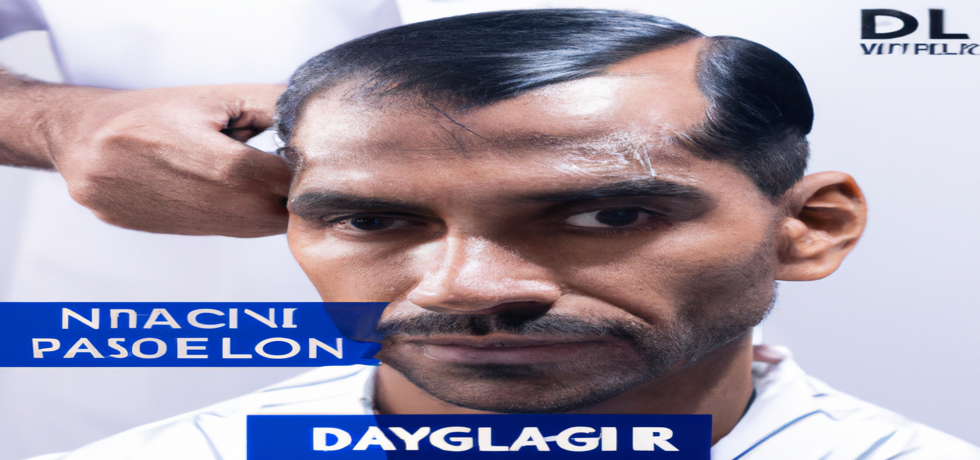
Why Hair Transplants at The Skin Artistry Stand Out

image

Why Hair Transplants at The Skin Artistry Stand Out

Your Path to Confidence

Hair loss can be a sensitive issue for many, affecting self-esteem and confidence levels. At The Skin Artistry, we understand the impact of hair loss and are dedicated to providing exceptional hair transplant services that make a significant difference in our patients’ lives. From advanced technology to personalized treatment plans, the hair transplants at The Skin Artistry set a new standard in hair restoration and patient care.

State-of-the-Art Technology

The Skin Artistry takes pride in using cutting-edge equipment and modern techniques for hair transplants. Our advanced medical infrastructure is designed to offer precise hair restoration with minimized discomfort. With innovations such as robotic assistance and micrografting, we ensure that each hair transplant procedure is performed with the utmost accuracy, delivering natural-looking results that our patients can be proud of.

Expert Surgeons at Your Service

Our team of highly skilled surgeons has extensive experience in hair transplant procedures. Each surgeon at The Skin Artistry possesses both national and international training, allowing them to execute hair restoration surgeries with confidence and expertise. They are committed to continuous education and skill enhancement, ensuring that every patient receives the best care and advice tailored to their unique hair loss patterns.

Personalized Treatment Plans

At The Skin Artistry, we believe that every individual’s hair loss scenario is different. Thats why we create customized treatment plans that cater specifically to your condition and goals. Our medical professionals assess your level of baldness, hair type, and cosmetic desires to create a roadmap that delivers the best possible hair restoration outcomes. Individualized attention is paramount in ensuring complete patient satisfaction.

Commitment to Patient Care

Patient satisfaction is at the core of our philosophy. We prioritize a supportive environment, where patients can feel comfortable discussing their concerns and outcomes. After each hair transplant surgery, our patients have the opportunity to call or meet with their surgeons for follow-ups and queries, ensuring transparency and ongoing support. Our commitment to exceptional patient care means we do our utmost to make the hair transplant experience as stress-free as possible.

Achieving Natural Results

One of the hallmarks of hair transplants at The Skin Artistry is our dedication to achieving natural results. Our surgeons employ meticulous techniques that allow us to recreate hairlines that perfectly complement each patient’s facial features. This attention to detail is instrumental in producing outcomes that not only look good but also feel right, helping our patients regain their confidence.

Frequently Asked Questions

What should I expect during my hair transplant procedure?
Most patients experience minimal discomfort, and the procedure typically lasts a few hours, depending on the extent of the session. Our team will walk you through each step to ensure comfort.

How long does it take to see results?
Hair restoration is a gradual process, and most patients can expect to see significant improvements within a few months post-procedure.

Conclusion

If you’re considering a hair transplant, The Skin Artistry is the ideal choice for achieving both safety and satisfaction in your hair restoration journey. We emphasize the importance of utilizing state-of-the-art technology and skilled professionals, and we ensure that each patient feels valued and understood. Take the first step towards restoring your confidence and natural appearancereach out to us to learn more about how we can assist you in reclaiming your hair.

For professional assistance and expert advice from leading dermatologists like Dr. Hital Patel, experience the benefits of Hair Transplants at The Skin Artistry with Hair & Skin Specialist Dr. Hital Patel at [The Skin Artistry](https://theskinartistry.com/). Our clinics in PDPU Gandhinagar, Vastrapur Ahmedabad and Hyderabad (Visiting Consultant) offer top-quality care and personalized treatments. Visit us today to learn more about our services and take advantage of our special offers! For more insights, updates, or to collaborate, stay connected with [The Skin Artistry](https://theskinartistry.com/).

The Ultimate Guide to Hair Transplant Aftercare

image

The Ultimate Guide to Hair Transplant Aftercare

Introduction

Hair transplant surgery can offer a remarkable solution for individuals experiencing hair loss, but the journey does not end once the procedure is complete. The significance of hair transplant aftercare cannot be emphasized enough, as it directly impacts the success of the grafts and the overall outcome. This ultimate guide will walk you through essential aftercare steps that are vital for the best results.

Rest and Elevation

Post-operative care is critical, starting with the need for ample rest and maintaining an elevated position while sleeping. Resting not only aids healing but also helps in reducing any postoperative complications. Elevating your head minimizes swelling, ensuring the hair follicles receive adequate blood flow essential for nourishing the transplanted hair. Prioritizing these practices can enhance the chances of successful hair growth.

Avoid Touching the Grafts

One of the most vital aspects of hair transplant aftercare is avoiding any direct contact with the grafts. Keeping your hands away from the scalp prevents dislodgment and minimizes the risk of infection. Following appropriate washing techniques will help maintain a clean environment for the hair follicles while promoting healing. Learn to be gentle during this process; the results are worth the effort.

Follow Prescribed Medication

Medication plays a crucial role in post-hair transplant care. Follow your doctor’s instructions regarding any prescribed anti-inflammatories or antibiotics to help minimize discomfort and prevent infection. These medications work in tandem with your aftercare routine to ensure a healthy recovery, promoting optimal hair growth. Ignoring the prescribed protocol could compromise the procedure’s success.

Practice Gentle Washing

Gentle washing is essential in maintaining scalp hygiene without disrupting the delicate grafts. Use lukewarm water and mild, non-irritating shampoos as advised by your surgeon. Careful washing methods can significantly enhance graft viability. By keeping your scalp clean and free of buildup, you support your bodys healing process in a favorable environment.

Steer Clear of Hot Showers

After your hair transplant, it is crucial to avoid hot showers as they can cause swelling and discomfort. Hot water can lead to increased blood flow to the scalp and may irritate the delicate grafts. Instead, take warm or cool showers, which are gentler on your skin, and help you maintain a more comfortable recovery atmosphere.

Drying Techniques

How you dry your hair after washing is also essential. Instead of rubbing your hair vigorously with a towel, pat it dry gently to avoid stressing the newly transplanted grafts. This simple technique helps you steer clear of irritation or potential damage to the follicles, fostering a smooth recovery process.

Avoid Strenuous Activities

Engaging in strenuous activities can be detrimental during the initial healing period post-transplant. Avoid heavy lifting, vigorous exercise, and any movements that cause excessive sweating. These activities can lead to increased swelling, which can affect graft success. Focus on light activities and allow your body the time it needs to heal properly.

Sun Protection

Protecting your scalp from harmful UV rays is vital in the weeks following your hair transplant. Exposure to the sun can damage grafts, resulting in further complications. Wear a cap or use sunblock on your scalp to maintain optimal conditions for healing. Neglecting sun protection can lead to hyperpigmentation and scarring, which might compromise your results.

Avoid Smoking and Alcohol

Its advisable to refrain from smoking and consuming alcohol during the recovery period. These substances can inhibit blood circulation, increase the risk of infection, and lead to complications that may affect your overall hair growth. Prioritizing a healthy lifestyle during aftercare significantly contributes to the success of your hair transplant.

Conclusion

Successful hair transplant results hinge on comprehensive aftercare. By diligently following these essential guidelines, you will enhance the survival of your grafts and foster healthy hair growth while building confidence in your appearance. As always, trust your medical advice for the best outcomes. For professional assistance and expert advice, experience the benefits of hair transplant aftercare with Hair & Skin Specialist Dr. Hital Patel at The Skin Artistry. Our clinics in PDPU Gandhinagar, Vastrapur Ahmedabad, and Hyderabad (Visiting Consultant) offer top-quality care and personalized treatments. Visit us today to learn more about our services and take advantage of our special offers! For more insights, updates, or to collaborate, stay connected with The Skin Artistry.

The Ultimate Guide to Hair Transplantation Age Limits

image

The Ultimate Guide to Hair Transplantation Age Limits

Understanding Hair Loss and Its Implications

Hair loss is a natural and common concern that affects many individuals, leading to anxiety and frustration. When looking for a permanent solution, many consider hair transplantation as a viable option. However, a frequent question that arises is about the appropriate age for hair transplantation. This guide aims to provide clarity on hair transplantation age limits and who might qualify as the right candidate.

The Right Age for Hair Transplantation

Theres no specific age limit when it comes to hair transplant procedures; individuals typically range from their early 20s to late 60s. However, the results can vary based on hair loss patterns. Younger patients, especially those in their early twenties, often wonder, “Am I too young for hair transplantation?” It’s crucial to realize that hair loss can be unpredictable; thus, undergoing a hair transplant at a young age may not always be advisable. Before committing, one should thoroughly evaluate the extent of hair loss against potential future balding.

Evaluating Your Candidacy

An ideal candidate for hair transplantation possesses a stable and substantial supply of donor hair, ensuring coverage for both current and potential future areas of baldness. For those under 30 years, it becomes challenging to predict long-term hair stability. Therefore, it is often suggested to wait until the age of 25 or later for significant hair restoration procedures. If you’re experiencing slight thinning rather than extensive baldness, alternative treatments to combat hair loss could be more fitting, helping maintain existing hair for a more opportune time in the future.

Understanding the Hair Transplant Process

The primary objective of hair transplantation is to restore hair in areas of thinning or baldness. It’s important to remember that receiving your transplant does not prevent ongoing hair loss in other sections of the scalp. This means even after a successful hair restoration procedure, ongoing maintenance and care may be required.

Consulting a Specialist

To address concerns regarding hair transplantation age limits and options, consulting a reputable dermatologist or trichologist is crucial. They can provide you with personalized assessments, discussing various factors like family patterns of hair loss and individual scalp conditions.

Take Action!

While age can influence hair transplantation decisions, the most important factor is the individuals level of hair loss and their overall health. If you have questions or concerns about your hair loss journey, seek advice from expert professionals who can guide you through your options. If you’re struggling with hair loss and considering treatment, do yourself a favor and consult with The Skin Artistry. Take the first step towards understanding your unique hair restoration options.

Frequently Asked Questions

Is there a specific age for hair transplantation?
There is no set age for hair transplantation. However, factors like personal hair loss patterns and donor hair stability should be considered before making a decision.

Can younger people get hair transplants?
Yes, but it’s often recommended to wait until around the age of 25 for a more reliable assessment of their hair loss and future stability.

What should I do if I experience hair loss?
Consult a dermatologist or trichologist for expert advice tailored to your unique situation.

For professional assistance and expert advice from leading dermatologists like Dr. Hital Patel, experience the benefits of hair transplantation at [The Skin Artistry](https://theskinartistry.com/). Our clinics in PDPU Gandhinagar, Vastrapur Ahmedabad, and Hyderabad (Visiting Consultant) offer top-quality care and personalized treatments. Visit us today to learn more about our services and take advantage of our special offers! For more insights, updates, or to collaborate, stay connected with [The Skin Artistry](https://theskinartistry.com/).

3 Effective Hair Loss Solutions for Men: Expert Advice

image

3 Effective Hair Loss Solutions for Men: Expert Advice

Understanding Hair Loss in Men

Hair loss is a common concern faced by many men, affecting self-esteem and confidence. Statistics suggest that approximately 1 in 4 men start to experience thinning hair before they turn 30. The causes range from genetics to lifestyle factors, leading many to seek effective hair loss treatments. In this blog, we will discuss three effective hair loss solutions that have proven results, backed by expert advice.

1. Medications for Hair Loss

Among the most recommended solutions for hair loss are medications. One of the most recognized options is Minoxidil, often known by the brand name Rogaine. This treatment rejuvenates hair follicles and improves blood circulation to areas prone to hair loss, promoting growth in thinning regions. It’s FDA-approved and can be easily found over the counter. Recipients often experience thicker hair, making it a prime choice for men seeking to combat male pattern baldness. Another effective medication is Finasteride, which works by blocking a specific hormone causing hair loss and has also received FDA approval. Consulting with a healthcare professional can help determine the best medicinal approach tailored to individual needs.

2. Nutritional Strategies to Improve Hair Health

Nutrition plays a significant role in maintaining healthy hair. A diet lacking in vital macronutrients and trace elements can lead to hair loss. Men should consider integrating foods rich in vitamins A, B7 (biotin), fatty acids, and minerals like zinc into their daily meals. For instance, fatty fish like salmon, colorful fruits and vegetables, and lean proteins should be staples in ones diet. Implementing lifestyle changes such as regular exercise, adequate sleep, and stress management techniques can also bolster overall hair health. Maintaining a balanced diet combined with proper lifestyle habits can greatly enhance the effectiveness of any hair loss solution.

3. Hair Transplantation Techniques

Hair transplantation is an advanced hair loss solution that offers permanent results. Techniques like Follicular Unit Extraction (FUE) and Follicular Unit Transplantation (FUT) have revolutionized how men can restore their hair. In these procedures, hair follicles are moved from a denser area, often the back of the scalp, to the areas experiencing thinning or balding. These minimally invasive techniques leave little to no noticeable scars and allow for natural-looking hair restoration. Consulting specialists at The Skin Artistry can guide men through the procedure and ensure safe, effective results tailored to individual cases.

Conclusion

Understanding your hair loss and exploring effective solutions can pave the way for regaining confidence and self-esteem. Whether you opt for medications, adjust your nutrition and lifestyle, or consider hair transplantation, there are many paths available to combat hair loss. Take the first step by consulting with experts at The Skin Artistry to choose the right solution for your specific situation.

FAQ About Hair Loss Solutions

Q: Can dietary changes really affect hair loss?
Yes, a balanced diet rich in essential nutrients can support hair health and minimize loss.

Q: How long until I see results from medication?
Results from medications can take several months, typically around 3 to 6 months, to become noticeable.

For professional assistance and expert advice from leading dermatologists like Dr. Hital Patel, experience the benefits of 3 Effective Hair Loss Solutions for Men: Expert Advice with Hair & Skin Specialist Dr. Hital Patel at The Skin Artistry. Our clinics in PDPU Gandhinagar, Vastrapur Ahmedabad and Hyderabad (Visiting Consultant) offer top-quality care and personalized treatments. Visit us today to learn more about our services and take advantage of our special offers! For more insights, updates, or to collaborate, stay connected with The Skin Artistry.