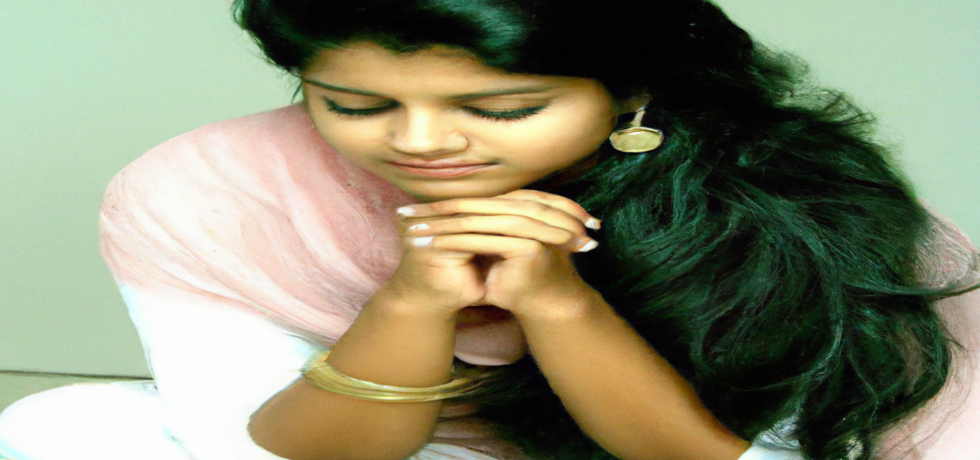
Blessings of Ramzan: Your Guide to Safe and Healthy Hair

image

Blessings of Ramzan: Your Guide to Safe and Healthy Hair

The Significance of Ramzan for Personal Care

As we embrace the blessings of Ramzan, its a time for reflection and self-care. While fasting purifies the soul, it also presents an opportunity to focus on our external well-being, particularly our hair. During this holy month, many experience changes in their hair health due to altered diets and hydration levels. Its crucial to prioritize hair health alongside spiritual practices, ensuring that you maintain beautiful and resilient locks throughout the month.

Understanding the Effects of Fasting on Hair

Fasting can influence hair growth and strength. With reduced food intake, our bodies might not receive adequate vitamins and nutrients critical for maintaining luscious locks. Incorporating foods rich in essential vitamins during Iftar can bolster your hair health. Aim for a balanced diet with fruits, nuts, and proteins to nourish your hair follicles and promote growth while alleviating hair loss concerns. Additionally, maintaining hydration post-fast is crucial to combat dryness and ensure that your hair remains hydrated and manageable.

How to Craft a Healthy Hair Routine during Ramzan

To ensure your hair remains in top condition, consider establishing a dedicated hair care routine. Start your day with gentle cleansing using mild shampoos followed by moisturizing conditioners. Regular oiling can also significantly improve hydration levels; consider using coconut or almond oil for that added boost. Remember to avoid excessive heat styling, as this could further strip your hair of natural moisture. Implementing these practices not only helps prevent damage but also supports natural hair regrowth in these blessed days.

Natural Remedies for Enhanced Hair Health

In addition to regular hair care products, you can explore natural remedies that help in promoting strong and healthy hair. Ingredients like aloe vera and fenugreek seeds can work wonders in strengthening hair follicles and reducing hair loss. Additionally, using a DIY hair mask made from yogurt and honey can not only hydrate your hair but also enhance shine and texture. Consider these natural treatments as part of your pampering routine during Ramzan, ensuring that your hair receives the love and attention it deserves.

Concluding Thoughts on Hair Care during Ramzan

To summarize, Ramzan offers an incredible opportunity to pay special attention to your hair care needs. A balanced diet, proper hydration, and gentle hair care practices are essential in maintaining healthy hair. By following these actionable tips, you can retain the natural shine and beauty of your hair throughout the holy month. Embrace these blessings, and allow yourself to shine both inside and out.

FAQ

Q: Can fasting lead to hair loss?
A: Yes, fasting can lead to temporary hair loss due to nutritional deficiencies. Its important to focus on a balanced diet during Iftar to mitigate this risk.

Q: What foods are best for hair health during Ramzan?
A: Foods rich in vitamins A, C, D, E, zinc, iron, and omega-3 fatty acids, such as nuts, fish, and leafy greens, are excellent for promoting healthy hair.

For professional assistance and expert advice from leading dermatologists like Dr. Hital Patel, experience the benefits of blessings of Ramzan with Hair & Skin Specialist Dr. Hital Patel at The Skin Artistry. Our clinics in PDPU Gandhinagar, Vastrapur Ahmedabad, and Hyderabad (Visiting Consultant) offer top-quality care and personalized treatments. Visit us today to learn more about our services and take advantage of our special offers! For more insights, updates, or to collaborate, stay connected with The Skin Artistry.
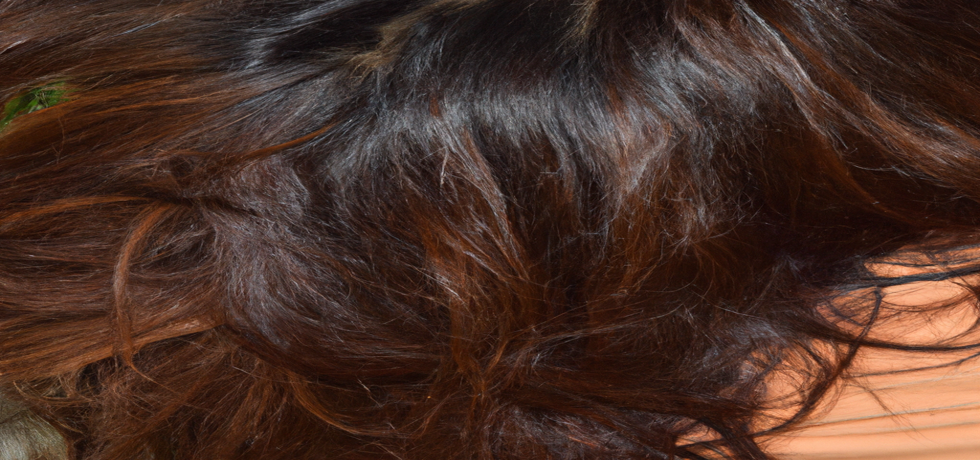

Bubble Hair Deformity: The Hidden Dangers of Heat Styling

image

Bubble Hair Deformity: The Hidden Dangers of Heat Styling

Introduction to Bubble Hair Deformity

Do you love to style your hair with the latest tools or experiment with fancy hairstyles? While you may think you’re doing your hair a favor by achieving that perfect look, excessive heat styling can lead to serious damage, including something called Bubble Hair Deformity. This hidden danger is crucial to understand, especially for those who often use blow dryers, straighteners, or curling irons. In this blog post, we’ll explore what Bubble Hair Deformity is, its symptoms, and most importantly, how to prevent it!

Understanding Bubble Hair Deformity

Bubble Hair Deformity occurs when the air-filled spaces within hair fibers, known as vacuoles, fill up with gas due to excessive heat exposure. When hair is wet, these vacuoles are typically filled with water. However, prolonged use of heat styling tools can cause this water to evaporate rapidly, forming gas-filled cavities within the hair shaft. The application of high temperaturesup to 230 degrees Celsiuscan lead to this form of hair shaft deformity, which is generally diagnosed under a microscope.

Symptoms to Look For

Individuals suffering from Bubble Hair Deformity often notice several symptoms including:

  • Dryness of hair
  • Withering and stiffness
  • Patchy loss of hair
  • Loss of hair in clumps

If you notice these signs, it might be time to reassess your styling habits to avoid long-term damage to your hair.

Prevention is Key

Unfortunately, once Bubble Hair Deformity occurs, there is no cure. Therefore, prevention is of utmost importance. One of the most effective methods to protect your hair from this condition is to minimize the use of heat styling tools. Instead of using hair dryers or straighteners often, its prudent to allow your hair to dry naturally or explore heat-free styling techniques.

Your Hair Deserves Care!

Heat is the primary culprit behind Bubble Hair Deformity, a condition that remains obscured for many. With greater awareness and proactive care, you can help reduce the risk of hair damage while maintaining your preferred hairstyles. Seeking consultations with professionals, like trichologists at The Skin Artistry, can make a significant difference in understanding your hairs needs and addressing any concerns promptly, ensuring you maintain healthy, vibrant hair.

Conclusion: Healthy Hair, Happy You

To keep your hair looking its best, it’s essential to take precautions against heat damage. By limiting the use of styling tools and exploring alternative methods, you can safeguard your hair from issues like Bubble Hair Deformity. Remember, your hair deserves just as much care and attention as your skin!

FAQs about Bubble Hair Deformity

Q: Can I reverse the effects of Bubble Hair Deformity?
A: Unfortunately, the damage caused by Bubble Hair Deformity is generally permanent. Prevention is essential to maintaining hair health.

Q: How can I improve the condition of damaged hair?
A: Limiting heat exposure, using hydrating products, and consulting with experts can help improve the hair’s condition over time.

For professional assistance and expert advice from leading dermatologists like Dr. Hital Patel, experience the benefits of Bubble Hair Deformity: The Hidden Dangers of Heat Styling with Hair & Skin Specialist Dr. Hital Patel at The Skin Artistry. Our clinics in PDPU Gandhinagar, Vastrapur Ahmedabad, and Hyderabad (Visiting Consultant) offer top-quality care and personalized treatments. Visit us today to learn more about our services and take advantage of our special offers! For more insights, updates, or to collaborate, stay connected with The Skin Artistry.
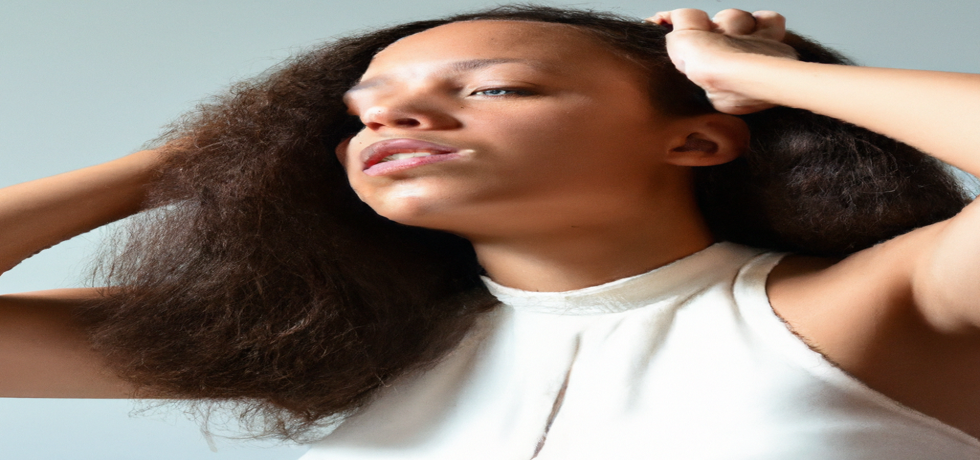
Unveiling the Secret to Permanent Hair Restoration

image

Unveiling the Secret to Permanent Hair Restoration

Introduction: The Journey to Hair Restoration

Are you tired of battling hair loss? Many individuals face this challenge, leading them to explore various hair restoration methods. While some resort to temporary solutions like wigs and hair products, a more effective approach exists. This blog will unveil the secret to permanent hair restoration through innovative hair transplant techniques and effective aftercare. Let’s dive deeper!

Understanding Hair Transplant Techniques

The world of hair restoration has evolved significantly, with a focus on permanent solutions that yield natural-looking results. Hair transplant isnt just a buzzword anymore; its a reliable procedure that can address various forms of hair loss. At the core of hair restoration are two primary techniques: Follicular Unit Transplantation (FUT) and Follicular Unit Extraction (FUE). Each of these procedures serves as a powerful tool in achieving a fuller mane, providing individuals with the option they prefer for their personal hair goals.

Who Can Benefit from Permanent Hair Restoration?

Hair transplants are suitable for both men and women facing various types of hair loss, including male pattern hair loss and thinning hair due to other reasons. People looking to enhance their hairline or adding density to their eyebrows can also benefit significantly from these procedures. By understanding the comprehensive range of candidates for hair restoration, more individuals can explore this life-altering treatment.

The Permanence of Transplanted Hair

One of the most exciting aspects of hair transplant procedures is their permanence. Once transplanted, hair continues to grow for a lifetime, behaving like natural hair. Patients are often advised about the initial shedding of transplanted hair, typically occurring within a few weeks post-surgery, which is perfectly normal. Following this, the hair follicles begin to flourish, leading to a denser appearance. This process ensures that hair restoration isnt just effective in the short term but provides lasting results, making it a preferred choice for those seeking a permanent solution to hair loss.

Maximizing Hair Restoration Results

Achieving maximum results from your hair transplant isnt solely dependent on the procedure itself, but also on adequate aftercare and lifestyle choices. Following the post-surgery guidelines provided by a qualified professional ensures your hair grows strong and healthy. Regular consultations with a dermatologist at The Skin Artistry can synchronize your hair restoration journey and enhance the overall outcome. This level of personalized care distinguishes The Skin Artistry as a leader in hair restoration solutions in India.

Conclusion: Taking the Next Steps

If youre ready to restore your hair for good, engage with a specialist who understands your needs and goals. The Skin Artistry is committed to providing you with effective and permanent solutions tailored to your unique hair loss situation. Dont let hair loss hold you back; instead, embrace a confident new you through professional hair restoration treatments.
For professional assistance and expert advice from leading dermatologists like Dr. Hital Patel, experience the benefits of permanent hair restoration with Hair & Skin Specialist Dr. Hital Patel at The Skin Artistry. Our clinics in PDPU Gandhinagar, Vastrapur Ahmedabad, and Hyderabad (Visiting Consultant) offer top-quality care and personalized treatments. Visit us today to learn more about our services and take advantage of our special offers! For more insights, updates, or to collaborate, stay connected with The Skin Artistry.

Understanding Female Hair Loss: Types and Treatments

image

Understanding Female Hair Loss: Types and Treatments

The Silent Struggle

Hair loss can often feel like an unspoken burden, especially for women. Many navigate this issue alone, adjusting their hairstyles to cover thinning areas secretly. But understanding the types of hair loss and exploring treatment options can empower individuals to find solutions and regain confidence. Its vital to address hair loss early, as timely intervention can yield more positive results.

Signs of Female Hair Loss

Hair loss manifests in various forms. Common signs include:

  • Overall Thinning: This gradual reduction in hair volume on the top of the head is the most prevalent type of female hair loss.
  • Bald Spots: These are coin-sized patches where hair has disappeared, often accompanied by an itchy or painful sensation.
  • Sudden Hair Loss: Noticeable shedding may occur after significant stress or trauma, often appearing while combing or washing hair.
  • Full Loss: Medical procedures like chemotherapy can lead to an abrupt loss of hair.

Common Types of Female Hair Loss

Understanding the various types of female hair loss is crucial for effective treatment.

  • Androgenetic Alopecia: Also known as female-pattern baldness, this genetic condition is prevalent among women, particularly from the ages of 12 to 40.
  • Telogen Effluvium: A temporary and often reversible form of hair loss that can occur after stressful life events.
  • Alopecia Areata: An autoimmune disorder that causes unpredictable patches of hair loss on the scalp or body. It typically affects younger individuals.
  • Tinea Capitis: A fungal infection affecting the scalp that disrupts healthy hair growth.
  • Cicatricial Alopecia: This condition leads to permanent hair loss, replacing follicles with scar tissue.
  • Traumatic Alopecia: Often results from damaging hairstyling practices and techniques.

Treatments for Female Hair Loss

Fortunately, there are numerous treatment options available for women experiencing hair loss.

  • Minoxidil: This topical treatment is widely used in various forms to help stimulate hair growth.
  • Spironolactone Pills: These can address hormonal imbalances affecting hair loss, although consulting a healthcare professional is crucial.
  • Platelet-Rich Plasma (PRP) Therapy: Involves a three-step process to encourage hair regrowth.
  • Laser Therapy: Utilizes special devices aimed at revitalizing hair growth, particularly effective for androgenetic alopecia.
  • Hair Transplantation: In cases where other treatments fail, advanced hair transplant techniques may provide lasting results.

Healthy Habits to Support Hair Health

Beyond medical treatments, adopting healthy lifestyle habits plays a pivotal role in maintaining hair health.

  • Improve your hair styling techniques to avoid damaging practices.
  • Consume a balanced diet rich in nutrients, particularly iron and zinc.
  • Engage in stress-management activities to counter the effects of emotional and physical stress on hair.

Your Next Step

If you notice any signs of hair loss, don’t hesitate to consult a professional. Early diagnosis and treatment options available at The Skin Artistry can significantly enhance your prospects for recovery. Well-informed choices can lead to regaining your desired hair fullness.

Frequently Asked Questions

Q: Is hair loss reversible?
A: Depending on the underlying cause, many forms of hair loss can be treated effectively, resulting in recovery. Consultation with a dermatologist is advisable for personalized advice.

Q: How long does it take to see results from treatments?
A: Results can vary based on the individual and the treatment used, but consistent treatment typically shows results within a few months.

For professional assistance and expert advice from leading dermatologists like Dr. Hital Patel, experience the benefits of understanding female hair loss with Hair & Skin Specialist Dr. Hital Patel at The Skin Artistry. Our clinics in PDPU Gandhinagar, Vastrapur Ahmedabad, and Hyderabad (Visiting Consultant) offer top-quality care and personalized treatments. Visit us today to learn more about our services and take advantage of our special offers! For more insights, updates, or to collaborate, stay connected with The Skin Artistry.

Tips to Safeguard Your Scalp Post Hair Transplant

image

Tips to Safeguard Your Scalp Post Hair Transplant

Introduction: The Importance of Post-Transplant Care

Experiencing hair loss can be distressing, leading many to seek solutions like hair transplants. Once the procedure is complete, it is vital to give your scalp the best care to ensure healing and the success of your new hair. Just as you would nurture your skin post-treatment, your scalp requires special attention. In this blog, we’ll explore essential tips to safeguard your scalp post-hair transplant, giving you the best chance for glowing, revitalized hair.

1. Avoid Touching Your Scalp

One of the first tips to safeguard your scalp post-hair transplant is to resist the urge to touch it. After the procedure, your scalp is covered with micro scars that serve as entry points for harmful microorganisms. Keeping your fingers away from your scalp is crucial to avoid introducing bacteria which can compromise healing and lead to infection.

2. Keep the Area Clean

Maintaining cleanliness is paramount after a hair transplant. You should gently wash your scalp as per your surgeons instructions. Using a mild shampoo helps eliminate dirt without aggravating your skin. This step is essential to minimize the risk of infection, which is more prevalent in unhygienic conditions. Remember, a clean scalp contributes to improved hair regeneration, enhancing your hair transplant’s success.

3. Utilize Saline Spray

Saline spray is a valuable tool when it comes to hair transplant care. Spraying a saline solution on your scalp helps remove debris and creates an environment less conducive to bacterial growth. Applying this solution twice a day can significantly contribute to safeguarding your scalp, ultimately aiding in a quicker recovery and better hair health.

4. Stay Away from Smoking and Alcohol

It is well-known that smoking and alcohol consumption can impede healing. If you’ve recently undergone a hair transplant, its prudent to refrain from these habits. Both substances can lead to reduced blood flow to the scalp, hindering its recovery. Eliminating tobacco and alcohol from your routine can support the healing process and promote healthier hair growth.

5. Follow Up on Medication and Treatments

Adhering to the medications prescribed by your dermatologist is essential for safeguarding your scalp. Applying antibiotic ointments like bacitracin or polysporin as advised can provide extra protection against infection. These treatments can expedite the healing process and should not be overlooked, as they play a crucial role in optimizing your hair transplant results.

Conclusion: Care for Lasting Results

Post-hair transplant care is an integral part of the overall success of the procedure. By following these essential tips, you can protect your scalp and promote healthier, fuller hair growth. Always remember that while the risks associated with infection are significant, they can be managed effectively with proper care and attention. Should you experience any unusual symptoms, dont hesitate to reach out to your dermatologist for guidance. Take charge of your recovery and enjoy the confidence that comes with your beautiful hair!

FAQs

Q: How can I tell if I have an infection post-hair transplant?
A: Watch for signs like redness, swelling, warmth, and pain at the transplanted area. If you notice any of these symptoms, consult your dermatologist immediately.

Q: When can I start using hair products after a transplant?
A: Generally, it’s advisable to wait at least two weeks after your procedure before introducing any hair products into your routine. Always check with your dermatologist for personalized advice.

For professional assistance and expert advice from leading dermatologists like Dr. Hital Patel, experience the benefits of tips to safeguard your scalp post hair transplant with Hair & Skin Specialist Dr. Hital Patel at The Skin Artistry. Our clinics in PDPU Gandhinagar, Vastrapur Ahmedabad and Hyderabad (Visiting Consultant) offer top-quality care and personalized treatments. Visit us today to learn more about our services and take advantage of our special offers! For more insights, updates, or to collaborate, stay connected with The Skin Artistry.

Dispelling Hair Transplant Myths: The Truth Unveiled

image

Dispelling Hair Transplant Myths: The Truth Unveiled

The Importance of Understanding Hair Transplants

Hair transplants have gained popularity over recent years as a reliable solution for those suffering from hair loss. Unfortunately, many myths and misconceptions surrounding the process can lead to confusion and hesitation. Understanding the truth behind these myths can empower individuals to make informed decisions about their hair restoration journey. Let’s delve into the common myths associated with hair transplants and unveil the facts that truly matter.

Myth: Hair Transplants Are Only for Men

Many people believe that hair transplants cater exclusively to men, primarily due to the prevalence of male pattern baldness. However, women can also experience significant hair loss and may benefit from hair restoration procedures. With techniques like FUE (Follicular Unit Extraction) and FUT (Follicular Unit Transplantation), both men and women can achieve impressive results. In fact, women’s hair often remains longer, leading to more aesthetically pleasing results post-procedure.

Myth: Post-Transplant Care Is Unnecessary

After undergoing a hair transplant, many assume that they no longer need to worry about hair loss. This assumption is incorrect! While hair transplantation provides a permanent solution in the treated areas, ongoing medical treatments can help prevent further hair loss in the future. These treatments may include topical solutions, oral medications, and even PRP (Platelet-Rich Plasma) therapies that can aid in maintaining healthy hair growth.

Myth: Transplants Deliver Immediate Results

One of the most common misconceptions is that hair transplants provide instant results. In reality, it’s a process. After the surgery, it’s normal for transplanted hair to shed within a few weeks, making way for new growth. The roots typically require about 60 days to begin developing again, with the most significant results visible between 9 and 12 months. Patience is key as you await your new look!

Myth: Older Adults Are Too Old for Hair Transplants

Age is frequently cited as a barrier to hair transplant eligibility. However, this notion is misleading. Hair restoration can be effective regardless of age, provided there are healthy follicles available for transplantation. As long as the back of the scalp has viable hair, older candidates can still achieve successful and satisfactory results.

Myth: Hair Transplants Look Unnatural

The fear of an unnatural appearance post-transplant often deters individuals from pursuing this effective treatment. When performed by skilled and experienced surgeons, hair transplants yield remarkably natural results. The placement and angle of each follicle are meticulously analyzed for the best possible outcome. With proper care, many patients can enjoy results indistinguishable from their natural hair.

Conclusion: Make Informed Choices

Understanding the reality behind these hair transplant myths is vital for anyone considering this transformative procedure. As the landscape of hair restoration continues to evolve, don’t allow misconceptions to hold you back. Always prioritize consultations with knowledgeable professionals who can provide accurate information tailored to your individual needs. If you’re contemplating a hair transplant, do thorough research, speak with qualified specialists, and stay positive about the journey ahead.
For professional assistance and expert advice from leading dermatologists like Dr. Hital Patel, experience the benefits of Dispelling Hair Transplant Myths: The Truth Unveiled with Hair & Skin Specialist Dr. Hital Patel at The Skin Artistry. Our clinics in PDPU Gandhinagar, Vastrapur Ahmedabad and Hyderabad (Visiting Consultant) offer top-quality care and personalized treatments. Visit us today to learn more about our services and take advantage of our special offers! For more insights, updates, or to collaborate, stay connected with The Skin Artistry.

Debunking Myths on Male Pattern Baldness

image

Debunking Myths on Male Pattern Baldness

Understanding Hair Loss Myths

Male pattern baldness is often a topic surrounded by several myths and misconceptions. Hair loss is not exclusively associated with aging; many younger individuals are experiencing this condition due to various factors like lifestyle choices, stress, and dietary habits. Moreover, scientific advancements in hair restoration techniques are now offering hope to those looking to regain their fuller-looking hair. In this blog, we aim to clarify common misconceptions about male pattern baldness to help you make more informed choices regarding your hair health.

Myth 1: Hats Cause Hair Loss

Contrary to popular belief, wearing hats doesn’t contribute to male pattern baldness. Many people think that hats interfere with the hair follicles’ “breathability,” yet the scalp receives oxygen through the bloodstream, not from the air. Feel free to wear your favorite hats to style yourself while covering any receding hairline or bald spots.

Myth 2: Hair Loss is Permanent

While it’s true that genetic male pattern baldness is irreversible, not all hair loss is permanent. Factors like hormonal changes, nutritional deficiencies, or medication can contribute to temporary hair loss. By tweaking your lifestyle or adjusting your medications under professional guidance, you can often rectify such hair loss.

Myth 3: Stress Causes Hair Loss

This is a two-fold myth. Common day-to-day stress is not linked to hair loss, but traumatic events can push hair follicles into a resting phase, resulting in temporary shedding. So, managing routine stresses won’t lead to drastic hair loss, but be aware that significant trauma could temporarily impact your hair health.

Myth 4: Only Older Men Experience Hair Loss

Many young men begin to experience male pattern baldness in their twenties, mainly if theres a family history. Signs might not be immediately visible, but individuals may start to notice changes well before they reach their thirties.

Myth 5: Mother’s Genes Determine Hair Loss

It’s a pervasive myth that only maternal genes influence genetic hair loss. In reality, male pattern baldness can be passed on from either parent. Genetic predisposition can be inherited from both sides of the family, making it crucial for young men to be aware of this potential early on.

Myth 6: Only Men Suffer from Hair Loss

About 40% of hair loss sufferers are women, which is often overlooked in discussions about male pattern baldness. Women’s hair loss manifests differently; instead of a receding hairline, women usually experience a gradual thinning of hair.

Myth 7: High Testosterone Levels Cause Baldness

This myth heavily circulates but is mostly incorrect. Research shows that bald men have testosterone levels similar to those of men with full heads of hair. The real culprit is dihydrotestosterone (DHT), a derivative of testosterone that contributes to hair loss.

Myth 8: Washing Hair Too Often Leads to Hair Loss

Many worry that frequent washing causes hair to fall out. However, losing some hair during washing is entirely normal, as hair goes through a natural cycle of shedding and regrowth.

Myth 9: Vitamins Mimic Natural Hair Growth

While healthy vitamins and minerals are important for overall wellbeing, they wont promote hair growth directly. Since hair strands are made of dead tissue, simply taking vitamins or applying topical supplements won’t generate new hair. Consult a dermatologist for tailored treatments instead.

Myth 10: Cutting Hair Frequently Makes it Grow Faster

Regular haircuts may give the appearance of thicker and healthier hair, but they will not influence the growth rate. If you’re dealing with receding hairlines or bald spots, it’s best to seek advice from an expert in hair restoration.

In conclusion, understanding the truth behind male pattern baldness is essential for managing hair loss effectively. Although some factors might be out of your control, maintaining a healthy lifestyle and seeking professional guidance can significantly mitigate the effects of hair loss. Remember, it’s completely normal for both men and women to experience changes in their hair over time.

For professional assistance and expert advice from leading dermatologists like Dr. Hital Patel, experience the benefits of Debunking Myths on Male Pattern Baldness with Hair & Skin Specialist Dr. Hital Patel at The Skin Artistry. Our clinics in PDPU Gandhinagar, Vastrapur Ahmedabad, and Hyderabad (Visiting Consultant) offer top-quality care and personalized treatments. Visit us today to learn more about our services and take advantage of our special offers! For more insights, updates, or to collaborate, stay connected with The Skin Artistry.

Unlocking the Secrets of FUE Hair Restoration

image

Unlocking the Secrets of FUE Hair Restoration

A Friendly Guide to Understanding Hair Restoration

If youve been struggling with hair loss, youre not alone! Many individuals seek effective solutions to restore their lost confidence and regain a fuller head of hair. One of the most innovative methods available today is Follicular Unit Extraction, commonly known as FUE hair restoration. This blog post will guide you through the significant advantages and secrets behind FUE hair restoration, helping you make an informed decision about your hair journey.

What is FUE Hair Restoration?

FUE hair restoration is a modern technique that has gained immense popularity for its effectiveness in addressing hair loss. This method involves extracting individual hair follicles from the back of the head and implanting them into areas of baldness or thinning hair. Unlike older procedures, FUE does not leave behind prominent scars, making it a preferred choice for many individuals looking to restore their hairline.

Benefits of FUE Hair Restoration

One of the standout features of FUE hair restoration is its minimal scarring. Patients often choose this method for its ability to leave tiny punch marks instead of the linear scars associated with traditional transplant techniques. This means you can enjoy a normal hairstyle shortly after the procedure without the fear of noticeable scars.

Another major advantage is the fast healing time. Patients often find that their recovery period is significantly shorter with FUE hair restoration, allowing them to return to their regular activities within days. The procedure is designed to minimize discomfort, meaning you can expect to experience little to no pain during the transplant process.

Natural and Consistent Results

One of the concerns many patients have when considering hair restoration is whether the results will look natural. FUE hair restoration is known for producing results that blend seamlessly with your existing hair. Due to the technique’s precision, doctors can control the angle and direction of hair growth, resulting in the most natural appearance.

Additionally, FUE hair restoration consistently yields permanent results. This means that patients can enjoy their newly restored hair for years to come, providing the confidence boost theyve been searching for.

Ideal for Various Skin Types

Whether you have a tight scalp or you’re worried about skin sensitivity, FUE hair restoration can be an excellent fit. This method is gentle and can be performed on various skin types without significant trauma to the donor and recipient areas. With fewer risks of complications and minor, temporary side effects, FUE hair restoration stands out as a safe choice for many potential candidates.

Conclusion: Your Path to Revitalized Hair

If you’re considering taking the step towards hair restoration, FUE hair restoration offers a promising option that combines effectiveness with a gentle approach. Dont let hair loss hinder your confidence any longer! Consult with our experts at The Skin Artistry to see if FUE hair restoration is the right choice for you.

For professional assistance and expert advice from leading dermatologists like Dr. Hital Patel, experience the benefits of FUE hair restoration with Hair & Skin Specialist Dr. Hital Patel at The Skin Artistry. Our clinics in PDPU Gandhinagar, Vastrapur Ahmedabad and Hyderabad (Visiting Consultant) offer top-quality care and personalized treatments. Visit us today to learn more about our services and take advantage of our special offers! For more insights, updates, or to collaborate, stay connected with The Skin Artistry.
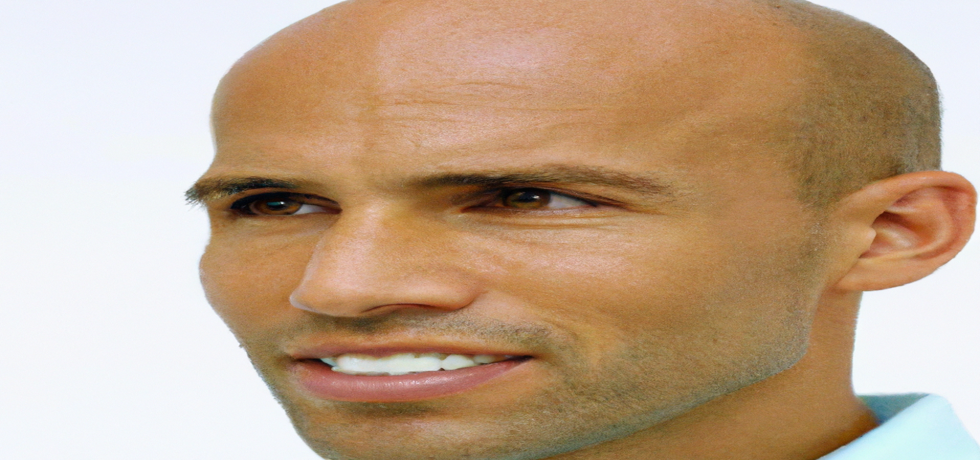
Unveiling the Art of Hair Transplantation for Alopecia

image

Unveiling the Art of Hair Transplantation for Alopecia

Introduction: Understanding Alopecia and Its Impact

Hair loss, medically termed as Alopecia, is something many individuals face, regardless of age or gender. This condition can significantly affect ones self-esteem and emotional well-being. For those suffering from chronic hair loss, hair transplantation emerges as a prominent solution. This blog aims to unravel the art of hair transplantation, especially for those grappling with Alopecia.

The Nature of Alopecia

Alopecia encompasses several forms, including Alopecia areata, where the bodys immune cells mistakenly attack hair follicles. This leads to unpredictable hair loss in patches ranging from small to extensive areas of the scalp. While some individuals may witness hair regrowth, for many, the struggle with hair loss persists. Understanding the type of Alopecia is crucial, as it lays the groundwork for exploring effective hair restoration methods, including hair transplantation.

Traditional Treatments vs. Hair Transplantation

Conventional treatments for Alopecia include topical solutions and immunotherapy. However, these methods often yield mixed results and may not suit everyone. This is where the art of hair transplantation becomes relevant. Unlike traditional treatments that primarily aim to slow hair loss, hair transplantation focuses on restoring hair to balding areas by relocating healthy hair follicles to regions affected by Alopecia.

How Hair Transplantation Works

Hair transplantation operates on the principle of transplanting hair from healthy donor sites to balding areas. The Follicular Unit Extraction (FUE) method is particularly favored. This technique involves harvesting individual follicular units, ensuring minimal scarring and quick recovery times. Successful hair transplantation can result in natural hair growth, but the effectiveness varies depending on factors such as the quality of the donor hair and the condition of the scalp.

Factors Influencing Transplant Success

Achieving optimal results from hair transplantation involves several considerations. Key factors affecting the transplanted hair survival rate include oxidative stress and post-operative care. It’s imperative that individuals follow their surgeon’s guidelines to promote healthy graft uptake. Furthermore, the likelihood of surrounding hair loss impacting the transplanted area should not be overlooked.

Your Journey With The Skin Artistry

At The Skin Artistry, we prioritize your individual needs. We understand that every case of Alopecia is unique, and our approach reflects this. After an extensive evaluation, we explore various treatment routes, making hair transplantation a last resort if other methods prove ineffective. Our aim is to ensure you are informed and ready to make the best decision for your hair restoration journey.

Conclusion: Take the First Step Towards Recovery

If you’re considering hair transplantation as part of your battle against Alopecia, remember that you are not alone. Reach out to us at The Skin Artistry for detailed consultations tailored to your needs. We are committed to providing you with the necessary support and expertise throughout your restoration process. Our goal is to help you regain both your hair and confidence.

FAQ: Your Questions Addressed

Q1: Are hair transplants successful for everyone dealing with Alopecia?
A1: Success can vary based on several factors, including the type of Alopecia and the individuals overall health. Consulting with our specialists will help determine suitability.

Q2: Is the procedure painful?
A2: Most patients report minimal discomfort during and after the procedure, with pain management strategies available to ensure comfort.

For professional assistance and expert advice from leading dermatologists like Dr. Hital Patel, experience the benefits of Unveiling the Art of Hair Transplantation for Alopecia with Hair & Skin Specialist Dr. Hital Patel at The Skin Artistry. Our clinics in PDPU Gandhinagar, Vastrapur Ahmedabad, and Hyderabad (Visiting Consultant) offer top-quality care and personalized treatments. Visit us today to learn more about our services and take advantage of our special offers! For more insights, updates, or to collaborate, stay connected with The Skin Artistry

Can Hair Transplantation Revive a Receding Hairline?

image

Can Hair Transplantation Revive a Receding Hairline?

A New Hope for Thinning Hair

Good morning! Have you ever looked in the mirror, sighed at the sight of your thinning hair, and longed for thicker, fuller locks? You’re certainly not alone! Many men and women experience a receding hairline, with various factors contributing to this common issue. Thankfully, hair transplantation serves as a viable solution for those seeking to regain their confidence and achieve a younger appearance. In this blog, we will delve into the details of how hair transplantation can effectively revive a receding hairline and the options available to you, especially for our audience in India.

Understanding the Receding Hairline

A receding hairline often starts subtly, marked by changes in the hairline’s shape, commonly seen as a gradual withdrawal from the forehead. Men typically experience hair loss at the temples, which may eventually lead to a crescent moon shape, while women may notice a V-shaped peak forming on the scalp. Factors such as age, genetics, stress, and hormonal changes can all lead to hair loss.

Why Do Hairlines Recede?

The reasons behind a receding hairline can be extensive. Age plays a significant role, as the bodys natural hair regeneration process slows down over time. Additionally, for men, a hormone called DHT, derived from testosterone, can shrink hair follicles, leading to male pattern baldness. Genetic predisposition is also a crucial aspect, as many find their hair loss patterns mirror those of their parents or grandparents.

Stress is another contemporary issue; modern lifestyles have led to increased anxiety and exposure to pollutants, contributing to premature hair loss. Moreover, habits such as smoking and poor nutrition can exacerbate the situation, highlighting the importance of a balanced diet rich in protein for healthy hair.

Hair Transplantation: The Solution

Once you comprehend the reasons for your receding hairline, exploring treatment options becomes essential. Medications like Finasteride can help in slowing down hair loss, but many individuals find lasting change through hair transplantation.

One remarkable aspect of hair transplantation is its durability and longevity. The procedure entails removing hair follicles from areas with dense hair, typically the back of the head, and transplanting them into the thinning areas of the scalp. The two popular techniques include Follicular Unit Transplantation (FUT) and Follicular Unit Extraction (FUE). FUT involves removing a strip of skin, while FUE uses a tiny punch tool for a minimally invasive approach, leaving hardly visible scars.

Effectiveness of Hair Transplantation

The success and longevity of hair transplantation depend on multiple factors such as the surgeon’s expertise and the underlying cause of hair loss. If stress or pollution has contributed, adopting a healthier lifestyle can maximize the results. Its advisable for younger individuals facing hair loss to wait until their late 20s, as most hair loss may stabilize by then.

Conclusion: Your Path to Fuller Hair

If you’re struggling with a receding hairline and dreaming of thicker hair, hair transplantation presents a noble option to consider. Remember to consult experienced professionals and explore personalized solutions to achieve the best results.

For professional assistance and expert advice from leading dermatologists like Dr. Hital Patel, experience the benefits of Can Hair Transplantation Revive a Receding Hairline with Hair & Skin Specialist Dr. Hital Patel at The Skin Artistry. Our clinics in PDPU Gandhinagar, Vastrapur Ahmedabad and Hyderabad (Visiting Consultant) offer top-quality care and personalized treatments. Visit us today to learn more about our services and take advantage of our special offers! For more insights, updates, or to collaborate, stay connected with The Skin Artistry.