
Celebrate Holi with Vibrant Hair: A Colorful Guide

image

Celebrate Holi with Vibrant Hair: A Colorful Guide

Introduction: Embrace the Colors of Holi

Holi, the festival of colors, is a beautiful celebration marking the arrival of spring and the victory of good over evil. As vibrant powders fill the air and laughter resonates in every corner, its important to remember that our hair deserves just as much attention as our festivities. This guide will help you celebrate Holi while keeping your hair vibrant and healthy, ensuring you look fabulous while having fun!

Protect Your Hair: Pre-Holi Preparations

Before immersing yourself in the colorful chaos of Holi, it’s essential to prepare your hair. Applying a nourishing hair oil, such as coconut or almond oil, can help create a protective barrier against the chemicals often found in colors. This simple practice acts as a **psoriasis natural treatment**, aiding in moisture retention and preventing damage. Remember, moisture is the key to maintaining vibrant hair during this festive occasion!

Choosing the Right Hair Care Products

As the joyous occasion approaches, you might want to enhance your look with colorful hair dyes or temporary sprays. Opt for brands that are specifically designed for hair health, avoiding harsh chemicals. Look for products with natural ingredients that provide nourishment, making them a fantastic addition to your hair care routine. A good **eczema treatment** can also refresh your scalp, ensuring that your hair looks radiant post-Holi festivities.

After the Celebration: Proper Hair Care

After the fun comes the cleanup! The vibrant powders may add excitement but can also wreak havoc on your hair if not addressed properly. Start with a gentle cleansing shampoo that focuses on removing color particles without stripping your hair of its natural oils. Follow up with a deep conditioning treatment, so your hair remains nourished and vibrant. This step is crucial for maintaining optimal hair health, especially after exposure to harsh colors.

Final Thoughts: Enjoy the Festivities Mindfully

Holi is a time of joy and togetherness, and with a little foresight, you can ensure your hair stays just as lively. From pre-Holi preparations to post-celebration hair care, the key is to embrace the experience while prioritizing the health and vibrance of your hair. Enjoy the colors, the laughter, and the moments shared with loved ones, all while ensuring that you look good and feel even better!

FAQs About Hair Care During Holi

Q: How can I protect my hair before playing with colors?
A: Use a generous amount of oil to coat your hair and scalp, creating a barrier against color absorption.

Q: What shampoo should I use after Holi?
A: Opt for a gentle cleansing shampoo suited for color-treated hair to effectively remove powder without causing damage.

For professional assistance and expert advice from leading dermatologists like Dr. Hital Patel, experience the benefits of celebrating Holi with vibrant hair with Hair & Skin Specialist Dr. Hital Patel at The Skin Artistry. Our clinics in PDPU Gandhinagar, Vastrapur Ahmedabad and Hyderabad (Visiting Consultant) offer top-quality care and personalized treatments. Visit us today to learn more about our services and take advantage of our special offers! For more insights, updates, or to collaborate, stay connected with The Skin Artistry.

How Rainy Season Affects Hair Loss in Men and Women

image

How Rainy Season Affects Hair Loss in Men and Women

Embracing the Rainy Seasons Beauty

The rainy season brings a refreshing change to our surroundings, rejuvenating the earth and enlivening the atmosphere. While many of us cherish this time of year for its soothing rains and lush greenery, its essential to recognize that this season can also impact our hair health. Both men and women often experience hair loss during this time, influenced by environmental factors that accompany the rainy season. Understanding these conditions can help us take proactive steps to maintain healthy hair.

The Connection Between Humidity and Hair Loss

One of the primary reasons for increased hair loss in the rainy season is the heightened humidity level. Excess humidity can create a moist environment that may lead to scalp issues. The increase in moisture can support the growth of bacteria and fungi, leading to conditions like dandruff and scalp infections. These issues can result in inflammation and temporary shedding of hair, contributing to the overall feeling of hair loss for many individuals.

Scalp Infections and Their Impact

The rainy season’s damp conditions are favorable for scalp infections such as seborrheic dermatitis and scalp acne. These infections can compromise hair follicle strength, leading to increased hair shedding. If you notice an uptick in itchiness or redness on your scalp during the monsoon months, it may be time to evaluate your scalp health and seek appropriate treatments to mitigate hair loss.

Effects of Excess Oiliness

With the combination of humidity and sweating, many people experience an oily scalp during the rainy season. This overproduction of oil can lead to clogged hair follicles, weakening the roots and contributing to hair loss. A proper hair care routine becomes critical at this time to prevent excessive oil buildup and maintain hair strength.

Vitamin D Deficiency and Its Consequences

Another factor to consider is the reduced sunlight during the rainy season. This decrease in exposure can lead to lower levels of vitamin D, which is essential for maintaining healthy hair. A deficiency in this vital nutrient can contribute to hair thinning and loss. Incorporating foods rich in vitamin D or considering supplementation (after consulting a professional) can be beneficial during this season.

Adjusting Your Hair Care Routine

The rainy season often leads individuals to alter their hair care routines inadvertently, such as washing their hair less frequently or not drying it properly after getting wet. These changes can exacerbate hair loss issues by allowing sweat, oil, and dirt to accumulate on the scalp. It’s important to adapt your routine to counteract these environmental challenges and promote healthy hair growth.

Preventive Actions and Dietary Considerations

Maintaining a nutritious and balanced diet is crucial for encouraging healthy hair growth during this season. Make sure to include adequate amounts of protein, iron, omega-3 fatty acids, and vitamins such as C, E, and A to support hair health. Stay hydrated and consider consulting a medical expert or nutritionist for personalized guidance on managing hair loss during the rainy season.

Conclusion: Take Charge of Your Hair Health

While experiencing hair loss during the rainy season can be concerning, understanding the reasons behind it is the first step towards effective management. If you notice persistent hair loss or have concerns about your scalp health, dont hesitate to seek professional advice from dermatologists. At The Skin Artistry, we are dedicated to helping you overcome hair challenges and restore your confidence. Together, we can find the right solutions tailored to your individual needs.

FAQs about Hair Loss During the Rainy Season

1. Is it normal to lose more hair during the rainy season?
Yes, increased humidity and changes in your scalp environment can lead to more hair shedding during the rainy season. However, if the hair loss is excessive, it is advisable to consult a dermatologist.

2. How can I protect my hair from humidity?
Using a mild shampoo, conditioning your hair regularly, and avoiding heavy styling products can help protect your hair from humidity-related damage.

3. What dietary changes can help with hair loss?
Including a well-balanced diet rich in protein, iron, and essential vitamins can significantly promote hair health.

For professional assistance and expert advice from leading dermatologists like Dr. Hital Patel, experience the benefits of how rainy season affects hair loss in men and women with Hair & Skin Specialist Dr. Hital Patel at The Skin Artistry. Our clinics in PDPU Gandhinagar, Vastrapur Ahmedabad and Hyderabad (Visiting Consultant) offer top-quality care and personalized treatments. Visit us today to learn more about our services and take advantage of our special offers! For more insights, updates, or to collaborate, stay connected with The Skin Artistry.

Effective Strategies for Regrowing Hair with Genetic Hair Loss

image

Effective Strategies for Regrowing Hair with Genetic Hair Loss

Understanding Genetic Hair Loss

Losing hair can be a distressing experience, particularly when it stems from genetic factors. Genetic hair loss, often linked with androgenetic alopecia, is something many people face regardless of age or gender. Understanding the underlying causes and finding effective strategies for regrowing hair can make a significant difference in how you deal with this condition. Thankfully, a multitude of options are available that can help you manage and even reverse hair loss caused by genetics.

Medications That Work

One of the most common methods for addressing genetic hair loss is through medication. Topical solutions and treatments containing minoxidil have shown effectiveness in stimulating hair growth and slowing hair loss. These solutions are especially popular and have demonstrated the capability to encourage stronger hair follicles. If you are seeking effective strategies for regrowing hair, incorporating such medications can certainly be beneficial. Always consult a specialist before starting any new treatments to determine what works best for you.

The Role of Diet and Supplements

A crucial yet often overlooked aspect of hair health is nutrition. A well-balanced diet rich in vitamins and minerals plays a vital role in supporting hair growth. Key nutrients such as biotin, vitamin D, and omega-3 fatty acids can significantly impact the health of your hair. Additionally, incorporating hair-specific supplements into your daily routine can bolster your efforts to regrow hair. These dietary changes represent a proactive approach to combat genetic hair loss effectively.

Innovative Treatments: Low-Level Laser Therapy and PRP

Emerging technologies like Low-Level Laser Therapy (LLLT) and Platelet-Rich Plasma (PRP) therapy have sparked interest due to their promising results in hair regrowth. LLLT devices work by using low-level lasers to stimulate hair follicles and may improve density. On the other hand, PRP therapy draws on your body’s growth factors to rejuvenate hair growth by injecting enriched plasma into the scalp. Exploring these innovative treatments could unlock new possibilities in your journey toward addressing genetic hair loss.

The Potential of Hair Transplantation

For those experiencing significant hair thinning or baldness due to genetic hair loss, hair transplant surgery presents a practical solution. During this procedure, hair follicles are moved from denser areas to those lacking growth. This approach has proven effective for many individuals seeking long-lasting results. Make sure to do thorough research and consult a professional to determine if this option aligns with your hair restoration goals.

Emotional Support and Stress Management

Emotional well-being can play a critical role in hair health. Chronic stress may worsen hair loss, especially in those with a genetic predisposition. Techniques such as meditation, yoga, and regular exercise can help manage stress effectively. Building a support system with friends, family, or specialists can also contribute positively to your hair regrowth journey. Remember, tackling genetic hair loss requires a holistic approach that encompasses both physical and emotional factors.

Consulting with Professionals

Finally, consulting a dermatologist or trichologist is essential in navigating the complexities of genetic hair loss treatment. They can conduct a thorough examination and recommend tailored strategies suited to your unique situation. When exploring effective strategies for regrowing hair, professional guidance can significantly enhance your chances of success.

Conclusion: A Comprehensive Approach

Regrowing hair with genetic hair loss doesn’t happen overnight, and setting realistic expectations is crucial. With a combination of medication, dietary adjustments, innovative treatments, stress management, and professional advice, you can create a coherent plan that promotes healthy hair growth. Remember, every individual’s journey is unique, and sometimes it takes a bit of trial and error to find what works for you.
For professional assistance and expert advice from leading dermatologists like Dr. Hital Patel, experience the benefits of Effective Strategies for Regrowing Hair with Genetic Hair Loss at [The Skin Artistry](https://theskinartistry.com/). Our clinics in PDPU Gandhinagar, Vastrapur Ahmedabad, and Hyderabad (Visiting Consultant) offer top-quality care and personalized treatments. Visit us today to learn more about our services and take advantage of our special offers! For more insights, updates, or to collaborate, stay connected with [The Skin Artistry](https://theskinartistry.com/).

Reversing Hair Loss: Overcoming Depression’s Impact

image

Reversing Hair Loss: Overcoming Depression’s Impact

Understanding the Connection Between Hair Loss and Depression

Hair loss and depression can often feel like an uphill battle for many individuals. Recognizing the link between these two issues is vital for those experiencing both. While not everyone suffering from depression experiences hair loss, many find that stress and psychological turmoil exacerbate their hair difficulties. Understanding that stress can disrupt the hair growth cycle, leading to conditions like telogen effluvium, helps to initiate the path toward healing. Fortunately, this type of hair loss is typically reversible, and with the right approach, individuals can reclaim their health and confidence.

How Does Depression Cause Hair Loss?

There are numerous reasons hair loss may occur as a result of depression. The psychological impact of losing hair can negatively influence self-esteem, leading to feelings of unattractiveness and lowered confidence. The social stigma attached to hair loss can further provoke feelings of isolation and withdrawal, deepening the shadows of depression. In this manner, it forms a vicious cycle, as hair loss triggers stress, which can worsen depression.

Hormonal changes associated with depression, including those linked to conditions like androgenic alopecia, also contribute to hair loss. Furthermore, underlying health issues and the effects of certain medications can compound the issue, making it imperative for individuals facing hair loss to seek assistance.

Steps to Reverse Hair Loss Due to Depression

The exciting news is that hair loss associated with depression is often reversible. Here are some key steps to boost hair growth post-depression and overcome its impact:

  • Manage Stress Levels: Engaging in relaxation techniques such as yoga, deep breathing, or exercise can help mitigate stress, making a substantial difference in your hair health.
  • Prioritize Sleep: Quality sleep is crucial for overall health and hair regrowth. Aim for adequate rest to work towards better mental and physical well-being.
  • Nutrition Matters: Eating a well-balanced diet packed with vitamins, minerals, and proteins can nourish your hair follicles, promoting growth.
  • Gentle Hair Care: Employ a gentle hair care routine that avoids harsh treatments and excess heat styling to minimize further damage.

Its essential to acknowledge that recovery takes time, and maintaining a positive mindset can enhance the regrowth experience.

Guidelines to Control Hair Loss Linked to Depression

Managing hair loss due to depression goes beyond mere remediesit incorporates emotional well-being and supportive practices:

  • Seek Help: If depression is a significant concern, consider professional help. Therapy and counseling can be beneficial.
  • Practice Mindfulness: Techniques like meditation and mindfulness can alleviate stress and improve emotional health.
  • Stay Connected: Reaching out to friends, family, or support groups provides emotional support and helps combat feelings of isolation.
  • Be Patient: Understand that regrowth is a gradual process, and nurturing yourself during this time is critical.

At The Skin Artistry, we understand the intricate relationship between hair loss and emotional well-being. Our team is dedicated to providing comprehensive treatment solutions tailored to your specific concerns.

Conclusion

Overcoming hair loss due to depression requires a multi-faceted approach that embraces both psychological and physical health. By managing stress, seeking support, and adopting a nurturing hair care routine, individuals can begin to see improvements in their situation. Don’t hesitate to reach out for personalized careyour journey to healing starts today!

For professional assistance and expert advice from leading dermatologists like Dr. Hital Patel, experience the benefits of reversing hair loss with Hair & Skin Specialist Dr. Hital Patel at The Skin Artistry. Our clinics in PDPU Gandhinagar, Vastrapur Ahmedabad and Hyderabad (Visiting Consultant) offer top-quality care and personalized treatments. Visit us today to learn more about our services and take advantage of our special offers! For more insights, updates, or to collaborate, stay connected with The Skin Artistry.
Unveiling the Art of Beard Transplantation

image

Unveiling the Art of Beard Transplantation

Transforming Your Look with Beard Transplants

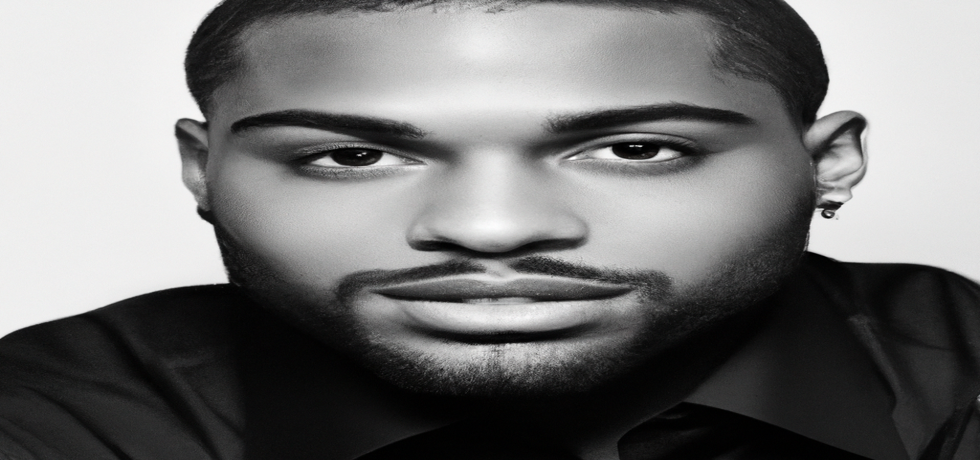
In the quest for an ideal self, many men are exploring the world of beard transplantation. This innovative procedure not only enhances ones appearance but also helps instill confidence. A beard is often seen as a symbol of masculinity, drawing attention for its rugged appeal. With beard transplantation, individuals can achieve the thick and well-groomed beard theyve always desired.

The Benefits of Beard Transplantation

Getting a beard transplant offers several advantages. Firstly, a fuller beard can enhance one’s facial features, providing a stronger jawline and hiding any imperfections such as acne scars. Moreover, a beard acts as a natural shield against harmful UV rays and harsh weather conditions, making it not just a cosmetic enhancement but a protective feature as well.

Understanding the Procedure

The art of beard transplantation involves two primary techniques: Follicular Unit Extraction (FUE) and Follicular Unit Transplantation (FUT). In FUE, individual hair follicles are extracted from the donor area and implanted on the face, ensuring a natural growth pattern. FUT, on the other hand, involves removing a strip of skin containing hair follicles, which are then segmented and implanted. Both methods promise natural-looking results, allowing the recipient to enjoy a beard that complements their unique style.

Choosing the Right Beard Style

Before undergoing a beard transplant, selecting the right style is crucial. Different face shapes lend themselves to different beard lengths and styles. For example, square faces benefit from fuller chins, while round faces may opt for longer growth on the chin to create a more angular appearance. Consultation with experts at The Skin Artistry can help tailor the approach to meet individual aesthetic desires.

Preparation and Aftercare

Preparing for a beard transplant is just as important as the procedure itself. Individuals discouraged by issues such as inability to grow a beard naturally can benefit from this advancement. Its essential to maintain a balanced diet rich in protein, vitamins A, C, and E, and Omega-3 fatty acids to promote healthy hair growth post-transplant. Aftercare is crucial, too. Patients are advised to follow post-operative instructions carefully to ensure that transplanted hair follicles integrate well and thrive.

Conclusion: The New Era of Masculinity

Beard transplantation is not merely a trend; it’s an art that enables men to redefine their looks and, by extension, their self-images. With the changing tides of beauty norms, the move from being clean-shaven to sporting a stylish beard speaks volumes about evolving masculinity. If youve struggled with beard growth or are looking to enhance your facial aesthetics, a consultation at The Skin Artistry can provide you with options tailored to your individual needs.

For professional assistance and expert advice from leading dermatologists like Dr. Hital Patel, experience the benefits of beard transplantation with Hair & Skin Specialist Dr. Hital Patel at The Skin Artistry. Our clinics in PDPU Gandhinagar, Vastrapur Ahmedabad, and Hyderabad (Visiting Consultant) offer top-quality care and personalized treatments. Visit us today to learn more about our services and take advantage of our special offers! For more insights, updates, or to collaborate, stay connected with The Skin Artistry.
FAQs for Female Hair Regrowth Post-Treatment

image

FAQs for Female Hair Regrowth Post-Treatment

Understanding Hair Regrowth for Women

Hair loss can be a challenging experience for many women, affecting both self-esteem and emotional well-being. Fortunately, female hair regrowth is possible with the right treatments and practices. This blog addresses some frequently asked questions surrounding hair regrowth post-treatment, providing valuable insights to help you regain your confidence and achieve healthy hair. Let’s dive into these crucial FAQs to shed light on the hair regrowth journey after treatment.

How Long Until I See Results?

One of the most common queries regarding female hair regrowth is the timeframe for visible results. Generally, it takes several weeks to months for noticeable changes to occur after initiating hair restoration treatments. Factors such as individual hair growth patterns, underlying causes of hair loss, and the specific treatment method can all influence the timeline. It’s essential to remain patient and consistent with the prescribed regimen to reap the benefits of your efforts.

Are There Any Side Effects to Be Aware Of?

Like any treatment, female hair regrowth therapies may come with side effects. Commonly reported issues include mild scalp irritation, dryness, and changes in hair texture. It’s vital to discuss any potential side effects with a trusted dermatologist before beginning treatment. Personalized advice can help mitigate any adverse reactions and ensure a smoother experience through your hair regrowth journey.

What Are the Most Effective Treatments?

There are numerous options available when it comes to promoting female hair regrowth. Topical solutions, oral medications, laser therapy, and even innovative Platelet-Rich Plasma (PRP) therapy are becoming popular. Finding the most suitable approach depends on your unique condition and hair loss severity. Consulting with a medical professional will yield personalized suggestions, giving you the best chance of achieving successful results.

Can Lifestyle Changes Really Make a Difference?

Yes! Lifestyle factors play a significant role in promoting healthy hair growth. Maintaining a well-balanced diet rich in vitamins and minerals, managing stress through techniques such as yoga and meditation, and using gentle hair care products can all enhance treatment effectiveness. Good scalp hygiene is also crucial in preventing further hair loss and maintaining overall health. Embracing these changes can lead to more successful outcomes during your hair regrowth process.

What Precautions Should I Follow?

Its essential to follow specific precautions to optimize hair regrowth after treatment. Adhere strictly to your healthcare providers instructions, remain patient and keep your stress levels in check. Opt for gentle hair care practices while avoiding harsh chemicals that can hinder your progress. Regular scalp massages can promote blood circulation and further assist regrowth efforts, making your journey to healthier hair a little more enjoyable.

Conclusion and Next Steps

The FAQs surrounding female hair regrowth post-treatment highlight the importance of understanding the process, potential side effects, and effective solutions tailored to individual needs. At The Skin Artistry, our experienced dermatologists are committed to helping you through every step of your journey, ensuring personalized guidance and treatments that lead to successful outcomes. Take charge of your hair restoration journey and consult a professional to explore the options available.
For professional assistance and expert advice from leading dermatologists like Dr. Hital Patel, experience the benefits of hair regrowth treatment with Hair & Skin Specialist Dr. Hital Patel at The Skin Artistry. Our clinics in PDPU Gandhinagar, Vastrapur Ahmedabad and Hyderabad (Visiting Consultant) offer top-quality care and personalized treatments. Visit us today to learn more about our services and take advantage of our special offers! For more insights, updates, or to collaborate, stay connected with The Skin Artistry.

Debunking Hair Transplant Myths: The Truth Revealed

image

Debunking Hair Transplant Myths: The Truth Revealed

Understanding Hair Transplants

Hair loss can be a challenging experience for many individuals, leading them to explore various solutions. Among the most popular options is hair transplantation. Unfortunately, a series of misconceptions often cloud the understanding of this effective procedure. It’s time to clear the air and reveal the truth about hair transplants, helping those curious about the process make informed decisions.

Myth 1: Post-Transplant Care is Optional

Many mistakenly believe that transplanted hair needs no special attention. In reality, post-transplant care is crucial for optimal results and scalp health. Immediately after the procedure, patients should avoid touching or scratching the transplanted area to prevent dislodging grafts. Gentle scalp washing and adherence to prescribed medications can significantly enhance healing and promote hair growth.

Myth 2: Transplanted Hair Will Fall Out Permanently

It’s common to hear that once transplanted, the hair will fall out and never grow back. This misconception arises from the phenomenon known as shock loss, where the hair shafts may shed within weeks post-procedure. However, the underlying follicles remain intact, and new hair growth usually starts within three to four months. So, a significant transformation may be visible within a year.

Myth 3: You Can Resume Intense Physical Activity Immediately

A prevalent myth is that patients can return to their regular workout routines right after surgery. Engaging in heavy exercise too soon can negatively impact the healing process. Sweat and strain from physical activities might displace grafts, prolong swelling, and even raise the risk of infection at graft sites. A calm and careful approach following the procedure is essential to encourage healing.

Myth 4: Direct Sunlight Exposure is Safe

Following a hair transplant, the scalp becomes particularly sensitive. Exposing it to direct sunlight too soon can lead to complications such as hyperpigmentation and hinder the healing process. Taking precautions, like wearing a loose-fitting hat and using sunscreen as recommended by your physician, can protect the scalp from UV damage.

Myth 5: Post-Surgery Care is Minimal

The notion that care after surgery is minimal is misleading. To ensure successful hair regrowth, patients must adhere to specific guidelines provided by their dermatologists. This includes avoiding strenuous activities, following a proper diet for healing, and attending regular follow-up appointments to monitor progress.

Consult a Professional

Seeking advice from qualified experts is always beneficial when considering hair transplant procedures. Consult with a dermatologist who specializes in hair loss solutions. This way, you can tailor a plan that meets your individual needs and ensures optimal outcomes.

At The Skin Artistry, we are dedicated to providing personal care and tailored solutions for individuals dealing with hair loss. With the right information and expert guidance, you can navigate your hair restoration journey with confidence.

Conclusion

Tapping into the true potential of hair transplantation while debunking these myths can empower those considering the procedure. Awareness and understanding can be game-changers in overcoming hair loss. Following professional advice, adhering to post-surgery care, and shunning myths can lead to a successful hair restoration experience.

For professional assistance and expert advice from leading dermatologists like Dr. Hital Patel, experience the benefits of Debunking Hair Transplant Myths: The Truth Revealed with Hair & Skin Specialist Dr. Hital Patel at The Skin Artistry. Our clinics in PDPU Gandhinagar, Vastrapur Ahmedabad and Hyderabad (Visiting Consultant) offer top-quality care and personalized treatments. Visit us today to learn more about our services and take advantage of our special offers! For more insights, updates, or to collaborate, stay connected with The Skin Artistry.
Revolutionizing Hair Transplantation: The Simultaneous Harvesting Technique

image

Revolutionizing Hair Transplantation: The Simultaneous Harvesting Technique

A Game-Changer in Hair Restoration

Hair loss can be a distressing experience for many individuals, leading to a significant impact on self-esteem and confidence. Thankfully, advancements in hair transplantation techniques continue to transform the landscape of this field. One of the most innovative approaches today is the Simultaneous Harvesting Technique, which promises to revolutionize hair transplantation. In this blog post, we will explore this groundbreaking method and its remarkable benefits for those who seek effective solutions for hair loss.

Understanding the Simultaneous Harvesting Technique

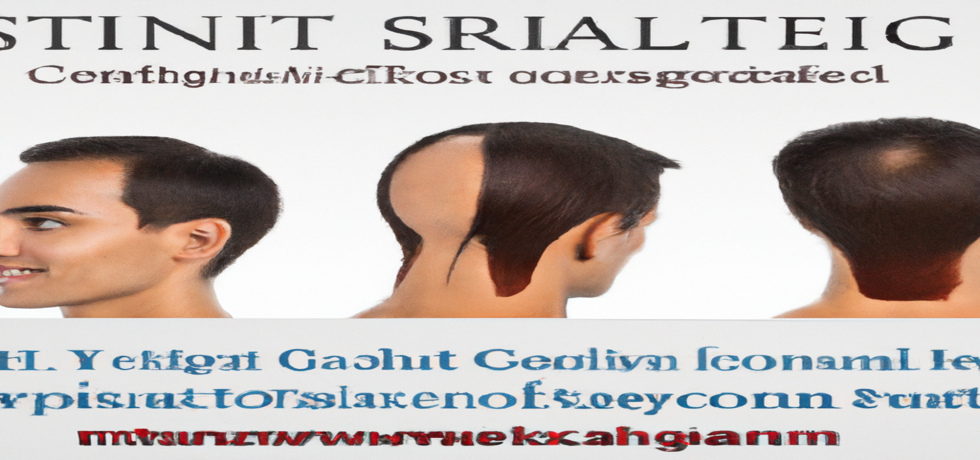
The Simultaneous Harvesting Technique, often referred to as SHI, accelerates the process of hair transplantation by combining the harvesting and implantation phases. Traditionally, these steps could take several hours, often resulting in increased exposure time of the grafts to the air, leading to potential damage. With SHI, when hair follicles are harvested, they are immediately implanted into the recipient area, reducing this exposure and boosting overall graft survival rates.

Benefits of the SHI Method

By utilizing the Simultaneous Harvesting Technique, patients can experience a quicker and more efficient hair restoration process. This revolutionary method not only minimizes the time hair grafts spend outside the body, thus preserving their integrity, but also allows for quicker recovery times for patients. Furthermore, clients enjoy longer breaks during the procedure, allowing them to feel more relaxed and comfortable throughout their hair transplantation journey.

Innovative Technique for Improved Outcomes

One significant advantage of the SHI technique is its ability to enhance the overall outcome of hair transplants. Studies have shown that the percentage of grafts that shed from the recipient site decreases with this method. Patients often see results that grow faster and with better retention, providing confidence and satisfaction. Individuals like Alok Sharma, a client who has undergone this procedure, have reported positive experiences with accelerated hair growth, leading to an improved quality of life.

Who Can Benefit from Simultaneous Harvesting?

The Simultaneous Harvesting Technique appeals to a variety of individuals experiencing hair loss, especially those who are short on time or have specific events, such as weddings, to attend shortly after their procedure. Those who may have previously experienced unsuccessful hair transplants may also find renewed hope in this advanced technique. An effective solution like this could potentially empower countless people facing hair loss challenges.

Final Thoughts and Professional Guidance

If you’re investigating options for hair restoration and are interested in cutting-edge techniques like the Simultaneous Harvesting Technique, consider reaching out to a qualified hair transplant specialist. Personalized consultations can help you understand what to expect and the benefits you may reap from advanced procedures.

For professional assistance and expert advice from leading dermatologists like Dr. Hital Patel, experience the benefits of revolutionizing hair transplantation with Hair & Skin Specialist Dr. Hital Patel at The Skin Artistry. Our clinics in PDPU Gandhinagar, Vastrapur Ahmedabad and Hyderabad (Visiting Consultant) offer top-quality care and personalized treatments. Visit us today to learn more about our services and take advantage of our special offers! For more insights, updates, or to collaborate, stay connected with The Skin Artistry.
Understanding the Root Causes of Hair Loss

image

Understanding the Root Causes of Hair Loss

Getting to the Bottom of Your Hair Loss

Losing your hair can be an emotionally taxing experience. Whether its due to genetics, stress, or lifestyle choices, understanding the root causes of hair loss can help you tackle the issue head-on. Instead of feeling disheartened or overwhelmed, lets explore some common reasons why you might be experiencing hair fall and how to address them effectively.

Poor Diet: Fueling Your Hair Health

One of the most significant factors contributing to hair loss is a poor diet. Just as your body needs a balanced intake of vitamins and minerals, so does your hair. Insufficient amounts of essential nutrients can lead to hair loss. Including more proteins, vitamins, and minerals in your meals can help promote healthy hair growth. Foods rich in Vitamin B and Vitamin E are especially beneficial in preventing hair loss and ensuring robust hair health.

The Impact of Stress on Hair Loss

Stress is another emotional villain that can wreak havoc on your hair. Many individuals are unaware that daily stressors can lead to significant hair shedding. Prolonged stress triggers a condition known as telogen effluvium, where hair follicles enter a resting state, leading to increased hair fall. Finding ways to manage stresslike practicing mindfulness, yoga, or engaging in recreational activitiescan aid in mitigating this issue.

Genetics: The Family Factor

Sometimes, the reason behind hair loss is simply in your genes. If you have a family history of hair thinning or baldness, theres a higher chance that you may experience similar issues. Genetic hair loss usually occurs in a predictable pattern, often beginning with a receding hairline or thinning crown. If this resonates with you, seeking advice from a specialist can provide insight into available treatment options to counteract hair loss.

Hormonal Changes and Hair Loss

Hormonal fluctuations can lead to hair loss, particularly in women. Conditions such as pregnancy or PCOS (Polycystic Ovary Syndrome) can result in significant hormonal imbalances, impacting hair health. Monitoring hormonal changes and understanding their effects can pave the way for appropriate management and treatment strategies.

Thyroid Issues and Hair Health

A healthy thyroid is crucial for overall body function, including hair growth. An underactive or overactive thyroid can lead to hair loss. If you suspect that your thyroid might be implicated in your hair issues, consulting with a healthcare professional is vital for diagnosis and treatment.

Environmental Factors: Protect Your Tresses

Additionally, environmental factors such as weather conditions can contribute to hair loss. Regular exposure to sun, humidity, and pollution can damage hair and weaken follicles. Protecting your hair from harsh environmental elements by covering it or using protective products may help prevent further damage.

Conclusion: Embrace Proactive Care for Your Hair

Understanding the root causes of hair loss is the first step towards finding a solution. Remember that a balanced diet, stress management techniques, and awareness of any genetic or hormonal factors can significantly impact the health of your hair. If you still have concerns regarding your hair, consider seeking the expertise of professionals.

For professional assistance and expert advice from leading dermatologists like Dr. Hital Patel, experience the benefits of understanding the root causes of hair loss with Hair & Skin Specialist Dr. Hital Patel at The Skin Artistry. Our clinics in PDPU Gandhinagar, Vastrapur Ahmedabad, and Hyderabad (Visiting Consultant) offer top-quality care and personalized treatments. Visit us today to learn more about our services and take advantage of our special offers! For more insights, updates, or to collaborate, stay connected with The Skin Artistry.
Understanding the Hair Transplant Success Rate

image

Understanding the Hair Transplant Success Rate

Hair Transplant: A Solution for Hair Loss

If you’re grappling with hair loss or thinning hair, you’re not alone. Many individuals experience hair loss, and for some, it can significantly impact self-esteem. One effective solution to combat this issue is hair transplantation. However, before diving into the procedure, its essential to understand the success rate associated with hair transplants and how various factors contribute to achieving optimal results.

Defining Success in Hair Transplants

When we talk about the success rate of hair transplants, it’s not just about numbers. A successful hair transplant means that the follicles implanted are growing and thriving in their new environment. Clinical studies indicate that the graft survival rate typically ranges from 85% to 95%. This high success rate underscores the effectiveness of this innovative procedure.

Factors Affecting Success Rates

The overall success of hair transplants is influenced by several key factors, including:

  1. Surgeons Expertise: The skills and experience of your surgeon play a significant role. An experienced hair transplant specialist will utilize advanced techniques, increasing the chances of a successful operation.
  2. Technology and Infrastructure: State-of-the-art technology and a well-equipped clinical environment are crucial for successful hair transplantation. Modern tools enhance precision and contribute to better outcomes.
  3. Individual Variability: Each patient’s hair quality, density, and skin condition will vary and can impact how well the hair transplant takes. Personal goals also influence what success looks like for each individual.
  4. Post-Operative Care: Following your surgeon’s instructions meticulously is vital for optimal recovery. Adequate post-transplant care can significantly influence the success rate.

Comparing Hair Transplant Techniques: FUSS vs. FUE

Two popular techniques for hair transplantation are Follicular Unit Strip Surgery (FUSS) and Follicular Unit Extraction (FUE). FUSS involves removing a strip of scalp to harvest follicles, while FUE extracts individual follicles. Both techniques have demonstrated high success rates, and the choice between them should be based on individual requirements and the surgeons recommendation. Generally, FUE is regarded for offering natural results with less visible scarring.

The Importance of Setting Realistic Expectations

While its great to know that the success rate of hair transplants is promising, it’s equally important to maintain realistic expectations. Transplanted hair may not achieve the desired fullness immediately. Its common for patients to see some shedding of transplanted hair before the follicles settle and begin to grow healthily. Adequate patience and consistent follow-up consultations with your surgeon can enhance satisfaction with the results.

Conclusion: The Path to Renewed Confidence

Ultimately, understanding the hair transplant success rate is a crucial step towards making an informed decision. With a skilled surgeon, modern technology, and diligent post-operative care, many patients find great satisfaction in their transformed appearance. If youre considering a hair transplant, be sure to consult with qualified professionals to discuss your options.

For professional assistance and expert advice from leading dermatologists like Dr. Hital Patel, experience the benefits of understanding the hair transplant success rate with Hair & Skin Specialist Dr. Hital Patel at The Skin Artistry. Our clinics in PDPU Gandhinagar, Vastrapur Ahmedabad, and Hyderabad (Visiting Consultant) offer top-quality care and personalized treatments. Visit us today to learn more about our services and take advantage of our special offers! For more insights, updates, or to collaborate, stay connected with The Skin Artistry.