
Hair Transplant Success: The Key Factors

image

Hair Transplant Success: The Key Factors

Introduction to Hair Transplant Success

Hair transplant success is a topic that many people consider crucial when seeking solutions for hair loss. At The Skin Artistry, we understand that a hair transplant is not just a procedure; its a significant investment in ones appearance and emotional wellbeing. With our expert team of specialists, we aim to provide not only outstanding medical services but also reliable information on what contributes to the success of hair transplants. This post will explore the essential factors that lead to successful hair restoration procedures.

Understanding the Basics of Hair Transplantation

The primary objective of any hair transplant is to restore hair in a way that looks completely natural, which depends on multiple factors. A well-planned and executed hair transplant procedure can significantly enhance an individuals self-esteem and confidence. Understanding what makes a hair transplant successful is vital, especially if you are considering options for hair restoration at The Skin Artistry.

Factors to Consider for Hair Transplant Success

There are several key factors that play a role in determining the success rate of hair transplant procedures at our clinic. Heres an in-depth look at these critical aspects:

1. Experienced Surgeons

The skill and experience of the surgeon performing the hair transplant are perhaps the most critical elements in ensuring hair transplant success. At The Skin Artistry, our expert team uses advanced techniques and state-of-the-art equipment to achieve optimal results. A proficient surgeon will consider various personal factors affecting hair loss, customizing the procedure to meet your specific needs.

2. Graft Quality and Techniques

The quality of the hair grafts used during the procedure is also essential. High-quality follicular units, as employed by our talented surgeons, provide better survival rates and natural results. Techniques such as Follicular Unit Extraction (FUE) minimize damage to the follicles, enhancing the likelihood of robust hair growth and overall success.

3. Natural Appearance

The ultimate goal of a hair transplant is achieving a natural appearance. Surgeons at The Skin Artistry focus on factors such as hair direction, angles, and density to create an aesthetically pleasing outcome. While some might prioritize the amount of hair, it is the natural look that defines true success.

4. Patient Satisfaction

Achieving high patient satisfaction levels is what we consider the true measure of hair transplant success. At The Skin Artistry, we take the time to ensure that our patients’ expectations align with what can realistically be achieved, thus helping them leave the clinic feeling happy and fulfilled.

Conclusion: Take the Next Step Towards Hair Restoration

If youre considering a hair transplant, understanding the key factors that contribute to its success will help you make an informed decision. At The Skin Artistry, we are committed to providing top-notch services tailored to your individual needs. We encourage you to consult with our specialists who can guide you through the best options for your hair restoration journey. For professional assistance and expert advice from leading dermatologists like Dr. Hital Patel, experience the benefits of Hair Transplant Success: The Key Factors with Hair & Skin Specialist Dr. Hital Patel at The Skin Artistry. Our clinics in PDPU Gandhinagar, Vastrapur Ahmedabad, and Hyderabad (Visiting Consultant) offer top-quality care and personalized treatments. Visit us today to learn more about our services and take advantage of our special offers! For more insights, updates, or to collaborate, stay connected with The Skin Artistry.
Understanding Hair Transplant Complications: What You Need to Know

image

Understanding Hair Transplant Complications: What You Need to Know

Introduction to Hair Transplant Complications

If you’re considering a hair transplant, it’s essential to be informed about the potential complications that can arise from this cosmetic procedure. While hair transplantation is a popular solution for hair loss, understanding the risks is crucial for making an informed decision. In this blog, we’ll explore various hair transplant complications, their causes, and what you need to know to ensure a successful outcome.

What is Hair Transplantation?

Hair transplantation is a surgical technique used to restore hair growth in areas experiencing thinning or baldness. During this procedure, new hair follicles are transplanted from the donor area, typically the back of the head, to the recipient area where hair is sparse. While it is generally considered safe, like any surgical procedure, it can involve complications that you should be aware of.

Common Complications of Hair Transplantation

One of the first concerns for many individuals undergoing this procedure is the potential for pain and swelling. Although most patients experience mild discomfort and temporary inflammation of the scalp, these symptoms usually resolve within a few days. However, more severe complications can arise. Following are some of the most common issues people face post-transplant.

Infection and Scarring

As with any surgical procedure, infection is a potential risk. While rare, inadequate hygiene during or after the operation can lead to complications. It’s essential to choose a reputable clinic like The Skin Artistry, which follows stringent sterilization protocols to minimize such risks. Scarring is another concern, especially with the Follicular Unit Transplantation (FUT) method, which may leave linear scars in the donor area.

Donor Site Complications and Poor Hair Growth

Complications at the donor site can sometimes occur, such as donor hair effluviuma temporary condition where hair in the donor area becomes sparse due to surgery. On the recipient side, poor hair growth can happen if hair grafts are improperly placed or if there’s a negative reaction to the grafts themselves. Such factors underscore the importance of careful pre-operative assessments and consultations with qualified professionals at The Skin Artistry.

Temporary Side Effects: Are You Prepared?

Many patients experience temporary effects such as swelling, discomfort, and even itchiness in areas where hair has been transplanted. While these are common and usually resolve in a short time, it is vital to manage them through proper post-operative care. Staying hydrated, using prescribed medications, and following aftercare instructions can go a long way in reducing these temporary side effects.

FAQs About Hair Transplant Complications

What should I do if I experience severe pain post-surgery?
If you experience severe pain that persists, consult your doctor immediately for evaluation and guidance.

How long will it take to see results after the procedure?
It may take 3-6 months before you notice significant hair growth following a transplant procedure.

Conclusion: Prioritize Your Health

Understanding the potential complications of hair transplantation is vital for anyone considering the procedure. By being educated on the risks and choosing an experienced surgeon at The Skin Artistry, you can significantly increase your chances for a successful outcome. Remember to maintain good physical health leading up to your procedure, as it promotes better recovery and results. For professional assistance and expert advice from leading dermatologists like Dr. Hital Patel, experience the benefits of hair transplantation with Hair & Skin Specialist Dr. Hital Patel at The Skin Artistry. Our clinics in PDPU Gandhinagar, Vastrapur Ahmedabad and Hyderabad (Visiting Consultant) offer top-quality care and personalized treatments. Visit us today to learn more about our services and take advantage of our special offers!
For more insights, updates, or to collaborate, stay connected with The Skin Artistry.

Understanding and Managing Female Hair Loss

image

Understanding and Managing Female Hair Loss

Introduction

Hair is often considered a crown for women, reflecting their style and personality. However, many women experience hair loss at some point, and this can lead to emotional distress. Understanding the various factors contributing to this issue can help in managing female hair loss more effectively. In this article, we’ll explore the reasons behind hair loss in women and discuss how to tackle the issue.

What Causes Female Hair Loss?

Female hair loss is influenced by a variety of factors. Genetics plays a significant role, with many women experiencing a hereditary form known as female pattern baldness. Additionally, hormonal changes due to pregnancy, menopause, or conditions like polycystic ovary syndrome (PCOS) can trigger hair loss. Stressful events or emotional trauma are also some of the possible triggers that could lead to temporary or persistent hair loss.

Furthermore, medical conditions like thyroid disorders or autoimmune diseases such as alopecia areata are worth noting. People may also encounter hair loss due to scalp issues like psoriasis or fungal infections, which can hamper hair growth. A crucial step is identifying the underlying cause of hair loss, as this guides the most effective hair loss treatment options.

Effective Treatments for Managing Female Hair Loss

The primary methods to manage female hair loss include over-the-counter and prescription medications. Minoxidil, often used for effective hair loss treatment, can stimulate hair growth. It usually takes a few months of consistent use to observe visible results, and it is important to continue treatment to maintain hair health.

Additionally, hormonal treatments may benefit those with conditions that lead to increased androgens. Women dealing with low iron levels might require supplementation, which can support hair growth.

A balanced diet rich in protein, vitamins, and minerals is crucial not just for overall health but also for maintaining hair density and quality. Incorporating food that promotes hair health can be a simple, yet crucial aspect of hair loss management.

Cosmetic alternatives, such as hair fibers or wigs, can also be considered for those seeking an immediate solution for thinning hair while longer-term treatments take effect.

Consulting a Dermatologist

If you notice significant hair thinning, it is advisable to consult a dermatologist specializing in hair loss. They can conduct examinations, review your medical history, and recommend suitable treatment options tailored to your specific needs. Remember that early intervention can often lead to better outcomes, so dont hesitate to seek help.

Conclusion

While hair loss can be distressing, understanding its causes and potential treatments can empower women to take control of their hair health. Whether through dietary changes, medications, or cosmetic solutions, there are numerous ways to manage female hair loss effectively. Consult with a trusted dermatologist to evaluate personalized solutions that work best for you, leading to restored confidence and healthy hair.

FAQs on Female Hair Loss

1. Is hair loss common in women? Yes, approximately one-third of women will experience some form of hair loss in their lifetime, particularly as they age.
2. Can stress lead to hair loss? Absolutely, significant stress can trigger a type of hair loss known as telogen effluvium.
3. Can dietary changes impact hair loss? Yes, a balanced diet is essential for hair health. Nutritional deficiencies can contribute to hair loss.
For professional assistance and expert advice from leading dermatologists like Dr. Hital Patel, experience the benefits of understanding and managing female hair loss with Hair & Skin Specialist Dr. Hital Patel at The Skin Artistry. Our clinics in PDPU Gandhinagar, Vastrapur Ahmedabad and Hyderabad (Visiting Consultant) offer top-quality care and personalized treatments. Visit us today to learn more about our services and take advantage of our special offers! For more insights, updates, or to collaborate, stay connected with The Skin Artistry.
Understanding Female Pattern Baldness: Symptoms, Causes, and Solutions

image

Understanding Female Pattern Baldness: Symptoms, Causes, and Solutions

Introduction

Hair loss can be a concerning and emotional experience for many women. Understanding female pattern baldness is crucial in addressing the underlying issues and exploring possible solutions. Almost 30 million women worldwide struggle with this condition, experiencing thinning hair and bald patches. While its not life-threatening, it can significantly impact self-esteem. Lets delve into the symptoms, causes, and effective treatments for female pattern baldness to empower women to reclaim their confidence.

What is Female Pattern Baldness?

Female pattern baldness is a specific condition characterized by the gradual thinning of hair, mostly observed at the crown of the head. Unlike male pattern baldness that often leads to a receding hairline, women tend to notice more diffuse thinning across the scalp. The progression of this condition can begin as early as the teenage years and is often exacerbated by hormonal changes, genetics, and medical conditions.

Symptoms You Should Look Out For

Recognizing the symptoms of female pattern baldness is vital for timely intervention. Common signs include:

  • Increased hair fall, especially during washing or styling.
  • Thinning hair that makes hairstyles like braids or ponytails appear less voluminous.
  • A noticeable “Christmas tree” pattern on the crown of the head.
  • Visible scalp due to sparsely populated hair.

If you notice these symptoms, seeking professional advice can help in managing the situation effectively.

Causes Behind Hair Loss in Women

Various factors contribute to female pattern baldness, including:

  • Genetics, which plays a significant role in predisposition to hair loss.
  • Hormonal fluctuations, particularly during menopause or pregnancy, which can affect hair growth cycles.
  • Medical conditions such as thyroid disorders and autoimmune diseases.
  • Environmental factors like exposure to harsh chemicals or excessive heat.

By understanding these causes, women can take proactive steps to prevent further hair loss.

Treatment Options Available

Fortunately, there are several effective treatments available for female pattern baldness that cater to individual needs. It is essential to consult with dermatologists for personalized guidance:

  • Topical Treatments: Minoxidil is a common topical solution that may help stimulate hair regrowth after consistent use.
  • Hair Transplant Surgery: A more permanent solution, hair transplantation involves relocating hair follicles from denser areas to balding spots.
  • PRP Therapy: Platelet-rich plasma therapy uses the bodys growth factors to promote hair growth safely.
  • Laser Therapy: Non-invasive and effective, laser treatments can stimulate hair follicles using light therapy.

Each treatment option has its unique advantages and should be discussed with a qualified professional for the best outcomes.

Preventive Measures You Can Take

While not all cases of female pattern baldness can be prevented, taking certain measures can significantly improve hair health. Here are some tips:

  • Practice gentle hair care: Use a wide-toothed comb to minimize breakage.
  • Incorporate a balanced diet rich in vitamins and minerals crucial for hair growth.
  • Avoid harsh hairstyles that pull on the hair.
  • Protect your hair from environmental damage by wearing a protective covering when outdoors.

Implementing these preventive strategies can enhance your hair’s resilience and reduce the risk of thinning in the future.

Conclusion

Identifying the signs of female pattern baldness can lead to proactive treatment and solutions. If you suspect hair loss, do not hesitate to seek advice from a dermatologist to discuss the most suitable options available. Empower yourself with knowledge and take charge of your hair health for a more confident you.

FAQs

Can stress contribute to female pattern baldness?
Yes, physical or emotional stress can lead to hair shedding and exacerbate existing hair loss conditions.

Are there any lifestyle changes that can improve hair health?
Incorporating a healthy diet, regular exercise, and good hair care practices can enhance hair growth and overall health.

For professional assistance and expert advice from leading dermatologists like Dr. Hital Patel, experience the benefits of understanding female pattern baldness with Hair & Skin Specialist Dr. Hital Patel at The Skin Artistry. Our clinics in PDPU Gandhinagar, Vastrapur Ahmedabad, and Hyderabad (Visiting Consultant) offer top-quality care and personalized treatments. Visit us today to learn more about our services and take advantage of our special offers! For more insights, updates, or to collaborate, stay connected with The Skin Artistry.
Embrace the New Year with Radiant Skin

image

Embrace the New Year with Radiant Skin

Start Fresh: The Importance of Skincare Resolutions

As the New Year dawns, many of us reflect on our goals and aspirations. While setting resolutions for health, fitness, and personal growth is common, don’t forget to include your skin in the mix! Embracing the New Year with radiant skin can boost your confidence and reflect your inner vitality. Let’s explore some effective ways to achieve that healthy glow this year.

Crafting Your Skincare Routine

Establishing a consistent skincare routine is crucial to achieving radiant skin. This year, focus on incorporating high-quality products that cater to your skin type. Whether you have dry, oily, or combination skin, employing a personalized regimen not only enhances your skin’s appearance but also works wonders in maintaining its health. Use gentle cleansers, moisturizers, and serums rich in antioxidants. By prioritizing your skincare routine, youll be well on your way to embracing the New Year with radiant skin.

The Power of Hydration and Nutrition

Hydration plays a vital role in maintaining your skin’s elasticity and overall appearance. Along with a robust skincare routine, drink plenty of water daily to keep your skin hydrated from within. Additionally, nourish your body with a well-balanced diet rich in vitamins and minerals. Foods that are high in omega-3 fatty acids, vitamins A, C, and E, as well as antioxidants will not only improve your skin’s radiance but also contribute to overall health. Nourishing your skin internally and externally is indeed a recipe for a glowing complexion.

Fighting the Effects of Stress

In our fast-paced lives, stress can often take a toll on our skin. As you embrace the New Year, consider techniques to manage stress effectively. Practice mindfulness techniques like yoga and meditation, which not only provide mental clarity but also benefit your skins health. Reduced stress levels can transform your skin, making it appear more radiant. Therefore, prioritizing your mental wellness is equally important in this journey to glowing skin.

Seeking Professional Guidance

For those looking to take their skincare to another level, consider consulting with skincare professionals. At The Skin Artistry, our experts can provide tailored advice on products and treatments that suit your individual needs. Regular check-ins with a dermatologist can help track your skin’s progress and address any concerns that may arise throughout the year. Personalized care ensures that you remain on the path to achieving and maintaining radiant skin.

Conclusion: Step into the New Year with Confidence

As you set your resolutions this New Year, remember that taking care of your skin should be a top priority. By establishing a dedicated skincare routine, focusing on hydration and nutrition, managing stress, and seeking professional guidance, you can embrace the New Year with radiant skin and newfound confidence.

For professional assistance and expert advice from leading dermatologists like Dr. Hital Patel, experience the benefits of Embrace the New Year with Radiant Skin with Hair & Skin Specialist Dr. Hital Patel at The Skin Artistry. Our clinics in PDPU Gandhinagar, Vastrapur Ahmedabad, and Hyderabad (Visiting Consultant) offer top-quality care and personalized treatments. Visit us today to learn more about our services and take advantage of our special offers! For more insights, updates, or to collaborate, stay connected with The Skin Artistry.
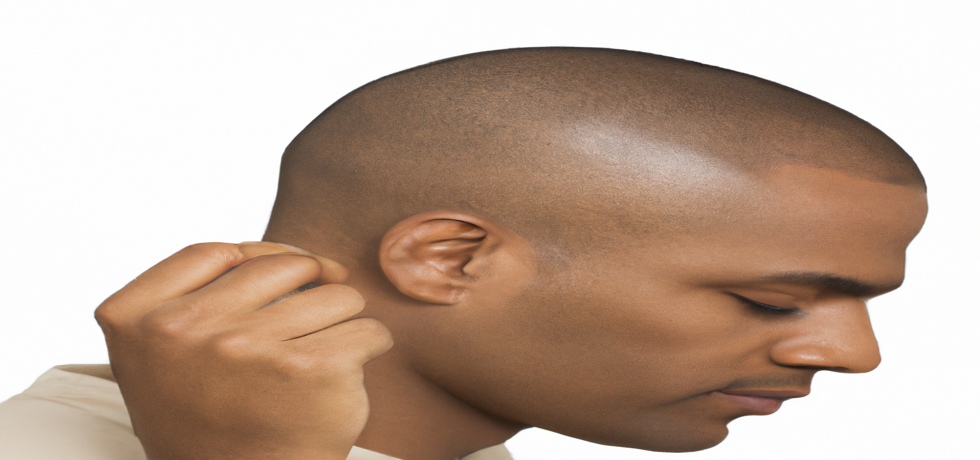
Understanding the Itchy Scalp Mystery

image

Understanding the Itchy Scalp Mystery

A Deep Dive into the Causes

An itchy scalp can be quite an irritating experience, not to mention the embarrassment it may cause in social situations. Many people wonder what could be causing this discomfort and how to address it effectively. Understanding the itchy scalp mystery is crucial, as it can often indicate underlying conditions that may require expert intervention. In this article, well explore the common causes and solutions for an itchy scalp, helping you regain your comfort and confidence.

Common Causes of Itchy Scalp

One primary reason for an itchy scalp is dandruff, which manifests as dry flakes and an irritated scalp. This condition can lead to a persistent itch that may be difficult to ignore. Seborrheic dermatitis, a more severe form of dandruff, can also contribute to redness and inflammation. If you’re often experiencing these symptoms, it may be time to explore dandruff treatment options available at The Skin Artistry.

Allergic Reactions to Hair Products

Another common culprit behind an itchy scalp is an allergic reaction to hair care products. Ingredients such as shampoos, conditioners, or even hair dyes can cause skin irritation, leading to conditions like allergic contact dermatitis. If youve recently changed your hair care products and noticed an increase in scalp irritation, it may be wise to revert to your previous products or consult a dermatologist for alternative hypoallergenic options.

Infections and Infestations

Infections like ringworm and infestations by head lice are also significant contributors to an itchy scalp. Ringworm is a fungal infection that can create red, itchy patches on the scalp. Meanwhile, head lice can cause intense itching as they feed on the blood in the scalp. If you suspect either of these conditions, its important to seek immediate treatment to prevent further discomfort and spread.

Scalp Conditions Like Psoriasis

Scalp psoriasis is another serious reason for an itchy scalp. Patients often experience red patches alongside silver-white scales. For those dealing with psoriasis flare-ups, there are several psoriasis natural treatment options available that connect medical and holistic approaches. Its vital to consult with an expert to create a suitable treatment plan.

When to Seek Professional Help

While itchy scalp conditions may seem minor, it’s essential to identify their root causes. If your symptoms persist, worsen, or significantly affect your quality of life, consult with a dermatologist. Conditions such as nerve-related issues or even skin cancer can present with scalp itchiness as a symptom. A professional assessment is the best way to ensure that you receive the correct diagnosis and treatment.

Conclusion

Understanding the intricate causes of an itchy scalp is a journey worth taking for the sake of your comfort and health. With the right knowledge and access to effective treatment options, you can successfully manage your symptoms. At The Skin Artistry, we recommend keeping a close eye on any changes in your scalp health and seeking professional guidance when needed. Remember, being proactive about your scalp care can lead to healthier, more comfortable hair.

FAQ

1. Can an itchy scalp lead to hair loss?
Yes, excessive scratching can lead to temporary hair loss. In some rare cases, it could contribute to more permanent loss depending on the underlying condition. Consulting with a dermatologist is advisable if you’re experiencing significant hair loss alongside an itchy scalp.

2. Are there home remedies for itchy scalp?
While various home remedies can provide temporary relief, its best to address the root cause first. If you notice consistent symptoms, its crucial to discuss your options with a professional at The Skin Artistry.

For professional assistance and expert advice from leading dermatologists like Dr. Hital Patel, experience the benefits of Understanding the Itchy Scalp Mystery with Hair & Skin Specialist Dr. Hital Patel at The Skin Artistry. Our clinics in PDPU Gandhinagar, Vastrapur Ahmedabad, and Hyderabad (Visiting Consultant) offer top-quality care and personalized treatments. Visit us today to learn more about our services and take advantage of our special offers! For more insights, updates, or to collaborate, stay connected with The Skin Artistry.
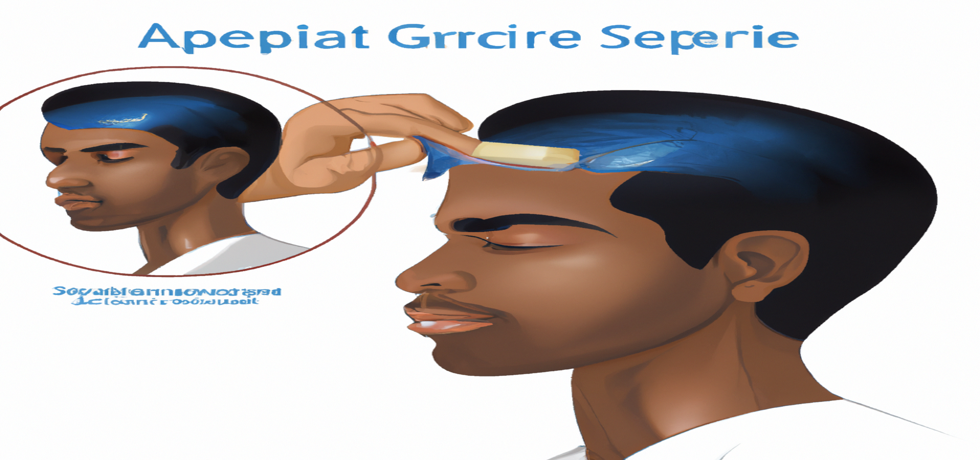
Understanding and Managing Scabs After Hair Transplant

image

Understanding and Managing Scabs After Hair Transplant

Introduction to Post-Transplant Care

Undergoing a hair transplant can be an exciting journey towards restoring your hair and confidence. However, one common concern that arises after the procedure is the formation of scabs. These scabs are a normal part of the healing process, but understanding them is critical to ensuring a successful recovery. This blog post aims to give you a comprehensive understanding of scabs after a hair transplant and offer tips on how to manage them effectively.

What Causes Scabs After a Hair Transplant?

After a hair transplant, scabs form due to small incisions made during the extraction and implantation of hair follicles. These scabs are essentially dried blood and tissue resulting from the healing process. They typically develop 2-3 days post-surgery as your body begins to repair itself. While it may be alarming to see scabs, remember that this is a normal response and signifies that your skin is healing.

How Long Should You Expect Scabs to Last?

Most scabs will start to fall off within one to two weeks after your hair transplant. During this time, its crucial to avoid any actions that may dislodge the grafts or irritate your scalp. Patience is key; those scabs are part of the natural healing process that should not cause undue concern.

Proper Care for Scabs

While scabs are a natural occurrence, proper care can minimize discomfort and aid in healing. Here are some essential tips to manage scabs effectively:

  • Avoid touching or scratching the scalp to prevent complications.
  • Gently wash your hair with a mild shampoo a few days after the procedure, as recommended by your doctor.
  • Consider saline sprays to keep the scalp hydrated, promoting quicker healing.
  • Massaging your scalp gently (avoiding the use of nails) can stimulate blood flow and aid healing without damaging the scabs.

What to Avoid?

Some practices can jeopardize your healing process. Avoid smoking and alcohol for several days post-surgery, as they can hinder recovery. Be mindful of your sleeping position: lying on your back can prevent unnecessary pressure on the grafted area. Finally, wait until your healthcare provider gives the green light before using a hairdryer or any styling products.

Conclusion: Embrace the Healing Process

Scabs after a hair transplant are a common occurrence and part of the body’s healing journey. By understanding what causes these scabs and how to manage them properly, you can ensure a smooth and successful recovery. Remember, following your doctor’s instructions and practicing good scalp care will set you up for beautiful, natural-looking hair in the future. For any concerns or questions, dont hesitate to reach out for professional guidance, ensuring that your hair restoration process is not only smooth but also successful.

Frequently Asked Questions

Q: Can I remove the scabs myself?
Its best to let the scabs fall off naturally within one to two weeks. If they persist, consult your doctor for proper removal methods.

Q: How can I ensure the scabs heal properly?
Keep your scalp clean, avoid scratching, and follow the post-operative care instructions provided by your healthcare provider.

For professional assistance and expert advice from leading dermatologists like Dr. Hital Patel, experience the benefits of understanding and managing scabs after hair transplant with Hair & Skin Specialist Dr. Hital Patel at The Skin Artistry. Our clinics in PDPU Gandhinagar, Vastrapur Ahmedabad and Hyderabad (Visiting Consultant) offer top-quality care and personalized treatments. Visit us today to learn more about our services and take advantage of our special offers! For more insights, updates, or to collaborate, stay connected with The Skin Artistry.
Unveiling the Benefits of Sapphire FUE Hair Transplantation

image

Unveiling the Benefits of Sapphire FUE Hair Transplantation

Introduction to Sapphire FUE Hair Transplantation

In recent years, the aesthetic desires of both men and women have placed a significant emphasis on their hair and overall appearance. When it comes to hair restoration, the sapphire FUE hair transplant method has emerged as a cutting-edge procedure that offers a plethora of benefits over traditional techniques. This blog aims to highlight the unique advantages of the sapphire FUE hair transplantation, providing insights valuable to anyone considering a hair restoration solution.

Understanding Sapphire FUE Hair Transplantation

Sapphire FUE (Follicular Unit Extraction) entails the extraction of hair follicles from a donor area, which are then implanted into the recipient site with the aid of sapphire blades. Interestingly, these blades are crafted from synthetic sapphire, ensuring sharper and more durable tools than conventional steel blades. This advanced technology minimizes tissue damage during the process, enhancing the overall outcomes of the procedure.

Key Advantages of Sapphire FUE Hair Transplantation

One of the prominent benefits of this innovative hair transplant method is its capacity to deliver effortlessly natural results. Thanks to the V-shaped design of sapphire blades, surgeons can create more frequent and precise micro-incisions. This aspect is crucial for ensuring that the implanted hair follicles align perfectly with the natural growth direction, contributing to a seamless aesthetic appearance.

Furthermore, the smooth surface of sapphire blades significantly reduces the chances of tissue trauma. This translates to a quicker recovery time for patients, allowing them to return to their daily lives sooner. The precise nature of these blades also minimizes the risk of post-operative infections, making it a safer option for those concerned about recovery challenges.

Enhanced Precision and Flexibility

The exceptional flexibility offered by sapphire blades allows for greater control over the angle and direction of the incisions made during the procedure. This level of precision is pivotal in hair transplantation, as it directly impacts the aesthetic outcome. Patients seeking a natural hairline can benefit immensely from the results provided by the sapphire FUE technique.

Also noteworthy is the denser results achieved due to the advanced micromotor technology used for hair extraction. This enables a higher volume of grafts to be collected more efficiently, cultivating a more voluminous look that patients desire.

A Safe Solution for All

Individuals with metal allergies often face challenges with traditional hair transplant procedures utilizing steel blades. However, the sapphire FUE method alleviates these concerns, providing a safe alternative for those who previously felt excluded from such treatments.

By ensuring minimal trauma to the hair follicles during the procedure, the chances of swelling, irregular wound edges, or trauma are significantly diminished. This advantage fosters a smoother healing process and a more positive patient experience.

Conclusion and Actionable Advice

Sapphire FUE hair transplantation stands out as a revolutionary solution for those seeking effective and aesthetically pleasing hair restoration. With its unique benefits, such as reduced recovery time, enhanced precision, and minimized risks, patients can confidently approach their journey toward a fuller head of hair.

If you are considering this advanced technique for addressing hair loss, its essential to discuss your options with a professional. For continued support and guidance, consult with experts at The Skin Artistry. Embrace the transformative power of sapphire FUE hair transplantation and take a significant step toward your desired aesthetic.

For professional assistance and expert advice from leading dermatologists like Dr. Hital Patel, experience the benefits of sapphire FUE hair transplantation with Hair & Skin Specialist Dr. Hital Patel at [The Skin Artistry](https://theskinartistry.com/). Our clinics in PDPU Gandhinagar, Vastrapur Ahmedabad, and Hyderabad (Visiting Consultant) offer top-quality care and personalized treatments. Visit us today to learn more about our services and take advantage of our special offers! For more insights, updates, or to collaborate, stay connected with [The Skin Artistry](https://theskinartistry.com/).

5 Essential Factors When Choosing a Hair Restoration Clinic

image

5 Essential Factors When Choosing a Hair Restoration Clinic

Introduction: Understanding Hair Restoration

If you are grappling with hair loss, you are not alone. Many people are seeking solutions to achieve fuller, healthier hair, and hair restoration clinics can offer promising options. However, choosing the right hair restoration clinic can significantly impact your results and overall experience. With so many available options, it’s essential to know the five essential factors to help guide your decision-making process.

1. Importance of Consultation

One of the first and most crucial steps in the hair restoration journey is an initial consultation. A reputable hair restoration clinic should offer free consultations to help identify the specific causes of hair loss you may be experiencing. This allows you to discuss potential hair loss treatment options and get a personalized treatment plan. Hence, look for clinics that provide a comprehensive assessment, discussing everything from the types of treatments available to post-treatment care essentials.

2. Variety of Treatment Options

Hair restoration is not a one-size-fits-all approach. Clinics offering a diverse range of treatments can ensure that you receive the most effective option tailored to your hair type and condition. While some might benefit from medications or non-surgical methods, others may need more invasive procedures like follicular unit extraction (FUE) or the traditional follicular unit transplantation (FUT). Understanding the modalities available at a clinic is vital for successful hair restoration.

3. Experience of the Medical Team

The expertise of the medical professionals at the clinic can heavily influence your results. A highly skilled surgeon can sculpt a natural-looking hairline and minimize the appearance of scarring. To choose a reputable clinic, look into their medical staffs experience, qualifications, and previous patient success stories. A team known for their artistry and skill in hair restoration will likely yield better results for your specific needs.

4. Accessibility and Location

Post-operative care is crucial for hair restoration success, which means youll need to visit the clinic frequently in the months following the procedure. Therefore, consider the accessibility and location of the clinic. Its ideal to choose a clinic that is easy to reach, whether by public transport or private vehicle, to ensure that your recovery journey remains hassle-free.

5. Testimonials and Before & After Results

Ideally, a credible hair restoration clinic should provide visual evidence of its work through before and after images and testimonials from previous clients. These results will allow you to gauge the clinic’s effectiveness and verify their claims. A well-documented portfolio of successful case studies can also provide peace of mind as you embark on your hair restoration journey.

Conclusion: Making an Informed Choice

In conclusion, selecting a reputable hair restoration clinic is crucial for achieving the results you desire. By considering the availability of consultations, treatment options, the experience of the medical team, clinic accessibility, and documented success stories, you will be equipped to make an informed choice. Start your journey towards a fuller head of hair today with the right knowledge and support.

Frequently Asked Questions

What should I expect during the initial consultation?
The initial consultation is an opportunity for you to discuss your hair loss concerns, understand possible treatments, and outline a personalized plan.

How does post-operative care work?
Post-operative care may involve regular follow-ups at the clinic to ensure healing and optimal results.

For professional assistance and expert advice from leading dermatologists like Dr. Hital Patel, experience the benefits of hair restoration with Hair & Skin Specialist Dr. Hital Patel at The Skin Artistry. Our clinics in PDPU Gandhinagar, Vastrapur Ahmedabad and Hyderabad (Visiting Consultant) offer top-quality care and personalized treatments. Visit us today to learn more about our services and take advantage of our special offers! For more insights, updates, or to collaborate, stay connected with The Skin Artistry.
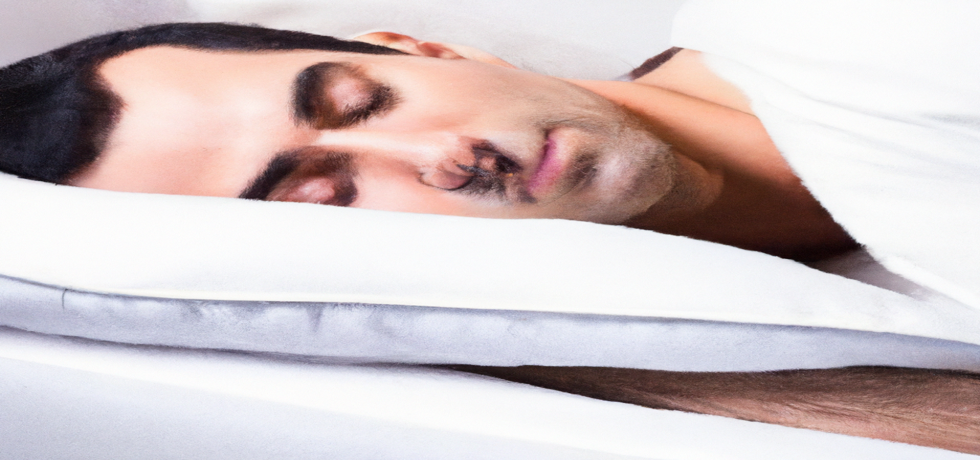
Tips for Sleeping After a Hair Transplant

image

Tips for Sleeping After a Hair Transplant

Understanding the Importance of Sleep Position

After undergoing a hair transplant, one of the most critical aspects of your recovery is how you sleep. The proper sleeping position can significantly affect the success of your hair grafts. Newly transplanted hair follicles need careful care during the early recovery phase, and sleeping in the right position plays a pivotal role. Not only does a good sleeping posture protect your hair, but it also helps to minimize discomfort and prevents swelling. Let’s explore some key tips for sleeping peacefully after a hair transplant.

Elevate Your Head

Its essential to keep your head elevated while you sleep. Aim for a 45-degree angle by using multiple pillows, or consider investing in special pillows designed for post-hair transplant care. Elevating your head helps reduce blood flow to the scalp, which can minimize swelling and bruising common after any surgical procedure. Avoid direct contact of your newly transplanted hair with the pillow to shield the grafts from any pressure or friction that could lead to complications.

Sleep on Your Back

Another critical sleeping tip after a hair transplant is to avoid sleeping on your stomach or side. Resting on your back is key to preventing pressure on the newly transplanted hair follicles. Sleeping on your stomach can create tension and pressure on the scalp, damaging not just the grafts but also the surrounding skin. A sturdy neck or travel pillow can provide added support and protect your hair grafts during the night.

Keep It Clean

Maintaining a sanitary sleep environment is equally important in your recovery phase. Clean pillowcases and sheets reduce the risk of infection at the surgical site. Use mild laundry detergents, as harsh chemicals can lead to irritation or allergic reactions on your sensitive scalp. Always ensure that your sleepwear is also clean and devoid of any irritating materials or fragrances.

Short Naps Over Long Sleep

Long sleeping periods can increase stress on your scalp and prolong healing time. Its advisable to take short naps during the day instead of long hours of uninterrupted sleep. Remember, keeping yourself comfortable is the priority, so adjust your sleeping arrangement to reduce tension on your scalp while enjoying a restful nap.

When Can You Return to Normal Sleeping Patterns?

Many people wonder when they can return to their usual sleeping positions after a hair transplant. Typically, within one to two weeks, the transplanted hair grafts are secure and able to withstand regular pressures. Up until that point, stick to the recommended tips to ensure a smooth recovery and avoid the risks of discomfort or complications.

Conclusion: Follow the Guidelines for Optimal Recovery

The healing phase after a hair transplant is crucial for the desired results. Prioritizing a good sleeping posture, maintaining cleanliness, and being mindful of the length of your sleep can significantly aid in your recovery process. The ultimate goal is to promote the health of your newly transplanted hair follicles while ensuring your comfort.

For professional assistance and expert advice from leading dermatologists like Dr. Hital Patel, experience the benefits of sleeping well after a hair transplant with Hair & Skin Specialist Dr. Hital Patel at The Skin Artistry. Our clinics in PDPU Gandhinagar, Vastrapur Ahmedabad, and Hyderabad (Visiting Consultant) offer top-quality care and personalized treatments. Visit us today to learn more about our services and take advantage of our special offers! For more insights, updates, or to collaborate, stay connected with The Skin Artistry.