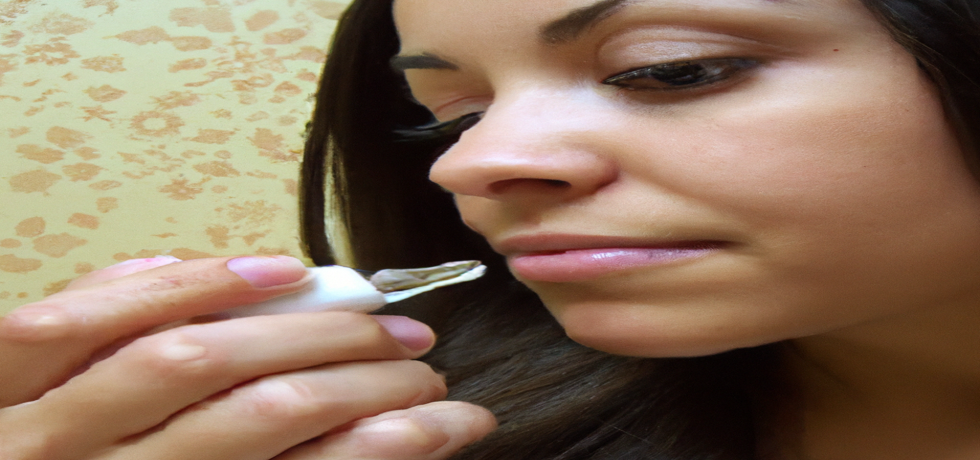
5 Natural Remedies to Lighten Dark Lips

image

5 Natural Remedies to Lighten Dark Lips

Understanding Dark Lips

Dark lips can be a common concern for many, often caused by lifestyle factors, environmental exposure, or even certain medical conditions. While some individuals may have naturally darker lip colors, others may notice changes over time due to smoking, sun exposure, or the use of harsh cosmetic products. Thankfully, there are natural remedies that can help lighten dark lips effectively, restoring their natural beauty and health. At The Skin Artistry, we believe that achieving lighter, healthier lips can be done naturally and affordably.

The Importance of Natural Remedies

Transitioning to natural remedies to lighten dark lips not only helps you achieve your desired look but also promotes overall lip health. Unlike commercial treatments that often contain artificial chemicals, these natural solutions focus on nourishing and rejuvenating your lips while addressing the root cause of discoloration. Here are five effective home remedies you can try:

1. Lemon and Sugar Scrub

This popular remedy utilizes lemon’s natural bleaching properties along with sugar’s exfoliating abilities. Gently scrub the lips with a mixture of fresh lemon juice and sugar for a rejuvenating effect. Rinse in the morning for optimal results. Incorporating this into your skincare routine can contribute significantly to dark lips treatment.

2. Turmeric and Milk Paste

Turmeric is known for its anti-inflammatory and lightening properties. By mixing a pinch of turmeric with raw milk and applying it as a paste on your lips can help reduce hyperpigmentation effectively. After leaving it on for 10 minutes, rinse off with cold water. This strategy is beneficial in promoting your lip care routine.

3. Honey and Almond Oil

Honey is a natural moisturizer, while almond oil is packed with Vitamin E. Combining these two powerful ingredients can create a nourishing scrub that helps lighten your lips. Mix equal parts of honey and almond oil, apply, and leave for 15 minutes before rinsing. This home remedy will soothe and lighten your lips remarkably.

4. Olive Oil Treatment

Using olive oil as a daily lip balm not only moisturizes but can also help lighten dark lips over time. Its rich antioxidants and hydrating properties make it an ideal remedy to incorporate into your daily wellness routine. Regular application will lead to softer and healthier lips.

5. Beetroot Balm

Beetroot is a natural colorant and its juice can provide a beautiful tint to your lips while helping lighten their underlying color. Applying fresh beetroot juice to your lips regularly can not only brighten your lip color but keep them hydrated.

Take Action Today

While dark lips can be a source of concern for many, knowing how to address this issue naturally can significantly improve your confidence. By trying these remedies, you’re taking steps towards healthier and lighter lips. Remember to stay hydrated, protect your lips from sun exposure with SPF lip care, and minimize the use of harmful lip products.

For professional assistance and expert advice from leading dermatologists like Dr. Hital Patel, experience the benefits of natural remedies to lighten dark lips with Hair & Skin Specialist Dr. Hital Patel at The Skin Artistry. Our clinics in PDPU Gandhinagar, Vastrapur Ahmedabad, and Hyderabad (Visiting Consultant) offer top-quality care and personalized treatments. Visit us today to learn more about our services and take advantage of our special offers! For more insights, updates, or to collaborate, stay connected with The Skin Artistry.


Benefits of Physical Sunscreen for Oily and Acne-Prone Skin

image

Benefits of Physical Sunscreen for Oily and Acne-Prone Skin

Understanding the Importance of Sunscreen

If you have oily or acne-prone skin, choosing the right sunscreen can feel like a daunting task. Many people worry that applying sunscreen will lead to more breakouts and aggravate existing acne. However, incorporating the right kind of sunscreen into your skincare routine is crucial for protecting your skin from harmful UV rays, preventing further skin issues, and promoting overall skin health. At The Skin Artistry, we believe that physical sunscreen could be the best option for your unique skin type. Let’s delve into why physical sunscreen is beneficial for oily and acne-prone skin.

What is Physical Sunscreen?

Physical sunscreen, often referred to as mineral sunscreen, works by forming a protective barrier on the skin that reflects harmful sun rays instead of absorbing them. Ingredients like zinc oxide and titanium dioxide are commonly found in these formulations, making them ideal for those concerned about irritation. By using physical sunscreen, youre ensuring broad-spectrum protection against UV radiation that can lead to premature aging and hyperpigmentation.

Why Choose Physical Sunscreen for Oily and Acne-Prone Skin?

Does Not Aggravate Acne: Unlike chemical sunscreens that can seep into the skin, physical sunscreens are designed to sit on top of the skin, making them less likely to trigger breakouts. This makes physical sunscreen a suitable choice for those battling acne-prone skin.

Non-Comedogenic Formula: Most physical sunscreens are formulated to be non-comedogenic, meaning they wont clog your pores. This is essential for individuals with oily skin, as clogging pores can lead to further acne and inflammation.

Antimicrobial Properties: Zinc oxide, a primary ingredient in many physical sunscreens, also possesses antimicrobial properties. This can help combat acne-causing bacteria and reduce redness, making it a gentle choice for those with sensitive skin.

Immediate Protection: One of the fantastic benefits of physical sunscreen is its instant effectiveness. Unlike some chemical sunscreens that require time to absorb, physical formulas provide immediate protection, allowing you to head outdoors without worry.

Non-Greasy Finish: If you’re tired of feeling greasy after applying sunscreen, you’ll be happy to know that mineral sunscreen typically has a matte finish. This is especially beneficial for oily skin types, helping manage that unwanted shine.

Fewer Side Effects: Another reason to opt for physical sunscreen is that it is less likely to cause adverse effects. It doesnt absorb into the bloodstream like some chemical sunscreens, which have been a cause of concern for many individuals.

Conclusion: Take Care of Your Skin

Incorporating physical sunscreen into your daily skincare routine is a proactive step toward maintaining healthy skin, especially if you have oily or acne-prone skin. Not only does it protect against harmful UV rays, but it also aids in mitigating potential skin issues. At The Skin Artistry, we recommend looking for physical sunscreens containing zinc oxide or titanium dioxide for maximum benefits. Prioritize your skin health by opting for a sunscreen that complements your unique skin type!

FAQs

Q. Is physical sunscreen suitable for oily and acne-prone skin?
A. Yes, physical sunscreen is less irritating than chemical sunscreen, making it a great choice for oily and acne-prone skin.

Q. What ingredients should I look for in a physical sunscreen?
A. Look for sunscreens containing zinc oxide or titanium dioxide for optimal protection and compatibility with oily skin.

Q. Does physical sunscreen clog pores?
A. Physical sunscreens are generally non-comedogenic, which means they do not clog pores, making them ideal for acne-prone skin.

For professional assistance and expert advice from leading dermatologists like Dr. Hital Patel, experience the benefits of physical sunscreen for oily and acne-prone skin with Hair & Skin Specialist Dr. Hital Patel at The Skin Artistry. Our clinics in PDPU Gandhinagar, Vastrapur Ahmedabad and Hyderabad (Visiting Consultant) offer top-quality care and personalized treatments. Visit us today to learn more about our services and take advantage of our special offers! For more insights, updates, or to collaborate, stay connected with The Skin Artistry.
Mastering Hair Loss Prevention: Your Ultimate Guide

image

Mastering Hair Loss Prevention: Your Ultimate Guide

Understanding Hair Loss

Hair loss can be one of the most distressing experiences for individuals, affecting both men and women. Many factors, including genetics, medical conditions, and lifestyle choices, contribute to this significant concern. At The Skin Artistry, we understand how vital hair is for your self-esteem and overall confidence. By mastering hair loss prevention strategies, you can take control of your hair health and improve its longevity. In this ultimate guide, we’ll uncover practical tips and insights to help you navigate the road to healthy hair.

Common Signs of Hair Loss

Recognizing the signs of hair loss early can be crucial in implementing effective prevention methods. Look out for indicators such as gradual thinning, sudden hair loosening, or a receding hairline. Experiencing broken hair or round, spotty bald patches could also signal the need for attention. If you notice any of these signs, its essential to start incorporating hair loss prevention techniques into your routine as soon as possible.

Causes Behind Hair Loss

Understanding the causes of hair loss is fundamental for developing preventative measures. Genetics plays a significant role, as age-related genetic disorders like androgenic alopecia are common. Other factors include hairstyles that place excessive tension on the hair shaft, stress, and certain medical conditions. Hormonal changes, which often happen during menopause or childbirth, are also crucial triggers. By addressing these causes, you can implement strategies to circumvent hair loss effectively.

Effective Hair Care Habits

Developing good hair care habits is essential in your journey to mastering hair loss prevention. Here are some key practices:

– **Avoid Tight Hairstyles:** Styles like tight ponytails can lead to traction alopecia, a condition caused by tension on the hair. Instead, opt for looser styles that allow your hair to breathe.

– **Limit Heat Styling:** Excessive heat from straighteners or curlers can weaken hair and increase the risk of breakage. Always use a heat protectant before styling and limit the use of these tools.

– **Gentle Care:** Rubbing your hair vigorously with a towel or brushing wet hair can harm your strands. Use a wide-tooth comb on damp hair and pat it dry gently.

– **Choose Appropriate Products:** Using shampoos and conditioners that contain revitalizing agents is crucial. Always opt for products that nourish and strengthen your hair rather than stripping it of essential moisture. Incorporate hair growth serum into your routine for an additional boost.

Professional Help and Treatments

If you’re following these preventive measures and still facing hair loss, it may be time to consult a professional. Dermatologists at The Skin Artistry can evaluate your condition and recommend tailored treatments. Consider looking into medications like minoxidil or finasteride, or even explore hair transplant options if needed. Personalized therapies can significantly enhance your hair growth process.

Conclusion: Your Path to Healthy Hair

Mastering hair loss prevention is within your reach. By incorporating effective hair care habits, using the right products, and consulting professionals when necessary, you can support your hair’s natural growth cycle. Remember, a balanced diet rich in vitamins and minerals also plays a significant role in maintaining hair health. Make these changes today and pave the way for resilient, beautiful hair!

FAQs

Q: Does dandruff cause hair loss?
A: While dandruff itself does not cause hair loss, severe cases leading to frequent scratching can result in inflammation and hinder hair growth.

Q: How can I regrow my hair naturally?
A: Focus on a nutrient-rich diet, gentle hair handling, using toxic-free hair care products, and managing stress to support hair regrowth naturally.

For professional assistance and expert advice from leading dermatologists like Dr. Hital Patel, experience the benefits of mastering hair loss prevention with Hair & Skin Specialist Dr. Hital Patel at The Skin Artistry. Our clinics in PDPU Gandhinagar, Vastrapur Ahmedabad and Hyderabad (Visiting Consultant) offer top-quality care and personalized treatments. Visit us today to learn more about our services and take advantage of our special offers! For more insights, updates, or to collaborate, stay connected with The Skin Artistry.

Effective Strategies for Managing Dyshidrotic Eczema

image

Effective Strategies for Managing Dyshidrotic Eczema

Understanding Dyshidrotic Eczema

Do you often find yourself battling severe itching on your hands that disrupts your daily activities? This might be a sign of dyshidrotic eczema, a skin condition characterized by small, itchy blisters that predominantly appear on the palms of the hands and the sides of the fingers. While dyshidrotic eczema can be quite uncomfortable and frustrating, there are effective strategies for managing this condition. In this blog post, we’ll explore what dyshidrotic eczema is, its potential causes, and most importantly, some effective strategies for managing this condition to help you reclaim your comfort.

The Symptoms and Causes

Dyshidrotic eczema manifests as itchy blisters that can lead to discomfort and, if scratched, might cause an infection or worsen the condition. While the precise cause of dyshidrotic eczema remains unclear, factors such as allergies, excessive sweating, emotional stress, and environmental irritants are known to trigger flare-ups. Understanding these factors is crucial for effective management and prevention of this condition. Consider speaking to dermatologists at The Skin Artistry for a better understanding of your unique triggers and symptoms.

Moisturization: The Key Ingredient

An effective strategy for managing dyshidrotic eczema entails consistent and thorough moisturization. Opt for hypoallergenic cream or lotion, preferably those containing key ingredients like shea butter or aloe vera, to effectively keep the skin hydrated and reduce itching. Applying these moisturizers right after washing your hands can lock in moisture, creating a protective barrier that helps in soothing the affected areas. Regular use of moisturizers not only alleviates symptoms but also helps to maintain skin integrity, making it a vital component of your eczema skincare routine.

Identify and Avoid Triggers

Identifying the triggers associated with your dyshidrotic eczema can significantly aid in managing the condition. Common irritants include certain metals (like nickel), harsh soaps, detergents, and emotional stress. Keeping a journal can help note down when flare-ups occur, allowing you to connect symptoms with specific activities or exposures. By minimizing exposure to these irritants, you can aid in preventing flare-ups, making this a practical strategy for ongoing management.

Topical Treatments

For moderate to severe symptoms, topical treatments might be necessary. Corticosteroid creams can effectively reduce inflammation and itching. Additionally, treatments containing niacinamide may provide a soothing effect while enhancing your skins barrier function. Always consult a dermatologist to formulate a tailored treatment plan that aligns with your specific needs at The Skin Artistry.

Stress Management

Since emotional stress can exacerbate dyshidrotic eczema, incorporating stress management techniques is highly beneficial. Activities such as yoga, meditation, or regular exercise can help reduce stress levels, thus limiting flare-ups. Maintaining a balance between physical and mental wellness is vital for long-term management of your skin condition, equipping you with a holistic approach to your skin health.

Take Control of Your Skin Health

Lastly, regular consultations with dermatologists can provide essential insights into managing dyshidrotic eczema effectively. Follow-up appointments can help adjust treatment plans based on how your skin responds. At The Skin Artistry, our experienced professionals ensure you receive personalized care and guidance to conquer symptoms and promote healthy skin.

Frequently Asked Questions

Q: Is dyshidrotic eczema contagious?
A: No, dyshidrotic eczema is not contagious. It is a skin condition and tends to occur in flare-ups, but it cannot be spread from person to person.

Q: Can diet affect dyshidrotic eczema?
A: While diet is not a direct cause, certain foods may trigger flare-ups in some individuals. Keeping a food diary can help identify potential food-related triggers.

For professional assistance and expert advice from leading dermatologists like Dr. Hital Patel, experience the benefits of effective strategies for managing dyshidrotic eczema with Hair & Skin Specialist Dr. Hital Patel at The Skin Artistry. Our clinics in PDPU Gandhinagar, Vastrapur Ahmedabad and Hyderabad (Visiting Consultant) offer top-quality care and personalized treatments. Visit us today to learn more about our services and take advantage of our special offers! For more insights, updates, or to collaborate, stay connected with The Skin Artistry.

Revive Your Skin: 5 Monsoon Skincare Tips

image

Revive Your Skin: 5 Monsoon Skincare Tips

Understanding Dull Skin During the Monsoon

The delightful monsoon season brings relief to the sweltering heat, but it can pose a significant challenge to our skin. The increased humidity can lead to dull skin, making your complexion appear lackluster and prone to breakouts. However, you can easily revive your skin’s natural glow with some effective skincare tips. In this blog post, we will explore five effective strategies to combat dullness during the monsoon, incorporating key ingredients that can help you achieve healthy, glowing skin.

Gentle Exfoliation is Key

A vital step in your skincare routine to revive your skin is gentle exfoliation. Dead skin cells often accumulate during the monsoon, contributing to a dull complexion. Opt for mild exfoliants that won’t strip away your skin’s natural moisture. Products containing fruit enzymes like papaya or mild physical exfoliants such as rice powder can effectively remove dead skin without causing irritation. Remember to exfoliate no more than once or twice a week to avoid over-exfoliation, which can lead to further dullness.

Boost Hydration Levels

Hydrating your skin is crucial during the humid monsoon months. Incorporate ingredients like hyaluronic acid and glycerin into your skincare routine. Hyaluronic acid acts as a humectant, drawing moisture into the skin, while glycerin helps retain it. Look for hydrating serums and moisturizers that contain these ingredients to keep your skin plump and revitalized. Remember, hydration is essential for combating dull skin and achieving a healthy glow!

Embrace Antioxidant-Rich Products

Antioxidants are your skin’s defense against environmental stressors, especially during the monsoon season. They can help combat dull skin that arises from pollution and humidity-related stress. Include antioxidant-rich ingredients such as vitamin C and green tea in your skincare routine. These powerful compounds can brighten your skin tone and reduce hyperpigmentation, helping you achieve a more luminous complexion even when the weather is gloomy.

Choose Lightweight Moisturizers

Opting for lightweight, oil-free moisturizers is essential during the monsoon. Heavy creams can make skin feel greasy and exacerbate oiliness. Instead, look for gel-based or water-based formulas that provide hydration without clogging your pores. Ingredients like aloe vera and cucumber extract offer moisture while leaving your skin feeling fresh and energized. Applying moisturizer after your serums ensures effective hydration for a revitalized look!

Don’t Neglect Sun Protection

Even during the monsoon, UV rays can pose a threat to your skin’s health. Protecting your skin with a broad-spectrum sunscreen is vital, even on cloudy days. Choose lightweight, non-greasy formulas that won’t suffocate your skin. Mineral-based sunscreens with zinc oxide are a reliable choice. Reapply every two hours, especially if you’re spending time outdoors, to maintain your rejuvenated complexion while shielding it from harmful rays.

Conclusion and Actionable Advice

Reviving your skin during the monsoon is entirely achievable with the right skincare tips and ingredients. Embrace gentle exfoliation, boost hydration, incorporate antioxidant-rich products, choose lightweight moisturizers, and never skip sun protection. By consistently applying these strategies, you’re sure to combat dull skin and achieve a radiant complexion throughout the rainy season. Remember, a dedicated skincare routine will keep your skin looking healthy, vibrant, and youthful, no matter the weather.

FAQ’s

Q: How can I achieve radiant skin in the monsoon?
A: Focus on hydration and nourishment. Drink plenty of water, use a lightweight moisturizer, and incorporate brightening ingredients like vitamin C to revive your skins natural glow.

Q: What moisturizer works best during the monsoon?
A: Lightweight, non-greasy moisturizers with hydrating ingredients like hyaluronic acid are ideal for maintaining your complexion without adding excess oil.

For professional assistance and expert advice from leading dermatologists like Dr. Hital Patel, experience the benefits of Revive Your Skin: 5 Monsoon Skincare Tips with Hair & Skin Specialist Dr. Hital Patel at The Skin Artistry. Our clinics in PDPU Gandhinagar, Vastrapur Ahmedabad and Hyderabad (Visiting Consultant) offer top-quality care and personalized treatments. Visit us today to learn more about our services and take advantage of our special offers! For more insights, updates, or to collaborate, stay connected with The Skin Artistry

5 Tips to Prevent Skin Breakouts While Traveling

image

5 Tips to Prevent Skin Breakouts While Traveling

Your Essential Guide to Maintaining Clear Skin on the Go

Traveling can be an exhilarating experience, but it often brings a host of challenges for your skin. If youve ever returned from a trip only to find yourself dealing with annoying skin breakouts, youre not alone! Changes in environment, diet, and routine can wreak havoc on your skin, making it essential to adopt a skincare regimen that keeps breakouts at bay. In this article, well explore five practical tips to prevent skin breakouts while you travel.

1. Stay Hydrated

One of the main culprits behind skin breakouts during travel is dehydration. Airplane cabins and unfamiliar climates can dry out your skin, triggering excess oil production and ultimately leading to pimples. To combat this, be sure to drink plenty of water before, during, and after your travel. Carry a reusable water bottle with you, and sip on hydrating fluids throughout the day.

2. Keep Your Skincare Routine Simple

An effective skincare routine is your best ally against breakouts. While it might be tempting to bring every product from your bathroom, a simplified regimen is key when traveling. Focus on essential items like a gentle cleanser and a reliable moisturizer. This will help keep your skin clean and well-nourished, reducing the likelihood of clogged pores and acne flare-ups.

3. Choose the Right Foods

Traveling often means indulging in new cuisines, but be mindful of the impact this can have on your skin. Diets high in sugar and grease can trigger skin breakouts, so try to incorporate more fruits, vegetables, and whole grains into your meals. If you know you have food sensitivities, be cautious about what you’re eating to avoid any inflammatory reactions resulting in acne.

4. Protect Against Environmental Factors

Exposure to varying climates can cause serious disruptions to your skin barrier. Pack a good sunscreen to protect against harmful UV rays, and don’t forget a hydrating face toner; this can offer a refreshing boost of moisture during your travels. Remember, taking care of your skin means shielding it from potential irritants, whether that’s sun exposure or air-conditioning common during flights.

5. Avoid Unfamiliar Skincare Products

Trying new skincare products while on the go can lead to adverse reactions. Stick to products that you’ve used beforeespecially if you’ve found ones that work for your skin. New ingredients or unfamiliar formulations can cause irritation or breakouts. When in doubt, keep your skincare lineup minimal and travel-friendly.

Takeaway: Stay Ahead of Breakouts

Keeping your skin clear and healthy while traveling doesnt have to be an uphill battle. By staying hydrated, simplifying your skincare routine, choosing the right foods, protecting against environmental factors, and avoiding unfamiliar products, you can enjoy your travels without worrying about skin breakouts. Embrace these tips, and youll be well on your way to maintaining clear skin during your journeys.

FAQs

Q: Why does my skin breakout more when I travel?

A: Skin breakouts during travel are often caused by dehydration, dietary changes, exposure to new environments, and changes in your skincare routine. Proper care can help minimize these issues.

Q: Should I change my skincare products while traveling?
A: It’s best to stick to products you’re familiar with to avoid irritation. A simplified routine with trusted items can help prevent breakouts.

For professional assistance and expert advice from leading dermatologists like Dr. Hital Patel, experience the benefits of preventing skin breakouts while traveling with Hair & Skin Specialist Dr. Hital Patel at The Skin Artistry. Our clinics in PDPU Gandhinagar, Vastrapur Ahmedabad and Hyderabad (Visiting Consultant) offer top-quality care and personalized treatments. Visit us today to learn more about our services and take advantage of our special offers! For more insights, updates, or to collaborate, stay connected with The Skin Artistry.

Revitalize Your Skin: Menopause Skincare Solutions

image

Revitalize Your Skin: Menopause Skincare Solutions

Understanding Menopausal Skin Changes

Menopause is a significant life transition that brings about various changes in a woman’s body, including her skin. The hormonal fluctuations during this time can lead to skin problems such as dryness, wrinkles, and uneven skin tone. Thankfully, with the right menopause skincare solutions, you can revitalize your skin and embrace this new phase of life with confidence. Let’s explore how these changes affect your skin and the effective skincare approaches that can help.

Combatting Wrinkles and Fine Lines

As estrogen levels drop during menopause, the skin experiences a decrease in collagen and elastin production. This can lead to wrinkles and fine lines. To address these concerns, incorporating retinoids into your skincare routine can improve skin texture and stimulate collagen production. Additionally, peptides help enhance skin firmness while hyaluronic acid provides much-needed hydration, giving your skin a more youthful appearance. These menopause skincare solutions target the root causes of aging and can effectively combat the emergence of wrinkles.

Evening Out Age Spots and Skin Tone

Hormonal changes during menopause can cause age spots and uneven skin tone due to increased melanin production. Vitamin C is a strong antioxidant that can diminish these signs of aging by promoting an even skin tone. Pairing this with hydroquinone or alpha hydroxy acids (AHAs) may further help to diminish the appearance of dark spots. Including these ingredients in your skincare routine will support a revitalized complexion, allowing you to feel radiant and youthful.

Hydration: Tackling Dryness and Loss of Elasticity

Dryness and reduced skin elasticity may become more prevalent during menopause due to decreased oil production. Implementing ingredients like hyaluronic acid and ceramides can efficiently restore your skin barrier. Natural oils such as jojoba or argan oil will provide nourishment and moisturization, effectively combating dryness while enhancing elasticity. These hydration-focused skincare solutions ensure your skin remains supple and radiant during this transitional period.

Addressing Thinning Skin and Fragility

Thinning skin and increased sensitivity are common issues that arise in menopausal women. Gentle skin treatments are essential during this time. Incorporate niacinamide, which supports the skin barrier, and omega-3 fatty acids to increase thickness and skin resilience. By using gentle products and avoiding harsh treatments, you can maintain your skins integrity and vitality. These thoughtful skincare solutions will also ensure your skin remains strong and resilient amidst the changes of menopause.

Restoring Facial Volume

Many women notice a loss of facial volume as they go through menopause, leading to a sunken appearance. Utilizing products containing peptides and hyaluronic acid can help restore volume and plump the skin. Additionally, retinol can encourage rejuvenation by enhancing skin thickness. These techniques are beneficial menopause skincare solutions that promote not only fullness but also a youthful glow.

Conclusion: Empower Your Skincare Routine

Embracing menopause doesn’t mean accepting skin challenges as unavoidable. With the right approach to skincare, you can effectively revitalize your skin and enhance your confidence. Be proactive in choosing products with essential ingredients such as retinoids, hyaluronic acid, and antioxidants to address age spots, dryness, and wrinkles. Its important to remember that investing in your skin during this transformative stage is indeed a step towards maintaining your beauty and vitality. So go ahead, adopt these menopause skincare solutions, and glow throughout this new chapter of your life.

FAQ

Q: What is menopause?
A: Menopause is a natural biological process marking the end of a womans reproductive years, usually occurring between 45 and 55 years of age. It results in a range of physical and emotional changes, including potential skin alterations.

Q: How can I improve my skin during menopause?
A: Focus on a skincare regimen that includes effective hydration, nourishing ingredients, a balanced diet, and avoidance of harsh products. Consultation with skincare professionals can provide personalized recommendations suited to your unique needs.

For professional assistance and expert advice from leading dermatologists like Dr. Hital Patel, experience the benefits of Revitalize Your Skin: Menopause Skincare Solutions with Hair & Skin Specialist Dr. Hital Patel at The Skin Artistry. Our clinics in PDPU Gandhinagar, Vastrapur Ahmedabad, and Hyderabad (Visiting Consultant) offer top-quality care and personalized treatments. Visit us today to learn more about our services and take advantage of our special offers! For more insights, updates, or to collaborate, stay connected with The Skin Artistry.
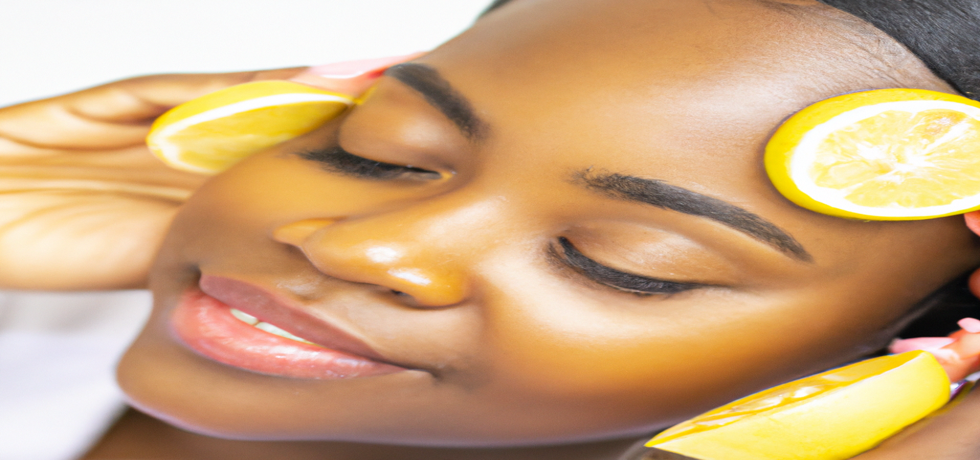
5 Easy Home Remedies for Dandruff Cure – Your Ultimate Guide

image

5 Easy Home Remedies for Dandruff Cure – Your Ultimate Guide

Introduction to Dandruff

Dandruff is more than just an annoying nuisance; it can lead to embarrassing flakes on your shoulders and impact your confidence. Understanding how to effectively manage this common scalp condition is vital, especially when the winter months approach. Luckily, you dont need harsh chemicals or expensive treatments to combat this issue. In this ultimate guide, we’re excited to share five easy home remedies for dandruff cure that make it simple to enjoy a flake-free scalp. Lets dive into how these remedies can bring comfort and health to your hair!

Understanding Dandruff: The Basics

Dandruff is primarily caused by an imbalance in the scalps natural bacteria and fungi. The symptoms manifest as itchy flakes and irritation. It is crucial to recognize that dandruff is not contagious, but certain factors, such as diet, stress, and hair products, can exacerbate the issue. Armed with this understanding, lets explore effective natural remedies that can help you achieve a dandruff-free scalp.

1. Lemon for Freshness

One of the best home remedies for dandruff cure is lemon juice. The citric acid in lemon not only helps regulate the pH of the scalp, but it also aids in calming irritation. Simply mix a few drops of lemon juice with a cup of water and massage it into your scalp. Adding coconut oil to this remedy can enhance moisture and boost effectiveness. This natural solution provides a fresh environment for hair to thrive!

2. Nourish with Aloe Vera

Aloe vera is another excellent ally in your battle against dandruff. It possesses wonderful moisturizing and anti-inflammatory properties. Applying pure aloe gel to your scalp can soothe irritation and provide hydration, making it a perfect addition to your dandruff care routine. Watching flakes diminish with regular use can be incredibly rewarding!

3. Neem Oil for Antimicrobial Action

Neem oil is well-known for its powerful antimicrobial properties, making it perfect for treating dandruff thats caused by fungal growth. Create a paste from neem leaves and apply it as a hair mask for around 15 minutes. After rinsing, you will notice significant relief from flakiness and irritation, bringing your scalp back into balance.

4. The Magic of Tea Tree Oil

Searching for a natural anti-dandruff agent? Look no further than tea tree oil! Its antifungal traits make it a fantastic option for individuals suffering from persistent dandruff. You can add a few drops to your normal shampoo, or opt for products containing tea tree oil. Regular use can vastly improve your scalps health.

5. A Balanced Diet for Long-term Relief

The foundation of healthy hair starts with a nutritious diet. Incorporating omega-3 fatty acids, zinc, and biotin can nourish your scalp from within and assist in dandruff prevention. Foods like fish, nuts, and green leafy vegetables support optimal scalp health, and ultimately, your hair will benefit as well!

Conclusion: Action Steps Towards a Flake-Free Scalp

Managing dandruff doesnt need to be a relentless battle. By leveraging these five easy home remedies for dandruff cure, you can reclaim your scalps health. Consistent application, along with a balanced diet and good hygiene practices, can lead you towards a dandruff-free life. If you continue to experience issues, it may be wise to consult with a specialist.

Frequently Asked Questions

Q. How quickly can I remove dandruff with these remedies?
A. You may start to see results in a few weeks with consistent use of these natural remedies. Experiment to find which works best for you!

Q. Can stress worsen my dandruff?
A. Yes, while stress may not directly cause dandruff, it can reduce the bodys ability to combat it effectively. Managing stress can be beneficial in your dandruff care routine.

Q. Is consulting a dermatologist a good idea?
A. Absolutely! If home remedies arent effective, seek the guidance of a professional dermatologist who can tailor a treatment plan for your specific needs.

For professional assistance and expert advice from leading dermatologists like Dr. Hital Patel, experience the benefits of 5 Easy Home Remedies for Dandruff Cure with Hair & Skin Specialist Dr. Hital Patel at The Skin Artistry. Our clinics in PDPU Gandhinagar, Vastrapur Ahmedabad and Hyderabad (Visiting Consultant) offer top-quality care and personalized treatments. Visit us today to learn more about our services and take advantage of our special offers! For more insights, updates, or to collaborate, stay connected with The Skin Artistry.

Understanding Stress-Induced Hair Loss: Solutions and Management

image

Understanding Stress-Induced Hair Loss: Solutions and Management

Introduction: The Hidden Impact of Stress on Hair

Hair loss is a common concern that many people face, particularly in stressful times. It’s essential to understand that stress can significantly impact the health of our hair, leading to conditions like telogen effluvium, which results in increased hair shedding. This article delves into how stress contributes to hair loss and offers practical solutions and management techniques to combat this issue.

Types of Stress-Induced Hair Loss

When addressing stress-induced hair loss, it’s crucial to identify the different types associated with stress. For instance, telogen effluvium is one of the most prevalent forms, where a significant number of hair follicles prematurely move to the resting phase, resulting in thinning and shedding. Another form, known as trichotillomania, involves an uncontrollable urge to pull out one’s hair as a way to cope with emotional distress. In addition, conditions like alopecia areata and chronic stress-induced hair loss demonstrate a strong link between emotional well-being and hair health.

The Biological Connection: How Stress Affects Hair

The connection between stress and hair loss operates on a complex biochemical level. Stress triggers our bodys fight-or-flight response, releasing hormones like cortisol. Elevated cortisol levels can disrupt the natural hair growth cycle, pushing hair follicles into the telogen phase prematurely. Furthermore, chronic stress narrows blood vessels, limiting the nutrient and oxygen supply to the hair follicles, ultimately leading to increased hair loss.

Effective Solutions to Manage Stress-Induced Hair Loss

Managing stress-induced hair loss requires a multifaceted approach. First and foremost, stress management techniques play a vital role. Incorporating practices like yoga, meditation, and mindfulness can help lower cortisol levels and improve emotional well-being. Additionally, a balanced diet rich in vitamins and minerals nourishes hair follicles and supports overall health. Regular physical activity not only relieves stress but also boosts blood circulation, which is crucial for healthy hair growth. Establishing a consistent sleep routine is equally important, as adequate sleep allows the body to repair itself and maintain balanced hormone levels. Finally, a gentle hair care routine, avoiding harsh treatments and excessive heat styling, can prevent further hair damage.

The Role of Specialized Hair Serums

For individuals seeking targeted solutions, serums containing ingredients like Redensyl and Hairgenyl can be incredibly beneficial. These advanced formulations work by stimulating hair follicle activity and promoting the growth phase, leading to thicker and denser hair over time. The Skin Artistry offers innovative solutions that integrate these effective ingredients to combat stress-induced hair loss effectively.

Conclusion: Steps Towards Healthier Hair

Understanding the connection between stress and hair loss empowers individuals to take control of their hair health. By adopting stress management techniques and utilizing hair care solutions from The Skin Artistry, many can mitigate the effects of stress on their hair. Taking proactive steps will foster not only a healthier mane but also contribute to overall well-being.

FAQs

Q: Can stress-induced hair loss be reversed?
Yes, by managing your stress levels and maintaining a healthy lifestyle with the right nutrients, you can often reverse hair loss caused by stress. Consulting an expert can help tailor a plan for your needs.

Q: How do I prevent hair loss related to stress?
Focus on effective stress management strategies, maintain a balanced diet, and indulge in a gentle hair care regimen. Understanding your body’s response to stress can significantly help in preventing hair loss.

For professional assistance and expert advice from leading dermatologists like Dr. Hital Patel, experience the benefits of Understanding Stress-Induced Hair Loss: Solutions and Management with Hair & Skin Specialist Dr. Hital Patel at The Skin Artistry. Our clinics in PDPU Gandhinagar, Vastrapur Ahmedabad and Hyderabad (Visiting Consultant) offer top-quality care and personalized treatments. Visit us today to learn more about our services and take advantage of our special offers! For more insights, updates, or to collaborate, stay connected with The Skin Artistry.
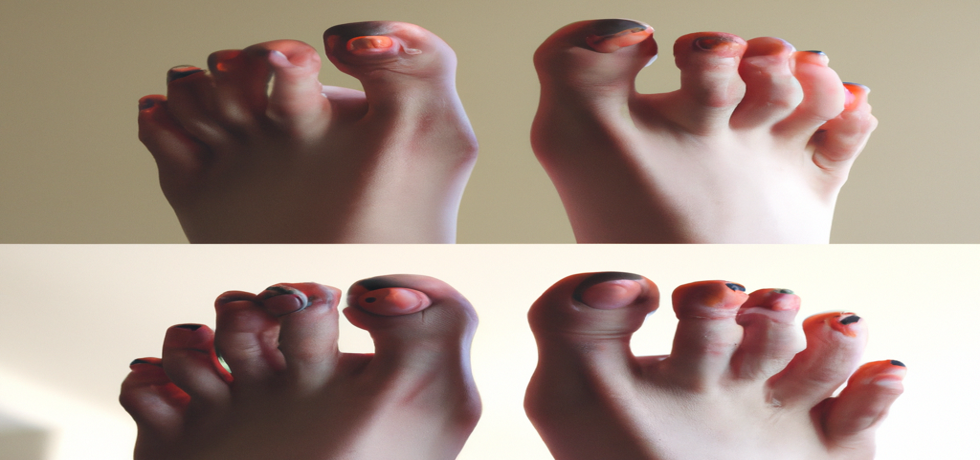
Say Goodbye to Cracked Heels: The Ultimate Guide to Smooth Feet

image

Say Goodbye to Cracked Heels: The Ultimate Guide to Smooth Feet

Your Journey to Beautiful Feet Begins Here

Are you tired of dealing with cracked heels that make you self-conscious about your feet? Well, it’s time to embrace soft, smooth feet! In this ultimate guide, we will dive deep into the reasons behind cracked heels and explore effective solutions to help you achieve the flawless look you desire. At The Skin Artistry, we believe that happy feet contribute to an overall sense of well-being, so let’s get started!

Understanding Cracked Heels: Why Do They Occur?

Cracked heels can be an irritating concern for many, and they often arise due to various factors. People with dry skin, excessive pressure on feet, or even certain medical conditions like diabetes and eczema may find themselves battling this issue. Once you understand the root causes of cracked heels, you can take proactive steps toward healing and rejuvenating your feet.

Home Remedies for Cracked Heels

Before reaching for commercial solutions, consider trying some tried-and-tested home remedies for cracked heels. Natural ingredients like coconut oil and honey can work wonders as effective moisturizers. Warm water foot soaks can also help soften the skin, making it easier to exfoliate and remove dead skin cells.

However, while home remedies can indeed bring relief, they may lack the intensive care required for stubborn cracks. This is where specialized cracked heel creams come into play.

Choosing the Best Cream for Smooth Feet

When it comes to selecting the ideal cream for cracked heels, focus on key ingredients that target hydration and repair. Look for products containing shea butter, which acts like a luxurious moisturizer, while kokum butter rejuvenates tired feet. Not to forget the soothing properties of canola oil and lavender oil, which keep dryness at bay and leave your feet smelling delightful.

The Skin Artistrys specialized cracked heel creams contain nourishing ingredients such as silver citrate and urea, ensuring maximum hydration while preventing bacteria that contribute to foot odours. By consistently using the right cream, you will be on your way to smooth, fabulous feet in no time!

Additional Tips for Maintaining Soft Feet

Dont neglect the importance of foot care! Regularly exfoliating your heels with a pumice stone can help eliminate dead skin cells, making way for softer skin. Always wear well-fitted shoes to avoid excess pressure on your heels, and opt for breathable fabrics when choosing your socks. Staying properly hydrated and eating a balanced diet can also contribute significantly to the health of your skin.

Conclusion: Your Path to Smooth Feet

Its clear that cracked heels do not have to be a permanent problem. By understanding their causes, utilizing effective home remedies, and investing in the best cracked heel creams, you can say goodbye to cracked heels for good. Remember, consistency is key make these practices a part of your foot care routine, and youll be rewarded with soft, smooth, and healthy feet.

FAQs

Q: How to repair cracked heels?
A: To treat cracked heels, consistently moisturize with a specialized foot cream, exfoliate with a pumice stone, and incorporate home remedies. Proper footwear and hydration are also essential to prevent further cracks.

Q: What causes heels to crack?
A: Cracked heels can occur due to dryness, excessive pressure, or certain medical conditions that make skin more susceptible to splits and fissures.

Q: How to cure cracked heels at home?
A: Soak your feet in warm water, exfoliate with a homemade scrub, and massage with natural oils. Wearing breathable socks overnight can enhance moisture retention.

Q: How to heal cracked heels that hurt?
A: To relieve discomfort, wash feet in warm water, pat dry, and apply a rich-emollient cream. Consider wearing cushioning insoles for additional comfort.

For professional assistance and expert advice from leading dermatologists like Dr. Hital Patel, experience the benefits of Say Goodbye to Cracked Heels: The Ultimate Guide to Smooth Feet with Hair & Skin Specialist Dr. Hital Patel at The Skin Artistry. Our clinics in PDPU Gandhinagar, Vastrapur Ahmedabad and Hyderabad (Visiting Consultant) offer top-quality care and personalized treatments. Visit us today to learn more about our services and take advantage of our special offers! For more insights, updates, or to collaborate, stay connected with The Skin Artistry.