Mastering the Art of Applying Anti-Aging Cream

image

Mastering the Art of Applying Anti-Aging Cream

Your Guide to Glowing, Youthful Skin

In our constant quest for beauty, many of us are aiming for flawless aesthetics and youthful skin. As we face environmental stressors like pollution and the suns harsh rays, adding an effective anti-aging cream to our skincare routine becomes essential. At The Skin Artistry, we believe that understanding how to apply anti-aging cream correctly can significantly enhance its benefits, helping you achieve radiant skin.

The Importance of Proper Application

To gain the full advantage of your anti-aging cream, mastering the application method is crucial. It’s essential to understand the ‘how to apply’ factor as it holds the key to unlocking your skin’s potential. If applied incorrectly, an anti-aging cream may not deliver the desired results. Much like sunscreen, which must be applied thoroughly to protect your skin, anti-aging products require an attentive application method for maximum impact.

The Right Application Technique

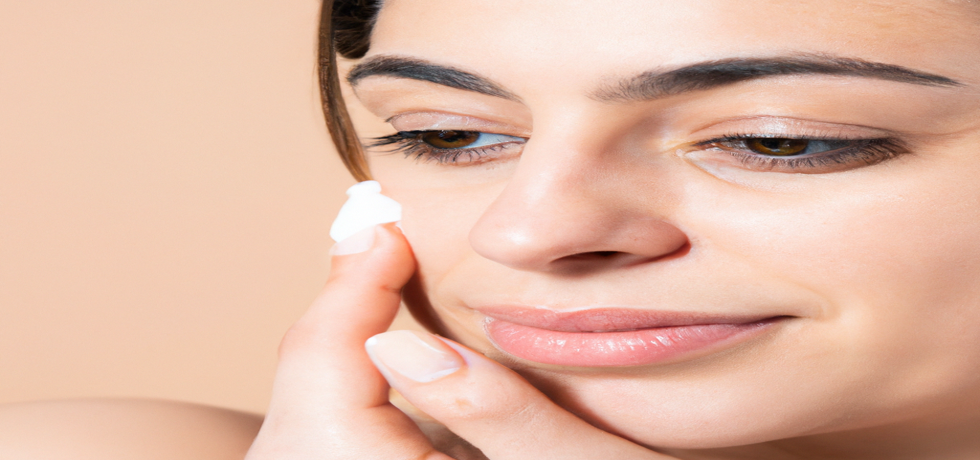
Begin the application by warming the anti-aging cream between your fingers. This process helps the components absorb into the skin effectively. Warmed products penetrate better and reduce the risk of degradation. Once the cream is warmed up, gently dab it onto your skin using light ‘piano touch’ motions on target areas.

Dabbing your cream instead of rubbing is essential, particularly around sensitive areas like the eyes, where the skin is thinner. Employing this technique can prevent unintentional stretching of your skin, ensuring you preserve its firmness and elasticity. Finish off the application by massaging in circular motions downward toward your neck and collarbone, promoting blood circulation and aiding in the absorption of your anti-aging cream.

Integrating Anti-Aging Cream into Your Skincare Routine

Another crucial aspect is knowing when to apply your anti-aging cream within your skincare routine. The basic rule for layering products is to apply from the lightest consistency to the heaviest. Your skincare routine should ideally start with cleansing your face to remove impurities.

After cleansing, you might choose to incorporate a vitamin C serum, which is renowned for its antioxidant properties and skin rejuvenation. This lightweight serum lays a good foundation for enhancing the effectiveness of the heavier anti-aging cream, facilitating quicker absorption and superior results.

Target Areas for Application

Knowing where to apply your anti-aging cream is just as important as how to apply it. Focus on areas prone to wrinkles and fine lines, such as the forehead, under the eyes, smile lines, and neck. Areas of the skin that frequently express movement are first to show signs of aging, and by being diligent in these zones, you will increase the effectiveness of the cream.

Implementing a regular application routine, especially as you transition into your 30s, will help maintain your skin’s resilience against aging. The ingredients in your anti-aging cream work to rejuvenate damaged skin and combat the effects of photoaging.

Actionable Steps Towards Youthful Skin

The path to younger-looking, vibrant skin lies in simply mastering the art of applying anti-aging cream. By warming the product, dab rather than rub, and ensure your application follows a proper skincare routine, you can maximize your anti-aging cream’s benefits. Make it a point to be consistent; daily application will yield the best results!

For professional assistance and expert advice from leading dermatologists like Dr. Hital Patel, experience the benefits of mastering the art of applying anti-aging cream with Hair & Skin Specialist Dr. Hital Patel at The Skin Artistry. Our clinics in PDPU Gandhinagar, Vastrapur Ahmedabad, and Hyderabad (Visiting Consultant) offer top-quality care and personalized treatments. Visit us today to learn more about our services and take advantage of our special offers! For more insights, updates, or to collaborate, stay connected with The Skin Artistry.

Elevate Your Skin Health with Vitamin C Toner

image

Elevate Your Skin Health with Vitamin C Toner

Understanding the Importance of Toners

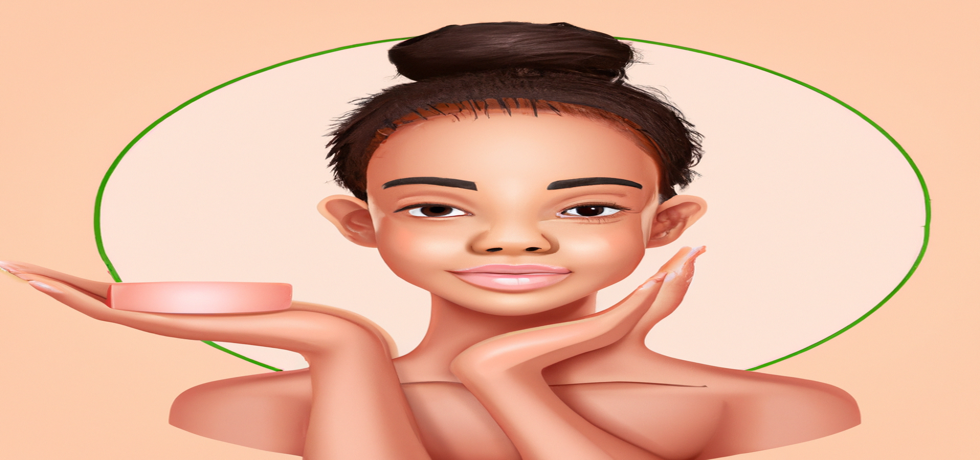
Many people underestimate the power of a toner, often associating it solely with oily skin and pore minimization. However, the truth is that toners play an important role for all skin types. They help maintain skin health by removing excess oil and impurities and are a vital step after cleansing. Among the various toners available, a vitamin C toner stands out due to its multitude of benefits for skin health. Let’s dive into how you can elevate your skin routine today!

The Benefits of Using a Vitamin C Toner

Incorporating a vitamin C toner into your skincare routine can significantly enhance your overall skin health. Vitamin C is a powerful antioxidant that contributes to collagen production, helping maintain the skin’s elasticity, and preventing signs of aging.

A vitamin C toner doesn’t just contribute to collagen synthesis; it also boasts the potential to brighten the skin and fade hyperpigmentation, providing a glowing appearance. Furthermore, it helps keep your skin clean and hydrated by preventing excess oil from clogging the pores.

Vitamin C Toner for Different Skin Types

One of the best aspects of vitamin C toners is their versatility. Whether you have dry, acne-prone, or sensitive skin, a vitamin C toner can bring unique benefits.

For dry skin, a vitamin C toner aids in moisture retention, ensuring that the skin remains soft and supple. It combats early signs of aging caused by dehydration. If youre struggling with acne-prone skin, the anti-inflammatory properties of vitamin C can help soothe flare-ups while promoting a clearer complexion. Similarly, for those with sensitive skin, vitamin C tones and reduces redness, making it a gentle yet effective choice.

The ideal way to elevate your skin health is to identify your skin type and incorporate a suitable vitamin C toner into your routine.

How to Incorporate Vitamin C Toner into Your Routine

Adding a vitamin C toner to your regimen is easy and rewarding. It should always be used after cleansing your face, as it has the power to remove any remaining traces of dirt and makeup. Use a cotton pad soaked in the toner to apply it to your face and neck, allowing it to dry before moving on to your moisturizer. For those who prefer a spray format, simply spritz it onto your face for a refreshing boost.

Consistency is key in discovering the skin health benefits of a vitamin C toner. By including it regularly in your skincare routine, you can expect noticeable improvements over time, including hydration, brightness, and reduced hyperpigmentation.

Frequently Asked Questions

1. Can a vitamin C toner be used daily? Yes, you can comfortably use a vitamin C toner twice a dayonce in the morning and once at night. If your skin starts to feel dry, consider reducing usage to once a day.

2. What should I apply after using a toner? After the toner has dried, follow up with a good quality moisturizer or serum tailored to your skin type.

3. Does vitamin C help with skin brightening? Absolutely! Vitamin C has properties that help to lighten hyperpigmentation and boost skin radiance.

In conclusion, elevating your skin health can be as simple as incorporating a vitamin C toner into your regimen. With its wide variety of benefits, it’s a versatile product suitable for all skin types. For those eager to experience remarkable improvements in their skincare journey, give vitamin C toner a try and watch your skin transform.
For professional assistance and expert advice from leading dermatologists like Dr. Hital Patel, experience the benefits of elevating your skin health with Hair & Skin Specialist Dr. Hital Patel at The Skin Artistry. Our clinics in PDPU Gandhinagar, Vastrapur Ahmedabad, and Hyderabad (Visiting Consultant) offer top-quality care and personalized treatments. Visit us today to learn more about our services and take advantage of our special offers! For more insights, updates, or to collaborate, stay connected with The Skin Artistry.
How to Banish Fine Lines Naturally

image

How to Banish Fine Lines Naturally

Your Guide to Naturally Smooth Skin

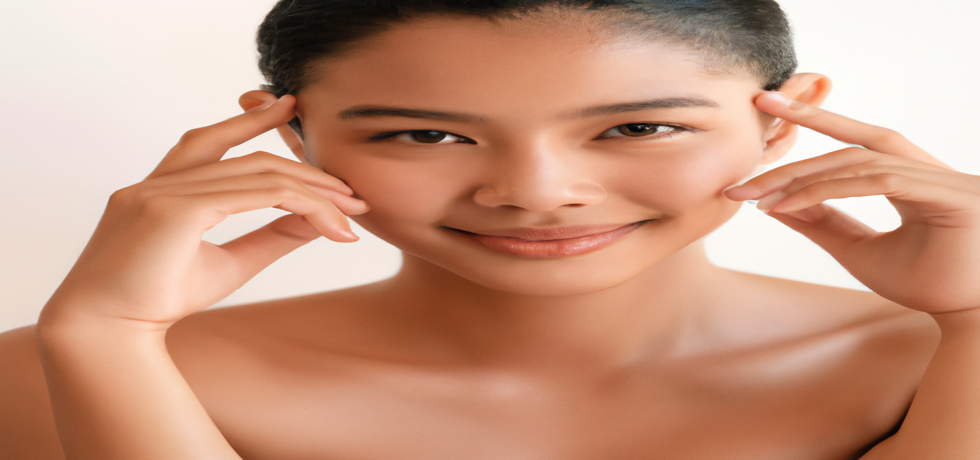
Fine lines can be a significant concern as we age, often appearing in areas like the forehead, around the eyes, and the mouth. These superficial lines can be tackled effectively without resorting to invasive treatments. Understanding how to banish fine lines naturally is essential for maintaining youthful, glowing skin as it empowers you to take charge of your skin care.

Emphasizing the Importance of Skincare

To combat fine lines effectively, incorporating a good skincare routine is the first step. Using a high-quality anti-aging cream can significantly help in fading these lines, as it contains potent antioxidants and cell regulators. Products enriched with vitamin C, retinol, and niacinamide can work wonders on your skin by promoting collagen synthesis, enhancing elasticity, and rejuvenating the overall texture.

The Role of Hydration

Another essential aspect of naturally removing fine lines is proper hydration. Drinking at least 2 liters of water daily can significantly boost your skin’s moisture levels. Additionally, using a hydrating serum can help lock in moisture and prevent the appearance of fine lines. When your skin is adequately hydrated, it looks plumper and more youthful.

Healthy Diet for Timeless Skin

A balanced diet is crucial for skin health. Foods rich in healthy fats, such as avocados and nuts, contribute to skin hydration and elasticity, which can help reduce wrinkles. Incorporate plenty of fruits and vegetables that are high in vitamins and antioxidants into your meals. Nutrients like vitamin A, C, and E are known for their skin-enhancing properties. A diet low in sugar and unhealthy fats can also prevent premature aging and fine lines.

Embracing Natural Remedies

For those seeking organic solutions, many natural ingredients can be beneficial for skin care. Aloe vera, coconut oil, and honey work as excellent moisturizers, and their healing properties can help fade fine lines. Include these natural remedies in your skincare routine by applying them as masks or serums.

Protecting Your Skin from Harmful Rays

Sun exposure is one of the leading causes of fine lines and wrinkles, notably contributing to photoaging. Always use a broad-spectrum sunscreen with at least SPF 30, even on cloudy days. This protective measure is vital in preventing further skin damage and the worsening of fine lines.

Regular Physical Activity

Regular exercise can also contribute to overall skin health. Physical activity increases blood circulation, which promotes the delivery of oxygen and nutrients to the skin. This leads to a radiant complexion and assists in maintaining skin elasticity, helping to banish those stubborn fine lines.

Mind Your Lifestyle Choices

Stress can adversely affect your skin, as it may trigger inflammation and the formation of fine lines. Practices such as yoga and meditation can help you manage stress levels effectively. Coupled with adequate sleep, these habits allow your skin to repair overnight, contributing to a youthful appearance.

Final Thoughts: Embrace a Holistic Approach

In conclusion, learning how to banish fine lines naturally doesnt have to be complicated. By adopting a consistent skincare routine combined with a healthy lifestyle, you can significantly minimize the appearance of fine lines. Remember, the key is consistency, natural treatments, and making mindful choices.

For professional assistance and expert advice from leading dermatologists like Dr. Hital Patel, experience the benefits of banishing fine lines with Hair & Skin Specialist Dr. Hital Patel at The Skin Artistry. Our clinics in PDPU Gandhinagar, Vastrapur Ahmedabad, and Hyderabad (Visiting Consultant) offer top-quality care and personalized treatments. Visit us today to learn more about our services and take advantage of our special offers! For more insights, updates, or to collaborate, stay connected with The Skin Artistry.

Unlock the Skincare Secrets of Ethyl Ascorbic Acid

image

Unlock the Skincare Secrets of Ethyl Ascorbic Acid

Why Ethyl Ascorbic Acid Should Be in Your Skincare Routine

Ethyl Ascorbic Acid, one of the most stable forms of Vitamin C, has become a vital ingredient in many skincare products today. As a powerful antioxidant, it stands out for its ability to revitalize, repair, and rejuvenate the skin. Unlike regular Vitamin C, which is known for its instability, Ethyl Ascorbic Acid remains stable even in the presence of air and light, making it an ideal choice for daily skincare. But what makes it so special? Lets dive into the secrets this skincare hero has to offer.

Understanding Ethyl Ascorbic Acid

Ethyl Ascorbic Acid is essentially a derivative of L-ascorbic acid, the scientific name for Vitamin C, enhanced with an ethyl group that allows it to be soluble and stable in both oil and water. This unique formulation allows for better absorption into the skin while delivering all the incredible benefits of traditional Vitamin C without any of its drawbacks. Ethyl Ascorbic Acid effectively metabolizes into pure Vitamin C within the skin, restoring depleted nutrients efficiently.

The Exceptional Benefits of Ethyl Ascorbic Acid

Incorporating Ethyl Ascorbic Acid in your skincare routine can provide you with remarkable benefits. Heres what you can expect:

  • Antioxidant Power: Just like traditional Vitamin C, Ethyl Ascorbic Acid is a powerhouse of antioxidants that helps neutralize free radicals, protecting your skin from environmental stressors.
  • Collagen Production: This ingredient stimulates collagen synthesis, contributing to firmer, plumper skin and helping to fight signs of aging such as fine lines and wrinkles.
  • Brightening Effect: If you’re dealing with dark spots and uneven skin tone, Ethyl Ascorbic Acid significantly enhances the skin’s clarity and brightness by reducing pigmentation and enhancing your overall complexion.
  • Anti-inflammatory Properties: Perfect for sensitive skin, this derivative also possesses anti-inflammatory properties that help calm and soothe the skin, making it suitable for all skin types.

How to Use Ethyl Ascorbic Acid

You can find Ethyl Ascorbic Acid in a variety of skincare products such as serums, creams, and toners. Its excellent water solubility makes it versatile in formulations, helping the skin absorb nutrients effectively. For best results, consider using products that contain this fantastic ingredient in your morning and evening routine.

FAQs: Your Ethyl Ascorbic Acid Questions Answered

Q: Is Ethyl Ascorbic Acid safe for all skin types?
Yes! Due to its stability and non-irritating formulation, Ethyl Ascorbic Acid is suitable for all skin types, including sensitive skin. However, it is always wise to conduct a patch test with any new product.

Q: Can I combine Ethyl Ascorbic Acid with other skincare ingredients?
Absolutely! This wonderful derivative can be combined with other active ingredients, such as niacinamide, to provide a comprehensive skincare solution.

Final Thoughts

Ethyl Ascorbic Acid is an excellent addition to any skincare routine, thanks to its impressive antioxidant activity and ability to promote collagen production while providing skin brightening effects. For radiant, healthy skin, make the switch to products enriched with this incredible ingredient and unlock its many secrets today!

For professional assistance and expert advice from leading dermatologists like Dr. Hital Patel, experience the benefits of unlocking the skincare secrets of Ethyl Ascorbic Acid with Hair & Skin Specialist Dr. Hital Patel at The Skin Artistry. Our clinics in PDPU Gandhinagar, Vastrapur Ahmedabad and Hyderabad (Visiting Consultant) offer top-quality care and personalized treatments. Visit us today to learn more about our services and take advantage of our special offers! For more insights, updates, or to collaborate, stay connected with The Skin Artistry.

Expert Tips to Combat and Prevent Chafing

image

Expert Tips to Combat and Prevent Chafing

Understanding Chafing

Do you often feel discomfort from red, irritated skin in areas like your inner thighs, underarms, or groin? If so, you may be experiencing chafing. This common skin irritation can cause significant distress, especially in tropical climates like India, where humidity can exacerbate the issue. Thankfully, with proper knowledge and strategies, you can effectively manage and prevent chafing. Here, well explore actionable tips to combat and prevent chafing for healthier skin.

What Causes Chafing?

Chafing occurs when skin rubs against skin or clothing for extended periods, resulting in painful rashes and inflammation. Several factors contribute to this condition, including friction, excessive moisture from sweating, and the use of uncomfortable fabrics. Tight clothing and certain body types, such as being overweight, can also lead to increased friction. Understanding these causes is key to implementing effective chafing prevention strategies.

Identifying Common Areas Affected by Chafing

The areas prone to chafing are typically those where skin frequently rubs against itself or clothing. This includes the thighs, underarms, groin, and even the buttocks. Faces are also susceptible to mask-related chafing, a growing issue for many during the pandemic. By recognizing these common chafing areas, you can apply targeted prevention measures for better skin care.

Effective Treatment Options for Chafing

If you find your skin is chafed, its important to take immediate action. First, keep the affected area clean and dry. Mild, unscented cleansers are ideal for sensitive skin, while petroleum jelly or anti-chafing creams can help soothe irritation. If the chafing is severe, it may be best to consult a dermatologist for specialized advice, as untreated chafing can lead to broken skin and other complications.

Top Tips to Prevent Chafing

Prevention is the best strategy against chafing. Here are some top tips:

  • Choose breathable, loose-fitting clothing made from soft fabrics that wick moisture away from your skin.
  • Regularly apply moisturizing products to at-risk areas to help minimize friction.
  • Consider using anti-chafing creams or bands, especially during physical activity, to protect your skin from irritation.
  • Maintain a healthy weight, as excess body mass can increase skin-to-skin contact.
  • Stay well-hydrated and avoid intense heat and humidity when possible.

Incorporating these tips into your routine can significantly reduce your chances of dealing with chafing in the long run.

Final Thoughts

Understanding how to combat and prevent chafing is essential for maintaining healthy skin. With proper care, effective treatments, and preventive strategies, you can conquer chafing and enjoy comfort throughout your day. Remember to listen to your body and react promptly when irritation occurs to avoid prolonged discomfort. For personalized assistance and expert advice from leading dermatologists like Dr. Hital Patel, experience the benefits of tackling chafing with Hair & Skin Specialist Dr. Hital Patel at The Skin Artistry. Our clinics in PDPU Gandhinagar, Vastrapur Ahmedabad, and Hyderabad (Visiting Consultant) offer top-quality care and personalized treatments. Visit us today to learn more about our services and take advantage of our special offers! For more insights, updates, or to collaborate, stay connected with The Skin Artistry.

7 Tips to Revitalize Your Skin: Dry vs. Dehydrated

image

7 Tips to Revitalize Your Skin: Dry vs. Dehydrated

Your Guide to Understanding and Caring for Your Skin

Skin can be a tricky topic for many of us, often leading to confusion regarding different conditions. Among the most commonly misunderstood are dry and dehydrated skin. While they may share some similar characteristics, understanding their differences is crucial for effective skin care. If you’ve been wondering how to revitalize your skin, let’s dive into the essentials of dry and dehydrated skin, along with seven powerful tips to enhance your skin’s radiance and health.

Understanding Dry Skin vs. Dehydrated Skin

Dry skin is a skin type characterized by a lack of oil and lipids, which are essential for maintaining a healthy moisture barrier. On the other hand, dehydrated skin is a condition that can happen to any skin type when it lacks water. This distinction is important because it dictates the best strategies for rejuvenation.

Tip #1: Hydrate from Within

The first key to revitalizing your skin is to ensure you are hydrated. Drinking plenty of water is fundamental; aim for at least eight glasses a day! Incorporating water-rich foods such as cucumbers and watermelon into your diet can further help maintain optimal skin hydration.

Tip #2: Choose the Right Cleanser

Using a gentle, hydrating cleanser can work wonders. Avoid harsh soaps that strip away moisture. Opt for a cleanser that is specifically designed for your skin typethis is especially vital for those with dry skin to protect its barrier.

Tip #3: Exfoliate with Care

Regular exfoliation can help remove dead skin cells and promote cell turnover. However, be gentle! Over-exfoliating can worsen dry skin symptoms. Look for products with gentle exfoliants to maintain a balance between exfoliation and moisture retention.

Tip #4: Use Hydrating Serums

Incorporating a serum containing hyaluronic acid can be a game-changer for dehydrated skin. This ingredient is known for its ability to attract moisture, helping to revitalize your skin and give it a plump, youthful appearance.

Tip #5: Lock in Moisture

After cleansing and applying serums, its crucial to seal in hydration with a moisturizer. Look for creams that contain natural oils and emollients to build a protective barrier, especially crucial for dry skin.

Tip #6: Protect Your Skin from Environmental Stressors

Sun exposure, pollution, and harsh weather can exacerbate both dry and dehydrated skin. Always use sunscreen when heading outdoors, and consider using a humidifier during dry seasons to maintain moisture levels in your surroundings.

Tip #7: Consult an Expert

If youre still struggling with your skin concerns, dont hesitate to reach out to a dermatologist. Professional guidance is invaluableexperts at The Skin Artistry can recommend personalized treatments tailored to combat dry and dehydrated skin.

Conclusion

Understanding the differences between dry and dehydrated skin is the first step toward rejuvenating your complexion. By implementing these seven tips, you can significantly improve your skins hydration levels and overall texture. Always remember, invigorated skin starts from a solid foundation of hydration, correct product selection, and expert advice.

Frequently Asked Questions (FAQs)

Why is my skin suddenly feeling dry?

Sudden dryness can result from changes in climate, using harsh products, or underlying skin conditions. It’s essential to assess your skin care routine and lifestyle habits.

How can I tell if my skin is dehydrated?

Dehydrated skin often feels tight and may show fine lines. A simple pinch test can help you identify if your skin is lacking hydration.

For professional assistance and expert advice from leading dermatologists like Dr. Hital Patel, experience the benefits of revitalizing your skin with Hair & Skin Specialist Dr. Hital Patel at The Skin Artistry. Our clinics in PDPU Gandhinagar, Vastrapur Ahmedabad, and Hyderabad (Visiting Consultant) offer top-quality care and personalized treatments. Visit us today to learn more about our services and take advantage of our special offers! For more insights, updates, or to collaborate, stay connected with The Skin Artistry.

Discover the Glow: Green Tea Skincare Secrets

image

Discover the Glow: Green Tea Skincare Secrets

Your Skin Deserves a Treat!

Are you looking to enhance your skincare routine? If so, then lets discover the wonders of green tea together! Known for its incredible health benefits, green tea has emerged as a powerhouse ingredient in the world of skincare. At The Skin Artistry, we believe that unlocking the secrets of green tea can provide your skin with a radiant glow. Lets dive into its many benefits and how you can incorporate it into your daily regimen.

What Makes Green Tea a Skincare Powerhouse?

Green tea is packed with antioxidants, particularly polyphenols, that help protect your skin from free radical damage. These properties enhance your skin’s resilience, making it a fantastic choice for anyone looking to implement effective skincare solutions. With regular use, green tea can significantly improve skin texture and overall appearanceit’s the secret to that enviable glowing skin!

Calms Skin Irritation and Reduces Redness

One of the most remarkable benefits of green tea is its ability to soothe skin irritation. The anti-inflammatory properties found in green tea make it suitable for sensitive skin. It helps to reduce redness and calms various conditions like acne and rosacea. By incorporating a green tea toner or mask into your routine, youll find that your skin feels revitalized and less irritated by pollutants and environmental stressors.

Fights Premature Aging

Free radical damage is a major contributor to premature aging. Using green tea in your skincare regimen can combat these effects effectively. Its anti-aging properties work by tightening the skin and stimulating cell regeneration. Regular users often notice fewer fine lines and wrinkles, making it an ideal solution for aging skin. With the right green tea skincare products, you can keep your skin looking youthful and vibrant.

Oil Control and Acne Management

For those with oily skin, green tea can be a game-changer. Its ability to regulate sebum production means that you can enjoy clear skin while controlling oiliness. Applying a green tea scrub or face wash can help to eliminate excess oil, thereby reducing the chances of breakouts. This dual-action benefit helps maintain a balanced complexion, making it an essential part of any effective acne care routine.

Easy Ways to Incorporate Green Tea into Your Routine

Integrating green tea into your skincare regimen is both simple and enjoyable. Drinking two cups daily can improve your overall skin health and provide numerous benefits beyond skincare. You can create your own green tea scrub by mixing powdered green tea leaves with your favorite facial cleanser. For a rejuvenating toner, brew green tea and apply it generously with a cotton pad.

FAQs About Green Tea Skincare

Q: Can I apply green tea directly to my skin?
A: Yes, green tea can be applied topically. However, always perform a patch test if you have sensitive skin to ensure that you dont face any allergic reactions.

Q: How often should I use green tea in my skincare routine?
A: You can enjoy green tea benefits daily! Whether through consumption or topical application, consistency is key.

Concluding Thoughts

If youre eager to discover glowing skin, make green tea a staple in your skincare arsenal! As you explore its benefits, remember that consistency is crucial for achieving radiant results. Reach out to us at The Skin Artistry for personalized tips and skincare advice tailored to your unique skin needs.

For professional assistance and expert advice from leading dermatologists like Dr. Hital Patel, experience the benefits of Discover the Glow: Green Tea Skincare Secrets with Hair & Skin Specialist Dr. Hital Patel at [The Skin Artistry](https://theskinartistry.com/). Our clinics in PDPU Gandhinagar, Vastrapur Ahmedabad, and Hyderabad (Visiting Consultant) offer top-quality care and personalized treatments. Visit us today to learn more about our services and take advantage of our special offers! For more insights, updates, or to collaborate, stay connected with [The Skin Artistry](https://theskinartistry.com/).

Glowing Skin Secrets: The Power of Alpha Arbutin

image

Glowing Skin Secrets: The Power of Alpha Arbutin

Unlocking the Key to Radiant Skin

In the quest for glowing skin, many enthusiasts explore a wide range of skincare products, but not all deliver on their promises. Today, we’re excited to introduce you to the skincare superstar, Alpha Arbutina powerful ingredient that is gaining rapid popularity for its impressive skin brightening capabilities. If you’ve been struggling with uneven skin tone and hyperpigmentation, then Alpha Arbutin might just be your new best friend!

What is Alpha Arbutin?

Alpha Arbutin is a naturally occurring compound found in different plants like Bearberry, which is well-known for its skin-lightening properties. It functions by inhibiting the activity of tyrosinase, the enzyme responsible for melanin production, thus providing an effective hyperpigmentation treatment. By slowing down melanin formation, Alpha Arbutin can help you achieve the even, glowing complexion you’ve always desired.

Benefits of Alpha Arbutin for Glowing Skin

One of the primary reasons Alpha Arbutin is heralded in skincare circles is because of its notable ability to combat dark spots and hyperpigmentation. This not only contributes to an even skin tone but enhances the overall brightness of your complexion. Moreover, Alpha Arbutin acts as a potent antioxidant, shielding your skin from environmental stressors while keeping it moisturized.

How to Include Alpha Arbutin in Your Routine

Integrating Alpha Arbutin into your skincare routine is straightforward. It’s usually available in serums, creams, or as part of brightening treatments. Begin by doing a patch test to ensure your skin responds well. Once you’re comfortable, apply it as a spot treatment or a more general application for an all-over glow. Consistent use, ideally twice daily, will yield the best results.

Why Choose Alpha Arbutin Over Other Ingredients?

In comparison to other popular brightening agents, such as Hydroquinone, Alpha Arbutin stands out as a safer alternative. While Hydroquinone can have harmful side effects, particularly when used long-term, Alpha Arbutin is more gentle on the skin and carries a lower risk of irritation. This makes it an ideal choice, especially for those with sensitive skin.

Final Thoughts

If you’re on a journey to achieve glowing skin, Alpha Arbutin could be the missing piece you’re seeking. With its superb ability to target melanin production without the drawbacks associated with harsher ingredients, it has all the makings of a skincare staple. So why not give Alpha Arbutin a try and witness the glowing transformation for yourself?

FAQs

Is Alpha Arbutin safe for all skin types?
Yes, Alpha Arbutin is generally safe for most skin types and has a very low incidence of irritation. Always consult a dermatologist if you have specific concerns.

How long will it take to see results with Alpha Arbutin?
While individual results may vary, consistent use typically shows improvement within 1-2 months, leading to a brighter and more radiant complexion.

For professional assistance and expert advice from leading dermatologists like Dr. Hital Patel, experience the benefits of Glowing Skin Secrets: The Power of Alpha Arbutin with Hair & Skin Specialist Dr. Hital Patel at The Skin Artistry. Our clinics in PDPU Gandhinagar, Vastrapur Ahmedabad and Hyderabad (Visiting Consultant) offer top-quality care and personalized treatments. Visit us today to learn more about our services and take advantage of our special offers! For more insights, updates, or to collaborate, stay connected with The Skin Artistry.

Understanding Vitiligo: Types, Causes, and Management

image

Understanding Vitiligo: Types, Causes, and Management

What is Vitiligo?

Vitiligo is a skin condition characterized by the loss of pigmentation, leading to distinctive white patches on the skin. This condition can affect anyone, regardless of age or ethnicity, but is often more noticeable in individuals with darker skin tones. The patches can appear on various parts of the body, including the arms, hands, feet, face, and forearms. While vitiligo is not life-threatening, it can significantly impact an individuals confidence and self-esteem. In this blog, we will explore the types of vitiligo, its underlying causes, and effective management options.

Types of Vitiligo

There are several types of vitiligo, each defined by the pattern and distribution of the white patches. The main types include:

  • Focal Vitiligo: This type occurs when white patches appear on one side of the body, without impacting other areas.
  • Generalized Vitiligo: The most common form, this type features white patches that are widespread across various parts of the body.
  • Trichrome Vitiligo: This variation shows a mixture of dark, light, and completely depigmented patches, allowing for easy identification.
  • Segmental Vitiligo: This type is limited to a specific area, such as the face or hands, and does not usually spread.
  • Universal Vitiligo: The rarest form, which affects up to 80 percent of the bodys surface area.

Causes of Vitiligo

The exact causes of vitiligo remain poorly understood, but several factors may contribute to its development.

  • Genetic Factors: Family history plays a significant role, with an estimated 30% of cases having a familial link.
  • Autoimmune Disorders: In autoimmune conditions, the bodys immune system mistakenly attacks melanocytes, the cells responsible for skin pigment.
  • Neurogenic Factors: Its suggested that toxic substances released by nerve endings may damage melanocytes, leading to the condition.

Management Techniques for Vitiligo

While there is currently no cure for vitiligo, there are several management options available to help improve skin condition and restore some pigmentation. The treatments include:

  • Repigmentation Therapy: Topical corticosteroids and Vitamin D applications can sometimes help restore skin color.
  • Light Therapy: Narrowband UVB therapy and other light treatments can help in repigmentation over time.
  • Surgery: Procedures like skin grafting and micropigmentation may be options for those seeking more permanent solutions.
  • Natural Remedies: Incorporating Vitamin E oil, folic acid-rich foods, and herbs like Ginkgo Biloba might help manage the spread of vitiligo.

Conclusion: Taking Action Against Vitiligo

Living with vitiligo can be emotional and challenging, but understanding your condition is the first step toward effective management. Embrace positivity and practice self-care with recommended treatments and dermatologist consultations. For professional assistance and expert advice from leading dermatologists like Dr. Hital Patel, experience the benefits of understanding vitiligo with Hair & Skin Specialist Dr. Hital Patel at The Skin Artistry. Our clinics in PDPU Gandhinagar, Vastrapur Ahmedabad, and Hyderabad (Visiting Consultant) offer top-quality care and personalized treatments. Visit us today to learn more about our services and take advantage of our special offers! For more insights, updates, or to collaborate, stay connected with The Skin Artistry.

5 Effective Ways to Banish Keloid Scars

image

5 Effective Ways to Banish Keloid Scars

Understanding Keloid Scars

Keloid scars can often feel like an unwelcome reminder of past skin injuries. These scars develop when the skin heals excessively, causing raised, thickened areas to form over the original wound. While they can be harmless physically, the emotional and aesthetic impacts can be significant. Fortunately, there are several effective ways to manage and treat keloid scars. Let’s dive into these strategies that can help you minimize or banish keloid scars altogether.

1. Compression Dressings

One of the first steps in keloid management includes wearing compression dressings. These specialized bandages exert gentle pressure on the keloid, which can help flatten the raised scar over time. Its often recommended to wear these dressings for a significant portion of the day for several months to achieve the best results. This method underlines the importance of immediate treatment after a skin injury, setting the stage for minimizing keloid formation.

2. Corticosteroid Injections

Corticosteroid injections can be an effective method for reducing the size and thickness of keloid scars. A dermatologist may supply these injections directly into the scar. Regular treatments over several months can significantly improve the keloid’s appearance. Keep in mind that while this option is widely used, it may carry some potential side effects, like changes in skin pigmentation.

3. Surgical Removal

For larger keloids, surgical removal may be recommended. This method involves a dermatologist excising the keloid and then taking measures to prevent its return. Although this can offer immediate improvement, many patients experience recurrence, making it crucial to follow up with additional treatments afterward.

4. Laser Treatment

Laser treatments, such as pulsed-dye lasers, have shown effectiveness in flattening keloid scars and alleviating associated itching. This procedure typically involves multiple sessions spread weeks apart, and it’s beneficial to discuss potential combinations with steroid injections for optimal results. Laser therapy is particularly appealing for clients hoping for a non-invasive approach.

5. Cryotherapy

Cryotherapy, or the use of liquid nitrogen to freeze the keloid, has become a popular medical option. This treatment can successfully shrink or even eliminate keloids with proper follow-up. As with other procedures, discussing it with a skincare specialist is essential for personalized advice and to understand all possible side effects.

Taking Preventative Measures

Prevention is key when it comes to keloid scars. If you are prone to keloid formation, consider avoiding unnecessary surgeries, tattoos, and body piercings. Immediate and proper care for any skin injury is also crucialthis involves keeping wounds clean, applying petroleum jelly, and moving towards compression bandaging as soon as the injury allows.

Conclusion

Keloid scars can pose both physical and emotional challenges, but there are numerous effective treatments available to help manage them. From compression dressings to laser treatment, the options are varied, enabling you to select a plan that suits your unique needs. For personalized advice and to explore the best treatment strategies, seeking guidance from dermatology professionals is always advisable.

FAQs

Q: Are keloid scars dangerous?
A: No, keloids themselves are not harmful; they are a result of excessive healing and can cause discomfort or emotional distress.
Q: Can I prevent keloids from forming?
A: Proper wound care and avoiding unnecessary skin trauma can significantly reduce your risk of developing keloids.
For professional assistance and expert advice from leading dermatologists like Dr. Hital Patel, experience the benefits of banishing keloid scars with Hair & Skin Specialist Dr. Hital Patel at The Skin Artistry. Our clinics in PDPU Gandhinagar, Vastrapur Ahmedabad, and Hyderabad (Visiting Consultant) offer top-quality care and personalized treatments. Visit us today to learn more about our services and take advantage of our special offers! For more insights, updates, or to collaborate, stay connected with The Skin Artistry.