
How to Revitalize Low Porosity Hair for Optimal Health

image

How to Revitalize Low Porosity Hair for Optimal Health

Introduction

If youve ever struggled to keep your hair hydrated and nourished, theres a chance that you might be dealing with low porosity hair. Often described as hair that resists moisture, low porosity hair can feel frustrating and challenging to manage. Fortunately, with the right knowledge and techniques, you can learn how to revitalize low porosity hair for optimal health. Understanding the unique characteristics and needs of low porosity hair is the first step towards achieving the luscious locks youve always desired.

Understanding Low Porosity Hair

Low porosity hair is characterized by tightly closed cuticles that repel moisture rather than allowing it to penetrate the hair shaft. This can lead to dryness, static, and an inability to effectively absorb products. If your hair often feels dry or if you notice that products sit on the surface instead of being absorbed, you may be dealing with low porosity hair. Knowing this is crucial for adopting the right hair care regimen aimed at revitalizing low porosity hair efficiently.

The Importance of Moisture for Low Porosity Hair

To revitalize low porosity hair for optimal health, moisture is key. Unlike high porosity hair, which quickly absorbs water, those with low porosity may struggle with hydration. A crucial tip is to use warm water while washing hair, as it helps open the cuticles slightly, allowing for better product absorption. Incorporating humectants such as honey or glycerin can be beneficial as they attract and retain moisture effectively. Keep an eye out for products specifically formulated to treat low porosity hair.

Techniques to Improve Absorption

Using steam treatments is an excellent way to enhance moisture penetration. The gentle heat relaxes the cuticle layer, making it more receptive to hydrating products. Experiment with steam caps, or simply utilize your bathrooms humidity during hot showers. Afterward, applying a deep conditioner while the hair is still warm maximizes product effectiveness. Remember that oils can either hinder or help moisture retention; opting for lightweight oils can seal in hydration without overwhelming your hair.

Creating a Healthy Hair Routine

Establishing a consistent hair care routine is fundamental to achieving and maintaining optimal health for low porosity hair. This includes regular cleansing with a clarifying shampoo to eliminate buildup, and the use of deep conditioners made with essential nutrients. The LOC (Liquid, Oil, Cream) method can also be a great approach, where you layer products in a way that locks in hydration. Ensure to focus on the ends of your hair, as they tend to be the driest part. Also, consider switching to a satin or silk pillowcase as it can prevent moisture loss during the night.

Takeaway for Healthier Hair

Revitalizing low porosity hair for optimal health involves understanding its unique characteristics and adapting your hair care routine accordingly. Focus on hydration, use lightweight products, and incorporate heat to maximize product absorption. Consistency is essential; by adopting these practices, you will enhance the overall health and appearance of your hair. Embrace these strategies and watch your hair transform into the healthy, vibrant locks youve always desired!

FAQs

Q: Can I use coconut oil on low porosity hair?
Yes, coconut oil can be effective for low porosity hair as it’s lightweight enough to penetrate the hair shaft. However, use it in moderation to avoid buildup.

Q: How often should I moisturize my low porosity hair?
Depending on your hair’s condition, moisturizing 2-3 times a week should be sufficient, prioritizing water-based products.

Q: What is the best way to deep condition low porosity hair?
Using heat while deep conditioning can significantly improve the absorption of the conditioner. Cover your hair with a cap and apply warmth through a towel or a heated cap.

For professional assistance and expert advice from leading dermatologists like Dr. Hital Patel, experience the benefits of revitalizing low porosity hair with Hair & Skin Specialist Dr. Hital Patel at The Skin Artistry. Our clinics in PDPU Gandhinagar, Vastrapur Ahmedabad and Hyderabad (Visiting Consultant) offer top-quality care and personalized treatments. Visit us today to learn more about our services and take advantage of our special offers! For more insights, updates, or to collaborate, stay connected with The Skin Artistry.

Common Sunscreen Slip-Ups to Avoid for Radiant Skin

image

Common Sunscreen Slip-Ups to Avoid for Radiant Skin

Unveiling the Importance of Sunscreen

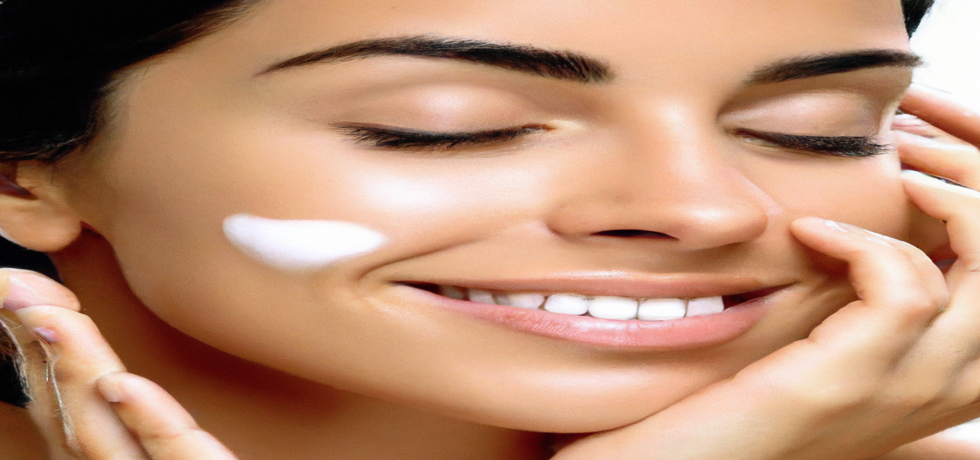
The quest for radiant skin often leads us to the magical wonders of sunscreenour protective barrier against harmful UV rays. While applying sunscreen is a crucial step in skincare, many of us unknowingly commit common sunscreen slip-ups that can undermine its effectiveness. Let’s explore these mistakes and learn how to avoid them to achieve healthy, glowing skin!

Timing Is Everything

One of the most frequent missteps in sunscreen application is the rush. Did you know that applying sunscreen just before heading out leaves your skin vulnerable? For optimal protection, aim to apply your sunscreen at least 20 minutes before sun exposure. This advance planning allows the ingredients to absorb properly, ensuring you receive the utmost benefit.

Measuring the Right Amount

An adequate quantity of sunscreen is vital for effective sun protection. Many individuals underestimate how much they should be using. For your face and neck, a teaspoon or two finger lengths of sunscreen is often recommended. Ensuring you cover every inch will maximize your skins defenses, allowing you to bask in the sun worry-free.

The Myth of “One-and-Done”

Another common misconception is that one application of sunscreen is sufficient for the day. The truth is, sunscreen needs to be reapplied every two to three hours, especially after swimming or sweating. To help make the process easier, consider a sunscreen stick for convenient touch-ups wherever you are.

Don’t Forget the Forgotten Areas

While applying sunscreen, its easy to focus on the larger areas of your body but neglect smaller patches like the back of your ears and neck. These areas are often overlooked but still require sun protection. Make a habit of including them in your routine for comprehensive coverage and radiant skin.

Choosing the Right Type of Sunscreen

Not all sunscreens are created equal! Chemical sunscreens absorb UV rays, while physical sunscreens like zinc oxide reflect them away. What matters is picking the right formulation suited to your skin type. If you have sensitive skin, a physical sunscreen might be your best bet for protecting your skin without irritation.

Mind the Expiry Dates

Using expired sunscreens is like using a deflated shield. Before applying, check the expiration date to ensure you are providing your skin with effective protection. If its missing, keep track of when you bought it; your skin will thank you for the extra care!

Do Not Underestimate Dark Skin

A common misconception is that individuals with darker skin tones do not need sunscreen. While darker skin offers some natural protection, its crucial to use sunscreen to prevent long-term damage and skin cancer. Choose a non-greasy formula that works for your skin type to maintain a healthy and radiant complexion.

Investment vs. Efficacy

Many believe that pricier sunscreens are inherently better. However, numerous affordable options are just as effective. The key is to find a sunscreen that harmonizes with your skin type and lifestyle; you dont have to overspend to achieve great skin health.

Remember Sun Protection on Cloudy Days

Just because the sun isnt shining doesnt mean UV rays are taking a break. Up to 90% of harmful rays can penetrate through clouds, making it essential to apply sunscreen every day, regardless of the weather, to protect your skin and keep it radiant.

Takeaway Tips for Radiant Skin

To ensure a glowing complexion, make sunscreen application a regular part of your routine. Be mindful of common slip-ups, and implement these helpful strategies to safeguard your skin from UV damage. Remember, a radiant and healthy appearance starts with how well you protect your skin!

FAQs

How should I apply sunscreen on my face?

Apply a generous amount of sunscreen evenly on your face, covering all sun-prone areas. Dont forget to reapply every two hours for continuous protection.

What SPF should I use?

Experts recommend a broad-spectrum sunscreen with at least SPF 30 for daily use, ensuring protection against both UVA and UVB rays.

Can sunscreen prevent tanning?

While sunscreen provides protection against sunburn and long-term damage, it does not entirely prevent tanning, which occurs as a natural response to UV exposure.

Is using sunscreen important for my skin health?

Yes! Regular sunscreen application is crucial in maintaining skin health and youthful appearance by reducing the risks of sun damage.

Should I apply sunscreen before or after my moisturizer?

Apply sunscreen after your moisturizer to lock in hydration while offering the necessary barrier against UV rays.

For professional assistance and expert advice from leading dermatologists like Dr. Hital Patel, experience the benefits of Common Sunscreen Slip-Ups to Avoid for Radiant Skin with Hair & Skin Specialist Dr. Hital Patel at The Skin Artistry. Our clinics in PDPU Gandhinagar, Vastrapur Ahmedabad, and Hyderabad (Visiting Consultant) offer top-quality care and personalized treatments. Visit us today to learn more about our services and take advantage of our special offers! For more insights, updates, or to collaborate, stay connected with The Skin Artistry.
Unveiling Melasma: Understanding Causes and Effective Remedies

image

Unveiling Melasma: Understanding Causes and Effective Remedies

Introduction

Melasma, often referred to as the “mask of pregnancy,” is a common skin condition that can affect individuals, particularly women, during their reproductive years. This condition manifests as brown or gray patches on the skin, primarily on the face. In India, where skincare and complexion are often highlighted in beauty norms, understanding the causes and effective remedies for melasma can be especially beneficial. In this blog post, we’ll explore the underlying causes of melasma, discuss effective treatments, and introduce some easy-to-implement remedies that can help manage this skin condition.

Understanding the Causes of Melasma

The first step in addressing melasma is to understand its causes. Melasma often occurs due to hormonal changes, particularly during pregnancy and the use of oral contraceptives. The fluctuating hormone levels, combined with the sun’s ultraviolet rays, can trigger the overproduction of melanin in certain areas of the skin, leading to melasma development. Other contributing factors include genetic predisposition, excessive sun exposure, and certain medications that can lead to phototoxic reactions. Understanding these causes empowers individuals to take proactive measures against melasma.

Effective Treatments for Melasma

When it comes to **hyperpigmentation treatment**, various options are available. Dermatologists may recommend topical medications containing hydroquinone, tretinoin, or azelaic acid to lighten dark patches and even skin tone. Additionally, more intensive procedures, such as chemical peels and laser treatments, can be effective in reducing melasma’s appearance. However, it is crucial to consult with qualified dermatologists, such as those at The Skin Artistry, before starting any treatment regimen for personalized care.

For individuals looking for **psoriasis home remedies**, natural solutions can also be quite effective. Over-the-counter creams containing vitamin C, as well as niacinamide, may alleviate symptoms and assist in fading dark patches.

DIY Remedies for Melasma

If you’re more inclined towards natural methods, there are several DIY remedies that can help manage melasma. For instance, aloe vera, renowned for its anti-inflammatory properties, can be applied directly to the affected areas. Turmeric, known for its potent antioxidant properties, can also work wonders. Mix turmeric with milk to create a paste and apply it to the skin.

Other remedies include tomato, which contains lycopene that protects the skin from sun damage. Simply grind it into a paste and use it as a face mask a couple of times a week. Treating melasma doesnt have to break the bank; often, natural ingredients found right in your kitchen can offer beneficial effects.

Prevention Measures Against Melasma

While it may not be entirely preventable, taking precautions can significantly reduce your risk of developing melasma. Always apply a broad-spectrum sunscreen with SPF 50 or higher, especially when heading outdoors. Wearing protective clothing and seeking shade during peak sunlight hours can further protect your skin. Moreover, managing stress through activities like yoga or meditation can screen you against hormonal fluctuations that contribute to this pigmentation issue.

Conclusion

Melasma is a condition that can often lead to frustration, particularly for those who treasure smooth, even skin. However, understanding its causes, exploring effective treatments, and utilizing DIY remedies can empower you to manage and reduce its impact. It’s vital to consult with a dermatologist for personalized advice and treatments that cater to your skin type.

Frequently Asked Questions (FAQs)

What exactly is melasma?
Melasma is a skin condition characterized by dark, discolored patches that typically appear on the face. Most often, it affects the cheeks, forehead, and upper lip.

How can I lighten melasma naturally?
Natural options such as applying aloe vera, using turmeric masks, or rubbing lemon juice on the affected areas may help lighten melasma over time.

Can melasma be treated effectively?
Yes, with proper treatment and care, including topical treatments and professional dermatological procedures, melasma can be effectively managed.

For professional assistance and expert advice from leading dermatologists like Dr. Hital Patel, experience the benefits of Unveiling Melasma: Understanding Causes and Effective Remedies with Hair & Skin Specialist Dr. Hital Patel at The Skin Artistry. Our clinics in PDPU Gandhinagar, Vastrapur Ahmedabad and Hyderabad (Visiting Consultant) offer top-quality care and personalized treatments. Visit us today to learn more about our services and take advantage of our special offers! For more insights, updates, or to collaborate, stay connected with The Skin Artistry.
Easy Skincare Solutions for Radiant, Hydrated Skin

image

Easy Skincare Solutions for Radiant, Hydrated Skin

Introduction to Healthy Skin

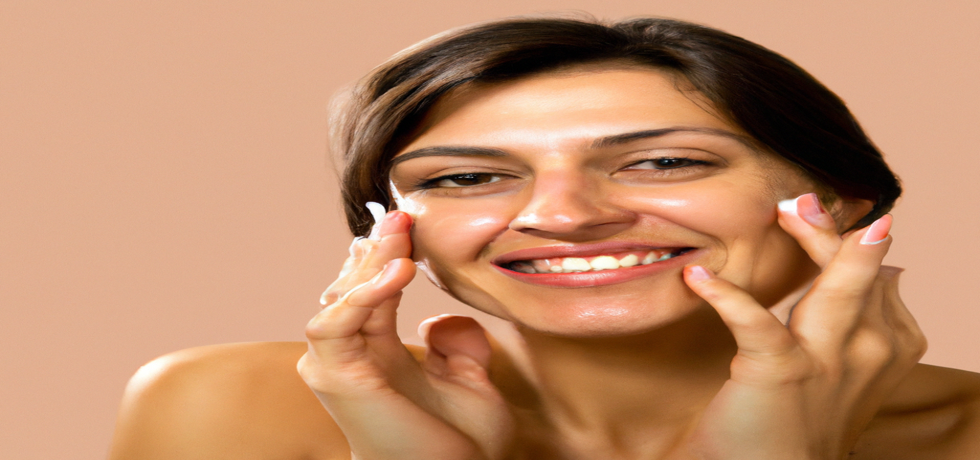
Are you yearning for that perfect glow and hydrated complexion? Radiant skin is not just dream material; it’s attainable with the right skincare solutions. Whether you’re battling dryness caused by the changing seasons or just want to elevate your complexion, fear not! You can achieve hydrated and glowing skin without breaking the bank or spending hours on elaborate routines. In this blog, we will guide you through effective and easy skincare solutions for radiant, hydrated skin that fit seamlessly into your lifestyle.

Understanding Skin Hydration

To embark on your journey toward radiant skin, its essential to understand the importance of skin hydration. Dry skin can manifest in many forms, revealing itself through rough patches, premature aging, or even a dull complexion. Skincare is more than just a routine; its a practice that focuses on delivering moisture and nutrients to your skin to enhance its vitality. By incorporating suitable products and practices, you can effectively combat dryness and boost your skin’s health.

Top Solutions for Hydrated Skin

1. **Hydration Starts Within**: The first step to achieving radiant skin is to ensure you stay hydrated internally. Drinking adequate water daily is crucial for nourishing your skin. Aim for at least 8 glasses to help flush toxins and maintain elasticity.

2. **Gentle Cleansing**: Choose a mild, hydrating cleanser to avoid stripping your skin of its natural oils. Look for cleansers with ingredients like hyaluronic acid and glycerin that not only clean but hydrate your skin as well.

3. **Regular Exfoliation**: Exfoliate your skin regularly but wisely. Using gentle exfoliants containing alpha hydroxy acids (AHAs) helps in removing dead skin cells, making it easier to maintain hydrated, radiant skin. Limit exfoliation to once or twice a week to reduce the risk of irritation.

4. **Powerful Moisturizers**: To lock in moisture, invest in high-quality moisturizers designed for hydration. Look for products featuring rich ingredients such as jojoba oil, and shea butter. Applying it while your skin is still damp can help seal in moisture.

5. **Humidifiers Are Your Friends**: If you live in a dry climate or rely on heating/cooling systems, using a humidifier can add much-needed moisture back into the air. This simple addition can significantly improve your skin’s hydration levels.

6. **SPF is Essential**: Never skip sunscreen, no matter the weather! Protect your skin from harmful UV rays, which can cause dryness and premature aging. Choose a non-comedogenic sunscreen with moisturizing properties for an extra layer of hydration.

7. **DIY Hydrating Masks**: Create homemade hydrating masks using natural ingredients like honey, avocado, and aloe vera. These ingredients are known for their moisturizing benefits. Apply these treatments once a week for an intensive boost of hydration.

8. **Layer Your Clothing**: During colder months, dress in layers to protect your skin from harsh winds and dryness. Wear breathable fabrics and keep areas like your face and hands covered with gloves and scarves.

9. **Stay Committed**: Consistency is the key to achieving radiant skin. Sticking to your skincare routine is essential, as it allows your skin to adapt to the products effectively. Don’t give up if you don’t see instant results.

10. **Consult the Experts**: If you’re still struggling with hydration, consider reaching out to dermatologists at The Skin Artistry. With professional guidance, you can find the best products tailored to your unique skin type.

Takeaways for Glowing Skin

With these easy skincare solutions for radiant, hydrated skin, you’re now equipped to refresh your complexion effortlessly. Remember, achieving healthy skin is a journey that requires patience, but with dedication and the right approach, you can bid farewell to dryness and welcome the glow. So, make these small changes for a significant impact, and let your skin shine!

FAQs

Q. What are some quick tips for hydrating my skin?
A. Stay hydrated, use a gentle cleanser, moisturize frequently, and apply sunscreen daily.

Q. Can diet affect my skin’s hydration?
A. Yes, a balanced diet rich in fruits, vegetables, and plenty of water can significantly improve your skin’s health.

Q. How can I prevent dry skin during winter?
A. Use a humidifier indoors, avoid hot showers, and apply thicker moisturizers to maintain hydration.

For professional assistance and expert advice from leading dermatologists like Dr. Hital Patel, experience the benefits of Easy Skincare Solutions for Radiant, Hydrated Skin with Hair & Skin Specialist Dr. Hital Patel at The Skin Artistry. Our clinics in PDPU Gandhinagar, Vastrapur Ahmedabad, and Hyderabad (Visiting Consultant) offer top-quality care and personalized treatments. Visit us today to learn more about our services and take advantage of our special offers! For more insights, updates, or to collaborate, stay connected with The Skin Artistry.

Moisturizing Tips for Acne-Prone Skin

image

Moisturizing Tips for Acne-Prone Skin

Your Essential Guide to Skin Care

Keeping your skin healthy and hydrated is key to achieving a radiant complexion, especially for those with acne-prone skin. Many individuals mistakenly believe that their oily skin doesn’t require moisturization, leading to a cycle of dryness and increased breakouts. In this blog, we’ll explore the importance of moisturizers, how they can enhance your skincare routine, and the best tips for selecting the right products for acne-prone skin.

Understanding Moisturizers for Acne-Prone Skin

It’s essential to understand that using a moisturizer does not automatically mean you will exacerbate your acne problems. In fact, a well-chosen moisturizer can support clear and healthy skin. When selecting a product, look for those labeled non-comedogenic as these won’t clog your pores and contribute to breakouts. Moisturizing tips for acne-prone skin begin with understanding your unique skin needs.

Benefits of Moisturizing

Hydration can balance your skin, preventing it from becoming overly oily. Acne treatments may lead to dryness, so a good moisturizer helps in restoring hydration. Additionally, moisturizers can reduce excessive oil production when your skin is adequately hydrated. Supporting your skin’s barrier function with ingredients like ceramides can also help guard against pollutants.

Choosing the Right Moisturizer

Not all moisturizers are created equal, and there are specific considerations for those with acne-prone skin. Opt for lightweight, oil-free products that contain beneficial ingredients like glycerin and hyaluronic acid. Avoid thick creams that may lead to clogged pores, and therefore, aggravate acne. The right moisturizer can rejuvenate your skin without adding unwanted oil or breakouts.

Tackling Common Myths

It’s time to debunk a few myths surrounding moisturizing. The belief that you shouldn’t moisturize acne-prone skin is simply not true. All skin types, even oily skin, benefit from hydration. Also, the notion that all moisturizers are the same is a misconception. Tailoring your choices can significantly impact your acne treatment progress.

Moisturizing Tips for Acne-Prone Skin: Takeaway

Always remember that your skin is unique. Introduce a moisturizer gradually and monitor how your skin reacts, tweaking your routine as necessary. If you notice increased breakouts or irritation, dont hesitate to consult with a dermatologist. Following these moisturizing tips for acne-prone skin will help you maintain a healthier and clearer complexion.

FAQs

Q. Can I use moisturizer if I have acne-prone skin?
A. Absolutely! Moisturizers are crucial for all skin types, including those prone to acne. Just be sure to choose non-comedogenic products.

Q. What types of moisturizers should I look for?
A. Look for oil-free, lightweight moisturizers that contain hydrating ingredients like ceramides or glycerin to support your acne treatment while keeping your skin hydrated.

For professional assistance and expert advice from leading dermatologists like Dr. Hital Patel, experience the benefits of Moisturizing Tips for Acne-Prone Skin with Hair & Skin Specialist Dr. Hital Patel at The Skin Artistry. Our clinics in PDPU Gandhinagar, Vastrapur Ahmedabad and Hyderabad (Visiting Consultant) offer top-quality care and personalized treatments. Visit us today to learn more about our services and take advantage of our special offers! For more insights, updates, or to collaborate, stay connected with The Skin Artistry.

Vitamin C Showdown: Oral vs. Topical – Which is Best for Your Skin?

image

Vitamin C Showdown: Oral vs. Topical – Which is Best for Your Skin?

The Power of Vitamin C for Your Skin

Vitamin C is more than just an essential nutrient; its a skin care superstar! Known for its potent antioxidant properties, this vitamin helps combat the effects of photoaging and environmental damage. Our skin is constantly exposed to UV rays, pollution, and various irritants, leading to a depletion of vitamin C. So, how do we replenish this vital vitamin? This blog will delve into the showdown between oral and topical vitamin Cdetermining which method works best for enhancing your skin’s health and appearance.

The Benefits of Topical Vitamin C

Applying vitamin C directly onto the skin has remarkable benefits. Topical vitamin C can dramatically slow down the aging process by reducing wrinkles and boosting collagen production, making your skin appear more youthful and elastic. When you apply serum containing this antioxidant directly to your face, its absorbed quickly and effectivelyabout 20 times more effectively than taking it orally! For those battling common skin concerns like blackheads or uneven texture, topical vitamin C can help manage these issues effectively.

Understanding Oral Vitamin C

While taking oral vitamin C through supplements or a diet rich in fruits and vegetables like oranges and strawberries is essential for overall health, its direct benefits for skin vitality can be less prominent. Although it supports skin function by promoting healing and protecting against damage, the overall impact may not be as significant as applying it directly to your skin. Multivitamins can increase your vitamin C levels, but they may not provide the specific skin results you desire.

The Verdict: Topical vs. Oral

So, which vitamin C approach is best for your skin? While both methods boast unique advantages, the evidence strongly favors topical vitamin C for achieving visible results. If you’re looking to maximize your skin’s radiance and fight signs of aging, incorporating a topical vitamin C serum into your skincare routine is an ideal choice.

Make Vitamin C Work for You

To experience optimal results, consider pairing topical vitamin C with a balanced diet rich in this antioxidant. This combination will not only enhance your skincare regimen but also promote overall health. As with any skincare product, consistency is keymake sure to apply your vitamin C serum daily for the best outcomes!

Final Thoughts and Expert Advice

When it comes to your skin, understanding the options can empower you to make informed decisions. Topical vitamin C has proven benefits that can significantly improve the look and feel of your skin, while oral supplements should serve as a complementary approach.

For professional assistance and expert advice from leading dermatologists like Dr. Hital Patel, experience the benefits of vitamin C in your skincare routine with Hair & Skin Specialist Dr. Hital Patel at The Skin Artistry. Our clinics in PDPU Gandhinagar, Vastrapur Ahmedabad, and Hyderabad (Visiting Consultant) offer top-quality care and personalized treatments. Visit us today to learn more about our services and take advantage of our special offers! For more insights, updates, or to collaborate, stay connected with The Skin Artistry.

Choosing the Right SPF Sunscreen for Your Skin

image

Choosing the Right SPF Sunscreen for Your Skin

Understanding Sunscreen and SPF Levels

Finding the right sunscreen can often feel overwhelming, but it doesn’t have to be. Many people mistakenly believe that the higher the SPF, the better the sunscreen. However, choosing the right SPF sunscreen for your skin is about understanding your specific needs and the science behind sunlight protection. Let’s break it down and help you make an informed choice.

Optimal SPF Protection: The Myth of Higher Numbers

When choosing the right SPF sunscreen, it is essential to know that SPF levels do not correlate linearly with protection. Most experts agree that SPF 30 to SPF 50 provides adequate protection for most skin types. While SPF 30 blocks approximately 97% of UVB rays, SPF 50 blocks about 98%. These slight differences do not justify choosing much higher SPF sunscreens, especially when considering they may not significantly increase safety. It’s crucial for every individual, particularly those with fairer skin who are more susceptible to sunburn, to choose the right SPF according to their skin type.

Reapplication is Key: Sunscreen Has a Time Limit

Even when using the right SPF sunscreen, many people overlook the fact that sunscreen must be reapplied every two hours for optimal effectiveness. This is not just the case for lower SPF products; even if you choose an SPF 50, it loses potency over time, especially after sweating or swimming. Remember, the key to real protection is regular application rather than relying solely on a higher SPF figure. So whether you are enjoying a beach day or just a brief outing under the sun, make reapplication a habit.

Why Sun Protection is Essential for Everyone

Many individuals think they do not need sunscreen unless they are spending excessive time outdoors, but everyone needs sun protection. Whether you’re in an urban setting or relaxing on the beach, harmful UVA and UVB rays are always present. Tanning may seem attractive, but it’s essential to understand that even a tan signifies skin damage. By using the right SPF sunscreen, you not only enhance skin health but also significantly lower the risk of skin cancer and other skin conditions that can take years to show.

Finding Your Best Sunscreen

Now that you know the essential facts about sunscreen, it’s time to choose the right one. Look for broad-spectrum sunscreens that protect against both UVA and UVB rays. Your choice may also depend on your daily activities; a water-resistant formula may be a consideration for those who love outdoor sports. Don’t forget to check the ingredients; if you have sensitive skin, opting for mineral-based options may be beneficial. At The Skin Artistry, we recommend consulting with a skin specialist to find the perfect matches for your skin type and lifestyle.

Final Thoughts: Protect Your Skin Everyday

Choosing the right SPF sunscreen for your skin is essential for maintaining healthy skin, preventing premature aging, and reducing the risk of skin cancer. Embrace sun protection as a part of your daily routine, no matter the weather or the season. Remember, it’s not just about enjoying the sun; it’s about protecting your skin for years to come.

FAQs About SPF Sunscreen

Q1: Can I use SPF sunscreen on my face and body?
A1: Yes, but it’s advisable to choose products specifically formulated for the face, as they are often lighter and less likely to clog pores.
Q2: How often should I reapply sunscreen?
A2: Sunscreen should be reapplied every two hours, or more frequently if you are swimming or sweating heavily.
For professional assistance and expert advice from leading dermatologists like Dr. Hital Patel, experience the benefits of choosing the right SPF sunscreen for your skin with Hair & Skin Specialist Dr. Hital Patel at The Skin Artistry. Our clinics in PDPU Gandhinagar, Vastrapur Ahmedabad, and Hyderabad (Visiting Consultant) offer top-quality care and personalized treatments. Visit us today to learn more about our services and take advantage of our special offers! For more insights, updates, or to collaborate, stay connected with The Skin Artistry.

Protect Your Skin: Understanding and Shielding Against UV Rays

image

Protect Your Skin: Understanding and Shielding Against UV Rays

Introduction

Do you often find yourself sunbathing or enjoying outdoor activities? If so, it’s essential to understand the importance of protecting your skin from harmful UV rays. Beyond just a tan, exposure to Ultraviolet (UV) radiation can lead to significant skin damage in both the short term and long term. This blog will guide you through the types of UV rays, their effects on your skin, and practical tips from The Skin Artistry on how to shield yourself effectively.

Types of UV Rays

The sun emits various types of UV radiation: UVA, UVB, and UVC. UVA rays, which have the longest wavelengths, are present throughout the day and can penetrate deep into the skin, damaging collagen and elastin. These rays are primarily responsible for tanning and long-term aging of the skin. Applying broad-spectrum sunscreen is crucial to safeguard against these damaging effects.

On the other hand, UVB rays are a bit differentthey are responsible for causing sunburns and have a higher energy level. These rays tend to be more intense during the summer months and in sunny areas. UVC rays are largely absorbed by the ozone layer and are not a significant concern for most people. Understanding these different types of UV rays will empower you to take proactive steps to protect your skin.

Effects of UV Exposure

Exposure to UV radiation can result in both immediate and severe consequences. Short-term effects, especially from UVB rays, include painful sunburn, blistering, and tanning of the skin. Long-term exposure can contribute to premature skin aging, wrinkles, and even increase the risk of skin cancers. It’s evident that taking precautions against UV rays is vital for maintaining healthy skin in the long run.

How to Protect Your Skin from UV Rays

To effectively shield your skin from harmful UV rays, consider these tips:

  • Avoid Direct Sun Exposure: Limit your time outdoors, especially between 10 am and 4 pm when UV rays are strongest. Even if you’re in the shade, UV rays can still reach you.
  • Wear Protective Clothing: Dressing in full-sleeved outfits made from denser materials can significantly reduce exposure. Dont forget UV filtering sunglasses to protect your eyes!
  • Use Sunscreen: Applying broad-spectrum sunscreen with at least SPF 30 is essential. Opt for physical sunscreens with zinc oxide and titanium dioxide for better protection.

By adopting these habits consistently, you can enjoy outdoor activities without compromising your skin’s health.

Key Takeaway

Understanding the different types of UV rays and their effects on your skin is paramount to effective protection. While you can’t completely avoid UV exposure, you can follow essential practices to minimize risks. At The Skin Artistry, we emphasize the importance of sun protection for a healthy, glowing complexion. So the next time you step out, remember to don your sunscreen and protective gear!

Frequently Asked Questions

Q: What SPF should I use to protect against UV rays?

A: It’s recommended to use at least SPF 30 for effective protection against both UVA and UVB rays.

Q: Can I get sunburned on a cloudy day?

A: Yes, UV rays can penetrate through clouds, so it’s vital to apply sunscreen even on overcast days.
For professional assistance and expert advice from leading dermatologists like Dr. Hital Patel, experience the benefits of Protect Your Skin: Understanding and Shielding Against UV Rays with Hair & Skin Specialist Dr. Hital Patel at The Skin Artistry. Our clinics in PDPU Gandhinagar, Vastrapur Ahmedabad, and Hyderabad (Visiting Consultant) offer top-quality care and personalized treatments. Visit us today to learn more about our services and take advantage of our special offers! For more insights, updates, or to collaborate, stay connected with The Skin Artistry.

Essential Guide to Hand Sanitizer: Everything You Need to Know

image

Essential Guide to Hand Sanitizer: Everything You Need to Know

Understanding Hand Sanitizers

Hand hygiene has become paramount in todays world, especially amidst health crises like the COVID-19 pandemic. With the rise in the importance of maintaining cleanliness, hand sanitizers have emerged as an essential tool for protecting ourselves from germs. But do you know what hand sanitizers are made of or how to use them effectively? This essential guide to hand sanitizer will answer all your questions.

What is Hand Sanitizer?

Hand sanitizer is a liquid, gel, or foam-coated agent designed to cleanse and kill pathogens on hands. Generally found in either alcohol-based or alcohol-free formulations, hand sanitizers are a fast and convenient option for maintaining hand hygiene when soap and water aren’t available. The alcohol-based sanitizers typically contain between 60% and 95% alcohol, which plays a significant role in killing harmful bacteria and viruses.

Types of Hand Sanitizers

There are two primary types of hand sanitizers: alcohol-based and non-alcohol-based. Alcohol-based hand sanitizers are the most effective, as they disrupt the cellular mechanisms of microbes. On the other hand, alcohol-free sanitizers use agents like triclosan to eliminate germs but may not be as effective in certain situations. It’s essential to choose the right type for maximum efficiency in hand hygiene.

Benefits of Using Hand Sanitizer

The convenience of hand sanitizers makes them highly advantageous. They are easy to carry, quick to use, and offer broad-spectrum germicidal action. Besides aiding in the removal of pathogens, hand sanitizers can help to maintain moisture on the skin, reducing dryness and irritation, a common concern in maintaining a comprehensive skincare routine.

Effectiveness of Hand Sanitizers

The effectiveness of hand sanitizers hinges on their alcohol content. A solution with 60% to 95% alcohol is optimal for killing the majority of harmful microorganisms, including viruses. However, it is noteworthy that hand sanitizers cannot remove all types of dirt and particles, making soap and water the preferred option when available.

Best Practices for Using Hand Sanitizer

For proper hand hygiene, using hand sanitizer effectively is crucial. Begin by applying a sufficient amount (about two pumps) of sanitizer on the hands. Rub it all over including between the fingers and around the nails for 20-30 seconds until your hands are completely dry. This technique ensures that you maximize the sanitizer’s bactericidal activity.

Safety Precautions

Be mindful that alcohol-based hand sanitizers can be flammable. Therefore, avoid using them near open flames or sources of heat. Additionally, keep them out of reach of children to prevent accidental ingestion, as this can lead to toxicity. The importance of safety cannot be overshadowed in our fight for optimal hand hygiene.

When to Use Hand Hygiene

Knowing when to practice hand hygiene is equally essential. Always use hand sanitizer before eating, after using the restroom, or after handling raw food. These are key moments where handwashing or using hand sanitizers can minimize the risk of spreading harmful pathogens.

DIY Hand Sanitizers: The Risks

Although creating your own hand sanitizer may seem like a fun DIY project, it is often safer and more effective to use commercially produced products. That said, if you find yourself with no options, use a blend of rubbing alcohol and aloe vera in a ratio that achieves a gel-like consistency. However, always prioritize professional products to ensure safety and efficacy.

Conclusion

In conclusion, hand sanitizers are vital tools in maintaining proper hand hygiene and protecting yourself from germs. Utilize them wisely by understanding their types, application, and safety measures. By developing a habit of proper hand hygiene, using hand sanitizer alongside soap when required, you can safeguard your health and well-being.

FAQ

Do hand sanitizers expire? Yes, most sanitizers have a shelf life of about three years. After this, their effectiveness may diminish.

Can you use hand sanitizers on your skin other than hands? While they can be used on surfaces like phones, they are primarily intended for hand hygiene. Always follow safety precautions when using them.
For professional assistance and expert advice from leading dermatologists like Dr. Hital Patel, experience the benefits of essential hand hygiene with Hair & Skin Specialist Dr. Hital Patel at The Skin Artistry. Our clinics in PDPU Gandhinagar, Vastrapur Ahmedabad, and Hyderabad (Visiting Consultant) offer top-quality care and personalized treatments. Visit us today to learn more about our services and take advantage of our special offers! For more insights, updates, or to collaborate, stay connected with The Skin Artistry.

Boost Your Skin’s Health with Collagen: Everything You Need to Know

image

Boost Your Skin’s Health with Collagen: Everything You Need to Know

Understanding Collagen and Its Importance

Collagen is an essential protein that plays a crucial role in boosting your skin’s health. As the most abundant protein in the human body, it serves as a building block for skin, bones, muscles, and ligaments. Unfortunately, as we age, our body’s natural collagen production decreases, leading to signs of aging like wrinkles and sagging skin. This is why focusing on methods to enhance collagen levels can significantly improve your skin’s appearance and overall health.

How Collagen Benefits Your Skin

Boosting your skin’s health with collagen can lead to numerous benefits. Collagen works to strengthen the skin, improve its elasticity, and increase hydration levels. By opting for collagen-rich diets or supplements, you can encourage your body to produce more collagen, which can help in reducing the visibility of fine lines and promote a youthful glow. Incorporating collagen into your skincare routine can be as simple as choosing the right collagen creams or opting for oral collagen supplements.

Food Sources to Enhance Collagen Production

To effectively support collagen synthesis, consuming foods rich in nutrients is vital. Foods such as chicken, fish, eggs, and dairy promote collagen production, while fruits and vegetables high in Vitamin C, like oranges and bell peppers, help with collagen absorption. Making these foods a regular part of your diet can significantly contribute to your goal of boosting your skin’s health with collagen.

Types of Collagen

There are several types of collagen, with Type I being the most common and significant for skin health. Type I collagen accounts for about 90% of the body’s collagen, providing extensive benefits to hair, skin, and other vital structures. Understanding these different types has become essential in choosing the right products to enhance collagen production and improve your skin’s appearance.

Collagen Supplements and Skincare Products

Today, various collagen supplements are gaining popularity, particularly hydrolyzed collagen, available in powders or capsules. These supplements are designed to be easily absorbed by the body, enhancing skin elasticity and hydration. Additionally, incorporating collagen creams in your skincare regime can help combat the dryness and reduce the appearance of wrinkles. It’s essential to select high-quality products from trusted brands for maximum effectiveness.

Conclusion: Take Action for Healthier Skin

Boosting your skin’s health with collagen is not just about enhancing your appearance; it’s also about caring for your body’s overall well-being. Start incorporating collagen-rich foods and products into your daily routine to promote radiant and youthful skin. Consult with skincare professionals to tailor a regimen that suits your specific skin needs and discover the transformative benefits that come from prioritizing collagen in your skincare approach.

FAQs

1. How can I naturally boost collagen in my skin?
You can naturally enhance collagen by consuming foods rich in Vitamin C, antioxidants, and amino acids. Regular hydration and a balanced diet play crucial roles in this process.

2. Are collagen supplements effective for skin health?
Yes, collagen supplements, particularly hydrolyzed types, can effectively improve skin hydration, elasticity, and overall appearance.

3. Can topical collagen products rejuvenate my skin?
Topical collagen products can help in maintaining moisture and reducing visible aging symptoms by creating a protective barrier on the skin. However, their effectiveness may vary compared to dietary supplements.

For professional assistance and expert advice from leading dermatologists like Dr. Hital Patel, experience the benefits of boosting your skin’s health with collagen with Hair & Skin Specialist Dr. Hital Patel at The Skin Artistry. Our clinics in PDPU Gandhinagar, Vastrapur Ahmedabad and Hyderabad (Visiting Consultant) offer top-quality care and personalized treatments. Visit us today to learn more about our services and take advantage of our special offers! For more insights, updates, or to collaborate, stay connected with The Skin Artistry.