DIY Facial Bliss: 5 Steps to Radiant Skin

image

DIY Facial Bliss: 5 Steps to Radiant Skin

Embrace the Glow from Home

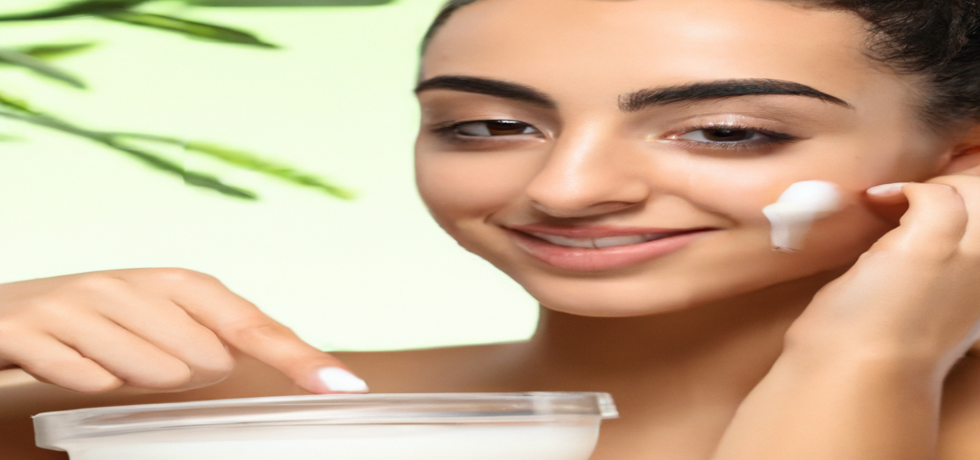
Facial treatments are more than just indulgent spa experiences; they offer essential skincare benefits that can easily be replicated at home. Everyone yearns for that radiant skin, and the good news is that you dont need to visit a salon to achieve it. With a simple DIY facial, you can pamper your skin and promote its health while saving both time and money. Ready to dive in? Here are five easy steps to achieve radiant skin right in your living room!

Step 1: Thorough Cleaning

To start your DIY facial bliss, you first need to cleanse your skin thoroughly. This initial step is crucial as it removes grime, makeup, and excess oil, allowing your skin to breathe and prepare for the subsequent treatments. Use a gentle cleansing lotion suited to your skin type or a hydrating face wash. The key here is to ensure that your skin is spotless and ready to absorb the following treatments effectively.

Step 2: Steaming and Exfoliation

Once your skin is clean, the next step is to indulge in a steaming session followed by exfoliation. Steaming opens up your pores and helps remove deeply embedded dirt particles. Then, using a homemade scrub composed of natural ingredients is ideal for enhancing your skin’s appearance. Try using fuller’s earth or a coffee scrub. These natural exfoliants effectively unclog pores and rejuvenate skin, preparing it for further care.

Step 3: Facial Massage

No DIY facial experience is complete without a good facial massage. Massaging your face can stimulate blood circulation and enhance skin elasticity, which is vital for maintaining youthful, radiant skin. Opt for coconut oil or a fruit cream of your choice during the massage. Remember to use gentle upward strokes to lift the skin and promote lymphatic drainage. This step not only feels divine but also contributes to a healthier complexion.

Step 4: Nourishing Face Mask

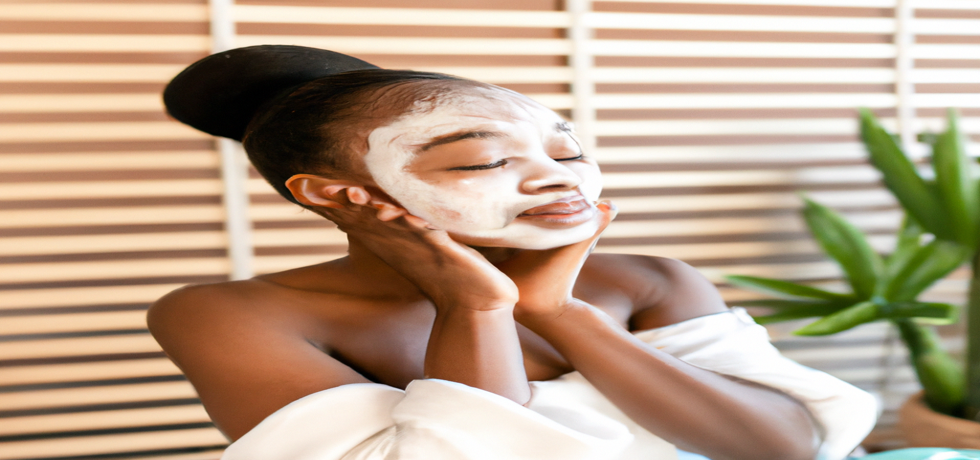
After your massage, its time to pamper your skin with a nourishing face mask. Choose one that fits your skin typewhether your focus is combating dryness, hyperpigmentation, or dullness. A simple homemade mask using ingredients like honey and yogurt can work wonders. Apply the mask, lie back, and let it work its magic for about 20 minutes while you unwind.

Step 5: Hydration

Finally, dont forget to lock in all the goodness with a great moisturizer. Hydration is essential to ensure your skin remains plump and fresh. Opt for an anti-aging cream or aloe vera gel for deeper nourishment. A moisturizer suited for Indian skin types will significantly help maintain the balance and glow of your skin.

As you indulge in this soothing ritual, you not only treat your skin but also provide yourself with a sense of relaxation and self-care.

Conclusion: Your Journey to Radiant Skin

Creating a DIY facial at home is a fantastic way to enhance your skincare routine. By following these five essential stepscleaning, steaming, massaging, masking, and moisturizingyou can achieve that desired glow. Make this a part of your weekly routine, and you may just end up with skin that radiates health and vitality.

Feel free to explore more customized treatments and seek professional advice when necessary. For professional assistance and expert advice from leading dermatologists like Dr. Hital Patel, experience the benefits of DIY Facial Bliss with Hair & Skin Specialist Dr. Hital Patel at [The Skin Artistry](https://theskinartistry.com/). Our clinics in PDPU Gandhinagar, Vastrapur Ahmedabad, and Hyderabad (Visiting Consultant) offer top-quality care and personalized treatments. Visit us today to learn more about our services and take advantage of our special offers! For more insights, updates, or to collaborate, stay connected with [The Skin Artistry](https://theskinartistry.com/).

11 Essential Steps for Sensitive Skin Care

image

11 Essential Steps for Sensitive Skin Care

Understanding Sensitive Skin

Sensitive skin can be a challenging condition to manage, regardless of whether you have oily, dry, or combination skin. The key to effective sensitive skin care lies in understanding its unique needs. Sensitive skin is often marked by a propensity for redness, irritation, and discomfort when exposed to harsh products or environmental factors. At The Skin Artistry, we believe in a gentle approach that nurtures your skin while keeping it calm and healthy.

Essential Steps for Sensitive Skin Care

Taking care of sensitive skin requires a consistent routine. Here are the 11 essential steps to ensure your skin remains nourished and irritation-free.

1. Gentle Cleansing

Start your routine with a gentle face wash designed for sensitive skin. A soft, mild cleansing formula will remove dirt and oils without stripping your skin of its natural moisture. Cleansing the skin twice a day is crucial in any sensitive skin care regimen.

2. Choose Products Wisely

Avoid products that contain harsh chemicals or fragrances. Instead, focus on finding sensitive skin care products that contain soothing ingredients to prevent irritation. Look for labels that indicate they are free from parabens, sulfates, and artificial scents.

3. Sunscreen is Key

Protecting sensitive skin from the sun should be a top priority. Apply a broad-spectrum sunscreen every morning, regardless of the weather. This vital step prevents sunburn and reduces the risk of developing conditions such as rosacea.

4. Daily Moisturization

Dont forget to moisturize! A suitable moisturizer keeps your skin hydrated, minimizing irritation and inflammation. Look for creams enriched with ingredients that calm sensitive skin, making it feel soft and supple.

5. Be Cautious with Hair Dye

If you’re considering dyeing your hair, be vigilant. Hair color products can trigger allergic reactions in those with sensitive skin. Opt for hypoallergenic formulations or perform patch tests to gauge your skin’s reaction beforehand.

6. Shower Temperature Matters

Hot showers can be detrimental, causing your sensitive skin to flare up. Use lukewarm water instead, as this is gentler and reduces the likelihood of irritation and redness.

7. Choose Fabrics Wisely

When selecting clothing, prioritize soft, breathable fabrics like cotton. Avoid materials such as wool or synthetic fibers that can irritate sensitive skin and lead to discomfort.

8. Opt for Minimal Makeup

For sensitive skin, keep your makeup routine to a minimum. Use light, breathable foundations and avoid heavy layering. This helps your skin breathe while minimizing the risk of breakouts and irritation.

9. Patch Testing is Crucial

Always perform a patch test before trying new products. This precaution allows you to determine how your skin reacts and prevents potential issues in your sensitive skin care routine.

10. Keep Makeup Tools Clean

Dirty brushes and sponges can harbor bacteria, which can irritate sensitive skin. Regularly clean your makeup tools to ensure your skin remains healthy and free from breakouts.

11. Watch Your Diet

Some foods can contribute to skin sensitivities and inflammation. Identify and avoid any food items to which you may have allergic reactions, as this can significantly improve your skin’s condition.

Conclusion

By following these 11 essential steps for sensitive skin care, you will be equipped to manage and protect your skin effectively. Remember that consistency is key; personalize your routine based on your skins responses and sensitivities. For professional assistance and expert advice from leading dermatologists, experience the benefits of sensitive skin care with Hair & Skin Specialist Dr. Hital Patel at The Skin Artistry. Our clinics in PDPU Gandhinagar, Vastrapur Ahmedabad, and Hyderabad (Visiting Consultant) offer top-quality care and personalized treatments. Visit us today to learn more about our services and take advantage of our special offers! For more insights, updates, or to collaborate, stay connected with The Skin Artistry.

The Ultimate Guide to Azelaic Acid for Radiant Skin

image

The Ultimate Guide to Azelaic Acid for Radiant Skin

Unlocking the Power of Azelaic Acid

Have you heard of azelaic acid? If youre looking for a powerful ingredient to achieve radiant skin, youre in for a treat! Azelaic acid has emerged as a popular choice in dermatology due to its remarkable properties. Known for its acne-fighting abilities, this natural acid is also gaining recognition for reducing hyperpigmentation and providing a variety of skin benefits. In this ultimate guide, well explore everything you need to know about azelaic acid to elevate your skincare routine.

What is Azelaic Acid?

Azelaic acid is a naturally occurring dicarboxylic acid found in grains like barley, wheat, and rye. With its antibacterial and anti-inflammatory properties, it effectively addresses various skin conditions such as acne and rosacea. In addition to treating existing breakouts, this remarkable acid prevents future blemishes by eliminating acne-causing bacteria. Available in different formulations like gels and creams, azelaic acid has earned its place as a staple in acne treatment.

How Does Azelaic Acid Work?

The magic of azelaic acid lies in its ability to target acne bacteria and reduce inflammation. When applied topically, it penetrates the outer layer of the skin, killing the bacteria that cause acne while accelerating cellular turnover. This ensures a smoother texture and a significant reduction in the appearance of scars. The antioxidant properties of azelaic acid also neutralize harmful free radicals in the body, promoting healthier skin overall.

Benefits of Using Azelaic Acid

Azelaic acid is more than just an acne treatment; it comes with a multitude of benefits! Here are some of the standout advantages that might just convince you to incorporate it into your skincare regime:

1. Fights Acne Effectively

Azelaic acid is a potent weapon against stubborn acne. It not only helps clear existing breakouts but also diminishes the appearance of acne scars and hyperpigmentation that can linger afterward. Regular application can lead to a clearer complexion, especially for those with darker skin tones prone to post-inflammatory hyperpigmentation.

2. Reduces Hyperpigmentation

If dark spots are a concern, azelaic acid can help! It inhibits the enzyme tyrosinase, responsible for melanin production, thus effectively lightening hyperpigmented areas. Whether dealing with melasma, sunspots, or post-acne marks, incorporating azelaic acid can lead to a more even skin tone.

3. Calms Inflammation

With its anti-inflammatory properties, azelaic acid is an excellent choice for sensitive skin. It helps soothe redness and discomfort associated with conditions like rosacea and eczema, promoting overall skin calmness.

4. Natural Exfoliation

This unique acid acts as a gentle exfoliant, clearing away dead skin cells and preventing clogged pores. By keeping the skin free from blockages, azelaic acid helps to maintain a healthy, radiant glow.

Possible Side Effects and Precautions

While azelaic acid is generally well-tolerated, some individuals may experience minor side effects like irritation, burning, or dryness. If you encounter severe reactions such as swelling, difficulty breathing, or hives, its essential to seek immediate medical attention. As with any new skincare ingredient, patch testing is crucial to avoid adverse effects.

Final Thoughts

If you’re on the quest for radiant skin, azelaic acid is definitely worth a try. This multifunctional ingredient benefits various skin types, from acne-prone to sensitive skin. Remember, skincare is a journeyresults may take time, but consistency is key. Always consult a dermatologist for personalized advice and tailored treatments.

FAQs

Q: Can I combine azelaic acid with other products?

A: Yes, azelaic acid can be safely combined with other skincare ingredients such as vitamin C, as they both offer potent benefits for the skin. Just be sure to layer them correctly in your routine!

Q: Is azelaic acid suitable for all skin types?

A: Absolutely! Azelaic acid is designed to be gentle yet effective, making it suitable for all skin types, including sensitive skin.

For professional assistance and expert advice from leading dermatologists like Dr. Hital Patel, experience the benefits of The Ultimate Guide to Azelaic Acid for Radiant Skin with Hair & Skin Specialist Dr. Hital Patel at The Skin Artistry. Our clinics in PDPU Gandhinagar, Vastrapur Ahmedabad and Hyderabad (Visiting Consultant) offer top-quality care and personalized treatments. Visit us today to learn more about our services and take advantage of our special offers! For more insights, updates, or to collaborate, stay connected with The Skin Artistry.

Understanding Skin Rashes: Types, Causes, and Treatments

image

Understanding Skin Rashes: Types, Causes, and Treatments

Introduction to Skin Rashes

Skin rashes are a common concern for many individuals, causing discomfort and anxiety. They represent a change in texture or color of the skin, which can manifest differently depending on a person’s skin tone. For example, rashes may be purple, gray, or white on darker skin, as opposed to the typical red color seen in lighter skin. Here at The Skin Artistry, we believe understanding skin rashes can empower you to seek appropriate treatment and care.

Types of Skin Rashes

There are several types of skin rashes, each with its own unique causes and treatment options. Understanding these rashes can aid in determining the best way to alleviate discomfort. Here are some notable types:

Eczema

Eczema is a common condition characterized by inflammation, itching, and red, scaly patches on the skin. It often affects individuals with a family history of allergies. Triggers can include skin irritants, stress, and environmental factors. Effective eczema treatment can involve topical corticosteroids, oral medications, and lifestyle changes to manage symptoms.

Psoriasis

Psoriasis is an autoimmune condition that accelerates skin cell production, leading to itchy, scaly patches. While this can affect individuals of all ages, common areas include the elbows, knees, and scalp. A variety of psoriasis treatments exist, ranging from moisturizers to light therapy, depending on the severity of the symptoms.

Hives (Urticaria)

Hives are red, raised bumps that generally result from an allergic reaction. Common triggers include certain foods, medications, and insect bites. Treatment mainly involves antihistamines to alleviate itching and inflammation, as well as corticosteroids in more persistent cases.

Rosacea

A chronic skin disorder, rosacea causes redness, visible blood vessels, and occasionally, acne-like lesions. While the exact cause is unknown, genetic factors, sun damage, and bacteria may play a role in its development. Treatments may include topical medications, laser therapy, and lifestyle modifications to manage flare-ups.

Ringworm

Despite its name, ringworm is a fungal infection that presents as a circular, itchy rash. This condition can spread through direct contact with infected individuals, animals, or contaminated surfaces. Treatment typically involves antifungal medications, both topical and oral, depending on the severity of the infection.

Lichen Planus

This inflammatory condition presents as itchy, scaly patches on the skin or mucous membranes. While the specific cause remains unclear, it may be linked to autoimmune responses. Treatment often involves corticosteroids and phototherapy to manage symptoms and inflammation.

Key Takeaways

Understanding different skin rashes and their specific treatments is crucial in managing skin health. Rashes can vary significantly, and proper diagnosis is essential to effective treatment. If you notice any unusual changes in your skin, consult a qualified dermatologist at The Skin Artistry for the best guidance and care.

Conclusion: Seeking Help

Whether dealing with eczema, psoriasis, or any other type of rash, it’s vital to seek professional assistance rather than attempting to treat the condition independently. The Skin Artistry is dedicated to providing personalized care and treatment options tailored to your needs. Remember to keep your skin routine gentle and consult a dermatologist for any concerns.
For professional assistance and expert advice from leading dermatologists like Dr. Hital Patel, experience the benefits of understanding skin rashes with Hair & Skin Specialist Dr. Hital Patel at The Skin Artistry. Our clinics in PDPU Gandhinagar, Vastrapur Ahmedabad, and Hyderabad (Visiting Consultant) offer top-quality care and personalized treatments. Visit us today to learn more about our services and take advantage of our special offers! For more insights, updates, or to collaborate, stay connected with The Skin Artistry.

5 Natural Remedies to Reverse Premature Greying of Hair

image

5 Natural Remedies to Reverse Premature Greying of Hair

Introduction

Premature greying of hair can be a distressing experience, especially for young individuals. For many, grey hair is often associated with aging, leading to a quest for solutions to restore their natural color. Fortunately, there are various effective methods to address premature grey hair naturally. In this blog post, we’ll explore five natural remedies that can help reverse this common issue and largely contribute to maintaining your hair’s vibrancy.

1. Indian Gooseberry (Amla)

Indian Gooseberry, or Amla, is a powerhouse of Vitamin C that plays a crucial role in promoting healthy hair. Known for its rich antioxidant properties, Amla can aid in restoring pigmentation and reducing premature greying. You can create a nourishing mixture by combining Amla oil with fenugreek paste. Simply heat three tablespoons of Amla oil mixed with one tablespoon of fenugreek paste, apply it to your hair, and leave it overnight for optimal results.

2. Coconut Oil and Curry Leaves

Utilizing a blend of coconut oil and curry leaves provides a natural solution to combat grey hair. Coconut oil nourishes the scalp, while curry leaves are rich in vitamins and antioxidants that help slow down the greying process. By heating three tablespoons of coconut oil with five to six curry leaves until the oil turns dark, you create a potent mixture that can be massaged into your hair. Let it stay overnight for the best effects.

3. Almond Oil Hair Mask

Almond oil is known for its Vitamin E content, which protects hair from premature greying. When combined with lemon juice, which is high in Vitamin C, it enhances hair volume and shine. You can create a nourishing hair mask by mixing two teaspoons of almond oil with three teaspoons of lemon juice. Apply this mixture to your scalp, leave it for 30 minutes, and wash it off with a gentle shampoo.

4. Henna and Coffee Paste

Henna is a natural hair conditioning agent that also imparts a rich color to grey hair. By adding coffee into the mix, you can boost the tint and antioxidant content. Boil some water, add coffee, and then mix it with henna powder to create a paste. Apply it to your hair for an hour before rinsing it out, helping you achieve a darker, healthier appearance.

5. Curd and Black Pepper

Curd, rich in probiotics, helps strengthen hair, while black pepper has natural properties to aid in darkening the hair. Create a treatment by mixing one cup of yogurt with a tablespoon of black pepper. Apply it generously, focusing on the tips of your hair, and leave it for 30 minutes before washing it out. This remedy not only combats greying but also softens the hair significantly.

Conclusion

While embracing natural remedies to reverse premature greying of hair, its essential to maintain a healthy lifestyle. Incorporate a diet rich in vitamins, stay hydrated, avoid stress, and refrain from smoking. Signs of underlying conditions should also be addressed with the help of professionals to ensure long-lasting results. By adopting these natural approaches and taking care of your overall health, you can help keep your hair vibrant and youthful.

FAQs

Q. Is it safe to use natural remedies on hair?
Yes, using natural ingredients is generally safe and can prevent adverse effects compared to chemical treatments.

Q. How often should I apply these remedies?
For best results, these remedies can typically be applied 12 times a week, depending on your hair type and condition.

For professional assistance and expert advice from leading dermatologists like Dr. Hital Patel, experience the benefits of 5 Natural Remedies to Reverse Premature Greying of Hair with Hair & Skin Specialist Dr. Hital Patel at The Skin Artistry. Our clinics in PDPU Gandhinagar, Vastrapur Ahmedabad and Hyderabad (Visiting Consultant) offer top-quality care and personalized treatments. Visit us today to learn more about our services and take advantage of our special offers! For more insights, updates, or to collaborate, stay connected with The Skin Artistry.

Exploring the Essential Functions of Your Skin

image

Exploring the Essential Functions of Your Skin

An Insightful Look at the Vital Role of Skin

Our skin, the body’s largest organ, is more than just a protective cover; it plays several remarkable roles that are essential for our overall health. Understanding the essential functions of your skin can help you appreciate its complexity and the importance of proper skincare. At The Skin Artistry, we delve into the multifaceted role of skin in human body, highlighting its key functions so you can make informed choices for your skin health.

Protection: The First Line of Defense

The skin acts as a powerful barrier against environmental stressors. It protects the underlying tissues from UV radiation, preventing damage that can lead to various skin conditions, including skin cancer. The thin, oily layer that covers the epidermis also safeguards against infections from harmful pathogens. By maintaining a healthy skincare routine, you can ensure that your skin remains shielded against these potential harms.

Heat Regulation: Keeping You Cool

One of the skin’s essential functions is to regulate body temperature. Through sweating and the dilatation of blood vessels, the skin helps to manage heat during physical activity or hot weather, maintaining a stable core temperature. This mechanism is vital for your body’s overall functioning, especially in a climate like Indias, where temperatures can fluctuate significantly.

Sensation: Connecting You to the World

The skin is rich in nerve endings that allow us to sense touch, pain, pressure, heat, and cold. This sensory function helps us interact with our surroundings and provides critical information about potential dangers, thereby protecting us. By understanding the sensory capabilities of your skin, you can be more attuned to its needs and respond to any signs of irritation or damage.

Absorption: A Gateway for Essential Nutrients

While skin does not absorb water, it can indeed absorb certain substances. This ability allows for the therapeutic application of various creams and treatments that penetrate the outer layer. For example, vitamin D synthesis happens when the skin absorbs sunlight, a crucial process for calcium absorption and bone health. However, it is essential to select safe, high-quality products for your skin to maximize absorption without adverse effects.

Secretion: The Body’s Natural Waste Disposal

Sweat glands play a critical role in secreting waste products and maintaining skin health. By releasing water, salts, and other waste materials, these glands help to regulate skin hydration and improve the overall appearance of the skin. In addition, the sebaceous glands produce sebum, which moisturizes the skin and hair, preventing dryness.

How Skin Reflects Overall Health

Your skin can often reflect what is happening inside your body. Abnormalities in skin appearance can signal issues related to internal organs, such as liver dysfunction or hormonal imbalances. By observing changes in your skin and consulting with dermatologists at The Skin Artistry when necessary, you can gain insights into your overall health and intervene early when issues arise.

Conclusion: Prioritizing Skin Health

Your skin performs essential functions that contribute to your overall well-being, from protection to secretion. Understanding these roles can empower you to adopt a skincare routine that maintains and enhances skin health. Regular consultations with specialists at The Skin Artistry will help you create personalized skincare solutions to ensure your skin remains healthy and vibrant.

FAQ

Q: What should I do if I notice changes in my skin?
A: Its important to consult a dermatologist if you notice significant changes in your skin. Early intervention can make a considerable difference.

Q: How can I maintain healthy skin?
A: Consistently applying appropriate skincare products, staying hydrated, eating a balanced diet, and protecting your skin from UV radiation are key steps.

For professional assistance and expert advice from leading dermatologists like Dr. Hital Patel, experience the benefits of exploring essential functions of your skin with Hair & Skin Specialist Dr. Hital Patel at The Skin Artistry. Our clinics in PDPU Gandhinagar, Vastrapur Ahmedabad and Hyderabad (Visiting Consultant) offer top-quality care and personalized treatments. Visit us today to learn more about our services and take advantage of our special offers! For more insights, updates, or to collaborate, stay connected with The Skin Artistry.

7 Ways Papaya Enhances Your Skin Glow

image

7 Ways Papaya Enhances Your Skin Glow

Unlocking the Secret to Radiant Skin

Did you know that papaya is known for its remarkable skin-enhancing properties? This tropical fruit, enriched with essential nutrients, offers a plethora of benefits that can transform your skin’s glow and overall texture. At The Skin Artistry, we believe that incorporating papaya into your skincare routine can yield incredibly nourishing results. Lets dive into the seven ways papaya enhances your skin glow!

1. Natural Exfoliation

The enzymes found in papaya, especially papain, work wonderfully as a natural exfoliant. They help to remove dead skin cells, revealing a fresher and clearer complexion. Regular use of papaya in your skincare routine can enhance your skin glow by providing effective exfoliation without harsh chemicals.

2. Rich Source of Antioxidants

Papaya is packed with antioxidants like vitamin C and lycopene. These powerful compounds combat free radicals, which are known to accelerate skin aging. By limiting oxidative stress, these antioxidants promote a youthful appearance and a radiant skin glow.

3. Hydration Boost

Dry and flaky skin can hinder your natural glow. Papaya acts as an excellent moisturizer due to its high water content and beneficial enzymes. Applying papaya pulp or juice can deeply hydrate your skin, ensuring it feels soft and supple.

4. Reduces Dark Spots and Uneven Skin Tone

If you struggle with dark spots or uneven skin pigmentation, papaya may be your answer. The natural skin-lightening properties of papaya help diminish dark spots, leading to a more uniform skin tone and increasing your skin glow.

5. Fights Acne

Papayas anti-inflammatory properties make it an effective ally against acne. The proteolytic enzymes in papaya help reduce the inflammation and redness associated with breakouts, promoting clearer and healthier skin. By incorporating papaya into your acne care routine, you can achieve smoother skin.

6. Soothes Irritated Skin

Papaya aids in calming irritated skin, making it a helpful remedy for conditions such as sunburn, rashes, and eczema. The healing enzymes and vitamins in papaya help soothe skin, reducing redness and enhancing your overall glow.

7. Improves Skin Elasticity

The enzymes and nutrients present in papaya boost collagen production, which is vital for maintaining skin elasticity. Improved elasticity can lead to more toned and youthful-looking skin, emphasizing that natural glow we all desire.

Incorporate Papaya into Your Routine

For maximum benefits, consider adding papaya to your daily skincare routine. You can enjoy it fresh, in smoothies, or as a face mask. Whether applied topically as a paste or consumed, the effects of papaya on your skin will undoubtedly be revitalizing.

Takeaway

The secret to achieving glowing skin lies in the nature-inspired benefits of papaya. Its more than just a tropical treat its a superfood for your skin! Don’t hesitate to embrace papaya in your beauty regimen; your skin will thank you for it.

For professional assistance and expert advice from leading dermatologists like Dr. Hital Patel, experience the benefits of 7 Ways Papaya Enhances Your Skin Glow with Hair & Skin Specialist Dr. Hital Patel at The Skin Artistry. Our clinics in PDPU Gandhinagar, Vastrapur Ahmedabad, and Hyderabad (Visiting Consultant) offer top-quality care and personalized treatments. Visit us today to learn more about our services and take advantage of our special offers! For more insights, updates, or to collaborate, stay connected with The Skin Artistry.

Transform Your Look: The Ultimate Guide to Hair Rebonding

image

Transform Your Look: The Ultimate Guide to Hair Rebonding

Introduction to Hair Rebonding

Transforming your look can often start with your hair. Hair rebonding has become a popular method for those seeking smooth, straight locks that last for months. This comprehensive guide will walk you through everything you need to know about hair rebonding, including what it is, the procedures involved, its longevity, potential side effects, and essential aftercare tips at The Skin Artistry.

What is Hair Rebonding?

Hair rebonding is a chemical treatment that alters the fundamental structure of your hair. By applying special relaxant creams and using heat, the process breaks and restructures the hair’s amino acid bonds. The result? Silky, straight hair that can transform your overall appearance. It’s an excellent option for those with frizzy or unruly hair who seek a long-lasting change.

The Procedure for Hair Rebonding

Undergoing hair rebonding is not a quick process and usually requires several hours at The Skin Artistry. The treatment consists of multiple steps, starting with cleansing your scalp and hair with a mild shampoo. Next, your hair is sectioned to ensure even application of the relaxant cream. After leaving it on for about 40 minutes, steam is applied, which opens the cuticles for a more effective treatment. Once the desired results are achieved, a keratin lotion is added to smoothen the hair further. Finally, a neutralizer is applied to stabilize the new hair structure.

How Long Does Hair Rebonding Last?

Typically regarded as a semi-permanent treatment, hair rebonding can last anywhere between 6 to 12 months. Factors affecting its longevity include your hair type and how well you follow post-treatment care. New hair will grow in its natural texture, so regular touch-ups are recommended every 3 to 6 months to maintain the appearance you desire.

Side Effects of Hair Rebonding

Understanding the risks involved with hair rebonding is crucial, as its not suitable for everyone. Hair rebonding can lead to damage or breakage, particularly for sensitive hair types. Furthermore, the chemicals used might irritate the scalp and could potentially alter your hair’s natural pattern permanently. Always consult with your hairstylist at The Skin Artistry to ensure that this treatment is the right choice for you.

Post Hair Rebonding Tips

Maintaining your beautiful rebonded hair involves adopting a few essential practices:
– Adhere to the 72-hour rule by avoiding tying your hair or getting it wet, as this period is critical for the bonds to stabilize.
– Regularly oil your hair to nourish and maintain its health, but avoid harsh products for at least three days post-treatment.
– Stick to a specialized hair care regimen using shampoos designed for straight hair and always condition with deep conditioning products after every wash. Remember to trim split ends and consider keratin treatments for additional smoothness.

Conclusion

Hair rebonding can be a game-changer, offering you the chance to enjoy sleek and manageable hair for months on end. However, its vital to understand the treatments intricacies and side effects before diving in. Always prioritize professional advice from stylists at The Skin Artistry to ensure you make informed decisions for your hair’s health.

FAQs

Q: Is hair rebonding suitable for all hair types?
A: Not all hair types are suitable for rebonding. Consult a professional at The Skin Artistry before proceeding.

Q: How long does the rebonding process take?
A: The entire hair rebonding process typically takes around 3 to 4 hours.

Q: Can I wash my hair three days after rebonding?
A: Yes, you can wash your hair after 72 hours with a gentle shampoo.

Q: Is hair rebonding safe during pregnancy?
A: It’s not recommended to undergo hair rebonding while pregnant due to the chemicals involved.

For professional assistance and expert advice from leading dermatologists like Dr. Hital Patel, experience the benefits of transforming your look with Hair & Skin Specialist Dr. Hital Patel at The Skin Artistry. Our clinics in PDPU Gandhinagar, Vastrapur Ahmedabad, and Hyderabad (Visiting Consultant) offer top-quality care and personalized treatments. Visit us today to learn more about our services and take advantage of our special offers! For more insights, updates, or to collaborate, stay connected with The Skin Artistry.

Prevent Premature Grey Hair Naturally

image

Prevent Premature Grey Hair Naturally

Understanding the Causes of Premature Grey Hair

It’s quite alarming to spot your first grey hair when youre still in your 20s or 30s. Many individuals are faced with premature grey hair, making them feel less confident and concerned about their appearance. The process of greying hair is often misunderstood, with several factors contributing to this common issue. Understanding these causes is essential for preventing premature grey hair naturally.

Genetics plays a key role in hair pigmentation, and if your family has a history of early greying, its likely a trait you may inherit. Additionally, chronic stress has also been linked to the depletion of melanin, the pigment that gives our hair its color. Other factors such as poor diet, vitamin deficiencies, and unhealthy lifestyle choices like smoking can accelerate the greying process.

Natural Remedies for Prevention

If you find yourself battling premature grey hair, fret not! There are several natural solutions you can incorporate into your routine to help slow down this process.

Firstly, improving your diet is crucial. Aim to include foods rich in vitamins like B12 and folate, which are essential for maintaining healthy hair. Incorporate plenty of fruits, vegetables, nuts, and whole grains into your meals. Foods like avocados, eggs, spinach, and dark chocolate loaded with copper can indeed work wonders for your hair health.

Secondly, consider using natural hair dyes or treatments. Henna, for instance, is not only a natural dye but also promotes hair health. You can also infuse your hair with natural dyes made from coffee or tea, which can add a rich hue while keeping the chemicals at bay.

Stress Management Techniques

Managing stress effectively is another crucial aspect of preventing premature grey hair. Engage in mindfulness practices such as meditation, yoga, or regular physical exercise to relieve stress and maintain your overall well-being. These practices can help retain your hair’s natural pigment and support your mental health.

Additionally, make sure to stay hydrated and get adequate sleep. Our bodies need time to recuperate and rejuvenate, and insufficient rest can negatively impact hair health. Aim for 7-8 hours of good quality sleep every night to foster hair growth and prevent premature greying.

Proper Hair Care Routine

Lastly, establishing a proper hair care routine can significantly aid in managing premature grey hair. Limit the use of harsh chemical treatments and choose natural shampoos that are gentle on your hair. Regular conditioning using natural oils like coconut or olive oil can nourish your scalp and promote healthy hair growth.

By adopting these simple yet effective natural remedies and lifestyle changes, you can prevent premature grey hair and maintain your vibrant mane. Remember, consistent care and a healthy lifestyle play a significant role in keeping your hair’s natural color intact.

Takeaway

While it may not be possible to reverse grey hair entirely, it is certainly within your reach to prevent it through natural methods. Focus on a balanced diet, stress management, and proper hair care to maximize your chances of keeping your locks youthful. For personalized strategies to tackle premature grey hair, consider seeking guidance from dermatology experts.

FAQs:
Q: Can I reverse grey hair?
A: While it’s difficult to reverse grey hair, adopting a healthy lifestyle and caring for your hair can help prevent further greying.

Q: What should I eat to maintain my hair color?
A: Include foods rich in vitamins and minerals such as milk, eggs, fish, leafy greens, and nuts to aid in hair health.

For professional assistance and expert advice from leading dermatologists like Dr. Hital Patel, experience the benefits of Prevent Premature Grey Hair Naturally with Hair & Skin Specialist Dr. Hital Patel at The Skin Artistry. Our clinics in PDPU Gandhinagar, Vastrapur Ahmedabad and Hyderabad (Visiting Consultant) offer top-quality care and personalized treatments. Visit us today to learn more about our services and take advantage of our special offers! For more insights, updates, or to collaborate, stay connected with The Skin Artistry.

Unlock the Glow: Curd Face Packs for Healthy Skin

image

Unlock the Glow: Curd Face Packs for Healthy Skin

Discover the Power of Curd for Radiant Skin

Are you looking for a natural way to achieve glowing, healthy skin? Look no further than the humble curd! As a staple in many Indian households, curd isn’t just a delicious addition to your meals it also holds incredible benefits for your skin. Incorporating curd face packs into your skincare routine can enhance your natural glow while promoting skin health.

The Secret Benefits of Curd for Your Skin

Curd is packed with lactic acid, which gently exfoliates dead skin cells, revealing clearer and softer skin beneath. This is particularly valuable for those concerned with signs of aging, as it aids in fighting premature aging while enhancing skin elasticity and luminescence. Furthermore, the vitamin B5 found in curd helps fade dark spots, giving your complexion an instant glow. Regular application can soothe irritated skin, making it a go-to ingredient for all skin types.

Top Curd Face Packs for Every Skin Type

To unlock the glow, here are some easy and effective curd face packs that cater to various skin concerns:

1. Curd and Honey Face Pack

Ideal for normal to dry skin, this face pack is a hydrating miracle.

  1. Combine 2 tablespoons of curd with 1 tablespoon of honey.
  2. Apply it to your face for 20 minutes.
  3. Rinse with lukewarm water.

2. Curd and Besan Face Pack

Suitable for normal to oily skin, this pack acts as a fantastic exfoliant.

  1. Mix curd and besan to form a paste.
  2. Apply it to the face and let it dry before rinsing.

3. Curd and Turmeric Face Pack

Beneficial for all skin types, it brightens while offering anti-inflammatory benefits.

  1. Mix curd with a pinch of turmeric powder.
  2. Apply the mixture for 15 minutes before washing it off with water.

4. Curd and Lemon Face Pack

Great for normal to oily skin, this pack brightens and tightens sagging skin.

  1. Combine diluted lemon juice with curd and apply it on the face.
  2. Once dry, rinse with water.

5. Curd and Oats Face Pack

Perfect for sensitive skin, oats act as a natural exfoliant to restore the skin barrier.

  1. Combine oats and curd into a paste, apply, and leave it until dry.
  2. Wash with lukewarm water.

Unlock Your Skin’s Potential Today!

Curd face packs are simple yet effective home remedies that address multiple skin concerns from hydration to exfoliation. Incorporating these recipes into your skincare regimen will help you achieve that coveted glow.

Frequently Asked Questions

Is curd really beneficial for skin?

Absolutely! Curd is known for its skin-lightening properties that help diminish dark spots and hyperpigmentation.

How often can I use curd on my face?

You can safely use curd packs daily, tailoring each recipe to your skin type for optimal results.

Can curd help with acne?

Yes, curd possesses antibacterial properties, making it effective for managing and preventing acne breakouts.

In conclusion, the use of curd in your skincare routine can be a game-changer, offering hydration, exfoliation, and anti-aging benefits all from your kitchen! So, why wait? Unlock the glow today with curd face packs.

For professional assistance and expert advice from leading dermatologists like Dr. Hital Patel, experience the benefits of Unlock the Glow: Curd Face Packs for Healthy Skin with Hair & Skin Specialist Dr. Hital Patel at The Skin Artistry. Our clinics in PDPU Gandhinagar, Vastrapur Ahmedabad and Hyderabad (Visiting Consultant) offer top-quality care and personalized treatments. Visit us today to learn more about our services and take advantage of our special offers! For more insights, updates, or to collaborate, stay connected with The Skin Artistry.