
7 Natural Ways to Nurture Your Skin This Winter

image

7 Natural Ways to Nurture Your Skin This Winter

Introduction

Winter brings with it cozy blankets and hot chocolates, but it also invites dry, cracked skin. Many of us are concerned about how to maintain healthy skin during this chilly season. That’s where natural remedies come into play! By incorporating these easy and effective home remedies into your skin care routine, you can nurture your skin while enjoying the joys of winter. Lets explore seven natural ways to keep your skin healthy and hydrated this winter.

Coconut Milk: The Winter Wonder

Coconut milk is rich in nourishing and moisturizing properties, making it a perfect ingredient for winter skin care. Not only does it help soothe and reduce inflammation, but it also brightens your complexion. By using coconut milk as both a cleanser and a face pack, you can maintain a glowing complexion even in the cold. Simply mix equal parts of coconut milk and curd to create a hydrating cleanser or use it in a face pack with rice flour and turmeric.

Olive Oil: Natures Moisturizer

Olive oils antioxidants and fatty acids make it a staple for almost every skin type. Massaging olive oil directly onto your skin not only hydrates but also preps the skin for winter weather. For an extra boost, follow up with a warm cloth to soak up excess oil while leaving your skin plump and glowing. This effective method will nourish your skin and protect it against dryness during the winter months.

Aloe Vera & Vitamin E: The Hydration Heroes

Known for its hydrating qualities, aloe vera combined with vitamin E forms a powerful duo that deeply nourishes and moisturizes the skin. Using a home-made face pack of aloe vera gel and vitamin E can provide excellent hydration and fight against the drying effects of winter. After allowing the mix to rest on your skin for half an hour, rinsing it off will result in fresh, vibrant skin.

The Glycerin, Rose Water & Lemon Juice Mix

This mixture is a must-try for overnight hydration. Glycerin and rose water work together to combat dryness while lemon juice adds a splash of antioxidants. A simple blend stored in a spray bottle can deliver a hydration boost, ensuring your skin looks radiant each morning.

Fruit Face Pack: A Treat for Your Skin

Fruits such as papaya and pineapple provide vitamins that enhance your skin’s resilience against harsh weather. Creating a fruit face pack by mashing papaya and adding pineapple juice delivers a treatment packed with nourishment. This unique twist on a natural remedy helps maintain healthy, hydrated skin through the winter months.

Honey: Natures Moisturizer

Honey works wonders for the skin, acting as a natural moisturizer. It hydrates and conditions the skin while also correcting uneven skin tones. Simply applying honey to your face for 20 minutes will leave your skin feeling soft and supple. Being rich in nutrients, honey is ideal for nurturing skin during the winter.

Shea Butter Mask: Deep Hydration

Shea butter is renowned for its immense moisturizing capabilities. This fantastic ingredient holds water in and protects the skin from becoming chapped. Melting shea butter and mixing it with rose water creates a luxurious mask that can be left on for thirty minutes, providing a health boost to your skin that’s perfect for the winter.

Conclusion: Keep Your Skin Glowing This Winter

These seven natural remedies are not only effective but also easy to incorporate into your regular skin care routine. By keeping your skin hydrated and nourished with these home remedies, you can confidently face the winter months ahead. Always remember to follow up with a good moisturizer to lock in the benefits of these natural ingredients. Embrace the winter with glowing, healthy skin!

FAQs

Q: Why does skin dry out in winter?
A: The cold air, low humidity, and wind can strip your skin of moisture, leading to dryness and irritation. Proper hydration is essential during this time.
Q: Can I use these remedies every day?
A: Yes! These natural remedies can be used daily; just ensure to match them with your skin type and preferences for the best results.
For professional assistance and expert advice from leading dermatologists like Dr. Hital Patel, experience the benefits of nurturing your skin this winter with Hair & Skin Specialist Dr. Hital Patel at The Skin Artistry. Our clinics in PDPU Gandhinagar, Vastrapur Ahmedabad and Hyderabad (Visiting Consultant) offer top-quality care and personalized treatments. Visit us today to learn more about our services and take advantage of our special offers! For more insights, updates, or to collaborate, stay connected with The Skin Artistry.

7 Effective Ways to Combat Greasy Hair and Oily Scalp

image

7 Effective Ways to Combat Greasy Hair and Oily Scalp

Understanding Oily Hair and the Causes

Are you tired of dealing with greasy hair and an oily scalp? Youre not alone! Many people face this issue, which can make you feel self-conscious and uncomfortable. Greasy hair often results from an overproduction of sebum by the sebaceous glands in the scalp, which can be triggered by various factors such as hormonal imbalance, humidity, stress, or even the excessive use of hair products. Thankfully, there are effective remedies available to help combat greasy hair and restore confidence! Here are seven effective ways to combat greasy hair and oily scalp using simple home remedies and tips.

1. Embrace Neem for Scalp Health

Neem, known for its excellent antiseptic properties, can effectively cleanse your scalp and remove the accumulated oil. Creating a paste from neem leaves and applying it to your scalp can help combat greasy hair by opening clogged pores and reducing oiliness. Regular use can also keep dandruff at bay, making it a must-have in your hair care routine.

2. Revitalize with Tulsi

Tulsi, or holy basil, helps soothe your scalp and improve circulation. By making a paste from tulsi leaves and applying it directly to your scalp, you can promote healthier hair while effectively controlling excess oil production. Its an excellent natural remedy to consider in dealing with an oily scalp.

3. Fullers Earth for Oil Absorption

Fullers Earth, also known as Multani Mitti, is a powerful absorbent that can draw out impurities and excess grease from your hair. Mixing it with water to create a paste and applying it to your scalp can help you combat greasy hair effectively. Leave it on for about 20 minutes, then rinse off with cold water for refreshing results!

4. The Power of Apple Cider Vinegar

Apple cider vinegar is a fantastic addition to your hair care arsenal. Due to its acidic nature, it can help regulate the scalp’s pH levels, reducing oil secretion. Mixing equal parts of apple cider vinegar with water and using it as a rinse can leave your hair feeling light, fresh, and flake-free.

5. Aloe Vera’s Soothing Qualities

Aloe Vera is another natural ingredient that excels in absorbing excess oil and soothing the scalp. Packed with antifungal properties, aloe vera can help reduce scalp irritation while preventing greasy hair. Simply apply fresh aloe vera gel directly to your scalp and rinse after 30 minutes.

6. Egg Yolk Mask for Nourishment

An egg yolk mask can be a fantastic way to manage greasy hair. Rich in sulfur and protein, it helps fortify your strands while minimizing oiliness. Combine one egg yolk with a teaspoon of lemon juice and apply it for 15 minutes before rinsing with lukewarm water.

7. Green Tea for a Healthy Scalp

Green tea is not only a refreshing beverage; its also beneficial for promoting a healthy scalp and controlling sebum production. Steeping green tea leaves in boiling water, letting it cool, and applying it to your scalp can support your fight against an oily scalp.

Conclusion: Maintain Healthy Hair Habits

Combating greasy hair and an oily scalp doesnt have to be a constant battle. By incorporating these simple yet effective methods into your hair care routine, you can gradually restore balance to your scalp. Remember to wash your hair regularly but avoid over-washing, as this can strip your scalp of natural oils and trigger more oil production. If persistent oiliness continues to be a concern, it is advisable to consult a professional.

FAQs

Q. How often should I wash my greasy hair?
It’s best to wash your hair daily if you are dealing with excess oil to keep it clean and fresh.
Q. Can stress contribute to oily hair?
Yes, stress can stimulate increased sebum production, leading to an oily scalp.
For professional assistance and expert advice from leading dermatologists like Dr. Hital Patel, experience the benefits of title with Hair & Skin Specialist Dr. Hital Patel at The Skin Artistry. Our clinics in PDPU Gandhinagar, Vastrapur Ahmedabad and Hyderabad (Visiting Consultant) offer top-quality care and personalized treatments. Visit us today to learn more about our services and take advantage of our special offers! For more insights, updates, or to collaborate, stay connected with The Skin Artistry.
Pimple or Cold Sore on Lip: Spotting the Difference

image

Pimple or Cold Sore on Lip: Spotting the Difference

Understanding the Distinction

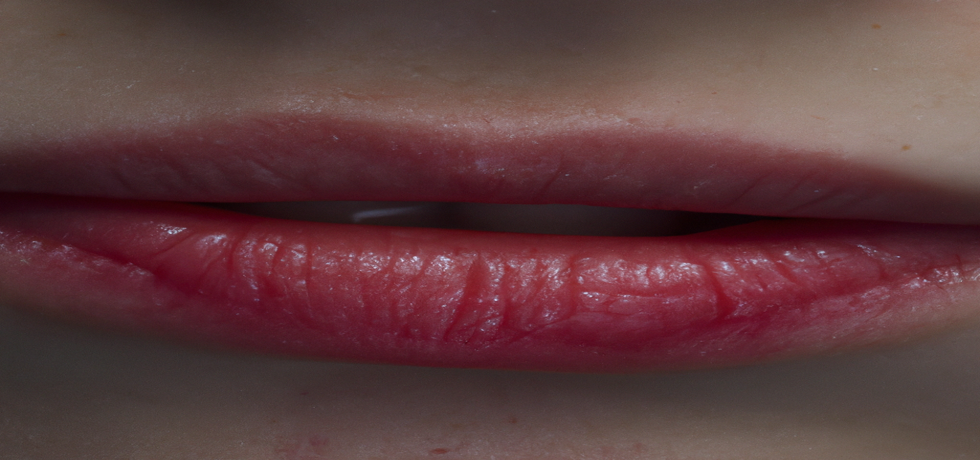
Are you unsure whether that unsightly red bump on your lip is a pimple or a cold sore? It’s a common dilemma faced by many, and distinguishing between the two can be tricky. While they may have similar appearances, these two conditions require different attention and treatments. In this post, we’ll help you navigate the signs and symptoms of pimples versus cold sores, ensuring you know when to consult a dermatologist or try home remedies.

Identifying Pimples

Pimples are a frequent skin condition, typically resulting from clogged pores due to bacteria, dead skin cells, or excess oil production. When you’re examining your skin, look for a raised, red bump that may or may not have a whitehead at its tip. If it remains a singular red bump without blister formation, its likely a pimple. Notably, if it develops into a whitehead or multiple heads, you can confidently categorize it as a pimple rather than a cold sore.

Spotting Cold Sores

Cold sores are often attributed to the Herpes Simplex Virus (HSV-1), which shows up as clusters of tiny blisters. They typically develop at the lip edge, presenting with symptoms of itchiness, burning, or tingling before the blistering occurs. If you notice painful blisters that ooze when they burst, you are likely dealing with a cold sore. Remember, cold sores are contagious and require careful handling to prevent spreading.

Pimples Versus Cold Sores: A Quick Comparison

To aid your understanding, heres a quick comparison:

  • Cold Sores: Blister formation, contagious, display clusters.
  • Pimples: Single bumps, non-contagious, with possible whiteheads.

Common Causes of Each

The triggers for cold sores often include viral infections, stress, and other health-related issues like malaise. On the other hand, pimples can be induced by hormonal fluctuations, dietary choices, and skin care products. Being aware of these causes may help in prevention and management.

Treatment Options for Cold Sores

Cold sores generally take time to heal, but antiviral medications can help reduce symptoms and expedite the healing process. Additionally, using lip balms can keep the affected area moisturized, aiding in comfort during the healing time. If your cold sores are frequent or severe, it’s advisable to consult a dermatologist for prescription treatments.

Managing Pimples Effectively

Managing pimples can often be handled at home. Key actions include applying cold compresses, steering clear of popping the pimple, and using products featuring salicylic acid or tea tree oil. Regularly cleansing your face and avoiding heavy makeup can significantly improve your skin health.

Prevention is Key

Adopting preventive measures can be beneficial. For cold sores, avoid sharing personal items and maintain proper hygiene, especially around outbreaks. For pimples, implement a suitable skincare regimen tailored for acne-prone skin, while also managing stress levels effectively.

Key Takeaway

Identifying whether you’re facing a pimple or a cold sore is crucial as the treatment approaches vary greatly. Understanding their characteristics and applying appropriate care can lead to quicker recovery times. If you face persistent issues with either, don’t hesitate to reach out to qualified dermatologists for professional assistance.

Frequently Asked Questions

Can I pop a cold sore?
No, popping a cold sore can lead to infection and increased risk of spreading the virus.

How can I prevent pimples?
Maintaining a good skincare routine, managing stress, and choosing non-comedogenic products can help prevent pimples.

For professional assistance and expert advice from leading dermatologists like Dr. Hital Patel, experience the benefits of Pimple or Cold Sore on Lip: Spotting the Difference with Hair & Skin Specialist Dr. Hital Patel at [The Skin Artistry](https://theskinartistry.com/). Our clinics in PDPU Gandhinagar, Vastrapur Ahmedabad and Hyderabad (Visiting Consultant) offer top-quality care and personalized treatments. Visit us today to learn more about our services and take advantage of our special offers! For more insights, updates, or to collaborate, stay connected with [The Skin Artistry](https://theskinartistry.com/).

10 Effective Tips to Remove Dark Spots Caused by Pimples

image

10 Effective Tips to Remove Dark Spots Caused by Pimples

Understanding Dark Spots and Their Causes

Dark spots caused by pimples can be a significant concern for many individuals. These marks, also known as hyperpigmentation, can affect your skin’s appearance and leave you feeling self-conscious. Often, dark spots result from excess melanin produced in response to inflammation, such as acne. Understanding the causes and implementing effective skincare practices is crucial for tackling these unwanted blemishes. Fortunately, there are various natural remedies and tips to help you achieve smoother, clearer skin.

Effective Tips to Remove Dark Spots

Here are ten effective tips to help you minimize dark spots resulting from pimples:

1. Utilize Gram Flour

Gram flour, or besan, is a well-known remedy in Indian households for various skin ailments. Its antibacterial properties help restore the skins pH balance, facilitating the fading of dark spots. Mix gram flour with rosewater and let it sit on your skin for about 20 minutes before rinsing off with cold water for best results.

2. Apply Tea Tree Oil

Known for its anti-inflammatory and antibacterial properties, tea tree oil is a great ally in your skincare routine. When used alone or mixed with a carrier oil, it can significantly reduce the appearance of dark spots. Apply a mixture of tea tree oil and coconut oil overnight for optimal effects.

3. Embrace Aloe Vera

Aloe vera gel is packed with antioxidants and helps in healing blemishes and scars. Apply fresh aloe vera gel directly from the leaf to the affected areas for rejuvenated skin overnight.

4. Use Castor Oil

Rich in omega-3 fatty acids and Vitamin E, castor oil can promote skin regeneration. Massage this oil onto your dark spots each night and rinse in the morning for a brighter complexion.

5. Mix Turmeric with Other Ingredients

Turmeric is a cornerstone of Ayurvedic healing, known for its anti-inflammatory properties. When combined with besan and lemon juice, it creates a powerful mask that can help brighten your skin by diminishing dark spots.

6. Incorporate Apple Cider Vinegar

Apple cider vinegar is known for its ability to balance skin pH levels and reduce oiliness. Mix it with honey and apply to the skin for 15 minutes to help lighten dark spots effectively.

7. Leverage the Potency of Potatoes

Potatoes contain enzymes that can naturally lighten skin and reduce hyperpigmentation. Use potato slices to massage the affected area for about 15 minutes before rinsing with water.

8. Nourish with Shea Butter

Shea butter is a fantastic moisturizer and aids in healing post-acne scars. Mix it with your favorite essential oils and apply overnight for improved skin texture and tone.

9. Create a Buttermilk Mask

With its lactic acid content, buttermilk can exfoliate and fade dark spots. Simply soak a cotton pad in buttermilk and apply it to your face for 20 minutes, then rinse.

10. Utilize Oatmeal

Combining oatmeal with milk creates a soothing paste that can help calm irritation and lighten dark patches on your skin. Leave this on your skin for 20 minutes before rinsing off to refresh your complexion.

Conclusion: Your Path to Clearer Skin

In conclusion, removing dark spots caused by pimples is achievable through dedication and the right skincare regimen. The effectiveness of these natural remedies can vary from person to person, so consistency and patience are key. If you find that your dark spots persist, it may be time to consult with a dermatologist for specialized advice tailored to your skin type. Remember, adopting a holistic approach that combines these tips along with a healthy lifestyle can make a significant difference.

FAQs

Q: How long does it take for these remedies to show results?
A: Results can vary based on individual skin types and the severity of dark spots, but regular application of these natural remedies can often show results within a few weeks.

Q: Can diet affect dark spots?
A: Yes, a balanced diet can contribute to overall skin health and may help reduce the occurrence of dark spots caused by pimples.

For professional assistance and expert advice from leading dermatologists like Dr. Hital Patel, experience the benefits of 10 Effective Tips to Remove Dark Spots Caused by Pimples with Hair & Skin Specialist Dr. Hital Patel at The Skin Artistry. Our clinics in PDPU Gandhinagar, Vastrapur Ahmedabad, and Hyderabad (Visiting Consultant) offer top-quality care and personalized treatments. Visit us today to learn more about our services and take advantage of our special offers! For more insights, updates, or to collaborate, stay connected with The Skin Artistry.
5 Natural Ways to Manage Keratosis Pilaris

image

5 Natural Ways to Manage Keratosis Pilaris

Understanding Keratosis Pilaris

Are you dealing with pesky bumps on your skin that resemble goosebumps? You might be experiencing a common condition known as Keratosis Pilaris, affectionately termed “chicken skin.” Although Keratosis Pilaris is harmless and typically fades with age, many seek to manage its appearance naturally. In this blog, we delve into five effective and natural methods to care for your skin while addressing Keratosis Pilaris and keeping those bumps in check.

1. Exfoliation with Apple Cider Vinegar

Apple cider vinegar is a fantastic natural exfoliant that helps to remove dead skin cells and reduce keratin buildup, making it a perfect remedy for Keratosis Pilaris. By mixing one tablespoon of apple cider vinegar with a teaspoon of honey and applying this mixture to the affected areas, you can potentially see significant improvements in skin texture. This natural treatment not only aids in exfoliation but also helps nourish and moisturize the skin, promoting a smoother appearance.

2. Soothing with Coconut Oil

Coconut oil is renowned for its anti-inflammatory and moisturizing properties, making it an excellent ally in managing Keratosis Pilaris naturally. Create a scrub using two teaspoons of extra virgin coconut oil mixed with brown sugar. Warm the coconut oil slightly and massage this mixture into the affected areas for a few minutes. This invigorating action helps to soothe itchy skin while providing essential fatty acids that nourish and hydrate.

3. Glycolic Acid Creams

Products rich in Glycolic Acid can work wonders in exfoliating the skin effectively. Regularly applying a glycolic acid cream to the bumps can make a noticeable difference. By working to remove the upper layer of dead skin and facilitating new cell growth, glycolic acid launches you on a journey towards smoother skin. Aim to use it consistently for the best results.

4. Essential Oils for Skin Health

Essential oils, particularly lavender and tea tree oil, boast remarkable properties that can help soothe and manage Keratosis Pilaris. Mix two drops of lavender oil with two tablespoons of olive oil, or blend two drops of tea tree oil with a tablespoon of coconut oil. Applying these mixtures not only adds moisture but also delivers antioxidant and antifungal benefits, keeping your skin healthy and less irritated.

5. Witch Hazel for Inflammation

Witch hazel is another natural remedy that can help tame the inflammation associated with Keratosis Pilaris. By crushing 4-5 witch hazel leaves and mixing them with water, you can create a soothing paste. Apply it to your skin for around 15 minutes before rinsing off. This method works to calm the skin and reduce the appearance of bumps effectively.

Wrapping Up

Managing Keratosis Pilaris may feel overwhelming, but by incorporating these five natural remedies into your skincare routine, you can greatly improve your skin’s appearance. Remember, consistency is key, and combining these natural treatments with a balanced diet can make a significant impact on your condition. If youre looking for more tips or customized solutions, consider reaching out to professionals for personalized advice.

FAQs about Keratosis Pilaris

Q. Who is more prone to Keratosis Pilaris?
A: Individuals with a history of skin allergies or eczema are often more susceptible to developing Keratosis Pilaris.

Q. How is Keratosis Pilaris diagnosed?
A: Diagnosis typically involves a visual inspection of the skin, identifying the distinctive small bumps indicative of this condition.

Q. Can Keratosis Pilaris be completely cured?
A: While there is no definitive cure for Keratosis Pilaris, you can certainly manage and control its symptoms through effective natural treatments.

For professional assistance and expert advice from leading dermatologists like Dr. Hital Patel, experience the benefits of managing Keratosis Pilaris with Hair & Skin Specialist Dr. Hital Patel at The Skin Artistry. Our clinics in PDPU Gandhinagar, Vastrapur Ahmedabad and Hyderabad (Visiting Consultant) offer top-quality care and personalized treatments. Visit us today to learn more about our services and take advantage of our special offers! For more insights, updates, or to collaborate, stay connected with The Skin Artistry.

Balancing Your Skincare Routine: Serum vs. Moisturizer

image

Balancing Your Skincare Routine: Serum vs. Moisturizer

Understanding the Essentials of Your Skincare Regimen

Skincare can be confusing, especially when it comes to the use of serums and moisturizers. Many of us are left pondering whether we need both in our routine or if one could suffice. The truth is that a well-balanced skincare routine involves understanding the unique benefits of each product. Let’s explore how to achieve that balance effectively!

What is Face Serum?

Face serums are lightweight and highly concentrated formulas rich in active ingredients aimed at targeting specific skin concerns. They can help in reducing the appearance of fine lines, boosting collagen production, and addressing hyperpigmentation. The key components often found in serums include antioxidants, Vitamin C, niacinamide, and hyaluronic acid, all of which have proven benefits for skin health. When considering the integration of serums into your skincare routine, remember that they can enhance overall skin tone while acting as a first layer of treatment.

Understanding Moisturizers and Their Role

On the other hand, moisturizers are designed to hydrate the skin and lock in moisture. They are thicker and creamier compared to serums and often contain similar beneficial ingredients. Moisturizers create a protective barrier that minimizes water loss and keeps the skin soft and supple. They are especially important for those prone to dryness, particularly during harsh weather conditions.

Serum vs. Moisturizer: Major Differences

When comparing serums and moisturizers, there are several key differences. Firstly, serums have a lighter consistency and are formulated to penetrate deeper into the skin, while moisturizers provide surface hydration. Secondly, serums focus on treating specific issues like dark spots and signs of aging, whereas moisturizers primarily offer hydration and protection. By recognizing these differences, you can better decide when and how to use both products effectively in your skincare routine.

Can You Use a Serum and a Moisturizer Together?

Yes! In fact, using both products together can enhance your skincare benefits. It’s important to remember the order of application: apply the serum first to allow your skin to absorb the active ingredients effectively, followed by a moisturizer that seals in hydration. This combination not only helps keep your skin hydrated but also addresses a variety of skin concerns, leading to a more youthful and radiant appearance.

Balancing Your Skincare Routine

The best approach is to tailor your skincare routine according to your specific skin type and concerns. If your skin feels dry, adding a moisturizer alongside a serum brimming with hyaluronic acid may be the perfect balance. Alternatively, if you’re dealing with issues like acne, a light serum containing salicylic acid might suffice on its own.

Actionable Tips for Healthy Skin

As you work towards balancing your skincare routine, always opt for serums that cater to your unique needs. Keep an eye out for those with beneficial ingredients that suit your skin type. Always remember to apply a gentle cleanser before any skincare regime and allow time for your serum to absorb before layering on your moisturizer. Doing this consistently can yield long-lasting results.

FAQs

Q. How to apply serum and moisturizer together?

A. Start by cleansing your face gently. Apply a few drops of serum onto your skin, allowing it to absorb for a couple of minutes before following up with your moisturizer.

Q. Is it safe to skip the moisturizer?

A. While certain serums can be hydrating, skipping moisturizer might not be advisable, especially for those with dry skin. It’s always best to assess your skin’s condition first.

For professional assistance and expert advice from leading dermatologists like Dr. Hital Patel, experience the benefits of balancing your skincare routine with Hair & Skin Specialist Dr. Hital Patel at The Skin Artistry. Our clinics in PDPU Gandhinagar, Vastrapur Ahmedabad, and Hyderabad (Visiting Consultant) offer top-quality care and personalized treatments. Visit us today to learn more about our services and take advantage of our special offers! For more insights, updates, or to collaborate, stay connected with The Skin Artistry.

Unveiling the Beauty Benefits of Glycerine for Oily Skin

image

Unveiling the Beauty Benefits of Glycerine for Oily Skin

Introduction to Glycerine’s Charm

If you have oily skin, you know the struggle of finding the right skincare products that address your concerns without making things worse. Enter glycerinea humble yet powerful ingredient that can do wonders for oily skin. Glycerine, also known as glycerol, is an effective moisturizer and skin-enhancer. In this blog post, we will delve into the beauty benefits of glycerine for oily skin, showing how it can transform your skincare routine.

What is Glycerine?

Glycerine is a natural sugar alcohol that is colorless, odorless, and sweet-tasting. It can be derived from both vegetable and synthetic sources. When it comes to oily skin care, glycerine acts as a humectant, which means it attracts moisture from the environment and helps retain it in the skin. This unique property makes glycerine an indispensable ally in your fight against excess oil and dullness.

Incredible Hydration without Greasiness

One common misconception about oily skin is that it doesn’t require hydration. However, it’s crucial to maintain moisture levels for overall skin health. Glycerine serves as an astonishing hydrator for oily skin types. It ensures your skin remains hydrated without the heaviness associated with traditional moisturizers. A few drops can achieve a radiant and nourished complexion while effectively controlling oil production.

Natural Toner for Balanced Skin

If you’re on the hunt for a gentle toner, glycerine can be a game-changer. It balances your skin’s pH levels and reduces inflammation, making it an excellent choice for those with oily skin. Combine glycerine with rose water for a refreshing toner that provides instant hydration and glow. This natural toner also calms irritations and helps tighten pores, enhancing the overall texture of your skin.

Effective Cleanser to Reduce Oil

Glycerine works as a fantastic cleanser, helping to remove excess oil and dirt from the skin’s surface. Mixing glycerine with a little distilled water can create a simple yet effective cleansing solution. This blend will leave your skin feeling refreshed and clean without drying it out, making it a perfect match for oily skin care routines.

Acne Treatment Benefits

Those with oily skin often struggle with acne and breakouts. Glycerine’s antibacterial properties help combat acne-causing bacteria while soothing existing breakouts. Regular application can aid in minimizing acne scars and promoting smoother skin. An easy way to harness its benefits is to mix glycerine with crushed camphor and apply it to affected areas to help reduce irritation and boost the healing process.

Strengthening the Skin Barrier

Maintaining a robust skin barrier is essential for healthy skin, particularly for oily types that may experience dehydration. Glycerine helps to strengthen this barrier by drawing moisture to the skin from the environment. It not only retains hydration but also protects the skin against harmful free radicals, making it an excellent addition to any skincare regimen.

Precautions to Keep in Mind

While glycerine is generally safe, patch testing is important to ensure it works well with your skin. If you have any concerns, make sure to mix it with other compatible ingredients like rose water. Always follow up with sunscreen after applying glycerine since it can make your skin slightly sensitive to sunlight.

Conclusion: Embrace Glycerine for Oily Skin

In summary, glycerine is a remarkable ingredient for those with oily skin. Its incredible benefits range from hydration to acne treatment and skin barrier strengthening. By incorporating glycerine into your skincare routine, you can achieve healthy, glowing skin without the unwanted greasiness. Remember, if you have specific skin concerns or conditions, consulting with a dermatologist can provide personalized guidance for your skincare journey.

FAQs about Glycerine

Q: How can I apply glycerine to oily skin?
A: Mix glycerine with rose water, apply it to your face using a cotton swab, leave it for 15 minutes, and wash off with cool water.

Q: Will glycerine clog my pores?
A: No, glycerine is non-comedogenic and won’t clog your pores. It helps in maintaining moisture while allowing your skin to breathe.

Q: Can glycerine brighten my skin?
A: Yes, glycerine can help reduce scars and dark spots, contributing to a brighter complexion overall.

For professional assistance and expert advice from leading dermatologists like Dr. Hital Patel, experience the benefits of Unveiling the Beauty Benefits of Glycerine for Oily Skin with Hair & Skin Specialist Dr. Hital Patel at The Skin Artistry. Our clinics in PDPU Gandhinagar, Vastrapur Ahmedabad, and Hyderabad (Visiting Consultant) offer top-quality care and personalized treatments. Visit us today to learn more about our services and take advantage of our special offers! For more insights, updates, or to collaborate, stay connected with The Skin Artistry.
7 Effective Tips to Differentiate and Treat Dandruff vs Dry Scalp

image

7 Effective Tips to Differentiate and Treat Dandruff vs Dry Scalp

Understanding Dandruff and Dry Scalp

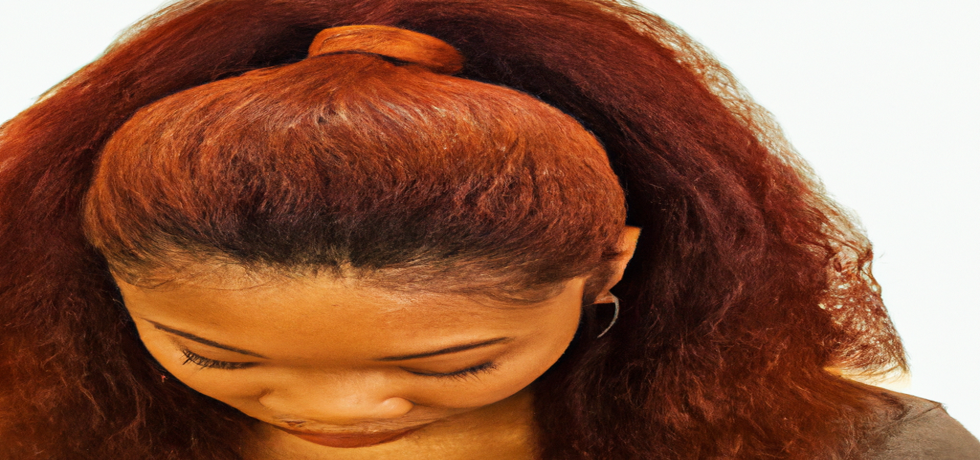
If you’ve ever found yourself struggling with flakes on your shoulders, you’re not alone! Many people experience scalp conditions like dandruff and dry scalp. Although often mistakenly treated as the same condition, these two scalp issues have different causes and treatments. Understanding the differences is crucial in finding the right solution. In this blog, you will discover effective tips to differentiate between these conditions and explore ways to treat them, ensuring your scalp remains healthy and hydrated.

What is Dry Scalp?

Dry scalp occurs when the skin on your scalp loses its natural moisture. This condition can lead to flaking, itching, and discomfort. Various factors, such as weather changes, hair products, and not enough hydration, can result in this lack of moisture. To treat dry scalp effectively, adjusting your hair care routine is essential.

What is Dandruff?

On the other hand, dandruff is a more chronic condition associated with the excessive growth of Malassezia fungi on the scalp. It often leads to larger white or yellow flakes, accompanied by significant itching. Addressing dandruff typically requires targeted antifungal treatments to help manage symptoms and effects.

Effective Tips to Differentiate and Treat

1. Examine Flake Characteristics

The first step in differentiation is checking the flakes. Dandruff flakes are usually larger and oily, while dry scalp flakes are smaller and may look crusty. Pay attention to the size and texture for accurate identification!

2. Analyze Scalp Appearance

While dandruff typically presents an oily scalp appearance with redness, dry scalp appears less oily, not exhibiting significant redness. A closer look can unravel the truth behind your scalp condition.

3. Adjust Your Hair Care Products

Switching to gentle, sulfate-free shampoos is beneficial for both conditions. For dry scalp, products containing moisturizing ingredients like Aloe Vera are particularly effective. Dandruff may require specific anti-dandruff shampoos to target fungal growth.

4. Monitor Washing Frequency

Overwashing can exacerbate a dry scalp. Consider washing your hair 2-3 times a week with lukewarm water to retain moisture. For dandruff, employing an anti-dandruff shampoo twice a week can help manage symptoms without excessive washing.

5. Incorporate a Healthy Diet

Maintaining a balanced diet rich in omega-3 fatty acids and essential vitamins can support scalp health. Omega-3s help retain moisture, while vitamins like D3 enhance immunity against dandruff.

6. Use Natural Remedies

Essential oils like tea tree oil are wonderful natural treatments for both conditions. Their antifungal and moisturizing properties can significantly contribute to scalp health. Apply diluted tea tree oil regularly for best results.

7. Manage Stress Levels

Stress is a known trigger for both dandruff and dry scalp. Incorporating relaxation techniques such as yoga and meditation not only enhances your overall well-being but also contributes to healthier skin and scalp.

Conclusion

Differentiating and effectively treating dandruff vs dry scalp requires understanding their unique characteristics. With the right care, adjustments in your hair routine, and attentiveness to scalp health, you can reclaim a flake-free, comfortable scalp. Embrace moisture, and consider these tips to ensure your scalp looks its best!

FAQs

Q: How can I tell if I have dandruff or a dry scalp?

A: Observing the size of the flakes and the overall scalp condition can help. Dandruff presents larger, oily flakes, while dry scalp has smaller, crusty flakes.

Q: Can dietary changes help dandruff?

A: Yes! Incorporating omega-3 fatty acids and vitamins can improve scalp health and manage dandruff.

For professional assistance and expert advice from leading dermatologists like Dr. Hital Patel, experience the benefits of 7 Effective Tips to Differentiate and Treat Dandruff vs Dry Scalp with Hair & Skin Specialist Dr. Hital Patel at The Skin Artistry. Our clinics in PDPU Gandhinagar, Vastrapur Ahmedabad, and Hyderabad (Visiting Consultant) offer top-quality care and personalized treatments. Visit us today to learn more about our services and take advantage of our special offers! For more insights, updates, or to collaborate, stay connected with The Skin Artistry.

Winter Skincare: Top Dermatologist Tips for Combatting Dry Skin

image

Winter Skincare: Top Dermatologist Tips for Combatting Dry Skin

Introduction: Embracing Winter with Glowing Skin

As the winter months roll in, many of us experience the challenge of dry skin. The chilly weather not only hampers our favorite outdoor activities but also brings about uncomfortable and flaky skin. Fear not, though! The Skin Artistry is here to share top dermatologist tips for combatting dry skin, so you can enjoy radiant and healthy skin all winter long.

Understanding the Causes of Dry Skin in Winter

During winter, the air tends to be drier, and this lack of moisture can significantly impact your skin. The combination of cold winds and indoor heating systems can strip your skin of its natural oils, leading to skin dryness. Simply put, the colder months require proactive skincare strategies to maintain your skin’s hydration levels.

1. Incorporate Hyaluronic Acid into Your Routine

One of the top dermatologist-recommended tips is to incorporate hyaluronic acid into your daily skincare regimen. Known for its incredible ability to retain moisture, hyaluronic acid can hold up to 1,000 times its weight in water, making it a vital ally against dryness. Whether in the form of serums or moisturizers, adding this ingredient to your skincare routine can help combat dry skin effectively.

2. Moisturize Right After Bathing

Applying moisturizer post-bathing is crucial in a winter skincare routine. When you wash your face or body, your skin loses its natural oils. Therefore, using a high-quality moisturizer on damp skin helps lock in hydration more efficiently. This simple practice can help keep your skin hydrated, even when temperatures drop.

3. Dont Skip Sunscreen

It may surprise you, but using sunscreen is essential in winter too! Despite shorter days, harmful UV rays can still damage your skin and compromise its moisture barrier. To preserve your skin’s health throughout the season, apply a broad-spectrum sunscreen after your moisturizer every morning. This essential step in your winter skincare routine will help prevent dryness and maintain your skin’s radiant glow.

4. Utilize a Humidifier

If you’re struggling with dry skin, consider getting a humidifier for your living space. Humidifiers add moisture to the air, which can help hydrate your skin from the outside in. By maintaining a balanced humidity level in your home, you provide your skin with an additional layer of protection against winter’s dryness.

5. Limit Hot Showers

As tempting as hot showers might be during chilly winter days, they can actually strip your skin of essential moisture. Try to limit your showers to 5-10 minutes and use lukewarm water instead. This small change can significantly improve your skin’s hydration levels and minimize that tight, dry feeling.

Takeaway: Prioritize Your Skin this Winter

By following these dermatologist-recommended tips, you can effectively combat dry skin this winter. Pay attention to your skincare routine and remember to hydrate both inside and out. If you find persistent dryness despite your best efforts, consulting with a dermatologist at The Skin Artistry could lead to personalized solutions tailored for your unique skin type.

FAQs About Winter Skincare

Q: How can I naturally prevent dryness in winter?
A: To prevent dry skin, moisturize immediately after bathing, adjust your skincare routine, and stay hydrated. Using a humidifier can also help maintain moisture levels in your environment.

Q: What causes dry skin?
A: Factors such as cold winds, low humidity, harsh soaps, and hot showers can all contribute to dry skin during winter.
For professional assistance and expert advice from leading dermatologists like Dr. Hital Patel, experience the benefits of Winter Skincare: Top Dermatologist Tips for Combatting Dry Skin with Hair & Skin Specialist Dr. Hital Patel at The Skin Artistry. Our clinics in PDPU Gandhinagar, Vastrapur Ahmedabad and Hyderabad (Visiting Consultant) offer top-quality care and personalized treatments. Visit us today to learn more about our services and take advantage of our special offers! For more insights, updates, or to collaborate, stay connected with The Skin Artistry.

Unlock the Secrets of Biotin-Rich Foods for Hair Health

image

Unlock the Secrets of Biotin-Rich Foods for Hair Health

Your Guide to Nourishing Your Hair Naturally

Are you experiencing hair loss or thinning hair? If so, you aren’t alone! Many individuals face hair-related concerns, often due to various factors like genetics, hormonal imbalances, and stress. However, one of the most impactful yet often overlooked solutions lies in the food we consume. Let’s dive into the world of biotin-rich foods and discover how they can transform your hair’s health!

What Is Biotin and Why Is It Essential?

Biotin, also known as Vitamin H or B7, is a vital water-soluble vitamin that plays a crucial role in maintaining hair health. This essential nutrient supports keratin production, strengthens hair follicles, and promotes overall hair vitality. A deficiency in biotin can lead to hair loss, brittle hair, and even skin issues. Therefore, incorporating biotin-rich foods into your diet is an effective strategy to promote healthy hair growth.

Biotin-Rich Foods to Include in Your Diet

Fortunately, many delicious foods are packed with biotin! Adding these to your meals may significantly improve the condition of your hair. Here are some superb options:
– **Almonds:** A handful of almonds not only offers a great source of biotin but also provides Vitamin E and protein.
– **Sweet Potatoes:** These delicious tubers are not only rich in antioxidants, but they also provide a healthy dose of biotin.
– **Mushrooms:** Particularly raw mushrooms, are a fantastic biotin source and can easily be included in salads or dishes.
– **Eggs:** Relying on egg yolks is an excellent way to boost your biotin intake.

Other foods such as spinach, cauliflower, dairy products, and legumes are also great for enhancing your biotin levels. Consider including a variety of these items in your meals for optimal benefits.

Benefits of Biotin for Hair Health

The advantages of biotin extend beyond just promoting hair growth. This vital nutrient contributes to strong and vibrant hair by:
– **Promoting Thicker Hair:** Regular consumption of biotin-rich foods leads to thicker, fuller hair strands, enhancing your hair’s overall density.
– **Improving Hair Strength:** Biotin helps stimulate keratin production, significantly reducing hair breakage and fall.
– **Enhancing Shine:** If you’re dealing with dull, lifeless hair, increasing your biotin intake can bring back a radiant shine, making your hair look healthier.

Furthermore, biotin not only nourishes your hair but also improves skin health by preventing rashes and acne due to its remarkable ability to improve keratin infrastructure.

Daily Biotin Requirements

The recommended intake varies, with adults needing about 30 mcg of biotin per day. It’s essential to ensure you’re meeting your daily intake through your diet. The more biotin-rich foods you consume, the better it is for your hair health!

Take Action for Beautiful Hair!

Make a conscious effort to inhale biotin through delicious, nutritious foods to bolster your hair health naturally. You don’t just have to wait for a topical solution; a well-rounded diet offers an effective way to energize your hair follicles from within.

Frequently Asked Questions

Q: Can biotin truly help in preventing hair loss?
A: Yes! Biotin actively promotes hair growth and helps strengthen hair follicles, making it a vital component in preventing hair loss.

Q: What are the signs of biotin deficiency?
A: Insufficient biotin can lead to symptoms such as hair loss, brittle nails, and scaly red rashes on the skin.

Unlock the transformative effects of biotin-rich foods for your hair health by adding them to your daily routine. For professional assistance and expert advice from leading dermatologists like Dr. Hital Patel, experience the benefits of biotin-rich foods with Hair & Skin Specialist Dr. Hital Patel at The Skin Artistry. Our clinics in PDPU Gandhinagar, Vastrapur Ahmedabad and Hyderabad (Visiting Consultant) offer top-quality care and personalized treatments. Visit us today to learn more about our services and take advantage of our special offers! For more insights, updates, or to collaborate, stay connected with The Skin Artistry.