
Summer Hair Care: Expert Tips for Healthy Locks

image

Summer Hair Care: Expert Tips for Healthy Locks

Introduction: Why Your Hair Deserves Summer TLC

Summer is a season filled with fun, sun, and adventure, but it can also wreak havoc on your hair. With activities like swimming, sunbathing, and outdoor sports, your locks may face challenges that lead to dryness, frizz, and breakage. To keep your hair looking healthy and vibrant all summer long, its essential to adopt a proactive summer hair care routine. In this blog, we will delve into expert tips for maintaining healthy locks during those hot summer months.

Understanding the Impact of Sunlight on Your Hair

Did you know that just like your skin, your hair can suffer from UV damage? The sun’s harmful rays can break down the proteins in your hair, leading to dry, brittle, and frizzy locks. Lighter hair colors are particularly vulnerable due to lower levels of the protective pigment known as melanin. To prevent issues like color fading and split ends, consider wearing a wide-brimmed hat when you’re out in the sun or exploring products that provide UV protection. Your summer hair care routine should include products designed to shield your hair from sun damage.

The Dangers of Swimming: Protect Your Hair

Swimming can be a highlight of summer, but chlorine-laden pools can pose a significant threat to your hair. Chlorine strips essential lipids and moisture, leading to further damage if not managed correctly. One effective strategy is to apply a leave-in conditioner or oil to your hair before diving in. This creates a protective barrier against the harsh effects of chlorine, ensuring your hair remains nourished and hydrated throughout swim season.

Revamping Your Hair Care Routine

As the temperature rises, its time to re-evaluate your hair care routine. Consider incorporating specialty shampoos tailored for swimmers that effectively remove chlorine buildup. After each swim, rinse your hair immediately, followed by a gentle wash. Pair this with a rich deep conditioner to replenish lost moisture. Frequent conditioning treatments will keep your hair smooth and resilient against summer elements while preventing summer hair care issues like dryness and brittleness.

Your Summer Hair Appointments: Timing is Everything

Planning any bleaching or coloring treatments? Its advisable to schedule these before or after your summer vacations. Lightening your hair can increase its susceptibility to UV damage and chlorine effects, particularly if you prefer blonde hues. If you’re leaning towards darker colors, you won’t be adding to your risks as significantly. By strategically timing your salon appointments, you can better protect your hair from the rigorous summer sun and swimming pools.

Conclusion: Your Action Plan for Gorgeous Summer Hair

Keep in mind that your hair requires special attention during the summer months. From using protective products to adopting a tailored hair care routine, prioritizing your locks will help keep them healthy, shiny, and vibrant. So, gear up for your summer adventures, and dont forget your summer hair care essentials to protect those dazzling locks! Regular maintenance can work wonders, and your hair will thank you for it.

FAQs

Q: Is it necessary to use products with SPF for hair?
A: Yes, using hair products with SPF can help to protect your hair from UV rays just like your skin.
Q: What are some quick fixes for dry hair?
A: Deep conditioning masks and leave-in conditioners are great for reviving dry hair and adding moisture quickly.
For professional assistance and expert advice from leading dermatologists like Dr. Hital Patel, experience the benefits of Summer Hair Care: Expert Tips for Healthy Locks with Hair & Skin Specialist Dr. Hital Patel at The Skin Artistry. Our clinics in PDPU Gandhinagar, Vastrapur Ahmedabad, and Hyderabad (Visiting Consultant) offer top-quality care and personalized treatments. Visit us today to learn more about our services and take advantage of our special offers! For more insights, updates, or to collaborate, stay connected with The Skin Artistry.

Easy Steps to Remove Gum from Hair Without Cutting

image

Easy Steps to Remove Gum from Hair Without Cutting

An Unpleasant Surprise

Finding chewing gum stuck in your hair can be distressing, especially for parents dealing with curious little ones. The good news is that there are easy steps to remove gum from hair without cutting it. Lets walk through this situation with a calm approach that keeps the hair intact and shines a light on effective solutions from The Skin Artistry.

Gathering Your Supplies

Before diving into the removal process, youll need to gather a few household items. The most effective solutions for gum removal involve creamy peanut butter or vegetable oils like olive oil. These items are fantastic as they contain fats that help loosen the sticky substance, allowing you to remove gum from hair easily. Its an accessible, non-invasive method that works effectively without the stress of a haircut.

Applying the Solution

Start by applying a generous amount of peanut butter or vegetable oil to the gum. Use your fingers or an old toothbrush to ensure the gum is completely covered. The oils found in these products will help to break down the gum’s base, making it stiffer and less sticky. Let it sit for a few minutes; this time will allow the solution to penetrate and effectively loosen the bond between the hair and the gum.

Gently Removing the Gum

After waiting a few minutes, gently work the gum out of the hair. If the gum is stuck in delicate areas such as eyebrows or eyelashes, vegetable oil is particularly useful. Take your time and be gentle to avoid pulling or tugging on the hair. This step is crucial to maintaining the health of your hair and ensuring no strands are lost. Once the gum is removed, proceed to the next phase.

Cleaning Up

Now that you have removed the gum, its important to wash the hair thoroughly. Use your childs regular shampoo to eliminate any smell of peanut butter or oil. A good wash will ensure the hair feels fresh and clean, leaving it healthy and shining without any residue from the removal process. Remember, caring for your hair should always be a priority!

When to Seek Help

If you find yourself in a situation where the gum is too stubborn and wont budge, or if you have any concerns about your hairs health, consider consulting a dermatologist. Experts at The Skin Artistry can provide professional assistance and advice tailored to your individual needs. They can help with additional tips or treatments for maintaining beautiful hair while keeping it healthy.

Conclusion

Stuck gum doesnt have to lead to a pair of scissors. With these easy steps to remove gum from hair without cutting, you can solve the problem effectively while ensuring that the hair remains intact. Remember, a calm approach paired with simple household items can make all the difference. For professional assistance and expert advice from leading dermatologists like Dr. Hital Patel, experience the benefits of easy solutions with Hair & Skin Specialist Dr. Hital Patel at The Skin Artistry. Our clinics in PDPU Gandhinagar, Vastrapur Ahmedabad, and Hyderabad (Visiting Consultant) offer top-quality care and personalized treatments. Visit us today to learn more about our services and take advantage of our special offers! For more insights, updates, or to collaborate, stay connected with The Skin Artistry.

The Ultimate Guide to Children&#8217 s Hair Washing

image

The Ultimate Guide to Children’s Hair Washing

Introduction to Hair Care for Kids

As a parent, ensuring your child’s hygiene is vital, and one major aspect of this is understanding how to maintain their hair. The question of how often and how thoroughly children should wash their hair is quite common among parents. This ultimate guide is designed to provide you with all the insights necessary for effective hair washing practices, tailored to your child’s unique hair needs.

Understanding Your Child’s Hair Type

Hair type plays a crucial role in determining washing frequency and methods. Most children fall into one of three categories: oily, dry, or normal hair. Oily hair, especially in active children, may require shampooing more frequently, perhaps every other day. Conversely, children with dry or curly hair may only need to wash their hair once or twice a week. For example, those with thick, curly locks should be gentle with their hair and avoid stripping away natural moisture with too frequent washing.

Age and Activity Influence Hair Care

Age is another important factor to consider. As children approach puberty, around the age of 12, their hair and scalps may become oilier due to hormonal changes. An active child who engages in sports or outdoor play may also require more regular hair washing to remove sweat and dirt. For children aged between 8 and 12, it’s advisable to find a good balance that caters to their hair type and activity level.

Shampooing Techniques and Tips

When it comes to shampooing, using the right product is essential. Opt for a mild childrens shampoo that suits your child’s specific hair type. Teaching them the correct technique, such as massaging the scalp gently and rinsing thoroughly, can help maintain a healthy scalp and vibrant hair. Additionally, if your child swims frequently, make sure to rinse their hair afterward with plain water to prevent chlorine buildup.

Signs That You Need to Adjust Washing Frequency

It’s vital to keep an eye on your child’s hair and scalp condition. If their hair appears oily or greasy, it might be time to increase the frequency of washing. On the flip side, if their hair feels dry and looks dull, reducing shampoo sessions could be beneficial. Remember that each child is unique, and their hair care routine should reflect their individual needs.

When to Consult a Dermatologist

If you’ve tried adjusting your child’s washing schedule but notice persistent issues such as excessive oiliness or dryness, it may be time to consult a dermatologist. A professional can provide tailored advice and solutions based on your child’s specific hair needs, ensuring that they have a healthy scalp and gorgeous hair.

Conclusion: Establishing Good Hair Care Habits

In conclusion, understanding how often to wash your child’s hair can significantly impact their hair health. By considering their hair type, age, and activity level, you can establish effective washing routines that promote healthy hair. Don’t hesitate to seek professional advice when needednurturing good hair care habits from a young age will benefit your child for years to come.

FAQs

How can I tell if my child’s hair is oily or dry?
You can often tell by looking at the scalp. Oily hair tends to look shiny and greasy, while dry hair will look dull and feel rough.

Is it suitable for children to use adult shampoos?
It’s best to use shampoos formulated specifically for children’s hair as they tend to be gentler and free of harsh chemicals.

For professional assistance and expert advice from leading dermatologists like Dr. Hital Patel, experience the benefits of title with Hair & Skin Specialist Dr. Hital Patel at The Skin Artistry. Our clinics in PDPU Gandhinagar, Vastrapur Ahmedabad, and Hyderabad (Visiting Consultant) offer top-quality care and personalized treatments. Visit us today to learn more about our services and take advantage of our special offers! For more insights, updates, or to collaborate, stay connected with The Skin Artistry.
Expert Tips for Maximizing Dry Shampoo Benefits

image

Expert Tips for Maximizing Dry Shampoo Benefits

Introduction

Dry shampoo has become a go-to grooming product for many, and it’s easy to see why. With its ability to absorb oil and give your hair a refreshed look, its ideal for busy mornings or post-workout. However, to truly harness the benefits of this quick-fix solution, its important to use it correctly. Lets explore expert tips on how to maximize dry shampoo benefits for gorgeous and healthy hair.

Understanding Dry Shampoo

First, its vital to understand that while dry shampoo can be a great addition to your hair care routine, it does not replace regular shampooing. As board-certified dermatologists explain, dry shampoos work by absorbing excess oil from your scalp, giving you the illusion of clean hair. However, they do not have cleansing properties; thereby, a traditional shampoo remains necessary for complete hair hygiene.

Choose the Right Product

Selecting the right dry shampoo product is crucial to maximize its benefits. With numerous options available, try to choose one that is formulated for your specific hair typebe it oily, dry, or curly. Additionally, consider products that match your hair color. Using the right formulation will help ensure that your hair feels fresh after use, avoiding issues like residue buildup or dryness.

Application Techniques Matter

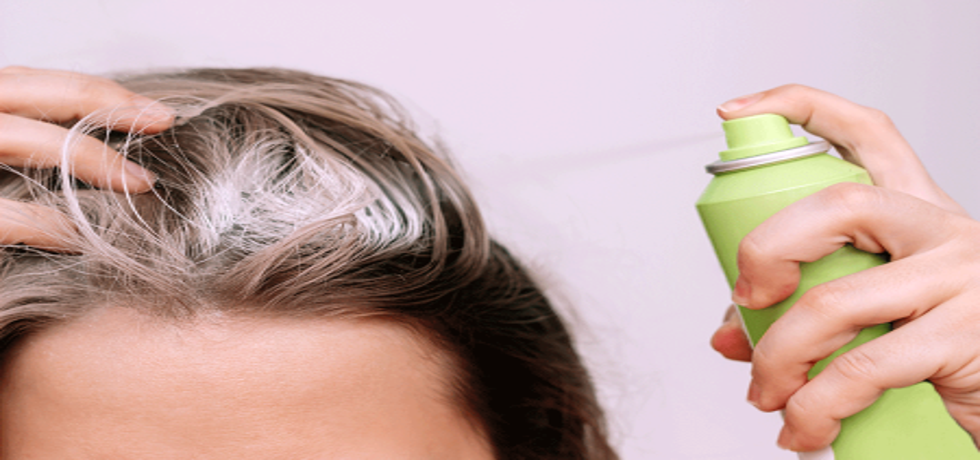
Proper application can make a substantial difference in the effectiveness of dry shampoo. Instead of dousing your hair, begin by applying a small amount directly to the scalp, focusing on oil-prone areas. Gradually add more if necessary, and let it sit for a few minutes to absorb oil before brushing it out. This technique will ensure an even application and prevent an overly stiff or gritty texture in your hair.

Timing is Key

To get the best results from dry shampoo, consider the timing of your application. Many people find using dry shampoo in the evening, before bed, works well. This allows the product to absorb oil overnight, leaving your hair looking fresh and voluminous by morning. Remember that while dry shampoo can extend the time between washes, its still essential to cleanse your hair with regular shampoo every few days.

Watch for Scalp Irritation

Most people use dry shampoo without any issues, but it’s vital to be aware of potential scalp irritation. If you start to notice itching, redness, or discomfort, its best to discontinue use and consult with a dermatologist. They can guide you on suitable hair care products tailored to your unique scalp and hair needs and help you prevent issues such as dandruff or dermatitis.

Conclusion

Dry shampoo can be a convenient addition to your hair care regime if used wisely. By understanding its purpose, applying it correctly, and selecting the right products, you’ll maximize the benefits of dry shampoo effectively. Remember, for optimal hair and scalp health, regularly incorporate traditional washing in your routine and consult a professional if you face any issues.

FAQ Section

Q: Can dry shampoo be used on all hair types?
A: Yes, but its essential to choose a product formulated for your specific hair type for the best results.
Q: How often should I wash my hair when using dry shampoo?
A: It’s generally recommended to wash your hair every one to two dry shampoos to maintain scalp health.
For professional assistance and expert advice from leading dermatologists like Dr. Hital Patel, experience the benefits of Expert Tips for Maximizing Dry Shampoo Benefits with Hair & Skin Specialist Dr. Hital Patel at The Skin Artistry. Our clinics in PDPU Gandhinagar, Vastrapur Ahmedabad, and Hyderabad (Visiting Consultant) offer top-quality care and personalized treatments. Visit us today to learn more about our services and take advantage of our special offers! For more insights, updates, or to collaborate, stay connected with The Skin Artistry.

Expert Tips for Maximizing Leave-In Conditioner Benefits

image

Expert Tips for Maximizing Leave-In Conditioner Benefits

Understanding Leave-In Conditioners

Leave-in conditioners have become a staple in hair care, but do you know how to get the most out of them? For many, these products provide much-needed hydration and protection, especially for those with long, curly, or color-treated hair. Understanding how to use leave-in conditioners effectively can provide you with not only smoother strands but also an overall healthier look.

Who Should Use Leave-In Conditioners?

Whether your hair is fine and limp, or thick and frizzy, leave-in conditioners can be beneficial. They work wonders for those with chemically treated hair, helping to reduce frizz, enhance shine, and minimize breakage. Long hair can become easily tangled, and adding a leave-in conditioner to your hair care routine will make detangling a breeze. In fact, many people find that after incorporating a leave-in conditioner, their hair becomes more manageable and vibrant.

When to Use Leave-In Conditioner

You might wonder if a leave-in conditioner is necessary if you already use a rinse-out conditioner. In most cases, the answer is yes! If your hair is long, color-treated, or frequently styled with heat, a leave-in conditioner can make a significant difference. It’s safe to apply leave-in conditioner every time you shampoo, especially after towel drying your hair. By applying it to damp hair, you can help lock in moisture and ensure an even distribution of the product.

Application Tips for Maximum Benefits

To truly utilize the benefits of leave-in conditioners, it’s important to apply the right amount. Start with a small amount, rubbing it between your palms before running it through your hair from mid-length to the ends. Make sure not to apply it directly to your scalp, as this can lead to unnecessary buildup, which may irritate. If your hair feels dry or lacks luster after applying, consider adding a few drops of oil, like argan oil, for extra hydration and shine.

Choosing the Right Leave-In Conditioner

Selecting the right leave-in conditioner is crucial for maximizing its benefits. Look for a product tailored to your hair type. For instance, those with curly hair will require a formulation that provides extra moisture, while fine hair should opt for a lightweight formula to avoid looking greasy. The right balance will enhance the overall health of your hair, making styling effortless and enjoyable.

When to Seek Professional Help

If you’ve tried both rinse-out and leave-in conditioners but still find your hair unmanageable or brittle, it may be worth consulting a dermatologist. Specialists can help evaluate your hair needs and identify any underlying issues that may be affecting your hair’s health. It’s best not to settle if your hair isn’t responding to basic care; professional insight can provide highly personalized solutions.

Actionable Advice

Remember, incorporating a leave-in conditioner into your hair care routine can have tremendous benefits if used correctly. Ensure consistency and choose products that cater to your hair type for the best results. With the right approach, you can nurture your hair into a luxurious mane that shines with health.

Frequently Asked Questions

Q: Can I use a regular conditioner as a leave-in?
A: It’s not recommended as rinse-out conditioners have different formulations that can harm your hair if left in.

Q: How often should I use a leave-in conditioner?
A: You can use it every time after you shampoo, especially on damp hair for maximum effect.

For professional assistance and expert advice from leading dermatologists like Dr. Hital Patel, experience the benefits of Expert Tips for Maximizing Leave-In Conditioner Benefits with Hair & Skin Specialist Dr. Hital Patel at The Skin Artistry. Our clinics in PDPU Gandhinagar, Vastrapur Ahmedabad, and Hyderabad (Visiting Consultant) offer top-quality care and personalized treatments. Visit us today to learn more about our services and take advantage of our special offers! For more insights, updates, or to collaborate, stay connected with The Skin Artistry.

Top Tips for Choosing the Best Sunscreen

image

Top Tips for Choosing the Best Sunscreen

The Importance of Sunscreen

Sunscreen is an essential part of our daily skincare routine, safeguarding our skin against harmful UV rays that can lead to sunburn, premature aging, and skin cancers. Whether it’s a bright summer day or a winter afternoon, applying the right sunscreen is crucial to protect our skin health. But with so many options available, how do you choose the best sunscreen for your needs? Here are some top tips to help you make an informed decision.

Look for Broad Spectrum Protection

When choosing sunscreen, opt for a broad spectrum product. This type of sunscreen protects against both UVA and UVB rays, which are responsible for various skin damages. While UVB rays cause sunburn, UVA rays penetrate deeper, causing premature aging. Prioritizing broad spectrum sunscreens ensures comprehensive protection for your skin.

Check for Antioxidant Ingredients

Its essential to look for sunscreens infused with antioxidants. These ingredients help combat oxidative stress caused by UV exposure, neutralizing harmful free radicals that can lead to inflammation and skin damage. Including products with vitamin C, green tea extract, or niacinamide can offer added protection for your skin.

Choose Based on Your Skin Type

Selecting the right formula based on your skin type is crucial. Those with oily skin might prefer a gel-based sunscreen, while individuals with dry skin should look for cream or lotion formulations that provide extra hydration. Choosing a sunscreen suitable for your skin type will not only enhance its effectiveness but also keep your skin feeling comfortable throughout the day.

Consider SPF Levels Wisely

While high SPF ratings can be enticing, it’s vital to understand their limits. Sunscreens with SPF 30 to 50 are generally sufficient for daily use. Higher SPFs might give a false sense of security, prompting you to stay in the sun longer, which can ultimately be harmful. Stick to balanced protection for optimum skin health.

Mind the Expiry Date

Another important factor to consider is the product’s expiry date. Sunscreens do lose their effectiveness over time, and using expired products can lead to decreased protection against UV rays. Always check the manufacturing and expiry dates before using any sunscreen to ensure it is still effective.

Make Sunscreen a Daily Habit

Finally, incorporating sunscreen into your daily skincare routine is key. Whether you are indoors or outdoors, applying sunscreen should be a non-negotiable part of your day. This will help maintain healthy skin and minimize the risk of skin damage over time. Remember, consistency is key when it comes to skin protection.

Frequently Asked Questions

Q: Can I use sunscreen every day?
A: Absolutely! Daily use of sunscreen is recommended regardless of the weather since harmful UV rays can penetrate even through clouds.

Q: What is the difference between mineral and chemical sunscreens?
A: Mineral sunscreens sit on top of the skin and reflect UV rays, while chemical sunscreens absorb UV rays. Both types can be effective; it comes down to personal preference and skin sensitivity.

Conclusion

Choosing the best sunscreen doesn’t have to be overwhelming. By prioritizing broad spectrum protection, assessing your skin type, checking for antioxidants, and adhering to SPF guidelines, you can ensure that your skin remains protected and healthy. Remember, integrating sunscreen into your daily routine is one of the best habits you can form for lasting skin health.
For professional assistance and expert advice from leading dermatologists like Dr. Hital Patel, experience the benefits of choosing the best sunscreen with Hair & Skin Specialist Dr. Hital Patel at The Skin Artistry. Our clinics in PDPU Gandhinagar, Vastrapur Ahmedabad, and Hyderabad (Visiting Consultant) offer top-quality care and personalized treatments. Visit us today to learn more about our services and take advantage of our special offers! For more insights, updates, or to collaborate, stay connected with The Skin Artistry.
Expert Tips for Healthy Hair After Coloring and Perming

image

Expert Tips for Healthy Hair After Coloring and Perming

Introduction: Embracing Beautiful Hair

Coloring and perming your hair can enhance your style and boost your confidence. However, these treatments often lead to dryness and brittleness if not managed properly. That’s why at The Skin Artistry, we are committed to helping you keep your hair looking vibrant and healthy post-treatment. In this blog, we’ll share valuable tips to maintain your hair’s health after coloring and perming, ensuring you enjoy beautiful hair without compromising its integrity.

Stick Close to Your Natural Shade

One of the cardinal rules for coloring your hair is to stay within three shades of your natural color. This approach minimizes damage, especially when moving to darker shades, which often require less harsh chemical processes. Lightening your hair by more than three shades typically involves higher volumes of peroxide, increasing the chances of dry and brittle hair. To ensure optimal results, trusting the expertise of professionals at The Skin Artistry can make all the difference in your coloring experience.

Patch Test Your Hair Color

Before diving into a full dye job, always perform a patch test with any store-bought hair color. Follow the manufacturer’s instructions carefully. If you experience any reactions like rashes, redness, or itching, it may indicate an allergy to the dye. Consult our dermatologists at The Skin Artistry for further allergy testing, ensuring that your hair transformation remains safe and enjoyable.

Shield Your Hair from Sun Damage

Did you know that the sun can significantly weaken your hair? UV rays can make even the healthiest dyed hair look rough and faded. To protect your strands, consider wearing a wide-brimmed hat when venturing outside. This extra layer of protection will help preserve your hair color while maintaining its moisture. It’s a simple but effective step toward achieving healthier hair after coloring and perming.

Mindful Perming Practices

Perming is a fantastic way to add volume and waves to your hair, but it’s essential to approach it with care. Always adhere to the timer set in the product guidelines to avoid over-processing your hair. If you experience any stinging or burning sensations during the application, rinse the perm solution off immediately and consult with a professional at The Skin Artistry. Our team can offer tailored advice to prevent long-lasting damage.

Conclusion: Invest in Professional Care

Caring for your hair after it’s been colored or permed is crucial to maintaining its health and vitality. Remember to follow these expert tips to enjoy your treatments without compromising the integrity of your hair. If you’re looking for personalized advice or have specific concerns about your hair health, don’t hesitate to seek guidance from a board-certified dermatologist at The Skin Artistry.

FAQs

Q: How often should I get my hair colored?
A: It depends on the product used and your hair type, but generally, its recommended to wait at least four to six weeks between coloring treatments to allow your hair to recuperate.

Q: Can I use regular shampoo after coloring?
A: Its best to use a sulfate-free shampoo specifically designed for color-treated hair to maintain your color intensity and keep your hair healthy.

For professional assistance and expert advice from leading dermatologists like Dr. Hital Patel, experience the benefits of hair care at [The Skin Artistry](https://theskinartistry.com/). Our clinics in PDPU Gandhinagar, Vastrapur Ahmedabad and Hyderabad (Visiting Consultant) offer top-quality care and personalized treatments. Visit us today to learn more about our services and take advantage of our special offers! For more insights, updates, or to collaborate, stay connected with [The Skin Artistry](https://theskinartistry.com/).

Unveiling the Mystery of Goosebumps: Causes and Solutions

image

Unveiling the Mystery of Goosebumps: Causes and Solutions

Introduction

Have you ever felt a strange, tingling sensation run through your body, causing tiny bumps to appear on your skin? This is a common occurrence known as goosebumps. While many people experience this fascinating phenomenon, few understand its underlying causes and potential solutions. In this blog post, we will delve into the science behind goosebumps, uncover their causes, and explore solutions to manage them.

What Are Goosebumps?

Goosebumps, medically referred to as piloerection, occur when the arrector pili muscles contract, causing hair to stand upright. This involuntary response is triggered by various stimuli, including temperature changes, emotional reactions, and even certain medications. Goosebumps serve a purpose; in animals, they provide insulation and make the creature appear larger when threatened. Although humans no longer rely on this mechanism for thermoregulation, the phenomenon remains a fascinating aspect of our biology.

Causes of Goosebumps

Goosebumps can arise from several triggers, and understanding these can help in managing their occurrence. Here are the primary causes:

Feeling Cold: The most common trigger for goosebumps is a drop in body temperature. Just like many mammals, our body attempts to generate warmth by making the hair stand up, providing insulation.

Intense Emotions: Whether its fear from a horror film or joy from a powerful song, intense emotions can lead to the release of adrenaline. This chemical response can cause the arrector pili muscles to contract, resulting in goosebumps.

Medications: Certain drugs, notably opioids, stimulate the nervous system, sometimes leading to an unexpected goosebump reaction. Research even highlights instances where particular medications induced this phenomenon in individuals.

When Are Goosebumps a Concern?

While goosebumps are generally harmless, some individuals may experience them frequently or in unusual situations. If you notice consistent, unexplained goosebumps, it might be worth consulting a specialist. In particular, conditions like keratosis pilaris can mimic goosebumps and require treatment. However, true goosebumps themselves are a normal response and not a medical concern.

Solutions and Management

Although goosebumps do not necessitate medical treatment, there are steps you can take to manage their occurrence:

– **Stay Warm:** If you find yourself frequently experiencing goosebumps due to cold, wearing layers can help combat temperature changes.

– **Stay Calm:** Practicing relaxation techniques during emotionally charged situations can lessen the frequency of goosebumps.

– **Seek Professional Help:** If goosebumps occur alongside other symptoms and cause distress, professional advice from a dermatologist at The Skin Artistry can provide clarity.

Conclusion

Goosebumps are a fascinating biological response to various stimuli, reminding us of our body’s connection to its environment and emotions. Understanding their causes helps us recognize that they are typically harmless. If you’re curious about regular goosebumps or related skin conditions, consider reaching out to The Skin Artistry for advice tailored to your needs.

FAQs

Q: What triggers the release of adrenaline leading to goosebumps?

A: Intense emotions, such as fear or excitement, activate the fight-or-flight response, releasing adrenaline, which in turn causes goosebumps.

Q: Can skin conditions mimic goosebumps?

A: Yes, conditions like keratosis pilaris can appear similar to goosebumps and may require specific treatment.

For professional assistance and expert advice from leading dermatologists like Dr. Hital Patel, experience the benefits of Unveiling the Mystery of Goosebumps: Causes and Solutions with Hair & Skin Specialist Dr. Hital Patel at The Skin Artistry. Our clinics in PDPU Gandhinagar, Vastrapur Ahmedabad and Hyderabad (Visiting Consultant) offer top-quality care and personalized treatments. Visit us today to learn more about our services and take advantage of our special offers! For more insights, updates, or to collaborate, stay connected with The Skin Artistry.

8 Essential Tips for Glowing Skin

image

8 Essential Tips for Glowing Skin

Introduction to Radiant Skin

In the quest for glowing skin, most of us desire a complexion that reflects beauty, health, and vitality. But while achieving radiant skin may seem like a daunting challenge, the truth is that everyone can attain that coveted glow with the right approach. At The Skin Artistry, we believe that understanding the basics of skin care can go a long way. Here, we share 8 essential tips to help you achieve that beautiful, glowing skin youve always wanted!

1. Establish a Consistent Skincare Routine

The foundation for glowing skin lies in a proper skincare routine. Start with the “CTM” methodCleansing, Toning, and Moisturizing. Cleansing removes impurities and excess oil, while toning helps restore pH balance. Finally, moisturizing keeps your skin hydrated. By using a suitable skincare routine, you pave the way for a healthy glow.

2. Exfoliate Regularly

Exfoliation is a crucial step in achieving luminous skin as it eliminates dead skin cells and promotes cell turnover. Gentle exfoliating products containing glycolic acid can be effective without stripping your skin’s natural oils. By incorporating this step into your routine a couple of times a week, you can enhance your skin’s brightness.

3. Prioritize Sun Protection

Protecting your skin from sun damage is one of the best practices for maintaining a radiant complexion. Always apply sunscreen with a minimum SPF of 30 before stepping outside. A broad-spectrum sunscreen can safeguard against UV rays and prevent premature signs of aging, ensuring your skin remains healthy and vibrant.

4. Choose the Right Skin Brightening Products

Opt for skin brightening solutions enriched with Vitamin C, which is known for its ability to fight dark spots and enhance skin tone. Products with niacinamide and hyaluronic acid are also excellent choices. These formulations can nourish your skin and promote an even, luminous complexion.

5. Hydrate Your Skin and Body

Hydration is key to achieving healthy, glowing skin. Ensure you drink enough water daily to keep your skin plump and supple. Additionally, consider using hydrating serums or moisturizers that lock in moisture, providing your skin with lasting hydration and vitality.

6. Maintain a Balanced Diet

A nutritious diet rich in antioxidants, vitamins, and healthy fats can significantly improve your skin’s appearance. Incorporate foods such as fruits, vegetables, nuts, and fish into your meals. These foods can help combat oxidative stress and promote overall skin health.

7. Manage Stress Effectively

High stress levels can detrimentally affect your skin, often leading to issues like acne and dullness. Engage in stress relief techniques such as yoga, meditation, or exercise to help maintain your skins natural glow. Managing stress ultimately reflects on your skin’s health and vibrancy.

8. Prioritize Quality Sleep

Sleep is essential for your skins recovery and rejuvenation. Aim for at least 7-8 hours of good quality sleep each night to allow your skin to repair itself. A restful night encourages the production of collagen, which can help keep your skin looking youthful and radiant.

Conclusion: Steps Toward Glowing Skin

Achieving glowing skin is not just about using the right products; its about adopting a holistic approach to your overall health and well-being. By implementing these 8 essential tips, you are on your way to a naturally radiant complexion. Remember, your skin reflects not just your skincare routine but also your lifestyle choices. Embrace these habits, and you will soon find yourself showcasing that beautiful glow.
For professional assistance and expert advice from leading dermatologists like Dr. Hital Patel, experience the benefits of 8 Essential Tips for Glowing Skin with Hair & Skin Specialist Dr. Hital Patel at The Skin Artistry. Our clinics in PDPU Gandhinagar, Vastrapur Ahmedabad, and Hyderabad (Visiting Consultant) offer top-quality care and personalized treatments. Visit us today to learn more about our services and take advantage of our special offers! For more insights, updates, or to collaborate, stay connected with The Skin Artistry.

Nurturing Black Hair: Essential Care Tips

image

Nurturing Black Hair: Essential Care Tips

Introduction to Black Hair Care

Caring for Black hair presents unique challenges due to its distinctive appearance and structure. This hair type is known to be more fragile and susceptible to injury, making it essential to adopt a nurturing approach to hair care. Unfortunately, many people, particularly African American women, face the common issue of hair thinning or loss. However, with the right strategies, you can maintain your hair’s health and beauty while preventing damage.

Wash and Condition Wisely

To maintain optimal hair health, it is recommended to wash your hair once a week or every other week. This frequency helps avoid build-up from hair care products, which can dry out your hair. Conditioning is equally important; make sure to apply conditioner every time you wash your hair. Pay special attention to the ends, as they are the oldest and most fragile parts of your hair. By incorporating these simple practices into your routine, you’ll help prevent hair damage and support its natural growth.

The Power of Moisture

Keeping your hair moisturized is crucial. Consider using a hot oil treatment twice a month to boost moisture and elasticity. This helps to infuse nutrients into your hair follicles. Additionally, applying a heat protecting product before styling will shield your hair from the detrimental effects of heat damage. Remember, healthy hair begins with hydration!

Be Cautious with Relaxers

Relaxers can be damaging if not used properly. Always consult a professional hair stylist for safe application, and limit touch-ups to every two to three months, only applying to newly grown hair. Applying relaxer to hair that has already been relaxed can lead to significant damage. For best results, seek professional advice at The Skin Artistry to ensure your hair stays healthy while achieving your desired style.

Choosing the Right Tools

When it comes to pressing or straightening your hair, opt for ceramic combs or irons, using them sparinglyideally, no more than once a week. Its wise to choose styling tools that allow you to adjust the temperature settings, using the lowest temperature that achieves the style you want. This not only looks good but also minimizes heat damage, ensuring that your hair remains vibrant and strong.

Style Without Pain

Whether opting for braids, cornrows, or weaves, its crucial to ensure they are not too tight. If your hairstyle elicits any pain, dont hesitate to communicate with your stylist. Pain often signifies potential damage to your hair or scalp. Caring for your hair also includes being mindful of how it is styled; comfortable styles help prevent hair loss and keep your curls looking their best.

Consult a Dermatologist

If you notice any changes in the texture or appearance of your hair, consult a board-certified dermatologist. Understanding how to treat early signs of hair thinning or loss is essential; the sooner it is addressed, the more effectively it can be treated. The experts at The Skin Artistry can guide you through any concerns you may have, ensuring your hair remains healthy and beautiful.

Conclusion: Actionable Steps

In closing, the journey to maintaining beautiful Black hair involves regular washing, conditioning, sufficient moisture, and gentle treatment. Always seek professional help when necessary, and remember to maintain awareness of how your hair feels during styling. Empower yourself with knowledge and the right care strategies, cultivating hair health that reflects your unique beauty.

FAQs

Q: How often should I wash my Black hair?
A: It is advisable to wash your hair once a week or every other week to avoid product build-up.

Q: Can heat damage my Black hair?
A: Yes, using excessive heat can cause damage. It’s crucial to use heat protectants and choose low-temperature settings.

For professional assistance and expert advice from leading dermatologists like Dr. Hital Patel, experience the benefits of nurturing Black hair with Hair & Skin Specialist Dr. Hital Patel at The Skin Artistry. Our clinics in PDPU Gandhinagar, Vastrapur Ahmedabad and Hyderabad (Visiting Consultant) offer top-quality care and personalized treatments. Visit us today to learn more about our services and take advantage of our special offers! For more insights, updates, or to collaborate, stay connected with The Skin Artistry.