The Ultimate Guide to Overcoming Hereditary Hair Loss

image

The Ultimate Guide to Overcoming Hereditary Hair Loss

Introduction

If you’ve noticed thinning hair or bald patches, you’re not alone. Hereditary hair loss is a common condition that can affect both men and women. Known scientifically as androgenetic alopecia, this condition is often inherited from our family. Thankfully, there are various methods and lifestyle changes that can help mitigate its effects. In this comprehensive guide, we will explore everything you need to know about overcoming hereditary hair loss and regaining your confidence.

Understanding Hereditary Hair Loss

Hereditary hair loss primarily impacts the hair growth cycle, leading to thinning hair and bald spots. While the condition is deeply rooted in genetics, it does not mean you are powerless to address it. Around 60% of men and nearly 50% of women experience some form of hereditary hair loss by the time they reach their 50s. Recognizing the signs early can aid in timely intervention.

Identifying the Symptoms

Symptoms of hereditary hair loss can manifest differently among individuals. Common signs include a receding hairline and thinning hair on the crown and temples. Some may notice bald patches gradually enlarging while others experience overall thinning. It’s crucial to understand that hereditary hair loss varies for each person, and your experience may not look like someone else’s. If you’re concerned about your hair loss, it may also be a good time to consult a dermatologist for an assessment.

Causes of Hereditary Hair Loss

The leading cause of hereditary hair loss lies in our DNA, particularly the sensitivity to a hormone called dihydrotestosterone (DHT). This hormone can attach to hair follicles and hinder their growth, leading to the gradual loss of hair. Factors such as hormonal changes, stress, and environmental influences can exacerbate this condition. By understanding the underlying causes, you can take proactive measures to combat hair loss effectively.

Natural Treatments to Combat Hereditary Hair Loss

Fortunately, there are several natural methods to help you overcome hereditary hair loss. Here are a few:

  • Biotin Supplements: This essential vitamin plays a crucial role in promoting hair growth and can effectively decrease hair loss.
  • Pumpkin Seed Oil: Research indicates that this oil may enhance hair count, thanks to its potent DHT-blocking properties.
  • Caffeine: Found in coffee and certain topical products, caffeine can stimulate follicles and promote hair regrowth.
  • Rosemary Oil: Known for its ability to enhance circulation in the scalp, rosemary oil can contribute to healthier hair growth.

By adopting these natural remedies into your daily routine, you can significantly improve the quality of your hair while minimizing hereditary hair loss.

Consulting a Specialist

If you’re experiencing hereditary hair loss, consulting a qualified dermatologist is essential. A specialist can help identify the specific causes of your hair loss and suggest personalized treatment options. From topical medications to advanced therapies, professional assistance can provide you with a roadmap to effective management of hair loss.

Creating a Healthy Hair Care Routine

Incorporating a careful hair care routine can also improve your hair condition. Use a gentle shampoo formulated for thinning hair, avoid harsh chemical treatments, and consider regular scalp massages to enhance circulation. Focusing on a balanced diet rich in vitamins, especially Biotin and essential fatty acids, can work wonders in revitalizing your hair.

Conclusion

Overcoming hereditary hair loss may seem daunting, but with the right tools and support, you can reclaim your confidence and enjoy a full head of hair. Embrace a natural approach to hair care, explore treatment options with a specialist, and maintain a healthy lifestyle for the best results. Remember, while hereditary hair loss is a common condition, proactive management can lead to positive changes.

FAQ

Q: Is hereditary hair loss reversible?
A: While genetic hair loss is permanent in nature, various treatments and lifestyle changes can significantly improve the situation, promoting healthier hair growth.

Q: What is DHT?
A: Dihydrotestosterone (DHT) is a hormone that is primarily responsible for hair follicle shrinkage in individuals predisposed to hereditary hair loss. Blocking DHT can help mitigate its effects.

For professional assistance and expert advice from leading dermatologists like Dr. Hital Patel, experience the benefits of The Ultimate Guide to Overcoming Hereditary Hair Loss with Hair & Skin Specialist Dr. Hital Patel at The Skin Artistry. Our clinics in PDPU Gandhinagar, Vastrapur Ahmedabad and Hyderabad (Visiting Consultant) offer top-quality care and personalized treatments. Visit us today to learn more about our services and take advantage of our special offers! For more insights, updates, or to collaborate, stay connected with The Skin Artistry.
Soothing Solutions for a Tender Scalp

image

Soothing Solutions for a Tender Scalp

Understanding Tender Scalp Sensitivity

Do you often find yourself dealing with a tender scalp? You’re not alone! Many people experience scalp sensitivity, which can be caused by various factors, ranging from hair care products to environmental elements. Let’s explore soothing solutions for a tender scalp and help you regain comfort and confidence in your hair care routine.

What Causes Scalp Sensitivity?

A tender scalp can be annoying and uncomfortable. Possible causes include an allergic reaction to hair products, sunburn, excessive tension from tight hairstyles, or conditions such as psoriasis or eczema. Understanding the underlying reason is essential for effective treatment. If your scalp irritation persists, it could be time to consult a dermatologist for professional advice.

Gentle Exfoliation: A Key Step

Exfoliating your scalp gently can work wonders for alleviating tenderness. The buildup of dead skin cells and product residue can irritate the scalp and cause discomfort. Using a specialized exfoliating treatment designed for sensitive scalps can help remove this buildup without harsh scrubbing. Integrate this soothing solution for a tender scalp into your regular routine to stimulate healthy hair growth while addressing sensitivity.

Opt for Natural Ingredients

Choosing hair care products that feature natural ingredients is vital for maintaining a tender scalp’s health. Many commercial products contain sulfates and artificial fragrances that can aggravate sensitivities. Look for gentle, hydrating shampoos and conditioners, free from harsh chemicals, to give your scalp the pampering it deserves. A skincare routine centered around gentle, nurturing products can significantly improve your scalp’s condition.

Mind Your Hair Washing Routine

Striking the right balance in your hair washing routine is crucial in alleviating tender scalps. Washing too frequently can strip natural oils, leading to dryness and irritation. On the other hand, washing too infrequently can result in excess buildup and oiliness. Finding a suitable frequency based on your hair type will help promote a balanced and healthy scalp environment.

Ditch the Harsh Treatments

If you’re struggling with a tender scalp, it might be time to step back from harsh chemical treatments such as bleaching and dyeing. These procedures can cause significant inflammation and aggravate sensitivity. Instead, consider embracing your natural hair for a while and allowing your scalp to heal. Making these changes can positively impact your overall hair health and reduce tender areas!

Consult a Professional When Necessary

If you’ve tried home remedies and still experience persistent discomfort, seeking professional help might be necessary. A dermatologist can assess your scalp and recommend effective treatment options tailored to your specific condition. Conditions like psoriasis or eczema often require expert care to prevent further discomfort or complications.

Actionable Advice for Healthy Hair

To sum it up, addressing the issue of a tender scalp requires a combination of gentle care and suitable product choices. Always prioritize natural ingredients over potentially irritating chemicals, maintain a balanced hair washing routine, and be mindful of the hairstyles you choose. With the right soothing solutions for a tender scalp, you can enjoy healthy hair and scalp without discomfort.

FAQs

What should I do if my scalp sensitivity worsens?
If your scalp sensitivity worsens or persists despite remedies, consult a dermatologist for tailored advice.

Can I prevent scalp tenderness?
Yes! Avoid harsh products, maintain a gentle hair care routine, and use hydrating treatments to keep your scalp healthy.

For professional assistance and expert advice from leading dermatologists like Dr. Hital Patel, experience the benefits of soothing solutions for a tender scalp with Hair & Skin Specialist Dr. Hital Patel at The Skin Artistry. Our clinics in PDPU Gandhinagar, Vastrapur Ahmedabad, and Hyderabad (Visiting Consultant) offer top-quality care and personalized treatments. Visit us today to learn more about our services and take advantage of our special offers! For more insights, updates, or to collaborate, stay connected with The Skin Artistry.
Beard Care Chronicles: Mastering Your Beard Grooming Routine

image

Beard Care Chronicles: Mastering Your Beard Grooming Routine

The Importance of Proper Beard Care

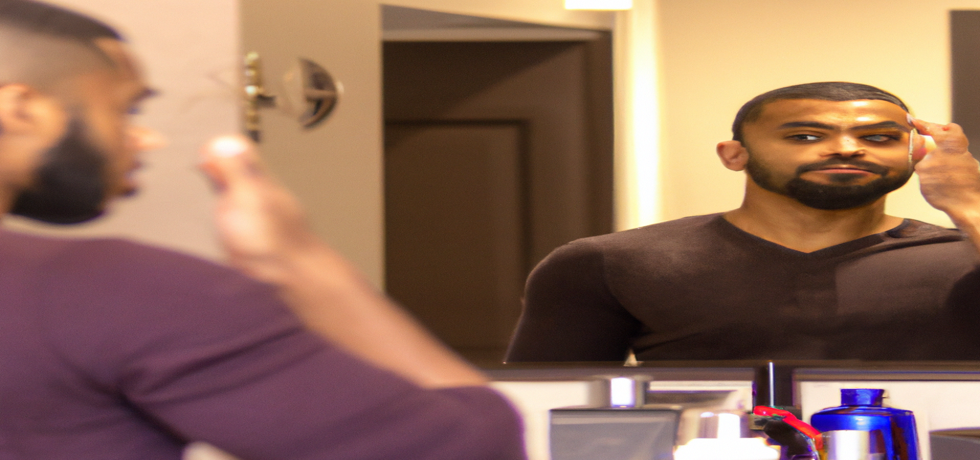
Lets talk about a subject that is close to many mens hearts: beard care. If youve spent your time nurturing a manly beard, its crucial to understand the ins and outs of proper grooming. Mastering your beard grooming routine not only enhances your style but also maintains the health of your facial hair. Lets embark on this journey together and ensure your beard is always on point!

Why Beard Care Matters

Beards can collect dust, food particles, and environmental debris, creating a mini habitat you might not want to keep. Regular beard care helps to minimize beardruff, that annoying flaking phenomenon that can occur if you neglect grooming. Proper beard grooming routines are essential because they can help prevent men from dealing with common issues such as itchiness and hair tangles, making your beard not only look good but feel good too.

Finding the Right Beard Wash

It’s tempting to just use any shampoo, but remember, standard hair products may not be suitable for your beard. Beard washes are designed specifically to cater to the coarse hair texture and sensitive skin underneath. Gentle formulations are key look for natural ingredients and avoid harsh chemicals to foster a healthy beard environment. Keeping your beard clean with a dedicated beard wash not only enhances its softness but also promotes growth, leaving you with a bold and beautiful style!

Crafting Your Perfect Grooming Routine

Now lets break down the steps of creating your beard grooming routine. Start by wetting your beard thoroughly. Apply a small amount of beard wash and gently massage it in for optimal cleansing. Rinse it out with lukewarm water to ensure youre not stripping it of natural oils. After cleansing, apply a beard oil to nourish and soften your beard fibers, which will help create a smooth texture while also enhancing its appearance. Regular use of beard oil can lead to significant improvements in your beards health and aesthetics.

The Right Frequency for Washing

One of the biggest questions in the beard care chronicles is determining how often to wash your beard. Factors like skin type, daily activities, and product usage all play a role. For most bearded gentlemen, a good rule of thumb is to wash your beard 2-3 times a week. This helps maintain the balance between cleanliness and keeping natural oils intact. Listen to your beardif its looking or feeling greasy or riddled with dirt, its time for a wash.

Avoiding Common Mistakes in Beard Care

As we explore beard care, its essential to be aware of common pitfalls. Avoid using hot water as it can strip your beard of moisture and irritate the skin beneath. Rushing through your grooming session is another mistake; cherishing the process can lead to better results and a more enjoyable experience overall. Lastly, ensure you’re using products designed specifically for beard maintenance to get the best results.

Actionable Hair Care Tips

As we wrap up our beard care chronicles, consider incorporating a few extra tips into your routine. Regularly trimming your beard is crucial for its shape and prevents split ends. Maintain hydration from the inside out with sufficient water intake and a balanced diet rich in vitamins and minerals. Daily use of nourishing beard oil and the occasional beard growth serum can help keep your hair healthy and promote thicker growth. Following these steps will certainly bring you closer to mastering your beard grooming routine!

Frequently Asked Questions

Q: How often should I use beard shampoo?
For most individuals, washing your beard 2-3 times a week is optimal. Observe how your beard feels and adjusts your washing frequency accordingly.

Q: Can I use regular hair shampoo on my beard?
Its best to avoid using regular hair shampoo as it can disrupt the pH balance of your beard and skin. Always choose a specialized beard wash for the best results.

For professional assistance and expert advice from leading dermatologists like Dr. Hital Patel, experience the benefits of Beard Care Chronicles: Mastering Your Beard Grooming Routine with Hair & Skin Specialist Dr. Hital Patel at The Skin Artistry. Our clinics in PDPU Gandhinagar, Vastrapur Ahmedabad and Hyderabad (Visiting Consultant) offer top-quality care and personalized treatments. Visit us today to learn more about our services and take advantage of our special offers! For more insights, updates, or to collaborate, stay connected with The Skin Artistry.

6 Effective Ways to Combat Menopause-Related Hair Loss

image

6 Effective Ways to Combat Menopause-Related Hair Loss

Understanding Menopause-Related Hair Loss

Menopause is a natural phase in every woman’s life, yet it can come with challenging symptoms, including hair loss. Many women experience thinning hair during this period, which can lead to feelings of self-consciousness and frustration. Understanding the connection between fluctuating hormones and hair loss is key to finding effective solutions. If youre facing hair loss, youre not alone, and there are effective ways to combat menopause-related hair loss that can help you regain your confidence and restore your hair’s vitality.

The Hormonal Link to Thinning Hair

During menopause, reproductive hormones like estrogen and progesterone decline significantly. These hormones play a vital role in the hair growth cycle, promoting longer and healthier hair. As these levels drop, many women notice their hair growth slows, leading to a gradual thinning effect. While this might feel alarming at first, recognizing this change as a natural part of aging can help you approach hair care with a positive mindset and effective strategies.

Tip 1: Investigate Underlying Issues

Before embarking on a hair care regimen, consult a dermatologist to rule out underlying issues. Sometimes, hair loss can be triggered by stress, medications, or nutritional deficiencies in addition to hormonal changes. With proper diagnosis, you can tailor your approach to prioritizing hair recovery effectively.

Tip 2: Nourish Your Body and Hair

A balanced diet plays a significant role in maintaining healthy hair. Incorporate protein-rich foods, vitamins, and minerals that support hair growth. Supplements rich in ingredients like biotin and omega-3 fatty acids can also aid in strengthening your hair. A hair-healthy diet promotes not only internal growth but provides your hair with the vitality it needs to look its best.

Tip 3: Choose the Right Products

Switch your regular hair care products for those formulated for thinning hair. Look for shampoos and conditioners that contain natural ingredients or botanical extracts known to nourish the scalp and encourage hair growth. Avoid products with harsh chemicals, as they can further damage fine or thinning hair, exacerbating your concerns.

Tip 4: Consider Hair Restoration Treatments

For those experiencing significant hair loss, treatments such as minoxidil or platelet-rich plasma (PRP) therapy might be options to discuss with your dermatologist. These methods can stimulate hair follicles and promote new growth, effectively combating menopause-related hair loss. Always consult a specialist to discuss the right treatment plan tailored for you.

Tip 5: Practice Stress Management

Stress can be detrimental to overall health, including hair health. Engage in healthy stress-relief practices such as yoga, meditation, or recreational activities that you enjoy. Reducing stress can not only help maintain overall well-being but also potentially lessen the impact of hormone fluctuations on your hair.

Tip 6: Update Your Hairstyle

Sometimes, a simple change in hairstyle can make a significant difference in how your hair appears. Shorter haircuts can create the illusion of volume and fullness, while strategic highlights can add depth and dimension, disguising any thinning spots. Consulting with a professional hairstylist can provide you with styles that suit your hair type and make your mane look as vibrant as possible.

Conclusion: Empowering Your Hair Care Journey

Combatting menopause-related hair loss is not just about managing the symptoms; its also about restoring confidence and celebrating the beauty of change. By following these effective strategies, you can actively support your hair health during this transitional phase. Remember, its crucial to approach this journey with patience and positivity. Seek support from professionals who understand your needs and can guide you towards the best solutions.

FAQ

Q: Will hair loss during menopause last forever?
A: For many, hair loss during menopause is temporary and can be managed with the right approach. As hormone levels stabilize over time, hair may begin to regain its fullness.

Q: When should I consult a dermatologist about my hair loss?
A: If you notice sudden or substantial hair loss, or if you’re unsure about the causes, it’s advisable to consult a dermatologist for personalized advice and treatment options.

For professional assistance and expert advice from leading dermatologists like Dr. Hital Patel, experience the benefits of combating menopause-related hair loss with Hair & Skin Specialist Dr. Hital Patel at The Skin Artistry. Our clinics in PDPU Gandhinagar, Vastrapur Ahmedabad and Hyderabad (Visiting Consultant) offer top-quality care and personalized treatments. Visit us today to learn more about our services and take advantage of our special offers! For more insights, updates, or to collaborate, stay connected with The Skin Artistry.
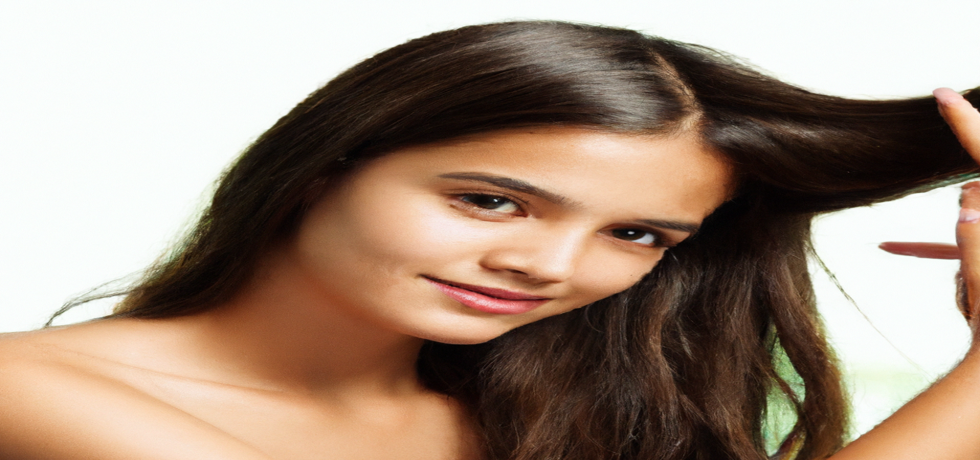
Unlock the Secret to Luxurious Hair: The Leave-In Conditioner Guide

image

Unlock the Secret to Luxurious Hair: The Leave-In Conditioner Guide

Your Essential Guide to Healthy Hair

Everyone aspires to have those flowing locks that turn heads and exude health. But achieving luxurious hair often feels like an unsolvable puzzle, especially in the face of our hectic lifestyles, pollution, and heat styling. Enter the leave-in conditionera game changer in the world of hair care! This guide will help you understand why you need a leave-in conditioner and how to use it effectively to unlock the secret to luxurious hair.

What Exactly is a Leave-In Conditioner?

A leave-in conditioner is a lightweight moisturizer that you apply to your hair and let absorb without rinsing. The primary function of these conditioners is to provide lasting hydration and protection, setting the stage for healthier, manageable hair. While we often use rinse-out conditioners in our regimen, leave-in conditioners offer an additional layer of moisture that can be especially beneficial for dry, frizzy, or damaged hair.

The Difference: Rinse-Out vs. Leave-In Conditioner

You may wonder why you should add a leave-in conditioner when you already have a rinse-out one. Rinse-out conditioners hydrate and smooth your hair, but they wash away the beneficial ingredients quickly. In contrast, a leave-in conditioner provides extended moisture and protection. Think of it as an extra insurance policy for your hair’s health. By using both products together, you create a comprehensive hair care routine that addresses different needs.

Why Invest in a Leave-In Conditioner?

Not convinced? Here are several compelling reasons to integrate a leave-in conditioner into your hair care routine:

  • Extra Moisture: A leave-in conditioner infuses your hair with hydration, preventing dryness and brittleness, thus contributing to your pursuit of luxurious hair.
  • Detangling Made Easy: Tangles can lead to breakage. Leave-in conditioners improve the ‘slip’ of your hair, making detangling a breeze.
  • Frizz Control: Humidity can wreak havoc on your hairstyle. A good leave-in conditioner combats frizz by keeping your hair hydrated.
  • Preps for Styling: Protecting your hair from the heat of styling tools becomes easier with leave-in conditioners, ensuring your styling routines wont damage your strands.
  • Environmental Protection: They create a barrier that can shield your hair from harmful environmental factors like UV rays and pollution, essential in today’s urban settings.

Choosing the Right Leave-In Conditioner

With countless products available, selecting the best leave-in conditioner for your hair type can be daunting. Look for products that suit your specific needsbe it moisture for dry strands or protection for color-treated hair. Remember, the key is to find a formulation rich in nourishing ingredients like natural oils, proteins, and antioxidants.

How to Incorporate Leave-In Conditioners into Your Routine

Ready to make a change? Start by washing your hair! Post-wash, towel-dry your hair gently to remove excess moisture. Then, spray or distribute a dime-sized amount of your leave-in conditioner throughout your damp hair, focusing on the tips and dry areas. You can style as desired! The beauty of leave-in conditioners is their versatility; you can apply them on dry hair throughout the week for extra hydration.

Conclusion: Take Action for Luxurious Hair

Embracing a leave-in conditioner is a straightforward yet effective step toward unlocking luxurious hair. Remember that investing a little time and effort into your hair care routine can yield incredible rewards. With consistent use, you’ll notice smoother, shinier, and healthier hair.

For professional assistance and expert advice from leading dermatologists like Dr. Hital Patel, experience the benefits of Unlock the Secret to Luxurious Hair: The Leave-In Conditioner Guide with Hair & Skin Specialist Dr. Hital Patel at The Skin Artistry. Our clinics in PDPU Gandhinagar, Vastrapur Ahmedabad, and Hyderabad (Visiting Consultant) offer top-quality care and personalized treatments. Visit us today to learn more about our services and take advantage of our special offers! For more insights, updates, or to collaborate, stay connected with The Skin Artistry.

Unlock the Secrets to a Healthy Scalp: Say Goodbye to Dandruff

image

Unlock the Secrets to a Healthy Scalp: Say Goodbye to Dandruff

Your Dandruff Journey Starts Here

Dealing with dandruff can be a frustrating experience. Those dry, flaky patches can impact your confidence and make choosing your favorite hairstyle feel like a tall order. At The Skin Artistry, we’re here to help you unlock the secrets to achieving a healthy scalp and saying goodbye to dandruff for good! In this comprehensive guide, well explore common causes of dandruff, effective treatments, and lifestyle tips that cater specifically to our Indian audience.

Understanding Dandruff: What Causes It?

Understanding why you may be experiencing dandruff is vital in your quest for a healthy scalp. At its core, dandruff is often a byproduct of an imbalance on your scalp.

One of the primary culprits is the overgrowth of Malassezia, a yeast-like fungus that thrives on sebum. This fungal imbalance can irritate your scalp, leading to an unfortunate increase in dead skin cells and subsequently, dandruff. Other factors, such as dry scalp conditions, an oily scalp, or certain skin conditions like psoriasis, can also lead to this common issue.

The Role of Diet and Lifestyle in Dandruff Management

Your diet and lifestyle play a crucial role in managing dandruff. A diet rich in sugar can trigger an overproduction of oil, exacerbating dandruff. Incorporating foods high in omega-3 fatty acids, biotin, and antioxidants can nourish your scalp and promote healthy skin cell turnover.

Regular exercise and hydration are equally important, as they help improve blood circulation to your scalp, further supporting scalp health. At The Skin Artistry, we encourage our clients to embrace healthy habits along with proper hair care routines for optimal results.

Effective Treatments for a Healthy Scalp

If youre ready to tackle your dandruff problem, there are several treatments you can consider. Firstly, using a quality dandruff shampoo designed with antifungal and antimicrobial ingredients is a fundamental step in your hair care routine. Look for products containing active ingredients that eliminate fungal overgrowth while maintaining your scalp’s natural balance.

Switching to a sulfate-free shampoo is also essential as harsh detergents can worsen scalp irritation. Additionally, incorporating a gentle scalp scrub can help remove product buildup and promote a healthier scalp environment.

For at-home treatments, consider natural remedies like coconut oil or apple cider vinegar. These simple ingredients can provide moisture and balance to your scalp’s pH, addressing the root causes of dandruff effectively.

Taking Action: Your Roadmap to a Dandruff-free Scalp

Now that you have the knowledge, its time to put it into action! Start by identifying any potential triggers that worsen your dandruff whether its a specific hair product, your diet, or stress.

Experiment with different treatments and adjust your hair care regimen accordingly. Remember to practice good hygiene by regularly cleaning your hair tools and changing your pillowcases to avoid reintroducing irritants to your scalp.

Conclusion: Embrace Your Healthy Scalp Journey

By understanding what leads to dandruff and implementing effective scalp care strategies, you can transform your hair health journey. Dandruff isn’t just a cosmetic issue; its a signal from your scalp that something needs attention. Be gentle with yourself as you formulate a plan that works for you, and remember that consistency is key.

With dedication, you’ll soon be well on your way to enjoying the confidence of a healthy, dandruff-free scalp.

For professional assistance and expert advice from leading dermatologists like Dr. Hital Patel, experience the benefits of unlocking the secrets to a healthy scalp with Hair & Skin Specialist Dr. Hital Patel at [The Skin Artistry](https://theskinartistry.com/). Our clinics in PDPU Gandhinagar, Vastrapur Ahmedabad, and Hyderabad (Visiting Consultant) offer top-quality care and personalized treatments. Visit us today to learn more about our services and take advantage of our special offers! For more insights, updates, or to collaborate, stay connected with [The Skin Artistry](https://theskinartistry.com/).

7 Tips for Regrowing Hair After Telogen Effluvium

image

7 Tips for Regrowing Hair After Telogen Effluvium

Understanding Telogen Effluvium

Experiencing significant hair loss can be distressing, especially when it stems from a condition like telogen effluvium. This common cause of sudden hair shedding often leaves individuals searching for effective ways to promote hair regrowth. The good news is, with the right tips and practices, regrowing hair after telogen effluvium can be a smooth journey. Lets delve into some practical tips that can help you achieve healthier, fuller hair.

1. Prioritize a Nutritious Diet

The foundation for healthy hair growth starts with a well-balanced diet. Ensure youre consuming sufficient amounts of proteins, vitamins, and minerals essential for hair health, especially iron and biotin. A hair-healthy diet not only supports overall well-being but also strengthens the hair growth cycle, making it easier to recover from telogen effluvium.

2. Embrace Gentle Hair Care

Avoid rough grooming and aggressive styling techniques that can exacerbate hair loss. Use a wide-tooth comb to detangle your hair gently, and consider using hair care products designed to nurture finer, thinning hair. The right hair care habits can prevent additional breakage, making your hair healthier while it grows back.

3. Limit Heat Styling

We understand the temptation to style your hair, but limiting the use of heat-styling tools is critical. Excess heat can lead to additional damage, especially when your hair is already in a vulnerable state. If you must style, be sure to use a good heat protectant to safeguard your precious strands.

4. Choose the Right Hair Products

Opt for shampoos and conditioners that are specifically geared toward promoting hair volume and growth. Look for products that contain natural ingredients like rosemary oil and biotin, known to support the hair growth process. The proper products can make a noticeable difference while you navigate through the phases of telogen effluvium.

5. Manage Stress Levels

Stress is a notable trigger for telogen effluvium. Finding productive ways to manage stressthrough yoga, meditation, or other relaxation techniquescan significantly influence your hair growth journey. Reduced stress levels can help your body focus on restoring hair health.

6. Regular Scalp Massages

Stimulating circulation in the scalp can enhance hair growth by bringing essential nutrients to the hair follicles. Incorporate gentle scalp massages into your routine to promote blood flow and encourage healthy hair regrowth. You may find this not only beneficial for your hair but also relaxing!

7. Consult a Dermatologist

Lastly, if you’re struggling with hair loss, consulting a dermatologist can provide valuable insights into tailored treatments. Professional advice can help you understand the best products and routines that suit your specific hair needs as part of your recovery from telogen effluvium.

Conclusion

Regrowing hair after telogen effluvium might feel daunting, but by implementing these tips, you can pave the way for thicker, healthier hair. Remember, patience is key, as hair growth takes time. The realignment of your hair care routine, coupled with professional guidance from dermatological experts, can yield successful outcomes.
For professional assistance and expert advice from leading dermatologists like Dr. Hital Patel, experience the benefits of hair regrowth strategies with Hair & Skin Specialist Dr. Hital Patel at The Skin Artistry. Our clinics in PDPU Gandhinagar, Vastrapur Ahmedabad and Hyderabad (Visiting Consultant) offer top-quality care and personalized treatments. Visit us today to learn more about our services and take advantage of our special offers! For more insights, updates, or to collaborate, stay connected with The Skin Artistry.
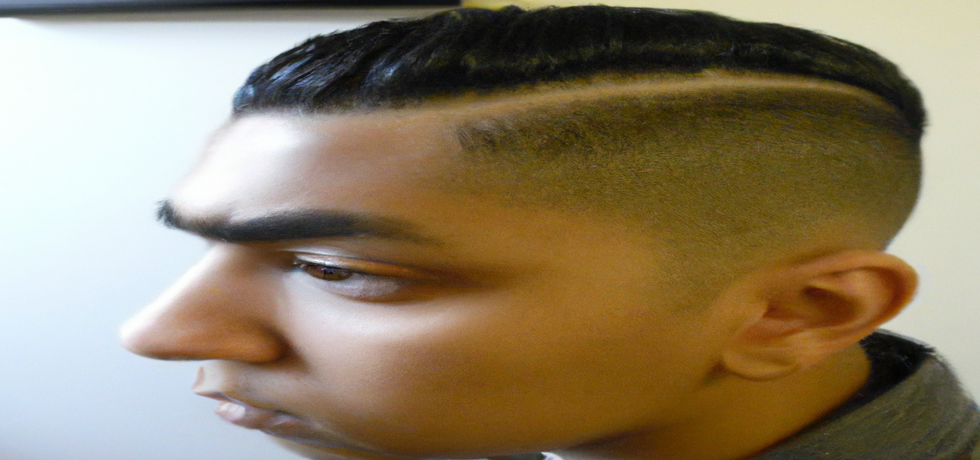
Hair Wax vs. Hair Clay: The Ultimate Styling Showdown

image

Hair Wax vs. Hair Clay: The Ultimate Styling Showdown

Understanding the Basics of Hair Wax and Hair Clay

When it comes to styling your hair, the choices can be overwhelming. In today’s blog, were diving into the world of hair styling products, specifically hair wax and hair clay. Both of these products are popular for providing hold and texture, but they offer different advantages, which can make all the difference in creating your desired look. So, lets explore the ultimate showdown between hair wax and hair clay, helping you determine which is the best fit for your styling needs.

What Is Hair Wax?

Hair wax is a long-time favorite in the hairstyling community. Its thick and creamy consistency provides a flexible hold that caters to various styles. Made from natural waxes such as beeswax and lanolin, hair wax offers a slightly shiny finish, giving your hair a natural feel without the crunchy aftermath. While its commonly marketed as a hair product for men, anyone can enjoy the benefits of hair wax, making it a versatile styling option.

What Is Hair Clay?

Hair clay has recently soared in popularity, particularly among individuals seeking a matte finish. Unlike hair wax, hair clay is formulated from natural clays like kaolin. It provides a strong yet flexible hold, ideal for achieving volume and texture, especially for fine or oily hair. Clay works by absorbing excess oil, making it an excellent choice for those living in humid climates or dealing with greasy roots. Plus, it delivers a more natural look compared to the glossy finish often associated with hair wax.

Comparing the Two: Hair Wax vs. Hair Clay

The comparison between hair wax and hair clay comes down to your styling preferences and hair type. Hair wax is suitable for achieving hairstyles that require a smooth and polished vibe, while clay is perfect for creating a more textured, lived-in look. Additionally, if you struggle with fine hair, hair clay might be more effective in providing volume without weighing your hair down. With its matte finish and strong hold, hair clay can give you the bouncy look you desire.

How to Choose the Right Product for You

Choosing between hair wax and hair clay is not just about the product itself, but also about how you want your hair to feel and look. If you prefer a touchable style, hair wax may be your best bet. However, if you’re looking for a low-shine, voluminous finish, consider experimenting with hair clay. Always opt for products that are free from harsh chemicals to avoid scalp irritation and maintain your hair’s health.

Conclusion: Finding Your Perfect Hair Product

Ultimately, both hair wax and hair clay can be great additions to your styling routine. The right choice will depend on your hair type, desired style, and personal preferences. Don’t hesitate to try both and see which product resonates better with your styling needs. Remember, experimentation is key to finding the perfect balance for your hair!

FAQ

Can I use hair wax or clay daily?
Yes, both can be used daily, but make sure to cleanse your hair regularly to prevent product build-up.
Is there a difference in application for hair wax and hair clay?
Hair wax is easier to apply on dry hair, while hair clay may need to be warmed between your palms for easier distribution.
For professional assistance and expert advice from leading dermatologists like Dr. Hital Patel, experience the benefits of Hair Wax vs. Hair Clay: The Ultimate Styling Showdown with Hair & Skin Specialist Dr. Hital Patel at The Skin Artistry. Our clinics in PDPU Gandhinagar, Vastrapur Ahmedabad, and Hyderabad (Visiting Consultant) offer top-quality care and personalized treatments. Visit us today to learn more about our services and take advantage of our special offers! For more insights, updates, or to collaborate, stay connected with The Skin Artistry.

Revive Your Locks: The Ultimate Guide to Natural Hair Masks

image

Revive Your Locks: The Ultimate Guide to Natural Hair Masks

Introduction

Do you find yourself battling dry, brittle hair? You’re not alone! Many of us face the struggle of keeping our locks healthy and vibrant amidst the environmental stressors and styling tools we use. If you’re tired of split ends and dull hair, then natural hair masks may be your hair’s best friends. In this ultimate guide, we’ll explore the various aspects of natural hair masks, focusing on how they can revive your locks effectively and safely.

Understanding Hair Damage

Before we dive into the wonders of natural hair masks, it’s essential to understand the signs of hair damage. Is your hair feeling dry and frizzy? You may be encountering issues such as split ends, breakage, or a lackluster appearance. These common red flags call for immediate attention. By identifying these symptoms early, you can take proactive measures to revive your locks and keep them looking their best.

Benefits of Using Natural Hair Masks

Natural hair masks are packed with nourishing ingredients that deeply condition the hair, making them a vital part of your hair-care routine. These masks provide intense hydration, repair damage, and promote overall hair health. They also help in enhancing elasticity, which diminishes the risk of breakage and split ends. Even better, natural hair masks are generally free from harsh chemicals, making them safer for you and the environment. This holistic approach to hair care aligns well with our commitment to sustainability and natural wellness.

Choosing the Right Natural Ingredients

When selecting a natural hair mask, there are some key ingredients to look out for. Ingredients such as shea butter, coconut oil, and aloe vera can provide deep hydration and nourishment. Hydrolyzed proteins play a significant role in repairing damage and strengthening the hair cuticle, which is crucial for anyone dealing with damaged hair. By choosing products rich in these beneficial ingredients, you can ensure that your hair receives the care it deserves.

Tailored Hair Masks for Different Hair Types

Just as our skin types vary, so do our hair types, and what works for one person may not work for another. Its essential to choose a natural hair mask that fits your specific needs whether it’s frizzy, straight, curly, or wavy hair. For instance, if your concern is dryness and frizz, a mask with argan oil or jojoba oil might deliver the moisture boost needed. For curls, a protein-rich mask can encourage bounciness without weighing them down. Understanding your hair’s unique characteristics will help you revive your locks with the right formula.

How to Incorporate Hair Masks into Your Routine

Utilizing natural hair masks is a straightforward process. Aim to apply your hair mask after shampooing and allow it to sit for a few minutes to maximize absorption. For best results, incorporate them into your routine 1-2 times a week. This regular application will help you maintain healthy hair, reduce split ends, and boost shine. Following this regimen can transform your hair from dull to dazzling over time.

Conclusion and Actionable Tips

In conclusion, natural hair masks can genuinely work wonders for those looking to revive their locks. By regularly addressing your specific hair concerns and incorporating the right natural ingredients, youre on the path to healthy, vibrant locks. Dont forget to keep an eye on your hairs needs and adjust your routine accordingly. With a little patience and commitment, you’ll witness how beautifully revitalized your hair can be!

FAQ

How often should I use a natural hair mask?
It’s best to use a natural hair mask 1-2 times a week, depending on your hairs specific needs and overall condition.
Can natural hair masks help with hair loss?
While they primarily focus on hydration and nourishment, they can improve overall hair health, which may potentially help in minimizing hair loss.
For professional assistance and expert advice from leading dermatologists like Dr. Hital Patel, experience the benefits of Revive Your Locks: The Ultimate Guide to Natural Hair Masks with Hair & Skin Specialist Dr. Hital Patel at The Skin Artistry. Our clinics in PDPU Gandhinagar, Vastrapur Ahmedabad and Hyderabad (Visiting Consultant) offer top-quality care and personalized treatments. Visit us today to learn more about our services and take advantage of our special offers! For more insights, updates, or to collaborate, stay connected with The Skin Artistry.

Unlocking the Magic: The Power of Purple Shampoo

image

Unlocking the Magic: The Power of Purple Shampoo

Introduction to Purple Shampoo

If you have blonde, gray, or highlighted hair, the secret to maintaining that stunning color might just lie in a bottle of purple shampoo. This vibrant-hued product has gained popularity among those seeking to eliminate unwanted brassy tones from their hair while enhancing their natural shine. By understanding how purple shampoo works and adopting it into your hair care routine, you can unlock the magic it holds for beautiful, vibrant locks.

Understanding Brassiness and the Role of Purple Shampoo

Brassiness can be a common issue for individuals with light-colored hair. Factors like sun exposure, pollution, and the use of hard water contribute to unwanted yellow or orange hues that can dull the sparkle of your mane. This is where purple shampoo comes in! Formulated with color-correcting pigments, this cleansing miracle neutralizes the warm tones, leaving your hair looking cooler and more radiant. By incorporating purple shampoo regularly into your hair-care routine, you can easily manage brassiness and keep your blonde hair fresh and vibrant.

The Science Behind Purple Shampoo

The secret to the effectiveness of purple shampoo lies in the color wheel. Purple is opposite yellow, so when applied, it cancels out the brassy tones in your hair. This scientifically-backed method of color correction allows for an enhanced shine while maintaining the integrity of your hair color. Understanding this principle can help you make informed decisions about when and how often to use this powerful product. Its safe for your hair when used correctlyjust avoid over-toning to maintain perfect results.

How to Use Purple Shampoo Effectively

To unlock the full potential of purple shampoo, using it effectively is essential. Start by wetting your hair thoroughly before applying the shampoo. Massage it gently into your scalp and throughout your hair, allowing the purple pigments to work their magic for the recommended amount of timeusually 3 to 5 minutes before rinsing. During your next wash, follow with a nourishing conditioner to keep your hair hydrated and strong. Regular useabout once to twice a weekcan help you maintain your desired color without the risk of over-toning.

Choosing the Right Purple Shampoo

With numerous options available in the market, selecting the right purple shampoo can be overwhelming. Look for products that contain not just pigment, but also moisturizing ingredients and proteins to help fortify your hair. Including hydrating components will ensure that your hair remains nourished while effectively combating the brassiness. Additionally, you want to select a formula that works well with your hair type and any treatments you may have previously undergone for optimal results.

Conclusion: Embrace Your Radiant Hair

In summary, purple shampoo can be a game-changer for anyone looking to maintain their blonde or highlighted locks by eliminating brassiness. Armed with the right knowledge, you can confidently incorporate it into your hair care routine, unlocking the radiant beauty your hair truly deserves. Remember to choose wisely, use it in moderation, and pair it with good conditioning products to keep your hair looking its best. Embrace the power of purple shampoo and enjoy the stunning results!

FAQs

1. Can I use purple shampoo every day?
It’s best to limit your use of purple shampoo to 1-2 times per week to prevent over-toning your hair.

2. Is purple shampoo suitable for all hair types?
Yes, while it is specifically beneficial for blonde and gray hair, those with blonde highlights or pastel colors can also see great results.

For professional assistance and expert advice from leading dermatologists like Dr. Hital Patel, experience the benefits of Unlocking the Magic: The Power of Purple Shampoo with Hair & Skin Specialist Dr. Hital Patel at The Skin Artistry. Our clinics in PDPU Gandhinagar, Vastrapur Ahmedabad, and Hyderabad (Visiting Consultant) offer top-quality care and personalized treatments. Visit us today to learn more about our services and take advantage of our special offers! For more insights, updates, or to collaborate, stay connected with The Skin Artistry.