
Lip Pigmentation Laser Treatment: Enhancing Your Natural Beauty

image

Lip Pigmentation Laser Treatment: Enhancing Your Natural Beauty

Introduction to Lip Pigmentation

Are you struggling with uneven lip color or dark spots on your lips? Lip pigmentation can significantly affect your self-esteem and how you express your beauty. Thankfully, recent advancements in cosmetic dermatology have introduced effective solutions, such as lip pigmentation laser treatment. This innovative procedure aims to enhance your natural beauty by providing a clearer and more vibrant lip appearance. In this blog, we will explore everything you need to know about lip pigmentation laser treatment, from the causes of lip discoloration to the effective solutions available.

Understanding Lip Pigmentation

Lip pigmentation, also known as lip discoloration, refers to changes in the lips’ natural color. Factors such as genetics, sun exposure, smoking, and specific medications can lead to conditions like hyperpigmentation or hypopigmentation. Hyperpigmentation causes darker lips due to the overproduction of melanin, while hypopigmentation results in lighter lips with reduced pigment. Understanding these aspects is crucial when considering treatment options.

Causes of Lip Pigmentation

Various factors contribute to lip pigmentation, including genetic predisposition, prolonged sun exposure, smoking habits, and certain medications. Injuries or trauma to the lips may also disrupt their pigment, leading to discoloration. Identifying the cause is essential in determining the best treatment options for enhancing your natural lip beauty.

Effective Treatment Options for Lip Pigmentation

When it comes to lip pigmentation treatment, you have several options. Common approaches include topical medications with lightening agents to reduce pigmentation, chemical peels that exfoliate the lip’s surface, and microdermabrasion procedures. However, for more significant results, many are turning to laser therapy.

Lip pigmentation laser treatment uses targeted laser technology that selectively targets pigmented cells. This procedure minimizes damage to the surrounding tissue, making it an effective and precise solution for achieving an evenly toned lip color.

The Laser Treatment Procedure

Before commencing treatment, it’s important to have a consultation with a dermatologist to explore your specific needs. During the procedure, a topical numbing agent is applied to minimize discomfort. The laser device will then be used to emit precise pulses of light onto the pigmented areas. Sessions typically last between 30 to 60 minutes, varying based on the pigmentation level and your individual skin response. Following this treatment, you can usually expect minor redness or swelling, but these symptoms typically resolve quickly.

Benefits of Lip Pigmentation Laser Treatment

Opting for lip pigmentation laser treatment offers numerous advantages. The precision of the laser allows for effective treatment of pigmented areas with minimal recovery time. In addition, this method stimulates collagen production, enriching the texture of your lips. As a result, you can enjoy beautiful, vibrant lips without the need for frequent procedures.

Conclusion: Enhancing Your Natural Beauty

In summary, lip pigmentation laser treatment serves as a promising solution for individuals seeking to enhance their natural beauty and achieve even-toned lips. By consulting with experienced professionals, you can make informed decisions to achieve the best results tailored to your unique needs. If you’re ready to embark on your journey towards beautiful, healthy lips, The Skin Artistry is here to help you every step of the way.

For professional assistance and expert advice from leading dermatologists like Dr. Hital Patel, experience the benefits of lip pigmentation laser treatment with Hair & Skin Specialist Dr. Hital Patel at [The Skin Artistry](https://theskinartistry.com/). Our clinics in PDPU Gandhinagar, Vastrapur Ahmedabad and Hyderabad (Visiting Consultant) offer top-quality care and personalized treatments. Visit us today to learn more about our services and take advantage of our special offers! For more insights, updates, or to collaborate, stay connected with [The Skin Artistry](https://theskinartistry.com/).

Strategies for Radiant Skin: Combatting Stress-Induced Acne

image

Strategies for Radiant Skin: Combatting Stress-Induced Acne

Understanding the Link Between Stress and Acne

Do you often find yourself facing breakouts when life gets hectic? Stress-induced acne is a common concern that many people experience, and understanding its cause is the first step towards finding effective strategies for clearer and radiant skin. When under stress, our bodies release hormones like cortisol that can increase oil production in the skin, leading to clogged pores and subsequent acne flare-ups. By learning to manage stress while adopting a good skincare routine, you can combat this issue effectively.

Identifying the Symptoms of Stress-Induced Acne

Recognizing the symptoms of stress-induced acne is vital. Often, you might notice that your skin feels oilier than usual, especially in the T-zoneforehead, nose, and chin. You may also experience visibility of blackheads, whiteheads, and an uneven grainy texture on your skin. Red and inflamed patches are common indicators too. Instead of feeling disheartened, use these signs as motivation to prioritize healthier habits and nurturing your skin.

Effective Stress Management Techniques

One of the key strategies for radiant skin is managing stress effectively. Start by practicing mindfulness or meditation daily to keep anxiety at bay. Forging a balanced approach to your daily tasks can also lessen stress. For instance, creating a to-do list and setting boundaries can help avoid overwhelming yourself. Don’t forget to prioritize rest; ensure you are getting at least 7-8 hours of quality sleep every night, as this is crucial for both mental well-being and skin health.

Building a Skincare Routine to Combat Acne

Establishing a consistent skincare routine is essential to support your skin during stressful times. Use a gentle, sulfate-free cleanser designed to remove dirt and excess oil without stripping your skin’s natural moisture. Regular, yet not excessive washingabout twice a dayis the key. Follow this up with a moisturizer suitable for your skin type, as hydration plays a crucial role in preventing oil overproduction.

The Role of Diet and Hydration

A well-balanced diet goes hand in hand with skincare and stress management. Consuming a diet rich in fruits, vegetables, whole grains, and lean proteins can boost your skin’s health. Incorporate foods high in Vitamin C, Omega-3 fatty acids, and antioxidants to help combat inflammation. Don’t forget to drink plenty of water throughout the day to keep your skin hydrated from within since hydration can significantly improve your skin’s appearance and resilience against acne.

Avoiding Common Skincare Mistakes

When dealing with stress-induced acne, avoid common mistakes that can exacerbate the situation. While it may be tempting, do not pick at pimples, as this can lead to scarring and further inflammation. Additionally, restrict the use of heavy makeup that may clog your pores; opt for non-comedogenic products instead. Its essential to ensure that where possible, your skin can breathe.

Conclusion: Invest in Yourself for Healthy Skin

Remember, embracing a holistic approach by managing stress and maintaining a solid skincare routine can significantly improve your skin’s health. Always consult with a dermatologist if you notice persistent acne, as a professional can tailor recommendations specifically for you. Keep in mind that you deserve to feel confident and radiant, so invest time in nurturing both your mind and your skin.
For professional assistance and expert advice from leading dermatologists like Dr. Hital Patel, experience the benefits of Strategies for Radiant Skin: Combatting Stress-Induced Acne with Hair & Skin Specialist Dr. Hital Patel at The Skin Artistry. Our clinics in PDPU Gandhinagar, Vastrapur Ahmedabad, and Hyderabad (Visiting Consultant) offer top-quality care and personalized treatments. Visit us today to learn more about our services and take advantage of our special offers! For more insights, updates, or to collaborate, stay connected with The Skin Artistry.

All About Clear Skin: Understanding Acne Keloidalis Nuchae

image

All About Clear Skin: Understanding Acne Keloidalis Nuchae

Introduction to Acne Keloidalis Nuchae

Are you frustrated with persistent bumps and scars forming on the back of your neck? One of the common culprits could be Acne Keloidalis Nuchae. Understanding this condition can pave the way for effective acne treatment solutions and help you regain clear skin. This blog will provide insight into the details, causes, symptoms, treatment options, and ways to manage the occurrence of Acne Keloidalis Nuchae, allowing you to take control of your skin health.

What is Acne Keloidalis Nuchae?

Acne Keloidalis Nuchae is a chronic inflammatory skin condition, also referred to as Keloidal Folliculitis. The term ‘keloid’ refers to thick scars, while ‘folliculitis’ indicates inflammation of the hair follicles. This skin challenge typically arises from trauma, friction, or infection of hair follicles located at the nape of the neck, leading to irritation and susceptible scars. Characterized by the presentation of acne-like lesions that grow into raised scars, this condition mainly affects men with darker skin and curly hair.

How Does Acne Keloidalis Nuchae Form?

The formation of Acne Keloidalis Nuchae happens when hair follicles in the nape area are disturbed, often by ingrown hairs. This irritation causes excessive keratin production, resulting in thickened skin and raised bumps. As inflammation progresses, these bumps can cause scarring, leading to a visible mark on the skin. Unfortunately, the scars that form resemble keloids and can be both physically and emotionally challenging for those affected.

Identifying Symptoms

The condition often starts with red, inflamed rashes, known as papules, which can become infected, leading to pus-filled blisters called pustules. Over time, these can develop into wider, elevated areas of hardened skin, leading to the more severe form of acne keloidalis nuchae. Recognizing early symptoms is key to managing this skin condition effectively.

Possible Causes of Acne Keloidalis Nuchae

While the exact reasons for the development of Acne Keloidalis Nuchae remain undetermined, certain factors are thought to contribute to its occurrence. Close shaving techniques can cause nicks that irritate hair follicles. Furthermore, consistent friction from shirt collars can increase susceptibility to this condition, especially in hot and humid climates. Genetics may also play a role with an increased prevalence among individuals with specific trait mutations.

Effective Treatment Options

Treatment for Acne Keloidalis Nuchae varies based on severity. In mild cases, topical medications, including steroids and retinoids, may be effective. For more severe lesions, treatments like cryotherapy, systemic therapy with long-term antibiotics, and even surgical options may be necessary. Whether mild or severe, seeking the guidance of a dermatologist can provide tailored acne treatment solutions to address this condition effectively.

Tips to Reduce Occurrence

Preventing Acne Keloidalis Nuchae involves a few key hygiene practices. Keeping the neck clean and dry, avoiding irritation from collars, and opting for gentle hair removal methods can significantly reduce flare-ups. Softening the hair texture with conditioners can also help prevent ingrown hairs. Furthermore, employing retinoids or exfoliants may assist in maintaining skin health and preventing future outbreaks.

Conclusion: Taking Action for Clear Skin

Although Acne Keloidalis Nuchae can be a frustrating condition with no absolute cure, understanding its causes and maintaining good skin practices can help you manage and prevent its occurrence. Make it a priority to consult a dermatologist for tailored advice that suits your skin type and condition. With appropriate care and proactive management, you can work towards clear skin and say goodbye to those unwelcome bumps.
For professional assistance and expert advice from leading dermatologists like Dr. Hital Patel, experience the benefits of clear skin with Hair & Skin Specialist Dr. Hital Patel at The Skin Artistry. Our clinics in PDPU Gandhinagar, Vastrapur Ahmedabad, and Hyderabad (Visiting Consultant) offer top-quality care and personalized treatments. Visit us today to learn more about our services and take advantage of our special offers! For more insights, updates, or to collaborate, stay connected with The Skin Artistry.

Facial Hair-Free: The Ultimate Guide to Permanent Removal

image

Facial Hair-Free: The Ultimate Guide to Permanent Removal

Achieve a Smooth Finish

Say farewell to unwanted facial hair and embrace a cleaner, more polished appearance! Many individuals grapple with excess facial hair, often feeling that it detracts from their natural beauty or confidence. Whether it’s a budding mustache or stubborn chin hair, understanding your options is the first step toward achieving a facial hair-free look. This ultimate guide aims to explore various permanent hair removal methods, including professional treatments and natural home remedies.

Professional Hair Removal Techniques

For those seeking lasting solutions, professional methods such as laser treatment and electrolysis are excellent choices. Laser hair removal is renowned for its effectiveness; it targets hair follicles with specialized light frequencies that disrupt their growth cycle. Although multiple sessions are often needed, many find the results to be well worth the wait as it leads to significantly reduced hair growth over time.

Similarly, electrolysis employs fine needles to deliver shortwave radio frequencies directly to hair follicles, ensuring a more permanent removal. Both techniques have the potential to provide satisfactory and enduring results, allowing you to enjoy a facial hair-free experience. However, it’s essential to consult with a dermatologist to determine which method aligns best with your skin type and hair growth.

Traditional Methods: Still Relevant

Apart from professional treatments, traditional methods like waxing and threading have stood the test of time. Waxing, which involves applying a sticky substance to lift hair from the root, offers results that last longer than shaving but may cause irritation for some. Its recommended to undergo waxing from certified professionals to minimize potential side effects like redness or allergic reactions.

Tweezing, while more tedious, also allows you to remove facial hair effectively; it can be a handy solution for smaller areas. While these methods provide temporary relief, they enable smoother skin for several weeks and can complement your journey to finding a permanent solution.

Natural Remedies: A Gentle Approach

If you prefer a more organic approach, various natural remedies can assist with hair removal. Ingredients like turmeric mixed with gram flour and rose water can serve as a gentle exfoliating mask. Honey and sugar can also be whipped together as a natural wax that removes hair without chemicals. While these remedies may not guarantee permanent results, they can certainly aid in reducing hair growth and promoting skin health.

Additionally, incorporating foods that help balance hormone levelslike flax seeds and sunflower seedscould potentially minimize future hair growth. While they may not replace medical treatments, these options can be friendly additions to your skincare routine.

Conclusion: Where to Start?

Embarking on your journey to a facial hair-free existence can be straightforward with the right information and a bit of guidance. For professional assistance and expert advice from leading dermatologists like Dr. Hital Patel and to explore effective methods for permanent hair removal, visit [The Skin Artistry](https://theskinartistry.com/). Our clinics in PDPU Gandhinagar, Vastrapur Ahmedabad, and Hyderabad (Visiting Consultant) offer top-quality care and personalized treatments.

Feel free to consult with us for tailored advice that suits your unique skin type. Remember that achieving flawless skin is not just about removing hair; its about caring for your skins overall health. Together, we can chase away those concerns and embrace a smoother, more confident you!

For professional assistance and expert advice from leading dermatologists like Dr. Hital Patel, experience the benefits of Facial Hair-Free: The Ultimate Guide to Permanent Removal with Hair & Skin Specialist Dr. Hital Patel at [The Skin Artistry](https://theskinartistry.com/). Our clinics in PDPU Gandhinagar, Vastrapur Ahmedabad, and Hyderabad (Visiting Consultant) offer top-quality care and personalized treatments. Visit us today to learn more about our services and take advantage of our special offers! For more insights, updates, or to collaborate, stay connected with [The Skin Artistry](https://theskinartistry.com/).

Spot Peel Treatment for Melasma: A Comprehensive Guide

image

Spot Peel Treatment for Melasma: A Comprehensive Guide

Understanding Melasma and Its Challenges

Are you finding it difficult to deal with those stubborn dark patches on your skin known as melasma? You’re not alone! This condition, often referred to as the “mask of pregnancy,” can affect anyone, causing discolored patches primarily on the cheeks, forehead, and upper lip. The origins of melasma are not entirely understood; however, it is thought to result from a mix of genetic predisposition, hormonal changes, and environmental factors like sun exposure. For those seeking effective melasma treatment, spot peel treatment offers a promising option. Let’s dive into all the aspects of this approach and its effectiveness!

How Does Spot Peel Treatment Work?

Spot peel treatment for melasma involves applying a chemical solution directly to the affected areas of skin. This solution typically contains acids that aid in exfoliating the top layers where the dark patches reside. By carefully removing these layers, a lighter, smoother layer of skin is revealed underneath. Depending on the severity of the melasma, various types of chemical agents can be utilized, including alpha-hydroxy acids (AHAs), beta-hydroxy acids (BHAs), and trichloroacetic acid (TCA). This tailored approach makes spot peel a highly customizable melasma treatment that caters to individual skin needs.

Pros of Spot Peel Treatment

There are several notable advantages to undergoing spot peel treatment for melasma:

  • Spot peels can effectively lighten melasma and reduce the visibility of dark patches.
  • The recovery period is generally short; most patients only experience mild redness and peeling for a few days.
  • This localized treatment focuses solely on affected areas, making it suitable even for sensitive skin types.
  • It is often a more budget-friendly choice compared to other melasma treatments, such as laser therapy.

Cons of Spot Peel Treatment

While there are benefits, there are also some concerns to be aware of when considering spot peel treatment for melasma:

  • Achieving optimal results may require multiple treatments.
  • Some individuals may experience temporary skin irritation, redness, or discomfort.
  • In rare cases, there is a risk of hyperpigmentation, particularly for those with darker skin tones.
  • Post-treatment, your skin may be more susceptible to sun exposure, necessitating diligent sun protection.

Making an Informed Decision

Ultimately, spot peel treatment for melasma can yield impressive results when approached correctly. However, it is vital to weigh both the benefits and potential downsides before making a decision. Consulting with a knowledgeable dermatologist can help you assess if this treatment aligns with your skin needs and goals. If youre considering melasma treatment in India, The Skin Artistry offers state-of-the-art solutions tailored just for you.

FAQ

What should I expect after the treatment?
Patients typically experience minor redness and peeling, which subsides within a few days. Sun protection is essential to safeguard treated areas.

How many treatments will I need?
The number of required treatments can vary based on the severity of melasma. Your dermatologist will provide a personalized plan during your consultation.

Conclusion

In summary, spot peel treatment can offer a highly targeted solution to address melasma effectively. By weighing the pros and cons and consulting with a skincare specialist, you can make an informed choice that’s right for you. At The Skin Artistry, our expert team is ready to assist you in your journey toward brighter, more even skin!
For professional assistance and expert advice from leading dermatologists like Dr. Hital Patel, experience the benefits of “Spot Peel Treatment for Melasma” with Hair & Skin Specialist Dr. Hital Patel at The Skin Artistry. Our clinics in PDPU Gandhinagar, Vastrapur Ahmedabad, and Hyderabad (Visiting Consultant) offer top-quality care and personalized treatments. Visit us today to learn more about our services and take advantage of our special offers! For more insights, updates, or to collaborate, stay connected with The Skin Artistry.
Unveiling the Truth: Chicken Consumption and Acne

image

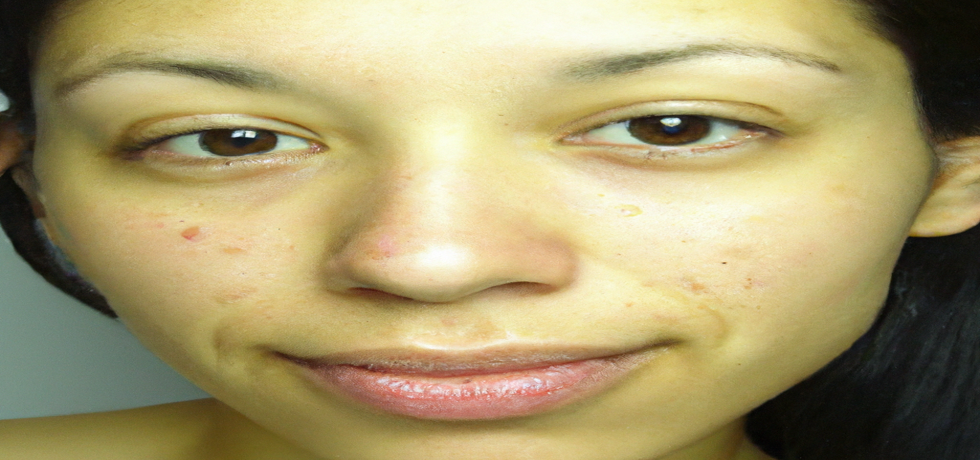
Unveiling the Truth: Chicken Consumption and Acne

Understanding the Link Between Chicken and Acne

When it comes to the age-old question of whether chicken consumption can lead to acne, there seem to be a multitude of opinions. With folks claiming that certain foods can trigger breakouts, many wonder if chicken could be one of those culprits. Today, we aim to demystify these claims and provide clarity on the potential link between chicken and acne.

Can Chicken Really Cause Acne?

Many scientific studies support the notion that diet does play a role in the development of acne. However, when it comes to chicken consumption, the consensus is not as clear. Most research indicates that chicken itself is not directly responsible for acne formation. So, if you’re having breakouts after consuming chicken, it might not be the meat itself but rather the way it is prepared or other dietary habits that could be causing acne.

The Science Behind Chicken and Leucine

Chicken is a rich source of complex proteins, and one specific amino acid called leucine may contribute to increased oil production in the skin. This means that while chicken isn’t the villain, the leucine in it could trigger oil glands, leading to excess sebum. This excess oil can result in clogged pores and ultimately, acne lesions. To manage breakouts, keeping an eye on the leucine content through your protein sources might be prudent.

Cooking Methods Matter

The cooking process we often use with chicken can also play a significant role in its potential impact on our skin. Deep-frying chicken can introduce unhealthy oils and fats, raising the overall glycemic value of the meal. Such cooking methods can lead to an inflammatory response, exacerbating acne in sensitive individuals. To promote clearer skin, consider grilled or baked chicken options that use minimal oil for healthier alternatives.

Hormones in Broiler Chickens

Another important aspect to consider is the use of hormones in broiler chickens. Some chicken products are known to contain these additives intended to aid muscle growth. For sensitive individuals, consuming these hormonally treated chickens might lead to hormonal fluctuations in their bodies, triggering acne. When possible, opt for organic or free-range chicken without added hormones to mitigate this risk.

Practical Tips for Healthier Choices

If you’ve noticed an uptick in breakouts after eating chicken, here are a few tips that may help:
– Limit cooking methods that use excessive oil; try steaming, grilling, or baking instead.
– Choose lean cuts of protein like fish or plant-based sources to manage your acne better.
– Maintain a balanced diet with plenty of water, regular exercise, and healthy habits to support overall skin health.

Conclusion: The Verdict on Chicken and Acne

The evidence points to chicken not being a direct cause of acne. Instead, its likely that associated habits and preparation methods are more significant factors at play. It’s essential to remember that multiple aspects, including genetics, hormonal changes, and lifestyle, play a substantial role in acne development. For those experiencing persistent breakouts, consulting with a dermatologist can provide tailored advice and treatment options.

For professional assistance and expert advice from leading dermatologists like Dr. Hital Patel, experience the benefits of clarity regarding chicken consumption and acne at [The Skin Artistry](https://theskinartistry.com/). Our clinics in PDPU Gandhinagar, Vastrapur Ahmedabad and Hyderabad (Visiting Consultant) offer top-quality care and personalized treatments. Visit us today to learn more about our services and take advantage of our special offers! For more insights, updates, or to collaborate, stay connected with [The Skin Artistry](https://theskinartistry.com/).

Eradicate Acne Scars Naturally: The Complete Guide

image

Eradicate Acne Scars Naturally: The Complete Guide

Understanding Acne Scars

Acne scars are a common plight faced by many, affecting around 85% of women at some point in their lives. These scars are left behind after the pesky battle with acne has been fought, and they can deeply affect one’s self-esteem. To effectively eradicate acne scars naturally, it’s essential to first understand how they develop.

The bodys natural healing process, which involves the production of collagen, comes into play after an acne flare-up. However, when acne becomes inflamed, it can lead to different types of scarsdepressed ones resembling pits or craters, and raised ones that can be painful to touch. Thus, understanding the acne treatment is crucial for paving the way toward a clearer complexion.

Natural Remedies to Combat Acne Scars

Theres a myriad of natural remedies to treat acne scars that are both effective and cost-efficient. While conventional methods involve the use of specific ingredients or dermatological treatments, many locals lean towards home remedies due to their accessibility and affordability.

One popular option is apple cider vinegar, known for its anti-inflammatory properties. By mixing it with honey and applying it to the skin for about 10 minutes, you can lighten those stubborn scars effectively. Aloe vera works wonders as a skin resurfacing treatment, promoting skin rejuvenation, while tea tree oil is revered for its antimicrobial properties. Simply mix a few drops with a carrier oil and apply it to the affected areas.

Other commendable natural remedies include baking soda, lemon juice, and turmeric powder. Baking soda is widely acknowledged as a natural exfoliator that helps eliminate dead skin cells. Regularly using lemon juice can reduce visibility, thanks to its natural bleaching properties. Turmeric powder, rich in curcumin, is known for reducing inflammation and can be combined with honey for a soothing facial mask.

Utilizing Oils and Extracurricular Remedies

Oils like black seed oil and onion extract can greatly aid in the fight against acne scars. Black seed oil is celebrated for its antibacterial and anti-inflammatory properties, making it an excellent option for those looking to minimize their scars. Similarly, onion extract is known to contain bioflavonoids that help diminish scars over time.

Additionally, moisturizing agents like shea butter not only hydrate the skin but can also lighten scars. Applying raw shea butter daily can provide remarkable benefits, especially when it comes to attaining clear and even-toned skin.

Conclusion

In conclusion, the journey to eradicate acne scars naturally is filled with a variety of options, ranging from time-tested home remedies to innovative natural approaches. Each individual may find certain remedies resonate better with their skin. It’s crucial to embrace a comprehensive skincare routine, incorporate these natural treatments, and perhaps consult with a dermatologist.

The road to clearer skin is achievable; consider integrating these incredible natural treatments into your daily regimen. Additionally, exploring professional guidance can help tailor solutions that specifically meet your skin’s needs.

For professional assistance and expert advice from leading dermatologists like Dr. Hital Patel, experience the benefits of removing acne scars naturally with Hair & Skin Specialist Dr. Hital Patel at The Skin Artistry. Our clinics in PDPU Gandhinagar, Vastrapur Ahmedabad, and Hyderabad (Visiting Consultant) offer top-quality care and personalized treatments. Visit us today to learn more about our services and take advantage of our special offers! For more insights, updates, or to collaborate, stay connected with The Skin Artistry.

Clear Skin Secrets: Pigmentation Solutions

image

Clear Skin Secrets: Pigmentation Solutions

Your Path to Radiant Skin

If you’re dreaming of achieving a clear skin complexion, understanding pigmentation is essential. Pigmentation refers to the color of your skin and the dark spots or uneven tones that can occur due to various factors. Whether caused by sun exposure, hormonal changes, or post-inflammatory reactions, effective pigmentation solutions are within reach. This blog will help you explore various methods to combat pigmentation and achieve clearer, more radiant skin!

Common Causes of Pigmentation

Skin pigmentation can arise from numerous causes. Sun exposure remains the most significant contributor to skin discoloration, leading to dark spots known as sun spots. Hormonal changes, particularly in women during pregnancy or while taking birth control, can lead to melasma. Post-inflammatory hyperpigmentation may occur as well, often resulting from acne irritations or skin injuries.

Preventive Measures for Skin Pigmentation

The first step in preventing pigmentation is consistent sun protection. Utilizing a broad-spectrum sunscreen can significantly reduce the risk of dark spots forming. In addition to sunscreen, wearing protective clothing and minimizing direct sun exposure will provide further safety against pigmentation. Its also important to manage hormones and avoid harsh skincare products that can lead to skin irritation and discoloration.

Topical Treatments for Pigmentation

Over-the-counter solutions are available that include ingredients such as hydroquinone, retinoids, vitamin C, and niacinamide to address pigmentation concerns. These products work by fading light pigmentation and evening out skin tone over time. Consistency is key, and it’s best to consult a dermatologist for tailored advice on which topical treatments suit your skin type.

Chemical Peels: Exfoliation for Clarity

Chemical peels are a popular treatment option for pigmentation. During this procedure, the top layers of skin are exfoliated to reveal smoother, more even-toned skin underneath. Different types of peels can target various levels of pigmentation, making it essential to discuss options with a professional for safe and effective results.

Laser Therapies: Targeted Pigment Removal

For more challenging pigmentation issues, laser therapies offer targeted pigment removal. By emitting focused light energy that targets pigmented cells, these treatments break down and eliminate discoloration effectively. Note that multiple sessions may be required to achieve optimum results, often recommended by dermatologists.

Microdermabrasion: Polishing Your Skin

If you’re seeking non-invasive options to treat minor pigmentation, microdermabrasion may be an ideal choice. This method employs small exfoliating crystals to smooth the skin’s surface, effectively reducing the appearance of dark spots. Its non-invasive nature means there’s typically no recovery time, making it a convenient option for many people.

Combination Therapies for Maximum Impact

Dermatologists frequently advocate for combination therapies to enhance results. By pairing different treatments, such as laser therapy and chemical peels, individuals can address various pigmentation concerns simultaneously for a more comprehensive treatment approach. Customized plans are often created based on unique skin needs.

Consulting a Dermatologist: Your Personalized Solution

Since no two individuals are the same, seeking advice from a dermatologist is crucial in determining the best course of action for your skin. They will assess your pigmentation issues and design a tailored treatment plan that considers your specific skin needs and conditions.

Conclusion

Achieving clear skin by treating pigmentation is entirely possible with the right solutions in place. From preventive measures and topical treatments to advanced therapies, every step you take brings you closer to a more radiant complexion. For personalized advice and effective treatments, consider reaching out to The Skin Artistry. Our team is ready to help you navigate your skincare journey towards a brighter, clearer future.

For professional assistance and expert advice from leading dermatologists like Dr. Hital Patel, experience the benefits of Clear Skin Secrets: Pigmentation Solutions with Hair & Skin Specialist Dr. Hital Patel at The Skin Artistry. Our clinics in PDPU Gandhinagar, Vastrapur Ahmedabad and Hyderabad (Visiting Consultant) offer top-quality care and personalized treatments. Visit us today to learn more about our services and take advantage of our special offers! For more insights, updates, or to collaborate, stay connected with The Skin Artistry.

Unveiling Smooth Skin: Effective Solutions for Pitted Skin

image

Unveiling Smooth Skin: Effective Solutions for Pitted Skin

Understanding Pitted Skin: Causes and Concerns

Discovering pitted skin can be a distressing experience, especially when it affects your self-confidence. Pitted skin, often resulting from severe acne outbreaks, leaves behind deep scars that are difficult to conceal. Its essential to understand what causes these pitted scars and how to treat them effectively. Pitted skin, also known as atrophic scars, occurs when there is significant tissue loss during the wound healing process, leading to depressions in the skin. This often requires targeted acne treatment solutions to restore skin smoothness.

Effective Treatment Options for Pitted Skin

If you’re grappling with pitted skin, various treatment options are available to help you achieve a smoother complexion. Depending on the severity of your condition, your dermatologist can recommend the best course of action. Heres a look at some common methods used to treat pitted skin effectively:

Micro-needling: A Gentle Boost for Your Skin

Micro-needling is a popular and effective solution for pitted skin. This method involves creating tiny punctures in the skin, which stimulates the bodys natural healing process to regenerate collagen and improve skin texture. After a few sessions, youll notice a more even skin tone and reduced visibility of pitted scars. This gradual and natural approach can significantly enhance your skin’s appearance over time.

Chemical Peeling: Professional Care for Smooth Skin

Chemical peeling is another effective treatment that is commonly sought after for its ability to diminish the appearance of pitted skin. This process involves applying a chemical solution to the skin, leading to the shedding of the damaged outer layer. Regular chemical peels can reveal healthier skin beneath and help fade pitted scars effectively. It is advisable to enlist professional help for this treatment to ensure the best results and minimize irritation.

Dermal Fillers: Instant Volume and Smoothness

Another popular option for individuals dealing with pitted skin involves the use of dermal fillers. These fillers, which may consist of collagen or hyaluronic acid, are injected into the depressed areas, elevating them to be more level with the surrounding tissue. While not a permanent solution, dermal fillers can provide immediate improvement in the appearance of pitted scars, making them a favored choice for many.

Your Journey to Smooth Skin

Everyone’s skin reacts differently to various treatments, so its essential to consult with a skincare specialist to determine which treatment plan is most suitable for your specific skin concerns. Regular follow-ups and adjustments tailored to your skin type will ensure you achieve the best possible results.

As you embark on your journey towards smooth skin, its important to maintain a consistent skincare routine complemented by professional treatments. Incorporating gentle cleansers, moisturizers, and sun protection into your daily routine can further support your skin’s health and recovery.

Ultimately, achieving smooth skin may require patience and dedication, but with the right approach, pitted skin can become a thing of the past.

For professional assistance and expert advice from leading dermatologists like Dr. Hital Patel, experience the benefits of unveiling smooth skin with Hair & Skin Specialist Dr. Hital Patel at The Skin Artistry. Our clinics in PDPU Gandhinagar, Vastrapur Ahmedabad, and Hyderabad (Visiting Consultant) offer top-quality care and personalized treatments. Visit us today to learn more about our services and take advantage of our special offers! For more insights, updates, or to collaborate, stay connected with The Skin Artistry.

Understanding the Skin: Tanning vs Pigmentation

image

Understanding the Skin: Tanning vs Pigmentation

The Basics of Skin Color and Tone

Our skin color is primarily determined by a pigment called melanin, produced by specialized cells known as melanocytes. Understanding how melanin works is vital in differentiating between tanning and pigmentation. While both are related to melanin production, they are driven by different factors. Lets delve deeper into these terms and their implications for skin health.

What Is Skin Pigmentation?

Skin pigmentation refers to the coloring of our skin, which can range from light to dark shades. This variance is largely due to the amount of melanin produced, leading to conditions like hyperpigmentation and hypopigmentation. Hyperpigmentation occurs when excess melanin is produced, causing areas of the skin to appear darker. Common factors influencing pigmentation include genetics, hormonal changes, and certain medications. Conditions such as melasma and post-inflammatory hyperpigmentation are examples that can emerge from various triggers, including sun exposure and skin trauma.

Understanding Tanning

Tanning, on the other hand, is a specific type of hyperpigmentation that occurs when skin is exposed to ultraviolet (UV) rays from the sun or artificial sources like tanning beds. When UV rays penetrate the skin, they stimulate melanocytes to produce more melanin to protect deeper layers from damage. This results in a darker skin tone, commonly known as a tan. While some may seek a tan for aesthetic reasons, it is crucial to understand that excessive tanning can lead to skin damage and increases the risk of skin cancer over time.

Comparing Tanning and Pigmentation

Although both tanning and pigmentation involve melanin production, the key difference lies in their causes. Tanning solely results from UV exposure, while pigmentation can stem from a myriad of factors including hormonal fluctuations, genetics, and certain health conditions. Therefore, treatments for each condition may vary. For example, while sunscreen and protective clothing can prevent tanning, pigmentation may require different approaches based on its cause.

Conclusion: Maintaining Healthy Skin

Understanding the complexities of tanning versus pigmentation is crucial for maintaining healthy skin. While enjoying sun exposure, its essential to take preventive measures like using broad-spectrum sunscreen, wearing protective clothing, and limiting direct sun exposure during peak hours. For persistent pigmentation issues, it is advisable to consult a dermatologist for tailored treatment options that suit your skin type and condition.

Frequently Asked Questions

1. Can pigmentation be reversed?
Yes, many pigmentation issues can be treated and managed with the right skincare routines and products. It’s best to consult a dermatologist for personalized care.

2. How can I prevent tanning?
To prevent tanning, use sunscreen regularly, avoid peak sun hours, and wear protective clothing when outdoors.

For professional assistance and expert advice from leading dermatologists like Dr. Hital Patel, experience the benefits of understanding your skin with Hair & Skin Specialist Dr. Hital Patel at The Skin Artistry. Our clinics in PDPU Gandhinagar, Vastrapur Ahmedabad, and Hyderabad (Visiting Consultant) offer top-quality care and personalized treatments. Visit us today to learn more about our services and take advantage of our special offers! For more insights, updates, or to collaborate, stay connected with The Skin Artistry.