Natural Solutions for Uneven Skin Tone: Fact or Fiction?
2. How often should I wash my face?
Ideally, you should wash your face twice a day, in the morning and at night, to remove excess oil and impurities without over-drying your skin.
The first step in recognizing the connection between eggs and acne is to understand how certain components of eggs can affect our skin. While eggs are celebrated for their biotin content, excess intake of biotin may result in keratin production. This upsurge can block skin pores, leading to breakouts. An increase in keratin often correlates with various acne treatment options and methods in the pursuit of clearer skin.
Eggs deliver complex proteins and fats, which are vital for our body’s overall health. However, some individuals find that the proteins found in egg whites, specifically albumin, cause adverse reactions leading to inflammation and acne. For those with sensitivity to complex proteins, its crucial to determine if dietary habits may require alteration. Consulting a dermatologist might provide clarity on managing acne and exploring possible elimination diets for dermatitis-like symptoms triggered by eggs.
Did you know that progesterone is a hormone that can incite acne breakouts? While present in female bodies, it is a key factor during menstruation and pregnancy. Interestingly, eggs contain trace amounts of progesterone. Although these levels are low, they can still cause oil glands to become overactive in sensitive skin types. Thus, balancing consumption and recognizing changes in skin condition after eating eggs can assist in understanding the hormone-acne connection.
If you suspect eggs are causing acne, there are several proactive measures you can take:
– Moderation is key! Consider limiting egg intake and substituting with other sources of protein, such as lentils and chickpeas.
– Experiment with different cooking methods. Opt for less oil; boiled eggs might be the gentlest option on your skin.
– Keep a food diary to track your diet and skin changes; eliminating eggs temporarily can reveal whether they are triggering your acne.
The relationship between diet, particularly eggs, and acne is multi-faceted. Identifying specific triggers is essential to finding effective treatment and achieving healthy skin. If you notice an increase in acne intensity or persistent skin concerns, dont hesitate to consult a dermatologist to discuss potential egg allergies and explore tailored acne treatment options.
For professional assistance and expert advice from leading dermatologists like Dr. Hital Patel, experience the benefits of cracking the egg-acne dilemma with Hair & Skin Specialist Dr. Hital Patel at The Skin Artistry. Our clinics in PDPU Gandhinagar, Vastrapur Ahmedabad and Hyderabad (Visiting Consultant) offer top-quality care and personalized treatments. Visit us today to learn more about our services and take advantage of our special offers! For more insights, updates, or to collaborate, stay connected with The Skin Artistry.
Additionally, it’s important to avoid certain medications, particularly antibiotics and anti-inflammatory drugs, as they can heighten the risk of side effects such as burns. Preparing your skin is equally important; make sure to steer clear of sun exposure, tanning, and self-tanners for at least four weeks prior to the procedure. This will help minimize skin irritation and enhance the effectiveness of the laser treatment.
It’s important to stay on schedule with follow-up appointments and comply with your dermatologists post-treatment instructions. These instructions will typically include guidelines on caring for your skin, managing any side effects, and any limitations you should adhere to. By following these steps, you can help ensure that your laser hair removal results are optimal.
If youre proactive about your aftercare and embrace regular follow-ups, youll be well on your way to enjoying the smooth, hair-free skin you desire. The effectiveness of this treatment has made it popular among those looking to save time and effort in their grooming routines.
Take the first step towards the skin youve always wanted. For professional assistance and expert advice from leading dermatologists like Dr. Hital Patel, experience the benefits of The Ultimate Guide to Laser Hair Removal: Before & After Insights with Hair & Skin Specialist Dr. Hital Patel at The Skin Artistry. Our clinics in PDPU Gandhinagar, Vastrapur Ahmedabad, and Hyderabad (Visiting Consultant) offer top-quality care and personalized treatments. Visit us today to learn more about our services and take advantage of our special offers! For more insights, updates, or to collaborate, stay connected with The Skin Artistry.

Melasma is primarily associated with three main triggers: genetics, hormonal changes, and sun exposure. The interplay of these factors can lead to increased melanin production, resulting in the characteristic dark patches. Women are more often affected by melasma, especially during pregnancy or with the use of birth control pills, which is why it can also be referred to as the mask of pregnancy. Furthermore, excessive sun exposure can aggravate the condition, making sun protection an essential aspect of any melasma treatment plan.
There are three primary types of melasma to be aware of: epidermal, dermal, and mixed. Epidermal melasma features well-defined brown patches and is generally more responsive to treatment. Dermal melasma, on the other hand, presents with light brown or bluish-grey patches, making it trickier to treat due to its deeper skin infiltration. Mixed melasma combines characteristics of both types and can be equally challenging. Understanding the spectrum of melasma is vital for selecting the most effective melasma treatment for your specific case.
Treating melasma typically requires a tailored approach based on the type and severity of the condition. Common treatment options for melasma include topicals such as hydroquinone and other depigmenting agents. Additionally, chemical peels can provide significant improvement in epidermal melasma by removing the outer layer of skin and promoting new skin growth. For those with more stubborn cases, laser therapy can effectively break down excess pigment. Microdermabrasion is another option that exfoliates and rejuvenates the skin. Regardless of how you approach melasma treatment, sun protection is paramount to preventing further pigmentation.
Dealing with melasma can be challenging, but its crucial to remember that effective treatment options are available. Consulting with a qualified dermatologist can help you understand your specific type of melasma and develop a personalized treatment plan that aligns with your needs.
For professional assistance and expert advice from leading dermatologists like Dr. Hital Patel, experience the benefits of discovering the spectrum of melasma with Hair & Skin Specialist Dr. Hital Patel at The Skin Artistry. Our clinics in PDPU Gandhinagar, Vastrapur Ahmedabad, and Hyderabad (Visiting Consultant) offer top-quality care and personalized treatments. Visit us today to learn more about our services and take advantage of our special offers! For more insights, updates, or to collaborate, stay connected with The Skin Artistry.

2. Can I use an electric razor?
Yes, an electric razor can be suitable as long as it provides a close enough shave. Just ensure that it is clean and in good condition to avoid skin irritation.
Laser hair removal is an advanced technique that utilizes a concentrated beam of light to target and eliminate unwanted hair. This treatment works by emitting a specific wavelength of light that is absorbed by the pigment in the hair follicles, causing them to heat up and ultimately hindering future hair growth. Many individuals seek this innovative solution owing to its long-lasting effects compared to traditional hair removal methods.
A common concern surrounding laser hair removal is the level of pain involved. While it’s true that some discomfort may occur, many people describe the sensation as similar to a rubber band snapping against the skin or a mild stinging heat. The degree of pain can vary from person to person based on factors such as individual pain tolerance and the area being treated.
Areas like the bikini line and underarms might be more sensitive and thus prone to higher discomfort levels. However, it’s worth noting that laser hair removal generally causes less pain than waxing or plucking, making it a popular choice for many.
Fortunately, there are effective ways to manage any potential discomfort associated with laser hair removal. Most skilled practitioners, such as those at The Skin Artistry, often implement cooling measures, including the use of chilled air or cooling gels. You may also inquire about topical numbing creams or pain medication prior to the treatment to ensure that the experience is as comfortable as possible.
It’s essential to address any concerns you may have about pain management with your dermatologist before undergoing laser hair removal. An expert can provide personalized guidance and create a customized plan that suits your needs, ultimately enhancing your experience.
To conclude, while laser hair removal may involve some discomfort, it is generally more tolerable than other hair removal methods. The sensations are often quick and can be effectively managed. If you are considering laser hair removal, dont hesitate to consult the experts at The Skin Artistry for advice tailored to your specific situation. Our professionals are dedicated to providing a pain-minimized and efficient experience, ensuring that you can show off your smooth skin with confidence.
For professional assistance and expert advice from leading dermatologists like Dr. Hital Patel, experience the benefits of laser hair removal with Hair & Skin Specialist Dr. Hital Patel at The Skin Artistry. Our clinics in PDPU Gandhinagar, Vastrapur Ahmedabad, and Hyderabad (Visiting Consultant) offer top-quality care and personalized treatments. Visit us today to learn more about our services and take advantage of our special offers! For more insights, updates, or to collaborate, stay connected with The Skin Artistry.
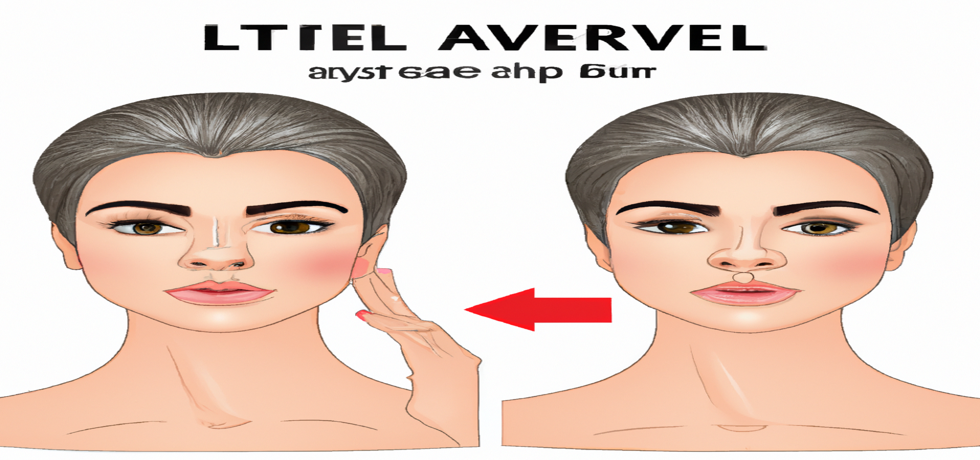
Melasma in pregnancy is characterized by dark, discolored patches mainly on the face, particularly the cheeks, forehead, nose, and upper lip. This skin condition is often associated with hormonal changes that occur during pregnancy, leading to an increase in melanin production. While primarily a cosmetic concern, understanding the roots of melasma can alleviate worry and help manage its appearance effectively.
Pregnancy melasma can surface at any time, with many women first noticing it during the second or third trimesters. It’s common for certain hormonal shifts to trigger the onset of dark patches, though some may identify the symptoms earlier on or even postpartum, particularly if breastfeeding.
Although the exact cause remains unclear, it is widely accepted that hormonal fluctuations, especially increases in estrogen and progesterone, play a prominent role in melasma development. Additionally, genetics can influence susceptibility to this skin condition. Exposure to sunlightespecially UV raysalso heightens the risk, making sun protection crucial for those with outdoor commitments.
The fate of melasma post-pregnancy is mixed; while some women experience a natural fading of patches as hormone levels normalize, others may find their melasma persists. Factors like skin type, the severity of discoloration, and genetic predisposition can affect the longevity of the condition.
When it comes to treating pregnancy melasma, your options may be limited due to safety concerns for your developing baby. Nonetheless, there are several approaches you can explore to manage and lighten these patches:
– **Sun Protection**: The importance of sun protection cannot be overstated. Wearing broad-spectrum sunscreen with an SPF of at least 30, coupled with protective clothing and hats, is essential to defend against UV rays that can worsen melasma.
– **Topical Treatments**: Certain topical creams, such as those containing natural lightening agents, may be safe to use during pregnancy. Always consult with your healthcare provider or dermatologist before initiating any new topical medications.
– **Makeup Solutions**: Consider using makeup to cover any noticeable melasma. Choose non-comedogenic and oil-free products to avoid clogging pores and exacerbating the condition.
After childbirth and breastfeeding, many women may notice persistent dark patches. The duration for which melasma lasts can vary greatly among individuals. For those still affected, it is advisable to consult with a dermatologist to assess options like topical treatments, chemical peels, or even laser therapy to help lift pigmentation.
While melasma may be a benign condition, the emotional toll can be significant. To cope with pregnancy melasma, practice self-care by using gentle skin care products, avoiding harsh treatments, and maintaining a healthy lifestyle. Eating a balanced diet, staying hydrated, and engaging in stress-reducing activities like yoga can also be beneficial.
Melasma during pregnancy is a common experience for many women. While it can be frustrating to manage, there are options available for treatment and coping strategies that can help. At The Skin Artistry, we understand the complexities of skin conditions, and our team is here to help you formulate a personalized care plan to address your unique needs. If youre struggling with melasma or another skin concern, dont hesitate to reach out for professional advice.
For professional assistance and expert advice from leading dermatologists like Dr. Hital Patel, experience the benefits of mastering pregnancy melasma with Hair & Skin Specialist Dr. Hital Patel at The Skin Artistry. Our clinics in PDPU Gandhinagar, Vastrapur Ahmedabad, and Hyderabad (Visiting Consultant) offer top-quality care and personalized treatments. Visit us today to learn more about our services and take advantage of our special offers! For more insights, updates, or to collaborate, stay connected with The Skin Artistry.
On the other hand, you should avoid waxing, tweezing, or using hair removal creams six weeks before the treatment. Shaving is generally allowed to enable proper assessment of hair growth, which helps your specialist set the optimum laser settings.
Remember not to touch or scratch the treated area during the procedure, as this can lead to irritation or adverse effects.
Refrain from using hot water, harsh soaps, or exfoliants on the treated skin for about 3-5 days. By adhering to these guidelines, you can ensure your skin heals properly and enhances the results of your laser treatment.
Less frequent complications might include blistering or scarring, often resulting from improper technique or inadequate aftercare. Following the advice of your dermatologist and choosing an experienced professional will significantly minimize these risks and maximize your satisfaction with the results.
Always verify the credentials of the specialists and clinics to ensure you receive top quality care and optimal results.
If you’re ready to explore laser hair removal, let The Skin Artistry guide you on this journey with our top-notch services and expert team. Dont wait any longer to achieve the smooth, hair-free skin you’ve always desired!
Click one of our representatives below to chat on WhatsApp or send us an email to skinconsultation@gmail.com