Glowing Skin Secrets: Unveiling the Power of Beauty Sleep
Daily cleansing is critical to prevent oil and dirt buildup. Aim to wash your face twice a day with a gentle cleanser suitable for your skin type. This regular care helps to minimize the occurrence of blackheads.
Gently exfoliating your skin 2-3 times a week can remove dead skin cells that contribute to blackhead formation. Natural scrubs made from coconut oil and sugar or other mild exfoliating products help to maintain that fresh glow.
Using natural ingredients like lemon juice and cinnamon can help reduce the appearance of black spots. The antibacterial properties of these ingredients can assist in keeping the bacteria at bay.
Protecting your skin from harmful UV rays is essential. Use a non-comedogenic sunscreen daily, as this can help prevent future skin damage and blackhead formation.
In some cases, professional treatment may be necessary. Visiting a dermatologist can provide you with tailored solutions for your skin concerns. They can recommend specialized treatments that are best for your skin type and condition.
Melasma is a skin condition that typically manifests as brown or grey-brown patches on the face. It is often attributed to hormonal fluctuations, making it particularly prevalent among women during pregnancy or while breastfeeding. However, melasma can affect anyone. It occurs due to an overproduction of melanin, the pigment responsible for skin color. Understanding this condition is the first step towards addressing it.
Several factors contribute to the development of melasma. Sun exposure plays a crucial role, as UV rays can prompt the skin to produce excess melanin. Hormonal changes, especially those triggered by pregnancy or contraceptive pills, can exacerbate this condition. Moreover, individuals with certain genetic predispositions are at a higher risk of developing melasma. Recognizing these factors can help you manage the condition more effectively.
One of the most commonly asked questions is whether melasma will eventually fade after giving birth or stopping hormonal therapy. The answer is often a mix of hope and realism. Many individuals witness a significant reduction in their melasma as their hormonal levels stabilize. However, for some, it may take several months or even years for patches to diminish. Your skins unique characteristics and responses to treatments will influence this outcome.
While time can help shift the appearance of melasma, many dermatologists recommend a combination of treatments to address the condition faster. Regular application of broad-spectrum sunscreen is critical; protecting your skin from UV rays is essential in preventing melasma’s worsening. Furthermore, gentle skincare products, without harsh chemicals, can aid in maintaining skin balance.
For persistent cases, consulting with a dermatologist is advisable. Treatment options may include topical retinoids, chemical peels, or laser therapies, which can significantly improve skin appearance. They can provide tailored solutions that enhance your skins health while addressing the specific challenges of melasma.
Living with melasma can be frustrating, but understanding the condition empowers you to explore effective treatments. If you are experiencing melasma, do not lose hope! Adopting a comprehensive skincare routine and seeking guidance from dermatologists can make a significant difference. Always remember: each skin is unique, and what works wonders for one individual may vary for another.
For professional assistance and expert advice from leading dermatologists like Dr. Hital Patel, experience the benefits of Understanding the Vanishing Act of Melasma with Hair & Skin Specialist Dr. Hital Patel at The Skin Artistry. Our clinics in PDPU Gandhinagar, Vastrapur Ahmedabad, and Hyderabad (Visiting Consultant) offer top-quality care and personalized treatments. Visit us today to learn more about our services and take advantage of our special offers! For more insights, updates, or to collaborate, stay connected with The Skin Artistry.

Q: When should I consult a dermatologist?
A: If you notice severe acne or scarring that doesnt improve with home treatments, its best to seek professional advice.
Laser hair removal is a revolutionary technique that uses concentrated beams of light to target and destroy hair follicles, significantly reducing unwanted hair growth. The process requires multiple sessions for the best results, as not all hair follicles are in the same growth cycle when treated. Therefore, it’s quite common to see some hair regrowth after initial sessions.
If you’re tempted to wax the fine hair that may appear between your laser sessions, think twice! Waxing removes the hair completely from the follicle, which is counterproductive to the purpose of laser hair removal. The laser targets the hair bulb at the base; by waxing, you’re essentially removing the target that the laser needs to effectively damage the follicle.
Additionally, waxing can lead to skin irritation and increased sensitivity, particularly after laser treatments. This can make your skin more susceptible to discomfort during subsequent laser sessions, potentially impacting your overall experience and results.
Instead of waxing, if you need to manage hair growth between your laser hair removal sessions, consider gentle alternatives. Shaving or trimming can help you achieve a neat appearance without disrupting your treatment progress. It’s essential to adhere to your dermatologist’s instructions regarding hair removal to maximize results and minimize skin irritation.
In summary, while waxing may seem like an easy solution for hair that appears post-laser hair removal, it can adversely affect your treatment and the overall effectiveness of the sessions. Opt for trimming or shaving, and always follow expert guidance to ensure a seamless experience.
If you’re considering laser hair removal or have further questions, feel free to reach out to our trained dermatologists at The Skin Artistry. We’re here to provide personalized care and comprehensive plans to help you achieve the silky smooth skin you desire.
For professional assistance and expert advice from leading dermatologists like Dr. Hital Patel, experience the benefits of laser hair removal with Hair & Skin Specialist Dr. Hital Patel at The Skin Artistry. Our clinics in PDPU Gandhinagar, Vastrapur Ahmedabad, and Hyderabad (Visiting Consultant) offer top-quality care and personalized treatments. Visit us today to learn more about our services and take advantage of our special offers! For more insights, updates, or to collaborate, stay connected with The Skin Artistry.

Hair removal options range from traditional methods to advanced treatments. Common techniques include shaving, waxing, and depilatory creams. However, it’s important to note that these methods provide only temporary relief and often require consistent maintenance. For those seeking a more permanent solution, investing time and effort into better approaches may yield remarkably superior outcomes.
Laser hair removal is revolutionizing the way we approach unwanted hair. This process uses concentrated light energy to target pigment in the hair follicles, effectively damaging them and slowing hair growth. It’s important to emphasize that while this method can lead to significant reduction in hair growth with multiple sessions, it may not completely eliminate hair permanently. Nevertheless, for many individuals, laser hair removal offers a pathway towards lasting hair removal results that traditional methods cannot achieve.
Another effective option for those serious about unwanted hair is electrolysis. This method utilizes a tiny needle that delivers a small electrical current directly into the hair follicle. This process damages the cells responsible for hair growth, making electrolysis the only FDA-approved method for permanent hair removal. Although it can be more time-consuming compared to laser treatments, it’s a suitable choice for those looking for definitive and lasting hair removal solutions.
Before diving into hair removal treatments, it’s important to realize that excessive hair growth could be linked to underlying hormonal changes. Conditions such as polycystic ovarian syndrome (PCOS), hypothyroidism, and insulin resistance may affect hair growth patterns. Addressing these hormonal imbalances can be essential for achieving the best results when pursuing any hair removal treatments.
Understanding that permanent hair removal can be a challenging journey can help manage expectations. However, with a clearer understanding of options like laser hair removal and electrolysis, plus recognizing the need to tackle any underlying hormonal issues, you can take proactive steps towards achieving your goal of soft, hair-free skin. Consultation with a qualified dermatologist can ensure you receive personalized advice tailored to your specific needs and skin type.
While completely eradicating unwanted hair forever remains a popular dream, strategies like laser hair removal and electrolysis can lead to significant, lasting reduction. By remaining informed and proactive about your hair removal choices and taking into consideration any hormonal factors, you can pave the way toward effectively managing unwanted hair.
Are you ready to embark on your journey to flawless, hair-free skin? Consult with The Skin Artistry today and unlock the secrets to lasting hair removal.
Q: How many sessions of laser hair removal are typically required?
A: Most individuals require multiple sessions, generally between 6 to 8, to achieve optimal results.
Q: Is electrolysis painful?
A: Some individuals experience mild discomfort during electrolysis, but many find it manageable.
For professional assistance and expert advice from leading dermatologists like Dr. Hital Patel, experience the benefits of lasting hair removal with Hair & Skin Specialist Dr. Hital Patel at The Skin Artistry. Our clinics in PDPU Gandhinagar, Vastrapur Ahmedabad, and Hyderabad (Visiting Consultant) offer top-quality care and personalized treatments. Visit us today to learn more about our services and take advantage of our special offers! For more insights, updates, or to collaborate, stay connected with The Skin Artistry.
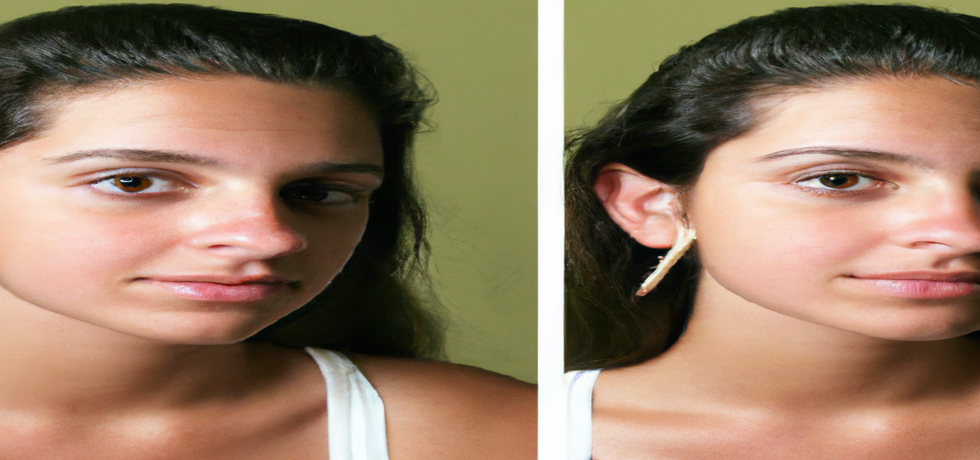
What sets IPL apart from other treatments is its ability to customize the wavelengths of light to focus on melanin, ensuring minimal damage to surrounding tissue. This precision ensures a comfortable experience with relatively quick recovery times, which is perfect for busy individuals looking to regain their confidence.
Q: Is there any downtime associated with IPL laser treatment?
A: Most patients experience minimal downtime, with any redness or swelling subsiding quickly. It’s advisable to avoid sun exposure post-treatment to maintain results.
Q: Can IPL treatment be combined with other skincare products?
A: Yes! Your dermatologist can suggest the best skincare routine that complements your IPL sessions, ensuring you maximize your treatment results while caring for your skin.
Alongside topical treatments, incorporating broad-spectrum sunscreen is crucial. Sunscreen with SPF 30 or more, protecting against UVA, UVB, and even blue light, serves as a powerful defense against further pigmentation. Regular application can significantly enhance your skin’s overall health and appearance, allowing you to enjoy your pregnancy without worry.
Furthermore, bolstering your diet with antioxidants like vitamin C and vitamin E can promote skin health from the inside out. These nutrients perform wonders, helping to combat oxidative stress and boosting the skins radiance.
Are the treatments safe for my baby?
Many topical treatments are safe, but its vital to consult with a dermatologist to ensure your chosen products are appropriate for pregnancy.
Another possible cause of itching is an underlying disease. Conditions such as diabetes, liver disorders, or thyroid imbalances can lead to persistent skin irritations. If youve noticed continuous itching, its essential to consult with a healthcare professional to identify any significant health issues and receive appropriate treatment.
Skin allergies are another common culprit. Reactions to materials like nickel, found in various jewelry and accessories, can trigger severe itchiness. Determining the source of your allergies might take time, but avoiding known irritants is crucial to reducing symptoms. Consulting a dermatologist can provide you with the necessary strategies to identify allergens and manage your symptoms effectively.
Medications can also play a role in causing itching. Many prescription drugs, from those for high blood pressure to chemotherapy treatments, can have itching as a side effect. If your medication routine coincides with new itchiness, consult your doctor to discuss alternatives and treatment options to alleviate your symptoms without compromising your health.
In cases where allergies are a concern, avoiding allergens is crucial. Topical treatments like anti-itch creams can provide relief for localized symptoms. However, these should be used under the guidance of a healthcare professional to ensure they are appropriate for your condition.
If your itching persists despite these efforts, it may be time to seek specialized care. Visiting a dermatologist at The Skin Artistry can lead to a personalized treatment plan that addresses not just the symptoms but also gets to the root cause of your itchy skin.
For professional assistance and expert advice from leading dermatologists like Dr. Hital Patel, experience the benefits of understanding itchy skin with Hair & Skin Specialist Dr. Hital Patel at The Skin Artistry. Our clinics in PDPU Gandhinagar, Vastrapur Ahmedabad, and Hyderabad (Visiting Consultant) offer top-quality care and personalized treatments. Visit us today to learn more about our services and take advantage of our special offers! For more insights, updates, or to collaborate, stay connected with The Skin Artistry.

Click one of our representatives below to chat on WhatsApp or send us an email to skinconsultation@gmail.com