Illuminate Your Skin: A Guide to Managing Sunspots

image

Illuminate Your Skin: A Guide to Managing Sunspots

Your Fighting Chance Against Sunspots!

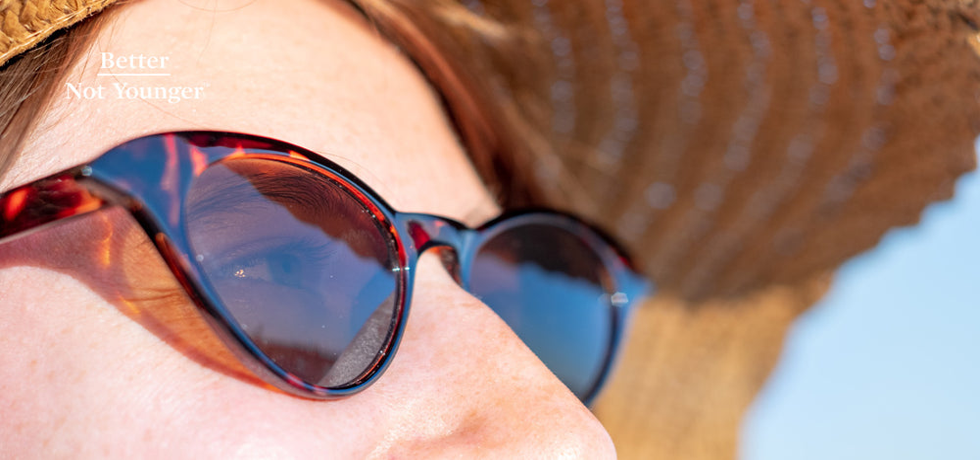
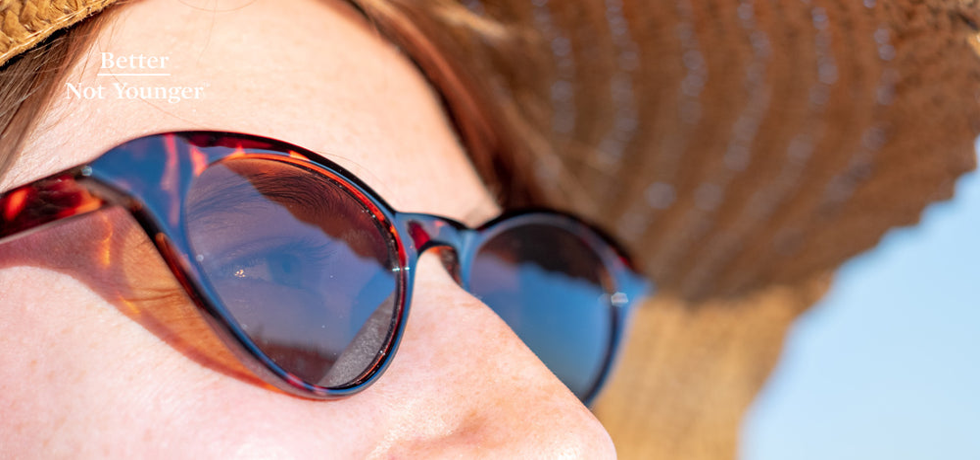
If you’ve noticed dark patches on your skin, you’re not alone! Many individuals experience the challenges of sunspots, especially as they age. These flat areas of hyperpigmentation are common among Indian adults and often arise from prolonged sun exposure. But fret not! With the right strategies, you can illuminate your skin and manage these spots effectively.

Understanding Sunspots

Sunspots, commonly referred to as age spots, develop as skin’s defense mechanism against harmful UV rays. While they can be a nuisance, they often dont signify serious health issues. Instead, they’re aggregated melanin developed due to time spent outdoors. Knowing the nature of these spots can be the first step towards addressing them.

Effective Prevention Techniques

The best way to handle sunspots is to prevent them in the first place. A broad-spectrum sunscreen is your best ally! Its essential to apply this product daily, even when it seems cloudy outside, as UV rays can penetrate through the clouds. Additionally, wearing protective clothing and seeking shade during peak sunlight hours can greatly reduce your risk of developing new spots.

Treating Existing Sunspots

If your skin is already showing these signs, fear not; several effective methods can help. Incorporating a vitamin C serum into your skincare routine can promote skin brightening and reduce the appearance of hyperpigmentation. Additionally, consider boosting your diet with vitamins that support skin healthsuch as Vitamin E and A. These vitamins can play an instrumental role in revitalizing your skin from within.

Consulting a Professional

If you find your sunspots stubborn, it might be worthwhile to consult a dermatologist. They can provide targeted treatments, including prescription topicals or in-office procedures designed to reduce the appearance of sunspots effectively. Navigating your skincare routine with a professional can significantly enhance your results.

Your Action Steps!

Illuminate your skin today by prioritizing sun protection, adopting a dedicated skincare routine, and consulting your dermatologist for personalized advice. Remember, healthy skin radiates confidence!

FAQ

Q: Can sunspots disappear on their own?
A: While some sunspots may fade with time, most require skincare intervention or treatment to diminish in appearance greatly.

Q: Are sunspots harmful?
A: Generally, sunspots are benign and dont indicate serious health conditions. However, changes in their size or color should be assessed by a healthcare professional.

In Summary

Taking proactive steps can help manage and prevent sunspots effectively. From skincare routines to professional consultations, ensure your skin looks its best!

For professional assistance and expert advice from leading dermatologists like Dr. Hital Patel, experience the benefits of managing sunspots with Hair & Skin Specialist Dr. Hital Patel at The Skin Artistry. Our clinics in PDPU Gandhinagar, Vastrapur Ahmedabad and Hyderabad (Visiting Consultant) offer top-quality care and personalized treatments. Visit us today to learn more about our services and take advantage of our special offers! For more insights, updates, or to collaborate, stay connected with The Skin Artistry.

Empowerment Through Self-Love: 8 Resolutions for Women

image

Empowerment Through Self-Love: 8 Resolutions for Women

Embracing Self-Love as a Pathway to Empowerment

In today’s fast-paced world, the importance of self-love cannot be overstated, especially for women. As we journey through life, understanding our value and worth can significantly enhance our personal and political power. Empowerment through self-love is about recognizing that we are deserving of care, not just for our external beauty, but for our holistic well-being. By adopting resolutions that focus on self-support and personal growth, we can cultivate a nurturing environment that fosters our empowerment.

Understanding Your Boundaries

One vital aspect of self-love is learning to establish and respect your boundaries. Boundaries allow you to understand your capacities and preferences. By recognizing your limits, you can share your energy and love without compromising your own needs. This act of self-recognition greatly contributes to your personal empowerment. Your journey towards self-love encourages you to expand those boundaries to embrace the fullness of life while being clear about what serves you well.

Resolutions That Foster Self-Acceptance

Here are eight empowering resolutions to guide your self-love journey:

1. **Recognize and Dismantle Internalized Rejections**: It’s essential to confront any negative beliefs you may internalize about your femininity or body image. Remember, you are a valuable part of nature, deserving of love and respect.

2. **Embrace All Aspects of Yourself**: Accept every part of yourself, including those you may be inclined to reject. Celebrate your unique attributes and recognize your inherent worth.

3. **Prioritize Self-Care**: Dedicate time each day to nourish your body and spirit. This can range from simple skincare rituals to engaging in activities that lift your mood.

4. **Tune into Your Emotions**: Pay close attention to your emotions, recognizing signs of anxiety or fatigue. By honoring these feelings, you promote self-care and emotional resilience.

5. **Celebrate Your Wins**: Acknowledge moments when you feel uplifted. Allow and encourage growth by pursuing activities that make you feel empowered and joyful.

6. **Indulge in Pleasure**: Give yourself permission to seek and enjoy pleasurable experiences without guilt. This simple act of self-love recharges your spirit.

7. **Avoid Energy Drainers**: Reflect on your relationships and avoid energies that deplete you. Surrounding yourself with supportive people is indispensable for self-worth.

8. **Practice Kindness in Declining Requests**: Learn to say “No” without fear or guilt. This strengthens your ability to stand in your power while maintaining healthy relationships.

A Foundation for Political Power

The connection between self-love and empowerment extends far beyond personal wellness. When women recognize their value, they are better positioned to advocate for others in need. Understanding societal issues related to women’s health and rights becomes a driving force in affecting systemic change. By prioritizing self-love, women not only care for themselves but also foster a collective sense of strength that benefits society.

Conclusion: Take Action Today

Self-love is not merely a form of personal wellness; it’s a movement towards empowerment. By incorporating these eight resolutions into your life, you can develop a deeper understanding of yourself and cultivate practices that support your mental and emotional health.

Remember, every act of self-love contributes to a more empowered society. Begin your journey to self-acceptance today, and witness the transformation in your life and the lives of those around you.

For professional assistance and expert advice from leading dermatologists like Dr. Hital Patel, experience the benefits of empowerment through self-love with Hair & Skin Specialist Dr. Hital Patel at The Skin Artistry. Our clinics in PDPU Gandhinagar, Vastrapur Ahmedabad and Hyderabad (Visiting Consultant) offer top-quality care and personalized treatments. Visit us today to learn more about our services and take advantage of our special offers! For more insights, updates, or to collaborate, stay connected with The Skin Artistry.
Sunspot Solutions: Nourish Your Skin Naturally

image

Sunspot Solutions: Nourish Your Skin Naturally

Understanding Sunspots and Their Causes

Have you noticed brown or grayish patches on your skin, particularly on your face and hairline? You’re not alone! Many individuals, especially those in midlife, find sunspots increasingly common due to prolonged sun exposure. These areas of hyperpigmentation are primarily caused by excess melanin production as your skin attempts to protect itself from harmful UV rays. Understanding sunspot solutions is crucial for achieving healthier skin and enhancing your overall radiance.

Effective Prevention Techniques

The best approach to managing sunspots is prevention. Its no secret that sun protection is vital; consistently using a broad-spectrum sunscreen with a high SPF can shield your skin and drastically reduce the chances of developing sunspots. Additionally, try to avoid direct sun exposure during peak hours and wear protective clothing to bolster your skin care regimen. Using nourishing creams that contain natural ingredients can effectively fortify your skin barrier against sun damage. By taking these proactive measures, you’ll be employing essential sunspot solutions that keep your skin looking youthful and healthy.

Natural Remedies and Nutritional Support

Another effective method to tackle sunspots is embracing natural remedies. Incorporating vitamin-rich foods into your diet can significantly improve skin health. Vitamins like A, C, and E play pivotal roles in cellular repair and protection from environmental damage. You might consider including fruits, vegetables, nuts, and seeds rich in these antioxidants. Furthermore, applying topical solutions such as vitamin C serums can reduce the appearance of existing sunspots, promoting an even skin tone while nourishing your skin naturally.

Consulting a Dermatologist for Tailored Solutions

If you’ve tried natural methods and are still struggling with stubborn sunspots, seeking professional advice may be the most effective solution. Consulting a dermatologist can provide personalized recommendations and explore various treatments tailored to your specific skin concerns. They might suggest advanced therapy options that help diminish hyperpigmentation while ensuring your skin’s overall health is prioritized. Finding the right expert is crucial to navigate the various sunspot solutions on the market today.

Taking Action Against Sunspots

Don’t let sunspots get you down! By implementing a comprehensive skin care routine focused on prevention, nourishing your skin naturally with vitamins, and consulting professionals when needed, you can reclaim your skin’s vitality. Remember, the journey to beautiful, sunspot-free skin is entirely achievableone small change at a time. So, prioritize your skin and embrace these sunspot solutions to see noticeable results.

FAQ: Your Sunspot Queries Answered

Can sunspots be treated? Yes, many treatment options are available that can help minimize their appearance, including topical treatments, laser therapy, and natural remedies.\n
Do I need to see a dermatologist? If over-the-counter treatments and natural remedies aren’t sufficiently addressing your concerns, it’s a good idea to seek dermatological advice to explore deeper treatment options.
For professional assistance and expert advice from leading dermatologists like Dr. Hital Patel, experience the benefits of Sunspot Solutions: Nourish Your Skin Naturally with Hair & Skin Specialist Dr. Hital Patel at The Skin Artistry. Our clinics in PDPU Gandhinagar, Vastrapur Ahmedabad and Hyderabad (Visiting Consultant) offer top-quality care and personalized treatments. Visit us today to learn more about our services and take advantage of our special offers! For more insights, updates, or to collaborate, stay connected with The Skin Artistry.

10 Hair-Thickening Solutions for Women Over 40

image

10 Hair-Thickening Solutions for Women Over 40

Understanding Hair Thinning in Women Over 40

As we celebrate new chapters in our lives after 40, many women experience hair thinning, which can be distressing. The signs of hair loss can stem from hormonal changes, stress, and even nutritional deficiencies. Thankfully, there are numerous hair-thickening solutions available that can help restore our beloved locks to their former glory. In this article, we’ll explore 10 effective options to encourage thicker hair and help you regain your confidence!

1. Embrace Hair-Thickening Shampoo

Using a specialized hair-thickening shampoo is one of the easiest ways to add volume. These formulations often contain ingredients designed to strengthen and support hair health, minimizing breakage while enhancing thickness. Look for products that include proteins and nourishing vitamins as it helps provide the necessary building blocks for fuller hair.

2. Nourishing Supplements

Supplements rich in biotin, collagen, and other essential nutrients can significantly aid in promoting hair health. As we age, our body’s ability to absorb nutrients diminishes, making it crucial to incorporate supplements into your daily routine. These can support hair growth and fortify existing strands.

3. Scalp Care is Key

To achieve thicker hair, it is essential to keep your scalp healthy. Regular scalp massages can stimulate blood circulation and promote hair growth. Additionally, consider using treatment oils that contain essential nutrients to nourish your scalp directly and help create an optimal environment for thicker locks.

4. Incorporate Hair Masks

Weekly hair masks made with natural ingredients can deeply condition and hydrate your strands, making them appear fuller. Look for masks that contain ingredients like shea butter, coconut oil, or aloe vera as they offer great benefits and fortify your hair against damage.

5. Adopt a Balanced Diet

A nutrient-rich diet plays a significant role in hair thickness. Incorporate foods high in omega-3 fatty acids, iron, and antioxidants into your meals, as they promote healthy hair follicles. Foods like fish, avocados, and leafy greens can nourish your hair from within and contribute to thicker strands.

6. Consider Hair Extensions

For a quick and effective fix, hair extensions can add instant volume and fullness. Whether opting for clip-ins or a more permanent method, they can help conceal thinning areas while enhancing your overall look. Be sure to consult a stylist to find the right type that matches your hair.

7. Use Thicker Styling Products

A variety of styling products are available to help achieve the appearance of thicker hair. Mousse, thickening sprays, and volumizing gels can all add body and support to your style. Look for products that provide a non-greasy finish to keep your hair looking natural.

8. Quality Hairbrushes Matter

The right hairbrush can make a world of difference in achieving volume. Opt for brushes with wide-spaced bristles to promote shine and reduce breakage. Additionally, consider incorporating a round brush during blow-drying, which can create lift at your roots, resulting in a fuller look.

9. Regular Hair Trims

Regular trims every six to eight weeks can help prevent split ends and maintain healthy hair. Removing damaged strands encourages growth and leaves you with a visibly thicker head of hair. A professional stylist can also recommend suitable styles that amplify volume.

10. Choose the Right Haircut

The right haircut can create an illusion of thicker hair. Opt for layered hairstyles that add texture and movement, making your hair appear fuller. Consult a stylist for personalized advice on the best haircut for your face shape and hair type.

Conclusion

Embracing hair-thickening solutions can help women over 40 regain confidence in their appearance. Remember to focus on nourishing your body, maintaining a healthy scalp, and trying out various styling techniques. Don’t hesitate to book a consultation with a professional if you’re feeling overwhelmed. After all, you deserve to showcase those beautiful locks with pride!

FAQ

Q1: How long does it take to see results from hair-thickening products?
A: Many users report improvements within a few weeks, but it varies based on individual hair types and product usage.

Q2: Are there any side effects of using hair supplements?
A: Generally, hair supplements are safe, but it’s wise to consult a healthcare professional if you have dietary restrictions or health conditions.

For professional assistance and expert advice from leading dermatologists like Dr. Hital Patel, experience the benefits of Hair-Thickening Solutions for Women Over 40 with Hair & Skin Specialist Dr. Hital Patel at The Skin Artistry. Our clinics in PDPU Gandhinagar, Vastrapur Ahmedabad and Hyderabad (Visiting Consultant) offer top-quality care and personalized treatments. Visit us today to learn more about our services and take advantage of our special offers! For more insights, updates, or to collaborate, stay connected with The Skin Artistry.
6 Ways Alcohol Impacts Your Hair Health

image

6 Ways Alcohol Impacts Your Hair Health

Understanding the Connection Between Alcohol and Hair

Alcohol may be a common part of social gatherings, but many people are unaware of its potential impacts on hair health. While having an occasional drink might not cause any immediate issues, excessive consumption can lead to various problems for your hair, including hair loss and thinning. Understanding the relationship between alcohol and hair health is crucial for those who want to maintain their locks. Lets dive into how drinking affects your hair and what you can do to mitigate these effects.

1. Can Drinking Alcohol Cause Hair Loss?

The connection between alcohol consumption and hair loss is an important one to consider. Excessive drinking can interfere with the way the body absorbs vital nutrients essential for hair health, including proteins. When these nutrients are lacking, the health of your hair may suffer, which could result in hair loss. Moreover, high levels of cortisol due to stress can further exacerbate the issue, leading to more pronounced hair loss. Therefore, being mindful of your alcohol intake is vital for preventing hair loss.

2. Alcohol Might Contribute to Hair Thinning

Similar to hair loss, alcohol can also lead to thinning hair. The inflammatory effects of alcoholespecially from sugary beveragescan disrupt the scalp environment. Inflammation can weaken hair follicles, leading to thinner hair strands. Consequently, if you’re dealing with thinning hair, consider cutting back on your alcohol consumption to see if it makes a difference in your hair’s thickness and overall health.

3. Benefits of Quitting Alcohol for Your Hair

Fortunately, the negative impacts of alcohol on hair are not irreversible. Quitting alcohol can lead to improvements in overall health, including your hair. Once you stop drinking, you may notice changes in your hairs texture and strength as your body begins to absorb nutrients better. Regular treatment with nourishing hair products, designed to revitalize hair, can further enhance these benefits and support recovery.

4. Impact of Alcohol on Hair Dryness

Another concerning effect of alcohol is its tendency to cause dry hair and scalp. Since alcohol acts as a diuretic, it can severely dehydrate your body, which extends to your scalp and hair follicles. Dehydrated hair is prone to brittleness and breakage. To combat this, use moisturising shampoos and conditioners that are formulated to restore hydration and nourishment to your hair.

5. Graying Hair and Alcohol Consumption

An interesting fact is that while alcohol consumption is often blamed for many negative hair health issues, the link between drinking and graying hair is not as clear. While genetics and aging primarily cause the graying of hair, it’s worth noting that overall health influenced by lifestyle choicesincluding alcoholcan impact hair pigmentation health indirectly.

6. Alcohol and Oily Hair

You might think that alcohol could lead to greasier hair, but the reality is quite the opposite. Alcohol often dries out your hair and scalp, potentially causing the scalp to overproduce oil to compensate for the dryness. This could lead to a greasy appearance if not managed correctly. Therefore, maintaining a balanced scalp care routine can help manage oiliness in tandem with reducing alcohol intake.

Conclusion: Take Charge of Your Hair Health

Staying aware of how alcohol affects your hair health is essential in maintaining luscious locks. If youve noticed changes in your hairbe it loss, thinning, or drynessconsider evaluating your drinking habits. Remember, limiting your alcohol intake and using appropriate hair care products can make a significant difference. For optimal results, always aim for a healthy, balanced lifestyle that supports both your hair and overall well-being.
For professional assistance and expert advice from leading dermatologists like Dr. Hital Patel, experience the benefits of 6 Ways Alcohol Impacts Your Hair Health with Hair & Skin Specialist Dr. Hital Patel at The Skin Artistry. Our clinics in PDPU Gandhinagar, Vastrapur Ahmedabad and Hyderabad (Visiting Consultant) offer top-quality care and personalized treatments. Visit us today to learn more about our services and take advantage of our special offers! For more insights, updates, or to collaborate, stay connected with The Skin Artistry.

Unlocking the Secrets of Thinning Hair

image

Unlocking the Secrets of Thinning Hair

Understanding Thinning Hair: A Common Concern

If you’ve started to notice that your hair isn’t as thick and voluminous as it used to be, you’re not alone. Many women face the challenge of thinning hair at some point in their lives, especially as they age. Perhaps you’ve noticed more hair than usual in your brush or a visible scalp that wasn’t there before. While this can be concerning, understanding the secrets of thinning hair can help you take proactive steps to maintain your hairs health and appearance.

What Causes Hair Thinning?

Thinning hair can occur for various reasons, with hormonal fluctuations playing a significant role. Many women experience changes in their hair due to menopause, pregnancy, or stress. The drop in key hormones, such as estrogen, during these times can lead to increased hair shedding and thinning. Additionally, stress can disrupt the natural hair growth cycle and lead to more hair loss, making it essential to manage stress levels effectively.

Nutrition and Hair Health

Poor nutrition is another major factor that can contribute to thinning hair. A low intake of essential nutrients can hinder hair growth, making it vital to support your body with a balanced diet rich in vitamins and minerals. Incorporating foods high in protein, biotin, and omega-3 fatty acids can nourish your hair from the inside out. Moreover, supplements that support hair health can help address any gaps in your nutrition, promoting stronger and thicker hair.

Signs of Thinning Hair

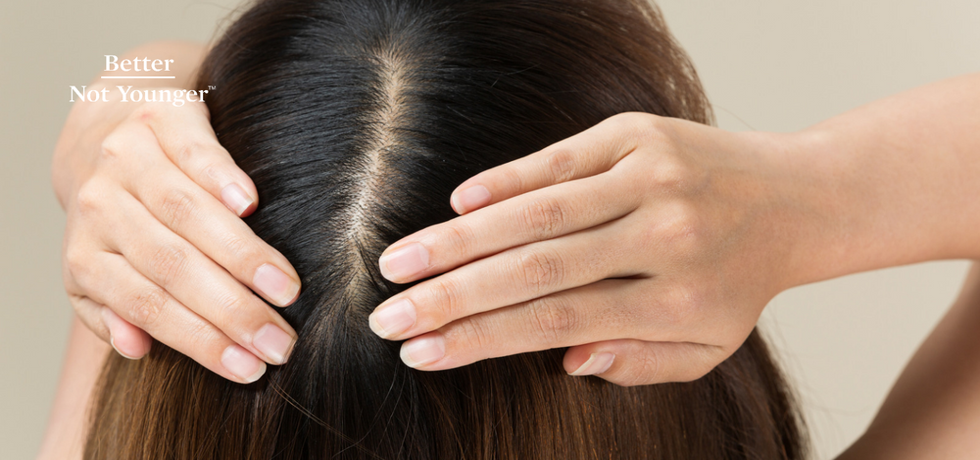
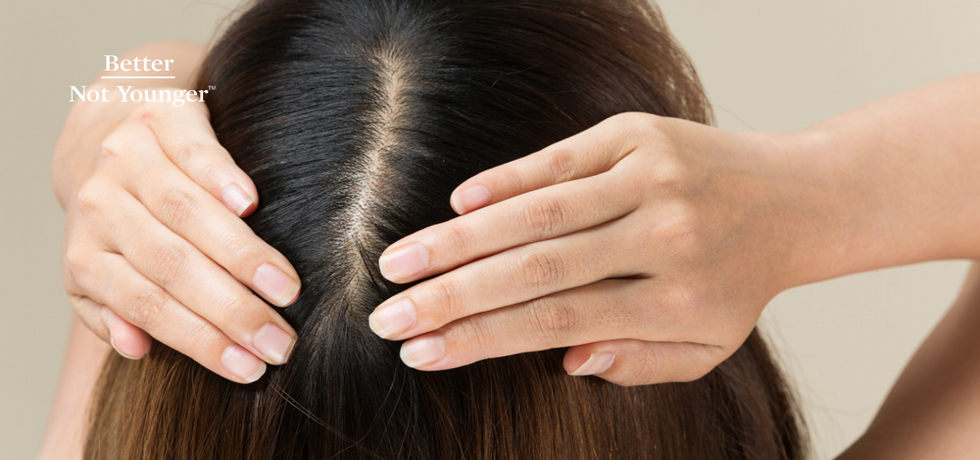
It’s important to identify the signs of thinning hair quickly. A visible scalp, finer strands, a widening part, and reduced hair volume are all indicators that your hair may be thinning. In some cases, you might also notice dry or irritated scalp skin, which can further exacerbate hair shedding. Recognizing these early signs can allow you to explore suitable care and styling solutions to address thinning hair effectively.

Care and Styling Tips

Caring for thinning hair doesnt need to be complicated. Using volumizing shampoo and conditioners can help create the illusion of thicker hair. Additionally, consider styling techniques that add body, like braids or soft waves, which can camouflage thinning areas. If your scalp is visible or if you’re dealing with patchy areas, clip-in extensions or hairpieces can also offer a quick solution to boost your confidence while you work on strengthening your hair.

Embrace Your Hair Journey

Remember, experiencing hair thinning is a natural part of life for many of us, especially as we age. Embracing this change can empower you to make informed choices about hair care and wellness. Regular consultation with a knowledgeable dermatologist can provide personalized advice and treatments to manage your thinning hair, ensuring your locks remain as beautiful as possible.

Conclusion: Take Charge of Your Hair Health

In conclusion, unlocking the secrets of thinning hair involves a holistic approach that considers the impact of hormones, nutrition, and stress management. By adopting healthy habits and utilizing the right products, you can work towards reviving your hair and restoring its natural fullness. Don’t hesitate to seek professional assistance for tailored solutions.

FAQs

Q: Can stress really cause hair loss?
A: Yes, stress can lead to a condition known as telogen effluvium, where hair follicles enter a resting phase and fall out prematurely.
Q: How often should I wash thinning hair?
A: It’s best to wash thinning hair two to three times a week with a gentle shampoo formulated to add volume and support scalp health.
For professional assistance and expert advice from leading dermatologists like Dr. Hital Patel, experience the benefits of Unlocking the Secrets of Thinning Hair with Hair & Skin Specialist Dr. Hital Patel at The Skin Artistry. Our clinics in PDPU Gandhinagar, Vastrapur Ahmedabad, and Hyderabad (Visiting Consultant) offer top-quality care and personalized treatments. Visit us today to learn more about our services and take advantage of our special offers! For more insights, updates, or to collaborate, stay connected with The Skin Artistry.
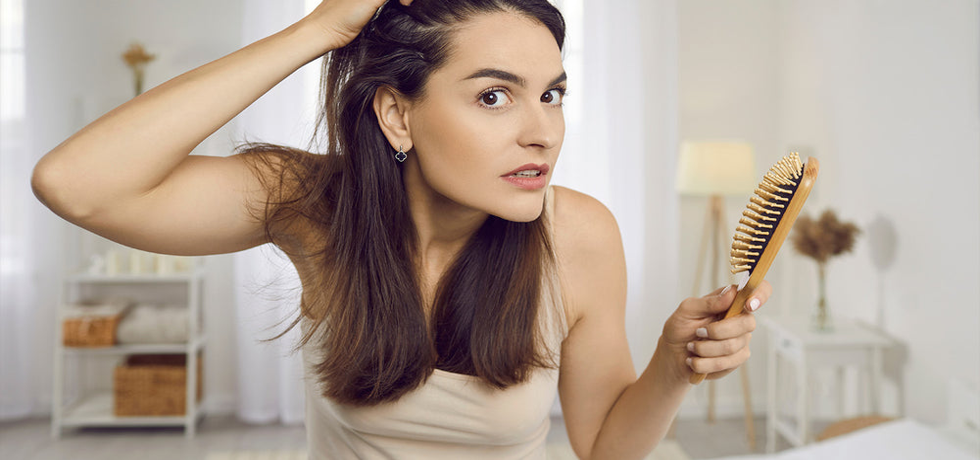
6 Surprising Ways Alcohol Impacts Your Hair

image

6 Surprising Ways Alcohol Impacts Your Hair

Your Hair and Alcohol: A Closer Look

Alcohol consumption is an often-overlooked factor in hair health. While most of us are aware that excessive drinking can lead to various health issues, its impact on hair is not as commonly discussed. This blog uncovers 6 surprising ways alcohol can affect your hair and provides insights into how to maintain healthy locks despite your lifestyle choices.

1. Can Alcohol Lead to Hair Loss?

While a casual drink now and then is unlikely to make a significant impact, regular excessive drinking can lead to hair loss. Alcohol can inhibit the absorption of crucial nutrients such as proteins necessary for hair health. This impairment can lead to hair loss and may exacerbate issues related to hair thinning. Consider moderating your drinking habits as a preventative measure.

2. Hair Thinning and Alcohol

If youve noticed your hair thinning, you might want to look at your drinking habits. Inflammation caused by alcohol intake can result in scalp issues. Alcohol, especially in sugary forms, can trigger insulin spikes that lead to hormonal imbalances, which may further contribute to hair thinning. For those already dealing with scalp inflammation, excessive alcohol can worsen follicle damage.

3. The Effects of Quitting Alcohol on Hair Health

On a positive note, if youve decided to quit drinking, your hair can recover from its prior damage. The adverse effects are not permanent, and with proper care, you might regain the smooth and healthy hair texture you once had. Nourishing hair products that focus on treating damage and revitalizing your scalp can breathe new life into your tresses.

4. Dehydration: The Enemy of Healthy Hair

One of the most significant impacts alcohol has on your hair is through dehydration. As alcohol acts as a diuretic, it can leave your scalp and hair follicles parched. This lack of moisture leads to dry hair, making it more prone to breakage and dullness. Incorporating hydrating shampoos and conditioners can help restore moisture levels, especially if you consume alcohol regularly.

5. Can Alcohol Contribute to Gray Hair?

The relationship between alcohol consumption and graying hair is less direct. While genetic factors predominantly influence hair pigmentation, stress induced by alcohol can potentially accelerate the graying process. Nevertheless, careful monitoring of your alcohol intake is advisable if you’re concerned about premature graying.

6. Does Alcohol Cause Oily Hair?

Interestingly, while alcohol generally dries out your hair, it may lead to a paradox of greasy hair in some individuals. This can occur if your scalp reacts to the dryness by producing excess oil. Maintaining a balanced hair care regime that includes clarifying treatments can manage oil levels and keep your scalp healthy.

Conclusion: Hair Care After Drinking

As we’ve examined, the connection between alcohol and hair health is intricate but crucial. By being mindful of your alcohol consumption, you can significantly improve your overall hair health. Incorporate hydrating and nourishing hair care products, and consider consulting with a professional for tailored advice.

FAQs

Does moderate alcohol consumption affect hair health?

Moderate consumption typically does not pose significant risks to hair health; however, its essential to balance it with proper hair care.

What are the best ways to nourish hair after drinking?

Hydrating shampoos, conditioners, and scalp treatments can help restore moisture and nutrients to your hair.

Can I reverse hair damage caused by alcohol?

Yes! With proper care, such as avoiding further alcohol consumption and applying suitable hair treatments, you can rejuvenate your hair.

For professional assistance and expert advice from leading dermatologists like Dr. Hital Patel, experience the benefits of 6 Surprising Ways Alcohol Impacts Your Hair with Hair & Skin Specialist Dr. Hital Patel at The Skin Artistry. Our clinics in PDPU Gandhinagar, Vastrapur Ahmedabad, and Hyderabad (Visiting Consultant) offer top-quality care and personalized treatments. Visit us today to learn more about our services and take advantage of our special offers! For more insights, updates, or to collaborate, stay connected with The Skin Artistry.
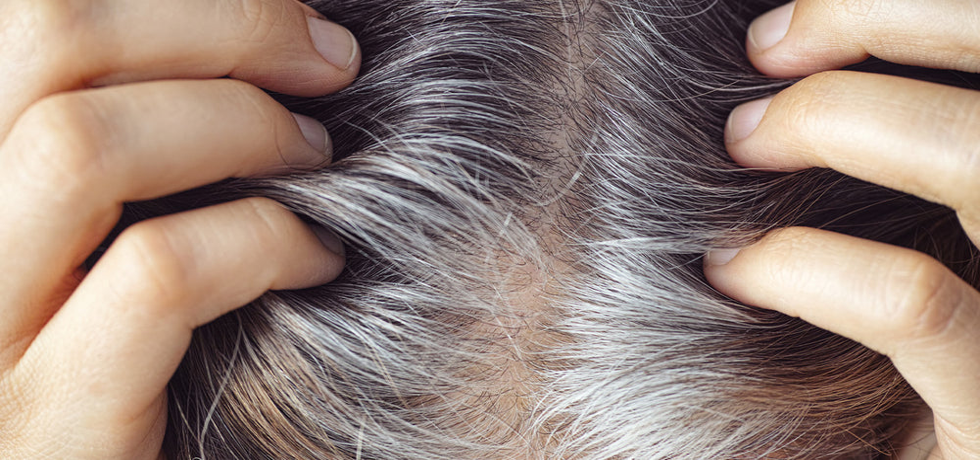
Understanding Receding Hairlines in Women: Causes and Solutions

image

Understanding Receding Hairlines in Women: Causes and Solutions

Introduction to Hair Loss in Women

Hair loss can be a distressing experience, particularly for women, who often feel less comfortable discussing the subject than men. Although receding hairlines are commonly associated with male pattern baldness, women can also experience this issue. Understanding the causes of receding hairlines in women is essential for addressing and managing the condition effectively.

What is a Receding Hairline?

A receding hairline occurs when the hair on the scalp begins to thin and move back from its normal position. While this condition is more commonly visible in older women, many factors, including hormonal changes, lifestyle, and genetics, can contribute to hair loss at any age. Recognizing the signs of a receding hairline early on can help you take proactive steps to manage this condition.

Causes of Receding Hairlines in Women

Understanding the factors that contribute to receding hairlines in women is essential for finding effective solutions. Here are some common causes:

Hormonal Imbalances

Hormonal fluctuations, especially during menopause or due to conditions like Polycystic Ovary Syndrome (PCOS), can lead to significant changes in hair growth patterns. These imbalances can disrupt the growth cycle of hair, resulting in hair loss.

Stress and Lifestyle

High-stress levels, whether from work or personal life, can negatively impact your immune system, causing damage to hair follicles. Moreover, certain lifestyle choices, such as poor diet or insufficient hydration, can exacerbate the problem.

Genetics

Genetics plays a significant role in hair loss for many women. If receding hairlines are common in your family, you may be more predisposed to experiencing similar issues. Understanding your family history can aid you in anticipating potential hair loss.

Hairstyles and Treatments

Frequent use of hairstyles that tug on the scalp, such as tight ponytails or braids, can weaken your hair and lead to a condition known as traction alopecia. Additionally, overusing heated styling tools or harsh chemical treatments can contribute to hair loss.

Solutions to Receding Hairlines

Addressing a receding hairline starts with understanding its cause. Fortunately, there are several effective solutions available that can help you regain your confidence.

Consult a Dermatologist

Seeking advice from a qualified dermatologist is a critical first step. They can evaluate your individual hair loss condition and recommend appropriate treatments, whether it’s topical solutions or other medical interventions.

Adopt a Healthy Skincare Routine

Incorporating gentle, nourishing hair care products into your daily regimen can help improve hair health. Look for shampoos and conditioners that are designed to strengthen hair and promote growth, and avoid harsh chemicals.

Limit Styling Tools

Reducing the use of heated styling tools and opting for loose hairstyles can significantly decrease stress on your hair. Loose hairstyles are not only softer on your hair but can also help to conceal areas of thinning.

Nutrition and Supplements

Consuming a balanced diet rich in protein, vitamins, and minerals can support hair health. Consider consulting with a healthcare professional about potential supplements that may benefit your hair specifically.

Manage Stress Effectively

Incorporating stress-management techniques, such as mindfulness, yoga, or meditation, can help alleviate some of the pressure that may contribute to hair loss. Maintaining a positive mindset toward self-care can have remarkable effects on your overall well-being.

Conclusion

Experiencing a receding hairline can understandably trigger feelings of insecurity and concern. However, understanding the causes and exploring available solutions can empower you in your journey towards hair health. Remember, you’re not alone in facing this common issue amongst women, and many practical options can help you manage and even reverse the effects of hair loss.

FAQs

How can I tell if my hairline is receding?

Monitoring changes over time and observing increased hair shedding, especially during styling or brushing, are signs your hairline might be receding.

What should I do first if I notice hair loss?

Consulting with a dermatologist is always recommended to determine the best course of action tailored to your specific situation.

For professional assistance and expert advice from leading dermatologists like Dr. Hital Patel, experience the benefits of understanding receding hairlines in women with Hair & Skin Specialist Dr. Hital Patel at The Skin Artistry. Our clinics in PDPU Gandhinagar, Vastrapur Ahmedabad and Hyderabad (Visiting Consultant) offer top-quality care and personalized treatments. Visit us today to learn more about our services and take advantage of our special offers! For more insights, updates, or to collaborate, stay connected with The Skin Artistry.
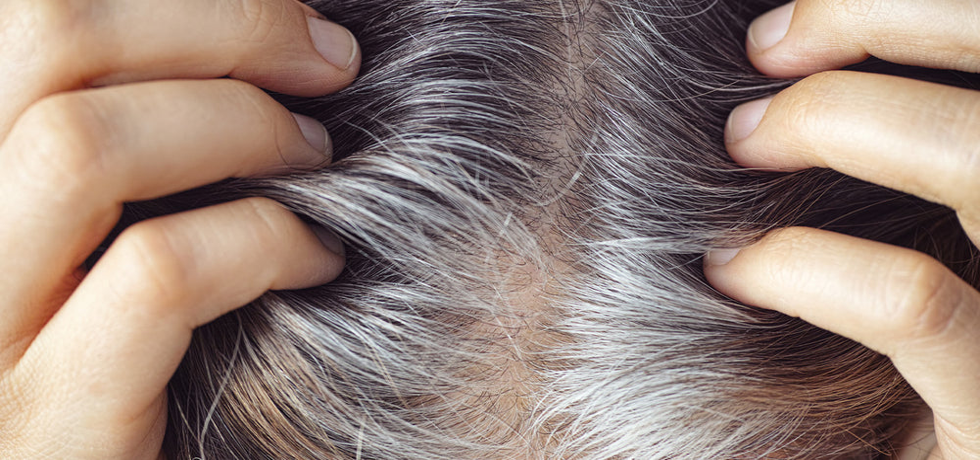
How to Keep Your Gray Hair Vibrant and Brass-Free

image

How to Keep Your Gray Hair Vibrant and Brass-Free

Introduction: Embracing the Grace of Gray Hair

As we gracefully age, gray hair often becomes a part of our identity. However, many individuals face the challenge of keeping their gray hair vibrant and free from unwanted brassiness. This blog will shed light on the reasons behind brassiness in gray hair and will provide practical tips to help you maintain that beautiful silver shine you desire. Understanding how to care for your gray hair will not only enhance its vibrancy but also boost your confidence.

Understanding Why Gray Hair Turns Brassy

Gray hair can become brassy due to various factors both external and internal. External factors include the products we use, exposure to chlorinated water, and the effects of pollution. On the other hand, internal factors like medication, hormonal changes, and even genetics play a significant role. Understanding the causes can help you target the right solutions to keep your gray hair vibrant and prevent brassiness.

Choose the Right Hair Products

Selecting the right hair care products is crucial for maintaining vibrant gray hair. Opt for sulfate-free shampoos specifically formulated for gray or silver hair to avoid stripping away natural moisture. Look for products designed to neutralize brassiness, such as purple shampoos, which help tone down warm yellow undertones. Regular use of these products can significantly enhance the vibrancy of your gray locks while keeping them brass-free.

Minimize Exposure to Damaging Elements

To keep your gray hair looking its best, its important to minimize exposure to harmful elements. Wearing a sun hat can protect your hair from UV rays, which can contribute to brassiness. Additionally, consider using a filter on your showerhead to reduce chlorine and mineral deposits present in tap water, which can dull your hair’s shine. If you enjoy swimming in chlorinated pools, use a swim cap and rinse your hair immediately after swimming to mitigate damage.

Establish a Gentle Haircare Routine

Caring for gray hair requires a gentle touch. Avoid excessive heat styling, as hot tools can lead to yellowing and damage. When you do style your hair, dont forget a thermal protectant spray to shield your strands. Incorporating nourishing hair masks into your routine can also provide the hydration that aging hair often craves. Regular trims will help remove split ends and keep your gray hair looking fresh and vibrant.

Complement Your Hair with a Healthy Lifestyle

A holistic approach to beauty involves taking care of your overall health. Eating a balanced diet rich in vitamins and minerals helps support healthy hair. Hydration is also essential; drink plenty of water throughout the day. If you’re concerned about medication or health conditions affecting your hair’s color, consult a healthcare professional to explore options that may be available to you.

Conclusion: Shine Bright Like Silver

Keeping your gray hair vibrant and free from brassiness is achievable with the right care and knowledge. By understanding the challenges associated with gray hair and implementing effective hair care solutions, you can turn heads with your stunning silver locks. Embrace your gray hair as a testament to your journey while ensuring it remains bright and beautiful.

Frequently Asked Questions

1. Can diet affect the color of my gray hair?
Yes, a healthy diet can play a crucial role in maintaining vibrant hair. Ensure you’re eating plenty of fruits, vegetables, and proteins to support hair health.

2. How often should I use purple shampoo?
Depending on the level of brassiness, using purple shampoo once a week can be effective but always follow the specific instructions on the product.

3. What should I do if my gray hair becomes too dry?
Incorporate nourishing hair masks or deep conditioners into your routine and avoid excessive heat styling to maintain moisture in your hair.

For professional assistance and expert advice from leading dermatologists like Dr. Hital Patel, experience the benefits of How to Keep Your Gray Hair Vibrant and Brass-Free with Hair & Skin Specialist Dr. Hital Patel at The Skin Artistry. Our clinics in PDPU Gandhinagar, Vastrapur Ahmedabad and Hyderabad (Visiting Consultant) offer top-quality care and personalized treatments. Visit us today to learn more about our services and take advantage of our special offers! For more insights, updates, or to collaborate, stay connected with The Skin Artistry.

How to Keep Your Gray Hair Vibrant & Brass-Free

image

How to Keep Your Gray Hair Vibrant & Brass-Free

Understanding Gray Hair and Its Challenges

Embracing gray hair is a beautiful journey of self-acceptance, but keeping your gray hair vibrant and brass-free can sometimes feel like a chore. Many people struggle with unwanted yellow tones in their hair, harming its overall appearance. Understanding why gray hair turns brassy is essential to keeping your locks looking healthy and beautiful. In this blog, we will explore practical solutions and tips to maintain the vibrancy of your gray hair, ensuring it retains its freshness and elegance.

What Causes Gray Hair to Turn Yellow?

Gray hair turns yellow and brassy due to a combination of internal and external factors. The absence of pigment due to decreased melanin makes gray hair more porous, allowing it to absorb yellow tones from various sources. Common culprits include hair products that contain colorants, chlorine from swimming pools, mineral deposits from hard water, air pollutants, and excessive sun exposure. Understanding these factors will help you take preventive measures against brassiness and keep your gray hair looking vibrant.

Preventing Brassiness in Gray Hair

To keep your gray hair brass-free, start by choosing the right hair care products. Avoid shampoos with added colorants and look for gentle cleansers specifically formulated for gray hair. Implementing a showerhead filter can also help reduce exposure to chlorine and other minerals in your water supply. Regularly using a non-heat styling technique or applying a thermal protectant spray when heat styling is crucial to prevent color damage. Dont forget to wear a stylish sun hat when venturing outdoors to shield your hair from harmful UV rays!

Toning Down Brassiness

If your gray hair has already developed unwanted yellow tones, consider using a purple shampoo or conditioner. Purple products work on the principle of color theory, where the purple neutralizes the yellow tones in your hair. Apply the product according to the recommendations, allowing it to sit for a few minutes before rinsing. This can make a significant difference in restoring the natural brightness of your silver strands. Alongside this, using a deep conditioning mask once a week can offer hydration and nourishment, keeping your gray hair healthy and vibrant.

The Right Products for Gray Hair Care

To maintain the vibrancy of your gray hair, invest in products that cater to its specific needs. Look for sulfate-free shampoos and conditioners designed for gray hair, which hydrate and strengthen without causing further damage. Masques containing nourishing ingredients are essential to rejuvenate dry strands. You can also explore specialized treatments that provide targeted care to help eliminate yellow tones. Remember, the key to vibrant gray hair is ensuring proper moisture and care, so read labels and select products wisely!

Conclusion and Final Tips

Managing gray hair and preventing brassiness is a rewarding effort that reflects self-care and attention to detail. By understanding the various causes of yellowing, adopting preventive measures, and using appropriate hair products, you can make your gray hair a symbol of beauty and elegance. Remember to embrace your unique style, and dont hesitate to reach out to professionals for personalized advice on achieving healthy, vibrant hair!

FAQ

Q: Can I use regular shampoo for gray hair?
A: It’s advisable to use shampoos specifically designed for gray hair, as they often contain ingredients that help maintain its vibrancy and hydration.

Q: How often should I wash my gray hair?
A: Washing your hair 2-3 times a week is typically enough for gray hair, as over-washing can lead to dryness and dullness.

Q: Are there any natural remedies to keep gray hair vibrant?
A: Many people find that using natural oils, such as coconut or argan oil, can aid in retaining moisture and enhancing shine.

For professional assistance and expert advice from leading dermatologists like Dr. Hital Patel, experience the benefits of keeping your gray hair vibrant and brass-free with Hair & Skin Specialist Dr. Hital Patel at The Skin Artistry. Our clinics in PDPU Gandhinagar, Vastrapur Ahmedabad, and Hyderabad (Visiting Consultant) offer top-quality care and personalized treatments. Visit us today to learn more about our services and take advantage of our special offers! For more insights, updates, or to collaborate, stay connected with The Skin Artistry.