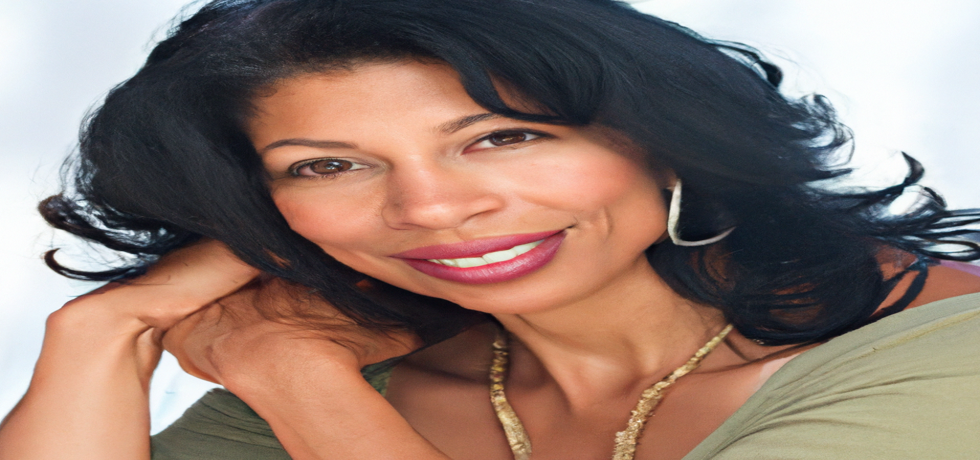
Unlock the Secrets to Youthful Hair at Any Age

image

Unlock the Secrets to Youthful Hair at Any Age

Your Comprehensive Guide to Vibrant Hair

As we age, our hair undergoes various transformations that might leave us longing for the youthful locks we once had. Understanding how to care for our hair as it ages is essential to maintaining its health and vibrancy. Whether its the noticeable silver strands, dryness, or lack of volume, many factors contribute to the appearance of aging hair. But dont worry! With the right knowledge and care, you can unlock the secrets to youthful hair at any age. So, let’s dive into effective strategies that can rejuvenate your tresses!

Recognizing the Early Signs of Aging Hair

Aging hair often presents itself with several telltale signs. One of the primary indicators is the emergence of silver strands, a natural result of decreased melanin production in the hair follicles. Moreover, you may notice your hair feeling coarser or straw-like, a direct correlation with reduced natural oil secretion from the scalp. Keeping your hair hydrated is vital, thus incorporating moisturizing hair treatments is essential for anyone aiming to maintain a youthful appearance in their hair.

Caring for Your Scalp: The Foundation of Healthy Hair

The health of your scalp plays a pivotal role in the vitality of your hair. In fact, a well-nourished scalp can lead to improved hair growth and thickness. Embrace a regular scalp care regimen that includes gentle exfoliation and hydration. Using natural oils and scalp serums enriched with vitamin E can significantly enhance the condition of your scalp, promoting optimal hair growth and youthfulness.

The Power of Nutrition in Hair Wellness

Your diet greatly influences your hair health. Incorporating nutrient-rich foods can provide the necessary vitamins and minerals that are crucial for maintaining youthful hair. Foods high in omega-3 fatty acids, vitamins A, C, and E, and biotin should be regulars on your plate; they strengthen hair and improve overall texture. Remember, a balanced diet contributes to your hairs resilience against aging.

Gentle Hair Care Practices

The method you choose for styling your hair can either promote its health or lead to damage. Opt for gentle, heat-free styling methods. And if heat styling is a must, utilizing heat protection sprays is essential to minimize damage. Regularly trimming your hair can also help avoid split ends and promote the overall health of your locks.

Consider Professional Treatments

To further unlock youthful hair, consider professional treatments tailored to your specific needs. There is a variety of treatment options available that focus on hair rejuvenation, hydration, and thinning. Consulting with an expert can provide you with additional insights and tailored solutions to combat signs of aging.

Stay Mindful: Stress and Aging Hair

Stress is another contributing factor to hair aging. Practicing mindfulness and relaxation techniques can aid in reducing stress and subsequently improve the quality of your hair. Regular exercise, meditation, and adequate sleep are essential to managing stress levels and maintaining the overall health of both your body and hair.

Conclusion: Your Path to Vibrant Hair

Everyone deserves to have healthy and vibrant hair, regardless of age. By understanding the changes your hair goes through and adapting your care routine accordingly, you can unlock the secrets to youthful hair. Remember to nourish your hair and scalp, adopt gentle care practices, maintain a healthy diet, and consult professionals when necessary. With these actionable tips, your hair will not only look youthful but also feel luxuriously healthy for years to come!

FAQs about Maintaining Youthful Hair

Q: Can diet directly affect hair health?
A: Absolutely! Consuming a balanced diet rich in essential nutrients can significantly enhance the health and appearance of your hair.

Q: How often should I consult with a hair care professional?
A: It’s advisable to consult with a professional at least once every few months to keep your hair care routine updated and effective.

Q: Are there specific products I should avoid as my hair ages?
A: Yes, avoid harsh chemicals and heat styling tools to preserve hair integrity.

For professional assistance and expert advice from leading dermatologists like Dr. Hital Patel, experience the benefits of Unlock the Secrets to Youthful Hair at Any Age with Hair & Skin Specialist Dr. Hital Patel at [The Skin Artistry](https://theskinartistry.com/). Our clinics in PDPU Gandhinagar, Vastrapur Ahmedabad and Hyderabad (Visiting Consultant) offer top-quality care and personalized treatments. Visit us today to learn more about our services and take advantage of our special offers! For more insights, updates, or to collaborate, stay connected with [The Skin Artistry](https://theskinartistry.com/).

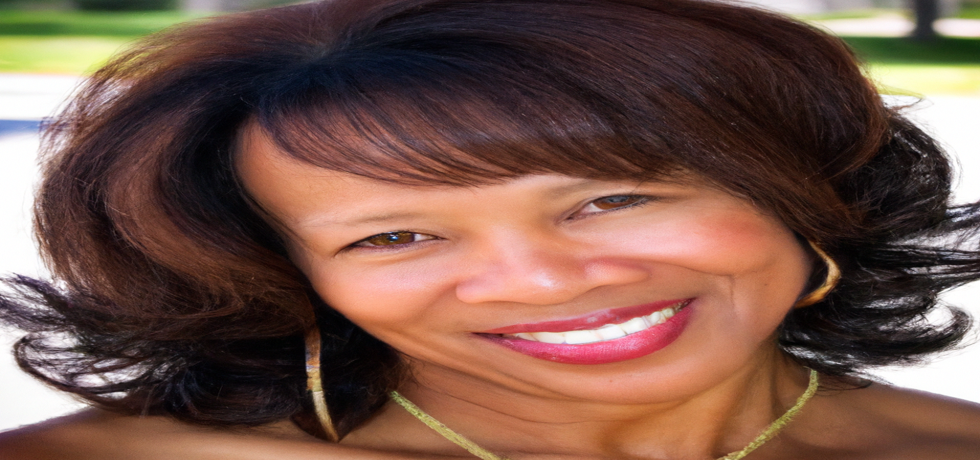
3 Ways to Boost Your Menopause Well-being

image

3 Ways to Boost Your Menopause Well-being

Understanding Menopause and Its Challenges

As women progress through life, they may encounter various physical and emotional changes, one of the most significant being menopause. While this natural transition marks the end of a womans reproductive years, many experience a variety of symptoms that can affect their well-being. Hot flashes, mood swings, sleep disturbances, and fatigue are just a few challenges women face during menopause. However, incorporating specific lifestyle changes can help boost your menopause well-being. Lets explore three effective ways to enhance your quality of life during this transformative phase!

1. Engage in Regular Physical Activity

Staying active is vital for maintaining overall health, especially during menopause. Regular physical activity not only helps manage symptoms such as hot flashes and mood swings but also reduces the risk of issues like heart disease. Aim for at least 30 minutes of moderate exercise most days of the week. Activities such as walking, swimming, or yoga can elevate your mood and improve your energy levels, helping you feel more vibrant and less fatigued. Remember, improving your menopause well-being starts with movement!

2. Prioritize Hydration

Its essential to drink plenty of water during menopause. Adequate hydration plays a crucial role in relieving symptoms like dryness and irritation, which can be exacerbated by declining hormone levels. Staying hydrated can also minimize headaches, improve skin elasticity, and support cognitive function. Make it a habit to carry a water bottle with you and set reminders to drink water throughout the day. The impact of hydration on your menopause well-being can be significant!

3. Focus on a Nutrient-Rich Diet

The foods you choose can greatly affect your menopause experience. By eating a balanced diet rich in whole grains, lean proteins, fruits, and vegetables, you can better manage your symptoms. Moreover, consuming foods high in phytoestrogens, like soy products, can help balance hormone levels and alleviate discomfort. Opt for smaller, more frequent meals to keep your energy levels stable and avoid sudden crashes. When we pay attention to what we eat, we are taking proactive steps to improve our menopause well-being.

Emotional and Psychological Support

Navigating through menopause doesn’t just involve physical health; emotional support is equally important. Having open conversations with friends or joining support groups can provide comfort and understanding. If feelings of anxiety or depression arise, consider consulting a healthcare professional to explore therapeutic options that may best suit your needs. Remember, you are not alone in this journey!

Conclusion

Menopause is a natural phase of life that can come with its fair share of challenges. However, by implementing regular physical activity, staying well-hydrated, and focusing on your nutrition, you can boost your menopause well-being considerably. It’s crucial to listen to your body and make adjustments tailored to your specific needs. Remember, enhancing your health during this time is not just possible; its essential!

Frequently Asked Questions about Menopause

Q: Can menopause affect my skin?
A: Yes, hormonal changes during menopause can lead to dry skin, thinning, and changes in texture, making a proper skincare routine essential.
Q: Is exercise beneficial for mood swings during menopause?
A: Absolutely! Regular exercise can help improve mood and reduce anxiety and irritability associated with hormonal changes.
For professional assistance and expert advice from leading dermatologists like Dr. Hital Patel, experience the benefits of 3 Ways to Boost Your Menopause Well-being with Hair & Skin Specialist Dr. Hital Patel at The Skin Artistry. Our clinics in PDPU Gandhinagar, Vastrapur Ahmedabad and Hyderabad (Visiting Consultant) offer top-quality care and personalized treatments. Visit us today to learn more about our services and take advantage of our special offers! For more insights, updates, or to collaborate, stay connected with The Skin Artistry.

Revitalize Your Aging Curly Hair: A Complete Guide

image

Revitalize Your Aging Curly Hair: A Complete Guide

The Love-Hate Relationship with Curly Hair

If you have naturally curly hair, you might relate to the unique experiences and challenges that come with it, especially as you age. Embracing your curls often has its ups and downs, but revitalizing your aging curly hair is entirely possible! With the right approach and care, your curly locks can continue to shine, no matter how many candles you blow out on your birthday cake.

Understanding the Changes of Aging Curly Hair

As we grow older, hormonal fluctuations become daily companions. These changes can lead to new curl patterns, looser curls, or even thinning hair, making the journey of aging curly hair feel a bit overwhelming. Curly hair’s texture and structure may also shift from straight to wavy, or wildly curly, due to various factors including environmental stress and hormonal surges. It’s normal to experience this transition, but knowing how to revitalize your aging curly hair can help you maintain its beauty and character.

Moisture is Key!

One essential step to combat the dryness often associated with aging curly hair is moisture retention. Aging tends to diminish our scalp’s ability to produce oils, leading to coarser and dry hair. Finding the right products that hydrate your curls is crucial. Look for shampoos and conditioners infused with nourishing oils, such as argan oil or coconut oil, which can help lock in moisture while maintaining curls bounce. Regular deep conditioning treatments can also work wonders for restoring vitality to your curly mane.

Choose the Right Ingredients

The journey to revitalize aging curly hair involves identifying the right ingredients tailored to your unique needs. B vitamins play a significant role in promoting healthy hair, making them a must-have in your hair care routine. Incorporating products with plant-based butters, hydrating extracts, and proteins can help strengthen your curls, reduce breakage, and revitalize them. Selecting nutrient-rich products designed specifically for curly hair can be a game-changer!

The Importance of Regular Trims

Dont underestimate the power of regular trims! Keeping your curly hair’s length in check can breathe new life into your curls. As hair ages, it may become brittle and weigh down the curls, leading to a lackluster appearance. Scheduling regular trims can remove split ends and allow your curls to flourish without the excess weight dragging them down.

Protecting Your Curls from Environmental Stressors

As someone with aging curly hair, protecting your locks from outdoor elements is essential. Wearing a hat or headscarf can minimize exposure to harsh weather conditions that can lead to dryness or frizz. Additionally, try to limit washing your curls frequently, as over-washing can strip them of natural oils and moisture, leaving them even drier.

Final Thoughts: Embrace and Celebrate Your Curls

Embracing your aging curly hair journey means celebrating its changes and finding joy in experimentation! Experiment with different styles, products, and routines to see what makes your curls feel the most vibrant. Remember, revitalizing your aging curly hair isn’t dauntingit’s about making mindful choices and investing in your curls to keep them healthy and beautiful.

FAQ

Q: How often should I deep condition my curly hair?
A: Ideally, deep conditioning once a week is beneficial to combat dryness and promote healthy curls.
Q: Can diet impact the health of my curly hair?
A: Yes! A well-balanced diet rich in vitamins, minerals, and healthy fats is essential for maintaining hair health.
For professional assistance and expert advice from leading dermatologists like Dr. Hital Patel, experience the benefits of revitalizing your aging curly hair with Hair & Skin Specialist Dr. Hital Patel at The Skin Artistry. Our clinics in PDPU Gandhinagar, Vastrapur Ahmedabad, and Hyderabad (Visiting Consultant) offer top-quality care and personalized treatments. Visit us today to learn more about our services and take advantage of our special offers! For more insights, updates, or to collaborate, stay connected with The Skin Artistry.

Revitalize Your Aging Hair: 10 Signs to Watch Out For

image

Revitalize Your Aging Hair: 10 Signs to Watch Out For

Understanding Aging Hair

Aging is a natural process that affects not only our bodies but also our hair. As we grow older, our hair goes through various changes that can impact its health and appearance. Recognizing the signs of aging hair is essential for effective hair care. Here, well explore 10 signs to look out for and how to revitalize your aging hair.

1. Noticing More Silver Strands

A significant sign of aging hair is the appearance of silver or gray strands. This is due to a decrease in melanin production by hair follicles. Embracing these silver strands can be liberating, and appropriate hair care for aging hair can help maintain its vibrancy and texture.

2. Hair Feels Like Straw

Dryness is common in aging hair, and if your hair feels like straw, it’s likely due to a decrease in your scalp’s natural oil production. To combat this, incorporate deep conditioning treatments regularly. These treatments enhance moisture and leave your hair feeling smooth and nourished.

3. Increased Frizziness

If you find your hair becoming frizzier, it’s likely related to increased dryness, which can affect hair’s manageability. Using smoothing sprays that offer hydration can minimize frizz, promoting a sleeker look that feels healthy and revitalized.

4. Duller Appearance

Aging hair often looks less shiny, which can be attributed to both reduced natural oils and product buildup. To restore shine, ensure you use gentle cleansing and conditioning products that revitalize dull strands and enhance their natural luster.

5. More Breakage

If you are noticing more breakage, understand that aging hair may become weaker over time. This is often due to a lack of moisture, so focusing on hydration and using protective products can play a crucial role in maintaining strong and healthy hair.

6. Loss of Curl Definition

For those with curly hair, a notable change can be a loss of bounce and definition in curls. This can be addressed with specialized curl care products that add moisture and revive droopy curls, helping to restore their vitality.

7. Increased Tangles

As hair ages, it may become more prone to tangling. This is often due to dryness causing hair cuticles to open up. Regular use of hydrating hair masks can help manage tangles, making hair easier to comb through.

8. Difficulty in Styling

If you are finding it harder to style your hair as smoothly as before, it may be because of changes in texture and moisture levels. Adapting your styling techniques and using hydrating products can help ease this issue, making styling a more pleasant experience.

9. Change in Hair Texture

Aging can lead to finer hair texture, altering the overall thickness of your hair. Using volumizing hair products can be beneficial in adding thickness and support to visibly thinner hair, helping you feel confident about your hair’s appearance.

10. Early Signs of Thinning

Lastly, early signs of hair thinning can manifest as you age. Ensuring you incorporate a full hair care regimen that promotes scalp nutrition can assist in maintaining natural growth and density for healthier-looking hair.

Taking Action

Understanding these signs of aging hair is vital in taking proactive steps toward revitalization. Pay attention to your hairs needs and adjust your hair care routine accordingly. Adding nourishing treatments, utilizing the right products, and being mindful of styling practices can make a significant difference.

Frequently Asked Questions

Can I reverse the effects of aging hair?
While you cannot stop aging, you can slow down the effects through proper hair care, hydration, and nutrition.

Is it necessary to change my hair care products as I age?
Yes, adapting your products to suit aging hair helps address specific concerns like dryness, frizz, and thinning.

Conclusion

Remember, with a little extra care and attention, your hair can still shine at any age. For professional assistance and expert advice from leading dermatologists like Dr. Hital Patel, experience the benefits of Revitalize Your Aging Hair: 10 Signs to Watch Out For with Hair & Skin Specialist Dr. Hital Patel at The Skin Artistry. Our clinics in PDPU Gandhinagar, Vastrapur Ahmedabad, and Hyderabad (Visiting Consultant) offer top-quality care and personalized treatments. Visit us today to learn more about our services and take advantage of our special offers! For more insights, updates, or to collaborate, stay connected with The Skin Artistry.

Effective Strategies for Managing Menopause Symptoms

image

Effective Strategies for Managing Menopause Symptoms

Navigating Menopause with Confidence

Menopause is a significant phase in every woman’s life, bringing about various changes that often lead to discomfort and emotional challenges. Understanding effective strategies for managing menopause symptoms can pave the way for a smoother transition, allowing you to embrace this new chapter with confidence and vitality. At The Skin Artistry, we believe that addressing these concerns holistically can help you maintain your quality of life during this period.

Understanding Hormonal Changes

The onset of menopause triggers a complex interplay of hormonal changes, primarily involving estrogen and progesterone. These shifts can result in various symptoms, including hot flashes, mood swings, and increased anxiety. Recognizing how these hormonal changes affect your body is crucial in implementing suitable strategies for relief. Regular consultations with healthcare professionals can help you understand what to expect and how to navigate through these changes effectively.

Get Active: The Power of Movement

Engaging in regular physical activity is one of the most effective strategies for managing menopause symptoms. Exercise not only boosts your energy levels but also releases endorphins that enhance your mood. Simple activities like walking, yoga, or swimming can significantly improve your overall well-being, helping alleviate anxiety and improve sleep quality. Aim for at least 30 minutes of moderate exercise most days of the week to reap the benefits.

Stay Hydrated: Quench Your Bodys Needs

As estrogen levels decline, women often experience changes in their body’s ability to retain moisture. Staying hydrated is essential for managing menopause symptoms effectively. Drinking plenty of water can help reduce headaches, promote healthier skin, and diminish the frequency of hot flashes. Try to keep a water bottle handy throughout the day; youll likely notice a positive effect on your overall comfort and health.

Focus on Nutrition: Nourish Your Body

A balanced diet plays a pivotal role in managing menopause symptoms. Opt for a diet rich in whole grains, fruits, vegetables, lean proteins, and healthy fats. Foods high in calcium and vitamin D can help maintain bone health, especially as the risk of osteoporosis increases post-menopause. Eating smaller, frequent meals can help stabilize your energy levels, further impacting your ability to cope with symptoms like fatigue and mood swings.

Mindfulness and Stress Management

Adopting mindfulness techniques such as meditation, deep breathing exercises, or practicing gratitude can significantly reduce stress levels. Mindfulness allows you to develop a greater awareness of your body and emotions during this transition. Consider incorporating these practices into your daily routine and observe their positive impact on your mood and stress levels.

Consult Professionals: Seek Expert Guidance

Its important to consult with healthcare professionals specializing in menopause management. They can provide tailored advice and suggest suitable treatments such as hormone replacement therapy or other natural remedies. Understanding that you are not alone and that help is available can alleviate some anxiety surrounding this stage of life.

Takeaway: Prioritize Self-Care

Managing menopause symptoms involves a multi-faceted approach that includes physical, nutritional, and emotional well-being strategies. Always remember to listen to your body and prioritize self-care during this time. Whether it’s engaging in physical activities, staying hydrated, focusing on nutrition, or practicing mindfulness, every step counts toward enhancing your menopause experience.

FAQs about Menopause Management

Q1: How long do menopause symptoms typically last?
A: Menopause symptoms can vary widely among women, lasting anywhere from a few months to several years.

Q2: Is hormone replacement therapy safe?
A: Hormone replacement therapy can be effective but should be discussed with a healthcare provider to assess individual risks and benefits.

Q3: Can menopause symptoms impact mental health?
A: Yes, hormonal changes during menopause can influence mood and mental clarity, leading to increased anxiety or depression for some women.

For professional assistance and expert advice from leading dermatologists like Dr. Hital Patel, experience the benefits of effective strategies for managing menopause symptoms with Hair & Skin Specialist Dr. Hital Patel at The Skin Artistry. Our clinics in PDPU Gandhinagar, Vastrapur Ahmedabad, and Hyderabad (Visiting Consultant) offer top-quality care and personalized treatments. Visit us today to learn more about our services and take advantage of our special offers! For more insights, updates, or to collaborate, stay connected with The Skin Artistry.

Revitalize Your Sex Life After Menopause

image

Revitalize Your Sex Life After Menopause

Understanding Menopause and Its Effects

Menopause is a natural transition that every woman goes through, and while it can bring changes that affect your body and your sex life, it doesnt spell the end of intimacy. Understanding how menopause influences your body is the first step to revitalizing your sex life. With declining hormone levelsparticularly estrogenchanges such as dryness, atrophy, and discomfort can occur in the vulvar and vaginal areas. However, these changes can be managed effectively, helping women embrace a fulfilling sexual experience once again.

Common Symptoms and Concerns

Common symptoms after menopause include dryness, vaginal atrophy, and even changes in the appearance or comfort of the labia. Dyspareunia, or painful sex, can also be prevalent during this time. It’s essential to understand that while these symptoms are common, they are not normal. Women shouldnt have to endure pain when attempting to engage in intimacy. By addressing these issues proactively, your journey towards a renewed sex life can begin.

Effective Strategies for Relief

To combat dryness, one of the most effective measures is daily moisturizing around the vaginal area. While external lubrication can greatly enhance your experiences, maintaining moisture on a daily basis can help improve sensations over time. Consider using an estrogen-free intimate moisturizer to provide relief and enhance pleasure during intimacy. Additionally, choosing a high-quality lubricant that caters to your specific needs will help reduce friction and increase comfort.

Embrace Intimacy Beyond Traditional Intercourse

Remember, your sexual experience can take many forms. Embrace creativity in how you engage with your partner. Mutual masturbation, exploring oral sex, or incorporating stimulative toys can provide new ways to connect with your body and your partner. Its all about finding what feels best for you in this new chapter of life, and making intimacy an enjoyable experience, rather than one focused solely on traditional penetration.

Prioritize Health and Safety

Even after menopause, its important to continue practicing safe sex. With ovulation potentially occurring during the first year post-menopause, it’s wise to consider contraceptive measures if needed. Furthermore, awareness regarding sexually transmitted infections should remain high; its crucial to stay protected regardless of age to ensure a healthy sex life.

Actionable Tips for Revitalization

Don’t forget to indulge in self-pleasure too! Masturbation not only enhances intimacy with others but also helps in boosting self-esteem and mastering your own body. Lastly, maintain open and honest communication with your partner regarding your needs, concerns, and preferences. Being on the same page will inevitable lead to a more fulfilling connection.

Conclusion

Your sex life after menopause doesnt have to dwindleit can evolve into something beautiful and enriching. By addressing concerns like dryness and discomfort, exploring alternatives to traditional sexual activities, and keeping safety in mind, you can create a fulfilling sexual experience post-menopause. Remember, this stage of your life is an opportunity for rediscovery and joy in intimacy.

FAQ: What To Do If Pain Persists?

If you find that pain continues despite trying various remedies, consulting with a dermatologist can provide personalized guidance. Keeping an eye on your intimate health is paramount, and a specialist can assist you in navigating your options.

For professional assistance and expert advice from leading dermatologists like Dr. Hital Patel, experience the benefits of revitalizing your sex life after menopause with Hair & Skin Specialist Dr. Hital Patel at The Skin Artistry. Our clinics in PDPU Gandhinagar, Vastrapur Ahmedabad and Hyderabad (Visiting Consultant) offer top-quality care and personalized treatments. Visit us today to learn more about our services and take advantage of our special offers! For more insights, updates, or to collaborate, stay connected with The Skin Artistry.

Unveiling the Secret to Stronger, Thicker Hair

image

Unveiling the Secret to Stronger, Thicker Hair

Introduction: The Quest for Beautiful Hair

If you’ve ever looked in the mirror and wished for stronger, thicker hair, you’re not alone! Many of us dream of luscious locks that exude health and vitality. The good news? Achieving the hair of your dreams is within reach. In this blog post, we will unveil the secrets to thicker, healthier hair by focusing on nutrition, hydration, and the right hair care techniques. Lets dive in and discover how to fuel your hair growth journey together!

The Importance of Nutrition for Hair Strength

A balanced diet plays a critical role when it comes to hair health. Including protein-rich foods like eggs and fish, along with vegetables such as spinach and sweet potatoes, can significantly enhance your hair’s strength and shine. A well-rounded diet ensures your hair follicles are nourished, promoting the growth of thicker strands. Remember, healthier hair starts from within, and what you eat directly impacts the strength of your hair.

Hydration: A Key Player in Hair Growth

Have you ever wondered, Does drinking water help hair growth? The answer is a resounding yes! Proper hydration is crucial for maintaining overall health, including the health of your scalp and hair. Aim for up to nine cups of water every day to keep your hair moisturized with proper hydration levels. When your body is well-hydrated, you set the stage for healthier, thicker hair growth. Dehydrated hair can lead to brittleness and breakage, so make hydration a priority!

Developing a Good Hair Care Routine

Creating a dedicated hair care routine is essential for achieving thicker, healthier hair. Use gentle shampoos and conditioners that nourish your hair rather than strip it of essential oils. Incorporating deep conditioning treatments and hair masks into your regime will significantly improve moisture retention, allowing your hair to flourish. Consider treating your scalp with massage techniques to increase blood flow, which can further enhance your hairs vitality.

The Role of Natural Ingredients

While a good diet and hydration go a long way, dont underestimate the power of natural ingredients. Ingredients like coconut oil, aloe vera, and essential oils can work wonders for your hair and scalp. They provide moisture, promote hair strength, and can aid in reducing hair loss. Using these natural products can nurture your hair from root to tip, ensuring a holistic approach to achieving the beautiful hair you desire.

Conclusion: Your Journey to Stronger, Thicker Hair

Achieving stronger and thicker hair is a journey that requires consistent effort both internally and externally. By focusing on a balanced diet that promotes hair growth, staying hydrated, and following a dedicated hair care routine, you can revive your hairs vitality and fullness. Remember, science has shown that nourishing your body reflects in the quality of your hair, making every bite and sip count!

FAQs

Q: How fast can I expect improvements in my hair health?
A: With consistent care, you should start to see signs of improvement in a few weeks, especially in terms of thickness and shine.
Q: What are some immediate changes I can make to my routine?
A: Start by drinking more water, incorporating nutrient-rich foods, and opting for gentle hair care products.
Q: Are there any specific products that can help?
A: Look for nourishing hair masks, essential oils, and natural conditioners that promote strength and hydration.
For professional assistance and expert advice from leading dermatologists like Dr. Hital Patel, experience the benefits of Unveiling the Secret to Stronger, Thicker Hair with Hair & Skin Specialist Dr. Hital Patel at The Skin Artistry. Our clinics in PDPU Gandhinagar, Vastrapur Ahmedabad and Hyderabad (Visiting Consultant) offer top-quality care and personalized treatments. Visit us today to learn more about our services and take advantage of our special offers! For more insights, updates, or to collaborate, stay connected with The Skin Artistry.

How to Tame Frizzy Hair Naturally

image

How to Tame Frizzy Hair Naturally

The Frustration of Frizzy Hair

Are you tired of dealing with frizzy hair that seems to have a mind of its own? Frizz can be incredibly frustrating, making your hair look unhealthy and unkempt. Whether caused by humidity, dryness, or damage, frizzy hair can be a challenge for many. Fortunately, there are natural ways to tame frizzy hair without relying on harsh chemicals or expensive treatments. In this guide, we’ll explore effective methods to restore your hair’s natural beauty and vitality.

Understanding the Causes of Frizz

Before we delve into solutions, it’s essential to understand what causes frizzy hair. Typically, frizz occurs when hair strands lack moisture, leading to split ends and an unhealthy appearance. Factors such as humidity, heat damage from styling tools, excessive washing, and environmental conditions can all contribute to frizz. By addressing these root causes, you can begin to manage frizzy hair effectively.

Natural Oils to Hydrate and Soothe

One of the best ways to tame frizzy hair naturally is to incorporate oils into your hair care routine. Oils like coconut oil, argan oil, and jojoba oil are great at sealing moisture into hair strands. Simply apply a small amount of your chosen oil to the ends of your hair after washing to lock in hydration and reduce frizz. These oils not only moisturize but also provide essential nutrients that can promote healthier hair over time.

Choose the Right Shampoo and Conditioner

Using the right hair care products is crucial for managing frizz. Look for sulfate-free shampoos and deep conditioning treatments designed to add moisture and tame frizz. Avoid harsh cleansers that strip the natural oils from your hair. For best results, wash your hair less frequently to maintain its natural moisture levels. Pair your shampoo with a nourishing conditioner specifically formulated for frizzy hair to ensure optimal hydration.

DIY Hair Masks for Frizzy Hair

Creating natural hair masks at home can be an excellent way to combat frizz. Ingredients such as honey, yogurt, avocado, and aloe vera provide moisture and nourishment. For example, mix mashed avocado with a bit of olive oil for a moisturizing mask that can help smooth frizz. Apply the mask to damp hair, leave it on for about 30 minutes, and rinse well. Regular use of these masks can greatly enhance the texture of your hair.

The Role of Humidity and Styling Techniques

Humidity can be a major culprit of frizzy hair, especially in India’s tropical climate. To reduce frizz in humid conditions, consider hairstyles that work with your hair’s natural texture, like braids or buns. Additionally, heat styling can exacerbate dryness and damage; try air-drying your hair instead of blow-drying. If you must style, always use a heat protectant to shield your hair from the damaging effects of styling tools.

Conclusion: Embrace Your Natural Beauty

Taming frizzy hair naturally is achievable with the right techniques and products. Focus on hydration and moisture retention to enjoy smoother, healthier locks. Remember, natural remedies may take time, but consistency is key. Embrace your natural hair texture and enjoy the confidence that comes with healthy hair!

FAQs about Taming Frizzy Hair

Q: Can I manage frizz without using heavy products?
A: Absolutely! Opt for lightweight oils and moisture-rich conditioners to keep hair hydrated without weighing it down.

Q: How often should I deep condition my hair?
A: For best results, deep condition once a week to promote moisture retention and reduce frizz.

Q: Is it okay to use heat styling tools on frizzy hair?
A: It’s best to minimize heat styling. If you use tools, always apply a heat protectant to reduce damage.
For professional assistance and expert advice from leading dermatologists like Dr. Hital Patel, experience the benefits of taming frizzy hair naturally with Hair & Skin Specialist Dr. Hital Patel at The Skin Artistry. Our clinics in PDPU Gandhinagar, Vastrapur Ahmedabad and Hyderabad (Visiting Consultant) offer top-quality care and personalized treatments. Visit us today to learn more about our services and take advantage of our special offers! For more insights, updates, or to collaborate, stay connected with The Skin Artistry.

Does Water Boost Hair Growth? Unveiling the Truth

image

Does Water Boost Hair Growth? Unveiling the Truth

An Essential Element for Your Hair

Water is often celebrated as the secret ingredient to beauty, and for good reason! From glossy hair to glowing skin, hydration plays a pivotal role in overall health and vitality. If you’ve ever wondered, “Does water boost hair growth?” you’re not alone. Many people seek to understand how staying hydrated can influence the luster and length of their tresses. Were here to uncover the truth behind this prevalent myth and provide clarity on how water can enhance hair growth.

The Importance of Hydration for Healthy Hair

Hydration is crucial for maintaining not just skin but also hair health. Drinking adequate amounts of water impacts the scalp, which is essential for nourishing your hair follicles. Studies suggest that sufficient hydration may help improve the effectiveness of nutrients reaching your hair and scalp, potentially leading to better hair growth. This intrinsic connection illustrates why water intake can be a critical component of a hair care routine.

How Does Water Affect Your Hair

The rate of hair growth is often influenced by various factors including diet, genetics, and overall health. However, the relationship between hydration and healthy hair cannot be dismissed. Bias towards water consumption can lead to improvement in hair elasticity and prevent brittleness, ultimately contributing to stronger locks. Remember, when the body is well-hydrated, it prioritizes water distribution to vital organs before it supports hair health, meaning insufficient hydration can leave your scalp parched.

Foods and Water Intake: A Duo for Hair Growth

Beyond just water, incorporating hydrating foods like fruits and vegetables can further boost your hair growth regimen. Foods rich in vitamins and minerals such as spinach, avocados, and nuts will complement your hydration efforts. This comprehensive approach ensures your body is fortified with what it needs to promote healthy hair. Don’t forget that protein is vital too; consuming the right balance of nutrients enhances the structure of hair and aids in its growth.

Practical Tips to Stay Hydrated

It can sometimes be challenging to maintain optimal hydration throughout the day. Here are some practical tips:
– **Carry a Water Bottle**: Keep a reusable water bottle close at hand to remind you to drink water regularly.
– **Infuse Your Water**: Adding fruits or herbs to your water can make the process enjoyable, and delicious. This simple act encourages higher water consumption.
– **Establish a Routine**: Integrate water intake into your daily routine. For example, drinking a glass of water first thing in the morning can kickstart your hydration efforts.

Can Water Alone Ensure Hair Growth?

While drinking enough water is vital, it is essential to remember that it is not the only factor in achieving healthy hair growth. Consistency in hair care routines, gentleness in handling hair, and tailored hair products will enhance your efforts. Moisturizing hair treatments and scalp care can also contribute significantly to achieving the hair goals youve always dreamed of.

The Bottom Line

In conclusion, yes, water does boost hair growth, but it must be part of a holistic approach that includes a balanced diet and proper hair care. Staying adequately hydrated supports your scalp and follicles, which is essential for luscious locks. As you embark on your hair care journey, integrate hydration into your routine and watch your hair thrive.

Frequently Asked Questions

Q: Can I drink too much water for optimum hair growth?
A: While hydration is important, excessive water intake without balanced nutrition can lead to imbalances. Moderation is key!

Q: What other factors affect hair growth aside from water?
A: Genetics, nutrition, stress levels, and hair care practices all play a significant role in hair growth.

For professional assistance and expert advice from leading dermatologists like Dr. Hital Patel, experience the benefits of Does Water Boost Hair Growth? Unveiling the Truth with Hair & Skin Specialist Dr. Hital Patel at The Skin Artistry. Our clinics in PDPU Gandhinagar, Vastrapur Ahmedabad and Hyderabad (Visiting Consultant) offer top-quality care and personalized treatments. Visit us today to learn more about our services and take advantage of our special offers! For more insights, updates, or to collaborate, stay connected with The Skin Artistry.

Understanding Menopausal Hair Loss: Myths vs. Facts

image

Understanding Menopausal Hair Loss: Myths vs. Facts

A Natural Transition and Hair Loss Concerns

As we journey through life, every woman eventually encounters menopausea natural process that signifies the end of reproductive years. Typically occurring between the ages of 45 and 55, menopause often brings with it a whirlwind of changes in the body, including hair loss. With this transition, many women face the discomfort of menopausal hair loss, leading to a flurry of myths and misconceptions. This blog aims to debunk these myths and share facts to help you understand what really happens during menopause and its impact on hair.

Myth 1: Menopausal Hair Loss is Inevitable

The fear of hair loss during menopause is widespread; however, it’s important to note that while many women do experience some degree of hair thinning, it is not a foregone conclusion. Menopausal hair loss can be attributed to hormonal changes, particularly the decrease in estrogen and progesterone levels. It’s essential to consider various factors, including genetics, lifestyle, and stress levels, which can also contribute to hair thinning. By understanding these influences, you can take proactive steps to maintain hair health during this transition.

Myth 2: Hair Loss During Menopause is Permanent

A common worry among women is that any hair lost during menopause is gone for good. Fortunately, this is not the case! While it may take some time, many women can see their hair return to its natural growth cycle. As hormone levels stabilize after menopause, hair follicles may regain their vitality. Embracing a healthy lifestyle with proper nutrition, hydration, and stress management can support recovery and hair regrowth.

Myth 3: You Cant Do Anything About It

Another misconception is that there is nothing you can do to manage menopausal hair loss. The truth is that women have numerous options for hair wellness. Simple steps such as staying hydrated, eating a balanced diet rich in proteins and vitamins, and engaging in regular exercise can have a significant impact. In addition, many women find success using gentle hair products free from harsh chemicals. Regular consultations with dermatologists can also guide you toward effective treatments tailored for your specific needs.

Addressing Hair Health: A Holistic Approach

To effectively manage menopausal hair loss, consider adopting a holistic approach that encompasses not just physical health but emotional well-being as well. Engage in relaxing activities that help reduce stress and promote overall health. Mindfulness practices such as yoga, meditation, or even simple walks in nature can significantly decrease stress and improve your mood, which in turn may help with hair health.

Conclusion: Embrace the Change

Understanding menopausal hair loss is crucial in alleviating fears and misconceptions. While hair loss may occur, it is often temporary and manageable. Open discussions with healthcare providers and adopting healthy habits can help mitigate hair concerns and empower you throughout this transition. Remember, you are not alone in this journeysupport is available, and there are ways to nurture your hair and maintain its health.

For professional assistance and expert advice from leading dermatologists like Dr. Hital Patel, experience the benefits of understanding menopausal hair loss with Hair & Skin Specialist Dr. Hital Patel at The Skin Artistry. Our clinics in PDPU Gandhinagar, Vastrapur Ahmedabad and Hyderabad (Visiting Consultant) offer top-quality care and personalized treatments. Visit us today to learn more about our services and take advantage of our special offers! For more insights, updates, or to collaborate, stay connected with The Skin Artistry.