
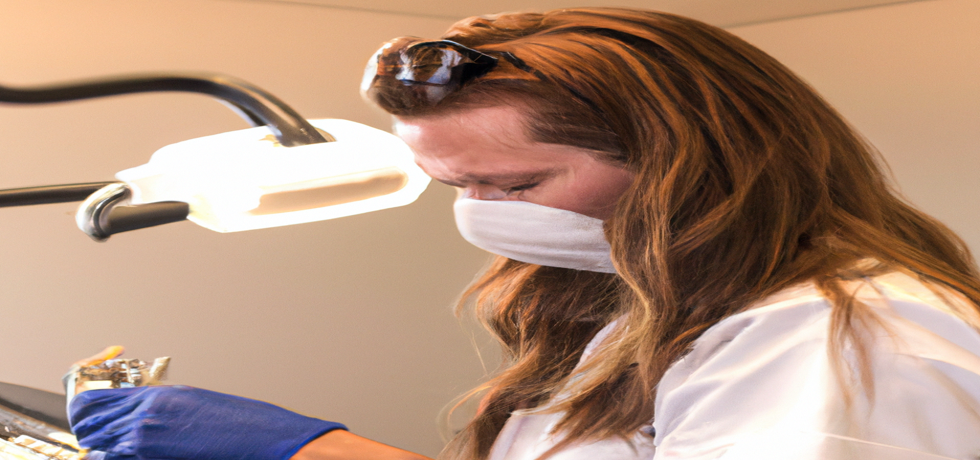
Empowering Dentists: Mastering Light Cure Best Practices
Introduction to Light Curing Techniques
In the field of dentistry, proper techniques are essential not only for effective outcomes but also for ensuring patient safety. One area that demands attention is the mastery of light cure best practices. For dentists, understanding how to utilize light curing effectively can greatly enhance the quality of dental work, particularly in restorative procedures. In this post, we will explore various best practices and tips that empower dentists to achieve optimal results with light curing techniques.
Understanding the Basics of Light Curing
Light curing is a process that employs specific wavelengths of light to initiate the polymerization of certain materials used in dentistry. Primarily, composite resins are common in restorative procedures, and understanding how to utilize light curing effectively can lead to successful outcomes. Dentists should become familiar with the different types of curing lights and choose the most suitable one based on the clinical situation. Moreover, ensuring the curing light is functioning optimallythrough regular maintenance and checkscan help achieve maximum effectiveness.
Preparation and Positioning for Optimal Curing
Preparing the treatment area is crucial before performing light curing. Dentists should ensure that surfaces are clean and dry, as contaminants may affect the curing process. Proper positioning of the light source is also vital for effective curing. The light should be directed perpendicularly to the surface of the tooth, ensuring even coverage across the entire area being treated. This practice not only enhances the effectiveness of the curing process but also reduces marginal discrepancies in composite materials.
Understanding the Importance of Timing
Timing is of the essence when it comes to light curing. Dentists should always follow the manufacturer’s recommendations regarding the curing time based on the type of material being used. Different materials may require varying durations that can impact their hardness and stability. Moreover, under-curing or over-curing can lead to compromised restoration, so being cognizant of timing will directly affect the success of the dental procedure.
Post-Curing Care and Evaluation
After completing the light curing process, it’s important for dentists to carry out a thorough evaluation of the restoration. This includes checking for proper hardness, adaptation to tooth structure, and any potential defects that may arise. Post-curing care also involves advising patients on maintaining their dental work, ensuring they understand the importance of following up for any long-term assessments.
Conclusion: Your Path to Mastery
Mastering light cure best practices is an essential facet of empowering dentists to provide top-notch care and results. With the right knowledge and techniques, dentists can significantly improve their restorative outcomes. As a takeaway, stay updated with the latest advancements in light curing technology, continually refine your skills, and never hesitate to ask for professional opinions when needed. Remember, each facet of dental practice is an opportunity for innovation and growth.
For professional assistance and expert advice from leading dermatologists like Dr. Hital Patel, experience the benefits of empowering dentists with Hair & Skin Specialist Dr. Hital Patel at The Skin Artistry. Our clinics in PDPU Gandhinagar, Vastrapur Ahmedabad and Hyderabad offer top-quality care and personalized treatments. Visit us today to learn more about our services and take advantage of our special offers! For more insights, updates, or to collaborate, stay connected with The Skin Artistry.
