
Cystic Acne Decoded: Your Comprehensive Guide
Understanding Cystic Acne
If you’re dealing with those painful, large breakouts, you’re not alone. Cystic acne is the most severe form of acne and can take a toll on your confidence and skin health. This guide unravels the complexities of cystic acne, offering insights into its causes, identification methods, treatment options, and preventive measures. Cystic acne requires attention and proper care, so read on to empower yourself with knowledge and find solutions to your skin concerns.
How Does Cystic Acne Develop?
Our skin features sebaceous glands that produce natural oils known as sebum. When excess sebum is secreted, it may clog the pores and create a breeding ground for bacteria, leading to cyst formation deep within the skin layers. This inflammatory response can manifest as painful cystic acne that is noticeable and alarming.
What Causes Cystic Acne?
While often associated with hormonal changes during adolescence, cystic acne can also affect adults. Several factors can trigger this condition, including hormonal fluctuations, stress levels, certain medications, inadequate facial hygiene, and the use of inappropriate skin care products. An unhealthy diet can also contribute to the development of cystic acne, so being mindful of what you consume is essential for your skin health.
Identifying Cystic Acne
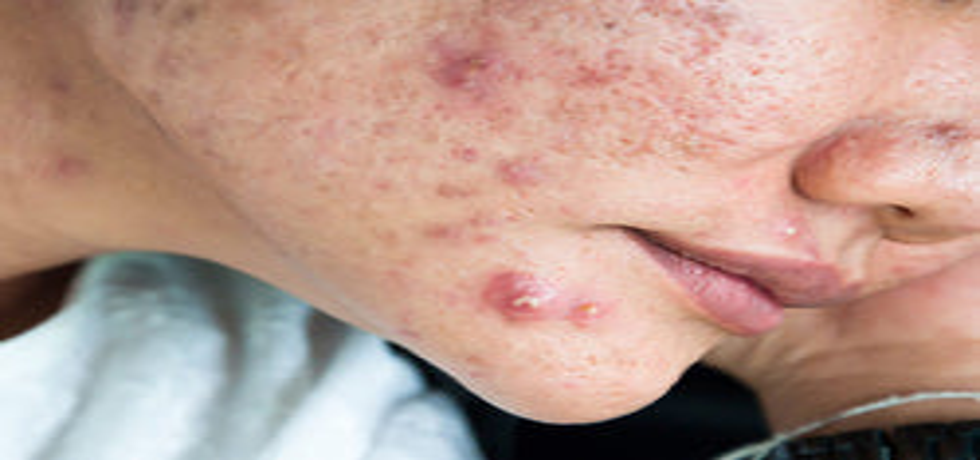
Cystic acne is distinctive due to large, pus-filled bumps that can appear red and inflamed. These lesions are painful to the touch and differ significantly from other types of acne. Recognizing these symptoms early can help in seeking timely treatment and preventing further flare-ups.
Who Is Most Affected?
Cystic acne predominantly affects individuals with oily skin but spans various demographics, including teenagers and adults with hormonal imbalances. It is often prevalent on the face, chest, back, upper arms, and shoulders. Interestingly, many women may find it more frequent in the lower half of their faces during specific phases of their menstrual cycle.
Treatment Options for Cystic Acne
Tackling cystic acne usually requires the expertise of a dermatologist. Treatment may incorporate various methods tailored to individual needs. Over-the-counter solutions like benzoyl peroxide work to reduce acne-causing bacteria and inflammation. Oral retinoids, derived from Vitamin A, can offer effective results but must be monitored due to potential side effects. Other medical interventions include medications like spironolactone, corticosteroid injections, and hormonal control options such as birth control pills. Each treatment is designed with care to ensure maximum efficacy and minimum discomfort.
Home Remedies To Explore
While not scientifically verified, many individuals have found relief with natural remedies such as applying ice, white vinegar, turmeric, tea tree oil, or even a mask made of crushed aspirin and water. Though these methods can help soothe cysts, theyre best used in conjunction with professional treatments for effective results.
Skincare Tips for Prevention
To lower the likelihood of cystic acne flare-ups, establishing a solid skincare routine is key. Cleanse your face gently twice a day, using non-comedogenic and oil-free products to avoid clogging pores. Always moisturize to protect your skin barrier and never sleep with makeup on. Use sunscreen for added protection, especially if you’re on acne medications that heighten sun sensitivity. Managing stress through mindfulness practices can also be instrumental in maintaining clear skin. Additionally, choose a diet rich in fresh fruits and vegetables while steering clear of heavy carbohydrates and fats.
Understanding the Difference
It’s important to differentiate cystic acne from regular acne. While regular acne comprises less painful, smaller lesions, cystic acne presents larger, inflamed cysts filled with pus that can lead to significant discomfort. You dont have to endure cystic acne; effective treatment options are available. Consulting with a licensed dermatologist is the best route to finding the right approach for your condition.
Conclusion
Armed with this comprehensive guide to cystic acne, you’re now better equipped to recognize, treat, and manage this challenging skin condition. Dont hesitate to seek professional assistance tailored to your needs. Achieving clear skin and restoring your confidence is very much possible!
FAQ
Q: Can diet really affect cystic acne?
A: Yes, an unhealthy diet may contribute to the severity of cystic acne. Focusing on a healthy, balanced diet can help improve skin conditions.
A: Yes, an unhealthy diet may contribute to the severity of cystic acne. Focusing on a healthy, balanced diet can help improve skin conditions.
Q: Is it safe to pop cystic acne?
A: No, popping cystic acne can worsen inflammation and lead to scarring. It’s best to let cysts heal naturally or seek dermatologist intervention.
For professional assistance and expert advice from leading dermatologists like Dr. Hital Patel, experience the benefits of Cystic Acne Decoded: Your Comprehensive Guide with Hair & Skin Specialist Dr. Hital Patel at The Skin Artistry. Our clinics in PDPU Gandhinagar, Vastrapur Ahmedabad, and Hyderabad (Visiting Consultant) offer top-quality care and personalized treatments. Visit us today to learn more about our services and take advantage of our special offers! For more insights, updates, or to collaborate, stay connected with The Skin Artistry.
