
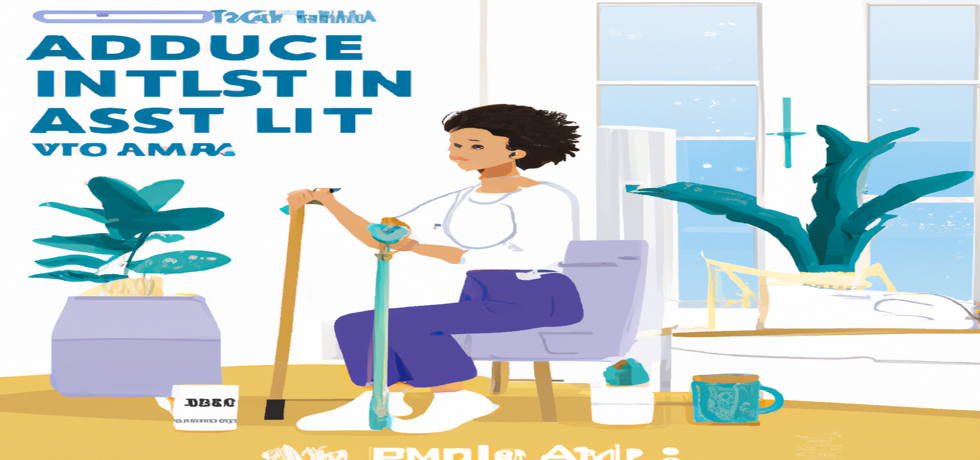
A Day in the Life of Hereditary Spastic Paraplegia
Understanding Hereditary Spastic Paraplegia
Living with hereditary spastic paraplegia (HSP) is as unique as every individual who experiences it. This uncommon genetic disorder primarily affects the lower limbs, leading to progressive stiffness and weakness in the legs due to degeneration of the long nerve pathways in the spinal cord. For many, understanding what a day looks like living with this condition can foster empathy and awareness, paving the way for better support and inclusive conversations around mobility issues.
A Typical Morning Routine
Mornings can be particularly challenging for individuals with hereditary spastic paraplegia. Many rely on adaptive tools to assist with everyday tasks that others might find mundane. Whether its getting out of bed, using handrails, or having assistive elements in the bathroom, these adjustments significantly impact one’s independence. Engaging with physical therapy exercises each morning can set the tone for the day, helping to improve mobility and reduce stiffness. It’s important to listen to one’s body and proceed with movements that feel comfortable, ensuring that an effective routine supports their lifestyle.
Daily Activities and Adaptations
Throughout the day, managing hereditary spastic paraplegia involves careful planning and adaptations. From navigating public spaces to participating in work or social activities, individuals may rely on mobility aids such as canes or wheelchairs. Technology has also played a pivotal role in enhancing the quality of life. Voice-activated devices and smart home features can create an environment that is more accessible and accommodating. Engaging in activities that promote social connections, such as joining support groups or community events, fosters a sense of belonging despite challenges.
The Role of Support Systems
Support systems are crucial for individuals affected by hereditary spastic paraplegia. Family, friends, and healthcare professionals provide not only physical assistance but also emotional support. Programs focused on physical rehabilitation and group therapy can further help those living with HSP. A close-knit community offers shared experiences and encouragement on a journey that can sometimes feel isolating. Encouragingly, as awareness of HSP increases, more resources become available to those affected, enhancing the overall support ecosystem.
Evenings and Reflection
As the day winds down, individuals may reflect on their experiences. Evening routines might include relaxation techniques like yoga or meditation to ease the physical and mental strains of the day. Its essential to focus on self-care and to end the day positively, embracing both the challenges and achievements encountered throughout the day. Journaling can also be a therapeutic outlet, providing a space to express thoughts and emotions while tracking progress over time.
Conclusion
Living with hereditary spastic paraplegia requires not only adjustments in daily life but also a resilient spirit. While it can be daunting, awareness, support and proper planning can make a significant difference. Whether you’re affected by HSP or know someone who is, reaching out for assistance and exploring the available resources can improve the journey. Embrace your support systems and advocate for inclusivity in society. This will foster understanding and a community that uplifts each other.
For professional assistance and expert advice from leading dermatologists like Dr. Hital Patel, experience the benefits of a day in the life with Hair & Skin Specialist Dr. Hital Patel at The Skin Artistry. Our clinics in PDPU Gandhinagar, Vastrapur Ahmedabad and Hyderabad offer top-quality care and personalized treatments. Visit us today to learn more about our services and take advantage of our special offers! For more insights, updates, or to collaborate, stay connected with The Skin Artistry.