
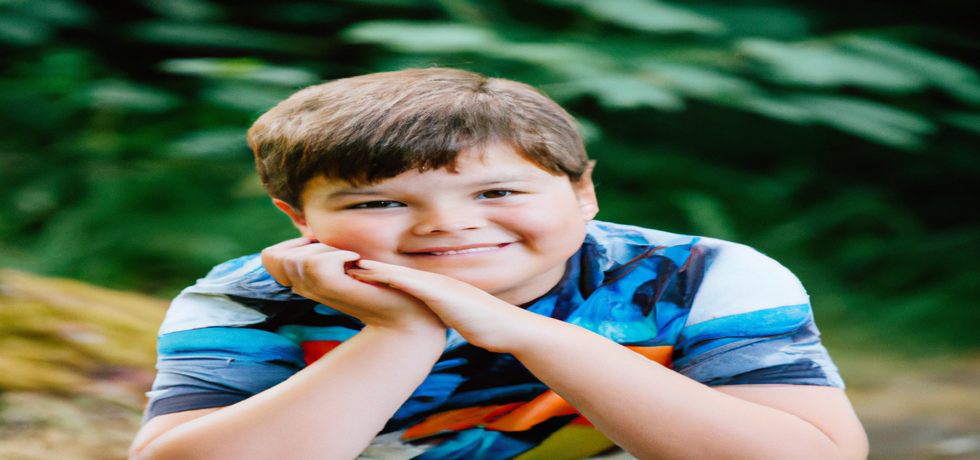
Ectodermal Dysplasia-Syndactyly Syndrome: A Journey to Acceptance
Understanding Ectodermal Dysplasia and Syndactyly Syndrome
Ectodermal Dysplasia-Syndactyly Syndrome (EDSS) is a genetic condition characterized by the abnormal growth of the ectoderm, which leads to various developmental anomalies. Children affected by this syndrome may experience a range of symptoms including missing teeth, sparse hair, and fused fingers or toes, which is known as syndactyly. The journey to accept and manage this syndrome can be challenging but also rewarding as families learn to embrace their unique experiences and seek supportive communities.
Living with Ectodermal Dysplasia-Syndactyly Syndrome
Navigating life with Ectodermal Dysplasia can pose numerous challenges. From childhood through adulthood, individuals with EDSS may face social stigma due to their physical appearances. It is important for families to foster a positive environment that emphasizes self-acceptance and resilience. Early intervention through specialized dental care, dermatological treatments, and physical therapy can significantly improve the quality of life for those affected. Engaging with dermatologists can provide insights into managing skin health effectively, creating a pathway to a brighter future.
Support Networks and Resources
As the journey continues, connecting with support networks and communities specifically for those dealing with Ectodermal Dysplasia can be invaluable. These groups offer emotional support, shared experiences, and practical advice on managing the symptoms related to the syndrome. Additionally, professionals from The Skin Artistry can provide dermatologist-led interventions to address skin concerns, ensuring individuals feel more confident in their skin. Together, these initiatives can ease the process of acceptance and help families thrive.
Actionable Steps Towards Acceptance
Acceptance of Ectodermal Dysplasia-Syndactyly Syndrome begins with education and understanding. Families and individuals should familiarize themselves with the syndrome and its implications fully. Participating in awareness programs and engaging with healthcare providers are crucial steps. Consulting with specialized dermatologists for individualized skin treatment plans can also enhance confidence and wellbeing. Ultimately, embracing one’s unique features and fostering self-love can significantly impact mental health and self-esteem.
Conclusion
The journey of living with Ectodermal Dysplasia-Syndactyly Syndrome can occasionally feel daunting, but there is much hope and potential for a fulfilling life. By leveraging available resources, seeking professional help, and nurturing a supportive network, individuals can navigate their journey more confidently. Remember, acceptance is key to unlocking the strength within to embrace one’s uniqueness and advocate for better care and understanding.
Frequently Asked Questions
Can Ectodermal Dysplasia-Syndactyly Syndrome be treated?
While there is no cure, treatments can help alleviate symptoms and improve quality of life. Consulting with dermatologists and other specialists at The Skin Artistry is essential for tailored care.
While there is no cure, treatments can help alleviate symptoms and improve quality of life. Consulting with dermatologists and other specialists at The Skin Artistry is essential for tailored care.
How can families support individuals with this syndrome?
Support can come through education, joining support groups, and creating an accepting environment at home that fosters self-esteem.
For professional assistance and expert advice from leading dermatologists like Dr. Hital Patel, experience the benefits of Ectodermal Dysplasia-Syndactyly Syndrome with Hair & Skin Specialist Dr. Hital Patel at The Skin Artistry. Our clinics in PDPU Gandhinagar, Vastrapur Ahmedabad and Hyderabad offer top-quality care and personalized treatments. Visit us today to learn more about our services and take advantage of our special offers! For more insights, updates, or to collaborate, stay connected with The Skin Artistry.
