
Understanding Heat Rash: Causes, Symptoms, and Treatments
What Is Heat Rash?
Heat rash, also affectionately known as prickly heat or miliaria, is a common skin condition that many adults experience, particularly in hot and humid climates. Contrary to popular belief, this uncomfortable condition is not limited to infants and can develop in anyone whose sweat glands are blocked. It often manifests during hot spells or periods of intense physical activity when sweating becomes excessive. Understanding the causes, symptoms, and effective treatments of heat rash is essential to manage and prevent this condition from making your summer days unbearable.
Causes of Heat Rash
The primary cause of heat rash is excessive sweating, which leads to blocked sweat glands in the skin, trapping sweat beneath the surface. This is especially common in hot and humid weather, during vigorous physical activities, or when wearing tight and non-breathable clothing. Certain medications that cause sweating and even prolonged bed rest can also contribute to this condition. Individuals susceptible to heat rash must be cautious, as factors such as humidity, heat exposure, and fitness levels can trigger or worsen the situation.
Symptoms to Look Out For
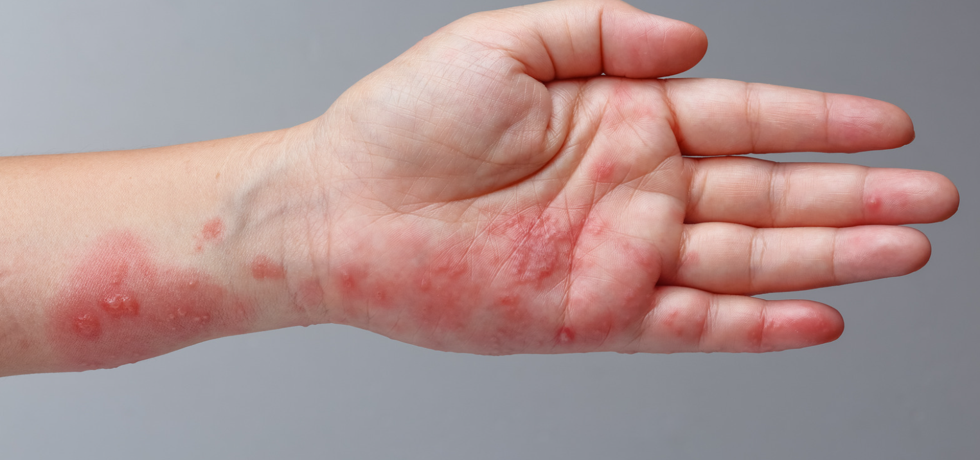
Symptoms of heat rash are hard to miss once they develop. Common signs include the appearance of small, red bumps or blisters on the skina telltale sign of a heat rash. Often, individuals experience an uncomfortable prickly or stinging sensation, alongside itchiness in the affected areas, which are typically found on the neck, back, chest, and other skin folds. In more severe cases, these bumps may blister or swell, signaling a possible infection, and necessitating medical intervention.
Effective Treatments for Heat Rash
Fortunately, managing heat rash is generally straightforward. The key treatment principle is maintaining the affected area in a cool and dry condition. Avoid strenuous activities that can induce excessive sweating, and wear loose-fitting, breathable clothing made from natural fibers. Utilizing cool compresses or taking cool showers can significantly help soothe the skin. Over-the-counter creams that contain calming ingredients can also reduce itching and inflammation. If these treatments do not alleviate symptoms or if the rash worsens, seeking professional assistance is crucial to prevent complications.
Home Remedies for Relief
Aside from conventional treatments, several home remedies can provide relief. For instance, oatmeal baths can soothe inflammation from heat rash while cool compresses can temporarily decrease warmth and irritation on the skin. Additionally, Aloe Vera gel, with its skin-soothing properties, can also be applied generously to the affected area for relief. Staying hydrated and avoiding direct sun exposure is equally fundamental in managing the condition effectively.
When to Seek Medical Help
In most cases, heat rash can be successfully managed at home. However, if the rash spreads, becomes more painful, or shows signs of infection, it is vital to seek medical help. A dermatologist may provide prescription medication or recommend further therapies tailored to individual needs. Ensuring timely intervention helps avoid more severe complications associated with heat rash.
Conclusion: Stay Cool and Comfortable
In conclusion, understanding heat rashincluding its causes, symptoms, and treatmentsempowers individuals to make informed decisions about managing this common condition. Preventive measures such as wearing loose clothing, staying cool, hydrated, and being mindful during physical activities can greatly minimize the discomfort associated with heat rash. Always remember that if symptoms persist or worsen, consulting a healthcare professional is the best course of action.
Frequently Asked Questions
What is heat rash?
Heat rash is a skin condition that occurs when sweat ducts become blocked, trapping sweat beneath the skin, particularly in hot and humid conditions.
How can I treat heat rash at home?
Cooling the affected area, wearing loose-fitting clothing, and using over-the-counter anti-itch lotions can help relieve symptoms.
When should I seek medical attention for heat rash?
If the rash spreads, becomes more painful, or shows signs of infection, it’s essential to consult a healthcare professional.
Heat rash is a skin condition that occurs when sweat ducts become blocked, trapping sweat beneath the skin, particularly in hot and humid conditions.
How can I treat heat rash at home?
Cooling the affected area, wearing loose-fitting clothing, and using over-the-counter anti-itch lotions can help relieve symptoms.
When should I seek medical attention for heat rash?
If the rash spreads, becomes more painful, or shows signs of infection, it’s essential to consult a healthcare professional.
For professional assistance and expert advice from leading dermatologists like Dr. Hital Patel, experience the benefits of Understanding Heat Rash: Causes, Symptoms, and Treatments with Hair & Skin Specialist Dr. Hital Patel at The Skin Artistry. Our clinics in PDPU Gandhinagar, Vastrapur Ahmedabad, and Hyderabad (Visiting Consultant) offer top-quality care and personalized treatments. Visit us today to learn more about our services and take advantage of our special offers! For more insights, updates, or to collaborate, stay connected with The Skin Artistry.