
Balanced Beauty: Protecting Skin and Coral Reefs
The Urgency of Protecting Our Planet
In today’s world, finding a balance between skincare routines and environmental sustainability has never been more critical. As we apply our favorite sunscreens to protect our skin from harmful UV rays, we must also consider their impact on delicate ecosystems like coral reefs. This blog aims to highlight the importance of selecting the right products that not only safeguard our skin but also contribute positively to marine health.
The Impact of Sunscreens on Coral Reefs
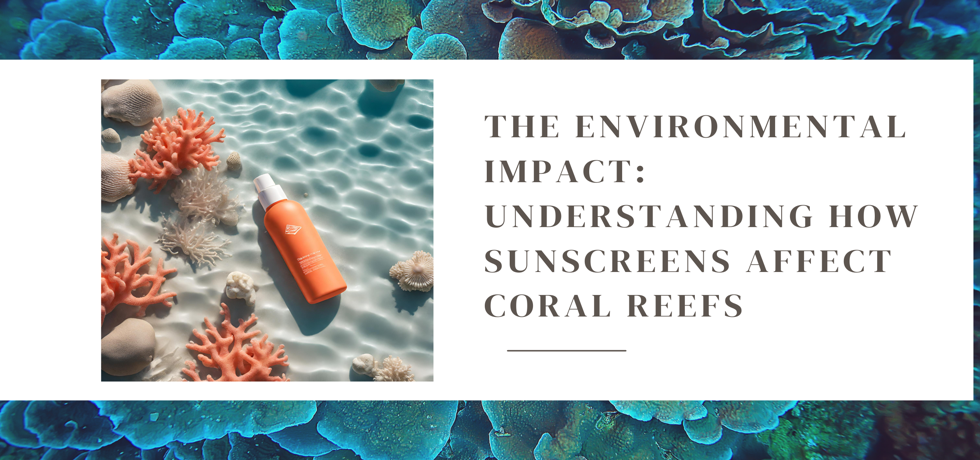
Sunscreens play a crucial role in preventing sunburn and preserving skin health, but some of their chemical compositions can have detrimental effects on coral reefs. Many sunscreens contain compounds like oxybenzone and octinoxate, which are linked to coral bleaching. This process, where corals lose their vibrant colors due to environmental stressors, is accelerated by harmful chemicals that disrupt the fragile relationship between corals and their symbiotic algae. To truly embrace a balanced beauty philosophy, we must be aware that our choices in sunscreen can either protect our skin or contribute to reef damage.
Choosing Reef-Safe Sunscreens
The good news is that there is an abundance of reef-safe sunscreens available today. Opting for mineral-based formulas containing zinc oxide or titanium dioxide is a smart choice. These ingredients create a physical barrier that reflects and scatters UV radiation without harming marine life. Look for products that are labeled as biodegradable and avoid those with nanoparticles as they can also negatively impact aquatic organisms. By opting for reef-safe options, you can protect your skin while ensuring the health of our oceans.
Expanding Our Sun Protection Practices
Beyond sunscreen, there are several ways to protect your skin while being mindful of marine ecosystems. Consider wearing protective clothing, seeking shade during peak sun hours, and staying hydrated. These methods not only minimize UV exposure but also reduce the need for excessive sunscreen application, thereby limiting the chemicals released into the water. Remember, every small effort contributes to a larger, positive impact on our environment.
The Role of Education and Community Initiatives
Educating ourselves and others about the importance of ocean-safe practices is vital for lasting change. Participate in local clean-up drives, spread awareness within your community, and encourage discussions about sustainable beauty practices. Its essential to advocate for regulatory measures that limit harmful sunscreen ingredients. The more we engage in collective efforts, the more significant our impact will be in protecting both our skin and coral reefs.
Conclusion: Your Choices Matter
In our quest for balanced beauty, every choice we make counts. By opting for environmentally friendly skincare products and adopting sustainable sun protection practices, we can protect our skin without compromising the health of coral reefs. Let’s be mindful consumers who create a positive ripple effectone that protects our skin and our precious marine ecosystems. Choose wisely and make a difference!
FAQ Section
Q: What are the main harmful ingredients to avoid in sunscreens?
A: Look out for oxybenzone, octinoxate, and nanoparticles. Choose mineral-based options instead.
Q: How can I educate my community about reef-safe practices?
A: Organize awareness events, share information on social media, and encourage local businesses to stock eco-friendly products.
For professional assistance and expert advice from leading dermatologists like Dr. Hital Patel, experience the benefits of protecting your skin while safeguarding the environment at The Skin Artistry. Our clinics in PDPU Gandhinagar, Vastrapur Ahmedabad, and Hyderabad (Visiting Consultant) offer top-quality care and personalized treatments. Visit us today to learn more about our services and take advantage of our special offers! For more insights, updates, or to collaborate, stay connected with The Skin Artistry.