
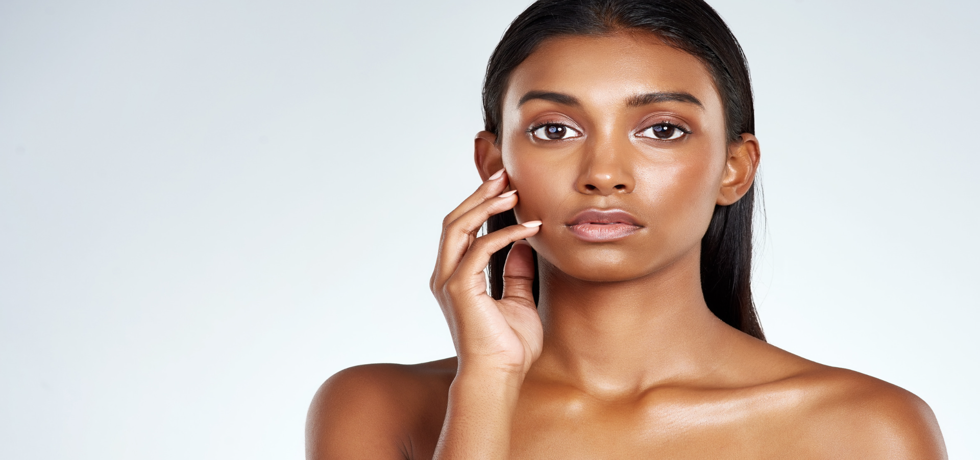
Unveiling the Secrets of Hormonal Blemishes
Introduction: Understanding the Challenge of Hormonal Blemishes
Hormonal blemishes can feel like a frustrating roadblock in our journey toward clear skin. Unlike other forms of acne, hormonal blemishes tend to surface at the most inconvenient times, often influenced by fluctuations in our hormonal levels. Understanding the biological processes behind these blemishes is the first step in overcoming them. In this guide, we will unveil the secrets surrounding hormonal blemishes, exploring their causes, triggers, and effective management strategies tailored for individuals seeking to improve their skin health.
What Causes Hormonal Blemishes?
Hormonal blemishes arise when there is an imbalance of hormones, particularly androgens like testosterone. These fluctuations can increase oil production in the skin, leading to clogged pores and, ultimately, breakouts. Such hormonal imbalances commonly occur during puberty, pregnancy, and menstrual cycles, which is why many experience these stubborn spots at these stages of life. Recognizing the connection between hormonal imbalances and sebum production is essential for anyone dealing with hormonal blemishes.
Common Triggers for Hormonal Breakouts
Identifying the triggers that contribute to hormonal breakouts can be crucial for effective treatment. Stress is a major factor as it can increase cortisol levels in the body, further disrupting hormonal balance. Additionally, lifestyle choices such as diet can influence breakouts, especially if one’s diet is high in processed foods or dairy. Skincare products that are not non-comedogenic may also worsen these breakouts. Understanding these triggers allows individuals to adopt a more informed approach to managing and treating hormonal blemishes.
Effective Strategies for Managing Hormonal Blemishes
Managing hormonal blemishes requires a multifaceted approach. Developing a suitable skincare routine is paramount. Gentle cleansers containing ingredients like salicylic acid or benzoyl peroxide can help unclog pores and reduce inflammation. Spot treatments may be added to target specific areas experiencing breakouts. Moreover, using non-comedogenic products ensures that the skin remains clear without exacerbating issues. Aside from skincare, lifestyle changes like stress management, regular exercise, and adequate sleep can significantly impact hormonal balance, leading to improved skin health over time.
Seeking Professional Help for Persistent Blemishes
If you find yourself dealing with persistent or severe hormonal blemishes, seeking professional guidance becomes essential. Consulting with a dermatologist can illuminate the underlying causes of your hormonal imbalances, allowing for personalized treatment options. Techniques like hormonal therapy or other specialized treatments can be effective in addressing the root issues behind hormonal blemishes, leading to clearer skin in the long run.
Cultivating Self-Acceptance and Confidence
It’s important to remember that hormonal blemishes do not define your worth or beauty. Cultivating self-acceptance is key to nurturing your mental well-being during this journey. Embrace your skin’s story, and understand that each step taken towards treatment and self-care brings you closer to achieving your skin goals.
Conclusion: Embracing Your Skincare Journey
The path to overcoming hormonal blemishes can be challenging but understanding their causes and implementing effective management strategies can make a significant difference. By being proactive about your skincare, lifestyle choices, and seeking professional guidance when needed, you are well on your way to achieving healthier, clearer skin. Remember, it’s not about achieving perfection but about nurturing your skin and yourself along the way.
FAQ: Your Questions About Hormonal Blemishes Answered
Q1: Can diet affect hormonal blemishes?
Yes, certain dietary choices may impact hormonal balance, potentially triggering breakouts. A balanced diet rich in whole foods can help maintain clear skin.
Yes, certain dietary choices may impact hormonal balance, potentially triggering breakouts. A balanced diet rich in whole foods can help maintain clear skin.
Q2: How long should I wait to see improvements after changing my skincare routine?
It can take a few weeks to notice improvements, so patience and consistency are essential when trying new products.
Q3: Should I consult a dermatologist for hormonal blemishes?
Absolutely. A dermatologist can offer tailored advice and treatment options based on your unique skin needs.
For professional assistance and expert advice from leading dermatologists like Dr. Hital Patel, experience the benefits of Unveiling the Secrets of Hormonal Blemishes with Hair & Skin Specialist Dr. Hital Patel at The Skin Artistry. Our clinics in PDPU Gandhinagar, Vastrapur Ahmedabad, and Hyderabad (Visiting Consultant) offer top-quality care and personalized treatments. Visit us today to learn more about our services and take advantage of our special offers! For more insights, updates, or to collaborate, stay connected with The Skin Artistry.