
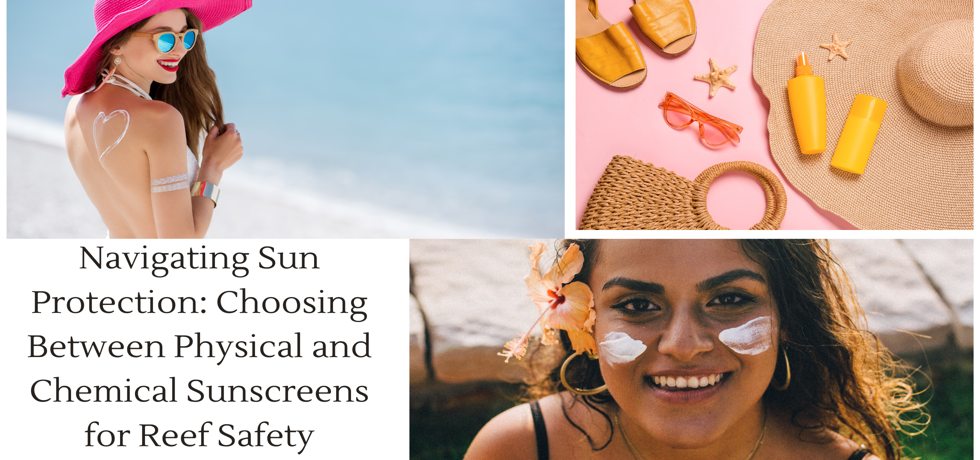
Sun Protection Decoded: The Ultimate Guide to Reef-Safe Sunscreens
Understanding the Importance of Sunscreen
Choosing the right sunscreen is essential not only for protecting your skin but also for safeguarding our precious coral reefs. With the rising concern about certain chemicals in sunscreens harming marine life, it’s vital to understand how to select effective reef-safe sunscreens that provide adequate sun protection without compromising the environment. In this ultimate guide, we will break down the key elements of sun protection and explore the options available to you.
What Are Reef-Safe Sunscreens?
Reef-safe sunscreens are formulated without harmful chemicals that can negatively impact marine ecosystems, particularly coral reefs. They typically contain active mineral ingredients like zinc oxide or titanium dioxide that reflect harmful UV rays, providing effective sun protection without leaching harmful substances into the water. Given the alarming rate of coral bleaching, using a reef-safe sunscreen is a step towards preserving our oceans.
The Benefits of Using Mineral Sunscreens
Mineral sunscreens are often considered the gold standard for sun protection. They work by forming a physical barrier on the skin that reflects the sun’s rays. Here are some benefits of opting for mineral sunscreens:
- Immediate Protection: Unlike chemical sunscreens, mineral formulas start working right away upon application.
- Less Irritating: These sunscreens are less likely to cause skin irritation, making them suitable for sensitive skin types.
- Reef-Friendly: Most mineral sunscreens are reef-safe since they don’t contain harmful chemicals like oxybenzone or octinoxate.
Sunscreen and SPF: What You Need to Know
SPF, or Sun Protection Factor, measures how well a sunscreen protects your skin from UVB rays. While its important to choose a sunscreen with a suitable SPFideally 30 or higherit’s equally crucial to ensure that it is a broad-spectrum product. This means it protects against both UVA and UVB radiation, providing comprehensive protection against the suns harmful effects. Always check the label for broad-spectrum protection when selecting your sunscreen.
Environmental Considerations of Sunscreen Ingredients
The impact of sunscreen ingredients on the environment cannot be overlooked. Some common sunscreen ingredients are associated with coral bleaching and other ecological damage. To make an environmentally conscious choice, look for sunscreens labeled as “reef-safe” and free from harmful chemicals. This is particularly important when swimming in or near coral reef areas, as even small amounts of sunscreen can harm these fragile ecosystems.
Choosing the Right Reef-Safe Sunscreen
When selecting reef-safe sunscreens, consider your specific skin needs, lifestyle, and environmental concerns. Here are some tips:
- Assess Your Skin Type: If you have acne-prone or sensitive skin, opt for oil-free, non-comedogenic formulations.
- Check for Water Resistance: If you plan to swim, choose a water-resistant sunscreen to ensure ongoing protection.
- Look for Certifications: Certain brands may be certified reef-safe, which can help you make an informed choice.
Actionable Advice for Coral Reef Conservation
By choosing reef-safe sunscreen, you play an important role in protecting marine life and preserving coral reefs for future generations. Here are some simple actions you can take:
- Read Labels: Always read the ingredient lists on your sunscreen products to ensure they are reef-safe.
- Spread Awareness: Inform friends and family about the importance of using environmentally friendly sunscreens.
- Take Other Protective Measures: Beyond sunscreen, consider wearing protective clothing and seeking shade to minimize sun exposure.
FAQs about Reef-Safe Sunscreens
1. Are all mineral sunscreens reef-safe?
Not all mineral sunscreens are automatically reef-safe; its essential to check for harmful chemicals in the formulation.
Not all mineral sunscreens are automatically reef-safe; its essential to check for harmful chemicals in the formulation.
2. How often should I apply reef-safe sunscreen?
You should reapply every two hours or immediately after swimming or sweating for effective protection.
3. Can I use reef-safe sunscreen on sensitive skin?
Yes, mineral sunscreens are generally well-tolerated by sensitive skin types.
Conclusion
Ultimately, making the switch to reef-safe sunscreens not only benefits your skin but also supports the health of our ocean ecosystems. By understanding the available options and making informed choices, you can enjoy fun in the sun without compromising the beauty of our planet. So next time you head to the beach, remember to reach for a reef-safe sunscreen and be a guardian for our vital coral reefs.
For professional assistance and expert advice from leading dermatologists like Dr. Hital Patel, experience the benefits of Sun Protection Decoded: The Ultimate Guide to Reef-Safe Sunscreens with Hair & Skin Specialist Dr. Hital Patel at The Skin Artistry. Our clinics in PDPU Gandhinagar, Vastrapur Ahmedabad and Hyderabad (Visiting Consultant) offer top-quality care and personalized treatments. Visit us today to learn more about our services and take advantage of our special offers! For more insights, updates, or to collaborate, stay connected with The Skin Artistry.
