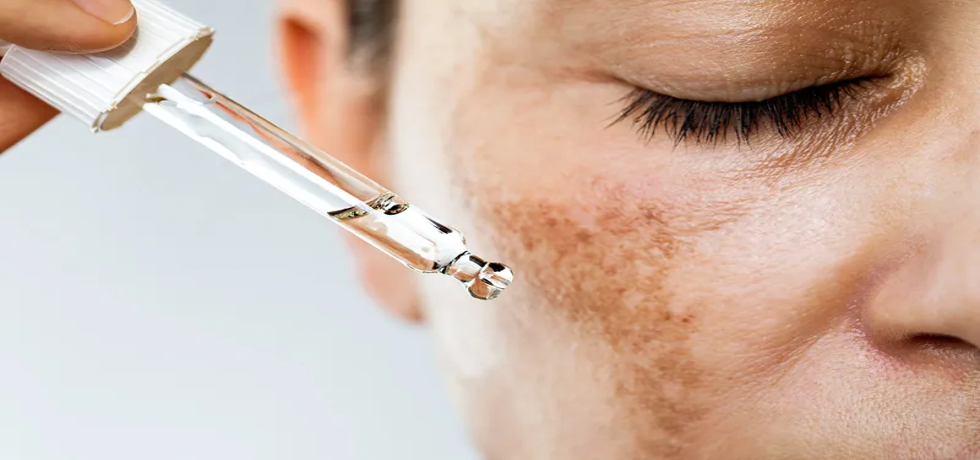
Unveiling the Secrets of Hyperpigmentation
Understanding Hyperpigmentation
Have you ever noticed stubborn dark marks on your skin that seem to linger long after an injury or a breakout? If so, you might be experiencing hyperpigmentation. This common skin condition occurs when certain areas of skin become darker than the surrounding area, often causing distress and frustration. In this blog, we will unveil the secrets of hyperpigmentation, explore its causes, and discuss effective hyperpigmentation treatment options available to you.
What Exactly Is Hyperpigmentation?
Hyperpigmentation refers to the excessive production of melanin in the skin, resulting in patches that are darker than the rest of the skin. Melanin is the pigment responsible for our skin, hair, and eye color. The activity of specialized skin cells known as melanocytes determines the amount of melanin produced. Those with darker skin tones often have larger melanosomes, which contribute to more melanin production. While melanin serves a protective role against sun damage, irregular deposits lead to hyperpigmentation, which can be both a cosmetic concern and a source of emotional distress.
Common Triggers of Hyperpigmentation
There are several forms of hyperpigmentation, each with its unique triggers. A common type, post-inflammatory hyperpigmentation (PIH), typically arises after an injury or inflammation to the skin from conditions like acne, eczema, or even bug bites. It affects individuals with darker skin tones more severely, leaving behind those telltale dark spots that can be difficult to erase.
Melasma, another prevalent cause of hyperpigmentation, is often brought on by hormonal changes, making it common among women during pregnancy or those taking certain contraceptives. Often nicknamed the mask of pregnancy, melasma manifests as tan patches on sun-exposed areas of the face.
Meanwhile, photoaging, resulting from cumulative sun exposure, can lead to sun spots or age spots. These occur in individuals who frequently spend time outdoors without proper sun protection, leading to uneven skin tone over time.
Treating Hyperpigmentation: What You Need to Know
Now that we understand what hyperpigmentation is and the factors contributing to it, lets explore some effective hyperpigmentation treatment options. The most critical tip is to prioritize sun protection. Ultraviolet (UV) exposure exacerbates dark spots, so wearing a broad-spectrum sunscreen with at least SPF 30 every day is essential. Remember to reapply it every two hours during extended sun exposure.
In addition to sun protection, several topical treatments have been proven effective in addressing hyperpigmentation. Look for products containing ingredients such as hydroquinone, retinoids, vitamin C, niacinamide, or alpha hydroxy acids. These active ingredients work to lighten dark spots and promote an even skin tone.
Depending on the severity of the hyperpigmentation, more advanced procedures such as chemical peels, laser therapy, or microneedling can also be considered. However, its vital to consult an experienced dermatologist to determine which treatment aligns with your skin type and the specific causes of your hyperpigmentation.
Keys to Prevention and Maintenance
While various hyperpigmentation treatment options exist, prevention remains the best strategy. To minimize your risk of developing new dark spots, be consistent with your sun protection routine, and avoid picking at blemishes or exposing your skin to irritants. Establishing a gentle skincare routine tailored to your skin type can also promote overall skin health.
Regular check-ins with a dermatologist can help you stay on top of your skin health, address new concerns promptly, and adjust your skincare regimen to best fit your needs.
Conclusion
Understanding hyperpigmentation is essential to managing and treating it effectively. By employing a combination of sun protection, topical treatments, and professional guidance from our firm, The Skin Artistry, you can achieve a balanced and radiant complexion. Dont let hyperpigmentation define youtake proactive steps towards a brighter, more even skin tone today!
Frequently Asked Questions
Q: Is hyperpigmentation harmful to my health?
A: No, hyperpigmentation is not harmful to your health, but it can affect your confidence and self-image.
Q: How long does it take for hyperpigmentation to fade?
A: The timeline for fading hyperpigmentation varies depending on its cause. Patience is essential, as some dark spots may take weeks or even months to fade.
Q: Can I treat hyperpigmentation at home?
A: Yes, many products and home remedies can work for hyperpigmentation, but it is best to consult with a dermatologist for personalized advice before starting any regimen.
For professional assistance and expert advice from leading dermatologists like Dr. Hital Patel, experience the benefits of hyperpigmentation treatment with Hair & Skin Specialist Dr. Hital Patel at
The Skin Artistry. Our clinics in PDPU Gandhinagar, Vastrapur Ahmedabad and Hyderabad (Visiting Consultant) offer top-quality care and personalized treatments. Visit us today to learn more about our services and take advantage of our special offers! For more insights, updates, or to collaborate, stay connected with
The Skin Artistry.
