
Understanding Keratosis Pilaris: Treatment and Management
Introduction to Keratosis Pilaris
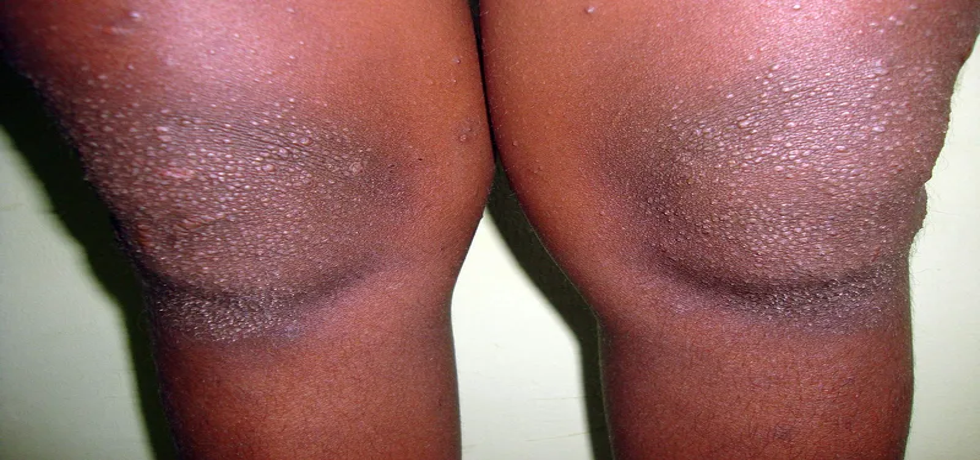
Keratosis pilaris (KP) is a prevalent skin condition that many people face throughout their lives. Often characterized by small, rough bumps on the skin, especially on the upper arms and thighs, its commonly referred to as chicken skin. Though keratosis pilaris is non-threatening and doesnt pose health risks, many look for effective treatment and management strategies to improve skin appearance and feel more confident.
What Causes Keratosis Pilaris?
This skin condition arises from the accumulation of keratin, a key protein in the skin, which clogs hair follicles. Genetic factors play a significant role, and those with a family history of KP are more likely to develop it themselves. Additionally, KP often coincides with conditions like eczema, affecting a notable percentage of individuals experiencing both. Changes in weather, especially cooler and drier environments, can further exacerbate the appearance of keratosis pilaris in those who are prone to it.
Treatment Options for Keratosis Pilaris
Even though keratosis pilaris cannot be completely cured, several effective treatment options exist to help manage its appearance. The first step in addressing this condition is to incorporate proper moisturizing into your skincare routine. Hydrated skin is less prone to developing bumps, so using gentle cleansers and hydrating creams can significantly improve the overall texture.
Exfoliation is another effective method in managing KP. Utilizing keratolytic agents, such as urea cream or products with alpha and beta hydroxy acids, can aid in breaking down those rough and scaly patches. If necessary, a dermatologist may recommend prescription-strength topical retinoids to enhance the skin’s texture over time. Regular use of these treatments can lead to marked improvement with minimal irritation.
Seeking Professional Help
If at-home treatments fail to yield desired results, consulting a dermatologist may be wise. They can assess your skin condition and suggest more targeted options, such as laser therapy to reduce redness, or prescription creams to enhance exfoliation. Remember, even though keratosis pilaris is chronic, it often improves with age. Staying proactive about your skincare regime and adapting treatment plans can make a difference in managing this condition effectively.
Conclusion: Embrace a Care Routine
In conclusion, if youre dealing with keratosis pilaris, remember that you are not alone. With the right treatment strategiesmoisturizing, exfoliating, and regularly consulting with professionalsyou can successfully manage the appearance of KP. Embrace your skincare routine with diligence and positivity, thats the key to enjoying smooth and healthy skin. Keep in mind, consistency is crucial in reaping the benefits of every treatment you choose.
FAQs about Keratosis Pilaris
Q: Is keratosis pilaris contagious?
A: No, keratosis pilaris is a benign condition and is not contagious.
Q: Will keratosis pilaris go away on its own?
A: While KP often improves over time, treatment options can significantly help manage symptoms and appearance.
A: No, keratosis pilaris is a benign condition and is not contagious.
Q: Will keratosis pilaris go away on its own?
A: While KP often improves over time, treatment options can significantly help manage symptoms and appearance.
For professional assistance and expert advice from leading dermatologists like Dr. Hital Patel, experience the benefits of Understanding Keratosis Pilaris: Treatment and Management with Hair & Skin Specialist Dr. Hital Patel at The Skin Artistry. Our clinics in PDPU Gandhinagar, Vastrapur Ahmedabad, and Hyderabad (Visiting Consultant) offer top-quality care and personalized treatments. Visit us today to learn more about our services and take advantage of our special offers! For more insights, updates, or to collaborate, stay connected with The Skin Artistry.
