
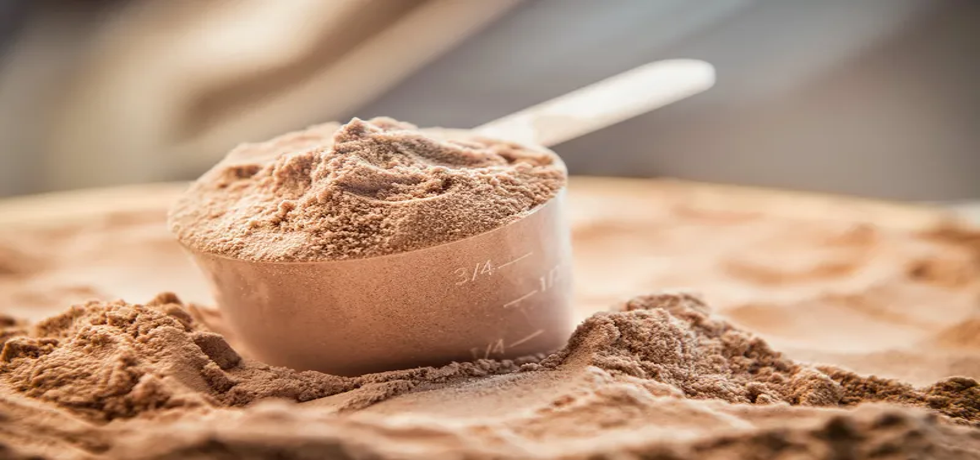
Navigating the Protein Powder Debate
Understanding Protein Powders
In recent years, protein powders have taken the health and fitness community by storm. As people increasingly look to lose weight and build muscle, many turn to these supplements for a quick nutritional boost. However, as convenient as they may sound, the debate over the safety and efficacy of protein powders has sparked significant discussion among nutritionists and health experts alike. In this blog post, we will explore the protein powder debate, unravel the facts, and help you make informed choices when adding protein powder to your diet.
Safety Considerations of Protein Powders
Safety is a primary concern when it comes to protein powder consumption. Many of these products are classified as dietary supplements and, therefore, aren’t regulated as strictly as food and drugs. This lack of oversight means that protein powders can sometimes contain unlisted ingredients or contaminants. Some health organizations have reported finding traces of heavy metals, raising alarms among users. Understanding these safety parameters is crucial for making responsible choices regarding protein powders and overall health.
Ingredient Awareness
When navigating the protein powder debate, one must pay attention to the ingredients. Not only is it essential to verify the protein sourcebe it whey, casein, or plant-basedbut you should also consider added substances like sweeteners or preservatives. Some may cause digestive discomfort, making it vital to read nutrition labels carefully. By being ingredient-conscious, you can suit your protein powder choice to your unique dietary needs.
Dosage Matters
Dosage is another critical element in the protein powder discussion. The adage that “the dose makes the poison” applies here; while sometimes beneficial, excessive consumption can lead to adverse effects. Incorporating small servings into your dietbe it in a smoothie or post-workout drinkis generally considered safe. However, regular and high frequent use might have negative implications for your overall health, demanding a balanced approach to your protein intake.
The Importance of Whole Foods
While protein powders can serve as a helpful supplement, they should not replace whole food sources of protein. Most individuals can meet their protein needs through a balanced diet comprising lean meats, dairy, legumes, and various vegetables. Doing so not only provides protein but also offers essential nutrients that protein powders often lack. Emphasizing whole foods can enhance your nutrition and minimize any risks associated with excessive protein powder intake.
Final Thoughts
As you navigate the protein powder debate, remember to take a balanced approach. Stay informed about the safety of these supplements, assess ingredient labels, and prioritize whole foods for optimal nutrition. Should you decide to include protein powders in your diet, ensure you monitor dosage and personal reactions to maintain your health and well-being.
For professional assistance and expert advice from leading dermatologists like Dr. Hital Patel, experience the benefits of navigating the protein powder debate with Hair & Skin Specialist Dr. Hital Patel at The Skin Artistry. Our clinics in PDPU Gandhinagar, Vastrapur Ahmedabad, and Hyderabad (Visiting Consultant) offer top-quality care and personalized treatments. Visit us today to learn more about our services and take advantage of our special offers! For more insights, updates, or to collaborate, stay connected with The Skin Artistry.
