
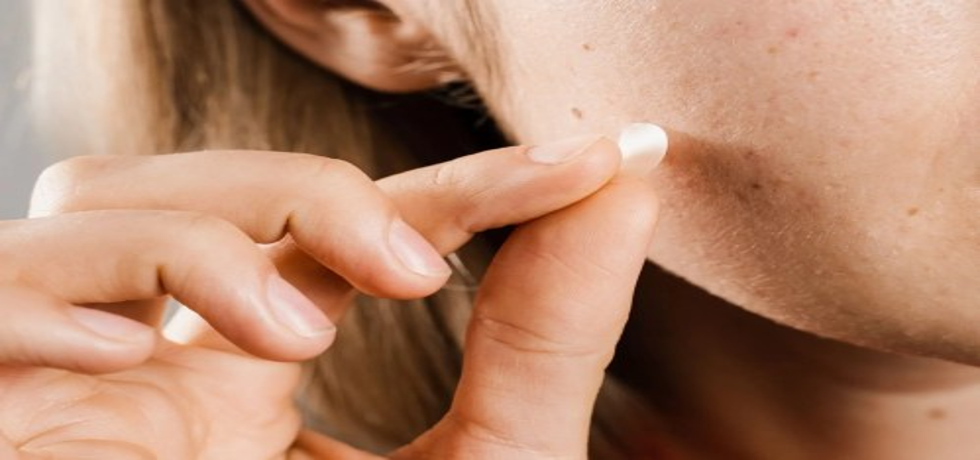
The Complete Guide to Pimple Patches: Everything You Need to Know
Introduction to Pimple Patches
Acne can be a frustrating experience for many people, and with the variety of treatments available, navigating what works best can be overwhelming. Pimple patches are becoming a popular choice for quick and effective spot treatment. These small, adhesive stickers are designed to be applied directly to pimples, allowing for an easy way to tackle breakouts discreetly. In this comprehensive guide, well explore everything you need to know about pimple patchesfrom how they work to the different types available and how to use them effectively.
What Are Pimple Patches and How Do They Work?
Pimple patches are specially designed to combat acne by providing a protective barrier over the affected area. They typically come in various sizes and are made from translucent or skin-toned materials, making them suitable for daytime wear and even under makeup. The adhesive nature of these patches helps keep the area covered, which can reduce further irritation and prevent touching or picking at the pimple. For many, this method of managing their acne through pimple patches has become a key part of their acne care routine.
Composition and Key Ingredients of Pimple Patches
Different types of pimple patches utilize varied ingredients to address breakouts effectively. Common ingredients include hydrocolloid, which absorbs excess fluids from pimples, drawing out impurities and reducing the size. Other patches may contain active ingredients such as salicylic acid, which works to target inflammation and bacteria causing acne. Knowing the type of acne youre dealing with can help guide you in selecting the right patch, ensuring you achieve the best results for your skin type.
Types of Pimple Patches
There are a few distinct types of pimple patches to choose from, suitable for varying acne types. Non-medicated hydrocolloid patches are best for surface-level acne once a pimple has formed a head, as they can absorb fluids without the use of strong ingredients. Medicated patches containing ingredients like tea tree oil or benzoyl peroxide can be highly effective for early-stage breakouts. For deeper cystic pimples, microneedling patches are an option, utilizing tiny needles to deliver active ingredients deeper into the skin.
How to Use Pimple Patches Effectively
The process of using these patches is straightforward. To apply, start by cleansing your skin thoroughly and patting it dry. Choose the appropriate size patch to cover the pimple, and gently press it onto the affected area. Its best to leave the patch on for several hours or overnight to allow for maximum absorptionmany patches will turn white, indicating that they have absorbed fluids. After using the patch, clean the area with a mild cleanser, and continue with your standard skincare routine.
When Not to Use Pimple Patches
While pimple patches are a great short-term solution for treating specific breakouts, they are not suitable for everyone or every situation. Avoid using patches on open wounds, as they could trap bacteria and slow healing. They are also less effective for severe acne types, where deeper treatment may be necessary. If you have sensitive skin, consider conducting a patch test before using medicated options to prevent negative reactions.
Evaluating the Effectiveness of Pimple Patches
Many users find that pimple patches can significantly reduce inflammation and help prevent the urge to pick at acne as it heals. However, pimple patches are not a long-term solution or a cure for existing acne issues. While they can treat surface-level breakouts effectively, they do not address underlying causes or prevent future occurrences. If youre experiencing persistent or severe acne, consulting a dermatologist is advisable for a comprehensive route to treatment.
Final Thoughts
Incorporating pimple patches into your skincare regimen can be an effective way of managing occasional breakouts. Its essential to maintain a consistent skincare routine and avoid harsh treatments immediately after using patches. For thorough advice and further assistance, consider consulting with a professional dermatologist who can best assess your individual needs. Embrace the use of pimple patches as part of your journey to clear skin, but remember they are just one tool in your acne treatment arsenal.
FAQ
1. Can pimple patches be worn overnight?
Yes, pimple patches can be left on overnight for effective treatment. Ensure to follow the manufacturers recommendations.
2. Are pimple patches suitable for all skin types?
While many patches are gentle, its essential to do a patch test if you have sensitive skin or allergies to certain ingredients.
Yes, pimple patches can be left on overnight for effective treatment. Ensure to follow the manufacturers recommendations.
2. Are pimple patches suitable for all skin types?
While many patches are gentle, its essential to do a patch test if you have sensitive skin or allergies to certain ingredients.
For professional assistance and expert advice from leading dermatologists like Dr. Hital Patel, experience the benefits of The Complete Guide to Pimple Patches: Everything You Need to Know with Hair & Skin Specialist Dr. Hital Patel at The Skin Artistry. Our clinics in PDPU Gandhinagar, Vastrapur Ahmedabad, and Hyderabad (Visiting Consultant) offer top-quality care and personalized treatments. Visit us today to learn more about our services and take advantage of our special offers! For more insights, updates, or to collaborate, stay connected with The Skin Artistry.